2027 Schools for Healthcare: Complete Student Guide

Co-Founder and Chief Data Scientist
Choosing a healthcare school is a high-stakes decision because the wrong program can delay licensure, limit job options, or increase debt. The U. S. Bureau of Labor Statistics projects healthcare occupations to generate about 1.9 million openings each year from 2023 to 2033, making training choices especially important for future nurses, allied health students, career changers, and working adults. This guide explains program types, accreditation, clinical requirements, costs, online formats, salaries, and career outcomes so you can compare schools with confidence.
Key Things You Should Know
- Healthcare school choice should start with the target license or credential: nursing, radiography, respiratory therapy, dental hygiene, sonography, and physical therapist assistant programs commonly require programmatic accreditation or board-approved clinical training.
- Costs vary widely by credential level; College Board data for 2024-25 lists average published tuition and fees at $4,050 for in-district public two-year colleges, before books, supplies, transportation, uniforms, testing, and clinical expenses.
- BLS May 2024 wage data shows large pay differences by role, from $44,200 median annual pay for medical assistants to $93,600 for registered nurses, so students should compare program cost against the specific occupation they want.
What types of healthcare degrees and training programs do U.S. schools offer?
U.S. healthcare schools offer a wide range of programs, from short workforce certificates to doctoral degrees. The best choice depends on whether you want fast entry into patient care, a licensed clinical role, or a pathway to leadership, advanced practice, research, or administration.
Healthcare education is usually divided into three broad categories: certificate and diploma training, undergraduate degrees, and graduate or professional degrees. Students who want a faster start may consider an online associate degree or hybrid associate program, but clinical healthcare roles still require in-person skills labs, supervised practice, or externships.
The table below compares common healthcare school options by credential level and career fit. Use it to match your timeline and career goal before comparing individual schools.
| Program type | Common fields | Typical fit | Important limitation |
| Certificate or diploma | Medical assisting, phlebotomy, patient care technician, sterile processing, EMT | Students seeking faster entry into healthcare support roles | May not transfer easily into a degree unless the school has clear credit pathways |
| Associate degree | Registered nursing, radiography, respiratory therapy, dental hygiene, sonography, physical therapist assistant | Students who want a licensed or technical clinical role without completing a bachelor's degree first | Admission can be competitive because clinical placements are limited |
| Bachelor's degree | BSN nursing, public health, health sciences, healthcare administration, medical laboratory science | Students seeking broader advancement options, leadership preparation, or graduate school eligibility | Costs more time and money than shorter credentials |
| Master's degree | Nurse practitioner, physician assistant, healthcare administration, health informatics, occupational therapy | Licensed clinicians or bachelor's graduates seeking advanced practice, management, or specialized roles | Often requires prerequisites, clinical hours, or prior healthcare experience |
| Doctoral or professional degree | Medicine, pharmacy, physical therapy, dentistry, advanced nursing practice | Students committed to long-term professional licensure and high-responsibility clinical roles | Requires substantial time, selective admission, and significant total cost |
Shorter credentials can be a smart choice when they lead directly to an employer-recognized role and leave room for advancement. They are less useful when the credential is not recognized by state licensing boards, national certification agencies, or local employers.
How do you choose an accredited healthcare school that meets industry and licensing standards?
Accreditation is the quality-control system that tells students, employers, licensing boards, and financial aid agencies whether a school or program meets recognized standards. In healthcare, institutional accreditation alone is often not enough because many clinical careers also require programmatic accreditation or state board approval.
A safe screening process starts with the credential you need for the job. For example, a nursing student should check state board approval and recognized nursing accreditation, while a radiography student should look for a program that satisfies registry and state licensing expectations.
Use the following steps before applying or paying any deposit. These checks help you avoid programs that look convenient but may not qualify you for certification, licensure, or transfer credit.
- Confirm that the institution is accredited by an agency recognized by the U.S. Department of Education or the Council for Higher Education Accreditation.
- Check whether your specific program has the programmatic accreditation commonly expected in that field, such as ACEN or CCNE for nursing, JRCERT for radiography, CoARC for respiratory care, CAAHEP or ABHES for selected allied health programs, CAPTE for physical therapist assistant programs, or CODA for dental programs.
- Verify state licensing or board approval in the state where you plan to work, especially for nursing, dental hygiene, radiologic technology, respiratory therapy, occupational therapy, and physical therapy roles.
- Ask the school for recent completion rates, certification exam pass rates, clinical placement policies, and job placement methodology.
- Review transfer credit rules before enrolling if you may continue from a certificate to an associate degree, from an associate degree to a bachelor's degree, or from a bachelor's degree to graduate study.
The table below highlights common red flags and better alternatives. These are especially important in healthcare because a nonqualifying program can leave students with debt but no clear path to licensure.
| Red flag | Why it matters | Better approach |
| The school says accreditation is "pending" but cannot show current approval | Pending status may not qualify students for licensure or certification exams | Enroll only after confirming current recognized accreditation or board approval |
| The program advertises a fully online clinical credential | Hands-on roles require supervised clinical or lab practice | Choose a hybrid program with documented local clinical placements |
| Admissions staff cannot explain exam pass rates | Certification outcomes are a major quality signal | Request published or documented pass-rate data by cohort |
| Tuition is quoted without fees, supplies, exams, or background checks | Total cost can be much higher than advertised tuition | Ask for a full cost-of-attendance estimate in writing |
| The program does not match your state's licensing rules | Licensure requirements vary by state and profession | Confirm eligibility directly with the relevant licensing board |
A strong healthcare school should be transparent about outcomes, clinical placement, faculty qualifications, and licensure alignment. If a school pressures you to enroll quickly before answering these questions, treat that as a warning sign.
What education and clinical requirements are needed for major healthcare careers?
Healthcare careers differ sharply in education level, clinical training, and licensing requirements. The right program is the one that prepares you for the exact credential required by the role, not just a general healthcare degree with a similar name.
The table below summarizes major healthcare career paths and the usual education expectations. Requirements can vary by state, employer, and certifying body, so students should verify the rules for their location before enrolling.
| Career goal | Common education path | Clinical or exam requirement | Decision note |
| Medical assistant | Certificate, diploma, or associate degree | Externship is common; certification may be preferred or required by employers | Good for fast entry, but advancement may require additional education |
| Licensed practical or vocational nurse | State-approved practical nursing program | Supervised clinical hours and NCLEX-PN eligibility | Works well for students seeking nursing entry before an RN pathway |
| Registered nurse | ADN or BSN program approved by the state board | Clinical rotations and NCLEX-RN eligibility | ADN can be faster; BSN may support broader advancement |
| Radiologic technologist | Accredited associate or bachelor's program | Clinical competencies and registry or state licensure exam | Programmatic accreditation is especially important |
| Respiratory therapist | Associate or bachelor's program in respiratory care | Clinical rotations and credentialing exam eligibility | Hospitals may prefer candidates prepared for advanced credentials |
| Dental hygienist | Accredited associate or bachelor's dental hygiene program | Clinical practice, national board exam, and state licensure | Admission is often competitive because of limited clinical seats |
| Diagnostic medical sonographer | Certificate for prior healthcare graduates or associate degree for new students | Supervised scanning experience and registry eligibility | Hands-on scanning volume is a key quality indicator |
| Physician assistant | Master's-level PA program | Direct patient care preparation, clinical rotations, and national certification | Usually best for students with strong science preparation and healthcare experience |
Clinical training is not just a graduation requirement; it is how students learn safety, patient communication, infection control, documentation, and real workflow. A program with weak clinical support can make it harder to build confidence, pass credentialing exams, and compete for entry-level roles.
What are the main degree pathways for nursing, allied health, and other clinical roles?
Nursing, allied health, and clinical support programs can look similar on school websites, but they lead to very different outcomes. The smartest pathway depends on how quickly you need to work, how much science coursework you are ready for, and whether your long-term goal requires licensure, certification, or graduate school.
Students comparing starting points should think in terms of "next credential" and "future ladder." For example, a certificate may lead to immediate employment, while an associate degree may provide both workforce eligibility and transfer options. Students looking for a lower-barrier starting point can also compare the easiest associates degree options, but should remember that healthcare programs with patient-care responsibilities are rarely "easy" because they include science, lab, and clinical standards.
The following pathways are common because they balance speed, employability, and future mobility. Review them by career goal rather than by school marketing category.
- Certificate-to-work pathway: Best for medical assisting, phlebotomy, sterile processing, and patient care technician roles when the goal is rapid entry and lower upfront cost.
- Certificate-to-degree pathway: Useful when a student starts in a support role and later applies credits, experience, or prerequisites toward nursing or allied health admission.
- Associate-to-license pathway: Common for ADN nursing, radiography, respiratory therapy, dental hygiene, sonography, and physical therapist assistant programs.
- Associate-to-bachelor's pathway: Helpful for students who want to become RNs through an ADN first, then complete an RN-to-BSN or transfer into health sciences, public health, or healthcare administration.
- Bachelor's-to-graduate pathway: Appropriate for future physician assistants, nurse practitioners, occupational therapists, healthcare administrators, informatics specialists, and public health professionals.
A certificate makes sense when it is affordable, employer-recognized, and connected to a real job opening in your area. A degree makes more sense when licensure requires it, when you want transfer flexibility, or when advancement into leadership or advanced practice is part of your plan.
How do online healthcare programs compare to on-campus options for training quality?
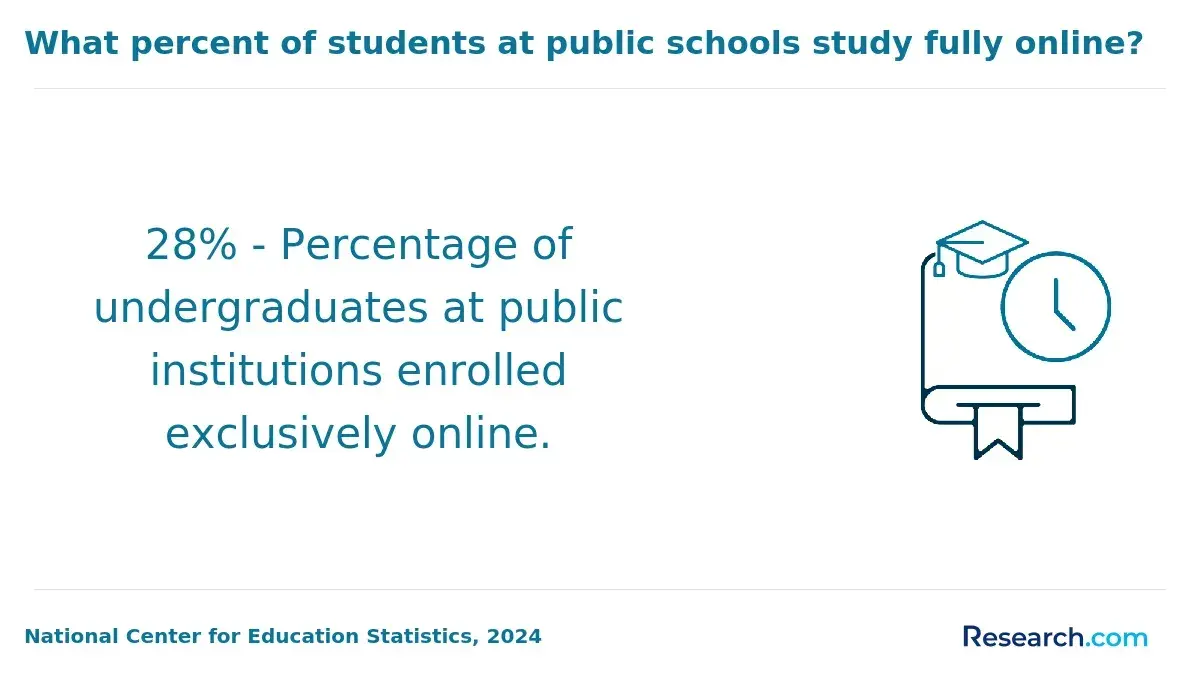
Online healthcare programs can be high quality when the online portion covers theory, general education, healthcare administration, informatics, or didactic coursework. They are not a substitute for in-person clinical practice in fields that require patient care, lab competencies, imaging procedures, respiratory interventions, dental procedures, or nursing skills.
Hybrid formats are increasingly common because they let students complete lectures online while attending scheduled labs, simulations, and clinical rotations in person. This can work especially well for students comparing online degrees for working adults, provided the school can support clinical placements near where the student lives.
The table below compares online, hybrid, and campus formats from a training-quality perspective. The best format is the one that fits your life without weakening the clinical preparation required for your occupation.
| Format | Best for | Strengths | Risks to check |
| Fully online | Healthcare administration, public health, informatics, RN-to-BSN theory coursework, prerequisite courses | Flexible schedule and fewer commuting demands | May not qualify for hands-on licensure roles without separate clinical components |
| Hybrid | Nursing, allied health, lab-based programs, working adults who can attend scheduled labs | Combines online lectures with in-person skills training | Clinical placements may be limited or located far from home |
| On campus | Students who need structure, frequent lab access, and face-to-face faculty support | Strong access to simulation labs, peer practice, and campus resources | Less flexible for students working full time or living far from campus |
Technology is changing healthcare education, but it does not remove the need for supervised practice. Simulation labs, virtual anatomy tools, electronic health record training, telehealth scenarios, and AI-supported tutoring can strengthen learning, but programs still need real clinical experiences that align with licensure and employer expectations.
What courses and hands-on experiences are included in typical healthcare program curricula?
Healthcare curricula combine science, communication, ethics, safety, and technical practice. Even short programs often include anatomy, medical terminology, infection control, documentation, and patient interaction because healthcare workers must understand both procedures and the people receiving care.
The table below shows common curriculum components and why they matter. Program names vary, but strong healthcare schools should connect classroom topics to clinical performance and credentialing standards.
| Curriculum area | Common courses or experiences | Why it matters |
| Foundational science | Anatomy and physiology, microbiology, chemistry, pathophysiology | Builds the knowledge needed to understand disease, treatment, and patient safety |
| Clinical skills | Vital signs, patient assessment, medication concepts, imaging procedures, respiratory care, dental hygiene techniques, lab procedures | Develops hands-on competence before students enter patient settings |
| Communication and professionalism | Patient communication, cultural competence, ethics, legal issues, documentation | Prepares students to work safely with patients, families, and care teams |
| Technology and records | Electronic health records, telehealth workflows, health informatics, diagnostic equipment | Reflects current healthcare practice and employer expectations |
| Simulation and lab practice | Manikins, skills labs, simulated patient scenarios, competency checkoffs | Lets students practice high-risk skills before working with patients |
| Clinical rotations or externships | Hospitals, clinics, long-term care facilities, imaging centers, dental clinics, community health settings | Connects classroom learning to supervised real-world care |
Students should ask how clinical placements are assigned, whether evening or weekend options exist, and what happens if a site cancels a rotation. These details matter because delayed clinical hours can delay graduation, exam eligibility, or job entry.
What admission requirements and prerequisites do healthcare schools commonly expect from applicants?
Healthcare school admissions vary by program level, but most programs look for academic readiness, professionalism, and the ability to meet clinical safety requirements. Selective programs may rank applicants by prerequisite grades, entrance exam scores, prior healthcare experience, or completion of general education courses.
Before applying, review both the school's general admission rules and the program's separate clinical admission rules. Many students are admitted to a college before they are admitted to the nursing or allied health cohort.
Applicants commonly need to prepare the following materials and requirements. Starting early helps prevent missed deadlines, especially for programs with once-a-year cohort starts.
- High school diploma, GED, or prior college transcript, depending on program level
- Prerequisite coursework such as anatomy and physiology, biology, chemistry, math, English composition, psychology, or statistics
- Minimum GPA requirements for overall coursework or science prerequisites
- Entrance exams such as TEAS, HESI, ATI assessments, or school-specific placement tests for selected programs
- CPR certification, immunization records, TB screening, background check, drug screening, and health insurance documentation for clinical placement
- Personal statement, interview, observation hours, or documented healthcare experience for more selective programs
A common mistake is assuming that meeting the minimum requirements is enough. In competitive programs, the successful applicant pool may have stronger grades, completed prerequisites, volunteer experience, or prior patient-care exposure than the minimum standard suggests.
How long do healthcare programs take, and what tuition, fees, and financial aid should you expect?
Healthcare program length can range from a few months to several years. Cost also varies widely because students pay not only tuition, but also lab fees, clinical supplies, uniforms, background checks, immunizations, certification exams, licensing fees, transportation, and sometimes lost work hours during clinical rotations.
College Board's 2024-25 pricing data lists average published tuition and fees at $4,050 for in-district public two-year colleges, $11,610 for in-state public four-year colleges, and $43,350 for private nonprofit four-year colleges. These figures are useful benchmarks, but healthcare students should request a program-specific cost sheet because clinical programs often include extra expenses that general tuition averages do not show.
The table below gives a practical timeline and cost comparison by credential type. Use it to estimate the trade-off between speed, total investment, and career eligibility.
| Credential | Common length | Typical cost drivers | Best fit |
| Short certificate | A few months to about one year | Tuition, supplies, certification exam, externship fees | Students seeking quicker entry into support roles |
| Associate degree | About two years after prerequisites, sometimes longer with waitlists | Tuition, lab fees, clinical travel, uniforms, licensing or registry exams | Students pursuing technical or licensed allied health and ADN nursing roles |
| Bachelor's degree | About four years, or shorter for degree-completion students | Higher total tuition, general education, clinical fees, technology fees | Students seeking broader mobility, BSN preparation, or graduate school eligibility |
| Graduate degree | One to three or more years, depending on field | Graduate tuition, clinical placement requirements, reduced work hours | Students pursuing advanced practice, leadership, PA, NP, therapy, administration, or informatics roles |
Financial aid can include federal grants, loans, scholarships, employer tuition assistance, state workforce grants, and military or veterans benefits. The maximum Federal Pell Grant for the 2024-25 award year is $7,395, but eligibility depends on FAFSA results, enrollment status, cost of attendance, and other aid.
Students trying to reduce costs should compare community colleges, public universities, employer partnerships, transfer agreements, and cheap online colleges that accept FAFSA when the program format fits their licensure or career goal.
Before enrolling, ask for the full cost of attendance, not just tuition. Also ask whether failed clinical courses must be repeated at full price, whether exam fees are included, and whether the school charges extra for simulation labs, malpractice insurance, or background checks.
What jobs, career advancement options, and work settings can healthcare graduates pursue?
Healthcare graduates can work in hospitals, physician offices, outpatient clinics, imaging centers, dental practices, rehabilitation centers, long-term care facilities, public health agencies, laboratories, schools, home health organizations, insurance companies, and health technology companies. The right work setting depends on the credential, preferred schedule, comfort with direct patient care, and tolerance for shift work or emergency situations.
Entry-level roles often focus on direct care, clinical support, documentation, procedures, scheduling, or patient education. Advancement may require experience, certification, a bachelor's degree, graduate education, leadership training, or specialization.
The list below shows common advancement routes. These paths are not automatic, but they help students choose programs that keep future options open.
- Medical assistant to office lead, care coordinator, nursing student, health information specialist, or clinic supervisor
- LPN or LVN to RN through a bridge program, then possibly BSN, charge nurse, case manager, or specialty nurse
- ADN-prepared RN to BSN, public health nurse, nurse manager, clinical educator, or graduate nursing program applicant
- Radiologic technologist to CT, MRI, mammography, interventional radiology, clinical instructor, or imaging department leadership
- Respiratory therapist to neonatal-pediatric care, critical care, pulmonary diagnostics, sleep medicine, education, or management
- Allied health graduate to healthcare administration, health informatics, quality improvement, compliance, or graduate professional school
Working clinicians who want leadership, informatics, public health, or administration roles may eventually compare the shortest master's degree programs online, but speed should not outweigh accreditation, faculty support, employer recognition, and whether the degree matches the intended promotion path.
AI and automation are also changing healthcare work. Routine documentation, scheduling, image triage support, and administrative workflows may become more automated, but patient communication, ethical judgment, hands-on procedures, and interprofessional teamwork remain central to clinical roles.
What are the salary ranges and job outlook for in-demand healthcare professions?
Salary and job outlook should be used as decision tools, not guarantees. Pay varies by state, metro area, employer type, shift, union environment, experience, certification, and specialty, while job growth projections describe national labor-market trends rather than individual outcomes.
The table below uses BLS May 2024 median annual wage data and 2023-2033 employment projections released in 2024. It compares several in-demand healthcare occupations that students commonly enter through certificates, associate degrees, bachelor's degrees, or graduate programs.
| Occupation | Typical entry education | Median annual wage | Projected growth, 2023-2033 |
| Medical assistant | Postsecondary certificate or diploma is common | $44,200 | 15% |
| Licensed practical and licensed vocational nurse | State-approved practical nursing program | $62,340 | 3% |
| Registered nurse | Associate or bachelor's degree in nursing | $93,600 | 6% |
| Radiologic and MRI technologist | Associate degree is common | $78,980 | 6% |
| Respiratory therapist | Associate degree is common | $79,960 | 13% |
| Dental hygienist | Associate degree is common | $94,260 | 9% |
| Diagnostic medical sonographer | Associate degree is common | $89,340 | 11% |
| Medical and health services manager | Bachelor's degree is common; master's may help advancement | $117,960 | 29% |
| Nurse practitioner | Master's degree is common | $132,050 | 46% |
The pattern is clear: roles requiring licensure, advanced technical skill, or graduate preparation often show higher median wages, but they also require more time, stronger prerequisites, and higher upfront investment. A practical ROI review should compare total program cost, time out of the workforce, local job openings, licensure pass rates, and whether the credential can stack into future education.
Other Things You Should Know About
The best starting degree depends on your goal. An associate degree is often practical for nursing and allied health roles, while a certificate can work for faster entry into medical assisting, phlebotomy, or patient care support. If you want advanced practice, leadership, or graduate school later, choose a pathway with transferable credits.
Some healthcare administration, public health, informatics, RN-to-BSN, and prerequisite courses can be fully online. Programs that prepare students for direct patient-care licensure usually require in-person labs, simulations, clinical rotations, or externships.
Check institutional accreditation, programmatic accreditation, state board approval, certification exam eligibility, clinical placement policies, and recent outcomes. Be cautious if a school cannot clearly explain licensure requirements or asks you to enroll before providing written cost and accreditation details.
They can be worth it when the program leads to a required credential, has strong exam pass rates, offers reliable clinical placement, and matches local employer demand. They are riskier when tuition is high, accreditation is unclear, credits do not transfer, or the program does not qualify you for the license or certification you need.
References
- Nursing Degree Levels: Career Pathways | Incredible Health https://www.incrediblehealth.com/blog/nursing-degrees/
- Online Medical Specialties Degree | Affordable Medical Specialties Degree - USCI https://www.uscareerinstitute.edu/online-medical-specialties-associate-degree
- 10 Nursing Career Advancement Ideas https://credenzahealth.com/career-advice/10-nursing-career-advancement-ideas
- Why trust GlobalHealth Education? https://globalhealtheducation.com/au/resources/online-vs-on-campus-courses
- How Much is Medical School? What to Expect and Tips for Dealing With the Cost | Lecturio Medical https://www.lecturio.com/blog/how-much-is-medical-school-what-to-expect-and-tips-for-dealing-with-the-cost/
- Online vs Hybrid vs Campus Learning in Healthcare: Which Is Right for You? https://www.edumed.org/articles/online-vs-hybrid-vs-campus/
- Average Cost of Medical School [2025]: Yearly + Total Costs https://educationdata.org/average-cost-of-medical-school
- Online Degrees vs. In-Person Degrees: Which is Better for You? https://www.ultimatemedical.edu/blog/online-degrees-vs-in-person-degrees/
- What Would You Learn in a Medical Assistant Curriculum? - Texas Health School https://ths.edu/what-would-you-learn-in-a-medical-assistant-curriculum/
- The Importance of Hands-On Medical Training: 3 Essential Benefits https://www.chcp.edu/blog/hands-on-medical-training/