2027 Fashion Merchandising School: Complete Student Guide

Co-Founder and Chief Data Scientist
Choosing a fashion merchandising school is really a decision about how you want to enter the business side of fashion: buying, planning, retail management, ecommerce, styling, or brand strategy. The stakes are higher as retailers rely more on data, AI-assisted forecasting, and omnichannel sales. BLS 2024 wage data shows market research analysts earned a median $76,950, signaling the value of analytics skills in consumer-driven fields. This guide helps future students, career changers, and parents compare programs, costs, formats, and career outcomes before committing time and money.
Key Things You Should Know
- Fashion merchandising programs usually fit students who want the business, buying, planning, marketing, and retail side of fashion rather than a pure apparel design path.
- College Board 2024-25 data lists average published tuition and fees at $11,610 for in-state public four-year colleges and $43,350 for private nonprofit four-year colleges, so total cost should be compared before enrolling.
- BLS 2024 data places the median wage for buyers and purchasing agents at about the mid-$70,000 range, but fashion-specific outcomes vary by city, employer, internship experience, analytics skills, and retail segment.
What is fashion merchandising and what does a fashion merchandising school teach?
Fashion merchandising is the planning, buying, pricing, promotion, and presentation of apparel and related products so the right items reach the right customers at the right time. It sits between creative fashion culture and commercial retail strategy. A fashion merchandiser may analyze trend reports, review sales data, coordinate assortments, negotiate with vendors, plan store or ecommerce displays, and help decide what products a retailer should carry next season.
A fashion merchandising school teaches students how fashion products move from concept to consumer. Unlike fashion design, which focuses heavily on garment creation, merchandising emphasizes consumer behavior, retail math, product selection, inventory control, brand positioning, visual presentation, and sales performance. Strong programs now also include ecommerce platforms, digital marketing, product lifecycle technology, and data dashboards because many merchandising decisions are made with both creative judgment and quantitative evidence.
The clearest way to understand the field is to compare it with nearby fashion education paths. The table below shows how fashion merchandising differs from related majors and why that matters when choosing a school.
| Program focus | Best fit | Common coursework | Career direction |
| Fashion merchandising | Students interested in buying, planning, retail strategy, trend analysis, and product presentation | Retail math, fashion buying, consumer behavior, visual merchandising, ecommerce, textiles, marketing | Assistant buyer, merchandise planner, retail manager, visual merchandiser, ecommerce coordinator |
| Fashion design | Students who want to create garments, collections, and technical apparel specifications | Patternmaking, draping, sewing, illustration, CAD, garment construction | Assistant designer, technical designer, product development assistant |
| Fashion marketing | Students drawn to brand storytelling, campaigns, social media, and customer engagement | Advertising, branding, digital marketing, public relations, consumer research | Fashion marketing coordinator, social media specialist, brand assistant |
| Retail management | Students who want broader store, operations, and people-management roles | Retail operations, sales management, human resources, supply chain, leadership | Store manager, district manager trainee, retail operations associate |
A fashion merchandising school is a good fit if you enjoy style trends but also like numbers, consumer psychology, and business decisions. It may not be the best fit if your main goal is to design clothing from scratch, build a fine-art portfolio, or pursue a technical textile engineering role.
What fashion merchandising degrees and majors can you earn at U.S. colleges?
U.S. colleges offer fashion merchandising at several credential levels, from short certificates to bachelor's degrees and graduate programs. The best choice depends on your starting point, target job, budget, and whether you already have college credit or retail experience.
The table below compares common academic paths so you can match the credential to your goal instead of assuming the longest option is automatically the best.
| Credential | Typical length | Who it fits | Common outcome |
| Certificate | Several months to one year | Retail workers, career changers, or students testing the field | Entry-level retail, visual merchandising assistant, fashion sales support |
| Associate degree | About two years full time | Students seeking a lower-cost start or transfer pathway | Retail supervisor, assistant merchandiser, transfer to bachelor's program |
| Bachelor's degree | About four years full time | Students targeting corporate retail, buying, planning, ecommerce, or brand roles | Assistant buyer, merchandise coordinator, allocator, ecommerce merchandising assistant |
| Master's degree | One to two years after a bachelor's degree | Professionals seeking leadership, analytics, luxury management, or teaching-related advancement | Merchandising manager, brand strategist, product manager, retail analytics specialist |
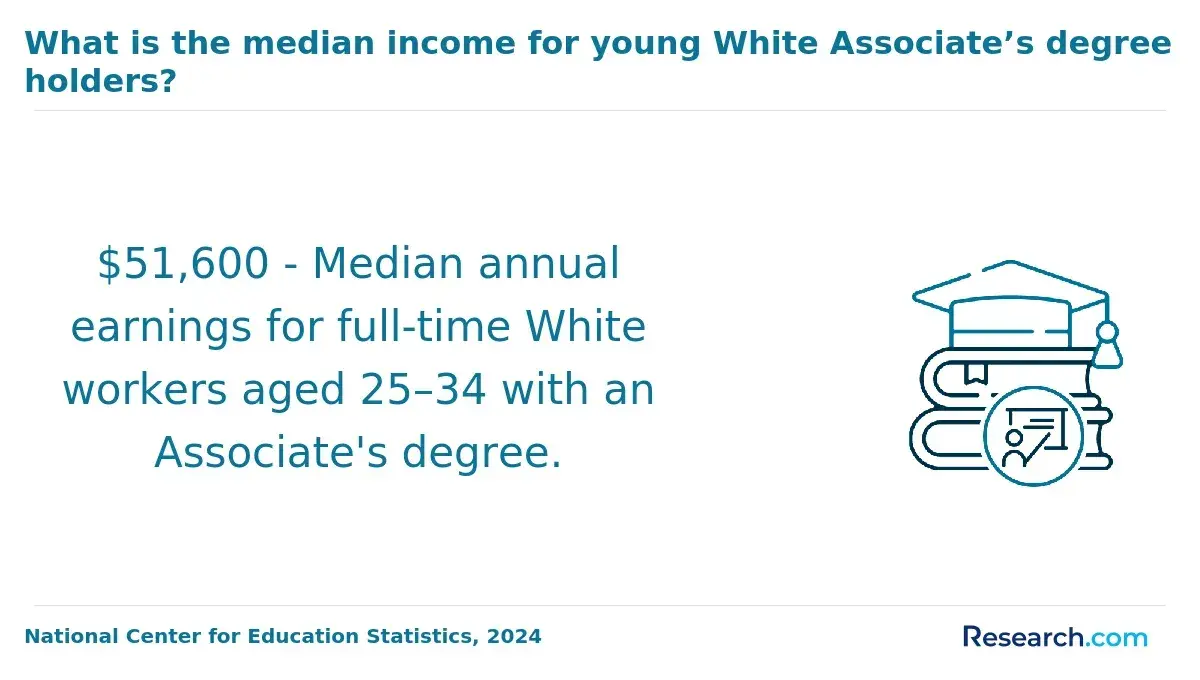
An associates degree can be a practical first step if you want a lower-cost route, need to study close to home, or plan to transfer later. Before choosing this path, ask whether the credits apply to a bachelor's program in fashion merchandising, retail management, marketing, or business.
Major names vary by institution. You may see programs called fashion merchandising, apparel merchandising, retail merchandising, fashion business management, fashion marketing and management, consumer apparel and retail studies, or textile and apparel management. Read the course list carefully; two programs with similar names can differ substantially in how much they emphasize buying, design, analytics, or store operations.
How do you choose an accredited fashion merchandising school that employers respect?
Employers usually care less about a school's marketing language and more about whether the program is credible, current, connected to industry, and able to help students build usable experience. Accreditation is the first filter. In the U.S., students should confirm that the college is institutionally accredited by an agency recognized by the U.S. Department of Education or the Council for Higher Education Accreditation. Program-specific recognition can add value, but it does not replace institutional accreditation.
Use a structured checklist before applying. These steps help you separate strong programs from schools that look attractive online but may not support your career goals.
- Verify institutional accreditation through official accreditation databases, not only the school's homepage.
- Review required courses to confirm the program teaches retail math, buying, merchandising analytics, ecommerce, textiles, and consumer behavior.
- Ask where recent students completed internships and whether those placements were paid, credit-bearing, remote, local, or competitive.
- Look for faculty with retail, buying, planning, product development, or fashion business experience, not only general business credentials.
- Compare career services support, including portfolio reviews, resume help, employer events, alumni networking, and internship coordination.
- Check transfer policies, especially if you are starting at a community college or returning with previous credits.
Red flags include vague job-placement claims, pressure to enroll quickly, unclear tuition and fee information, limited faculty transparency, no internship structure, or a curriculum that has not been updated for ecommerce and analytics. Rankings can be useful for discovery, but they should not replace accreditation checks, cost comparisons, and direct questions about outcomes.
A respected fashion merchandising school does not have to be in New York or Los Angeles, although those markets can offer more internship density. Regional public universities, private nonprofit colleges, and community colleges can all be strong choices when they combine accreditation, employer connections, relevant coursework, and realistic pricing.
What is the typical curriculum in a fashion merchandising program?
A typical fashion merchandising curriculum blends fashion knowledge with business, analytics, and customer behavior. The goal is to help students make product and retail decisions that are both commercially sound and brand-appropriate.
Most programs combine general education, major courses, electives, and experiential learning. The following list shows the core areas to look for when evaluating a curriculum.
- Fashion industry foundations, including fashion history, trend cycles, textiles, product categories, and terminology used by retailers and brands.
- Retail math and merchandise planning, including markup, markdown, inventory turnover, open-to-buy planning, sales forecasting, and assortment analysis.
- Fashion buying and product development, including vendor selection, line planning, sourcing basics, negotiation, costing, and product lifecycle decisions.
- Consumer behavior and marketing, including segmentation, brand positioning, social media, visual storytelling, and customer journey analysis.
- Visual merchandising and presentation, including store layout, display strategy, styling, color use, and digital merchandising for ecommerce pages.
- Technology and analytics, including spreadsheets, retail systems, ecommerce platforms, data visualization, AI-assisted trend research, and demand forecasting tools.
- Internships, capstones, or client projects that require students to apply buying, planning, marketing, or visual merchandising skills to real business problems.
The strongest programs do not treat creativity and data as opposites. For example, students may use trend research to build a seasonal assortment, then use retail math to justify quantities, pricing, and markdown strategy. That combination is increasingly important as retailers test products quickly, adjust inventory based on online behavior, and use AI tools to spot demand shifts.
When comparing programs, ask to see sample student projects. A practical portfolio might include a buying plan, assortment board, trend report, visual merchandising plan, ecommerce product page analysis, or sales-performance presentation. These artifacts can matter in interviews because they show how you think, not just what courses you completed.
How do online fashion merchandising programs compare with campus-based options?
Online fashion merchandising programs can be a strong option for students who need flexibility, already work in retail, or live far from a fashion-focused campus. Campus-based programs can be better for students who want in-person studio work, store labs, local internship pipelines, and frequent networking events. The right format depends on your schedule, learning style, budget, and access to work experience.
The table below compares online and campus-based formats across the factors that usually affect student success.
| Factor | Online program | Campus-based program |
| Flexibility | Best for working adults, parents, military students, and students outside major retail markets | Best for students who can attend scheduled classes and campus activities |
| Hands-on learning | May use virtual projects, local retail assignments, simulations, and remote internships | May offer labs, in-person displays, fashion events, and local employer visits |
| Networking | Requires more proactive outreach to faculty, classmates, alumni, and employers | Often easier through campus events, guest speakers, and local internship channels |
| Cost control | Can reduce commuting and relocation costs, but tuition varies widely | May include campus fees, housing, transportation, and local cost-of-living expenses |
| Best fit | Self-directed students who can build experience while studying | Students who benefit from structure, in-person feedback, and fashion-market immersion |
If speed is your priority, compare program calendars carefully. Some online bachelor's programs use shorter terms, year-round enrollment, or generous transfer credit policies; resources on the best accelerated bachelor's degree online options can help you understand what accelerated study usually requires.
Online students should be especially intentional about experience. A degree alone is rarely enough for competitive buying or planning roles. Try to combine coursework with retail work, internships, freelance visual merchandising, ecommerce projects, or student-run fashion events. If a school offers an online program but cannot explain how students gain practical experience, treat that as a serious weakness.
What are the admission requirements for fashion merchandising degrees?
Admission requirements vary by credential level and school selectivity. Fashion merchandising is usually less portfolio-intensive than fashion design, but some programs still ask for creative samples, an interview, or a statement of purpose to understand your interest in the field.
Most applicants should prepare the following materials before contacting schools. Requirements are not identical everywhere, so use this list as a planning guide rather than a universal rule.
- High school transcript, GED documentation, or prior college transcripts, depending on your level of entry.
- Minimum GPA evidence if the program or transfer pathway has a published academic threshold.
- Personal statement explaining your interest in fashion business, retail, buying, styling, ecommerce, or brand management.
- Resume listing retail jobs, customer service work, leadership roles, creative projects, clubs, or volunteer experience.
- Portfolio or work samples if requested, such as styling boards, visual display photos, trend reports, social media campaigns, or retail project examples.
- Letters of recommendation for more selective bachelor's or graduate programs.
- English proficiency documentation for applicants whose prior education was not in English.
Students with criminal records, disciplinary history, or interrupted education should ask admissions offices direct questions about background checks, internships, campus policies, and employer requirements. Some online programs are designed with broader access in mind, and research on online colleges that accept felons can help applicants understand what to ask before enrolling.
To strengthen your application, take business, math, marketing, art, communications, and technology courses when available. Retail work also helps. Even part-time experience in sales, inventory, customer service, styling, or store operations can show that you understand the pace and expectations of the industry.
How long do fashion merchandising programs take and what do they cost?
Program length depends on credential level, transfer credit, enrollment intensity, and whether the school uses traditional semesters or accelerated terms. A certificate may take less than a year, an associate degree usually takes about two years full time, and a bachelor's degree typically takes four years full time. Part-time students often need longer, while transfer students may finish sooner if credits apply cleanly.
Cost can vary more than many students expect. College Board 2024-25 data lists average published tuition and fees at $4,050 for public two-year in-district colleges, $11,610 for in-state public four-year colleges, $30,780 for out-of-state public four-year colleges, and $43,350 for private nonprofit four-year colleges. These figures are not fashion-specific, but they are useful benchmarks for judging whether a program's price is reasonable.
When estimating total cost, look beyond tuition. The following items can change the real price of a fashion merchandising education.
- Tuition and mandatory fees, including technology, online learning, lab, student activity, and graduation fees.
- Books, software, retail analytics tools, design software, presentation supplies, and portfolio materials.
- Housing, commuting, parking, transit, or relocation costs if the program requires campus attendance.
- Internship expenses, including transportation, professional clothing, unpaid time, or temporary housing in a fashion market.
- Lost wages if you reduce work hours to study full time or complete an internship.
- Transfer-credit limitations that may require retaking courses after changing schools.
Graduate study is not required for most entry-level fashion merchandising jobs, but it may help professionals pivot into analytics, leadership, luxury management, or higher education. If you are comparing flexible graduate options, information on easy master's degrees online can help you understand how format, workload, and admission requirements differ, although you should still judge each program by relevance and rigor.
To reduce cost, complete general education courses at an accredited community college, apply for institutional scholarships, use employer tuition assistance if available, compare net price rather than sticker price, and ask whether internships are paid. The biggest mistake is choosing a school solely because it has a fashionable brand name without checking debt, transfer policies, and career support.
What jobs can you get with a fashion merchandising degree?
A fashion merchandising degree can lead to roles in retail buying, merchandise planning, ecommerce, visual presentation, product development, wholesale, brand marketing, and store leadership. Entry-level titles often sound broad because employers train new hires into specific systems and product categories.
The table below summarizes common roles and the type of work each one typically involves. Titles vary by employer, especially between department stores, specialty retailers, luxury brands, mass merchants, and ecommerce companies.
| Job title | Typical responsibilities | Helpful skills |
| Assistant buyer | Supports product selection, vendor communication, purchase orders, sample tracking, and competitive shopping | Retail math, trend awareness, communication, organization |
| Merchandise planner or allocator | Analyzes sales, inventory, size curves, store demand, and replenishment needs | Excel, forecasting, data analysis, inventory logic |
| Visual merchandiser | Creates store displays, floor layouts, signage plans, and seasonal presentation concepts | Styling, spatial design, brand consistency, customer psychology |
| Ecommerce merchandising coordinator | Manages product listings, site navigation, online assortments, product descriptions, and conversion-focused presentation | Digital merchandising, SEO basics, analytics, product storytelling |
| Retail manager or department manager | Supervises staff, sales goals, customer experience, inventory, scheduling, and store operations | Leadership, sales analysis, customer service, problem solving |
| Fashion marketing coordinator | Supports campaigns, social content, brand partnerships, events, and customer engagement | Branding, writing, social media analytics, project coordination |
Career growth usually depends on performance, category knowledge, location, and measurable business results. A common path is retail associate or intern to assistant buyer, allocator, or merchandising assistant, then buyer, planner, merchandising manager, or category manager. Students who enjoy analysis may move toward planning and ecommerce, while students who enjoy presentation and styling may prefer visual merchandising or brand experience roles.
AI and automation are changing the work, but they are not eliminating the need for human judgment. Retailers use analytics tools for demand forecasting, inventory allocation, personalization, and trend monitoring. Graduates who can interpret data, understand customers, and explain decisions clearly are better positioned than those who rely only on taste or trend awareness.
What are the salary expectations and job outlook in fashion merchandising?
Salary expectations in fashion merchandising vary widely because the degree can lead to different occupations. Location also matters: corporate buying offices, ecommerce headquarters, luxury retailers, and major metropolitan markets may offer different pay scales than local retail roles. Students should compare salaries by occupation rather than searching for one universal "fashion merchandising salary."
BLS 2024 wage and projection data gives useful context for several related roles, although it does not isolate every fashion-specific title. The table below shows how broad occupational categories can help you estimate the labor-market range.
| Related occupation | 2024 median annual wage | 2023-2033 outlook context | How to interpret it |
| Market research analysts | $76,950 | Projected growth is faster than average | Relevant for merchandising students who build strong consumer research, analytics, and ecommerce skills |
| Buyers and purchasing agents | About the mid-$70,000 range | Projected employment is expected to decline for the broader category | Fashion buying can be competitive, so internships, category knowledge, and analytics skills matter |
| First-line supervisors of retail sales workers | About the mid-$40,000 range | Outlook depends heavily on retail segment and store format | Useful entry or advancement path for students building management experience |
| Merchandise displayers and window trimmers | About the high-$30,000 range | Opportunities vary with retail footprints and brand investment in physical stores | Best viewed as a creative presentation path that may require a strong portfolio |
The most important takeaway is that fashion merchandising is not a single salary track. A student who develops spreadsheet, forecasting, ecommerce, and presentation skills may qualify for different opportunities than a student who focuses only on styling. Internships and early retail experience can also influence access to corporate roles because many employers prefer candidates who understand how products perform in real stores or online channels.
Job outlook is mixed. Analytics-heavy roles connected to consumer insights and ecommerce show stronger demand than some traditional purchasing roles, while physical retail roles depend on store strategy, local demand, and employer health. Treat wage and growth data as planning information, not a promise of a specific outcome.
Are there certifications or professional organizations for fashion merchandising graduates?
Fashion merchandising does not usually require a state license, but certifications and professional organizations can help students build credibility, learn industry language, and meet employers. The best credential depends on whether you want retail management, analytics, visual merchandising, buying, or broader business leadership.
Consider credentials that support a specific skill gap rather than collecting certificates at random. The options below are commonly relevant to fashion merchandising students and graduates.
- Retail management certificates from community colleges, universities, or employer training programs can help students who want store leadership or district management paths.
- Digital marketing, ecommerce, and analytics certificates can strengthen applications for online merchandising, customer insights, and brand marketing roles.
- Software training in spreadsheets, data visualization, product information management, or ecommerce platforms can be useful when job descriptions mention technical tools.
- Professional organizations in retail, merchandising, textiles, marketing, or visual presentation can provide conferences, job boards, student chapters, competitions, and networking.
- Graduate certificates or master's degrees may make sense for professionals targeting management, analytics, luxury business, or teaching, but they should be evaluated against cost and career goals.
If you are considering graduate school, compare expected career value carefully. Resources on graduate degrees that are worth it can help frame the ROI question, but your decision should still depend on your target role, employer expectations, debt level, and work experience.
The smartest professional-development plan is practical: build a portfolio, complete internships, learn retail math, become comfortable with data, and join networks that expose you to real hiring expectations. Certifications can help, but they rarely replace experience and measurable skill.
Other Things You Should Know About
No. Fashion design focuses on creating garments, while fashion merchandising focuses on buying, planning, marketing, selling, and presenting fashion products. Some programs overlap, but the career outcomes are different.
Not always. Retail, visual merchandising, and assistant roles may accept certificates, associate degrees, or experience. A bachelor's degree is more common for corporate buying, planning, ecommerce, and brand roles.
It can be, if the college is institutionally accredited and the program includes relevant coursework, career support, and practical projects or internships. Employers typically care more about skills, experience, and credibility than delivery format alone.
Ask about accreditation, total cost, transfer credits, internship access, graduate outcomes, faculty industry experience, software used in courses, and whether students build a portfolio of merchandising projects.
References
- The Fashion Design Institute https://www.thefashiondesigninstitute.com/us/en/accreditations
- online fashion courses vs traditional fashion schools https://www.milanfashioncampus.eu/post/online-fashion-courses-vs-traditional-fashion-schools
- Fashion Merchandising https://pcad.edu/certificate_programs/fashion-merchandising-certificate/
- Fashion Buying & Merchandising | Fashion Courses | Istituto Marangoni https://www.istitutomarangoni.com/en/fashion-courses/master/fashion-business/fashion-buying-merchandising
- Best Online Fashion Design courses in 2025 https://www.upskillist.com/blog/best-online-fashion-design-courses-in-2025/
- Fashion Industry Salaries https://www.pyramidfashion.com/fashion-industry-salaries.html
- Choosing a Fashion Design School | All Art Schools https://www.allartschools.com/fashion-design/choosing-fashion-design-school/
- What to Expect in Your Fashion Merchandising Degree https://www.belmont.edu/stories/articles/2025/fashion-merchandising-degree.html
- Fashion, Textiles, and Apparel https://www.aafcs.org/credentialing-center/pre-pac/portfolio/fashion-textiles-apparel
- 10 Jobs You Can Get with a Degree in Fashion Merchandising https://www.limcollege.edu/blog/10-jobs-you-can-get-degree-fashion-merchandising