2027 How to Understand College Systems Without Feeling Lost

Co-Founder and Chief Data Scientist
Choosing a college can feel confusing because "college" can mean a community college, university, online program, certificate, associate degree, bachelor's degree, or graduate pathway. The stakes are real: BLS data published in 2024 shows workers with a bachelor's degree had median weekly earnings of $1,493, compared with $899 for workers with only a high school diploma.
This guide is for students, parents, adult learners, and career changers who want to understand college systems, compare options, avoid costly mistakes, and choose a path that fits their goals, budget, timeline, and career plans.
Key Things You Should Know
- The U.S. college system includes community colleges, public and private universities, career schools, online programs, certificates, associate degrees, bachelor's degrees, and graduate degrees, so the right choice depends on your career goal, budget, transfer plan, and preferred learning format.
- Cost varies sharply by school type: College Board's 2024 pricing data lists average published tuition and fees at about $4,050 for public two-year in-district colleges, $11,610 for public four-year in-state colleges, and $43,350 for private nonprofit four-year colleges.
- Accreditation, transfer credit policies, program outcomes, and total cost matter more than school name alone; choosing without checking these details can limit financial aid, licensure eligibility, graduate school options, or employer recognition.
What is the U.S. college system?
The U.S. college system is a flexible network of postsecondary institutions that offer education after high school. It includes two-year colleges, four-year universities, technical and career schools, online colleges, graduate schools, and professional programs. Unlike some countries with a single national university pathway, the U.S. system allows students to start at different levels, transfer between institutions, study full time or part time, and combine general education with career-focused training.
The key idea is that "college" is not one fixed experience. A student might earn a short certificate for a specific job, complete an associate degree at a community college, transfer into a bachelor's program, or continue into a master's or doctoral program. Some students follow a traditional campus route, while others use online, hybrid, evening, accelerated, or competency-based programs designed for working adults.
To avoid feeling lost, it helps to understand the major building blocks. Most college decisions come down to a few practical categories: institution type, degree level, accreditation, cost, time to completion, transfer options, career outcomes, and student support. These categories matter because a program can look attractive on the surface but still be a poor fit if it does not align with your intended career, budget, or licensing requirements.
Here is a simple overview of the main parts of the system and what each usually means for students.
| College system term | What it means | Why it matters |
| Community college | A public two-year college offering certificates, associate degrees, transfer pathways, and workforce programs. | Often lower cost and flexible, but transfer planning is essential if you want a bachelor's degree. |
| Four-year college or university | An institution offering bachelor's degrees and often graduate degrees. | Best fit for careers that require a bachelor's degree or higher, but usually costs more than community college. |
| Certificate program | A short credential focused on a specific skill or occupation. | Useful for fast entry into some fields, but may not substitute for a degree in professions that require one. |
| Associate degree | A two-year undergraduate degree, often career-focused or transfer-oriented. | Can lead directly to work or serve as the first half of a bachelor's degree. |
| Bachelor's degree | A four-year undergraduate degree that includes major courses, electives, and general education. | Common requirement for many professional, business, education, technology, and healthcare roles. |
| Graduate degree | A master's, doctoral, or professional degree completed after a bachelor's degree. | Often needed for advanced, licensed, research, leadership, or specialized roles. |
The U.S. system is valuable because it gives students multiple entry points. The trade-off is complexity: you must verify whether your credits transfer, whether the program is accredited, whether the degree level matches your career goal, and whether the total cost makes sense for the outcome you want.
How do community colleges and universities differ?
Community colleges and universities differ most in cost, degree levels, campus experience, admissions selectivity, and transfer planning. Community colleges usually serve local students and offer certificates and associate degrees, while universities typically offer bachelor's and graduate degrees and may have larger campuses, research activity, residence halls, athletics, and broader major options.
The choice is not simply "better" or "worse." Community college can be a smart starting point if you want lower tuition, smaller classes, flexible scheduling, or time to explore a major. A university may be the better starting point if your program has a structured four-year sequence, competitive major admission, residential experience, undergraduate research, or specialized facilities that are not available at a two-year college.
The table below compares the two options by the factors students most often misunderstand. Use it to identify which route fits your financial situation, academic readiness, and career plan.
| Factor | Community college | Four-year university |
| Typical credential | Certificate or associate degree | Bachelor's, master's, doctoral, or professional degree |
| Cost structure | Usually lower tuition, especially for local residents | Usually higher tuition, with major variation by public, private nonprofit, and private for-profit status |
| Admissions | Often open-access or less selective | Can range from open-access to highly selective |
| Best fit | Students seeking affordability, career training, transfer pathways, or academic reset options | Students who want a bachelor's degree, campus life, research opportunities, or direct entry into a specific major |
| Main risk | Credits may not transfer as expected without careful planning | Higher total cost if the student changes majors, takes extra semesters, or borrows heavily |
| Decision tip | Confirm articulation agreements and major prerequisites before enrolling | Compare net price, graduation rates, major admission rules, and career outcomes |
A common mistake is assuming community college automatically saves money. It often can, but only if your courses apply to your intended degree. Before starting, ask the transfer university whether each course counts toward general education, major prerequisites, or electives. Extra credits that do not apply can turn a low-cost pathway into a longer and more expensive one.
Another mistake is assuming a university is worth the higher price because it has a recognizable name. School reputation can matter in some fields, but the stronger decision factors are program quality, accreditation, internship access, graduation support, location, alumni network, and whether the degree is required for the jobs you want.
How does accreditation affect your degree?
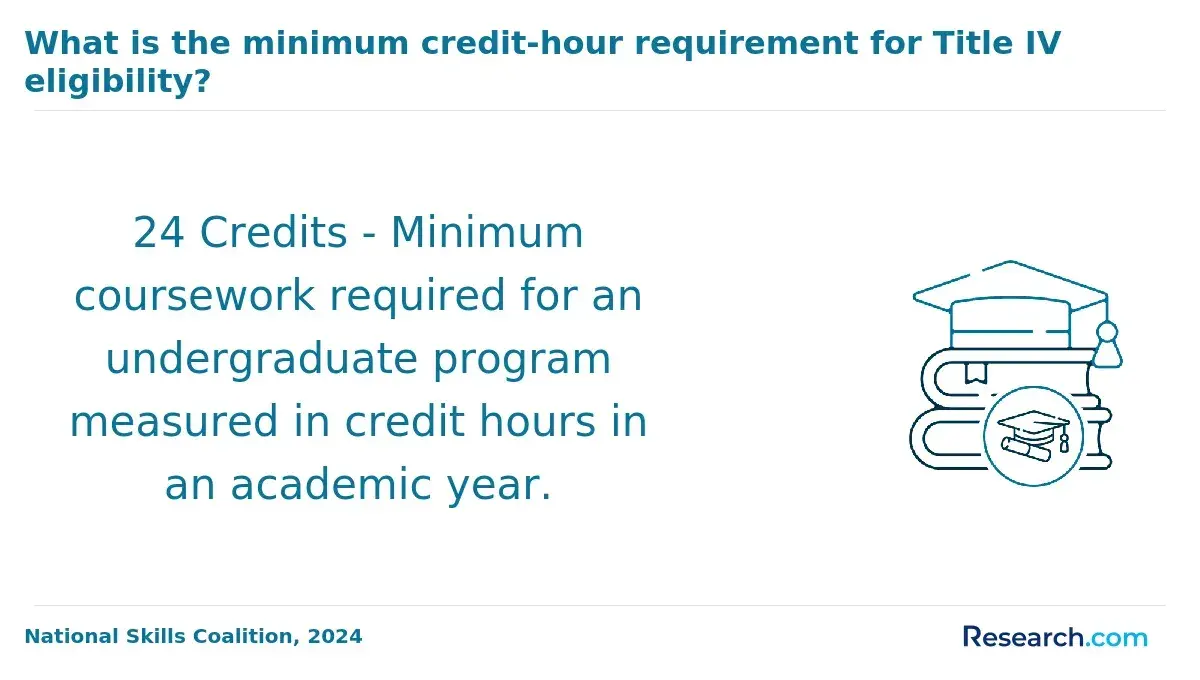
Accreditation is one of the most important parts of the college system because it signals that a school or program has been reviewed by an approved accrediting body. In practical terms, accreditation can affect financial aid eligibility, credit transfer, graduate school admission, licensure, and employer recognition. If a school is not properly accredited, the degree may create problems later even if the classes seem legitimate.
There are two broad levels to understand: institutional accreditation and programmatic accreditation. Institutional accreditation applies to the college or university as a whole. Programmatic accreditation applies to specific programs, especially in fields such as nursing, education, counseling, social work, engineering, business, and allied health. Some careers require graduation from a program with specific accreditation, not just a school that is accredited overall.
The safest approach is to verify accreditation before you apply, not after you enroll. These checks help you avoid programs that may not qualify for aid, transfer, licensure, or graduate study.
- Look up the institution in the U.S. Department of Education's recognized accreditation database or ask the school to name its accreditor in writing.
- Check whether your specific program needs programmatic accreditation for licensure, certification, or professional recognition.
- Ask transfer universities whether credits from the school are accepted and how they apply to your intended major.
- For licensed fields, confirm requirements with the state licensing board where you plan to work, not only with the school.
- Be cautious if a school pressures you to enroll quickly, avoids direct accreditation answers, or promises guaranteed jobs or salaries.
Accreditation does not guarantee a program is affordable, selective, or the best fit. It is a minimum quality and recognition check. After verifying it, you still need to compare costs, curriculum, faculty support, student outcomes, clinical or internship placement, and whether graduates are eligible for the next step you want.
What degree options can you earn after high school?
After high school, you can pursue certificates, associate degrees, bachelor's degrees, and eventually graduate degrees. The best option depends on how quickly you want to enter the workforce, whether your target career requires a degree, how much time and money you can invest, and whether you may want to transfer or continue later.
A useful way to think about degree options is by matching credential level to career requirements. Some occupations reward short, skills-based training, while others require a bachelor's degree or graduate education before you can advance. If you are still exploring fields, reviewing the top 10 best majors for the future can help you connect academic choices to long-term labor market demand.
The table below summarizes common post-high-school credentials and how they typically fit different goals. It is not a ranking; it is a decision tool.
| Credential | Typical purpose | Best for | Watch out for |
| Certificate | Builds targeted skills for a specific job or industry | Students seeking faster entry into fields such as IT support, medical assisting, welding, bookkeeping, or logistics | Some certificates have limited transfer value or may not meet employer expectations without experience |
| Associate of Applied Science | Prepares students for direct employment in a technical or healthcare-related field | Students who want job-ready training in about two years | Credits may not fully transfer into a bachelor's program unless an agreement exists |
| Associate of Arts or Associate of Science | Completes lower-division coursework for transfer to a bachelor's program | Students planning a lower-cost start before transferring | Poor course selection can delay graduation after transfer |
| Bachelor's degree | Provides broad undergraduate education plus major specialization | Students targeting professional, managerial, technical, education, or graduate-school pathways | Changing majors late can add time and cost |
| Master's degree | Builds advanced expertise after a bachelor's degree | Students seeking specialization, leadership roles, licensure, or career advancement | ROI varies widely by field, employer, and whether the degree is required |
| Doctoral or professional degree | Prepares students for advanced practice, research, academia, law, medicine, or other professions | Students pursuing regulated or highly specialized careers | Programs can be lengthy, expensive, and highly competitive |
Degree choice should begin with the job you want, not the campus you like most. Search job postings in your target region and note the common education requirements. If most postings require a bachelor's degree, a certificate alone may not be enough. If employers emphasize skills, portfolios, apprenticeships, or certifications, a shorter and less expensive route may be a better first step.
Students should also consider stackability. A stackable pathway lets you earn a certificate, apply credits toward an associate degree, and later continue into a bachelor's program. This can reduce risk because you gain a usable credential earlier while keeping future education options open.
How do online and campus programs compare?
Online and campus programs can both be legitimate, rigorous, and career-relevant when they are properly accredited and well supported. The better choice depends on your schedule, learning style, program requirements, access to technology, and whether your field requires labs, clinical hours, student teaching, internships, or supervised practice.
Online education has become more normal for adult learners and traditional students alike, but it is not automatically easier. Strong online programs require time management, reliable internet, clear communication, and comfort using learning platforms. Campus programs may offer more face-to-face support and hands-on experiences, but they can be harder to fit around work, caregiving, or commuting. Students who need faster completion options may also compare accelerated programs online, especially if they already have transfer credits.
The comparison below highlights the practical differences that should guide your decision. Focus on fit, not assumptions about prestige or convenience.
| Factor | Online program | Campus program |
| Schedule | Often flexible, asynchronous, or evening-friendly | Usually tied to set class times and campus attendance |
| Learning experience | Requires independent study, written communication, and self-discipline | Offers in-person discussion, campus resources, and immediate classroom interaction |
| Hands-on requirements | May require local placements, intensives, labs, or proctored exams | Often easier for lab, studio, clinical, or field-based courses |
| Networking | Can be strong if the program includes cohorts, live sessions, and career services | Often easier through clubs, faculty offices, campus events, and local employers |
| Best fit | Working adults, parents, military students, rural students, and self-directed learners | Students who want structure, campus life, face-to-face support, or hands-on facilities |
| Main risk | Low engagement, weak support, or unclear licensure placement rules | Higher commuting, housing, and schedule costs |
Before choosing an online program, ask how exams are proctored, whether courses are synchronous or asynchronous, how clinical or internship placements work, and whether out-of-state students are eligible for licensure. A program can be accredited and still fail to meet your state's requirements for a regulated career.
Before choosing a campus program, look beyond the tour. Ask about course availability, average time to graduation, internship access, commuter support, advising ratios, and whether required classes fill quickly. A beautiful campus does not help if bottleneck courses delay your degree.
What do college admissions requirements usually include?
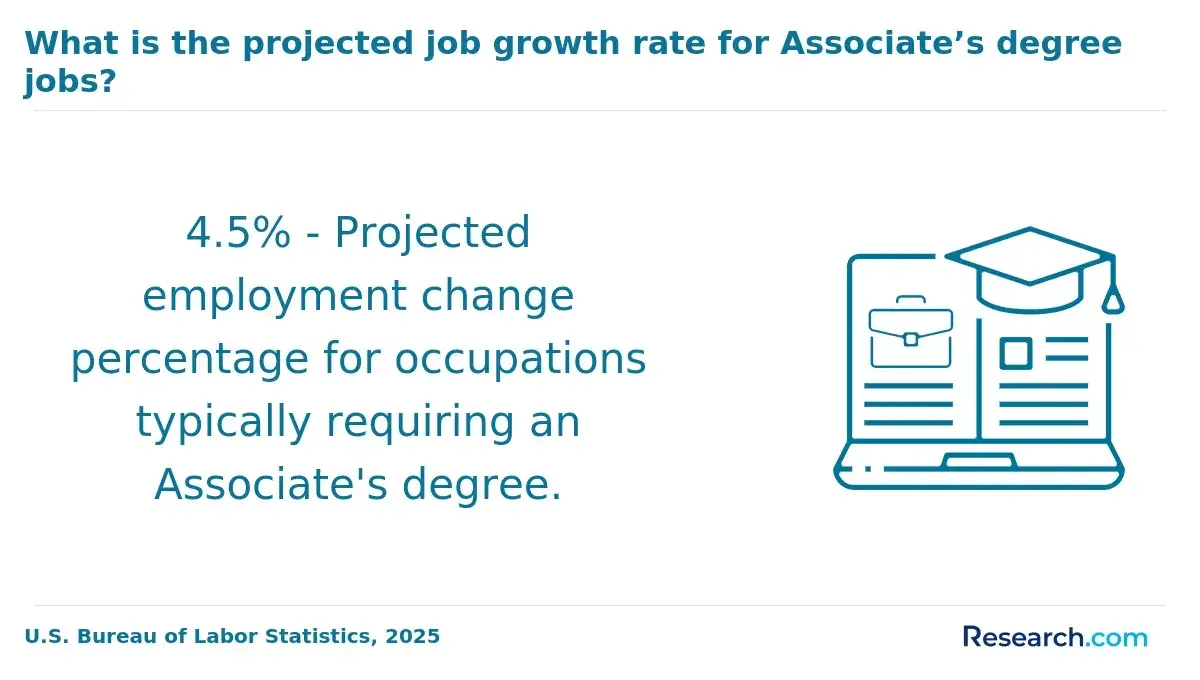
College admissions requirements vary widely by institution and program. Community colleges often use open-access admissions for many programs, while selective universities may review grades, course rigor, essays, recommendations, test scores, activities, and major-specific preparation. Some competitive programs, such as nursing, engineering, business, education, music, and architecture, may have extra requirements after general admission.
Most undergraduate applications ask for a predictable set of materials. Knowing these early helps you avoid missed deadlines and weak applications.
- Official high school transcript or GED documentation showing completed coursework and graduation status.
- Application form with personal information, intended major, residency details, and sometimes extracurricular or work history.
- Standardized test scores if required or if submitting them strengthens the application under a test-optional policy.
- Personal statement, short essays, or program-specific responses explaining goals, fit, challenges, or experiences.
- Letters of recommendation for selective colleges, honors programs, scholarships, or certain majors.
- Placement tests, prerequisite courses, portfolio reviews, auditions, interviews, or background checks for specific programs.
- Financial aid forms, residency documents, and scholarship applications submitted by separate deadlines.
Adult learners and transfer students may face different requirements. Colleges may ask for transcripts from every previous institution, even if you did poorly or attended briefly. Some schools also evaluate military training, professional certifications, workplace learning, or prior learning assessments. If you are considering skill-based routes, reviewing a list of competency-based colleges can help you understand how some programs award progress for demonstrated mastery rather than seat time.
A common admissions mistake is applying only to schools without checking major admission rules. At some universities, being admitted to the institution does not mean you are admitted to nursing, engineering, business, education, or computer science. Ask whether your intended major has a separate application, minimum GPA, prerequisite sequence, portfolio, audition, or limited seats.
Another mistake is ignoring financial aid timing. Admission and affordability are separate decisions. Submit required aid forms as early as possible, compare net price rather than sticker price, and ask whether scholarships renew automatically or require a minimum GPA, full-time enrollment, or major-specific progress.
How long do college programs usually take?
College timelines depend on credential level, enrollment status, transfer credits, course availability, major requirements, and whether the program uses traditional semesters, accelerated terms, or competency-based pacing. The published timeline is not always the same as the real timeline, especially for students who attend part time, change majors, stop out, or need prerequisite courses.
In general, certificates can take a few months to one year, associate degrees often take two years of full-time study, and bachelor's degrees are designed around four years of full-time study. Graduate programs vary more: some master's programs take one to two years, while doctoral and professional degrees can take several years. Students looking for faster options may compare 1-year degree programs, but speed should be balanced against workload, accreditation, transfer rules, and career relevance.
The table below gives a realistic overview of common timelines and what can extend them. Use it to plan around life, work, finances, and program sequencing.
| Program type | Common full-time timeline | What can change the timeline |
| Short certificate | A few months to one year | Clinical hours, licensing exams, course scheduling, or part-time attendance |
| Associate degree | About two years | Developmental courses, transfer planning, part-time enrollment, or limited program seats |
| Bachelor's degree | About four years | Changing majors, credit loss after transfer, co-op terms, prerequisites, or failed courses |
| Accelerated bachelor's pathway | Varies, often shorter for students with credits | Transfer credit acceptance, course load, prior learning credit, and program intensity |
| Master's degree | About one to two years | Thesis requirements, practicum hours, licensing rules, or part-time study |
| Doctoral or professional degree | Several years after a bachelor's degree | Research, residency, dissertation, clinical practice, bar or board exam preparation |
To keep your timeline under control, follow a clear sequence before enrolling and each term afterward. This is especially important if you plan to transfer or study part time.
- Choose a career target or a small group of related targets before selecting a major.
- Map the required credential for that career, including licensure, certification, graduate school, or supervised experience if applicable.
- Ask an advisor for a term-by-term degree plan showing prerequisites and courses that are offered only once per year.
- Confirm which credits transfer and whether they count toward the major, not just as electives.
- Recheck your plan every term before registering so one missing prerequisite does not delay graduation.
The fastest program is not always the best program. Accelerated formats can be excellent for motivated students with prior credits and stable schedules, but they can overwhelm students who need more academic support or who are balancing heavy work hours. A slightly longer program with stronger advising, tutoring, internships, and licensure preparation may lead to a better outcome.
How much does college typically cost?
College cost includes more than tuition. Students should compare tuition and fees, books, supplies, technology, transportation, housing, food, health insurance, childcare, lost work hours, loan interest, and exam or licensure fees. The most useful number is net price, which is the estimated cost after grants and scholarships, not the advertised sticker price.
College Board's 2024 pricing data shows how sharply published tuition and fees differ by institution type. These figures are useful for comparison, but your actual cost can be lower or higher depending on residency, aid, housing, program fees, and enrollment level.
| Institution type | Average published tuition and fees | What it means for planning |
| Public two-year in-district college | $4,050 | Often the lowest tuition route, especially for certificates, associate degrees, and transfer starts |
| Public four-year in-state college | $11,610 | Usually a lower-cost bachelor's option for state residents |
| Public four-year out-of-state college | $30,780 | Can approach private college pricing unless scholarships reduce the gap |
| Private nonprofit four-year college | $43,350 | Sticker price is high, but institutional grants can significantly change net price for some students |
Use these numbers as a starting point, not a final answer. A private college with strong grants may cost less than an out-of-state public university, while a low-tuition school can still become expensive if credits do not transfer or required classes are unavailable. Housing also changes the equation: living at home can reduce costs, but commuting time and transportation expenses still matter.
To compare affordability accurately, ask each school for the same cost details. This prevents you from choosing based on an incomplete estimate.
- Total cost of attendance, including tuition, fees, housing, food, books, transportation, supplies, and personal expenses.
- Net price after grants and scholarships, separated from loans that must be repaid.
- Scholarship renewal rules, including GPA, full-time enrollment, major, residency, or credit completion requirements.
- Average debt for graduates in your program, if the school publishes program-level information.
- Extra program costs such as lab fees, uniforms, background checks, software, equipment, clinical travel, portfolio materials, or certification exams.
- Transfer credit policies that affect how many paid credits actually count toward graduation.
The federal maximum Pell Grant for the 2024-25 award year is $7,395, which can make a major difference for eligible students at lower-cost public colleges. However, grants may not cover full attendance costs, and eligibility depends on financial circumstances, enrollment intensity, and federal rules. Treat aid as part of the plan, but do not assume it will cover every expense.
Which careers can your degree lead to?
Your degree can lead to many different careers, but the connection is stronger in some fields than others. Nursing, accounting, engineering, teaching, social work, and many allied health roles often have clearly defined education or licensure requirements. Fields such as business, communications, psychology, liberal arts, computer science, and data-related work can lead to broader career options, but students may need internships, portfolios, certifications, projects, or graduate education to stand out.
The smartest approach is to connect your major to job functions, not just job titles. Employers usually hire for skills: writing, analysis, coding, patient care, project management, data interpretation, sales, design, teaching, compliance, or leadership. If you are planning an advanced path, an online master degree may be worth exploring when it is required for advancement or helps you move into a specialized role.
The table below shows how broad degree areas often connect to career directions. It is not exhaustive, but it helps you see why major choice should be paired with experience and skill-building.
| Degree area | Possible career directions | What strengthens the pathway |
| Business | Operations, marketing, sales, finance, human resources, management, entrepreneurship | Internships, analytics skills, Excel or database tools, leadership experience, industry certifications |
| Computer science and IT | Software development, cybersecurity, cloud support, data systems, network administration | Projects, GitHub or portfolio work, certifications, internships, problem-solving practice |
| Health sciences and nursing | Nursing, imaging, respiratory care, public health, healthcare administration, clinical support roles | Programmatic accreditation, clinical placements, licensure exam preparation, patient-care experience |
| Education | Teaching, instructional support, curriculum development, education administration, training | State-approved teacher preparation, student teaching, licensure exams, classroom experience |
| Social sciences and psychology | Case management, research support, human services, market research, policy support, counseling pathways | Research methods, statistics, internships, graduate school planning for licensed roles |
| Engineering and applied technology | Engineering, manufacturing, quality assurance, construction management, technical design | Accreditation, labs, co-ops, technical software, licensure awareness for engineering roles |
| Arts, humanities, and communication | Writing, editing, media, design, public relations, nonprofit work, content strategy, cultural organizations | Portfolio, internships, digital tools, audience analytics, professional networking |
Artificial intelligence and automation are changing how employers evaluate skills. This does not mean college is no longer useful; it means students should build adaptable skills alongside academic knowledge. Data literacy, communication, ethical judgment, technical fluency, and the ability to learn new tools are becoming more valuable across many fields.
A common mistake is choosing a major based only on passion or only on salary. A better decision balances interest, ability, labor market demand, education cost, working conditions, advancement potential, and required credentials. If you enjoy a subject but the entry-level pathway is uncertain, strengthen the major with internships, a minor, applied projects, certifications, or a graduate school plan.
What salary and job outlook should you expect?
Salary and job outlook depend on occupation, location, industry, experience, credentials, and economic conditions. A degree can improve access to certain roles, but it does not guarantee a specific salary. The most responsible way to evaluate payoff is to compare education cost with realistic earnings for the occupation you are targeting, not with broad averages alone.
BLS data published in 2024 shows a clear earnings pattern by education level: workers with higher levels of education generally had higher median weekly earnings and lower unemployment rates. This is useful context, but it should not replace occupation-specific research because a high-paying associate-level technical role may outperform a low-paying bachelor's-level role in some regions.
| Education level | Median weekly earnings | Unemployment rate | How to use this information |
| High school diploma | $899 | 3.9% | Use as a baseline when comparing whether additional education is likely to expand options |
| Associate degree | $1,058 | 2.7% | Consider for technical, healthcare, transfer, or career-focused pathways with moderate time investment |
| Bachelor's degree | $1,493 | 2.2% | Consider for fields where a bachelor's degree is the standard entry credential or supports advancement |
| Master's degree | $1,737 | 2.0% | Evaluate carefully because payoff depends heavily on field, licensure, employer expectations, and debt |
The overall labor market is also changing. BLS employment projections released in 2024 indicate total U.S. employment is projected to grow from 2023 to 2033, but growth will not be evenly distributed across occupations. Healthcare, technology-related, data, skilled trades, and professional services pathways may behave differently depending on region and employer demand.
To estimate your likely return on investment, focus on occupation-specific evidence rather than general claims. A practical review should include several pieces of information.
- Median pay for your target occupation in your state or metro area, not only the national figure.
- Required education, license, certification, portfolio, or experience listed in current job postings.
- Program completion rates, licensure pass rates, placement support, and internship access when available.
- Total borrowing needed and estimated monthly loan payments after graduation.
- Whether the degree opens entry-level access, advancement, career switching, or graduate-school eligibility.
Be cautious with any school or program that advertises unusually precise salary promises. Salary outcomes are influenced by local job markets, prior experience, networking, economic cycles, and individual performance. A trustworthy program should help you understand typical pathways and limitations instead of implying guaranteed results.
Other Things You Should Know About
Yes, it can be a strong first step if you choose transferable courses and follow an approved transfer plan. It is especially useful for reducing tuition costs, improving grades, exploring majors, or completing general education requirements before a bachelor's degree.
Check whether the institution is accredited by a recognized accreditor and whether your specific program needs programmatic accreditation. Also review transfer policies, licensure eligibility, graduation outcomes, and whether the school gives clear written answers about costs and requirements.
Online degrees from properly accredited institutions are commonly accepted, especially when the program is rigorous and relevant. Employer response may depend more on the school, field, accreditation, experience, portfolio, licensure eligibility, and skills than on whether classes were online.
The biggest mistake is choosing based on name, convenience, or advertised tuition without checking total cost, accreditation, transfer credit, program requirements, and career outcomes. A better approach is to start with your target career and work backward to the credential and school that fit it.
References
- Average Cost of College [2025]: Yearly Tuition + Expenses https://educationdata.org/average-cost-of-college
- AFTER HIGH SCHOOL – EDUCATION OPTIONS | Riverview Credit Union https://riverviewcu.com/after-high-school-education-options/
- After high school: Different ways to thrive https://www.understood.org/en/articles/after-high-school-different-paths-to-success
- Average Cost of College in 2026 - Credible https://www.credible.com/student-loans/cost-of-college
- Are the Minimum Admissions Requirements Enough to Get Into College? https://www.saraharberson.com/blog/minimum-admissions-requirements-enough-to-get-into-college
- What is an Accredited College and How Does it Affect Your Education? https://www.snu.edu/blog/what-is-an-accredited-college-and-how-does-it-affect-your-education
- The American college system - College Sports America https://www.collegesportsamerica.com/news/the-american-college-system
- Difference Between a University and Community College | University of Bridgeport https://www.bridgeport.edu/news/difference-between-university-and-community-college/
- How Long Is College in 2025? https://bold.org/blog/how-long-is-college/
- How Long Is College in Canada? Program Lengths Explained https://www.robertsoncollege.com/blog/studying-at-robertson/how-long-is-college/