2027 What Is Re-Enrollment in College?

Co-Founder and Chief Data Scientist
Returning to college can feel confusing when your credits, aid status, or academic standing are unclear. Re-enrollment matters because the National Student Clearinghouse Research Center reported in 2024 that 36.8 million U.S. adults under 65 have some college credit but no credential.
This guide is for former students, adult learners, military-affiliated students, parents, and anyone considering a comeback. You will learn what re-enrollment means, how schools review returning students, how credits and financial aid work, and how to choose a path that fits your time, budget, and career goals.
Key Things You Should Know
- Re-enrollment usually applies to former students returning to the same college after stopping out, withdrawing, or being inactive; it is different from applying as a first-time or transfer student.
- Credit, aid, and standing rules vary by school, but the 2024-25 maximum federal Pell Grant is $7,395, making FAFSA review a key step before returning.
- Finishing a credential can improve long-term options: BLS data published in 2024 shows the median weekly earnings for bachelor's degree holders were $1,493, compared with $992 for people with some college but no degree.
What does re-enrollment in college mean, and who typically needs to re-enroll?
Re-enrollment in college means a former student returns to an institution after a period of non-attendance. The school may call it reactivation, readmission, reinstatement, returning student admission, or re-entry, but the core idea is the same: you were previously enrolled, stopped attending, and now want to resume study.
Students usually need to re-enroll when their account becomes inactive. This may happen after one semester away, one academic year away, or a longer break, depending on the college's policy. Some schools allow a short leave of absence without a formal re-enrollment application, while others require paperwork after any gap.
Common returning student situations include several different academic and life circumstances. Knowing which one fits you helps you contact the right office and avoid applying through the wrong process.
- Stop-out students: Students who left without formally graduating, often because of work, caregiving, finances, health, or personal obligations.
- Withdrawn students: Students who officially withdrew from courses or from the institution and now want to restart.
- Students returning from leave: Students who had an approved leave of absence and must confirm their return date.
- Academically suspended or dismissed students: Students who must meet reinstatement conditions before registering again.
- Former students with transfer credit elsewhere: Students who attended another college during the break and must submit updated transcripts.
- Adult degree completers: Students with accumulated credits who want to finish a certificate, associate degree, or bachelor's degree after years away.
The most important first question is not "Can I go back?" but "What status does the college assign to me?" Your status determines whether you contact admissions, the registrar, academic advising, financial aid, student accounts, or an academic appeals committee.
How is re-enrollment different from first-time admission or transfer enrollment?
Re-enrollment is not the same as starting college for the first time or transferring to a new school. The difference matters because it affects the forms you submit, the records the college reviews, the deadlines you follow, and the way your prior credits are applied.
The table below compares the most common enrollment pathways. Use it to identify which process likely applies before you spend time on the wrong application.
| Enrollment path | Who it is for | Main review focus | Typical documents |
| Re-enrollment or readmission | Former students returning to the same college | Prior standing, unpaid balances, degree requirements, time away | Re-enrollment form, updated transcripts, advising clearance, financial aid review |
| First-time admission | Applicants who have never attended college after high school | High school record, placement, admissions criteria | Application, high school transcript, test scores if required, FAFSA |
| Transfer enrollment | Students moving from one college to another | Transferable credits, GPA, prerequisites, residency requirements | Application, official college transcripts, course descriptions if requested |
| Reinstatement after suspension | Former students blocked from enrollment for academic or conduct reasons | Appeal strength, improvement plan, readiness to return | Reinstatement petition, personal statement, academic plan, supporting records |
Re-enrollment can be simpler than transfer admission because the school already has your original academic record. However, it can also be more complicated if your catalog expired, your major changed, your GPA was low, or you owe a balance that blocks registration.
A useful rule of thumb is this: if you want to return to the same institution, ask about re-enrollment first. If you want to finish elsewhere, ask the new school about transfer admission and credit evaluation.
What are common eligibility requirements and academic standing rules for re-enrolling?
Eligibility for re-enrollment depends on institutional policy, academic standing, financial standing, and program-specific rules. A student who left in good standing may only need a short reactivation form, while a student who left on suspension may need a formal appeal.
Most colleges review several checkpoints before allowing a returning student to register. These requirements protect the student from returning without a realistic plan and protect the school from placing students into courses they are not prepared to complete.
- Enrollment inactivity period: Schools may require re-enrollment after you have not taken classes for a specified number of terms.
- Academic standing: Your prior GPA, completion rate, probation status, or dismissal status may determine whether you can return immediately.
- Financial account status: Unpaid tuition, fees, housing charges, or library fines can lead to registration holds.
- Program availability: Some majors may no longer exist, may have new admission standards, or may require a new curriculum plan.
- Transcript updates: If you attended another institution during your break, official transcripts are usually required.
- Residency or catalog rules: Schools may require a minimum number of credits to be completed after return, especially if you are close to graduation.
- Conduct or disciplinary clearance: Students who left with conduct issues may need approval from student affairs or a review board.
Academic standing is often the biggest concern. If you left with a low GPA, ask whether the school offers academic renewal, grade forgiveness, course repeat options, or a conditional return plan. These policies can change your path, but they rarely erase all past academic history.
Be careful not to assume that "accepted back" means "ready to graduate soon." Re-enrollment gives you access to the institution again; degree completion still depends on remaining requirements, current curriculum rules, course availability, and your ability to pay.
What steps are involved in the college re-enrollment process from start to finish?
The re-enrollment process is usually manageable when you handle it in the right order. The main goal is to clear administrative holds, confirm your degree path, and register for courses that actually move you toward completion.
Use the following sequence as a practical checklist. Your college may use different office names, but these steps cover the major decisions most returning students face.
- Find your student status: Contact the registrar, admissions office, or returning student office and ask whether you are inactive, withdrawn, suspended, dismissed, or on leave.
- Request an unofficial degree audit: Ask which credits still count, which requirements remain, and whether your original catalog year still applies.
- Check for holds: Review financial, advising, immunization, library, conduct, or transcript holds that could stop registration.
- Submit the required re-enrollment form: Complete the school's readmission, reactivation, reinstatement, or returning student application before the deadline.
- Send updated transcripts: If you completed coursework elsewhere, request official transcripts from every college attended during your break.
- Meet with an academic advisor: Build a term-by-term course plan before choosing classes, especially if your major has prerequisites or sequencing.
- Review financial aid eligibility: Submit the FAFSA, check satisfactory academic progress status, and ask whether you have remaining grant or loan eligibility.
- Register strategically: Choose courses that satisfy degree requirements, fit your weekly schedule, and do not overload your first term back.
- Set up support early: Contact tutoring, disability services, veteran services, childcare support, career services, or technology help before classes begin.
Returning students who need more flexibility may also compare traditional term-based programs with competency-based online colleges, especially if they have strong work experience and want to move faster through material they already know.
A common mistake is registering for whatever courses are open. That can waste aid, delay graduation, and create unnecessary debt. Before enrolling, make sure every course on your schedule satisfies a requirement or has a clear academic purpose.
How do past credits, grades, and transcripts affect returning to college and degree completion?
Past credits can be the difference between needing one semester and needing several years, but not every old course will automatically count. Colleges evaluate credits based on grades earned, course equivalency, accreditation of the original institution, program requirements, and time limits for certain subjects.
The table below summarizes how different parts of your academic history may affect your return. It can help you prepare better questions for an advisor or registrar.
| Academic record factor | How it may affect re-enrollment | What to ask the school |
| Completed credits | May reduce time to degree if they still match current requirements | Which credits apply to my current major, general education, or electives? |
| Low grades | May lower cumulative GPA or block prerequisite progression | Can I repeat courses, use grade replacement, or apply for academic renewal? |
| Withdrawals | May affect completion rate and financial aid satisfactory academic progress | Will my past withdrawals affect aid eligibility or academic standing? |
| Old coursework | May not count for fast-changing fields such as nursing, technology, accounting, or education | Do any courses expire or need to be retaken? |
| Transfer credits earned during the break | May help completion if accepted, but may not improve institutional GPA | How will outside credits transfer and where will they fit in my degree plan? |
Some fields are more sensitive to outdated coursework than others. A history or literature course may remain useful for years, while a course in cybersecurity, healthcare, laboratory science, or teacher preparation may need to meet current standards.
Ask for a degree audit in writing or through the school's student portal. Verbal estimates are helpful, but written audits make it easier to compare options, appeal missing credits, and avoid taking duplicate courses.
What financial aid, tuition, and debt considerations should returning students review before re-enrolling?
Before re-enrolling, review the full cost of returning, not just tuition. A low tuition rate can still become expensive if you lose transfer credits, need prerequisite courses, pay technology fees, or reduce work hours to attend.
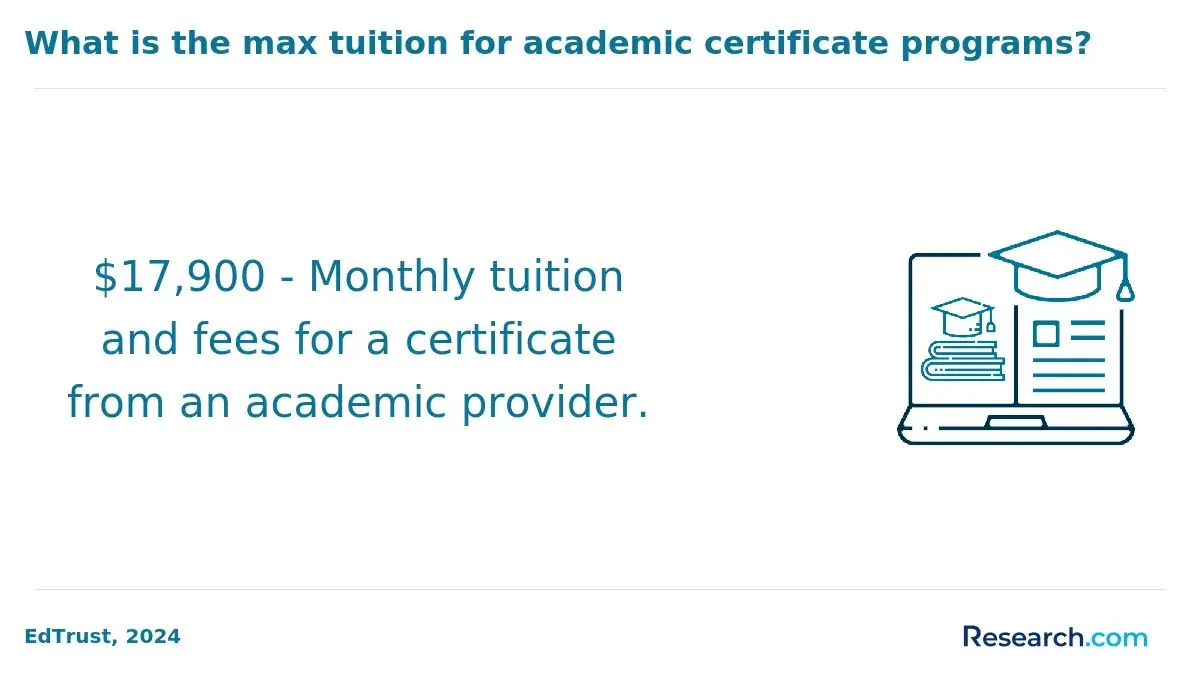
College Board data published in 2024 reported average published tuition and fees of $11,610 for in-state students at public four-year institutions and $43,350 at private nonprofit four-year institutions for 2024-25. These are sticker prices, not necessarily what you will pay after grants and scholarships, but they show why returning students should compare total cost carefully.
Financial aid review is especially important because prior academic performance can affect eligibility. Federal aid uses satisfactory academic progress rules, commonly based on GPA, pace of completion, and maximum timeframe. If you previously failed or withdrew from many courses, you may need to appeal before aid is restored.
Review these financial items before you commit to a return term. Each one can change your real cost and your timeline.
- FAFSA status: Submit the current FAFSA and check whether you qualify for grants, loans, or work-study.
- Pell Grant lifetime eligibility: Ask how much federal grant eligibility you have remaining if you used Pell funds before.
- Loan history: Check your existing federal loan balance and whether you are in good standing, deferment, repayment, or default.
- Satisfactory academic progress: Confirm whether your GPA, completed-credit ratio, or maximum attempted credits could limit aid.
- Institutional scholarships: Ask whether returning adult students, degree completers, veterans, parents, or part-time learners have dedicated awards.
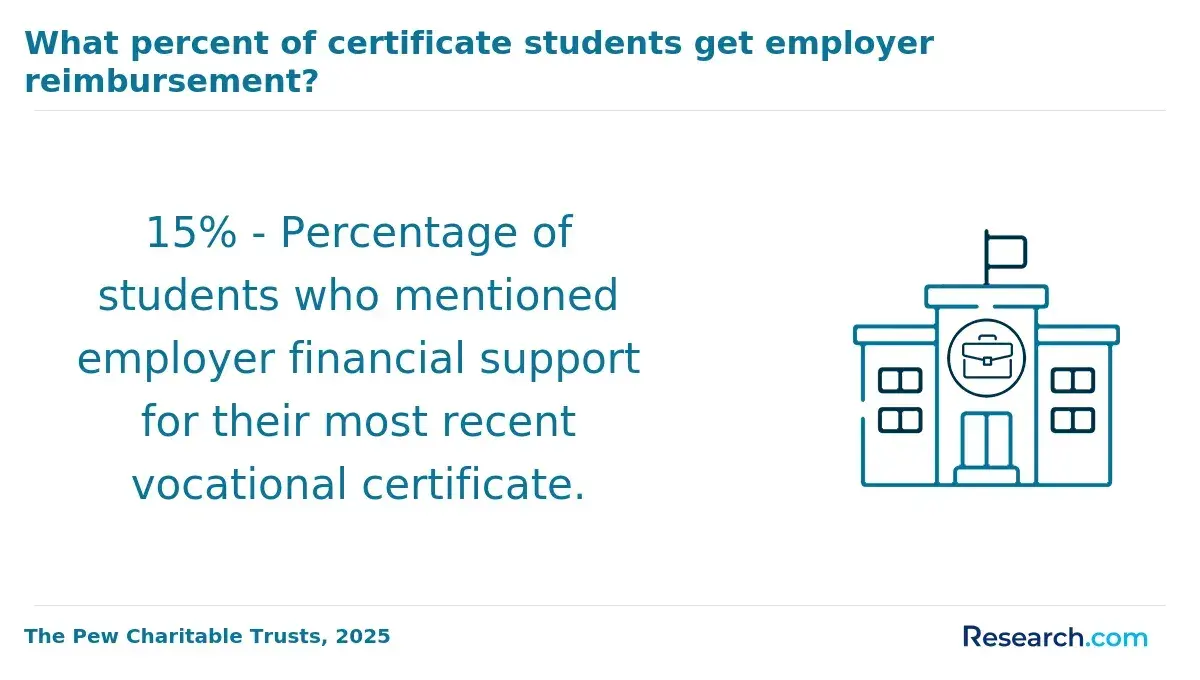
- Employer tuition assistance: If you work, ask whether your employer reimburses courses that relate to your role or career path.
- Hidden costs: Budget for books, software, transportation, childcare, placement tests, lab fees, graduation fees, and lost income.
Students balancing school with caregiving should compare scheduling flexibility, aid, and support services carefully; guides to the best online degrees for stay at home moms can be useful when evaluating programs designed around family responsibilities.
A major red flag is a school that emphasizes borrowing before explaining grant aid, transfer credit, total program cost, and completion time. Ask for a written cost estimate that shows the number of credits you still need.
How do online, hybrid, and campus-based options work for students re-enrolling in college?
Re-enrolling students can often choose among online, hybrid, evening, weekend, and campus-based formats. The best choice depends on your schedule, learning style, field of study, support needs, and whether your program requires labs, clinical placements, student teaching, or in-person exams.
The table below compares common delivery formats for returning students. Use it to match the format to your responsibilities rather than assuming online is always easier or campus is always better.
| Format | Best fit | Trade-offs to consider |
| Fully online asynchronous | Working adults, parents, military-affiliated students, students with unpredictable schedules | Requires strong self-management and may offer less real-time interaction |
| Online synchronous | Students who want remote access but benefit from scheduled class meetings | Less flexible than asynchronous courses because meeting times are fixed |
| Hybrid | Students who want flexibility but still need labs, campus resources, or face-to-face support | Travel may still be required, and schedules can vary by course |
| Evening or weekend campus classes | Local students who work during the day and prefer in-person instruction | Course availability may be narrower than daytime schedules |
| Traditional campus-based | Students who need structured routines, labs, studios, clinical access, or intensive advising | May be harder for full-time workers or caregivers to sustain |
Online learning has expanded, but quality varies. Check whether online students receive the same advising, library access, tutoring, career services, and disability accommodations as campus students.
Military-affiliated returning students should also ask about deployment policies, credit for military training, tuition assistance, and dedicated advising; researching online military colleges can help identify features that matter for active-duty service members, veterans, and military families.
Do not choose a format based only on convenience. If you struggled with self-paced courses before, a hybrid or scheduled online format may provide better accountability. If you work rotating shifts, asynchronous courses may be more realistic.
What happens if you were suspended, dismissed, or withdrew, and want to re-enroll?
If you were suspended, dismissed, or withdrew while struggling academically, re-enrollment may require more than a standard form. Schools typically want evidence that the issues that interrupted your progress have changed and that you have a realistic plan for success.
The process often depends on the reason you left. Academic suspension, financial withdrawal, medical withdrawal, and conduct dismissal are handled differently, so start by asking the school to identify your official separation status.
If you need reinstatement, prepare a focused appeal rather than a vague request to return. A strong appeal usually includes the following elements.
- A clear explanation of what happened: Describe the academic, health, family, financial, or work-related factors that affected your performance without making excuses.
- Evidence of change: Include documentation when relevant, such as medical clearance, work schedule changes, completed coursework elsewhere, or resolved financial issues.
- A realistic academic plan: Show which courses you will take, how many credits you can handle, and which supports you will use.
- Advisor or faculty input: If allowed, include support from an advisor, department chair, or student success office.
- A plan for aid eligibility: If financial aid was suspended, submit a satisfactory academic progress appeal with the required documentation.
Students returning from dismissal should be especially careful with course load. Taking a full-time schedule immediately may feel ambitious, but a smaller first term can help rebuild GPA, confidence, and study routines.
Withdrawing is not always negative. A documented withdrawal can be better than failing courses, especially when a student faces a serious life event. However, repeated withdrawals can affect financial aid pace and may delay graduation, so ask how they appear in your academic record.
How can adult learners choose an accredited, reputable program when re-enrolling to finish a degree?
Adult learners should evaluate more than whether a program will accept them. The better question is whether the program is accredited, affordable, flexible, transparent about credits, and aligned with the career or credential they want.
Accreditation is the first filter. In the U.S., institutional accreditation by an agency recognized by the U.S. Department of Education or the Council for Higher Education Accreditation is important for federal financial aid, transferability, employer recognition, and graduate school options. Some fields also require programmatic accreditation, such as nursing, social work, counseling, education, engineering, or business specialties.
Before choosing a school, ask direct questions that reveal whether the program is a good fit. These questions are especially important if you have been away from college for several years.
- Will you provide a written transfer and degree audit before I enroll? This helps you confirm how many credits you still need.
- Which catalog year will apply to me? Older students may have to meet current requirements if their original catalog expired.
- Is the program institutionally accredited, and does my field require programmatic accreditation? This matters for licensing, employment, and further education.
- Are online and campus students taught by comparable faculty and supported by the same services? Support quality can affect persistence.
- What is the total estimated cost to finish, including fees and required materials? Tuition alone does not show real cost.
- How often are required courses offered? Infrequent course rotations can delay graduation even when only a few classes remain.
- What happens if I attend part time? Some programs are flexible, while others have strict sequencing.
If your priority is manageability rather than speed, comparing the easiest online degrees can help you identify majors with flexible formats, broad elective options, and fewer lab or clinical requirements, though "easy" should never replace career fit or accreditation.
Watch for red flags such as pressure to enroll immediately, unclear accreditation claims, refusal to provide a degree audit, vague job-placement promises, or credits that do not transfer elsewhere. A reputable program should make its costs, requirements, accreditation, and student support services easy to verify.
How does re-enrollment influence long-term career outcomes, salaries, and job opportunities?
Re-enrollment can influence career outcomes by helping students complete a credential, qualify for promotions, change fields, or meet employer requirements. The return on investment depends on the degree, field, school cost, remaining credits, debt, work experience, and local labor market.
BLS education-and-earnings data published in 2024 shows that workers with a bachelor's degree had median weekly earnings of $1,493, while workers with some college but no degree had median weekly earnings of $992. This does not mean every returning student will see the same outcome, but it does show why finishing a credential can matter in occupations where employers use degrees as a screening requirement.
Re-enrollment may be especially valuable when you are close to finishing, your employer rewards credentials, or your target field has clear education requirements. It may be less valuable if the remaining cost is high, the credential is unrelated to your goals, or a shorter certificate would meet your immediate career need.
The table below shows how different returning-student goals can connect to education choices. It is not a guarantee of outcomes, but it can help you compare paths more realistically.
| Career goal | Education path that may fit | Decision factor to review |
| Finish a nearly completed degree | Return to the same college or transfer to a degree-completion program | How many credits still apply and how quickly required courses are offered |
| Earn a promotion with current employer | Complete a bachelor's degree or job-related certificate | Whether the employer recognizes the credential and offers tuition assistance |
| Enter a licensed field | Choose an accredited program that meets state or board requirements | Whether the program qualifies graduates for exams, clinical hours, or licensure |
| Change careers quickly | Consider certificates, associate degrees, or applied bachelor's programs | Whether the credential leads to entry-level hiring in the target field |
| Increase long-term flexibility | Complete a broad bachelor's degree with transferable skills | Whether the program develops writing, data, management, technology, or communication skills |
Students focused on economic mobility should compare cost, completion time, and labor-market relevance before choosing among online programs that pay well, because a faster program is only worthwhile if it leads toward roles you actually want and can realistically access.
Current employer expectations also matter. Many workplaces now value digital skills, data literacy, project management, communication, and the ability to learn new tools, including AI-supported systems. When choosing courses, look for assignments and electives that build marketable skills rather than simply checking boxes.
Other Things You Should Know About
Yes, many colleges allow students to return after several years. You may need to submit a re-enrollment or readmission form, update transcripts, clear holds, and meet current degree requirements.
Some credits may still count, but it depends on the school, your grades, your major, accreditation, and whether any courses are considered outdated. Ask for a written degree audit before enrolling.
Possibly. You should submit the FAFSA and ask the financial aid office to review your eligibility. Prior withdrawals, failed courses, loan status, or satisfactory academic progress issues may affect aid.
Re-enrolling may be better if many credits still apply and you are close to finishing. Transferring may be better if another accredited school accepts more credits, costs less, or offers a program that better fits your schedule and career goal.
References
- Student Enrollment Process: Key Stages & Strategies for Enrollment Lifecycle https://goedmo.com/blog/student-enrollment-process/
- Four Things Students Need to Succeed in the Online/Hybrid Environment - The EvoLLLution https://evolllution.com/revenue-streams/distance_online_learning/students-succeed-onlinehybrid-environment
- Central College Course Catalog | Returning From Withdrawal Or Suspension (Re-entry) https://catalog.central.edu/returning-from-withdrawal-or-suspension-re-entry/
- Back to School: Evaluating the Impact of College Re-enrollment - Heavy https://heavydoesit.com/back-to-school-evaluating-the-impact-of-college-re-enrollment/
- Online, Hybrid, and More: Flexible Learning Options in College - ReUp Education https://reupeducation.com/blog/online-hybrid-and-more-flexible-learning-options-in-college/
- Re-enrolment https://www.qmul.ac.uk/registry-services/student-information/my-studies-/re-enrolment/
- VeracrossPM https://community.veracross.com/s/article/Managing-Admissions-Enrollment-and-Re-Enrollment-Exceptions
- Which program type is best for your adult degree completers? https://eab.com/resources/blog/adult-education-blog/program-adult-degree/
- How to Navigate College Re-Enrollment Options with Confidence https://www.straighterline.com/blog/degreecompletion-how-to-navigate-college-re-enrollment-options-with-confidence
- Hybrid Programs- Which Students Want Them? https://encoura.org/resources/wake-up-call/hybrid-programs-which-students-want-them/