2027 Best Majors for Students Who Want Environmental Careers

Co-Founder and Chief Data Scientist
Choosing an environmental major is really a career decision: the right program can lead to work in conservation, climate policy, engineering, renewable energy, planning, or corporate sustainability. The timing matters because BLS projections published in 2024 show exceptionally fast growth for some green roles, including wind turbine service technicians and solar photovoltaic installers. This guide is for students comparing college majors, online programs, certificates, and career outcomes. You will learn which majors fit specific jobs, what they cost, what employers expect, and how to choose a program with stronger long-term value.
Key Things You Should Know
- Environmental science, environmental engineering, ecology, sustainability, geology, GIS, public policy, and urban planning are among the strongest majors, but the best choice depends on whether you want field science, design engineering, data analysis, regulation, conservation, or management work.
- BLS wage data from May 2024 places median pay for environmental scientists and specialists at about $80,060, while environmental engineers are higher at about $104,170; salaries vary widely by degree level, location, industry, and technical skill set.
- Students should compare accreditation, lab or field requirements, GIS/data training, internship access, transfer-credit policies, and total cost, not just major names or school rankings.
What are the best college majors for students who want environmentally focused careers?
The best college major for an environmental career is the one that matches the kind of environmental problem you want to solve. Some majors train you to measure and interpret environmental conditions, while others prepare you to design infrastructure, restore ecosystems, enforce regulations, analyze geospatial data, or help organizations reduce environmental risk.
Use the table below as a decision map. It compares common environmental majors by career fit, technical intensity, and the type of student each major tends to serve best.
| Major | Best fit for students who want to | Common career directions | Important trade-off |
| Environmental Science | Study pollution, ecosystems, climate impacts, water quality, and environmental health from a broad science perspective | Environmental scientist, compliance specialist, field technician, consultant, remediation analyst | Flexible, but students should add GIS, statistics, chemistry, or regulatory coursework to stand out |
| Environmental Engineering | Design technical solutions for water, waste, air quality, pollution control, and infrastructure resilience | Environmental engineer, water resources engineer, remediation engineer, sustainability engineer | Usually more math-heavy and often requires ABET-accredited engineering preparation for licensure |
| Ecology, Conservation Biology, or Wildlife Biology | Work with habitats, biodiversity, species management, restoration, or public lands | Conservation scientist, wildlife biologist, restoration specialist, park or natural resource professional | Field experience and graduate study can matter for competitive research or agency roles |
| Geology, Hydrology, or Earth Science | Analyze groundwater, soils, hazards, minerals, land use, and site contamination | Hydrologist, geoscientist, environmental consultant, groundwater specialist | Strong for technical consulting, but students should check state geologist licensing rules where relevant |
| Geographic Information Systems or Geospatial Science | Use mapping, satellite data, spatial analysis, drones, and environmental datasets | GIS analyst, remote sensing analyst, climate risk analyst, urban/environmental data specialist | Excellent add-on to many majors, but students need a portfolio of mapping and data projects |
| Sustainability Studies or Environmental Policy | Work on climate strategy, environmental justice, reporting, regulation, nonprofit work, or corporate sustainability | Sustainability coordinator, policy analyst, ESG analyst, environmental program manager | Less technical unless paired with economics, data analysis, business, law, or science coursework |
| Urban Planning or Landscape Architecture | Shape land use, transportation, climate adaptation, green infrastructure, and community resilience | Urban planner, transportation planner, resilience planner, environmental planner | Some roles prefer or require a professional planning or design credential at the graduate level |
| Renewable Energy, Energy Systems, or Electrical/Mechanical Engineering | Work on solar, wind, grid systems, building efficiency, batteries, or clean technology | Renewable energy analyst, energy engineer, project developer, efficiency specialist | Engineering or quantitative training can be more valuable than a broad sustainability label for technical roles |
For most students, environmental science is the broadest starting point, environmental engineering has the strongest technical salary ceiling, and GIS or data-focused training is one of the most useful complements to almost any environmental major.
How do different environmental majors align with specific career paths and job roles?
Environmental careers are not one job family. A student who wants to test water samples needs different preparation from a student who wants to design wastewater systems, review permits, manage wetlands, or advise a company on carbon reporting.
The table below connects majors to realistic entry-level roles and day-to-day responsibilities. This helps you avoid choosing a major that sounds appealing but does not actually lead to the type of work you want.
| Career path | Strong majors | Typical entry-level job titles | Common responsibilities |
| Environmental consulting and compliance | Environmental science, chemistry, geology, environmental policy | Environmental technician, compliance analyst, environmental consultant assistant | Collect samples, prepare reports, review regulations, support site assessments, document permit conditions |
| Water, wastewater, and pollution control | Environmental engineering, civil engineering, hydrology, chemistry | Junior environmental engineer, water quality analyst, treatment plant technician | Analyze water systems, support remediation design, monitor pollutants, assist with infrastructure projects |
| Conservation and natural resources | Ecology, wildlife biology, forestry, conservation biology | Biological science technician, restoration assistant, park resource aide | Monitor habitats, support restoration projects, collect field data, manage invasive species information |
| Climate, sustainability, and ESG | Sustainability studies, environmental policy, business, economics, data analytics | Sustainability coordinator, climate analyst, ESG reporting assistant | Track emissions data, support sustainability plans, prepare reports, coordinate energy or waste-reduction projects |
| GIS, remote sensing, and environmental data | GIS, geospatial science, geography, data science, environmental science | GIS technician, remote sensing assistant, environmental data analyst | Create maps, analyze satellite or field data, maintain geodatabases, support hazard or land-use modeling |
| Planning and resilience | Urban planning, geography, public policy, landscape architecture | Planning assistant, environmental planner, resilience program assistant | Review land-use plans, support community engagement, assess climate risk, coordinate permitting documents |
Current hiring trends favor students who can combine environmental knowledge with measurable technical output. That may mean a GIS portfolio, Python or R basics, field sampling experience, technical writing samples, familiarity with environmental regulations, or internship experience with a public agency, lab, utility, nonprofit, or consulting firm.
Students who want fast entry into technician roles can also consider associate-level pathways before transferring into a bachelor's program. A guide to the fastest associates degree online options can help you compare accelerated formats, but environmental science roles that involve labs or fieldwork may still require in-person components.
What education level and prerequisites are typically required for entry-level environmental jobs?
Entry-level environmental jobs typically require at least an associate degree for technician work or a bachelor's degree for scientific, policy, consulting, engineering, planning, and analyst roles. Graduate study becomes more important for research leadership, advanced ecology, hydrology, planning, law, university teaching, or specialized policy roles.
The table below summarizes common education levels. Use it as a baseline, then verify requirements with job postings in your target state and sector.
| Education level | Typical fit | Examples of roles | What to watch for |
| Certificate or workforce training | Skill upgrade or entry support | Solar installer trainee, environmental sampling aide, energy auditing assistant | Best when tied to a specific employer-recognized skill, not as a substitute for science or engineering roles |
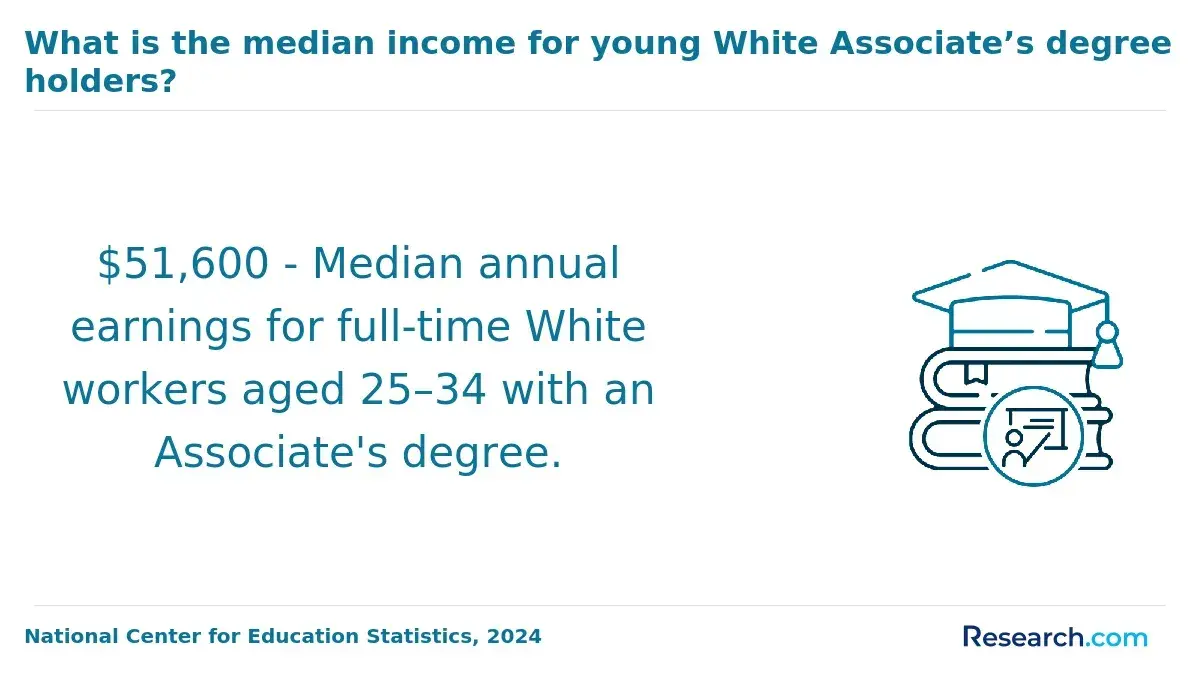
| Associate degree | Technician pathway or lower-cost transfer route | Environmental technician, water quality technician, GIS technician assistant | Confirm transfer agreements if your long-term goal is a bachelor's degree |
| Bachelor's degree | Most common entry point for professional environmental roles | Environmental scientist, sustainability coordinator, consultant, GIS analyst, policy assistant | Course selection and internships often matter as much as the major title |
| Master's degree | Specialized or advancement-oriented roles | Hydrologist, planner, climate analyst, restoration ecologist, program manager | Worth considering when it unlocks a specific role, credential, or salary band |
| Doctorate | Research, university teaching, senior technical leadership | Research scientist, professor, principal investigator, senior policy expert | Usually unnecessary for general entry-level environmental employment |
Prerequisites vary by major. Environmental engineering commonly expects calculus, physics, chemistry, and sometimes programming. Environmental science usually includes biology, chemistry, statistics, and field methods. GIS-heavy programs often expect spatial analysis, database skills, and data visualization. Policy and sustainability programs may require economics, statistics, public administration, or business courses.
If your academic record is uneven, do not assume environmental careers are closed to you. Some transfer-friendly or adult-focused schools review applicants holistically, and resources on colleges that don't care about GPA can be useful when you need a second chance, though you should still check whether the program has science prerequisites or minimum grades for major admission.
How do online environmental degree programs compare to campus-based options in quality and outcomes?
Online environmental degree programs can be high quality when they use the same faculty standards, accreditation, learning outcomes, and student supports as campus programs. The main limitation is not the online format itself; it is whether the program can provide labs, fieldwork, internships, GIS software access, advising, and employer connections that match your career goal.
The table below compares online and campus-based environmental programs by the factors that most affect quality and outcomes.
| Factor | Online programs | Campus-based programs | Best choice when |
| Flexibility | Often stronger for working adults, military students, parents, and career changers | Less flexible but may offer more structured schedules | You need to balance school with work or caregiving |
| Labs and fieldwork | May use hybrid labs, local field placements, simulations, or short residencies | Usually easier access to campus labs, field stations, and faculty-led projects | You want ecology, chemistry, hydrology, or hands-on environmental science training |
| Engineering preparation | Available at some schools but must be checked carefully for ABET status | More common for full engineering sequences and lab infrastructure | You plan to pursue Professional Engineer licensure later |
| Networking | Depends heavily on career services, virtual events, and local internship support | Often stronger for campus recruiting, research labs, and student organizations | You want direct faculty research involvement or local agency connections |
| Cost control | Can reduce relocation and commuting costs | May provide assistantships, lab jobs, or local internships | You compare total cost, not tuition alone |
Online programs make the most sense for students pursuing sustainability, policy, GIS, environmental management, or degree-completion pathways. Campus or hybrid programs are often better for students who need intensive labs, field ecology, engineering design studios, or direct access to research facilities.
Start-date flexibility is another online trend. Students who need to begin quickly may compare online colleges that start immediately, but they should confirm that accelerated starts do not reduce access to advising, financial aid processing, lab scheduling, or transfer-credit review.
What accreditation, licensing, and certification standards apply to environmental and sustainability programs?
Accreditation is one of the most important quality checks because it affects credit transfer, financial aid eligibility, graduate admission, and sometimes licensing. For environmental majors, the key question is whether the institution is properly accredited and whether the specific program needs specialized accreditation for your intended career.
These are the standards and credentials students should understand before enrolling. They matter because environmental careers often sit at the intersection of education, public safety, regulation, and employer trust.
- Institutional accreditation: Choose a school accredited by an agency recognized by the U.S. Department of Education or the Council for Higher Education Accreditation. This is the baseline for federal financial aid and broad academic credibility.
- ABET accreditation: Environmental engineering students should strongly prefer ABET-accredited programs if they plan to pursue engineer-in-training status, Professional Engineer licensure, or engineering roles with public agencies and infrastructure firms.
- Planning accreditation: Students interested in urban or regional planning should check whether a graduate planning program is accredited by the Planning Accreditation Board, especially if they want stronger recognition in public-sector planning careers.
- State licensure: Engineering licensure, geologist licensure, wastewater operator credentials, and some environmental health roles vary by state. Always verify the rules in the state where you plan to work.
- Professional certifications: Credentials such as GIS certification, LEED Green Associate, Envision Sustainability Professional, Certified Energy Manager, or hazardous materials training can strengthen a résumé when they align with a specific role.
Be careful with programs that advertise sustainability or environmental leadership without showing clear outcomes, course sequences, qualified faculty, or employer-relevant skills. A reputable program should be able to explain what graduates do, how internships work, whether labs are required, and how students build evidence of technical competence.
What core courses and specializations do environmental majors usually include?
Environmental majors usually combine natural science, quantitative analysis, policy, communication, and applied problem-solving. The exact course mix matters because two programs with the same title can prepare students for very different careers.
Most environmental programs draw from several core areas. Review the curriculum carefully to see whether it supports your target role rather than only sounding broadly "green."
- Natural science: Biology, ecology, chemistry, geology, hydrology, climatology, soil science, and environmental toxicology.
- Quantitative and technical skills: Statistics, GIS, remote sensing, data analysis, modeling, programming, sampling methods, and technical writing.
- Policy and regulation: Environmental law, permitting, environmental impact assessment, land-use policy, natural resource management, and environmental justice.
- Engineering and systems courses: Water and wastewater treatment, air pollution control, solid waste management, energy systems, fluid mechanics, and environmental design.
- Applied learning: Field methods, lab courses, capstone projects, internships, community-based projects, or research assistantships.
Specializations can make a broad major more marketable. Strong options include water resources, climate adaptation, environmental health, renewable energy, conservation biology, GIS and remote sensing, environmental compliance, sustainable business, ecological restoration, and urban resilience.
Students should also think about skill stacking. For example, an environmental science major with GIS, statistics, and internship experience may be more competitive than a student with a broader curriculum but no applied project work. A sustainability major with accounting, data analytics, and energy management coursework may be better positioned for corporate reporting or operations roles.
What are typical program lengths, tuition costs, and financial aid options for environmental degrees?
Program length and cost depend on credential level, school type, residency status, transfer credits, and whether the program requires labs, field travel, software, or internships. College Board figures published for the 2024-25 academic year list average tuition and fees of about $11,610 for in-state students at public four-year colleges and about $43,350 at private nonprofit four-year colleges, which shows why total cost comparison matters before choosing a school.
The table below gives a practical overview of timelines and cost drivers. It does not predict your bill, but it highlights the expenses students often overlook.
| Program type | Typical length | Common cost factors | Best value strategy |
| Certificate | A few months to 1 year | Course fees, exam fees, software, safety training, equipment | Choose only if it maps to a specific job skill or employer requirement |
| Associate degree | 2 years full time | Community college tuition, lab fees, field supplies, transfer planning | Use transfer pathways to reduce bachelor's degree cost |
| Bachelor's degree | 4 years full time | Tuition, housing, lab fees, GIS software, field courses, internship location costs | Compare net price, not sticker price, and prioritize internships |
| Master's degree | 1 to 3 years | Graduate tuition, research costs, assistantship availability, professional residency requirements | Enroll when the degree clearly supports a target specialization or advancement goal |
| Doctorate | Often 4 or more years | Funding package, research support, opportunity cost, relocation, dissertation requirements | Prefer funded research-based programs when pursuing academic or scientific research careers |
Financial aid options may include federal grants, federal loans, state grants, institutional scholarships, work-study, employer tuition assistance, veterans benefits, and paid internships. The maximum federal Pell Grant for the 2024-25 award year is $7,395, but eligibility depends on financial need, enrollment intensity, and federal rules.
Students trying to reduce costs can start with community college, transfer credits, or lower-cost online general education. If you are comparing simpler transfer-friendly starts, a guide to easy online associate degrees may help you identify flexible options, but make sure science labs and math courses will transfer into the environmental bachelor's program you actually want.
What salaries and earning potential can graduates with environmental majors realistically expect?
Environmental salaries vary because the field includes technicians, scientists, engineers, planners, analysts, and managers. Major choice matters, but so do location, industry, licensure, software skills, field experience, graduate education, and whether the role is public-sector, consulting, nonprofit, utility, energy, or corporate.
The table below uses BLS May 2024 median annual wage data for selected U.S. occupations that commonly align with environmental majors. Treat these as labor-market reference points, not guaranteed earnings for any individual graduate.
| Occupation | Related majors | May 2024 median annual wage | Salary context |
| Environmental engineers | Environmental engineering, civil engineering | $104,170 | Higher pay reflects technical engineering preparation and, in many roles, the value of licensure pathways |
| Environmental scientists and specialists | Environmental science, geology, chemistry, biology, policy | $80,060 | Common professional pathway for consulting, compliance, agency, and remediation work |
| Urban and regional planners | Urban planning, geography, public policy, environmental planning | $81,800 | Many planning roles prefer graduate preparation and strong public-process skills |
| Conservation scientists | Conservation biology, forestry, ecology, natural resources | $68,300 | Public-sector and nonprofit roles may offer mission fit but can be competitive |
| Environmental science and protection technicians | Environmental technology, associate environmental science, chemistry | $59,200 | Can be a practical entry route, especially with field sampling and lab skills |
| Solar photovoltaic installers | Renewable energy technology, electrical technology, construction-related programs | $50,960 | Often skills-based and may not require a four-year environmental degree |
Students focused on return on investment should compare likely entry roles against total debt, not just peak career salaries. Engineering and data-heavy pathways may offer stronger early wage potential, while conservation and nonprofit pathways may require more patience, networking, and geographic flexibility.
Higher degrees can help when they are tied to a specific outcome, such as becoming a hydrologist, planner, research scientist, professor, or senior policy analyst. Students exploring advanced study should be cautious with shortcuts; resources on 1-year PhD programs online no dissertation USA can help clarify accelerated doctoral formats, but research-intensive environmental careers usually require rigorous methods training and credible scholarly work.
What is the job outlook and demand for green careers across different environmental fields?
The job outlook for green careers is uneven: renewable energy installation and maintenance roles are projected to grow very quickly, while many science, planning, and conservation occupations grow at steadier professional rates. BLS projections published in 2024 show environmental scientists and specialists growing 7% from 2023 to 2033, which is faster than the average for all occupations and suggests continued demand for compliance, consulting, and environmental risk work.
The table below summarizes demand signals across major environmental career areas. It helps students see where growth is tied to regulation, infrastructure, energy investment, climate risk, or land management.
| Field | Demand drivers | Student advantage | Potential limitation |
| Environmental consulting and compliance | Permitting, remediation, industrial compliance, infrastructure projects, environmental impact review | Regulatory knowledge plus field sampling and report-writing experience | Entry roles can involve travel, site visits, and deadline-driven documentation |
| Renewable energy | Solar, wind, storage, grid modernization, energy efficiency, project development | Electrical, mechanical, data, construction, or energy systems skills | Some jobs are trade or technician roles rather than environmental science roles |
| Climate risk and resilience | Flooding, wildfire, heat, insurance risk, local adaptation planning, infrastructure resilience | GIS, modeling, planning, communication, and policy analysis | Job titles vary widely, so students must search beyond "environmental" keywords |
| Conservation and restoration | Habitat restoration, biodiversity protection, public lands, watershed management | Field experience, species identification, ecology, and grant-funded project work | Competition can be high for permanent agency and nonprofit roles |
| Corporate sustainability | Energy costs, supply-chain risk, investor reporting, waste reduction, climate disclosures | Business fluency, data analysis, carbon accounting, and project management | Roles may favor candidates who understand operations and finance, not only environmental values |
| Environmental data and GIS | Remote sensing, satellite data, drones, climate mapping, land-use analytics | Portfolio projects, software skills, data cleaning, and spatial analysis | Students need demonstrable technical work, not just coursework titles |
Technology is changing expectations. AI-assisted data processing, remote sensing, automated monitoring, and environmental dashboards can improve productivity, but they also raise the bar for graduates.
Students who can interpret data, check assumptions, communicate uncertainty, and connect technical findings to real-world decisions will be better positioned than students who only know general environmental concepts.
How can students choose a reputable environmental program that matches their career goals?
A reputable environmental program should make your target career more attainable, not just sound mission-driven. The best program for you will match your desired role, budget, schedule, academic background, and preferred learning format.
Use the steps below to compare programs in a practical way. They are especially useful when choosing between similar-sounding environmental science, sustainability, policy, GIS, and engineering degrees.
- Start with three target job titles and collect current job postings in your preferred region to identify required degrees, software, certifications, and experience.
- Match the curriculum to those job postings, looking for labs, GIS, statistics, chemistry, policy, engineering, field methods, or business courses as appropriate.
- Verify institutional accreditation and any program-specific accreditation, especially ABET for environmental engineering pathways.
- Ask how students complete internships, fieldwork, capstones, research, or employer projects, and request examples of recent placements when available.
- Compare net price, transfer credits, fees, software costs, travel requirements, and likely time to completion rather than tuition alone.
- Review faculty expertise and course availability so you do not choose a specialization that is listed in the catalog but rarely offered.
- Check career support, alumni outcomes, graduate-school placement, and employer partnerships without assuming rankings alone predict ROI.
Common red flags include vague "green jobs" promises, no clear lab or field plan, poor transfer-credit transparency, unaccredited engineering pathways, limited advising, missing internship support, and programs that do not publish enough curriculum detail for you to judge career fit.
If you need a flexible admission pathway, especially after time away from school, options reviewed in lists of colleges that don't care about GPA can be a starting point. Still, environmental majors with chemistry, calculus, engineering, or lab sequences may have internal progression requirements even when general admission is accessible.
The smartest choice is usually not the most famous school or the broadest environmental major. It is the program that gives you the right technical skills, credible credentials, applied experience, manageable cost, and a realistic path into the environmental work you actually want to do.
Other Things You Should Know About
Environmental science is the most flexible major, but environmental engineering is stronger for technical design roles, GIS is powerful for data and mapping careers, and ecology or conservation biology is better for wildlife and habitat work. The best choice depends on the job you want.
Yes, especially in technician roles such as environmental sampling, water quality testing, lab support, or GIS assistance. A bachelor's degree is usually preferred for professional scientist, analyst, consultant, policy, planning, or engineering roles.
They can be respected if the school is properly accredited and the program includes career-relevant labs, fieldwork, GIS tools, internships, or applied projects. Online programs are often best for sustainability, policy, GIS, and degree-completion students.
Some do, especially engineering, data, planning, consulting, and energy roles. Conservation and nonprofit roles may pay less but offer strong mission fit. Salary depends on degree level, technical skills, location, employer type, and experience.
References
- Most Popular Online Environmental Science Degrees 2025 https://www.onlineu.com/degrees/environmental-science
- How Much Do Environmental Graduate Programs Cost? https://www.cjbnetwork.com/articles/how-much-do-environmental-graduate-programs-cost
- What environmental accreditation schemes are available? https://www.carbonsense.com/insights/what-environmental-accreditation-schemes-are-available-for-my-organisation
- Majors related to the environment with good job prospects? https://talk.collegeconfidential.com/t/majors-related-to-the-environment-with-good-job-prospects/2083576
- 10 green jobs with strong growth potential | U.S. Green Building Council https://www.usgbc.org/articles/10-green-jobs-strong-growth-potential
- Greener Careers https://greenercareers.co.uk/blog/how-to-land-green-jobs-in-the-uk-without-a-degree
- Environment Career Profiles Case studies https://environmentaljobs.com.au/environmental-career-paths
- How Many Jobs Are Being Created in the Green Economy? LinkedIn’s New Report Has The Answers | Earth Day https://www.earthday.org/how-many-jobs-are-being-created-in-the-green-economy-linkedins-new-report-has-the-answers/
- Environmental and sustainable accreditation schemes | British Business Bank https://www.british-business-bank.co.uk/business-guidance/guidance-articles/sustainability/environmental-and-sustainable-accreditation-schemes
- Preparing High School and College Students for a Career in Environmental Science https://www.neefusa.org/story/environmental-education/preparing-high-school-and-college-students-career-environmental