
Most Affordable Trade School & Training Programs - Leading Certification Courses in Salisbury for 2026

Co-Founder and Chief Data Scientist
Looking for the most affordable trade schools in Salisbury for 2026? You’re in the right place. This article introduces a trade school programs ranking created by the Research.com team of data scientists to help you make a well-informed decision.
Whether you want to earn a diploma or certification, choosing the right program can open doors to new career opportunities and financial independence.
Explore carefully researched options that suit your budget and goals, making your path to success clearer and more achievable.
Key benefits of finishing trade school programs trade school in Salisbury
- Trade school graduates in Salisbury can expect competitive salaries, with popular careers like electricians earning about $28.04 per hour and truck drivers around $25.12 per hour, offering strong financial stability.
- Popular career paths include carpentry, HVAC technician, welding, and wastewater treatment operation, giving students diverse opportunities to find a trade they enjoy and excel in.
- Online trade school programs in Salisbury provide flexible learning options, allowing students to balance work and life while earning certifications faster, making education more accessible and convenient.
- Most Affordable Trade School & Training Programs - Leading Certification Courses in Salisbury for 2026
- What can I expect from trade school programs trade schools in Salisbury?
- Where can I work after finishing trade school programs trade schools in Salisbury?
What can I expect from trade school programs trade schools in Salisbury?
The average cost of a trade school program in Salisbury typically ranges from $4,000 to $14,000. Graduates often recall managing this investment while benefiting from programs that last between 9 and 24 months, allowing them to launch their careers quickly. For students attending Wor-Wic Community College, the blend of classroom learning with hands-on practice using industry-standard equipment makes the expense feel worthwhile as they gain valuable skills in areas like HVAC, welding, and automotive service.
Many students appreciate the personalized attention found in small classes, often with fewer than 20 peers, which helps make complex subjects more approachable. This close-knit environment builds confidence and fosters practical skills that prepare students for real jobs in Salisbury's growing industries.
Financial assistance opportunities are also commonly available, easing tuition concerns. Graduates express pride in earning industry-recognized certifications and in some cases, even college credits, which enhance their professional prospects. These factors combine to make the cost feel like a solid investment toward a rewarding career.
Where can I work after finishing trade school programs trade schools in Salisbury?
After finishing a trade school program in Salisbury, graduates find a wide range of rewarding career paths waiting for them. Many former students from well-known local trade schools share how they secured roles as mechanics, electricians, or HVAC technicians shortly after completing their training. Practical experience gained during their studies equips them to step confidently into jobs with construction companies, manufacturing plants, or public utilities across the region.
For instance, graduates often start as entry-level technicians or maintenance workers but quickly advance as their skills sharpen on the job. One HVAC graduate recounted how hands-on projects during their course prepared them to install and service equipment efficiently, leading to steady work with a reputable local firm. Others thrive as truck drivers or welders, finding real satisfaction in skilled trades that actively shape Salisbury's growing industries.
The steady demand for skilled workers means many graduates feel secure and optimistic about their futures, with median wages reflecting a solid return on their investment in education. Whether entering the field immediately or continuing to certify for specialized positions, trade school graduates in Salisbury enjoy practical and attainable career success.
After completing a trade school program in Salisbury, graduates often find themselves pleasantly surprised by the earning potential right after finishing their studies. Many report starting salaries around $21.18 per hour, which translates to about $44,050 annually. This initial wage gives new graduates a strong foothold in fields such as healthcare, automotive technology, and IT, especially when trained at well-known local schools.
With experience, like the graduates of Salisbury's popular trade schools often share, salaries can increase dramatically. Some alumni step into roles earning around $31.88 per hour ($66,310 yearly), reflecting growing skills and certifications. For example, elevator installers who complete a four-year apprenticeship near Salisbury have reported making close to $99,000 annually. Similarly, dental hygienists in the area earn about $81,400 per year, while aircraft mechanics average $70,010.
These numbers represent not just wages, but a meaningful step toward a stable and rewarding career that many Salisbury graduates warmly recall as transformative.
- Trade programs in Salisbury cover healthcare, automotive service, skilled trades like HVAC, welding, carpentry, IT, and truck driving.
- Admission is generally open, with many programs having a 100% acceptance rate and requiring only a high school diploma or GED.
- Program costs range from $4,000 to $14,000, with typical training lasting 9 to 24 months; Wor-Wic Community College charges about $7,385 per year.
- Financial aid options include scholarships, grants, and federal aid, helping reduce expenses for qualifying students.
- Median hourly wages after graduation range from $23.33 for carpenters to $28.04 for electricians, with typical annual salaries between $40,000 and $58,000.
Completing a trade school program in Salisbury often fits within a flexible timeline that reflects both ambition and practical life demands. Many graduates from local institutions like Wor-Wic Community College share how short-term certificate programs allowed them to quickly gain skills in just a few months, sometimes even with a single course, enabling a swift transition into the workforce.
Others, pursuing more comprehensive diplomas, describe a journey of about 9 to 24 months, appreciating the balance between depth of training and entering their chosen career promptly. For example, those training in HVAC or welding often find this timeframe ideal for mastering technical skills while still maintaining momentum in life.
Some who choose apprenticeship paths, especially in skilled trades such as electrical work through programs like IEC Chesapeake, highlight the rewarding challenge of a multi-year commitment. Their stories emphasize how combining hands-on experience with classroom study over three to four years builds confidence and industry readiness.
Students pursuing associate degrees at Salisbury's community colleges note the steady pace of two years, valuing the opportunity to develop a strong foundation without feeling rushed. These varied timelines help every learner find a path that suits their goals and lifestyle.
Choosing between online and on-campus trade school programs in Salisbury often comes down to how you prefer to learn and balance your life. Graduates from Wor-Wic Community College, a leading local institution, often recall the energy of hands-on experiences when working with tools in welding or electrical wiring classes. The direct interaction with instructors and access to specialized equipment made them feel confident in their practical skills before entering the workforce.
On the other hand, students enrolled in online programs appreciate the flexibility to juggle work, family, and studies. Those focusing on computer networking or business found success studying through digital platforms that let them set their own pace. Even so, many experienced occasional visits to campus for lab sessions, which added a valuable in-person dimension to their learning.
This blend of real-world practice and adaptable schedules reflects Salisbury's commitment to supporting diverse career goals and lifestyles, helping students thrive whether they learn face-to-face or from home.
The average trade school cost in Salisbury typically falls between $4,000 and $14,000 for the entire program, depending heavily on the trade and the institution. Many graduates from well-known Salisbury trade schools share how they found the tuition manageable, especially when comparing public options that usually charge $6,000 to $10,000 per year. These prices offer a clear advantage over private institutions, which can range from $16,000 to $21,000 annually but often come with specialized programs that some students feel justify the investment.
One Salisbury Maryland trade school tuition and fees example includes a graduate from an electrician program who paid around $13,000 in total, including equipment and textbooks. Another graduate who pursued carpentry recalled costs closer to $4,400, making it an accessible path for many families. Beyond tuition, budgeting for supplies and fees is important, with expenses of $500 to $5,000 likely depending on the trade. Students often mention how local grants and financial aid programs made pursuing their careers less stressful and more hopeful.
For those interested in online options, there are excellent alternatives such as low cost maintenance technician training online, which can further ease financial burdens while providing practical skills. Overall, the combination of reasonable tuition fees, supplementary expenses, and the availability of financial assistance makes trade school a promising choice for many in Salisbury seeking practical, career-focused education.
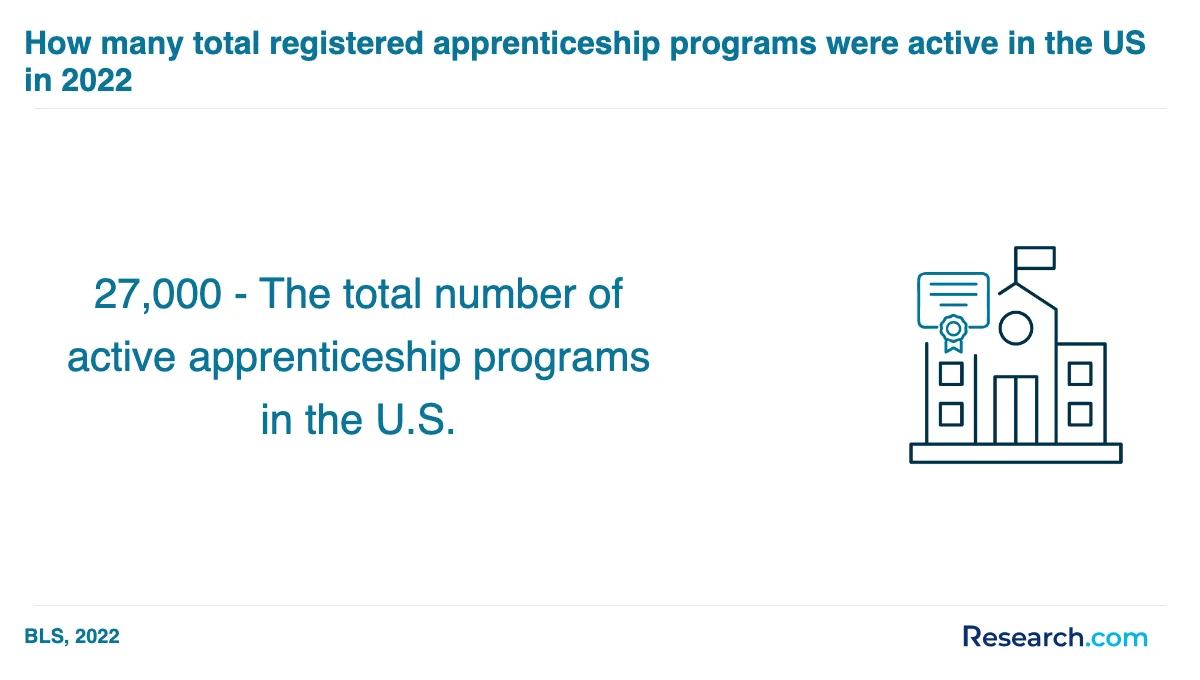
Trade school students in Salisbury often find that financial aid is a vital support that transforms their educational journey from a dream into reality. Many graduates recall how completing the Free Application for Federal Student Aid (FAFSA) early unlocked federal opportunities like the Pell Grant and Federal Work-Study, easing the burden of tuition and allowing them to focus fully on skill-building.
At institutions like Wor-Wic Community College and Salisbury University, students frequently share stories of relief upon receiving institutional scholarships tailored for both new and transfer students. This aid not only helps with tuition but also lessens worries about living expenses, creating space to pursue their chosen trades with confidence.
Maryland residents particularly appreciate state programs such as the Maryland Community College Promise Scholarship, which can cover thousands of dollars left after other assistance. This broader financial safety net encourages adult learners who might be balancing jobs and families to invest in their education without fear.
Many recall how having aid directly applied to their accounts simplified their experience, making education feel accessible and herculean goals achievable in Salisbury's welcoming trade schools.
To join a trade school program in Salisbury, students usually must hold a high school diploma or an equivalent credential like a GED. Many graduates recall the peace of mind that came with passing the Maryland High School Equivalency Examinations, knowing they met the essential academic foundation to succeed in their hands-on training.
Trade schools in Salisbury often expect applicants to have completed specific high school coursework, especially for technical or healthcare fields. For example, a common guideline involves having credits in:
- English (four credits)
- Social sciences (three credits)
- Laboratory sciences (two credits)
- Mathematics including Algebra and Geometry (four credits)
International students share stories of overcoming language barriers by providing accepted English proficiency proofs, which helped them integrate smoothly and feel welcomed in this close-knit learning environment.
Completing a full application package is another key step. Former students highlight the value of submitting transcripts, application fees, and sometimes financial guarantees on time. This thorough preparation often leads to confidence during interviews or skill assessments.
Some programs add further requirements, like maintaining a minimum GPA or passing technical skill tests, which graduates say raised their motivation and sharpened their abilities before entering the workforce.
Health and safety measures, such as required vaccinations, also form part of the enrollment process, ensuring a secure setting for all students pursuing their career goals in Salisbury's trade schools.

Trade school programs in Salisbury are thoughtfully crafted to equip students with practical skills that translate directly to promising careers. Graduates often recall how their courses blended hands-on experience with classroom learning, especially in highly sought-after fields. Many Salisbury schools emphasize skilled trades, where students dive into areas like:
- Electro-mechanical technologies
- Welding
- Heating, air conditioning, and refrigeration (HVACR)
- Plumbing
- Construction
One graduate shared how their plumbing classes combined lectures with real-world apprenticeships, fully preparing them to confidently pass licensure exams. Similarly, welding and HVACR courses provide clear guidelines on safety and maintenance while fostering a practical understanding of daily job demands.
Automotive service is another standout program. Students experience real vehicle diagnostics and repairs, fueling their passion for problem-solving. Meanwhile, IT courses in Salisbury cover computer hardware, networking, and cybersecurity basics, meeting the region's increasing need for tech professionals.
Healthcare courses such as medical assisting and phlebotomy frequently lead to certifications, opening doors to fulfilling roles in local clinics. Business and cosmetology pathways also support students aiming to turn creativity and entrepreneurial spirit into careers.
Trade school programs in Salisbury offer a variety of specializations tailored to meet the evolving job market, making them an excellent choice for students eager to enter the workforce quickly. Graduates from local programs often share how hands-on training in healthcare roles like medical assisting or phlebotomy has given them confidence to thrive in clinics and hospitals throughout the community.
Automotive service remains a standout field as well. Students appreciate the practical experience gained in diagnosing and repairing vehicles, which many find rewarding given Salisbury's reliance on personal and commercial transportation. Teaching modern engine and electrical systems opens doors to steady careers with growing demand.
Information technology programs prepare students to tackle real-world challenges in cybersecurity and IT support, essential skills in today's digital landscape. Additionally, Wor-Wic Community College expands options further with trades such as welding, HVAC, construction, and truck driving. Many graduates highlight the satisfaction of seeing tangible results from their training and earning wages ranging from $23 to $28 per hour.
Those looking for low cost online electrical lineworker training programs will also find paths that balance affordability with strong job prospects.
Choosing the best trade school programs in Salisbury starts with reflecting on your personal career goals and interests. Graduates from local institutions often share how aligning their training with Salisbury's in-demand fields like healthcare, skilled trades, or IT gave them confidence and a clear path forward. For example, many found the plumbing or manufacturing programs especially rewarding, noting how these trades remain steady economic pillars in the area.
Understanding how to compare Salisbury trade schools involves looking beyond tuition costs, which generally range from $4,000 to $14,000. Graduates emphasize the importance of accredited programs offering recognized certifications and hands-on experience, sometimes through partnerships with employers in Salisbury. This practical approach often leads directly to job placements, making the investment worthwhile.
Some students appreciate programs with flexible schedules or combined classroom and on-the-job training, which helped them balance work and study. Exploring options like these and reviewing local success stories can make your decision feel more grounded and hopeful. Also, learning about the top paying trades that are easy to learn can guide you toward opportunities that match your lifestyle and ambition.

Trade school graduates in Salisbury find robust opportunities across healthcare, skilled trades, and transportation sectors. Many graduates share how hands-on training at popular trade schools helped them transition quickly into fulfilling careers. For those pursuing healthcare and transportation jobs Salisbury Maryland, roles like medical assistants and commercial truck drivers provide steady income and meaningful work. Local partnerships with clinics and logistics companies make job placement a seamless step after graduation.
Others are drawn to the variety within skilled trades careers in Salisbury. Graduates often highlight programs in construction, electrical work, HVAC, and welding as pathways to well-paying jobs with hourly wages ranging from $23 to $28.04. Real-world projects in Salisbury's trade schools ensure learners build confidence and valuable experience.
Beyond technical skills, many graduates leverage entrepreneurial resources to start their own businesses in auto repair or carpentry, illustrating the practical benefits of Salisbury's trade education.
Exploring options? For perspective on the best trade schools in america can deepen your understanding of how local programs compare nationally.
The job market for trade school graduates in Salisbury is vibrant and full of promising opportunities. Graduates from local programs report moving quickly into roles where their practical skills are highly valued. Employers in Salisbury seek candidates trained in hands-on fields like HVAC, electrical work, welding, truck driving, and construction. Many graduates find themselves filling critical positions right after training, supported by strong industry connections and career services from schools like Wor-Wic Community College.
In terms of earnings and employment outlook, Salisbury offers competitive wages and steady demand. For example, a recent graduate in electrical trades can expect around $28.04 per hour, while truck driving roles offer near $25.12 per hour. These figures reflect a healthy market compared to broader Maryland trends.
Many students appreciate how tailored programs and partnerships with local businesses create a direct path to jobs. Some take advantage of free training initiatives funded by grants, making career advancement affordable and accessible. For those exploring trade school job opportunities in Salisbury, considering cheap online hvac trade school programs can be a practical step toward entering the workforce confidently.
Most Affordable Trade School & Training Programs - Leading Certification Courses in Salisbury for 2026
# 1 position
Rowan-Cabarrus Community College - Physical Therapy Assistant.
associateThe Physical Therapy Assistant program at Rowan-Cabarrus Community College offers a hybrid format with some distance-education options. It prepares students to assist physical therapists by implementing treatment plans, training patients, and conducting interventions. The curriculum includes applied anatomy, physiology, biomechanics, neuroscience, and professional ethics. Annual in-state tuition is $2,064. Graduates earn a median salary of $37,465 one year after completing the program. The program is accredited by the Southern Association of Colleges and Schools Commission on Colleges.
# 2 position
Rowan-Cabarrus Community College - Criminal Justice/Safety Studies.
associateRowan-Cabarrus Community College offers a program in Criminal Justice/Safety Studies that covers the criminal justice system, its organizational components, and legal and public policy contexts. The curriculum includes instruction in criminal law and policy, police and correctional systems organization, administration of justice, and public attitudes toward criminal justice issues. The annual in-state tuition is $2,064. The program is accredited by the Southern Association of Colleges and Schools Commission on Colleges.
# 3 position
Rowan-Cabarrus Community College - Electrician.
associateRowan-Cabarrus Community College offers a Hybrid Electrician program that prepares students to install, operate, maintain, and repair electrical systems in residential, commercial, and industrial settings. The curriculum covers electronics principles, wiring, power transmission, safety, testing, and applicable codes. The program’s annual in-state tuition is $2,064. It is accredited by the Southern Association of Colleges and Schools Commission on Colleges.
# 4 position
Rowan-Cabarrus Community College - Heating, Air Conditioning, Ventilation and Refrigeration Maintenance Technology/Technician.
associateRowan-Cabarrus Community College offers a Hybrid Heating, Air Conditioning, Ventilation and Refrigeration Maintenance Technology/Technician program. It prepares students to repair, install, service, and maintain HVAC and refrigeration systems. Instruction covers diagnostic techniques, testing equipment, and principles of mechanics, electricity, and electronics. The program’s annual in-state tuition is $2,064. It is accredited by the Southern Association of Colleges and Schools Commission on Colleges.
# 5 position
Rowan-Cabarrus Community College - Automobile/Automotive Mechanics Technology/Technician.
associateRowan-Cabarrus Community College offers a hybrid program in Automobile/Automotive Mechanics Technology/Technician. The curriculum covers brake systems, electrical systems, engine performance and repair, suspension and steering, transmissions, drive trains, and heating and air conditioning systems. The program prepares students to repair, service, and maintain various automobiles. Annual in-state tuition is $2,064. The program is accredited by the Southern Association of Colleges and Schools Commission on Colleges.
# 6 position
Rowan-Cabarrus Community College - Welding Technology/Welder.
associateRowan-Cabarrus Community College offers a Welding Technology/Welder program designed to equip students with technical skills in welding and cutting metal surfaces. The hybrid program includes instruction in various welding methods, metallurgy, structural design, safety, and applicable codes. Annual in-state tuition costs $2,064. The program is accredited by the Southern Association of Colleges and Schools Commission on Colleges.
# 7 position
Rowan-Cabarrus Community College - Computer Numerically Controlled (CNC) Machinist Technology/CNC Machinist.
associateRowan-Cabarrus Community College offers a hybrid Computer Numerically Controlled (CNC) Machinist Technology program that trains students to operate CNC machine tools such as lathes and mills. The curriculum includes CNC programming, setup, troubleshooting, blueprint reading, machining, CAD/CAM systems, and safety practices. The program's annual in-state tuition is $2,064. It is accredited by the Southern Association of Colleges and Schools Commission on Colleges.
# 8 position
Rowan-Cabarrus Community College - Medical Office Management/Administration.
associateRowan-Cabarrus Community College offers a Medical Office Management/Administration program that trains students to manage business functions in medical or clinical offices. The curriculum covers office operations, financial record-keeping, personnel supervision, healthcare policy administration, conference planning, scheduling, public relations, and relevant laws. The program is accredited by the Southern Association of Colleges and Schools Commission on Colleges. Annual in-state tuition is $2,064, and median earnings one year after completion are $30,022.
# 9 position
Rowan-Cabarrus Community College - Business Administration and Management, General.
associateRowan-Cabarrus Community College offers a fully online Business Administration and Management, General program. It prepares students to plan, organize, direct, and control business functions. The curriculum covers management theory, human resources, accounting, purchasing, logistics, marketing, and decision-making. The program is accredited by the Southern Association of Colleges and Schools Commission on Colleges. Annual in-state tuition is $2,064, and median earnings one year after completion are $28,870.
# 10 position
Rowan-Cabarrus Community College - Information Technology.
associateRowan-Cabarrus Community College offers a fully online Information Technology program focusing on designing technological information systems. The curriculum covers computer hardware and software, algorithms, databases, telecommunications, application testing, and human interface design. The program’s annual in-state tuition is $2,064. Graduates earn a median salary of $27,085 one year after completion. It is accredited by the Southern Association of Colleges and Schools Commission on Colleges.
Frequently Asked Questions about trade school programs
After completing trade school in Salisbury, preparing for the job market involves several strategic steps. First, graduates should actively engage with their school's career services, which often provide job placement assistance, resume workshops, and interview preparation tailored to local employers. According to the Maryland Department of Labor, trade school graduates in the Salisbury region see an average employment rate of around 78% within six months post-completion.
Networking is also crucial; attending local industry events and connecting with alumni can open doors to job opportunities. Additionally, certifications relevant to your trade enhance employability and may increase starting wages substantially. Staying updated on Salisbury's job trends in fields like HVAC, electrical work, and healthcare support will provide a competitive advantage.
Employers in Salisbury highly value both technical and soft skills in trade school graduates. According to recent labor market reports for Maryland, proficiency in hands-on abilities such as electrical systems, welding, and HVAC repair ranks among the top requirements. Trade-specific certifications also boost employability, reflecting a candidate's readiness to meet industry standards.
Beyond technical skills, employers emphasize communication, problem-solving, and teamwork. These soft skills contribute to effective collaboration in diverse work environments. The Maryland Department of Labor highlights that 70% of local trade employers prioritize adaptability and a strong work ethic.
Understanding safety protocols and OSHA guidelines is also critical, ensuring compliance and reducing on-site accidents. Overall, Salisbury's job market seeks well-rounded candidates equipped with both practical expertise and interpersonal skills.
Finding internships in Salisbury that align with your trade school program involves a combination of research, networking, and leveraging local resources. Start by contacting your trade school's career services office; many maintain partnerships with Salisbury businesses offering internships relevant to fields such as construction, automotive technology, and healthcare.
Additionally, explore job boards like Indeed and Handshake, filtering searches to Salisbury-area internships in your trade. Local chambers of commerce can also provide valuable connections to employers willing to take on interns.
According to data from the Salisbury Chamber of Commerce in 2023, nearly 60% of trade-related businesses in the region offer internship opportunities annually, particularly in skilled trades and technical services.
Finally, attending local industry networking events helps build relationships with employers seeking hands-on talent, increasing your chances of securing an internship aligned with your training.
In Salisbury, earning a trade school diploma significantly impacts career mobility and advancement. According to data from the National Center for Education Statistics and local workforce reports, graduates from trade programs often see faster job placement than those with traditional degrees. Many employers in Salisbury's growing industries-such as construction, healthcare, and manufacturing-value the hands-on skills demonstrated by trade school diplomas.
Trade school graduates in Salisbury typically begin careers with salaries averaging 15% higher than those without postsecondary education. These credentials also help workers qualify for certifications and apprenticeships, which lead to increased wages and leadership roles.
Moreover, industry partnerships between Salisbury trade schools and local businesses create clear career pathways, offering students internship opportunities that directly improve job prospects. This direct alignment between training and employer needs supports steady career advancement within the region.
Part-time jobs in Salisbury offer valuable opportunities that align well with trade school education. Fields such as construction, automotive repair, and healthcare regularly seek part-time workers to gain hands-on experience while studying. According to the U.S. Bureau of Labor Statistics, local construction employment grew by 7% in the past two years, indicating a rising demand for skilled labor.
Positions like apprentice electrician, medical assistant, or HVAC technician helper are common part-time roles that complement classroom training. Employers often provide flexible schedules, which support students balancing work and study. Additionally, Salisbury's retail and manufacturing sectors frequently hire trade students part-time, offering practical skills that enhance future job prospects.
To find the most affordable degree program near me, you can research community colleges or universities that offer competitive tuition rates and financial aid options. Near Salisbury, NC, consider exploring Rowan-Cabarrus Community College for its cost-effective programs. Additionally, using resources like Research.com can provide insights into various degree programs and their costs to facilitate decision-making.
- Most Affordable Trade School & Training Programs - Leading Certification Courses in Statesboro for 2026
- Most Affordable Trade School & Training Programs - Leading Certification Courses in Ocala for 2026
- Most Affordable Trade School & Training Programs - Leading Certification Courses in Dearborn for 2026
- Skilled Trades & Transportation > Wor-Wic Community College https://www.worwic.edu/programs-courses/skilled-trades-transportation/
- Construction and Trades - Wiltshire College & University Centre https://www.wiltshire.ac.uk/subject-area/construction-and-trades/
- Tradel Schools in Salisbury, Maryland https://www.tradeschoolsnearme.co/metro-areas/salisbury-md-de
- Client Challenge https://cte.wicomicoschools.org/o/cte
- Career development and vocational education - Salisbury East High School https://sehs.sa.edu.au/our-school/career-development-and-vocational-education/
- Education and Training Opportunities - Work Wiltshire https://workwiltshire.co.uk/education-and-training-opportunities/
- Career and Technology Studies | Salisbury Composite High https://www.salcomp.ca/programs/career-and-technology-studies
- Futures | Brunel College https://www.brunelcollege.co.uk/futures
- Degrees & Programs at Salisbury University https://www.salisbury.edu/explore-academics/programs/
- Technical Programs | Rowan-Cabarrus Community College https://www.rccc.edu/blog/category/academic-programs/technical-programs/


