Most Affordable Trade School & Training Programs - Leading Certification Courses in Puerto Rico for 2026

Co-Founder and Chief Data Scientist
Choosing the right trade school in Puerto Rico can feel overwhelming, but we're here to help make it easier. This article introduces a carefully crafted trade school programs ranking by the Research.com team of data scientists. It offers clear insights into affordable options worth your consideration for 2026.
Whether you’re aiming to boost your skills, start a new career, or enhance your earning potential, a trade school diploma or certification can open many doors. Reading this guide will empower you to make an informed choice with confidence.
Key benefits of finishing trade school programs trade school in Puerto Rico
- Trade school graduates in Puerto Rico can earn competitive salaries, such as entry-level CT Technicians making around $37,326 annually, with experienced workers earning up to $118,765 in federal roles.
- Popular career paths include healthcare, skilled trades, and technical roles, with many alumni from schools like Antilles School of Technical Careers finding success in fields like electrical and medical technology.
- Online trade school diplomas offer flexibility and convenience, letting students balance work and family while gaining valuable skills, a benefit highlighted by many online graduates from Puerto Rican trade programs.
- Most Affordable Trade School & Training Programs - Leading Certification Courses in Puerto Rico for 2026
- What can I expect from trade school programs trade schools in Puerto Rico?
- Where can I work after finishing trade school programs trade schools in Puerto Rico?
What can I expect from trade school programs trade schools in Puerto Rico?
The average cost of enrolling in a trade school program in Puerto Rico can be surprisingly affordable, often making the dream of hands-on, career-focused education accessible to many. Graduates from schools like Instituto Tecnologico de Puerto Rico - San Juan frequently share how their total tuition sometimes costs as little as $625, which is a fraction of what traditional colleges might charge. This affordability encourages students aiming for quick entry into the workforce or those looking to reskill without heavy financial burdens.
Many students appreciate how schools such as Mech-Tech College offer 100% acceptance rates, paired with flexible payment options and financial aid, particularly for residents earning below $28,000 annually. Imagine a busy parent or a working individual enrolling in a practical program without worrying about excessive debt, supported by on-demand online classes accessible on their phones.
From automotive technology to culinary arts, students experience value not only in cost but also in relevant, employer-driven training. Graduates often express confidence entering high-growth sectors, knowing their investment was both smart and tailored to Puerto Rico's evolving job market.
Where can I work after finishing trade school programs trade schools in Puerto Rico?
After finishing a trade school program in Puerto Rico, you can step directly into thriving industries that are actively seeking skilled workers. Graduates from programs like BuildStrong Academy often find themselves working on vibrant construction sites across San Juan, helping rebuild communities with hands-on skills in masonry, carpentry, and soon electrical and plumbing trades. Many feel proud knowing their work supports vital reconstruction projects on the island.
Others who trained in technology fields experience exciting opportunities with local startups and global companies investing heavily in AI, cybersecurity, and cloud computing. Some graduates report landing jobs within weeks, enjoying roles where they innovate with emerging technologies alongside passionate teams.
Trade school alumni in healthcare administration contribute to clinics and hospitals by managing medical records and billing, feeling the satisfaction of supporting Puerto Rico's health system.
In hospitality and tourism, graduates fill roles in bustling resorts and travel agencies, engaging with visitors and growing Puerto Rico's vital economy.
These career paths-built on partnerships between schools and employers-ensure graduates don't just find jobs but build meaningful, future-proof careers.
Trade school graduates in Puerto Rico find earnings that vary widely based on their chosen career path, but many enjoy promising financial growth. For example, graduates entering electrical engineering roles often begin with salaries near $39,220 per year, quickly advancing to between $68,000 and $121,000 as they gain experience. Many feel proud stepping into technical roles where their skills are in high demand, especially as renewable energy projects grow across the island.
Others who trained at popular trade schools focused on hospitality or food services report steady jobs with hourly wages around $13.75 to $18.25. While these roles might start with more modest pay, the stability and direct impact on community life foster a strong sense of satisfaction.
Graduates pursuing management positions, like trade relations managers in cities such as Carolina, can expect salaries approaching $78,000 to $139,000, rewarding those who combine trade certifications with leadership skills.
Overall, students from well-known Puerto Rican trade programs feel encouraged by the growing local demand, confident that their training leads to rewarding opportunities tailored to their ambitions.
- Applicants usually need a high school diploma or equivalent and students under 21 must provide an immunization certificate (PVAC-3) at enrollment.
- Some schools allow provisional admission for up to 30 days to submit required documents, helping students start classes sooner.
- Tuition for trade school programs typically ranges from $2,000 to $8,000, making them more affordable than four-year degrees.
- Graduates often find jobs quickly, with healthcare and skilled trades starting salaries between $18,000 and $25,000 annually.
- Experienced workers in technical fields can earn between $30,000 and $40,000 per year, especially with certifications.
Completing a trade school program in Puerto Rico often spans from just a few months up to two years, making it an ideal path for those eager to enter the workforce quickly. Graduates from the Universal Technology College of Puerto Rico often share how finishing a certificate in about one year helped them start jobs without long delays. These programs balance intensive training with practical skills, shining especially for students who want to avoid the traditional four-year college route.
Some students opt for the 18-week program at BuildStrong Academy, which prepares them for employment in construction trades like masonry and carpentry. Graduates find this hands-on approach energizing and directly relevant to their new careers, reflecting the urgent demand in Puerto Rico's labor market.
At institutions like the University of Puerto Rico - Mayagüez, many trainees complete certificates in under a year, mixing classroom learning with fieldwork. This flexibility means that students can adapt their education timelines to their personal and professional goals, making trade schools in Puerto Rico both accessible and effective.
Online trade school programs in Puerto Rico offer unmatched flexibility, perfect for those juggling work, family, and studies. Graduates from institutions like NUC University and the Polytechnic University of Puerto Rico often share how accessing classes remotely allowed them to maintain jobs and care for loved ones without sacrificing education. These programs use digital materials, recorded lectures, and virtual discussions, making learning accessible anytime, anywhere-ideal for busy adults.
On the other hand, on-campus programs provide hands-on training and direct interaction essential for trades like healthcare or culinary arts. Graduates appreciate the face-to-face support and access to specialized equipment, which build confidence and professional networks in ways online formats can't fully replicate. However, attending campus classes means daily commutes and adhering to fixed schedules, which can be challenging but also foster discipline and community bonding.
Choosing between these options often depends on personal circumstances and career goals, with many students valuing the balance of flexibility and immersive learning experience that trade schools in Puerto Rico uniquely offer.
The average trade school cost in Puerto Rico typically centers around $11,171 for tuition and fees, which many graduates from well-known vocational institutions find reasonable for the quality and duration of their programs. Several students recall feeling reassured by these manageable costs, especially compared to pricier options in mainland U.S. schools. For example, graduates from popular trade schools on the island often highlight how this investment allowed them to quickly enter the workforce in fields like plumbing, electrical work, or HVAC, all while avoiding long-term debt. The tuition and fees usually cover the core educational experience, making it easier to plan financially.
It's important to consider that Puerto Rico vocational school tuition and fees generally include mandatory charges but exclude extras such as books, tools, or uniforms, which can vary by program. Many students in tech-heavy trades appreciate when their schools bundle some materials into the tuition, reducing upfront costs and logistical hassles. Additionally, financial aid opportunities, including federal grants and scholarships, offer crucial support, enabling many to balance education with other commitments.
Those exploring cost-effective options often compare trade schools with community colleges, where average tuition is lower-around $2,932 annually-but programs focus more on associate degrees than specialized certifications. For U.S.-based students considering solar technician training, for instance, the availability of cheapest solar technician training online can complement local trade programs, combining affordability with flexibility.

Trade school students in Puerto Rico often find encouragement through several key financial aid options that ease their path to certification and skilled careers. Many graduates recall how completing the FAFSA early unlocked access to the Federal Pell Grant, a no-repayment aid that helped cover essential costs while studying at popular institutions like the Puerto Rico Technical College or the Escuela de Artes Plásticas. This grant, based on financial need and enrollment, provided a tangible sense of relief and focus on training.
Beyond federal aid, students benefit significantly from institutional scholarships, which often reflect the diversity of Puerto Rico's student population. Some students pursuing HVAC or culinary trades shared how scholarships like the Imagine America Scholarship offered substantial support, especially for adult learners balancing work and studies.
Veterans attending local trade schools also mention how veterans' educational benefits supplemented their funding, making their transition back to civilian life less stressful. The combination of these aids brings a hopeful, achievable outlook to learners determined to build their future in Puerto Rico's vibrant trade communities.
Enrolling in a trade school program in Puerto Rico usually requires a few clear prerequisites that open doors to success. Most importantly, graduates from popular trade schools recall submitting proof of high school graduation or an equivalent, like a GED certificate, ensuring they start with strong academic foundations.
For younger students, especially those under 21, presenting a current immunization certificate (PVAC-3) became a smooth step, aligning with health standards in Puerto Rico and fostering a safe learning environment.
Some students also shared experiences where schools requested additional documents, such as official transcripts or evidence of prior coursework. This felt manageable because many institutions allowed a grace period of up to 30 days to provide these materials.
Specific programs, particularly in health or technology fields, sometimes called for proof of proficiency in basic math or English, usually through tests or coursework verification.
- High school diploma or GED
- Immunization certificate for those under 21
- Possible official transcripts
- Proficiency in math or English for certain fields
Graduates often describe their provisional admission experiences as encouraging, especially when schools offered a window to complete requirements, making the journey into technical education feel flexible and welcoming across Puerto Rico's vibrant trade schools.

Trade schools in Puerto Rico typically offer courses that prepare students for immediate, in-demand careers across various industries. Graduates from BuildStrong Academy often share their excitement about hands-on masonry and carpentry training, where learning happens both in classrooms and directly on construction sites. Upcoming electrical and plumbing courses promise to expand these opportunities.
Programs at Automeca Technical College bring practical skills in automotive fields, with students thriving in areas like auto mechanics and diesel technology. Many celebrate earning certificates that propel them swiftly into well-paid jobs within months.
Healthcare support is also highly popular. Graduates from Antilles School of Technical Careers describe feeling confident after completing courses in sterile processing and practical nursing, appreciating how these programs blend theory with real clinical practices.
Typical courses include:
- Construction trades such as masonry, carpentry, electrical, and plumbing
- Automotive technology including collision repair and diesel mechanics
- Healthcare roles like nursing assistance and sterile processing
- Cosmetology covering aesthetics, hair styling, and nail technology
- Information technology fields such as computer networking and biomedical tech
Instituto Tecnologico de Puerto Rico students highlight the growing tech focus, enjoying hands-on work in electrical engineering and software development that connects classroom concepts to real-world challenges.
Trade school programs in Puerto Rico offer a diverse array of specializations tailored to the island's workforce needs and emerging industries. Graduates from institutions like the Antilles School of Technical Careers often share how healthcare-related fields such as Sterile Processing Technology, Practical Nursing, and Pharmacy Technician opened doors to rewarding careers in hospitals and clinics. Meanwhile, students at Mech-Tech College find strong support pursuing trades like Automotive Technology, Electrical Technology, and Welding, where hands-on training and job placement success inspire confidence and skill mastery.
Construction trades remain critical to Puerto Rico's rebuilding efforts, with tuition-free programs at BuildStrong Academy focusing on Masonry, Carpentry, and upcoming Electrical and Plumbing courses. These programs resonate with students eager to meet the local demand for skilled labor, often highlighting mezzanine experiences in live job simulation settings. For those wanting to explore creative or niche paths, options include Cosmetology, Barbering, and Funeral & Mortuary Science, each providing practical certifications that graduates describe as empowering.
Prospective students interested in building a foundation in carpentry may explore the cheapest carpentry training programs online, which complement on-island offerings by providing flexible, affordable paths towards certification and career readiness.
Choosing the best trade school programs in Puerto Rico starts with verifying accreditation and licensure, ensuring your education holds real value both locally and beyond. Graduates from well-known colleges in Puerto Rico often share how accreditation opened doors to trusted employers and eased access to federal financial aid. When weighing options, consider how to compare trade schools in Puerto Rico by investigating not only credentials but also each school's reputation-students have found peace of mind enrolling where no recent sanctions or warnings exist.
Practical training is key. Graduates recount how hands-on curriculum and strong employer partnerships led directly to internships and job offers. Look for programs that actively support career counseling and promote high job placement rates. Affordability also shapes the decision; exploring all financial aid options at accredited institutions can make a significant difference. For future HVAC specialists, for example, exploring the best hvac certificate programs online might complement in-person training.
Trade school graduates in Puerto Rico find career opportunities for trade school graduates in Puerto Rico that span both traditional skilled trades and cutting-edge technical fields. Many graduates from schools like Automeca Technical College enter automotive technology or HVAC, enjoying hands-on roles that make a visible impact on daily life. Others who studied at institutes focused on healthcare support become medical assistants or pharmacy technicians, filling crucial gaps in the island's health services.
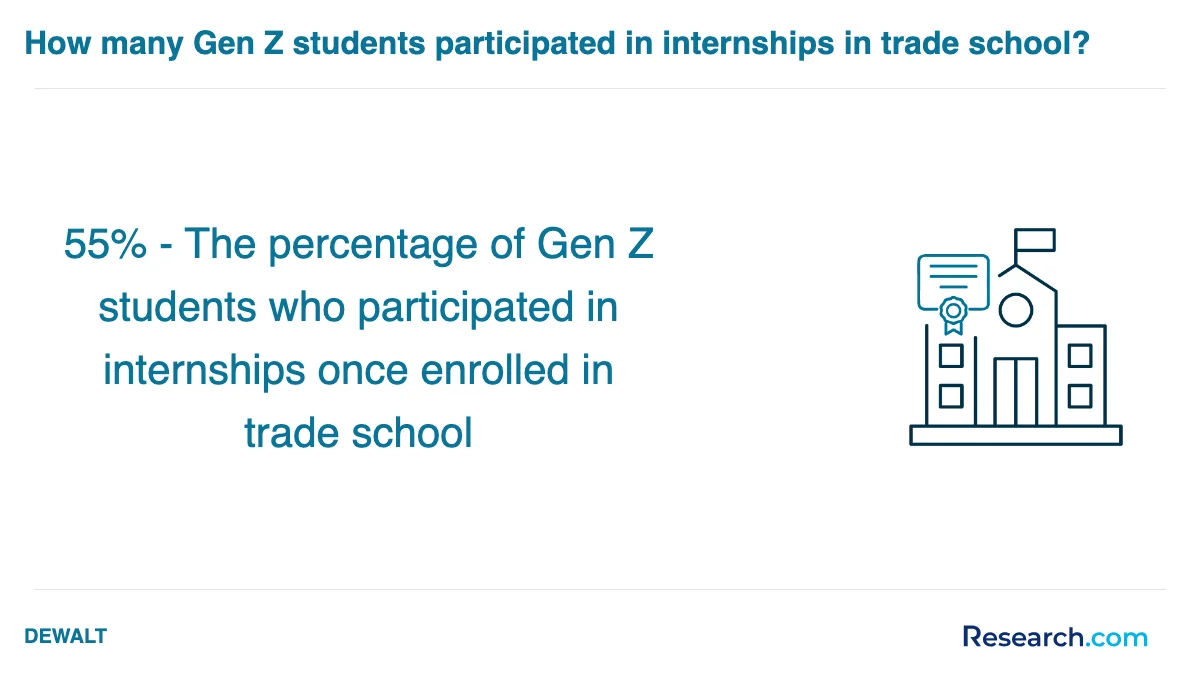
Programs at these schools often include internships, which help graduates step confidently into jobs. Popular career paths include:
- automotive technology and electrical work
- cosmetology and hairstyling
- information technology and cybersecurity
- engineering sectors like renewable energy and smart grid technologies
High demand skilled trades in Puerto Rico also involve industrial automation and software development, where knowledge of big data analytics offers promising growth. Graduates equipped with IT certifications have been recruited by major companies such as Microsoft and Amazon, underscoring the vibrancy of this sector. For those seeking affordable electrician training, affordable electrician training programs online provide flexible stepping stones into these in-demand careers.
The job opportunities for trade school graduates in Puerto Rico are increasingly promising, especially as the island's economy shifts towards technology and construction. Graduates from popular programs like BuildStrong Academy report immediate employment offers, benefiting from hands-on training in masonry and carpentry tailored to the local skilled labor shortage. Many find themselves stepping directly into roles that offer stability and growth. In the booming technology sector, graduates with skills in software development and IT consulting are highly sought after, with starting salaries often surpassing expectations.
Industry partnerships with trade schools in Puerto Rico ensure that curricula stay relevant, boosting the demand for skilled trades in Puerto Rico. Students experience internships that often convert into full-time jobs, giving them a confident start in competitive fields. The practical approach means graduates are ready to meet employer needs, fostering optimism and motivation.
- Tech sector roles include AI specialists and full-stack developers.
- Construction programs provide tuition-free, career-focused training.
- Internships and job placement assistance enhance employability.
For those weighing education paths, understanding the advantages of technical training is crucial-dive into the trade school vs college pros and cons to see how trade schools in Puerto Rico align with market demands.
Most Affordable Trade School & Training Programs - Leading Certification Courses in Puerto Rico for 2026
# 1 position
Inter American University of Puerto Rico-Ponce - Business Administration and Management, General.
associateThe Business Administration and Management, General program at Inter American University of Puerto Rico-Ponce is fully online, preparing students to manage organizational functions and processes. It includes courses in management theory, human resources, accounting, logistics, marketing, and decision-making. The program is accredited by the Middle States Commission on Higher Education. Annual in-state tuition is $5,580, and median earnings one year after completion are $21,380.
# 2 position
Inter American University of Puerto Rico-Ponce - Office Management and Supervision.
associateThe Office Management and Supervision program at Inter American University of Puerto Rico-Ponce is fully online and focuses on training individuals to manage business office operations and personnel. It covers topics such as employee supervision, labor relations, budgeting, scheduling, office systems, records management, and public relations. The program is accredited by the Middle States Commission on Higher Education, with an annual in-state tuition of $5,580 and median earnings of $21,380 one year after completion.
# 3 position
Inter American University of Puerto Rico-Ponce - Computer Science.
associateThe Computer Science program at Inter American University of Puerto Rico-Ponce offers a hybrid format with some distance-education options. It emphasizes computer theory, problem-solving, and the design of computer systems and user interfaces from a scientific perspective. Instruction covers computational science principles, programming, and practical applications. Annual in-state tuition is $5,580. The program is accredited by the Middle States Commission on Higher Education.
# 4 position
Inter American University of Puerto Rico-Ponce - Criminal Justice/Safety Studies.
associateThe Criminal Justice/Safety Studies program at Inter American University of Puerto Rico-Ponce offers a hybrid format with some distance education options. It covers criminal law, policy, police and correctional systems, administration of justice, and public attitudes toward criminal justice. The program is accredited by the Middle States Commission on Higher Education. Annual in-state tuition is $5,580.
# 5 position
Inter American University of Puerto Rico-Ponce - Criminal Justice/Police Science.
associateThe Criminal Justice/Police Science program at Inter American University of Puerto Rico-Ponce offers a hybrid format with some distance-education options. It prepares students for police and public security roles, covering patrol, investigations, traffic and crowd control, evidence management, and crime prevention. The program costs $5,580 annually for in-state students and is accredited by the Middle States Commission on Higher Education.
# 6 position
Inter American University of Puerto Rico-Ponce - Physical Therapy Assistant.
associateThe Physical Therapy Assistant program at Inter American University of Puerto Rico-Ponce is offered in a hybrid format, combining distance education with on-site learning. It trains students to assist physical therapists by implementing treatment plans, conducting interventions, and monitoring patient progress. Tuition for in-state students is $5,580 annually. The curriculum covers anatomy, physiology, biomechanics, clinical documentation, and professional ethics. The program is accredited by the Middle States Commission on Higher Education.
# 7 position
Inter American University of Puerto Rico-Ponce - Accounting.
associateThe Accounting program at Inter American University of Puerto Rico-Ponce is fully online, offering distance-only instruction. It prepares students for accounting professions and related business functions, covering principles such as financial, managerial, cost, and tax accounting, auditing, and professional ethics. The program includes training in business information systems and accounting research methods. Annual in-state tuition is $5,580. It is accredited by the Middle States Commission on Higher Education.
# 8 position
Inter American University of Puerto Rico-Ponce - Baking and Pastry Arts/Baker/Pastry Chef.
certificate or diplomaThe Baking and Pastry Arts/Baker/Pastry Chef program at Inter American University of Puerto Rico-Ponce offers a hybrid format with some distance-education options. It prepares students for professional roles in commercial baking establishments, covering bread and pastry making, decorating, and baking industry operations. Annual in-state tuition is $5,580. Graduates typically earn a median income of $7,960 one year after completion. The program is accredited by the Middle States Commission on Higher Education.
# 9 position
Dewey University-Hato Rey - Medical Insurance Specialist/Medical Biller.
associateDewey University-Hato Rey offers a Medical Insurance Specialist/Medical Biller program in a hybrid format, preparing students to manage medical and health insurance operations in various healthcare settings. The curriculum includes health insurance processes, law, policy, office administration, software applications, billing, medical terminology, and communication skills. The program is accredited by the Accrediting Bureau of Health Education Schools. Annual in-state tuition is $6,970, with median earnings of $16,262 one year after completion.
# 10 position
Dewey University-Hato Rey - Physical Therapy Assistant.
associateDewey University-Hato Rey offers a Physical Therapy Assistant program with a hybrid format, allowing some distance education. The program trains students to assist physical therapists by implementing treatment plans, conducting interventions, and monitoring patient progress. Coursework covers anatomy, physiology, biomechanics, neuroscience, and professional ethics. Annual in-state tuition is $6,970. Graduates earn a median salary of $11,681 one year after completion. The program is accredited by the Accrediting Bureau of Health Education Schools.
Frequently Asked Questions about trade school programs
After completing trade school in Puerto Rico, preparing for the job market involves several practical steps. Graduates should start by updating their resumes to highlight specific skills gained during their programs, emphasizing certifications and hands-on experience. Networking is crucial; connecting with local employers through job fairs and industry events increases employment opportunities.
According to the Puerto Rico Department of Labor and Human Resources, trade school graduates in fields like automotive technology and healthcare enjoy employment rates above 70% within six months of graduation. Utilizing resources such as career counseling and job placement services offered by trade schools can further assist graduates.
Enhancing technical skills through continuing education or certifications also improves job prospects. Understanding labor market trends in Puerto Rico helps target growing industries, ensuring graduates align their qualifications with local employer demand.
Employers in Puerto Rico highly value trade school graduates who possess strong technical skills relevant to their field. Key competencies often include proficiency in electrical systems, welding, HVAC maintenance, and computer-aided design (CAD). According to the U.S. Bureau of Labor Statistics and regional employment reports, candidates with hands-on experience and industry certifications tend to have better job prospects.
Beyond technical knowledge, soft skills are crucial. Employers prioritize punctuality, teamwork, and effective communication. Adaptability and problem-solving are also frequently mentioned as essential attributes, especially in sectors like manufacturing and construction.
These skills reflect current labor market demands, guiding prospective trade students in Puerto Rico toward successful career paths.
Finding internships in Puerto Rico that align with your trade school program involves several practical steps. Start by contacting your school's career services office, as many institutions partner with local businesses to place students in relevant internships. According to the Puerto Rico Department of Labor, industries like manufacturing, healthcare, and construction offer numerous opportunities.
Networking is also crucial. Attend job fairs and industry events in cities like San Juan, where employers often seek skilled trade interns. Additionally, online platforms such as the Puerto Rico Jobs site provide listings specific to internships and apprenticeships.
Registering with workforce development programs supported by the US Department of Labor can further increase your chances. These programs connect trade students to apprenticeships and paid internships in the region's growing sectors.
In Puerto Rico, obtaining a trade school diploma can significantly enhance career mobility and advancement opportunities. Trade schools provide practical skills aligned with market demands, especially in fields like healthcare, construction, and technology. According to the Puerto Rico Department of Labor, graduates from trade programs have a 15% higher employment rate within a year compared to those without such credentials. This credential often leads to higher wages and quicker promotions due to specialized training. Additionally, many employers in Puerto Rico value trade certification as it demonstrates job readiness, making diploma holders more competitive in the local job market.
Furthermore, trade school credentials can serve as a stepping stone for further education or certifications, expanding long-term career prospects. The U.S. Bureau of Labor Statistics highlights that skilled trades occupations frequently experience job growth in Puerto Rico, implying stable demand for diploma holders. Overall, a trade school diploma supports practical skill development and aligns well with Puerto Rico's economic sectors, fostering improved social mobility through better employment options.
Part-time job opportunities in Puerto Rico that complement trade school education often align with fields like healthcare, construction, and IT. For example, students enrolled in HVAC or electrical programs can find part-time positions as assistants or apprentices, gaining hands-on experience while earning wages. According to the Puerto Rico Department of Labor, these jobs typically pay between $10 to $15 per hour.
Healthcare students might work as medical assistants or pharmacy technicians, which reinforces classroom learning and enhances skills. In addition, roles in retail or customer service can help build communication skills valuable in many trades.
Many employers in Puerto Rico prefer hiring students for part-time work to cover peak hours, allowing flexible scheduling that fits trade school timetables. Such jobs provide both income and practical exposure essential for career advancement.
To find the most affordable degree program near me, one can start by exploring local universities and colleges, many of which may offer competitive tuition rates and financial aid options. Furthermore, institutions and programs near Puerto Rico can be compared for costs and benefits using resources like Research.com, which provides information on academic programs and affordability. Investigating the tuition fees and scholarships available at public universities and considering community colleges are also effective strategies for identifying affordable options.
- Trade Schools Overview | ACT https://www.act.org/content/act/en/students-and-parents/career-planning/career-planning-resources/trade-schools.html
- Building Skills, Building Futures: Apprenticeship Programs in Puerto Rico https://impactpr.co/building-skills-building-futures-apprenticeship-programs-in-puerto-rico/
- PR READY, Workforce Training Program - Puerto Rico Science, Technology & Research Trust https://prsciencetrust.org/puertoricoready-eng/
- BuildStrong Puerto Rico - HBI https://hbi.org/buildstrong-pr/
- Empowering Puerto Rico - Northwest Lineman College - NLC https://lineman.edu/empowering-puerto-rico/
- Attending College in Puerto Rico: What You Need to Know (Including Puerto Rico Scholarships) - The Scholarship System https://thescholarshipsystem.com/blog-for-students-families/attending-college-in-puerto-rico-what-you-need-to-know-including-puerto-rico-scholarships/