
Best Trade School & Training Programs - Leading Certification Courses in South for 2026

Co-Founder and Chief Data Scientist
Choosing the right trade school can be a game-changer for your future career. This article introduces the best trade schools in the South for 2026, based on a ranking created by the Research.com team of data scientists. Their analysis helps you navigate the options and identify programs that truly stand out.
Whether you’re pursuing a diploma or certification, trade education opens doors to skilled jobs and personal growth. Reading this guide will give you confidence to find a path that fits your goals and passions.
Get ready to explore opportunities that can build a rewarding career.
Key benefits of finishing trade school programs trade school in South
- Expected salary: Trade school graduates in the South can earn competitive wages, such as plumbers making around $60,090 annually and home inspectors earning about $52,000. Other trades like welders, electricians, and HVAC technicians typically earn between $50,000 and $60,000 per year, with top earners reaching up to $100,000.
- Popular career paths: Graduates often find work in in-demand fields like construction, plumbing, welding, and HVAC, all of which offer stable jobs and good growth potential across Southern states.
- Online certification benefits: Completing a trade school diploma online offers flexibility and convenience, allowing students to learn at their own pace while balancing work or family, making it easier to advance quickly in their careers.
- Best Trade School & Training Programs - Leading Certification Courses in South for 2026
- What can I expect from trade school programs trade schools in South?
- Where can I work after finishing trade school programs trade schools in South?
What can I expect from trade school programs trade schools in South?
Students enrolling in trade school programs in the South often find tuition rates significantly more affordable than traditional four-year colleges, typically ranging from $4,000 to $8,000 per year. For example, graduates from Savannah Technical College, a well-regarded South trade school, report manageable costs combined with flexible payment options that accommodate working adults and families. Many students appreciate that the schools offer day, evening, and online classes, allowing them to balance education with other responsibilities.
Financial aid opportunities further ease the investment, with scholarships, veteran benefits, and federal aid often available. Graduates frequently highlight how practical, hands-on training began early in their programs, helping them build skills directly applicable to healthcare, aviation, welding, or cybersecurity roles. These programs usually include access to labs and industry-experienced instructors, making the time and money spent feel worthwhile and directly connected to job readiness.
Post-graduation, many alumni celebrate the high job placement rates and immediate entry into the workforce, reinforcing the value of the cost and effort they invested in Southern trade schools.
Where can I work after finishing trade school programs trade schools in South?
After finishing a trade school program in the South, graduates find solid job opportunities in industries like construction, HVAC, electrical work, welding, plumbing, and allied health. For example, many HVAC and electrical program grads quickly land roles as HVAC technicians or maintenance technicians, working on installations and repairs in homes or businesses across South Carolina and neighboring states.
Construction also offers numerous entry-level jobs, from remodeling specialists to general contractors, especially with ongoing infrastructure projects. Welding graduates often get hired by manufacturing plants or shipyards, capitalizing on the region's high demand for skilled welders. Plumbers typically enjoy starting salaries around $60,000 and work on everything from emergency repairs to new builds, usually after completing state-required licensing.
Allied health graduates commonly become medical assistants, valuing stable clinic or hospital roles with paths to advance. These real results show how South trade schools connect students to careers where hands-on skills meet real employer needs, offering rewarding work and steady growth.
After finishing a trade school program in the South, graduates often find jobs with starting salaries around $49,000 to $67,000 a year, depending on their chosen field. Many who trained as electricians or plumbers report making about $69,000 annually, while HVAC technicians earn close to $60,000. For those coming from Southern trade schools, this means gaining hands-on skills that translate into well-paying jobs within months to a few years.
Graduates from popular Southern trade schools share that entering careers like construction management can lead to salaries between $75,000 and $98,000. Others in carpentry or automotive service roles typically start near $48,000 to $50,000 but enjoy steady pay growth and job stability. Many appreciate how quickly they moved from classroom to full paycheck, which allows them to support their families sooner than they expected.
Top earners, such as elevator installers, can make more than $100,000 annually, highlighting the opportunity for career advancement in the region. Ultimately, trade school graduates in the South find rewarding careers that align well with their skills and lifestyle goals.
- Most trade schools in the South require a high school diploma or GED, but some allow alternative qualifications or passing a standardized exam for eligibility.
- Applicants typically need to be at least 17 years old, with some programs requiring a minimum age of 18 or allowing younger students with parental consent.
- Standardized tests like the SAT or ACT are usually not required; instead, placement or proficiency exams may be needed.
- Tuition costs for trade school programs in the South range from $5,000 to $15,000, with many schools offering financial aid and multiple start dates.
- Median annual salaries for graduates range from $40,000 to $75,000, with experienced workers in some trades earning over $80,000 per year.
Trade school programs in the South typically take from a few months up to two years to complete, depending on the trade and study format. Many graduates recall completing short programs-like commercial driver's license training-in just 1 to 2 months, fitting intense instruction into roughly 120 to 160 hours. For others, entry-level certificate programs in fields such as diesel heavy truck repair or electrical installation also wrap up within those first couple of months, making it easy to jump into the workforce quickly.
More comprehensive diploma programs, common at popular Southern trade schools, usually take around 10 to 13 months. Graduates often describe this timeframe as manageable, balancing full-time study with real-world practice. Evening and part-time options can stretch this length but provide flexibility for those working or managing family.
Programs with higher complexity, like HVAC technician training, require up to two years to meet licensure standards. Students appreciate how these extended courses prepare them well for certification and better job opportunities.
Overall, most full-time programs in Southern trade schools are designed to be completed in about a year, a considerably shorter path compared to traditional degrees, letting graduates start their careers sooner with practical skills.
Online trade school programs in the South stand out for their flexibility, letting students work through courses on their own schedules and from any location. For instance, a graduate of a well-known Southern automotive tech school shared how online classes allowed them to balance parenting and work while building skills remotely. This mode reduces costs associated with commuting and housing, though students often invest in reliable tech. The online format also suits those who thrive in written discussions and quieter learning environments, offering accessibility that's vital in rural or underserved Southern areas.
On the other hand, on-campus programs in the South provide hands-on training crucial for trades like electrician work or cosmetology. Graduates recall the value of real-time guidance in labs and workshops at popular Southern trade schools, where hands-on experience and face-to-face mentoring built their confidence and competence. These programs also offer rich networking opportunities and access to resources like tutoring and career services, which many students find motivating and helpful to their success.
The average trade school tuition in the South typically ranges from about $3,000 to $16,000, depending heavily on the program and institution type. Graduates from public technical colleges like Galveston College or Aiken Technical College often share stories of manageable tuition costs around $3,500, which helped them complete their programs without overwhelming debt. Many found that this affordable pricing made it easier to focus on learning skills like welding or automotive technology, popular fields in southern states.
Private trade schools, however, often charge higher rates. Some students pursuing specialized courses reported costs reaching $15,000 or more. For instance, medical assistant programs, especially those with hybrid or online elements, can stretch beyond $20,000 in total fee outlays. This variability means understanding the total cost of trade school programs in Southern states requires more than just looking at tuition-it's important to factor in books, supplies, and everyday expenses like transportation and housing.
Many southern schools offer financial aid and scholarships to reduce these burdens. Those who successfully accessed federal aid or merit-based scholarships often remark how critical this was in making their education affordable and achievable. Students exploring affordable options might also want to research the cheapest online solar technician trade school programs as part of their planning.

Trade school students in the South often start their financial aid journey with the Free Application for Federal Student Aid (FAFSA), unlocking access to federal resources like the Pell Grant and Federal Supplemental Education Opportunity Grant (FSEOG). These programs provide relief that many graduates from technical colleges in Georgia and South Carolina recall as pivotal during tough financial stretches.
State-level aid plays a major role, especially in states like South Carolina, where the Lottery Tuition Assistance Program helps cover technical school tuition. Similarly, Georgia's HOPE Grant and HOPE Scholarship have transformed the college experience for many diploma and certificate seekers by easing tuition costs. High-performing students at trade schools frequently benefit from additional aid through the Zell Miller Grant and Scholarship programs, sometimes covering full tuition.
Many trade schools also offer institutional scholarships. Graduates often share how work-study roles made it possible to gain practical experience while earning money-lightening the financial load. Veterans use GI Bill® benefits generously applied at Southern trade schools, and private scholarships from local groups add yet another helpful layer.
To enroll in a trade school program in the South, the basic requirements are designed to be accessible and practical. Most schools expect a high school diploma, GED, or an equivalent credential. This includes recognized homeschooling completions or passing state-authorized equivalency exams. Graduates from popular Southern trade schools often share how this straightforward prerequisite made stepping into their new careers smooth and encouraging.
Age requirements typically set the minimum at 18, but many schools admit 16-year-olds through dual enrollment. Graduates recall managing both high school and trade classes simultaneously, with administrative support easing the process.
Standardized test scores like the SAT or ACT are rarely required; instead, some programs use placement tests to assess readiness in key areas such as math or reading. Most admit students without demanding high GPAs, highlighting the positive, inclusive approach these schools embrace.
Additional musts include submitting official transcripts and legal identification-like a driver's license or passport. For fields involving health or machinery, expect possible background checks or immunization records. Many found these extra steps clear when explained upfront and appreciated the schools' flexibility with rolling admissions and multiple start dates.
- High school diploma, GED, or equivalent credential
- Minimum age usually 18, sometimes 16 with dual enrollment
- No SAT/ACT required; placement tests may apply
- Official transcripts and legal ID needed
- Additional checks for specific programs
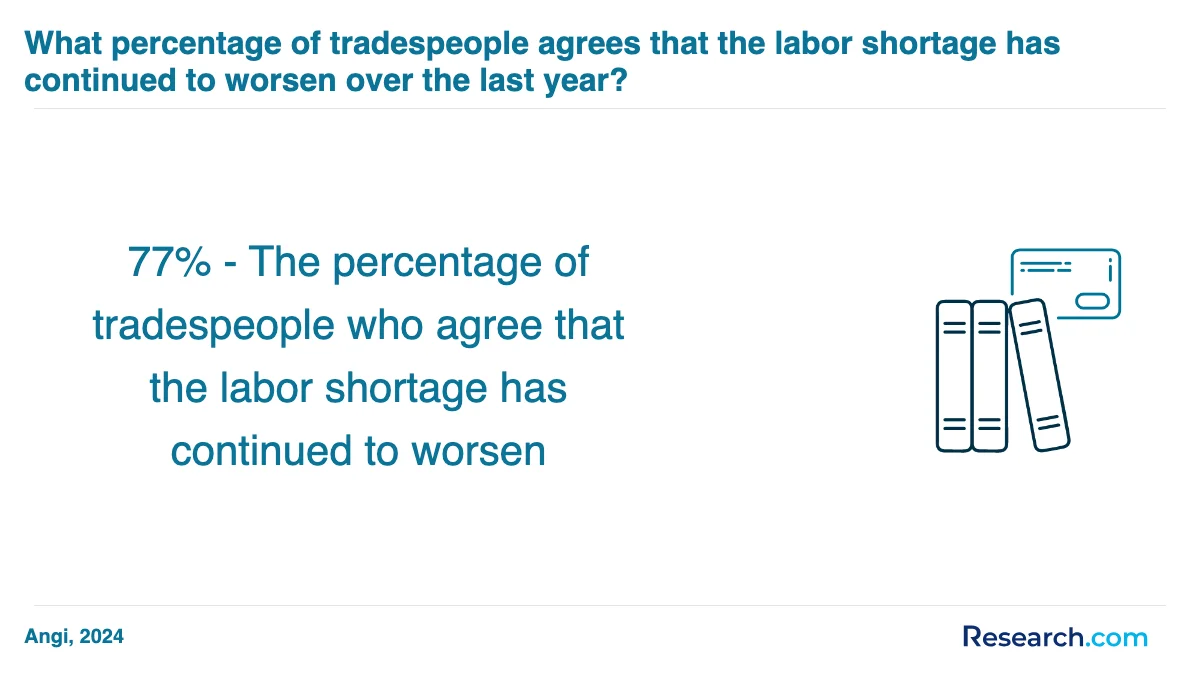
Trade school programs in the South typically focus on career-ready courses tailored to local industry needs, preparing students for quick employment in high-demand fields. Healthcare programs are especially common, with popular courses like practical nursing, dental hygiene, and medical assisting. Graduates from Southeastern Technical College in Georgia recount how hands-on clinical training boosted their confidence and job readiness.
Skilled trades remain a strong pillar in these schools. Courses such as diesel equipment technology, automotive technology, welding, and commercial truck driving stand out for their practical approach. For example, diesel technology students gain real experience repairing heavy machinery, which makes securing jobs in repair shops easier. Welding students appreciate the focus on safety and skill-building, making them attractive hires in manufacturing.
Business and technology courses offer a solid foundation in accounting, business administration, and IT, giving students versatile skills for various roles. In smaller towns, graduates find their bookkeeping or network security skills highly sought after.
- Hands-on healthcare training in practical nursing and dental hygiene
- Skill-building in diesel technology, welding, and truck driving
- Business and IT fundamentals for administrative and technical positions
- Additional offerings like early childhood education and cosmetology
The flexible course formats-on-campus, hybrid, and online-help Southern students juggle work and family, making trade school a practical and accessible choice for career advancement.
Trade school programs in the South focus on specializations that lead directly to practical, well-paying jobs. Many students graduate from allied health programs such as medical assistant, dental hygienist, pharmacy technician, and licensed practical nurse-fields that thrive here due to expanding healthcare facilities. Graduates often praise hands-on labs and externships, like those at Southern Careers Institute in Texas, for building real skills employers want.
Technical trades and construction are also vital, with programs in carpentry, HVAC, electrical work, plumbing, welding, and automotive repair. For instance, students in South Florida gain thorough, applied training that prepares them immediately for jobs in construction and energy sectors.
Beauty and wellness specializations such as cosmetology, barbering, and spa services open doors to the fast-growing personal care market. Additionally, areas like information technology, business administration, digital literacy, and logistics are increasingly offered, often with flexible online options. Southeast Technical College, for example, supports working students with hybrid courses.
For those exploring a range of career paths, considering the best vocational trade online training schools can be a strategic choice.
Start by focusing on accredited trade school programs in Southern states to ensure the education you receive meets recognized standards. Graduates from institutions in Tennessee or South Carolina often share how accreditation helped them gain trusted credentials that employers value. This is crucial if you want a smooth transition into the workforce without worrying about your diploma's validity.
Next, evaluate how to choose a trade school in the South by looking beyond accreditation into program offerings. A graduate of a popular Alabama school recalls being thrilled by the variety of healthcare and skilled trades courses, which let them tailor their education to a career they truly enjoy. Check course descriptions carefully to see if they align with your goals.
Consider the real-life impact of attending a school with strong local industry connections and a positive campus environment, which graduates often cite as key to their satisfaction and job search success. If you're unsure whether a trade school fits your needs, learn what makes a program suitable by exploring what is trade school the same as vocational school offers, helping you clarify your options confidently.
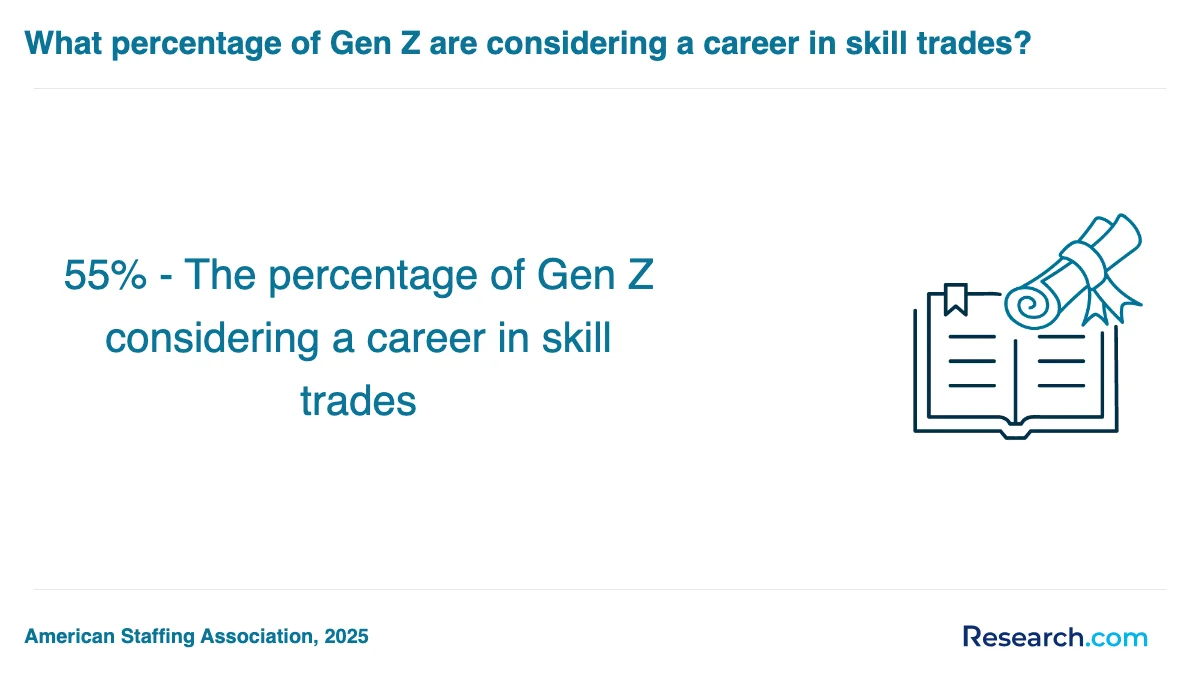
Trade school career opportunities in the South are abundant and varied, offering clear pathways into high-demand sectors that match the region's economic growth. Graduates from popular Southern trade schools often find strong prospects in construction, where roles like general contractors and remodeling specialists are fueled by ongoing housing and infrastructure projects. One graduate described how quickly they secured a job after completing hands-on training, highlighting the value of practical skills tailored to Southern markets.
Electrical and HVAC programs continue to attract students focused on skilled trades that keep homes and businesses running efficiently. The demand for HVAC technicians is rising, making these positions some of the highest paying skilled trades in Southern states. A former student shared their rewarding experience working in commercial HVAC, appreciating the steady work and technical challenges.
- Construction worker roles benefiting from regional development
- Electrical and HVAC technician positions with growing demand
- Welding and fabrication careers addressing nationwide shortages
- Automotive and diesel mechanics supporting Southern transportation needs
Many students choose accelerated tracks that last two years or less, allowing faster entry into stable careers. Those interested in electrical work can explore the cheapest online electrical lineman programs, which provide affordable, flexible options aligned with the South's industry standards.
The job market for trade school graduates in the South is exceptionally strong, fueled by ongoing infrastructure projects and a surge in residential and commercial developments. Graduates from popular Southern trade schools report immediate job offers in fields such as construction, welding, HVAC, and commercial truck driving. Many find the stability they seek without the delay or debt of traditional four-year degrees. This aligns with the growing trend of skilled trades employment trends South 2026, which projects continued growth in these sectors as demand outpaces supply.
Graduates often describe their experiences as rewarding, with quick entry into well-paying jobs thanks to practical training focused on real-world skills. For example, students completing programs in Texas or Georgia highlight opportunities in:
- Construction: adding new jobs annually to support housing and commercial projects
- Welding: addressing nationwide shortages that translate into high demand locally
- HVAC and commercial trucking: sectors expanding due to logistics and climate control needs
Trade schools in the South emphasize hands-on learning that makes graduates workforce-ready in two years or less. Many take advantage of affordable online freight broker training classes to further boost their credentials in logistics, a growing field regionally. This pragmatic approach to education reflects the best of trade school job opportunities in the South-providing stability, competitive wages, and career growth without unnecessary time or financial burdens.
Best Trade School & Training Programs - Leading Certification Courses in South for 2026
# 1 position
Dallas College - Electrician.
associateThe Electrician program at Dallas College offers a hybrid format with some distance education options. It prepares students to install, maintain, and repair electrical systems in residential, commercial, and industrial settings. The curriculum covers electronics, wiring, power transmission, safety, job estimation, testing, inspection, and electrical codes. The annual in-state tuition is $2,370. Median earnings one year after completion are $66,463. The program is accredited by the Southern Association of Colleges and Schools Commission on Colleges.
# 2 position
Dallas College - Electrician.
certificate or diplomaThe Electrician program at Dallas College offers hybrid learning with some distance-education options. It prepares students to install, operate, maintain, and repair electric apparatus and systems including wiring, motors, controls, and distribution panels. The curriculum covers electronics principles, power transmission, safety, job estimation, and applicable codes. The annual in-state tuition is $2,370. Graduates have median earnings of $66,463 one year after completion. The program is accredited by the Southern Association of Colleges and Schools Commission on Colleges.
# 3 position
Owensboro Community and Technical College - Electrician.
associateOwensboro Community and Technical College offers a hybrid Electrician program that trains students to install, operate, maintain, and repair electrical systems in residential, commercial, and industrial settings. The curriculum covers electronics, wiring, power transmission, safety, job estimation, and applicable codes. Annual in-state tuition is $4,656. Graduates typically earn a median salary of $55,533 one year after completion. The program is accredited by the Southern Association of Colleges and Schools Commission on Colleges.
# 4 position
Owensboro Community and Technical College - Electrician.
certificate or diplomaOwensboro Community and Technical College offers a hybrid Electrician program designed to teach installation, operation, maintenance, and repair of electrical systems in residential, commercial, and industrial settings. The curriculum covers electronics, wiring, power transmission, safety, inspection, and applicable codes. Annual in-state tuition is $4,656. Graduates have a median earning of $55,533 one year after completion. The program is accredited by the Southern Association of Colleges and Schools Commission on Colleges.
# 5 position
Eastern Florida State College - Dental Assisting/Assistant.
associateThe Dental Assisting/Assistant program at Eastern Florida State College offers a hybrid format with some distance-education options. Annual in-state tuition is $2,496. The program prepares students to provide patient care, take dental radiographs, assist with dental procedures, and manage office administrative tasks under supervision. Instruction covers medical record-keeping, equipment maintenance, radiography, and chairside assisting. It is accredited by the Southern Association of Colleges and Schools Commission on Colleges. Median earnings one year after completion are $57,021.
# 6 position
Eastern Florida State College - Dental Assisting/Assistant.
certificate or diplomaThe Dental Assisting/Assistant program at Eastern Florida State College offers a hybrid learning format combining in-person and distance education. It trains students in patient care, dental radiography, office administration, and chairside assisting under professional supervision. The curriculum includes medical record-keeping, equipment maintenance, and patient instruction. Annual in-state tuition is $2,496. Graduates earn a median salary of $57,021 one year after completing the program. The program is accredited by the Southern Association of Colleges and Schools Commission on Colleges.
# 7 position
Dallas College - Diagnostic Medical Sonography/Sonographer and Ultrasound Technician.
associateThe Diagnostic Medical Sonography/Sonographer and Ultrasound Technician program at Dallas College offers a hybrid format with some distance-education options. It trains students to use ultrasound technology for diagnostic purposes under physician supervision, covering patient care, data processing, and professional ethics. The program is accredited by the Southern Association of Colleges and Schools Commission on Colleges. Annual in-state tuition is $2,370, and median earnings one year after completion reach $83,557.
# 8 position
Dallas College - Diagnostic Medical Sonography/Sonographer and Ultrasound Technician.
certificate or diplomaDallas College offers a Diagnostic Medical Sonography/Sonographer and Ultrasound Technician program in a hybrid format with some distance education. Graduates earn a median salary of $83,557 one year after completion. The program trains students to use ultrasound techniques for diagnostic purposes, including patient care, data recording, and equipment operation under physician supervision. Annual in-state tuition is $2,370. The program is accredited by the Southern Association of Colleges and Schools Commission on Colleges.
# 9 position
Wayne Community College - Dental Assisting/Assistant.
certificate or diplomaWayne Community College offers a Dental Assisting/Assistant program in a hybrid format that prepares students to provide patient care, assist with dental procedures, and perform office administrative tasks under supervision. The curriculum includes instruction in radiography, medical record-keeping, equipment maintenance, and chairside assisting. Annual in-state tuition is $2,524, and the median earnings for graduates one year after completion is $35,336. The program is accredited by the Southern Association of Colleges and Schools Commission on Colleges.
# 10 position
Rio Salado College - Dental Assisting/Assistant.
associateRio Salado College offers a fully online Dental Assisting/Assistant program that prepares students to provide patient care, take dental radiographs, and perform office administrative tasks under supervision. The curriculum covers medical record-keeping, equipment maintenance, basic radiography, chairside assisting, and patient care. The program is accredited by the Higher Learning Commission, with an annual in-state tuition of $2,358 and median earnings of $45,744 one year after completion.
Frequently Asked Questions about trade school programs
After completing trade school in the South, preparing for the job market involves targeted steps to maximize employment chances. First, graduates should obtain industry-recognized certifications relevant to their field, which enhance credibility. According to the National Center for Education Statistics, trade school graduates in the South have a 70% employment rate within six months of finishing their programs.
Next, building a professional network is crucial. Attend local industry events and use online platforms to connect with potential employers. Many Southern states, such as Texas and Georgia, have workforce boards offering job placement assistance for trade school graduates. Additionally, tailoring resumes and practicing interview skills can improve chances of securing jobs quickly.
Finally, consider continuing education or apprenticeships to further develop skills or specialize. This proactive approach aligns with labor market demands and can lead to higher wages in competitive trades.
Employers in the South highly value trade school graduates who demonstrate strong technical skills relevant to their industries. According to the National Skills Coalition, over 70% of job openings in trade sectors require proficiency with specialized equipment and technology.
In addition to hard skills, soft skills are critical. Communication, problem-solving, and teamwork are frequently cited as top qualities by Southern employers, as reported in a 2023 survey by the Southern Regional Education Board. These skills help graduates adapt quickly to workplace environments.
Attention to safety protocols is another essential skill, especially in construction, manufacturing, and automotive sectors common in the region.
Finding internships in South relevant to your trade school program involves a few strategic steps. Begin by consulting your trade school's career services office. Many schools have established partnerships with local businesses and industries to help place students into internships.
Utilize online resources such as the South Carolina Department of Commerce website, which lists industry opportunities and internship programs. According to recent data, over 60% of trade school students in South secure internships through school-affiliated programs or local workforce initiatives.
Networking locally through trade associations or chambers of commerce can also uncover hidden internship possibilities. Additionally, employers in construction, manufacturing, and healthcare sectors in South often seek interns from nearby trade schools to train future employees.
A trade school diploma in South can significantly enhance career mobility and advancement opportunities. According to the National Center for Education Statistics, graduates from trade programs often enter the workforce faster than those pursuing traditional four-year degrees. This is particularly relevant in South, where industries like construction, manufacturing, and healthcare show steady demand for skilled workers.
Trade school credentials provide practical skills that align closely with employer needs, enabling diploma holders to qualify for higher-paying positions more quickly. The U.S. Bureau of Labor Statistics reports that many vocational jobs in South offer competitive wages and clear promotion pathways for trained professionals.
Additionally, the South's growing economy supports upward mobility for trade school graduates through apprenticeships and certifications that can lead to leadership roles. The combination of hands-on experience and formal training allows workers to advance without necessarily requiring a four-year degree.
Part-time job opportunities in South play a significant role for trade school students seeking to gain practical experience alongside their studies. Popular positions that complement trade education include roles as apprentices, technician assistants, and customer service representatives within industries like automotive repair, HVAC, and cosmetology.
For instance, HVAC technician assistants in South earn an average hourly wage of $15.50, according to the Bureau of Labor Statistics. This hands-on experience is valuable for students enrolled in corresponding programs. Additionally, many students find part-time work in construction or electrical helper roles, gaining essential skills while earning income.
The South's growing industrial sectors provide ample job openings suitable for part-time schedules. According to the South Department of Labor, trade-related part-time jobs increased by 6% in the past two years, reflecting robust demand. Students should seek employers who support flexible hours to balance education and work effectively.
To find the best degree program near me in South, start by researching local universities and colleges that are well-regarded for the discipline you are interested in, as many institutions offer a variety of competitive programs. Utilize tools like Research.com to compare program rankings and faculty expertise, ensuring the program aligns with your career goals and interests. Additionally, consider attending open houses or information sessions at institutions near South to gather firsthand information and make an informed decision.
- Skilled Trades Programs | Skilled Trade Schools in South Texas https://www.stvt.edu/career-training-programs/skilled-trades/
- Career Training and Trade School in South Plainfield, NJ https://www.lincolntech.edu/campus/south-plainfield-nj
- Learn A Trade - SUNY https://www.suny.edu/trades/
- Technical College Right for Me? - Broward Technical Colleges https://www.browardtechnicalcolleges.com/is-a-technical-college-right-for-my-career-path/
- Skilled Trades Schools and Programs | Fortis https://www.fortis.edu/programs/skilled-trades.html
- How to Prepare for a Trade Apprenticeship While at School https://www.migas.com.au/blog/how-to-prepare-for-a-trade-apprenticeship-while-at-school
- All you need to know to start studying at trade schools in South Africa | Fundiconnect https://fundiconnect.co.za/studying-trade-schools-south-africa/
- Trade Courses In Australia For International Students https://pathwaytoaus.com/blog/studying-a-trade-in-australia/
- Back to school: What to expect when you enter trade school - South Jersey Electrical Training https://sjelectricaltraining.com/2023/11/29/back-to-school-what-to-expect-when-you-enter-trade-school/
- Deciding Between Trade School and University or College https://ftiontario.com/trade-school-versus-university-or-college-which-one-is-right-for-you/


