
Most Affordable Associate Degree Programs - Leading Certification Courses in Scranton for 2026

Co-Founder and Chief Data Scientist
Choosing the right associate degree program in Scranton can feel overwhelming, but it doesn’t have to be. This article introduces a carefully crafted list of affordable options to help guide your decision.
The ranking was developed by the Research.com team of data scientists to ensure you get the most reliable information on trade school programs worth considering. By exploring these choices, you’re taking a meaningful step toward a brighter future.
Getting an associate degree can open doors to new career opportunities and personal growth, making this journey both exciting and rewarding.
Key benefits of associate degrees in Scranton
- Associate degree graduates in Scranton can earn strong salaries, with median wages ranging from $66,120 for electrical and electronic engineering technology roles to $88,900 for first-line supervisors of police and detectives, offering financial stability and growth.
- Popular career paths include skilled trades like structural iron and steel work, public safety positions such as firefighting supervisors, and technical fields, all providing rewarding opportunities for associate degree holders.
- Online associate degrees offer flexibility and convenience, allowing students to balance work and study, as many graduates from Scranton's online programs report smooth transitions into good-paying careers without sacrificing their schedule.
- Most Affordable Associate Degree Programs - Leading Certification Courses in Scranton for 2026
- What can I expect from associate degree programs in Scranton?
- Where can I work after finishing associate degree programs in Scranton?
What can I expect from associate degree programs in Scranton?
The average cost of an associate degree program in Scranton typically ranges from $10,000 to $25,000 for the full two-year course, depending on the institution and course load. Graduates from Penn State Scranton often highlight the value of their investment, noting the balance between affordable tuition and strong transfer opportunities toward bachelor's degrees. Many students appreciate how Lackawanna College offers flexible payment plans, making education financially manageable while exploring broad fields like business or social sciences.
Hands-on learners at Johnson College and Fortis Institute frequently mention how their tuition covers practical lab work and industry-standard equipment, which enhances job readiness without sudden additional expenses. Working adults who choose part-time or evening classes say they can often spread costs out over a longer period, easing financial pressure.
Scranton students also cite career services included in tuition, which help with resumes and job placements, turning the cost into a direct investment in future employment. This combination of flexibility, practical training, and financial support makes associate degrees in Scranton a practical choice for many.
Where can I work after finishing associate degree programs in Scranton?
Graduates from associate degree programs in Scranton often find solid employment opportunities across multiple industries right after completing their studies at local schools. Many quickly land jobs in healthcare settings such as clinics and hospitals, working as medical assistants or dental hygienists, where demand is growing steadily. For example, graduates from Scranton's community colleges frequently share how starting as a medical receptionist offers both stability and rewarding patient interactions.
In the business sector, alumni with accounting or finance-related associate degrees commonly secure positions in local banks or government offices as payroll clerks or bookkeepers. These roles provide a dependable entry point into financial careers without needing a four-year degree. Graduates from programs tailored to business skills often highlight how Scranton's tight-knit corporate community helps them gain hands-on experience quickly.
The technology field is another promising path, with jobs like IT technician or computer support specialist accessible especially for those who completed associate degrees at area technical schools. These graduates describe working for local firms or schools, enjoying both job growth and a chance to solve real-world tech challenges.
Those who finish technical programs find worthwhile positions in Scranton's manufacturing and skilled trades sectors. Positions such as electrical maintenance assistants or industrial support staff often lead to full-time roles with benefits, offering a clear path for career advancement in nearby industrial parks.
Graduates from associate degree programs in Scranton typically start with an average hourly wage near $19.92, which translates to about $41,426 annually. For many students from local schools, this means securing jobs that comfortably cover living expenses while gaining valuable experience.
For example, graduates entering sales support roles usually earn around $36,665 per year, close to $18 hourly. This steady income lets them build a solid financial foundation soon after graduation. On the other hand, those completing an associate degree in nursing from Scranton institutions often earn significantly more, with median salaries near $77,600 annually. That's a rewarding jump reflecting the specialized skills and demand in healthcare.
Other graduates have found success in supervisory positions, where salaries can reach above $70,000. Many alumni appreciate these opportunities in Scranton, where local employers value practical skills and certifications directly tied to regional needs and growth sectors.
These salaries indicate that investing in an associate degree locally can offer reliable, competitive earnings that support early independence and career growth.
- Maria: Earning my associate degree in HVAC from Scranton Trade School opened doors I never expected. The hands-on training made me confident, and within months, I landed a great job at a Scranton energy company. The practical skills and supportive instructors truly shaped my career path.
- James: Studying an associate degree in Graphic Design in Scranton was an inspiring journey. The balance between creativity and technical lessons helped me build a strong portfolio. Now, I'm thriving as a junior designer at a local marketing agency, all thanks to the practical, career-focused teaching.
- Ashley: Getting my associate degree in Nursing was challenging but rewarding. The small class sizes and real healthcare practicum in Scranton made me feel prepared and valued. I'm proud to be working as a registered nurse in a Scranton hospital, making a real difference every day.
- Most associate degree programs in Scranton require a high school diploma or GED, official transcripts, and at least one letter of recommendation.
- Some schools require SAT or ACT scores, but many offer test-optional policies for students with a GPA of 3.2 or in the top 30% of their class.
- Application deadlines include early action around November 15 and priority rolling admissions until March 1.
- Tuition for a two-year associate degree typically ranges from $7,000 to $14,000 at public institutions, with potentially higher costs at private schools.
- Starting salaries for graduates usually range from $36,000 to $48,000 per year, with potential earning growth up to $65,000 in technical and healthcare fields.
Completing an associate degree program in Scranton generally takes about two years of full-time study. Most programs require at least 60 semester credit hours, which full-time students typically complete by enrolling in 12 to 15 credits per semester over four semesters. Graduates from Penn State Scranton often share how this straightforward timeline helped them plan work and personal commitments efficiently while staying motivated.
Part-time students usually take longer-sometimes up to four years-balancing courses with jobs or family. At Lackawanna College, nursing students who take lighter course loads appreciate the flexibility, even if it extends their timeline. Some hardworking students in trade programs like Medical Assistant or Business Management choose accelerated paths, finishing in about 20 months by maintaining heavier credit loads, feeling proud of their progress.
Factors like prerequisite courses or needing to retake classes can impact completion time, but the structure at Scranton's colleges supports steady progress. Multiple entry points throughout the year offer added convenience, helping students stay on course toward graduation.
The key difference between online and on-campus associate degree programs in Scranton lies in how classes are delivered and the flexibility offered. Online programs, such as those at Lackawanna College, let students complete coursework anytime and anywhere with internet access. Graduates often appreciate the ability to manage their studies around work or family, using video lectures and discussion boards at their convenience. This setup suits those who need a flexible schedule but still want a quality education.
In contrast, on-campus programs require attending classes in person at set times. Many students who chose this path enjoy the routine and direct interaction with instructors and peers, which helps them stay motivated. Campuses provide spaces like libraries and study centers, fostering a community feel that is beneficial for hands-on learning.
Both formats in Scranton deliver the same accredited degree, with comparable tuition costs. Online learners save on commuting and housing, while on-campus students benefit from face-to-face engagement and campus resources.
When planning for an associate degree in Scranton, the average cost of associate degree in Scranton typically falls between $20,000 and $25,000 annually at local technical or community colleges. For example, graduates from Johnson College often share how the combined expenses-tuition plus mandatory Technology & Facilities Fees and specific program fees-reach about $22,000 to $24,000 per year. This translates to a total of roughly $44,000 to $48,000 for completing a two-year associate degree before factoring in financial aid. Students appreciate the clear structure of these costs, which lets them budget confidently for books, supplies, and occasional fees.
Tuition and fees at technical colleges offer a practical pathway for many, with students valuing the blend of affordability and career readiness. While the University of Scranton, a prominent local private university, sets a much higher cost bar-over $55,000 per year for undergraduate programs-it primarily serves those pursuing four-year degrees rather than associate degrees. This distinction helps many students understand the economic advantages of enrolling in programs focused specifically on associate degrees.
For those prioritizing flexibility and lower prices, online options such as Penn Foster provide an attractively affordable alternative, with total tuition ranging from $6,700 to $7,100. Many find these programs suitable for completing coursework in less than two years, easing financial and time commitments. It's worthwhile for prospective students to explore scholarships and grants to reduce out-of-pocket expenses. Exploring high paying certificate programs can also help make education investment more rewarding in the long run.
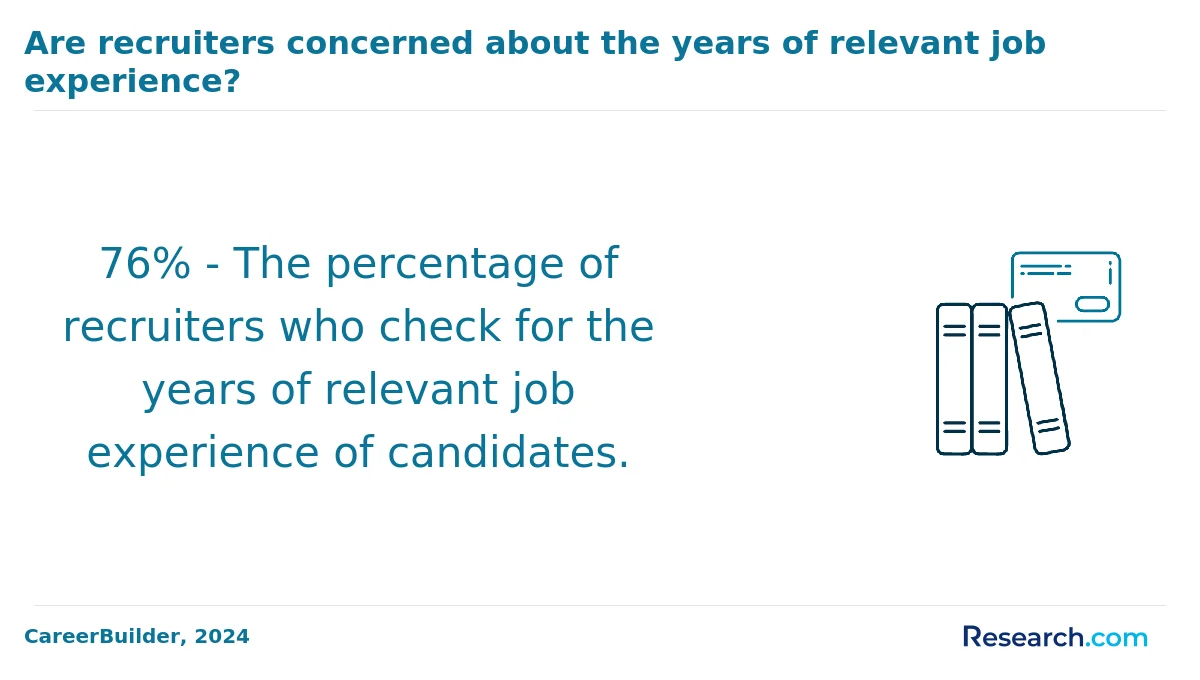
Students earning their associate degree in Scranton have access to a solid mix of financial aid options that make paying for school more manageable. Federal aid forms the backbone, with many graduates relying on the Pell Grant, which doesn't require repayment and suits those with financial need. Federal Direct Loans also help, offering both subsidized and unsubsidized options. For example, freshmen at the University of Scranton often borrow up to $5,500, using these loans to cover essentials without immediate interest concerns.
State aid plays a key role for Pennsylvania residents. The Pennsylvania State Grant is a common boost when combined with FAFSA applications, often easing tuition costs for local students. Graduates from Scranton's community colleges share how this grant helped them stay enrolled without juggling excessive part-time jobs.
On an institutional level, colleges here award generous merit scholarships-some up to $32,000-which former students remember as game-changers for staying focused without financial stress. Need-based grants also assist, with aid tailored to each student's FAFSA results.
Private scholarships from local groups and employers supplement these options, while family tuition reductions or installment plans give extra flexibility for households with multiple students aiming for success in Scranton's vibrant academic scene.
Enrolling in an associate degree program in Scranton typically requires a U.S. high school diploma or GED, which is a basic but vital starting point most students share. Graduates from the University of Scranton often mention how submitting official high school transcripts was a straightforward step that opened the door to their education.
Admission standards vary by program, but here are key points to keep in mind:
- Many programs expect at least 16 high school units in English, math, science, and social studies, ensuring you're ready for college-level work.
- Specialized fields like nursing or engineering require specific courses-biology and chemistry for nursing, or trigonometry and physics for engineering.
- Some programs, such as Johnson College's Radiologic Technology, recommend a GPA of 3.0 or higher and may also ask for interviews or questionnaires.
- SAT or ACT scores are generally optional but can strengthen your application; placement tests might be given during orientation.
Transfer students benefit from having prior college credits with grades of "C" or above, often up to 30 credits, while adult learners can highlight professional experience and personal statements to showcase readiness. Many students find these flexible options encouraging, making the process feasible even when returning after years away from school.

Associate degree programs in Scranton commonly blend general education with specialized classes that prepare students for both academic and career success. Graduates from popular schools like Lackawanna College often recall how common associate degree courses in Scranton included foundations in writing, mathematics, social sciences, and natural sciences. This broad approach equips students with essential skills such as communication and critical thinking, which prove valuable whether entering the workforce or continuing education.
For those pursuing a more technical path, such as at Penn State Scranton, the Scranton associate degree curriculum incorporates field-specific courses. For example, students in Information Sciences and Technology engage deeply with database systems, web development, and information system design, frequently working on real projects that foster teamwork and hands-on learning.
Typical course components include:
- Introductory writing and public speaking
- Basic arithmetic and quantitative reasoning
- Electives in humanities like history and philosophy
- Career-focused technical classes at specialized colleges
These varied options allow students to tailor their studies to personal interests or job market demands, bringing confidence and reward to their academic experience in Scranton. For those considering further education, exploring the easiest master degree to complete can provide a smooth transition.
Focus first on your career goals when choosing the best associate degree programs in Scranton. Graduates from Penn State Scranton often share how the flexibility to either enter the workforce or continue toward a bachelor's degree made their choice practical and fulfilling. If healthcare appeals to you, programs at Lackawanna College offer accredited tracks like nursing that lead directly to licensure exams, giving students a clear path to in-demand jobs. One graduate expressed relief in finding a program with strong clinical experiences that boosted confidence and employability.
Compare costs carefully; many students appreciate Luzerne County Community College for its affordability paired with solid financial aid, which was a decisive factor for those balancing school with family. Paying attention to class formats is key-those juggling work and studies found evening and online options at Fortis Institute especially valuable. Support services, including career counseling, make a real difference when starting out.
Lastly, review admissions criteria and cohort sizes. Graduates from competitive programs at Lackawanna mention that smaller classes helped them build connections and get personalized support. For practical guidance on navigating options, consider looking into an accelerated master's program online if speed and flexibility matter. Understanding how to compare college costs in Scranton as you weigh these factors helps ensure your choice feels right from day one.
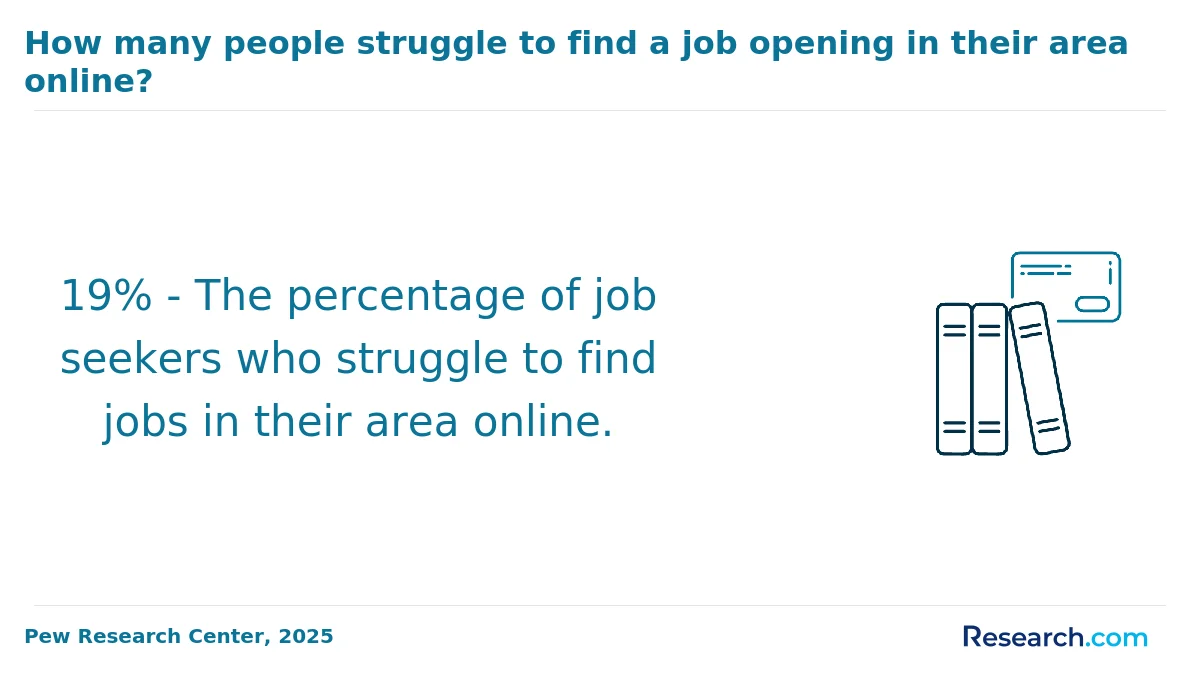
Graduates of associate degree programs in Scranton find career paths across diverse industries. Many from programs at Penn State Scranton have landed roles in healthcare as medical receptionists or clinical laboratory technicians, capitalizing on a strong local demand. Others emphasize opportunities in business administration, filling positions like office administrators or human resources generalists at regional companies. Those trained in information sciences frequently move into IT support or data management, reflecting Scranton's growing tech presence.
Jobs hiring associate degree graduates in Scranton also span retail and hospitality, where roles such as store associate or general manager offer solid starting points with room for advancement. Graduates often highlight the practical, hands-on skills gained during their studies, which help them transition smoothly to the workforce.
Common roles filled by graduates include:
- Medical cashier and administrative assistant in healthcare settings
- Warehouse associate and customer service representative in manufacturing and business
- Sales associate and program assistant in retail and public service
Starting wages typically range from $14 to $45 per hour, supplemented by benefits like health insurance and retirement plans, making associate degrees a worthwhile investment locally. For those aiming to continue education while working, many choose cheap online schools that accept fafsa, blending flexibility with career growth.
The job market for associate degree graduates in Scranton is broad and promising, with over 400 positions currently open that specifically seek or prefer candidates holding an associate degree. Graduates from popular local schools report securing roles quickly in fields like healthcare, business, and technology, where employers value the practical, career-focused training these programs offer.
Many associate degree jobs in Scranton PA are centered in healthcare, where certified medical assistants and medical receptionists find consistent opportunities. Business and accounting roles are also prevalent, with banks and financial firms regularly hiring graduates for entry-level positions. Technology and skilled trades show growing demand, especially for those trained in IT support or industrial electronics, often leading to competitive salaries above $50,000.
Graduates often highlight benefits such as:
- Access to steady jobs in various sectors
- Wages aligned with regional and national standards
- Clear pathways to advancement
Those weighing their educational options in Scranton may also want to explore links focused on cheapest nationally accredited online colleges, which can complement local programs. For anyone focused on Scranton associate degree employment outlook, this local market delivers solid career prospects with practical advantages from day one.
Most Affordable Associate Degree Programs - Leading Certification Courses in Scranton for 2026
# 1 position
Fortis Institute-Scranton - Dental Assisting/Assistant.
associateThe Dental Assisting/Assistant program at Fortis Institute-Scranton offers hybrid learning options and prepares students to provide patient care, take dental radiographs, and assist in dental procedures. The curriculum includes medical record-keeping, office duties, scheduling, equipment maintenance, sterilization, chairside assisting, and supervised practice. Annual in-state tuition is $14,444. Graduates have median earnings of $31,937 one year after completion. The program is accredited by the Accrediting Commission of Career Schools and Colleges.
# 2 position
Johnson College - Automobile/Automotive Mechanics Technology/Technician.
associateJohnson College offers a hybrid program in Automobile/Automotive Mechanics Technology/Technician that prepares students to repair, service, and maintain various automobile systems. Instruction covers brake systems, electrical systems, engine performance and repair, suspension and steering, transmissions, drive trains, and heating and air conditioning. The annual in-state tuition is $20,733. Graduates have median earnings of $38,507 one year after completion. The program is accredited by the Middle States Commission on Higher Education.
# 3 position
Johnson College - Welding Technology/Welder.
associateJohnson College offers an on-campus Welding Technology/Welder program that prepares students to apply technical skills in welding and cutting metal surfaces. The curriculum includes arc welding, resistance welding, brazing, soldering, high-energy beam welding, metallurgy, and safety standards. The program is accredited by the Middle States Commission on Higher Education. Annual in-state tuition is $20,733, and median earnings one year after completion are $37,243.
# 4 position
Johnson College - Veterinary/Animal Health Technology/Technician and Veterinary Assistant.
associateJohnson College offers a program in Veterinary/Animal Health Technology/Technician and Veterinary Assistant that prepares students to assist veterinarians and other animal health professionals. The curriculum covers animal nursing care, clinical procedures, radiology, anesthesiology, surgical assisting, and office administration. The program is accredited by the Middle States Commission on Higher Education. Annual in-state tuition is $20,733.
# 5 position
Johnson College - Computer Systems Networking and Telecommunications.
associateJohnson College offers a hybrid program in Computer Systems Networking and Telecommunications that prepares students to become network specialists and managers. The curriculum covers operating systems, systems design, networking theory, network management, security, and troubleshooting. The program focuses on designing and managing linked computer systems to improve efficiency. Annual in-state tuition is $20,733. The program is accredited by the Middle States Commission on Higher Education.
# 6 position
Johnson College - Physical Therapy Assistant.
associateJohnson College offers a Physical Therapy Assistant program with a hybrid format, combining in-person and distance education. The program trains students to assist physical therapists by implementing treatment plans, conducting interventions, and tracking patient progress. Coursework includes anatomy, physiology, biomechanics, neuroscience, and professional ethics. Annual in-state tuition is $20,733. Graduates have a median earnings of $34,834 one year after completion. The program is accredited by the Middle States Commission on Higher Education.
# 7 position
Johnson College - Heating, Air Conditioning, Ventilation and Refrigeration Maintenance Technology/Technician.
associateJohnson College offers a hybrid program in Heating, Air Conditioning, Ventilation and Refrigeration Maintenance Technology/Technician. The curriculum covers repair, installation, service, and maintenance of HVAC and refrigeration systems, emphasizing diagnostic techniques, testing equipment, and principles of mechanics, electricity, and electronics. The annual in-state tuition is $20,733. Graduates earn a median income of $25,254 one year after completion. The program is accredited by the Middle States Commission on Higher Education.
# 8 position
Lackawanna College - Diagnostic Medical Sonography/Sonographer and Ultrasound Technician.
associateLackawanna College offers a hybrid Diagnostic Medical Sonography/Sonographer and Ultrasound Technician program designed to train students in medical ultrasound techniques for diagnosing various conditions. The curriculum includes patient care, sonographic data processing, and equipment operation under physician supervision. Annual in-state tuition is $17,950. Graduates earn a median salary of $65,584 one year after completion. The program is accredited by the Middle States Commission on Higher Education.
# 9 position
Lackawanna College - Business Administration and Management, General.
associateLackawanna College offers a fully online Business Administration and Management, General program designed to prepare students to plan, organize, direct, and control business operations. The curriculum includes management theory, human resources, accounting, purchasing, logistics, marketing, and business decision-making. The program is accredited by the Middle States Commission on Higher Education. Annual in-state tuition is $17,950, and median earnings one year after completion are $32,815.
# 10 position
Lackawanna College - Computer and Information Systems Security/Auditing/Information Assurance.
associateLackawanna College offers a hybrid program in Computer and Information Systems Security/Auditing/Information Assurance. The curriculum prepares students to evaluate security needs, implement safeguards, and manage security systems through courses in programming, networking, cryptography, auditing, law, risk assessment, and investigation techniques. Annual in-state tuition is $17,950. The program is accredited by the Middle States Commission on Higher Education.
Frequently Asked Questions about associate degree programs
Preparing for the job market after earning an associate degree in Scranton involves strategic planning and practical steps. First, students should utilize the career services offered by local institutions such as the University of Scranton and Luzerne County Community College. These services often provide resume workshops, interview preparation, and job fairs tailored to associate degree holders.
It's important to gain relevant work experience through internships or part-time jobs during or after study. According to the Pennsylvania Department of Labor & Industry, associate degree graduates in Scranton have higher employment rates when combining education with practical experience.
Networking within local industries, especially in healthcare, manufacturing, and information technology, can enhance job prospects in Scranton's job market.
Continuing education and certification programs also strengthen skills and improve competitiveness for available roles in the region.
Employers in Scranton consistently prioritize both technical and soft skills among associate degree graduates. According to local workforce surveys, approximately 65% of employers seek candidates with strong communication abilities, crucial for teamwork and client interaction.
Technical proficiency relevant to specific fields, such as healthcare or information technology, is highly valued. For example, familiarity with electronic health records or basic programming skills can significantly improve job prospects.
Additionally, problem-solving and critical thinking are frequently mentioned by Scranton employers as essential qualities. A 2023 report from the Pennsylvania Department of Labor highlights adaptability and time management skills as important for nearly 70% of entry-level positions.
Overall, graduates who combine practical technical knowledge with strong interpersonal skills are best positioned to meet employer expectations in the Scranton job market.
Finding internships in Scranton that align with your associate degree program involves several strategic steps. Begin by contacting your college's career services department, as many local employers collaborate directly with educational institutions to offer relevant internship opportunities. Scranton's growing industries, such as healthcare, manufacturing, and business, often seek interns from community colleges and technical schools.
Next, explore online job platforms like Handshake and local resources such as the Greater Scranton Chamber of Commerce. According to the Pennsylvania Department of Labor & Industry, Scranton has seen a 4% increase in internship availability in recent years, especially in healthcare and technology sectors.
Networking also plays a key role. Attend local job fairs and professional events to connect with potential employers offering internships suited to your field of study.
In Scranton, an associate degree often serves as a key stepping stone for career mobility and advancement. According to the Lumina Foundation, individuals with associate degrees earn about 20% more on average than those with only a high school diploma. This wage boost applies across many local industries, including healthcare, technology, and business services.
The degree equips students with practical skills valued by Scranton employers, facilitating quicker job placement and promotion opportunities. Local community colleges report that graduates frequently move from entry-level roles to supervisory positions within three to five years.
Additionally, an associate degree can be a cost-effective path for those seeking further education, with many transferring credits to four-year institutions to continue advancing their qualifications.
In Scranton, part-time job opportunities that complement associate degree education often align with growing local industries such as healthcare, retail, and administrative services. Students with associate degrees in healthcare fields like nursing or medical assisting can find part-time roles as certified nursing assistants or medical office aides, benefiting from Scranton's expanding healthcare sector.
Retail and customer service jobs are common for students pursuing business or communications degrees. According to the U.S. Bureau of Labor Statistics, Scranton's retail sector employs many part-time workers, making it a practical option for schedule flexibility.
Additionally, jobs in administrative support or data entry often suit students studying information technology or business, providing valuable workplace skills while they complete their education.
Yes, there are several affordable degree programs available near me, especially near Scranton, PA. Many local universities and colleges provide diverse programs that are cost-effective while offering quality education, making them a great option for budget-conscious students. Exploring resources like Research.com can help identify these programs and institutions that fit both educational and financial needs.
- Financial Aid | Penn State Scranton https://scranton.psu.edu/financial-aid
- What Comes After Associate Degree: Here Are Your Options https://potomac.edu/do-you-feel-complete-after-earning-an-associates-degree/
- Online vs Traditional Degrees: Similarities and Differences https://www.aiu.edu/blog/online-vs-traditional-degrees/
- Financial Aid Information for Fortis Colleges & Institutes https://www.fortis.edu/admissions/financial-aid.html
- Is an Online Degree the Same as a Traditional Degree | Online Degree https://www.cambridgehealth.edu/online-degrees/get-an-online-degree/is-an-online-degree-the-same-as-a-traditional-degree/
- Is an Online Degree the Same as a Traditional College Degree? | Bryan University Online© https://bryanuniversity.edu/faq/is-an-online-degree-the-same-as-a-traditional-college-degree/
- What Jobs Can You Get With an Associate Degree | Penn Foster https://www.pennfoster.edu/blog/jobs-you-can-get-with-an-associate-degree
- The Ultimate Guide to Internships | BestColleges https://www.bestcolleges.com/resources/ultimate-guide-internships/
- Research - Fastest Online Masters Degrees https://research.com/degrees/fastest-online-masters-degrees
- Collegescorecard https://collegescorecard.ed.gov/


