Best Trade School & Training Programs - Leading Certification Courses in Dixon for 2026

Co-Founder and Chief Data Scientist
Choosing the right trade school in Dixon can open doors to a rewarding career and hands‑on skills that employers value. This article introduces the best trade schools in Dixon for 2026, featuring a trade school programs ranking developed by the Research.com team of data scientists.
By exploring these trusted insights, you’ll be equipped to make an informed decision about which programs suit your goals and interests.
Getting a trade school diploma or certification means gaining practical knowledge and boosting your confidence for a successful future. This guide is here to help you take that important step forward.
Key benefits of finishing trade school programs trade school in Dixon
- Expected salary: Trade school graduates in Dixon can earn competitive salaries, such as $71,930 annually on average, with roles like maintenance carpenter earning around $63,774 per year and equipment mechanics making between $62,361 and $75,800 depending on experience.
- Popular career paths: Graduates often pursue careers in automotive technology, HVAC, welding, and skilled carpentry-fields that offer stable job opportunities and strong earning potential in the local job market.
- Online education benefits: Earning a trade school diploma or certification online offers flexibility for busy schedules, allowing students to learn at their own pace while still accessing quality programs common in Dixon's popular trade schools.
- Best Trade School & Training Programs - Leading Certification Courses in Dixon for 2026
- What can I expect from trade school programs trade schools in Dixon?
- Where can I work after finishing trade school programs trade schools in Dixon?
What can I expect from trade school programs trade schools in Dixon?
The average cost of a trade school program in Dixon is often surprisingly manageable, especially with local support programs in place. Many students at popular schools like Whiteside Area Career Center or Sauk Valley Community College share how tuition support through initiatives like the Impact Program can cover costs entirely for eligible students-some graduates remember walking out with little to no tuition debt after completing their hands-on training.
Because programs are typically one to two years, students find they're investing in a fast track to steady work without the hefty price tag of longer college degrees. Plus, federal and state financial aid, scholarships, and grants add even more ways to keep expenses low.
Recent grads often mention how the cost feels worthwhile given the practical skills and direct job connections offered. From welding to consumer services, the affordable programs coupled with real-world internships make many feel confident they made the smart, budget-friendly choice for their future.
Where can I work after finishing trade school programs trade schools in Dixon?
After finishing a trade school program in Dixon, you can jump right into hands-on jobs that really matter around town. Graduates often find themselves working as maintenance technicians, electricians, carpenters, truck drivers, or paraprofessionals in local schools. These aren't just random jobs-they're roles that businesses like John Thomas Inc. and Raynor Garage Doors actively seek skilled workers for.
Many grads share how their time at popular Dixon trade schools prepared them perfectly for real-world challenges, whether it's fixing equipment at a manufacturing plant or helping maintain community facilities like Woodhaven Lakes. Truck driving apprenticeships are also a solid option, with companies eager to hire people who know the ropes after their training.
Some graduates even find rewarding work supporting education as substitute paraprofessionals, where flexible hours allow them to balance life and work while making a positive impact for local kids. Others land roles in senior care or customer service, showing the variety of paths open to trade school alumni in Dixon.
After finishing a trade school program in Dixon, you can expect to earn an average annual salary of about $71,930, which breaks down to roughly $35 per hour. Many graduates from popular local schools find this salary a great starting point as they enter the workforce.
Some graduates share how they began in entry-level positions, making around $38,300 per year, but with experience and certifications, they moved up to earn closer to $69,300 annually. For instance, students training as electricians or HVAC technicians often find themselves with hands-on skills that employers here really value, making it easier to boost their paychecks.
In Dixon, pay tends to be higher than the Illinois state average, partly because local industries need skilled workers and the cost of living supports better wages. Top earners in specialized or supervisory roles can make up to $84,789 a year, showing plenty of room to grow as you gain experience.
Choosing a trade school in Dixon means stepping directly into well-paying job opportunities where your hard work and skills quickly pay off.
- Admission to trade schools in Dixon is generally open, with Sauk Valley Community College offering a 100% acceptance rate.
- Most programs require a high school diploma or GED, with fields including Allied Health, Auto Technology, Welding & Manufacturing, and Early Childhood Education.
- The annual cost for in-state students at Sauk Valley Community College is about $13,040, including tuition, fees, and supplies.
- Approximately 9% of students take out loans averaging $3,914 per year to help cover costs.
- Starting salaries for graduates typically range from $35,000 to $50,000, with experienced professionals earning $60,000 to $70,000 annually in high-demand trades.
- Popular career paths include allied health, automotive technology, building trades, computer technology, and cosmetology, with programs designed to be completed in two years or less.
If you're aiming to complete a trade school program in Dixon, the length really depends on the type of credential you choose and how much time you can dedicate. Many students at Sauk Valley Community College find that certificate programs-like those in welding or HVAC-usually take about six months to a year of full-time study. These programs are perfect for those eager to jump straight into a new career without waiting around.
For those going for an associate degree, expect around two years of full-time classes. Graduates often share how balancing hands-on training with some general education courses prepared them well for the job market. If you're studying part-time or juggling work and school, it may take a bit longer, but many appreciate the flexibility of evening or online classes available right here in Dixon.
Some students also opt for accelerated tracks, finishing faster by taking a heavier course load. Others might take extra time to complete prerequisite courses, which is totally normal and sets a strong foundation. Overall, Dixon's trade schools offer practical, manageable timelines that help students start their careers confidently and quickly.
The main difference between online and on-campus trade school programs in Dixon comes down to how and where you learn. Online programs, like those at Sauk Valley Community College, let students study at their own pace from anywhere. Imagine taking your Accounting or Business Software Specialist classes while managing a busy job or family life-it's flexible and convenient. Many graduates appreciate this freedom, especially when commuting or relocating just isn't an option.
On the flip side, on-campus programs offer hands-on experiences essential for trades like manufacturing technology or electrician training. Students get to work directly with equipment and instructors in real-time workshops, which builds confidence and practical skills. Graduates often recall feeling well-prepared because of this face-to-face training.
Both formats cost about the same in tuition at Dixon's Sauk Valley Community College, but online students often save money by avoiding travel and housing expenses. Ultimately, your choice depends on whether you thrive with flexible online classes or need the hands-on, in-person experience.
For anyone weighing the average trade school tuition in Dixon CA, the costs at local institutions like Sauk Valley Community College offer a clear picture. Graduates from this popular trade school often share how the in-state tuition of $10,800 combined with fees and supplies totaling about $2,240 keeps their education budget manageable. This means the total annual cost sits around $13,040, which many find to be a solid investment considering the hands-on skills and career-ready training they receive.
When you explore Dixon California vocational program costs, you'll notice public trade schools typically range from $9,000 to $14,500 for full programs. This range includes tuition, fees, books, and equipment. Many students appreciate how this compares favorably to private trade schools, where costs can soar up to $31,500, making local public options more appealing and wallet-friendly.
Several graduates mention that sticker prices don't tell the whole story. Thanks to financial aid, scholarships, and grants, out-of-pocket expenses are often lower, with some even managing to borrow only the average loan amount of $3,914 per year at Sauk Valley. Plus, with many programs finished in under two years, students enjoy quicker paths into stable careers while avoiding the heavy debt of a four-year degree.
For those considering flexible schedules, Dixon students also look into a community college online option, which can further fit education costs and convenience into busy lives.

Trade school students in Dixon, like those at Sauk Valley Community College, often find plenty of financial aid to help ease the burden of tuition. Many grads share how filling out the FAFSA early unlocked federal grants and loans right away, making it easier to cover costs without stressing. One common winner is the Federal Pell Grant, which can offer up to $7,395 a year for qualifying students in 2025, a game-changer for many trade program enrollees.
Illinois residents have extra help too, thanks to the Monetary Award Program (MAP) grant. It's geared toward low-income students and provides up to $7,200 annually, so dozens of students studying trades locally count on it. Plus, scholarships, like the Blue Collar Brain Trade School Scholarship, spotlight students' hard work and often add a nice financial boost-just imagine getting $2,500 and some peace of mind while training for a new career.
Work-study options are also popular at Dixon's community colleges, allowing students to earn money while gaining hands-on experience. And if you're a child of a veteran, there are tuition waivers that cover up to four years, making it even easier to focus on your training without financial stress.
If you're thinking about enrolling in a trade school program in Dixon, the main thing you'll need is a high school diploma or a GED. Nearly all programs, from automotive tech to construction trades, require this basic step. Graduates often mention how having this simple credential gave them a smooth start into their chosen paths.
Here's what most students experience when applying:
- You'll need to prove your high school completion or GED certificate.
- Some programs ask students to be at least 16, but many expect you to be 18 or older, especially those involving safety or licensing.
- You might take placement tests in math or English, which is pretty helpful to find the right class level for you.
- For healthcare programs like nursing at Sauk Valley Community College, a cumulative GPA of 2.5 is typically required, and some students prep with extra courses if needed.
- Applications happen year-round, so you won't feel rushed. And be ready to pay a small application fee and sometimes do a quick interview.
Many students share how rolling admissions let them apply when they're ready, and the clear prerequisites made getting started less intimidating. It's great knowing exactly what to expect before you dive in!
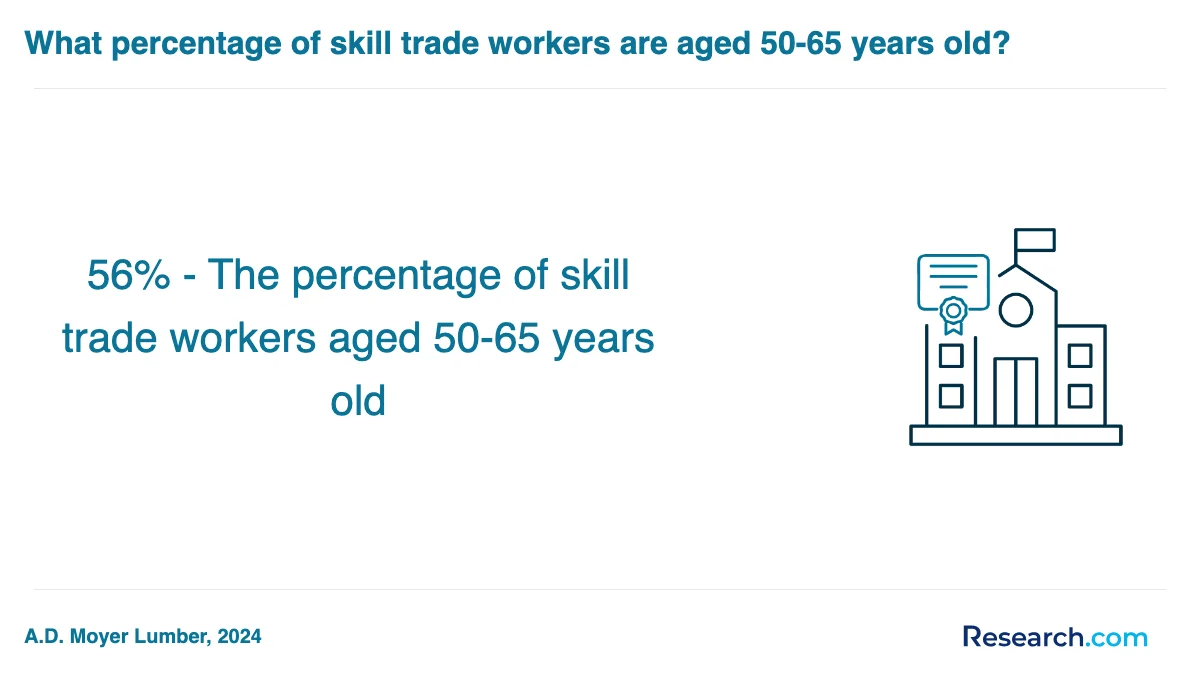
Trade school programs in Dixon are all about getting hands-on with skills that really matter in the job market. Many students jump into automotive technology, where they learn how to fix engines, diagnose electrical issues, and maintain brakes-skills that make them confident mechanics right after graduation. One graduate shared how the real-world vehicle repair labs helped them land a job quickly.
Others find their groove in HVAC programs, mastering installation and troubleshooting for heating and cooling systems. The practical training covers everything from refrigeration basics to electrical controls, so graduates feel ready to tackle residential or commercial jobs with ease.
Electrical technology classes are also popular. Students get to work on wiring, circuit designs, and safety protocols while preparing for their electrician careers. One student appreciated how the labs mirrored on-the-job situations, making the transition smooth.
- Welding, teaching MIG, TIG, and stick techniques plus blueprint reading, is perfect for those who like hands-on, creative work in manufacturing or construction
- Business technology and other career-technical certificates at local colleges add variety for those interested in office and industrial roles
High school CTE programs also give a taste of these trades, with options like pre-military training and work-study that help build skills before moving to trade school or the workforce.
In Dixon, trade school programs offer a variety of specializations that really prepare you for hands-on careers. Graduates from popular schools like Sauk Valley Community College frequently mention welding technology, truck and bus driving, and electronics maintenance as solid choices that helped them jump into steady jobs quickly.
Some of the top fields include:
- Practical nursing and nursing assistants, where locals find rewarding healthcare roles;
- HVAC programs teaching essential skills in heating, ventilation, air conditioning, and refrigeration;
- Precision metal working and welding that boost manufacturing opportunities;
- Truck driver/commercial vehicle operator classes that offer a structured path to earning a CDL license;
- Electronics maintenance and energy systems, great for those excited about electrical and automation careers.
Many students appreciate the practical nature-it's all about getting real-world experience. If you want to explore more pathways, checking out the cheapest cosmetology schools with online courses can add to your options with flexible online access too.
When picking the best trade school program in Dixon, start by checking the best trade school requirements in Dixon, especially accreditation. Graduates from local schools often say knowing their program met recognized standards made transferring credits easier and boosted their confidence with employers. For instance, those who trained in healthcare or manufacturing at popular Dixon colleges found the hands-on internships invaluable in landing jobs right after graduation.
Cost can be a big deal too. Many students share how comparing tuition and financial aid options helped them avoid debt. If you want affordable options, looking into schools that offer shorter programs or scholarships is smart. Some even turn to low cost carpentry training online to balance savings and quality. Knowing how to compare trade school costs in Dixon will give you a clearer picture of your investment versus payoff.
Also, hearing from alumni about career placement rates and support services like counseling can shape your decision. Those connections often make the learning experience feel supportive and make the journey less stressful, creating a solid path from classroom to career.
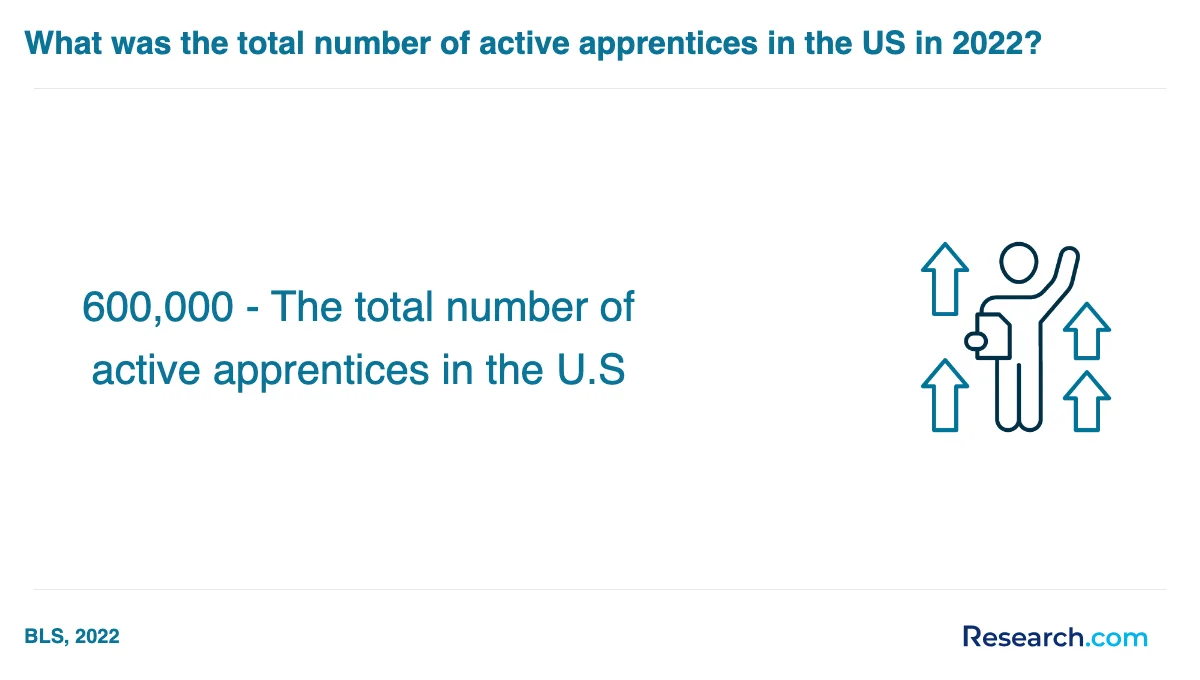
Trade school programs in Dixon open up a world of possibilities, especially when thinking about career opportunities for trade school graduates in Dixon. Many grads from Whiteside Area Career Center and Sauk Valley Community College land roles in industrial fields like welding, manufacturing, and building trades. Imagine working alongside big local companies such as ADM or BorgWarner-graduates often share how hands-on experience in these programs made the jump into the workforce smooth and exciting.
Business and tech fields are also thriving here. Students trained in computer technology or digital media find themselves ready for IT support or digital design jobs, fitting perfectly with the growing tech needs of Dixon's small businesses. Those interested in public service can explore roles in childcare, criminal justice, or healthcare, where demand for certified nursing assistants is rising fast.
Here's a quick look at popular career paths after trade school in Dixon:
- Construction technician, welder, or manufacturing specialist
- IT support or digital design professional
- Childcare worker or law enforcement associate
- Certified nursing assistant in healthcare
- Auto technician, chef, or licensed cosmetologist
Many students benefit from dual-credit opportunities with SVCC, blending college credit with trade school training. This combination boosts trade school programs and job placement in Dixon, giving graduates the flexibility to work or pursue more education. For those curious about how practical skills can lead to success, learning more about the advantages of vocational training is a great next step.
The job market for trade school graduates in Dixon is looking really promising. Many local students from popular trade schools report landing solid jobs quickly after completing programs in fields like construction, welding, electrical work, and HVAC. Graduates often share how their hands-on training and connections with local businesses helped them transition smoothly into full-time roles. Dixon Illinois skilled trades employment trends show strong growth, especially with industries actively hiring due to ongoing infrastructure projects and a nationwide shortage of skilled workers.
Here's what makes Dixon stand out:
- Trade schools partner with companies for job-shadowing and mentoring, giving students real-world experience before graduation
- Regional job fairs connect students directly with employers needing technical skills, like commercial truck driving or diesel tech
- Typical wages for full-time roles in Dixon often range from $42 to over $50 per hour, making trades competitive and rewarding financially
If you're curious about career options, consider exploring cheap online freight broker training classes, which provide affordable pathways to enter a high-demand area tied to the broader transportation sector.
For anyone wondering about job opportunities for trade school graduates in Dixon, these local success stories and positive employment trends offer plenty of encouraging signs that investing in trade education here is a smart move.
Best Trade School & Training Programs - Leading Certification Courses in Dixon for 2026
# 1 position
Sauk Valley Community College - Criminal Justice/Police Science.
associateSauk Valley Community College offers a Criminal Justice/Police Science program designed to prepare students for police and public security roles. The hybrid program covers patrol, investigative work, traffic and crowd control, evidence management, crime prevention, and report preparation. Annual in-state tuition is $5,190. The program is accredited by the Higher Learning Commission, ensuring recognized academic standards and quality education.
# 2 position
Sauk Valley Community College - Business Administration and Management, General.
associateSauk Valley Community College offers a program in Business Administration and Management, General, designed to prepare students to plan, organize, direct, and control business functions. The curriculum includes management theory, human resources, accounting, purchasing, logistics, marketing, and business decision-making. The program’s annual in-state tuition is $5,190. It is accredited by the Higher Learning Commission, ensuring educational quality and standards.
# 3 position
Sauk Valley Community College - Accounting.
associateThe Accounting program at Sauk Valley Community College offers a hybrid learning format with some distance-education options. It prepares students to practice accounting and perform related business functions through instruction in accounting principles, financial and managerial accounting, auditing, tax accounting, and professional ethics. The program is accredited by the Higher Learning Commission. Annual in-state tuition is $5,190.
# 4 position
Sauk Valley Community College - Heating, Air Conditioning, Ventilation and Refrigeration Maintenance Technology/Technician.
certificate or diplomaThe Heating, Air Conditioning, Ventilation and Refrigeration Maintenance Technology/Technician program at Sauk Valley Community College offers a hybrid format with some distance-education options. It trains students in repairing, installing, servicing, and maintaining HVAC and refrigeration systems. Instruction covers diagnostic techniques, testing equipment, and principles of mechanics, electricity, and electronics. The program’s annual in-state tuition is $5,190 and it is accredited by the Higher Learning Commission.
# 5 position
Sauk Valley Community College - Welding Technology/Welder.
certificate or diplomaSauk Valley Community College offers a Hybrid Welding Technology/Welder program that prepares students to join or cut metal using various welding techniques. The curriculum includes arc welding, resistance welding, brazing, soldering, high-energy beam welding, welding metallurgy, structural design, safety, and industry codes. The program’s annual in-state tuition is $5,190, and graduates earn a median salary of $26,158 one year after completion. It is accredited by the Higher Learning Commission.
Frequently Asked Questions about trade school programs
After completing trade school in Dixon, preparing for the job market involves multiple practical steps. Graduates should focus on building a strong resume that highlights their hands-on skills and certifications gained during training. According to the Illinois Department of Employment Security, trade school graduates in Dixon experience a 15% higher employment rate within six months compared to non-certified workers.
Networking is essential; students should connect with local employers and attend job fairs often hosted by trade schools or community organizations. Internships or apprenticeships can provide valuable on-the-job experience, increasing job prospects. Additionally, obtaining relevant state licenses or certifications, required in fields like electrical work or plumbing, boosts employability significantly.
Developing soft skills such as communication and time management is also important. Many employers in Dixon prioritize candidates who combine technical proficiency with reliability and professionalism. Job seekers should use online resources and local workforce centers for job listings and interview preparation tailored to skilled trades.
Employers in Dixon prioritize technical skills that reflect hands-on proficiency in specific trades such as welding, electrical work, and HVAC. According to the U.S. Bureau of Labor Statistics, over 70% of job openings in skilled trades require demonstrated competencies in the respective technical area. Beyond technical know-how, soft skills like problem solving, communication, and teamwork are highly valued. A 2023 survey by the National Association of Manufacturers found 88% of employers prefer candidates who can effectively collaborate on projects.
Adaptability and time management are also critical, as many Dixon employers seek graduates who can work efficiently under deadlines. These combined skills increase employability and career growth potential in the local trade markets.
To find internships in Dixon relevant to your trade school program, start by contacting the career services office at your school. Many trade schools maintain partnerships with local businesses and can connect you directly with employers seeking interns.
Additionally, explore local job boards such as those on the Dixon Chamber of Commerce website, which often lists internship opportunities and apprenticeships specific to trades like HVAC, automotive, and construction.
Networking is crucial-attend industry meetups and job fairs hosted by community colleges or trade organizations in Dixon. According to the Illinois Department of Employment Security, internships in skilled trades sectors have grown by 7% annually, signaling strong local demand.
A trade school diploma in Dixon can significantly enhance career mobility and advancement opportunities. Employers in the region often value practical skills and certifications over traditional four-year degrees, especially in fields like construction, automotive technology, and healthcare. According to recent data from the Illinois Workforce Development, individuals holding trade diplomas in Dixon experience an average wage increase of 15% within two years of graduation.
Trade programs also provide faster entry into the workforce, allowing students to gain valuable experience early. Many local employers have established partnerships with trade schools to offer apprenticeships and on-the-job training, further boosting graduates' chances for promotion. This focused training aligns well with Dixon's demand for skilled labor, promoting steady professional growth.
Students attending trade schools in Dixon can find various part-time job opportunities that complement their education. Positions in local construction companies, automotive repair shops, and electrical service providers often align well with programs in those trades. According to data from the Illinois Department of Employment Security, sectors like construction and automotive repair have shown steady part-time job growth near Dixon, with hourly wages averaging between $12 and $18.
Additionally, students studying healthcare-related trades may seek part-time roles as medical assistants or pharmacy technicians at local clinics. These roles provide practical experience directly relevant to their studies while earning income. Retail and warehouse positions in Dixon's growing logistics sector also offer flexible schedules suitable for students.
Gaining hands-on experience through part-time work can significantly enhance trade school education and improve job prospects after graduation.
Choosing the best degree program near me involves considering factors like your career goals, the program's reputation, and available resources. Near Dixon, IL, you can explore local universities and colleges, where programs in various fields are available, including those in business, technology, healthcare, and more. For those seeking additional guidance, Research.com can be a helpful resource for comparing program offerings and faculty expertise in the area.
- Career Hub | Dixon Unified School District https://www.dixonusd.org/career-hub/
- Work experience | Willmott Dixon http://www.willmottdixon.co.uk/earlycareers/work-experience
- (old)Employment Services - Dixon Hall https://dixonhall.org/employment-services-2/
- The Difference Between Trade School and College | University of Phoenix https://www.phoenix.edu/blog/trade-school-vs-college-key-differences-job-opportunities.html
- The benefits of hands-on skilled trades training https://blog.getatrade.com/blog/the-benefits-of-hands-on-skilled-trades-training
- Career Path High | 9-12 Tuition-Free Charter School https://www.careerpathhigh.org/
- Trade Apprenticeship Programs / Trade Apprenticeship Programs https://www.pps.net/Page/21023