
Best Certificate Programs - Leading Certification Courses in Roseburg for 2026

Co-Founder and Chief Data Scientist
Choosing the right trade school certificate program in Roseburg can shape your future career. This article introduces a carefully crafted ranking by the Research.com team of data scientists to guide you in selecting programs that truly stand out.
Getting a trade school diploma or certification opens doors to skilled jobs and personal growth. It’s a practical step toward stability and success.
Explore options that fit your goals and find the best path to start a rewarding career in 2026. Your journey begins here.
Key benefits of getting trade school certificate in Roseburg
- Trade school certificates in Roseburg can lead to strong salaries, with healthcare workers like dental hygienists earning above $70,000 annually, HVAC technicians and welders starting between $45,000 and $60,000, and paralegals making $50,000 to $65,000 per year.
- Popular career paths for trade school graduates include healthcare roles, HVAC, welding, and paralegal work, offering well-established opportunities with growing local demand and rewarding work environments.
- Online trade school certification offers flexibility and convenience, allowing students in Roseburg to learn at their own pace and balance work or family commitments while pursuing valuable career training.
- Best Certificate Programs - Leading Certification Courses in Roseburg for 2026
- What can I expect from trade school certification programs in Roseburg?
- Where can I work with trade school certification in Roseburg?
What can I expect from trade school certification programs in Roseburg?
When it comes to the average cost of a trade school certification program in Roseburg, many students find that these programs are quite affordable, especially compared to traditional four-year degrees. For example, at Umpqua Community College, students often mention how the "earn while you learn" model really eases financial worries since apprentices are paid during their training. This means you're gaining valuable experience and a paycheck at the same time-making it easier to cover living expenses without taking on heavy debt.
Graduates from popular programs like the manufacturing plant electrician or limited maintenance electrician usually report spending mostly on classroom fees and tools, rather than hefty tuition bills. The hands-on, on-the-job training replaces a lot of costly classroom hours you'd expect elsewhere.
Many students appreciate how the local industry connections in Roseburg keep costs reasonable while opening doors to jobs right after certification. You're not just investing in education-you're stepping into a real career with solid support from the community.
Where can I work with trade school certification in Roseburg?
After finishing a trade school certification program in Roseburg, you'll find plenty of great job options waiting for you. Graduates from local schools like Umpqua Community College often start working as licensed journeyman electricians, stepping right into roles at manufacturing plants, construction companies, or utilities firms around town. Imagine spending your day installing or repairing electrical systems in a busy factory or on a construction site, knowing your skills keep things running smoothly.
Many folks also find stable jobs in Roseburg's manufacturing sector, especially in wood products and food processing companies. These roles aren't just steady; they often come with chances for overtime and moving up the ladder as you gain experience. Others who studied welding, HVAC, or automotive tech land positions at local service shops and contractors, contributing real hands-on value to their communities.
Overall, Roseburg's demand for skilled tradespeople means you're stepping into a career where your training really matters and you can feel proud every day you clock in.
After finishing a trade school certification program in Roseburg, you can expect to earn a solid income that makes your investment worth it. Many graduates report starting salaries around $50,000 to $60,000, especially if they studied trades like electrical work, HVAC, or automotive technology at popular local schools. For example, a recent graduate from a well-known Roseburg program shared how they started around $52,000 but quickly saw raises within their first year.
Other graduates who pursued certifications in higher-paying fields, such as dental hygiene, often bring home over $87,000 annually. It's not uncommon for those with specialized certifications in management or technical trades to earn upwards of $90,000 to $100,000, especially as they gain experience.
The majority of Roseburg trade school alumni find jobs paying between $53,400 and $86,200, reflecting solid pay scales in Oregon's market. Starting in Roseburg trade programs gives you a practical, fast track to a paycheck that supports a comfortable lifestyle without the long grind of a four-year degree.
- Jenna: Pursuing the HVAC certification in Roseburg was life-changing. The hands-on training and supportive instructors made learning easy and fun. After graduating, I landed a job with a local company quickly, and now I enjoy a steady income while helping homes stay comfortable year-round.
- Marcus: Getting my welding certificate here gave me real confidence. The practical skills and job placement assistance helped me find work on construction sites around Roseburg. I'm proud of building strong foundations and creating things that last, all thanks to the top-notch program.
- Lena: The medical coding course in Roseburg was a perfect fit for me. The detailed lessons and flexible schedule let me balance life and study. Now, working from a local clinic, I feel fulfilled knowing my certification opened doors to a stable and rewarding career.
- Admission to trade school certification programs in Roseburg is competitive and managed by Joint Apprenticeship Training Committees with local colleges and employers.
- Standard electrician apprenticeships last four years, requiring 8,000 hours of on-the-job training and 576 hours of classroom instruction.
- Shorter programs, like the Limited Maintenance Electrician, can be completed in two years with 4,000 OJT hours and 288 classroom hours.
- Apprentices earn wages while training, which helps reduce educational costs and limits student debt.
- Entry-level electricians typically earn between $18 and $25 per hour, with experienced journeymen earning $60,000 to $75,000 annually.
Completing a trade school certification program in Roseburg usually takes between two and four years, depending on the trade you choose. For example, many graduates from Umpqua Community College's apprenticeship programs share that becoming a Manufacturing Plant Electrician takes about four years-combining 8,000 hours of paid on-the-job training and 576 hours of classroom time.
Others opt for shorter routes like the Limited Maintenance Electrician program, which wraps up in two years with 4,000 hours of hands-on work and 288 hours of classes. This structured timing gives students a solid balance between practical skills and theory, making them confident and job-ready as soon as they finish.
Students often mention how the steady pace, with evaluations every six months, keeps them motivated and on track. These schedules aren't flexible or self-paced because the state and industry want to ensure everyone gets thorough, real-world experience before entering the workforce in Roseburg's competitive trades.
The main difference between online and on-campus trade school certification programs in Roseburg comes down to how you learn and how flexible your schedule can be. On-campus programs, like those at Umpqua Community College, have students showing up in person for classes and hands-on training. Graduates often share how valuable it is to work directly with instructors and use real equipment in workshops, which really builds confidence for trades like electrician apprenticeships where you're clocking thousands of supervised hours in the field.
Online programs, on the other hand, offer the freedom to study from anywhere. Many Roseburg students juggling work and family find this super helpful, especially for theory-heavy subjects like business or IT. However, graduates say that for trades needing practical skill demos, you'll still need to find local spots to complete hands-on training. So while online classes offer flexibility, the in-person connection and immediate feedback found on campus is tough to beat for hands-on trades in Roseburg.
The average cost of trade school certification in Roseburg usually falls between $3,900 and $7,000 for public institutions. For example, Umpqua Community College (UCC) offers in-state tuition for certificate programs at about $3,939 per year, making it a solid and affordable option for local students. Graduates often share how this manageable tuition allowed them to focus more on hands-on training without the stress of overwhelming expenses.
Besides tuition, most students budget for books and materials, which typically cost between $500 and $1,000. Some programs, especially in trades like automotive repair or welding, might also require specialized tools that could add $500 to $5,000. Many Roseburg Oregon trade school tuition and fees students find that investing in these tools upfront pays off when entering the workforce more prepared and confident.
Living costs can vary a lot depending on one's situation. For those relocating to Roseburg, housing might average $7,000 to $15,000 yearly. But for many local students, staying close to family helps keep costs down. Financial aid is often a game-changer; programs at UCC qualify for federal Pell Grants and loans, making it easier to manage expenses.
For students interested in more specialized or private options, costs can rise to $9,000-$21,000, which highlights how valuable public trade schools are here. To explore practical options like the cheapest appliance repair online training, students can check out this resource and plan accordingly.
If you're looking into trade school certification programs in Roseburg, you'll be glad to know there's plenty of financial aid to help ease the cost. Many students start by filling out the Free Application for Federal Student Aid (FAFSA), which opens doors to federal grants, loans, and work-study options. Graduates from popular spots like Umpqua Community College often mention how Pell Grants made a huge difference since they don't have to be paid back.
On top of federal aid, Oregon offers state scholarships and grants through the Oregon Office of Student Access and Completion (OSAC). For example, foster youth have access to the Oregon Chafee Education and Training Grant providing up to $2,500 a year. Students aiming for specialized licenses, like barbering or cosmetology, can benefit from grants tailored just for those fields.
Private scholarships also come into play. Many rose to the challenge of managing schooling expenses thanks to funds from organizations like the Pride Foundation, which supports LGBTQ+ trade students in Oregon.
Between federal, state, and private options, Roseburg trade school students often find financial aid that truly fits their needs and dreams.
If you're thinking about jumping into a trade school certification program in Roseburg, there are a few key prerequisites you'll want to know about. Most programs expect you to be at least 18 years old and have a high school diploma or GED. For example, graduates from Umpqua Community College often mention the importance of having a solid math background, since many technical courses require one year of high school algebra or a similar math course with a decent grade. This helps build the confidence to tackle the hands-on challenges ahead.
For apprenticeship programs, like those offered through the Roseburg Industrial Electrical JATC, things work a bit differently. Instead of open enrollment, apprentices are selected through a competitive process - usually from current employees of partner companies. It's a competitive spot, but those who get in appreciate the support and real-world experience that comes with it.
- Be 18 or older
- Have a high school diploma or GED
- Complete required math courses with a grade of "C" or better
- Pass a competitive selection process if applying to apprenticeships
- Register with relevant state bodies like BOLI-ATD for apprenticeships
Many grads recall the commitment needed - including thousands of hours of combined job training and classroom study - but feel proud of how well-prepared they were for their careers after meeting these prerequisites.
Trade school certificate courses Roseburg often focus on hands-on skills paired with essential classroom knowledge. Graduates from local programs, like those at Umpqua Community College, share how courses in electrical technology really prepare you for the workforce. You'll dive into subjects such as Basic Electronics and Electricity, Electrical Blueprint Reading, Commercial Wiring, and even journeyman exam prep, combining both practical work and theory in a way that feels relevant and immediate.
Many students find the career technical education programs Roseburg offers include supportive classes in math, writing, and human relations to round out the experience. This mix ensures you're not just skilled with tools but also ready to communicate effectively in any workplace.
Beyond electrical trades, you'll also find certification courses in welding, HVAC, and industrial mechanics with core topics like safety protocols and equipment operation. For those looking to learn flexibly, there's even affordable maintenance technician training online that complements in-person studies.
Choosing the best trade school program in Roseburg starts with exploring what certifications really fit your goals. Many graduates from Umpqua Community College say the hands-on apprenticeship programs in Electrician or Industrial Mechanics gave them real confidence-plus the mix of on-the-job training and classroom learning helps you feel ready to step into the workforce. If you're weighing the Roseburg certificate program cost comparison, remember that some high school courses at Roseburg High School or Phoenix School of Roseburg qualify for college credit, which saved students both time and money.
Look for programs blending technical skills with safety and professional habits. Several grads share how this balance made job hunting easier, especially when employers wanted experience, not just theory. When you're considering expenses and future benefits, it helps to check out data like the average salary after trade school to see how your investment might pay off over time.

Graduates of trade school certification programs in Roseburg find several rewarding career paths right at their fingertips. Many jump straight into skilled electrical roles like journeyman electricians or limited maintenance electricians, gaining hands-on experience through programs partnered with Umpqua Community College and the Roseburg Industrial Electrical JATC. These apprenticeships combine classroom lessons with thousands of hours of paid on-the-job training, making the transition into the workforce smoother and more confident.
Others explore industrial maintenance, automation, or energy management, fields that are booming as local companies seek reliable technicians to keep operations running. Imagine working on complex equipment in a manufacturing plant or troubleshooting automation systems-graduates share how this work feels challenging yet fulfilling, especially knowing they're in demand.
Beyond the immediate job market, you can pursue further education in operations management, expanding your career even more. For those interested, there are also options like the most affordable online electrical lineman programs to consider.
Trade school career opportunities in Roseburg truly offer a solid foundation with practical skills, steady demand, and a sense of pride in mastering a craft that keeps the community moving forward.
The job outlook for trade school graduates in Roseburg is promising, thanks to the strong connection between local industries and trade programs. Graduates from places like Umpqua Community College often find themselves stepping directly into roles such as electricians, millwrights, and maintenance planners. Many share how their hands-on apprenticeship experience not only boosted their skills but also helped them build important industry contacts, making the transition into full-time jobs smoother and faster.
Many employers in Roseburg Oregon skilled trades employment opportunities actively seek candidates who have completed trade certifications, with openings regularly available in manufacturing, electrical work, and industrial maintenance. Benefits like health insurance and paid time off make these jobs even more appealing.
For students exploring paths in this field, programs similar to those found through online trade school programs can offer flexible ways to start gaining credentials and improve job prospects right in Roseburg.
- Over 50 trade-related positions currently open locally
- Apprenticeships linking training to practical job experience
- Support through programs like Oregon's SNAP Training and Employment Program (STEP)
Best Certificate Programs - Leading Certification Courses in Roseburg for 2026
# 1 position
Umpqua Community College - Dental Assisting/Assistant.
certificate or diplomaThe Dental Assisting/Assistant program at Umpqua Community College offers a hybrid format with some distance education. It prepares students to assist dentists and hygienists through patient care, dental radiographs, office duties, and equipment maintenance. Instruction includes medical record-keeping, scheduling, sterilization, basic radiography, chairside assisting, and supervised practice. The program is accredited by the Northwest Commission on Colleges and Universities. Annual in-state tuition is $5,909, with median earnings of $24,687 one year after completion.
# 2 position
Umpqua Community College - Automobile/Automotive Mechanics Technology/Technician.
certificate or diplomaUmpqua Community College offers a hybrid Automobile/Automotive Mechanics Technology/Technician program designed to prepare students to repair, service, and maintain various automobiles. The curriculum covers brake systems, electrical systems, engine performance and repair, suspension and steering, transmissions, drive trains, and heating and air conditioning systems. The annual in-state tuition is $5,909. The program is accredited by the Northwest Commission on Colleges and Universities.
# 3 position
Umpqua Community College - Electrician.
certificate or diplomaUmpqua Community College offers a Hybrid Electrician program that trains students to install, operate, maintain, and repair electrical systems and equipment in residential, commercial, and industrial settings. The curriculum covers electronics principles, wiring, power transmission, safety, job estimation, testing, inspection, and relevant codes. Annual in-state tuition is $5,909. The program is accredited by the Northwest Commission on Colleges and Universities.
# 4 position
Umpqua Community College - Welding Technology/Welder.
certificate or diplomaUmpqua Community College offers a Hybrid Welding Technology/Welder program that prepares students to apply technical skills in welding and metal cutting. The curriculum includes arc welding, resistance welding, brazing, soldering, high-energy beam welding, and cutting. Instruction covers welding metallurgy, processes, safety, structural design, and relevant codes. The program's annual in-state tuition is $5,909 and it is accredited by the Northwest Commission on Colleges and Universities.
# 5 position
Umpqua Community College - Medical Insurance Coding Specialist/Coder.
certificate or diplomaUmpqua Community College offers a Medical Insurance Coding Specialist/Coder program that prepares students for specialized data entry, classification, and record-keeping related to medical diagnostic, treatment, billing, and insurance documentation. The curriculum includes medical records and insurance software, basic anatomy and physiology, medical terminology, medical science fundamentals, data classification and coding, and Medicare and insurance regulations. Annual in-state tuition is $5,909. The program is accredited by the Northwest Commission on Colleges and Universities.
# 6 position
Umpqua Community College - Medical Administrative/Executive Assistant and Medical Secretary.
certificate or diplomaUmpqua Community College offers a program in Medical Administrative/Executive Assistant and Medical Secretary designed to prepare individuals for roles supporting physicians, nurses, and healthcare administrators. The curriculum covers business and medical communications, medical terminology, healthcare operations, public relations, software applications, scheduling, and professional ethics. Annual in-state tuition is $5,909. The program is accredited by the Northwest Commission on Colleges and Universities.
Frequently Asked Questions about trade school certificates
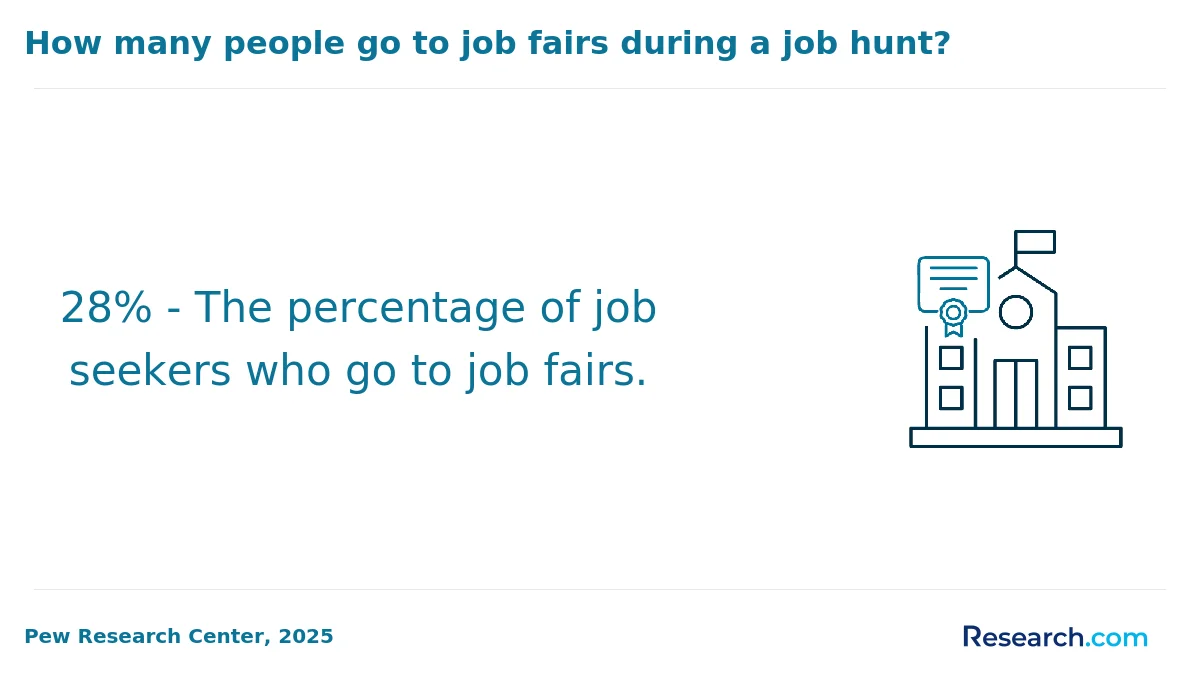
After completing trade school certification programs in Roseburg, preparing for the job market involves strategic steps to increase employability. Graduates should start by updating their resumes to emphasize newly acquired technical skills and certifications recognized by local employers. Networking is crucial; attending job fairs and connecting with Roseburg-area businesses in construction, healthcare, and manufacturing can lead to opportunities.
According to Oregon Employment Department data, trade-certified workers in Roseburg see employment rates above 75% within six months post-graduation. Engaging with career services at trade schools and using platforms like WorkSource Oregon can provide access to job listings and interview preparation resources. Continuous skill development through short courses boosts competitiveness in the evolving job market.
Employers in Roseburg prioritize a blend of technical and soft skills when hiring graduates from trade school certification programs. Technical proficiency in fields like welding, automotive repair, and healthcare support is crucial, as these skills directly impact job performance and safety standards.
According to data from the U.S. Bureau of Labor Statistics and local Roseburg employment reports, communication skills rank highly, with over 70% of employers emphasizing the need for clear, effective interaction in team environments. Time management and problem-solving abilities are also among the top sought-after qualities, improving efficiency and adaptability on the job.
Hands-on experience through internships or apprenticeships is another key factor, showing employers that candidates are job-ready. In Roseburg's local trade job market, certifications that demonstrate both knowledge and practical experience increase employability significantly.
Finding internships in Roseburg relevant to your trade school certification involves several steps. Start by connecting with your trade school's career services office, which often maintains local employer contacts and internship listings. Many Roseburg employers in manufacturing, construction, and healthcare sectors seek interns, providing practical experience aligned with trade certifications.
Online job platforms such as Handshake and Indeed can also list local internships tailored to trade skills. The Oregon Employment Department reports moderate demand for apprenticeships and internships in skilled trades throughout Douglas County, including Roseburg.
Networking through local trade unions, chambers of commerce, and industry events can uncover hidden opportunities. Additionally, approaching businesses directly can lead to internships not formally advertised.
Trade school certification programs in Roseburg significantly enhance career mobility by providing specialized skills that employers actively seek. According to the Oregon Employment Department, occupations requiring postsecondary certificates in trades like welding, HVAC, and medical assisting in Roseburg have seen a 10% growth over the past five years. Certifications validate practical knowledge, making candidates more competitive for promotions and higher wages.
Moreover, these credentials often lead to faster job placement compared to traditional degrees. The Roseburg Workforce Partnership reports that certified trade workers earn on average 15% more than uncertified peers in similar roles. This pay increase reflects increased responsibilities and advancement opportunities within local industries.
Employers in Roseburg's manufacturing, healthcare, and construction sectors recognize certified skills, which directly supports upward mobility. As Roseburg's economy evolves, trade certifications offer a clear pathway to sustainable and rewarding careers.
Part-time job opportunities in Roseburg that complement trade school certification programs often align with the skills students gain during their studies. For example, students enrolled in automotive or HVAC programs might find part-time work at local repair shops, providing practical experience alongside their education.
The healthcare sector in Roseburg also offers part-time roles such as medical assistants or pharmacy clerks, which support students pursuing certifications in medical or dental assisting. According to the U.S. Bureau of Labor Statistics, healthcare support jobs are projected to grow by 13% nationally through 2031.
Additionally, retail and customer service jobs in Roseburg's growing commercial areas can help students develop communication and organizational skills useful in various trade fields.
To choose the best degree program near me in Roseburg, OR, consider identifying your career interests and researching universities that specialize in those fields. Look into the programs and universities available to see if they offer robust curricula, experienced faculty, and adequate resources to support your education journey. Additionally, using resources like Research.com can help in comparing programs proximate to you, allowing you to make an informed decision on higher education offerings near Roseburg, OR.
- Research - Best Jobs For Trade School Graduates https://research.com/careers/best-jobs-for-trade-school-graduates
- How to Gain Vocational Trade Skills through Internships and Volunteering | Volunteer Forever https://www.volunteerforever.com/article_post/how-to-gain-vocational-trade-skills-through-internships-and-volunteering/
- HVAC Trade Schools in Roseburg, OR - Get Training! https://hvaccareernow.com/hvac-training/roseburg-or
- Trade School Careers https://auto.edu/blog/trade-school-careers
- 7 Tips for a Smoother Transition from Trade School to Career | Refrigeration School, Inc. (RSI) https://www.rsi.edu/blog/skilled-trades/7-tips-for-a-smoother-transition-from-trade-school-to-career/
- Why Choose Trade Schools? Discover the Pros of Vocational Education in 2025 | OshaEducationCenter.com https://www.oshaeducationcenter.com/pros-and-cons-of-trade-schools/
- Trade Schools & Certification Programs - ccmrwithmsthrash https://ccmrwithmsthrash.com/trade-schools-certifications/
- BOLI : Apprenticeship trades : Apprenticeship : State of Oregon https://www.oregon.gov/boli/apprenticeship/pages/trades.aspx
- Vocational vs. Trade School: Choosing the Right Path https://www.genesiscareer.edu/vocational-vs-trade-school-guide/
- Online Trade School https://www.ashworthcollege.edu/area-of-study/trades/





