
Most Affordable Associate Degree Programs - Leading Certification Courses in Oklahoma for 2026

Co-Founder and Chief Data Scientist
Choosing the right associate degree program can feel overwhelming, especially when trying to balance cost and value. This article presents the most affordable associate degree programs in Oklahoma for 2026, designed to guide you through your options with confidence.
The ranking was developed by the Research.com team of data scientists, ensuring the information is both reliable and up-to-date. By exploring these programs, you’ll be better equipped to find a school that fits your goals and budget.
Investing in an associate degree unlocks new opportunities, and this guide is here to help you take that important step forward.
Key benefits of associate degrees in Oklahoma
- Associate degree holders in Oklahoma can enjoy attractive salaries: physical therapist assistants earn around $56,000 annually, technical field graduates surpass $40,000, and arts or science degree starters earn about $27,000.
- Popular career paths include health sciences and technical roles, with graduates from schools like Oklahoma City Community College starting at an average salary of $47,098, showing strong job prospects and earning potential.
- Choosing an online associate degree offers flexibility and convenience, allowing students to balance work and study effectively while gaining credentials recognized throughout Oklahoma's growing job market.
- Most Affordable Associate Degree Programs - Leading Certification Courses in Oklahoma for 2026
- What can I expect from associate degree programs in Oklahoma?
- Where can I work after finishing associate degree programs in Oklahoma?
What can I expect from associate degree programs in Oklahoma?
The average cost of completing an associate degree program in Oklahoma typically ranges between $6,000 and $12,000 for in-state students attending community colleges like Oklahoma City Community College or Tulsa Community College. Graduates commonly share that budgeting for this expense feels manageable, especially when compared to four-year programs. Many students find part-time work or financial aid helpful in covering tuition without taking on overwhelming debt.
Students appreciate that most associate programs require around 60 credit hours, which they can complete in two years if enrolled full-time-about 12 to 15 credit hours per semester. This balance lets them maintain jobs or family responsibilities while steadily advancing their education.
Graduates from popular Oklahoma colleges often mention how flexible scheduling options, including evening classes and fully online offerings, made pursuing their degree realistic. Transfer pathways, such as those at Oklahoma City Community College to the University of Central Oklahoma, give clear direction to those planning bachelor's degrees. These practical features create a supportive environment where many feel empowered and optimistic about their educational investment.
Where can I work after finishing associate degree programs in Oklahoma?
After finishing an associate degree program in Oklahoma, you can step straight into careers with strong demand and solid pay. Healthcare roles dominate this space-graduates from institutions like Oklahoma City Community College often find work as dental hygienists, respiratory therapists, or radiologic technologists, all of which require that degree for entry-level positions. These jobs come with the added benefit of stability and growth, which graduates appreciate when planning their futures.
Beyond healthcare, business and technology sectors in metropolitan areas such as Oklahoma City offer positions like sales representatives or vendor managers. Graduates frequently share how their associate degrees opened doors to companies valuing practical skills backed by formal education.
Trade careers, supported by Oklahoma's workforce development, include fields like automotive technology and HVAC. Many who train at local technical colleges find themselves confidently working in industries critical to the state's economy, enjoying decent starting salaries-averaging around $43,500 and up to $47,000 in some cases. This makes the associate degree a pragmatic choice for quick, valued entry into the workforce.
After finishing an associate degree program in Oklahoma, you can typically expect to earn around $21.84 per hour, which adds up to about $45,427 annually when working full-time. Graduates from local colleges like Tulsa Community College often share stories of landing jobs quickly that pay well enough to start building financial stability right away.
Those with an Associate in Applied Science, common at schools such as Rose State College, often report higher earnings, averaging about $40,791 a year. These degrees open doors to technical and health-related roles, providing a reliable paycheck early in one's career.
Some graduates, especially those pursuing marketing or IT-related fields in Oklahoma City, have seen salaries rise to $53,333 or more. For example, a Marketing Associate can earn between $41,000 and $60,000 depending on experience. This makes the investment in an associate degree feel very rewarding and practical.
Compared to certificate holders or high school graduates, associate degree holders in Oklahoma enjoy noticeably better pay and often less student debt, which means a stronger take-home income and less financial stress as they settle into new jobs.
- Jessica: Earning my Associate Degree in Nursing from Tulsa Community College gave me the practical skills and confidence I needed. The hands-on training at this trade school made all the difference, and soon after graduation, I secured a rewarding job at an Oklahoma City hospital. It truly changed my life.
- Marcus: Getting my Associate Degree in Automotive Technology through Oklahoma State University Institute of Technology was a game-changer. The focused, real-world education helped me land a great position in a Tulsa garage quickly. I appreciate how well the program prepared me for a solid career without the stress of a traditional college.
- Emily: My Associate Degree in Business Administration from Rose State College opened unexpected doors. The coursework was relevant, and professors genuinely cared. After graduating, I found a fulfilling role in Oklahoma's growing small business sector. Studying at a trade school boosted my confidence and delivered practical skills that employers value.
- Admission usually requires a high school diploma or GED, with some schools needing a minimum GPA of 2.5 or an ACT score of 19 in English, Reading, or Math.
- Applicants must submit official transcripts and may need to complete placement tests if academic thresholds are not met.
- Specialized programs may have additional criteria such as age limits, income caps, and coursework requirements linked to workforce development efforts.
- Tuition and fees typically range from $4,000 to $6,000 for in-state students completing a two-year associate degree, excluding books and living expenses.
- Starting salaries for associate degree holders in Oklahoma range from $32,000 to $45,000, with potential to earn $50,000 or more in technical and healthcare fields.
Most associate degree programs in Oklahoma take about two years of full-time study to complete, typically requiring at least 60 credit hours at an accredited school. Graduates from popular institutions like Connors State College often share how enrolling full-time allowed them to finish within four semesters, balancing coursework and campus life effectively. For many students, sticking to a traditional fall and spring semester schedule provides a clear path to graduation.
Part-time students, especially those juggling jobs or family, usually extend their timeline beyond two years. One graduate described managing evening classes while working, which stretched their program but offered much-needed flexibility. Some colleges, such as Connors State, require that all degree requirements be completed within a four-year window, encouraging steady progress.
Accelerated options and transfer credit opportunities can shorten this timeline. Programs like Reach Higher: DirectComplete enable adult learners to finish their degree in two to three years by taking at least six credit hours per semester, sometimes less when including summer courses. This flexibility is a real advantage for motivated students eager to graduate sooner and start their careers.
The main difference between online and on-campus associate degree programs in Oklahoma comes down to flexibility and learning style. Online students from popular schools like Oklahoma Wesleyan University often appreciate being able to juggle coursework around their job or family life, accessing lectures and assignments anytime through platforms like Canvas. This asynchronous setup means a night-shift nurse or a busy parent can study without sacrificing daily responsibilities.
On-campus students, however, enjoy face-to-face interaction and hands-on experiences that online formats can't fully replicate. Graduates from traditional programs at colleges with campus facilities value the immediate access to instructors and practical labs that reinforce learning-like working directly with equipment in science courses or attending career fairs in person.
While online degrees offer affordability and convenience by eliminating commute and housing costs, on-campus programs provide a vibrant environment with social and academic support. Both paths are respected by employers, so it's about what fits your lifestyle and goals in Oklahoma's education landscape.
The average cost of associate degree programs in Oklahoma is notably affordable, especially when compared to four-year universities. For in-state students, tuition and fees for Oklahoma associate programs at community colleges like Tulsa Community College (TCC) typically run about $8,760 for the full two-year program. Graduates often share how this cost-effectiveness allowed them to focus on studies without the heavy financial stress many face at larger institutions.
Students attending TCC benefit from opportunities like the Tulsa Achieves scholarship, which can reduce tuition and fees to $0, making education accessible for those who qualify. Without scholarships, the yearly expense is still manageable at approximately $4,380, which fits well into budgeting plans for many families in the state.
Comparatively, two-year tuition and fees at universities like Rogers State and Northeastern State rise to over $16,000, doubling the typical community college costs. Those who choose Oklahoma's community colleges often highlight a positive return on investment, appreciating the affordable pathway to careers or further education. Additional expenses such as books and housing are important to consider, with books averaging $1,929 per year and housing sometimes reaching $11,018 annually at institutions like TCC.
Students aiming for a quicker transition into the workforce appreciate how understanding tuition and fees for Oklahoma associate programs helps them plan realistically. For those interested in more advanced degrees, there is also value in exploring options like a bachelor's degree online fast after their associate degree, maximizing both time and cost efficiency.
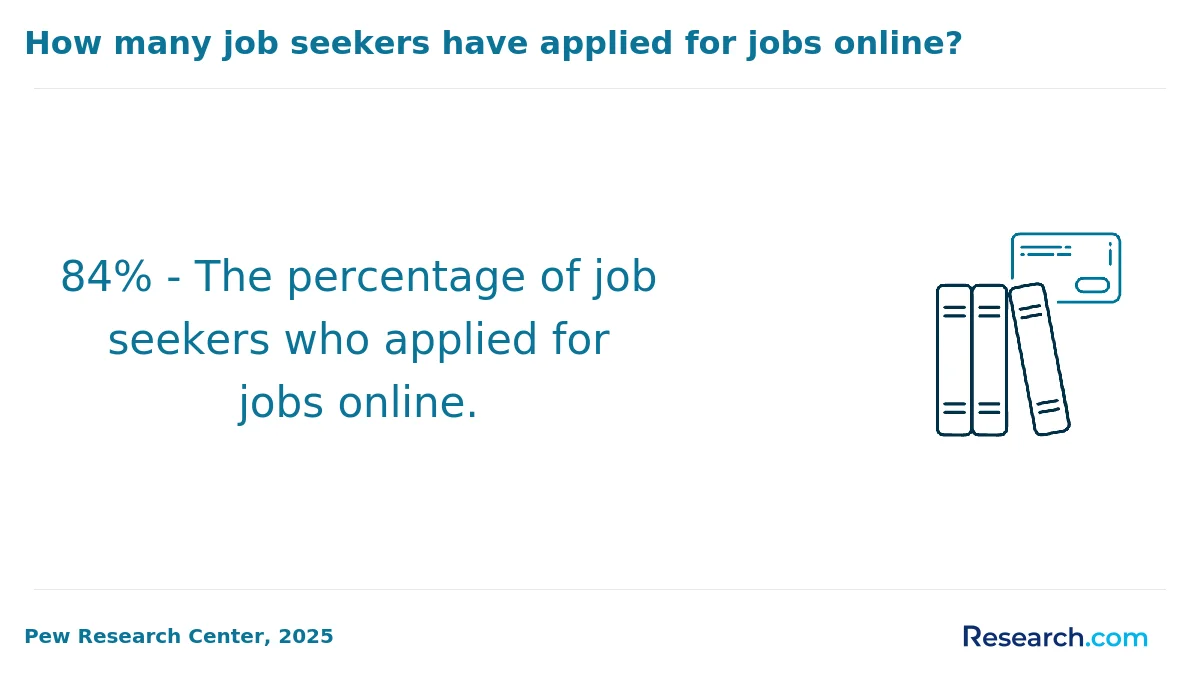
Students aiming for associate degrees in Oklahoma should first complete the Free Application for Federal Student Aid (FAFSA) to unlock access to essential financial aid. Graduates from popular community colleges like Oklahoma City Community College often mention how submitting FAFSA early helped them qualify for state and federal grants that significantly eased their tuition burden.
Federal aid includes the Federal Pell Grant, which can range from $740 to $7,395 based on financial need and enrollment status. Many students attending colleges such as Tulsa Community College report this grant made a real difference in covering their education costs without accumulating debt.
Oklahoma-specific programs like the Oklahoma Tuition Aid Grant (OTAG) provide additional need-based support but require early FAFSA submission due to limited funding. The Oklahoma's Promise program benefits students from families earning $60,000 or less with tuition assistance at public community colleges-something several local graduates highlight as a crucial stepping stone to achieving their degree.
Beyond grants, federal student loans and scholarships such as the Academic Scholars Program offer multiple pathways to finance education, encouraging students to connect with their college's financial aid office to maximize benefits.
To enroll in an associate degree program in Oklahoma, students must meet key prerequisites that ensure readiness for college-level study. Graduates from popular schools like the University of Central Oklahoma often share how meeting these requirements made their transition smooth and confident.
First, a high school diploma or GED from an accredited institution is essential. For example, a GED graduate felt reassured knowing their certificate was accepted statewide. Many programs emphasize completing a solid high school core curriculum, typically including:
- Four years of English
- Three years each of math (Algebra I or higher), laboratory science, and history/citizenship
- Two additional units from these subjects or from computer science, foreign language, or AP courses
Some schools are test-optional through spring 2026, meaning students can rely on their unweighted high school GPA - usually requiring a minimum of 2.7. A graduate from Oklahoma City University recalls how their strong GPA helped them bypass submitting ACT scores.
Those eyeing specialized tracks, like nursing, may need higher GPAs (around 3.0) and specific prerequisite courses such as anatomy or chemistry. Transfer students must submit official transcripts and meet similar standards.
Understanding and meeting these clear prerequisites gives students confidence to pursue their goals without surprises.
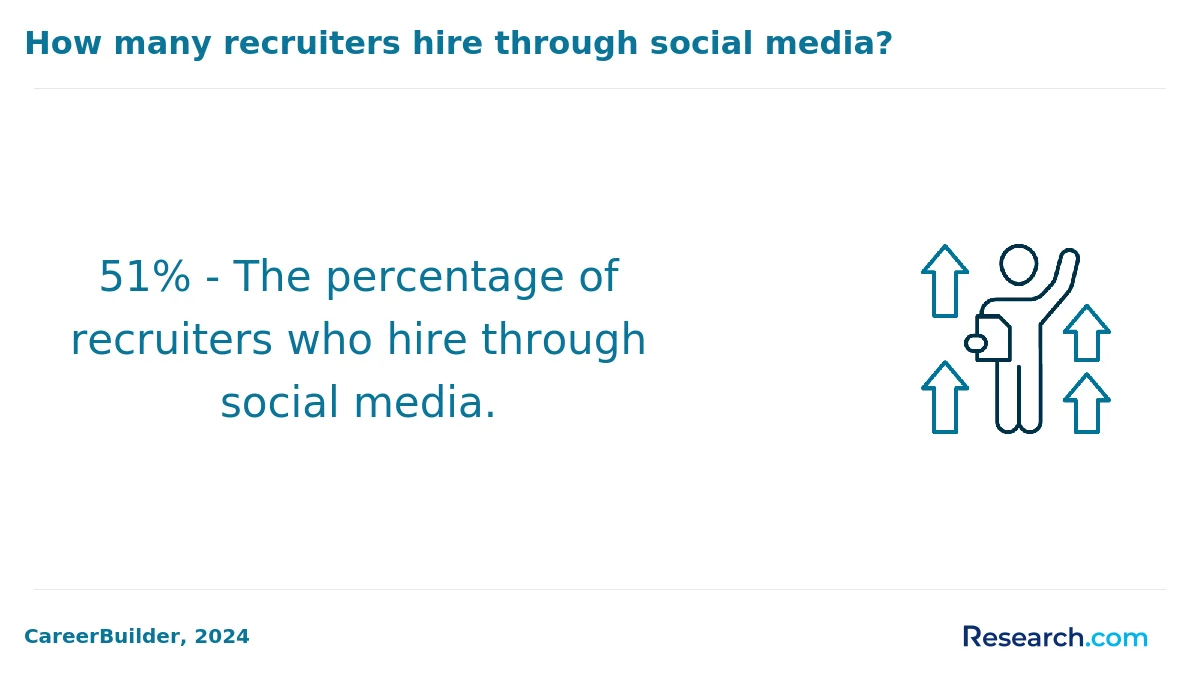
Oklahoma associate degree curriculum requirements generally demand at least 60 semester credit hours for AA and AS degrees, with a solid emphasis on general education. Graduates from popular associate degree schools in Oklahoma often recall balancing classes such as English Composition, U.S. History and Government, Science with labs, Mathematics, and Humanities. This broad mix ensures students leave with a well-rounded education that opens doors to either the workforce or further studies.
Common courses in Oklahoma associate degree programs usually include:
- English Composition: typically 6 credit hours covering foundational writing skills
- U.S. History and Government: 6 credit hours exploring civics and American history
- Science: 6 credit hours with lab components to build practical understanding
- Mathematics: around 3 credit hours, including College Algebra or Statistics
- Humanities: 6 credit hours in subjects like literature or philosophy
- Guided Electives: 3 credit hours often picked from psychology, social sciences, or fine arts
Associate in Applied Science programs have different requirements, focusing on 18 credit hours of core courses including communication and government. Many students pursuing technical fields appreciate how these degrees also integrate technology or computer application courses, preparing them for modern careers.
Personal stories from graduates show the benefit of earning at least 15 credit hours at their degree-granting institution, reinforcing ties to local education standards. Those determining what is an easy associate's degree to get in Oklahoma often find that this balanced curriculum fits well with their career goals and lifestyle.
Start by verifying the program's accreditation to ensure your credits transfer smoothly and your education meets recognized standards. Graduates from popular schools like Rose State College often highlight how accreditation helped them move on to four-year universities without hassle. Next, think about your career goals and which area of study suits you best. For example, Oklahoma State University-Oklahoma City offers a variety of transfer and direct-to-career associate degrees that past students found great for aligning studies with job prospects.
When evaluating affordability, knowing how to compare Oklahoma associate degree costs is essential. Tulsa Community College charges around $116.55 per credit hour for in-state students, while others, like Seminole State College, are higher. This matters if you're budgeting or trying to minimize loans. Many students appreciated flexible options like online or hybrid courses, which fit their busy lives. For those eager to finish quickly, check out programs that offer the fastest way to get associate's degree.
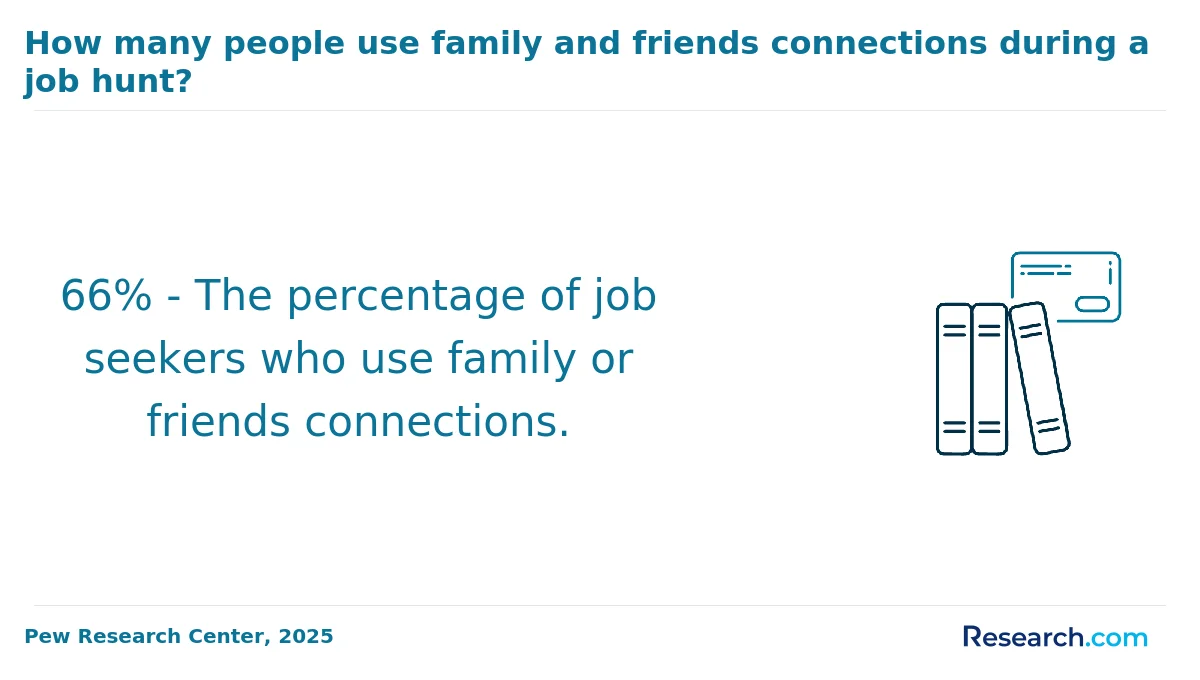
Oklahoma associate degree graduates find diverse career opportunities that align well with the state's evolving economy. Healthcare remains a top field, with roles like dental hygienist, respiratory therapist, and physical therapist assistant consistently in demand. Graduates from Northern Oklahoma College and similar institutions frequently share how their programs, such as digital media animation or applied technology, directly led to jobs with strong earning potential. Highlighting the highest paying associate degree jobs in Oklahoma, many found success in technical areas like wind energy technician or process technology specialist, which are crucial to the region's growth.
Business-related fields also offer solid career pathways. Graduates report gaining skills in business management and office management that prepare them for roles ranging from operations assistant to marketing associate. Job listings indicate increasing demand for roles such as junior systems analyst and health coach, reflecting the value of associate-level education in both public and private sectors.
Many students at Oklahoma colleges appreciate scholarships and hands-on training that boost confidence in immediate employment. Those seeking flexibility can explore options at fafsa accepted online colleges offering relevant programs tailored for local workforce needs.
The job market for associate degree graduates in Oklahoma remains competitive but promising, especially if you focus on fields aligned with state demand. Graduates from well-known programs like Oklahoma City Community College report average early career earnings around $47,098, which reflects the real-world value of targeted training. Still, Oklahoma ranks 50th nationwide for associate degree salaries, indicating some wage growth challenges.
Oklahoma associate degree employment outlook highlights these key points:
- Average annual salaries hover near $38,158, with top roles paying up to $57,246.
- Technical administrative assistants can earn up to $43,321, showing room for advancement.
- Critical occupations needing associate degrees include dental hygienists, respiratory therapists, and radiologic technologists.
While hiring activity is moderate, state scholarships and partnerships aim to improve employment prospects in high-demand sectors. Students often see better outcomes when their skills match these market needs. For practical insights into pay and career paths, check out trade school careers salary data to plan realistically for your future.
Most Affordable Associate Degree Programs - Leading Certification Courses in Oklahoma for 2026
# 1 position
Oklahoma City Community College - Computer and Information Sciences, General.
associateOklahoma City Community College offers a general program in Computer and Information Sciences focused on computing, computer science, and information science systems. The program is accredited by the Higher Learning Commission. Annual in-state tuition costs $4,059. Students completing this program have median earnings of $49,198 one year after graduation. This program is undifferentiated in title and content and should not be confused with specialized computer science or information science programs.
# 2 position
Oklahoma City Community College - Physical Therapy Assistant.
associateOklahoma City Community College offers a Physical Therapy Assistant program in a hybrid format, combining in-person and distance education. The program trains students to assist physical therapists through treatment interventions, patient training, and clinical documentation. Coursework includes anatomy, physiology, biomechanics, neuroscience, and professional ethics. Annual in-state tuition is $4,059. Graduates earn a median salary of $29,838 one year after completion. The program is accredited by the Higher Learning Commission.
# 3 position
Carl Albert State College - Computer and Information Sciences, General.
associateCarl Albert State College offers a hybrid program in Computer and Information Sciences, General, providing a focus on computing, computer science, and information science systems. The program is accredited by the Higher Learning Commission and features an annual in-state tuition of $4,230. It is designed as a general curriculum, without specialization in specific computer science or information science areas, and includes some distance-education options.
# 4 position
Carl Albert State College - Physical Therapy Assistant.
associateCarl Albert State College offers a Physical Therapy Assistant program with a hybrid format, combining in-person and distance education. The program prepares students to assist physical therapists by implementing treatment plans, training patients, and recording progress. Coursework covers anatomy, physiology, biomechanics, and professional ethics. The annual in-state tuition is $4,230. Graduates have median earnings of $38,303 one year after completion. The program is accredited by the Higher Learning Commission.
# 5 position
Carl Albert State College - Business Administration and Management, General.
associateCarl Albert State College offers a Business Administration and Management, General program designed to prepare students to plan, organize, and direct business functions. The program covers management theory, human resources, accounting, purchasing, marketing, and business decision-making. Annual in-state tuition is $4,230. Graduates earn a median salary of $26,274 one year after completion. The program is accredited by the Higher Learning Commission.
# 6 position
Tulsa Community College - Diagnostic Medical Sonography/Sonographer and Ultrasound Technician.
associateTulsa Community College offers a Diagnostic Medical Sonography/Sonographer and Ultrasound Technician program with a hybrid format, including some distance education. The program prepares students to use medical ultrasound techniques for diagnosing conditions, emphasizing patient care, data integration, and professional ethics. Accredited by the Higher Learning Commission, it has an annual in-state tuition of $3,768. Graduates earn a median salary of $54,621 one year after completion.
# 7 position
Tulsa Community College - Veterinary/Animal Health Technology/Technician and Veterinary Assistant.
associateTulsa Community College offers a program in Veterinary/Animal Health Technology/Technician and Veterinary Assistant that prepares students to assist veterinarians and animal specialists with patient care and clinical procedures. The curriculum includes animal nursing, health and nutrition, clinical pathology, radiology, anesthesiology, surgical assisting, and office administration skills. The program is accredited by the Higher Learning Commission, with an annual in-state tuition of $3,768.
# 8 position
Tulsa Community College - Computer and Information Systems Security/Auditing/Information Assurance.
associateTulsa Community College offers a program in Computer and Information Systems Security/Auditing/Information Assurance, preparing students to assess and secure computer and network systems. The curriculum covers security device management, auditing, computer architecture, programming, networking, cryptography, law, risk assessment, and troubleshooting. The program is accredited by the Higher Learning Commission. Annual in-state tuition is $3,768.
# 9 position
Tulsa Community College - Legal Assistant/Paralegal.
associateThe Legal Assistant/Paralegal program at Tulsa Community College prepares students to assist attorneys through research, drafting, investigatory, and record-keeping tasks. The curriculum includes legal research, document drafting, pleading, courthouse procedures, and legal specializations. The annual in-state tuition is $3,768. This program is accredited by the Higher Learning Commission, ensuring it meets regional educational standards.
# 10 position
Tulsa Community College - Interior Design.
associateThe Interior Design program at Tulsa Community College is a hybrid course that combines applied visual arts with practical skills for designing residential and commercial interiors. Tuition for in-state students is $3,768 annually. The curriculum covers computer applications, drafting, lighting, acoustics, furniture, textiles, and building codes. The program is accredited by the Higher Learning Commission, ensuring quality education and professional standards.
Frequently Asked Questions about associate degree programs
After completing an associate degree in Oklahoma, preparing effectively for the job market is essential. Graduates should start by building a strong resume that highlights relevant skills and coursework. Engaging with local workforce development programs can provide valuable job placement assistance and networking opportunities. According to the Oklahoma State Department of Education, in-demand fields like healthcare, information technology, and skilled trades offer promising employment prospects for associate degree holders.
Internships and part-time roles related to your field can offer practical experience that employers value. Additionally, consider obtaining industry certifications to further increase employability. Utilizing Oklahoma's CareerTech centers and community college career services can improve your job search strategies and interview skills. Staying informed about job market trends in Oklahoma helps graduates focus on areas with higher demand and earn competitive wages.
Employers in Oklahoma highly value technical skills combined with strong soft skills when hiring associate degree graduates. According to the Oklahoma Department of Commerce, proficiency in computer literacy, especially Microsoft Office and basic data analysis, is critical across many industries. Fields like healthcare and manufacturing emphasize hands-on skills such as medical coding or equipment operation.
Communication skills are also essential. A survey by the Oklahoma State Chamber highlights that 70% of employers seek graduates who can clearly convey ideas and collaborate effectively with teams. Problem-solving and adaptability are frequently mentioned as top soft skills, showing the importance of being flexible in rapidly changing work environments.
Work ethic and time management remain important traits, especially in entry-level positions where reliability matters most. The integration of these technical and interpersonal competencies ultimately enhances job readiness for Oklahoma's diverse economy.
Finding internships in Oklahoma that align with your associate degree program involves several key steps. Start by contacting the career services department at your college, as many Oklahoma community colleges maintain partnerships with local businesses offering internship opportunities.
Utilize online resources such as the Oklahoma Department of Commerce and OklahomaWorks, which list internships across various industries statewide. According to OklahomaWorks, sectors like healthcare, manufacturing, and information technology offer the most internships relevant to associate degree fields.
Networking through local chambers of commerce or professional associations also expands your reach. Finally, applying early and tailoring your applications to highlight relevant skills can improve your chances in Oklahoma's competitive internship market.
In Oklahoma, obtaining an associate degree significantly enhances career mobility and advancement opportunities. According to the Oklahoma State Regents for Higher Education, individuals with an associate degree earn approximately 20% more than those with only a high school diploma. This increased earning potential improves access to better jobs within industries like healthcare, technology, and manufacturing.
Associate degrees also serve as a stepping stone toward further education. Many Oklahoma community colleges have transfer agreements with state universities, allowing students to continue toward a bachelor's degree seamlessly.
Employers in Oklahoma increasingly recognize the value of associate degrees for technical and skilled roles, supporting career growth and promotion prospects.
Part-time job opportunities in Oklahoma can effectively complement associate degree education by providing practical experience and financial support. Fields such as healthcare, information technology, and business administration offer numerous roles suitable for part-time workers.
For example, health science students often find positions as medical assistants or pharmacy technicians, roles which are expected to grow by 16% statewide between 2020 and 2030, according to the Oklahoma Employment Security Commission. IT students might work as help desk technicians or junior network administrators, gaining hands-on skills that align with their coursework.
Retail management and administrative assistant roles are also common part-time options for business students, helping build essential communication and organizational skills.
To find the most affordable degree program near me, one should begin by researching community colleges and state universities that offer competitive tuition rates and financial aid packages. Additionally, look for degree programs near Oklahoma to compare different institutions and their costs. Research.com is a helpful resource for learning about specific programs and universities available that may offer lower tuition rates or financial assistance.
- Most Affordable Associate Degree Programs - Leading Certification Courses in Kansas for 2026
- Most Affordable Associate Degree Programs - Leading Certification Courses in Colorado for 2026
- Most Affordable Associate Degree Programs - Leading Certification Courses in Nebraska for 2026
- Most Affordable Associate Degree Programs - Leading Certification Courses in Mississippi for 2026
- Most Affordable Associate Degree Programs - Leading Certification Courses in South Dakota for 2026
- Most Affordable Associate Degree Programs - Leading Certification Courses in Minnesota for 2026
- Most Affordable Associate Degree Programs - Leading Certification Courses in Florida for 2026
- Most Affordable Associate Degree Programs - Leading Certification Courses in North Dakota for 2026
- Most Affordable Associate Degree Programs - Leading Certification Courses in Indiana for 2026
- Most Affordable Associate Degree Programs - Leading Certification Courses in North Carolina for 2026
- Here’s How an Associate Degree Can Advance Your Career https://flex.wisconsin.edu/stories-news/heres-how-an-associate-degree-can-advance-your-career/
- Top Career Skills for Two-Year College Grads in 2025 https://www.hanoverresearch.com/reports-and-briefs/higher-education/top-career-skills-for-two-year-college-grads-in-2025/
- Transferring to OU? Get the Most Out of Your Past Experience https://online.ou.edu/transferring-to-ou-get-the-most-out-of-your-past-experience/
- Program: General Education Requirements (For the AA and AS Degrees) - Oklahoma City Community College - Modern Campus Catalog™ https://catalog.occc.edu/preview_program.php
- Oklahoma employment rates slow, though some industries thrive https://www.oklahoman.com/story/business/employment/2025/04/25/oklahoma-job-market-jobs-more-available-health-care-hospitality/83193721007/
- Traditional vs Online Degrees 2025: Which One is Better for You? https://www.pw.live/online-degree/exams/traditional-vs-online-degree
- Public-school failures have ripple effects in workforce https://ocpathink.org/post/independent-journalism/public-school-failures-have-ripple-effects-in-workforce
- What Comes After Associate Degree: Here Are Your Options https://potomac.edu/do-you-feel-complete-after-earning-an-associates-degree/
- Virtual University of Pakistan https://www.vu.edu.pk/AboutUs/ProgramsOffered
- Understanding Requirements and Careers after an Associate Degree https://leapscholar.com/blog/requirements-and-careers-after-an-associate-degree/





