Most Affordable Associate Degree Programs - Leading Certification Courses in District of Columbia for 2026

Co-Founder and Chief Data Scientist
Choosing the right associate degree program in the District of Columbia can feel overwhelming, but it doesn’t have to be. This article introduces a carefully crafted associate degree programs ranking created by the Research.com team of data scientists to help you make confident and informed decisions.
By exploring affordable options that fit your goals, you’ll discover programs designed to boost your skills and career prospects. Pursuing an associate degree is a smart step toward new opportunities and personal growth. Let this guide support you on your path to success.
Key benefits of associate degrees in District of Columbia
- Associate degree graduates in DC can expect competitive salaries, such as $46,700 annually on average, with roles like program associates earning around $53,932, and early childhood education positions offering minimum salaries up to $63,838 per year.
- Popular career paths for associate degree holders include healthcare, business administration, and IT, reflecting strong local demand and providing solid opportunities for growth and job stability in DC's vibrant job market.
- Online associate degree programs offer flexibility and convenience, allowing students to balance work and study more easily compared to traditional campus programs, as experienced by many successful graduates from well-known DC institutions.
- Most Affordable Associate Degree Programs - Leading Certification Courses in District of Columbia for 2026
- What can I expect from associate degree programs in District of Columbia?
- Where can I work after finishing associate degree programs in District of Columbia?
What can I expect from associate degree programs in District of Columbia?
The average cost of an associate degree program in the District of Columbia varies but is often offset by financial aid options such as the DC Futures Program, which makes attending college more affordable for many students. Graduates from schools like Trinity Washington University report manageable tuition expenses, partly due to scholarships and support services that address personal financial challenges during their studies.
Students in DC can expect flexible scheduling with evening and weekend classes, allowing those who work or care for family to balance commitments effectively. For example, many find that taking just two classes per semester creates a sustainable pace, helping them maintain both academic focus and personal well-being.
Class sizes tend to be small, fostering strong connections with instructors and tailored academic support. This environment encourages confidence as students develop critical thinking and quantitative reasoning skills essential for career growth or transferring to four-year institutions.
Online options from institutions like the University of Maryland Global Campus have expanded access, enabling students to pursue their degree without relocating or sacrificing work hours, enhancing overall feasibility and satisfaction.
Where can I work after finishing associate degree programs in District of Columbia?
Graduates from associate degree programs in the District of Columbia often secure positions in diverse fields, reflecting the region's vibrant economy. For example, many healthcare graduates from local community colleges find rewarding roles as physical therapist assistants or radiologic technologists, where they directly impact patient care in busy DC hospitals. These practical career paths not only provide financial stability but also a strong sense of purpose.
Others from business or administrative programs thrive as executive assistants or office coordinators in government agencies and private firms throughout DC, leveraging skills learned in classes to navigate fast-paced work environments. These roles offer opportunities to build professional networks and gain experience valued across many industries.
Additionally, graduates trained at DC-centered institutions often enter education or public service, becoming educational aides or paralegal assistants, where their work supports community growth and governance. The hands-on training and local connections made during their studies help graduates transition smoothly into these roles.
Overall, studying an associate degree in DC equips students with practical skills and access to a strong job market, allowing them to find meaningful employment that matches their interests and ambitions.
After finishing an associate degree program in the District of Columbia, graduates can typically expect annual salaries around $46,800. For example, many from well-known local institutions find their hourly wage near $22.50, adding up to about $46,800 per year. Those who excel can reach the top 25% earners, taking home closer to $48,700, while a select few in the top 10% can earn as much as $70,220 annually. These figures reflect a range that many graduates experience firsthand.
For students pursuing fields like early childhood education at popular DC schools, salary floors have been set higher. Assistant teachers and associate home caregivers with associate degrees earn a minimum of $54,262 annually, offering a sense of financial security post-graduation. Lead teachers in this sector fare even better, with minimum salaries of $63,838 per year.
Graduates working as program associates or in technical roles share stories of salaries ranging from about $48,000 up to $71,500, often exceeding the local living wage threshold of $56,000. While not every program leads immediately to these pay levels, the strong job market and upward wage mobility in DC provide many reasons for optimism.
- Jasmine: Earning my Associate in Nursing at a trade school in DC was life-changing. The hands-on training prepared me to confidently work at a local clinic, and I quickly landed a job. The supportive instructors made learning engaging, turning my passion into a rewarding career helping my community.
- Marcus: Getting an Associate Degree in Computer Information Systems in DC was a game changer. The practical skills and small class sizes at the trade school helped me master coding fast. Now, I'm thriving as an IT support specialist for a government agency, feeling proud of my career path.
- Tanya: Completing my Associate in Culinary Arts in DC sparked my creativity and gave me solid skills. The trade school's real-world kitchen experience was invaluable. I now work as a sous chef in a bustling DC restaurant, where every day feels like an exciting challenge and personal accomplishment.
- Admission to associate degree programs in DC generally requires a high school diploma, GED, or equivalent, with some public colleges not always requiring standardized test scores.
- In 2023, about 13,185 associate degrees were awarded near Washington, DC, showing a 9% increase over five years.
- Public colleges awarded roughly 2,581 associate degrees, while private institutions awarded around 1,091 degrees in 2023.
- Some schools offer fully online associate degrees, but others, like the University of the District of Columbia, provide only on-campus programs.
- Tuition at public colleges is typically more affordable, with financial aid options such as DC Futures and DCTAG available for qualifying residents.
- Associate degrees in high-demand fields like health science, IT, business, and education can lead to starting salaries between $35,000 and $50,000 and offer opportunities for further education.
Completing an associate degree program in the District of Columbia generally takes about two years of full-time study, mirroring the structure at local community colleges and vocational schools. Graduates often recall enrolling in 12 to 15 credits each semester and successfully finishing their coursework across four semesters, which translates to roughly 24 months. This timeline resonates well with students who balance classes alongside part-time jobs or family commitments, providing a manageable yet efficient pace.
However, many students who attend part-time experience longer completion periods, sometimes stretching from three to six years due to lighter course loads. Some graduates mention how flexible online options at popular DC institutions allowed them to speed up their studies by taking advantage of summer and winter sessions. These accelerated pathways can shorten the journey to 12 to 18 months for highly motivated students willing to commit extra effort year-round.
Hands-on programs, such as those in healthcare or skilled trades, may extend completion times slightly, especially when internships or licensing preparations are involved. Still, most students appreciate how adaptable DC's associate degree offerings are, tailoring schedules to fit diverse lifestyles without sacrificing quality education.
The key difference between online and on-campus associate degree programs in Washington, DC, is the mode of delivery and the flexibility it offers. Graduates from institutions like the University of the Potomac often share how online classes fitting around their busy work schedules provided freedom to study anytime, anywhere. This flexibility suits students juggling jobs or family responsibilities, with options for asynchronous learning or evening synchronous sessions. In contrast, those who chose on-campus studies frequently mention the energizing atmosphere of physically attending classes, interacting with peers, and participating in hands-on labs and workshops that deepen their understanding and build lasting connections.
Cost also plays a notable role. Online programs can reduce tuition and eliminate commuting or housing expenses, making college more accessible to many District residents. Meanwhile, on-campus students often appreciate the immediate access to campus resources and a structured environment, which can feel motivating. Overall, the choice hinges on individual priorities: whether one values flexibility and affordability or a traditional, interactive classroom experience.
The average cost of associate degree programs in the District of Columbia varies significantly, but generally, in-state students face tuition and fees around $5,662, while out-of-state students can expect about $12,514. This variation reflects differences between institutions and whether a college is public or private. Graduates from local community colleges often highlight the relative affordability of these programs compared to private institutions, which can demand much higher tuition.
For many students, the tuition and fees for District of Columbia associate programs represent just one part of the total expense. Schools like the University of the District of Columbia and Trinity Washington University are praised for their efforts to keep overall yearly costs manageable, especially for students with family incomes under $30,000, with net prices estimated around $14,743 and $13,720 respectively after financial aid. These figures are encouraging for prospective students who may otherwise worry about affordability.
Beyond tuition, practical costs such as books, supplies, and living expenses also play a major role. Students often report spending between $1,000 and $1,600 yearly on study materials, while on-campus housing costs range from $14,000 to $17,000 annually. Those living off campus might find different cost structures but must still plan carefully. For many, balancing these expenses with available financial aid is crucial to making education achievable.
Choosing an associate degree program is also about long-term value. Graduates often reflect positively on how the investment paid off through access to high paying certifications and career opportunities. Understanding the average cost of associate degree in District of Columbia alongside financial aid options helps students make informed decisions about their education path and future success.
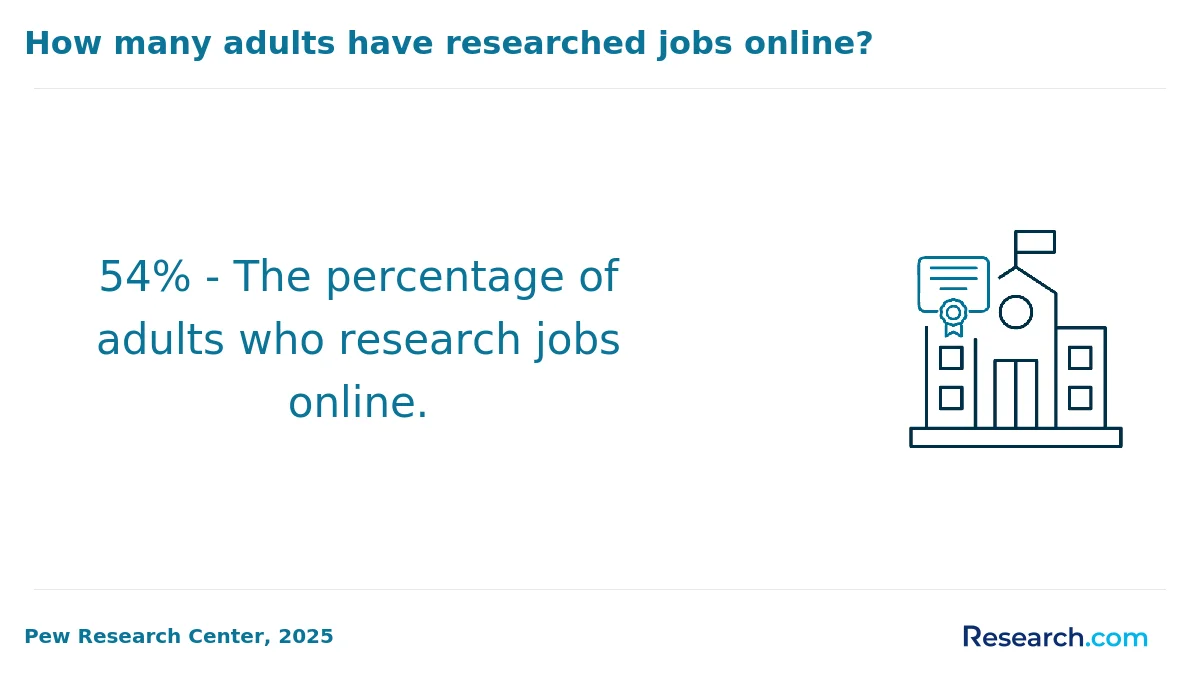
Associate degree students in the District of Columbia often find federal aid through the FAFSA to be a crucial first step. Grants like the Pell Grant, federal loans, and work-study programs form the backbone of financial support. For example, graduates from institutions like the University of the District of Columbia frequently share how this aid eased immediate costs.
The DC Tuition Assistance Grant (DCTAG) further enhances access by covering significant portions of tuition. Students attending community colleges in DC or private HBCUs nationwide can receive up to $10,000 per year, often bridging the gap that otherwise causes financial stress. Several recipients have expressed relief knowing this grant offsets out-of-state tuition fees.
Local programs, such as the DC Futures "last-dollar" scholarship, specifically help enrolled students at select DC universities by covering remaining tuition after other aids are applied. Many students describe this as a game-changer, virtually eliminating debt. Additional grants and scholarships from organizations like DC-CAP also provide vital support, especially to foster youth and diverse students pursuing associate degrees.
Institutional aid, sometimes reliant on the CSS Profile, rounds out the options. Prospective students at popular DC colleges should explore all these channels early, as funding is competitive and often distributed on a first-come, first-served basis.
To enroll in an associate degree program in the District of Columbia, such as those at the University of the District of Columbia Community College, students primarily need a high school diploma, GED, or equivalent credential from an accredited institution. Many recent graduates recall submitting official transcripts and completing an online application, often appreciating how straightforward the process is. Typically, a modest application fee of around $35 applies, making it accessible for most applicants.
While a minimum high school GPA of 2.0 is generally expected, some programs recommend higher performance for better chances or transfer options. Test scores like the SAT or ACT are optional, which many students find relieving, as it reduces stress during admission.
Transfer students share positive feedback about the lack of a minimum credit requirement but must submit official transcripts and avoid academic probation. International applicants should expect to provide proof of English proficiency and additional documentation.
- High school diploma or GED
- Official transcripts or GED scores
- Completed online application
- Application fee (around $35)
- Minimum 2.0 GPA recommended
- Optional SAT/ACT scores
- Transfer student transcripts
- English proficiency proof for international applicants

Students pursuing associate degrees in the District of Columbia can expect a comprehensive curriculum blending general education and specialized courses. The associate degree course requirements in District of Columbia often entail completing between 60 and 71 credits, with general education classes covering essential skills in writing, mathematics, sciences, and social sciences. Graduates from institutions like the University of the District of Columbia appreciate how these core classes build a strong foundation for both career readiness and transfer opportunities.
Typical classes for associate degree programs in Washington DC include:
- English composition and communication
- College algebra and introductory science courses
- History and psychology within social sciences
Beyond foundational studies, students in specialized fields such as Dental Laboratory Technology or Culinary Arts at popular schools in DC experience targeted learning. For example, dental technology students engage with courses in dental materials and prosthodontics, while culinary arts learners focus on cooking techniques and nutrition science.
This mix of classes creates a dynamic learning environment, making students feel well-prepared and confident about their educational path. For those seeking insight on what is the easiest associate degree to get, understanding these course structures can be particularly helpful as they balance personal interests with academic demands.
Choosing the best associate degree program in District of Columbia involves evaluating schools based on accreditation, flexibility, and program alignment with your goals. Graduates from University of the District of Columbia often share how institutional accreditation gave them confidence that their credits would transfer seamlessly toward a bachelor's degree. For working adults juggling family or jobs, programs like those at Franklin University and University of Maryland Global Campus offer fully online options, allowing students to study comfortably from home or during off-hours.
When you compare associate degree colleges in Washington DC, consider program offerings carefully. Capitol Technology University's focus on technology and network security can invigorate a student passionate about IT careers, while Trinity Washington's general studies programs allow exploration of various fields. Cost is another key factor; many students feel relief discovering public schools in D.C. have lower tuition and opportunities like the DC Futures Program offer financial aid to ease their burden.
Support services also shape student success. Many appreciate advising and credit transfer assistance that help them plan beyond the associate degree. Ultimately, choosing a program that fits your life and career dreams transforms education into an exciting journey rather than a daunting task. It's worth exploring options aligned with your goals, especially if you're eyeing masters that make the most money.
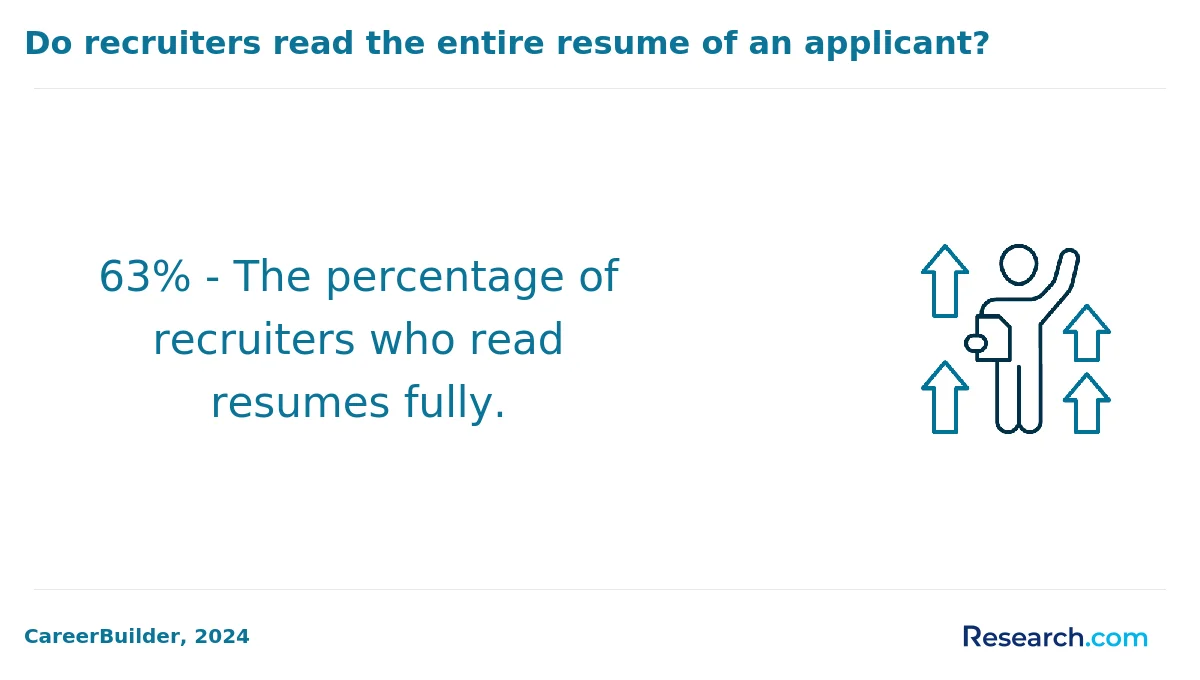
Associate degree graduates in District of Columbia find diverse career pathways across thriving local sectors. Many healthcare roles such as Registered Nurse (RN), Licensed Practical Nurse (LPN), and Dental Hygienist offer strong employment prospects, with graduates often citing hands-on experience from DC-based programs as vital to their success. Administrative and business support careers are similarly accessible, including positions like Administrative Assistants and Warehouse Managers, especially for those attending popular associate degree schools in Washington DC that combine practical skills with industry connections.
For students exploring career pathways for DC associate degree graduates, education roles like Apprentice Teacher and Educational Aide present fulfilling opportunities, particularly within DC Public Schools. Technical fields such as Network Security Management and Process Technician also attract graduates due to the region's growing demand for IT and applied science expertise. Examples of graduates securing these roles underscore the value of local training programs.
Positions available include:
- Registered Nurse (RN)
- Administrative Assistant
- Apprentice Teacher
- Network Security Management
Many graduates emphasize the importance of enrolling in accredited online schools with no application fee tailored for DC students to maximize career opportunities in associate degree jobs in Washington DC.
The job market for associate degree graduates in District of Columbia is notably dynamic, driven by strong demand in technology, healthcare, and business support roles. Graduates from popular associate degree schools in D.C. frequently report finding entry-level positions quickly, benefiting from the region's favorable employment conditions. Typical roles such as Computer User Support Specialists offer over 280 annual openings, combining accessible training with competitive pay.
Recent graduates shared experiences of starting at hourly wages between $16.88 and $23.41, with some advancing to $37.57 per hour after gaining experience and soft skills. Typical employer expectations favor associate degrees, particularly for technical and support positions, while more senior roles still require higher education. This aligns closely with the associate degree salary potential in District of Columbia, which averages around $26.73 per hour.
Key points that reflect the strong associate degree job market include:
- High volume of job openings in IT and healthcare sectors
- Steady growth in public relations and business support fields
- Opportunity for quick career advancement based on local employer demand
Students intrigued by these opportunities can explore programs at most popular accredited trade schools online, which provide flexible pathways tailored to the Washington, D.C. labor market. The combination of solid wage prospects and active job openings makes pursuing an associate degree in District of Columbia a compelling choice for career-focused individuals.
Most Affordable Associate Degree Programs - Leading Certification Courses in District of Columbia for 2026
# 1 position
University of the Potomac-Washington DC Campus - Accounting Technology/Technician and Bookkeeping.
associateThe Accounting Technology/Technician and Bookkeeping program at University of the Potomac-Washington DC Campus prepares individuals to provide technical administrative support to accountants and financial management personnel. The curriculum includes instruction in posting transactions, record-keeping systems, accounting software operation, and general accounting principles. Annual in-state tuition is $6,660. The program is accredited by the Middle States Commission on Higher Education.
# 2 position
University of the District of Columbia - Legal Assistant/Paralegal.
associateThe Legal Assistant/Paralegal program at the University of the District of Columbia is a hybrid program offering some distance-education options. It prepares students to perform research, drafting, investigatory, record-keeping, and related administrative functions under attorney supervision. The curriculum includes legal research, document drafting, pleading, courthouse procedures, and legal specializations. The program is accredited by the Middle States Commission on Higher Education. Annual in-state tuition is $6,152.
# 3 position
University of the District of Columbia - Accounting Technology/Technician and Bookkeeping.
associateThe University of the District of Columbia offers a hybrid program in Accounting Technology/Technician and Bookkeeping that prepares students to provide technical administrative support to accountants and financial personnel. The curriculum includes instruction in posting transactions, record-keeping systems, accounting software, and general accounting principles. Annual in-state tuition is $6,152. The program is accredited by the Middle States Commission on Higher Education.
# 4 position
Strayer University-District of Columbia - Computer and Information Sciences, General.
associateStrayer University-District of Columbia offers a program in Computer and Information Sciences, General, emphasizing computing, computer science, and information science and systems. The program is accredited by the Middle States Commission on Higher Education. Annual in-state tuition is $13,920. This general program is designed without focusing on specific computer science or information science specializations, providing a broad foundation in the field.
# 5 position
Strayer University-District of Columbia - Criminal Justice/Police Science.
associateStrayer University-District of Columbia offers a Criminal Justice/Police Science program designed to prepare students for roles in law enforcement and public security. The curriculum covers patrol duties, investigative activities, traffic and crowd control, witness interviewing, evidence management, crime prevention, and report preparation. The program's annual in-state tuition is $13,920. It is accredited by the Middle States Commission on Higher Education.
# 6 position
Strayer University-District of Columbia - Accounting Technology/Technician and Bookkeeping.
associateStrayer University-District of Columbia offers a program in Accounting Technology/Technician and Bookkeeping designed to prepare students for technical administrative roles supporting professional accountants and financial managers. The curriculum covers posting transactions, record-keeping systems, accounting software, and fundamental accounting principles. Annual in-state tuition is $13,920. The program is accredited by the Middle States Commission on Higher Education.
# 7 position
Strayer University-Global Region - Criminal Justice/Police Science.
associateThe Criminal Justice/Police Science program at Strayer University-Global Region prepares students for roles in law enforcement, focusing on patrol, investigation, traffic and crowd control, witness interviewing, evidence handling, and crime prevention. The curriculum covers weapon operation, equipment maintenance, and report writing. Annual in-state tuition is $13,920. The program is accredited by the Middle States Commission on Higher Education.
# 8 position
Strayer University-Global Region - Accounting Technology/Technician and Bookkeeping.
associateStrayer University-Global Region offers a program in Accounting Technology/Technician and Bookkeeping designed to prepare individuals for technical administrative roles supporting professional accountants and financial managers. The curriculum covers posting transactions, record-keeping systems, accounting software operation, and fundamental accounting principles. The program is accredited by the Middle States Commission on Higher Education. Annual in-state tuition amounts to $13,920.
# 9 position
George Washington University - Criminal Justice/Police Science.
associateGeorge Washington University offers a Hybrid Criminal Justice/Police Science program that trains students in law enforcement duties such as patrol, investigation, traffic and crowd control, evidence management, and crime prevention. The program emphasizes skills including weapon operation and report preparation. Annual in-state tuition is $64,990. The program is accredited by the Middle States Commission on Higher Education, ensuring recognized academic standards.
Frequently Asked Questions about associate degree programs
After completing an associate degree in the District of Columbia, preparing for the job market involves several focused steps. Many graduates benefit from utilizing resources offered by local community colleges, which often provide career counseling, resume workshops, and job placement services tailored to associate degree holders.
Another key strategy is gaining practical experience through internships or part-time positions relevant to your field. According to the U.S. Bureau of Labor Statistics, employment rates for associate degree holders in the D.C. metropolitan area have remained stable, particularly in healthcare and technical fields.
Networking within local professional groups and attending job fairs hosted by institutions like the University of the District of Columbia can also improve job prospects.
Employers in the District of Columbia highly value both technical and soft skills in associate degree graduates. According to the Georgetown University Center on Education and the Workforce, critical thinking, communication, and problem-solving are among the top soft skills demanded in the local job market.
Technical skills often depend on the field but frequently include proficiency in Microsoft Office, basic data analysis, and customer service abilities. The District's diverse economy, including government and healthcare sectors, also emphasizes adaptability and teamwork.
Furthermore, a 2023 survey by the DC Chamber of Commerce found 68% of employers prioritize candidates with strong digital literacy.
Finding internships in the District of Columbia that align with your associate degree program involves several strategic steps. Start by visiting local college career centers, such as those at the University of the District of Columbia, which offer internship listings and personalized guidance. The District's government agencies and numerous nonprofits often recruit interns, especially in fields like public administration, health services, and information technology.
Online platforms like Handshake and the DC Government's internship portal provide up-to-date listings. According to the DC Department of Employment Services, more than 2,000 internship opportunities are posted annually, reflecting the city's strong support for experiential learning.
Networking is essential, too. Attend industry-related events and use LinkedIn to connect with professionals in DC. Many employers prefer candidates with local ties and relevant internship experience.
In the District of Columbia, earning an associate degree can significantly enhance career mobility and advancement opportunities. According to data from the Georgetown University Center on Education and the Workforce, individuals with an associate degree earn approximately 20% more than those with only a high school diploma. This higher earning potential often translates into better job prospects across many growing industries in D.C., including healthcare, technology, and government services.
Local employers frequently prioritize candidates with postsecondary credentials for positions that require specialized skills. Furthermore, an associate degree provides a strong foundation for continued education, enabling students to transfer credits toward a bachelor's degree. This flexibility can open doors to higher-level roles and leadership positions over time.
The D.C. Department of Employment Services highlights that residents with associate degrees have lower unemployment rates compared to those without any college education. This statistic underscores the degree's role in career stability and upward economic mobility within the region.
Part-time jobs in the District of Columbia offer valuable opportunities that complement associate degree education, especially in fields like healthcare, administration, and information technology. According to the U.S. Bureau of Labor Statistics, healthcare support positions such as medical assistants or pharmacy technicians are in demand and align well with many associate degree programs.
Additionally, administrative roles in government offices and nonprofits provide practical experience relevant to business or public administration degrees. The tech sector in D.C. also offers part-time roles in help desk support and data entry, which can enhance IT skills.
These jobs not only provide income but also improve employability after graduation.
To find the most affordable degree program near me in District of Columbia, you can start by researching local community colleges and public universities, which typically offer lower tuition rates compared to private institutions. Consider checking platforms like Research.com for up-to-date rankings and reviews of programs to compare costs effectively. Additionally, contacting admissions offices directly can provide specific information about scholarships, financial aid, and tuition costs near District of Columbia.
- Most Affordable Associate Degree Programs - Leading Certification Courses in Oregon for 2026
- Most Affordable Associate Degree Programs - Leading Certification Courses in California for 2026
- Most Affordable Associate Degree Programs - Leading Certification Courses in Nevada for 2026
- Most Affordable Associate Degree Programs - Leading Certification Courses in Utah for 2026
- Most Affordable Associate Degree Programs - Leading Certification Courses in Arizona for 2026
- Most Affordable Associate Degree Programs - Leading Certification Courses in Colorado for 2026
- Most Affordable Associate Degree Programs - Leading Certification Courses in South Dakota for 2026
- Most Affordable Associate Degree Programs - Leading Certification Courses in North Dakota for 2026
- Most Affordable Associate Degree Programs - Leading Certification Courses in Nebraska for 2026
- Most Affordable Associate Degree Programs - Leading Certification Courses in Kansas for 2026
- Tuition and Fees - University of the Potomac https://potomac.edu/tuition-aid/tuition-and-fees/
- Research - Easiest Associates Degree Programs https://research.com/degrees/easiest-associates-degree-programs
- Online Associate’s Degree Programs (AS and AAS) - Purdue Global https://www.purdueglobal.edu/degree-programs/associates-degrees/
- Programs and Degrees | University of the District of Columbia https://www.udc.edu/academics/programs/
- Best Colleges in District of Columbia for 2025 | UniversityHQ https://universityhq.org/best-colleges/district-columbia/
- HND vs Associate Degrees: A Global Education Guide https://mrcollege.ac.uk/hnd-vs-associate-degrees-a-global-education-guide/
- associate degree jobs in Washington DC | Careerjet https://www.careerjet.com/associate-degree-jobs/washington-dc-46263.html
- Labor Statistics | does https://does.dc.gov/page/labor-statistics
- Online Degree vs. Traditional | University of Arkansas Grantham https://www.uagrantham.edu/blog/pros-cons-online-degree-vs-traditional-university/
- Nces https://nces.ed.gov/