
Best Trade School & Training Programs - Leading Certification Courses in New York for 2026

Co-Founder and Chief Data Scientist
If you’re considering a career path that offers practical skills and strong job prospects, trade schools in New York could be the perfect fit. This article introduces the best trade school programs for 2026, designed to help you find quality education options tailored to your goals.
The ranking featured here was carefully created by the Research.com team of data scientists to ensure you can make an informed choice about which programs stand out.
Exploring these programs can open doors to rewarding careers and valuable certifications that boost your confidence and future success.
Key benefits of finishing trade school programs trade school in New York
- Trade school graduates in New York often earn strong salaries, such as electricians making between $45,000 and $130,000 annually depending on experience, and HVAC, plumbing, or welding professionals earning from $40,000 to over $100,000, showing great potential for financial stability.
- Popular career paths for trade school graduates include electricians, HVAC technicians, plumbers, and welders, all roles in high demand that offer rewarding work and opportunities to grow skills and advance in the local job market.
- Completing a trade school diploma online offers flexibility and convenience, letting students balance study with personal life or jobs, while gaining the same certifications and skills valued by New York employers.
- Best Trade School & Training Programs - Leading Certification Courses in New York for 2026
- What can I expect from trade school programs trade schools in New York?
- Where can I work after finishing trade school programs trade schools in New York?
What can I expect from trade school programs trade schools in New York?
The average cost of a trade school program in New York typically ranges between $5,000 and $20,000, depending on the field and school chosen. Graduates from popular schools like Apex Technical School often share how their investment felt like a leap toward a rewarding career rather than just an expense. Many find that the hands-on training, whether in electrical systems or healthcare, offers immediate, practical value that quickly pays off.
Students enrolling in programs get more than just classroom time-they dive into real-world workshops or clinical rotations at local hospitals, making every dollar spent feel tangible and worthwhile. Flexible schedules and accelerated options give working adults the chance to balance life and learning without breaking the bank. Industry certifications earned alongside diplomas often open doors to jobs that higher-cost four-year degrees might not guarantee as quickly.
Ultimately, the cost reflects a fast-tracked, skill-focused education tailored to New York's job market, where many graduates say they gained confidence, clear career direction, and a sense of achievement that makes the investment feel smart and exciting.
Where can I work after finishing trade school programs trade schools in New York?
After finishing a trade school program in New York, graduates often step into vibrant career paths fueled by the state's bustling economy. Imagine starting your day as a medical assistant in a busy Manhattan hospital or assisting patients in a Queens clinic-roles that are not only in high demand but deeply rewarding. Graduates from popular New York trade schools share stories of landing positions as dental assistants or pharmacy technicians, thriving in healthcare environments that are expanding with the growing population.
Others find themselves wielding tools as electricians or plumbers, working on construction sites across the city that never sleeps. It's easy to picture a graduate proudly fixing HVAC systems in Brooklyn apartments, knowing their skills keep homes comfortable year-round. Culinary graduates dive into New York City's renowned food scene, becoming chefs or hospitality managers in bustling restaurants where creativity meets fast-paced energy.
Technology enthusiasts also flourish, taking on IT support or cybersecurity roles with solid job growth expected. Some graduates pursue careers as automotive service technicians, cosmetologists, or truck drivers, tapping into sectors with steady openings and room to grow. In every story, the excitement of building a career from hands-on learning is palpable, showing that New York trade schools open doors to diverse and thriving fields.
After finishing a trade school program in New York, many graduates discover that their paychecks quickly reflect their hard work and newfound skills. Picture this: a graduate from a popular New York technical school stepping into a career with a starting salary around $55,000, already above the national average for trade school jobs. As they build experience, their income can soar, with typical ranges between $55,200 and $89,200 and the top 10% earning over $109,000 annually.
Take electricians, for instance-those fresh out of New York trade schools often start near $45,000 to $60,000, but with hands-on experience and specialization opportunities (like industrial systems), salaries can jump to an impressive $130,000 or more.
Other graduates pursuing roles like dental hygienists or construction managers find themselves making around $79,000 and $95,260, respectively. These figures reflect the city's thriving demand, ensuring skilled tradespeople not only earn well but also thrive in their career adventures.
- Applicants must be at least 17 years old and have a high school diploma or GED, with some schools allowing 16½ with parental consent.
- Trade school programs in New York need approval from the New York State Education Department to be officially recognized.
- Tuition typically ranges from $5,000 to $15,000, with most programs lasting between 6 months and 2 years.
- Financial aid is available, including federal grants and loans, and schools may accept transfer credits based on exams and approval.
- Starting salaries for graduates usually range from $35,000 to $45,000, with experienced workers earning $55,000 to $70,000 or more.
Trade school programs in New York can be surprisingly quick to finish-some graduates share how they wrapped up basic carpentry or HVAC certificates in just a few weeks. For instance, at Monroe University's Industry Trade Academy, students dive into intense 80-hour courses completed in just three weeks, fueling excitement as they quickly gain hands-on skills. Others taking adult education modules find 45- to 60-hour classes spaced over weeks, making it easy to juggle work and study.
More ambitious students aiming for entry-level roles often complete full-time vocational programs in about seven months. Graduates from Apex Technical School rave about finishing their training in less than a year, amazed at how fast they moved from classroom to job-ready.
Programs leading to associate degrees or journey-level certifications, like the Applied Skilled Trades Program's two-year course with 4,000 hours of on-the-job training, give a deeper, immersive experience. Whether studying full-time or balancing part-time evening classes, New York trade schools provide flexible options that feel achievable and empowering.
Imagine juggling a full-time job while studying automotive technology through a New York online trade school. Graduates praise the freedom to watch recorded lessons anytime, fitting study into hectic days without missing a beat. This flexibility is a hallmark of online programs, where lectures, discussions, and assignments happen entirely through virtual platforms, perfect for those balancing work, family, or other commitments.
On the flip side, on-campus programs in New York offer something invaluable: hands-on training. Welding students often recall the thrill of lab sessions where they could directly work with tools under an instructor's watchful eye-something online platforms can't fully replicate. These in-person experiences build confidence and real-time skills critical to trades.
Some online formats blend these worlds via hybrid models, with live web classes paired with occasional in-person labs on weekends. This approach appeals to many who want the best of both flexibility and practical experience, crafting a truly adventurous learning journey in New York's trade schools.
Understanding the average trade school cost in New York can feel like navigating a maze, but many graduates share how it became a worthwhile investment. Tuition and fees alone typically clock in around $15,544 per year at popular trade schools, striking a balance that excites aspiring technicians and artisans alike. Imagine enrolling at a bustling New York trade school where the vibrant city energy meets hands-on learning-knowing the price tags reflect not just education but a launchpad for future dreams.
However, the adventure doesn't stop at tuition. When considering New York trade school tuition and fees, students quickly realize the full cost often ranges between $31,000 and $44,000 annually. This estimate covers essentials like accommodation, books, and supplies-think of the excitement as a graduate recalls setting up their studio apartment or gathering tools for their trade. Public options, like SUNY Erie Community College and SUNY Monroe Community College, offer more budget-friendly paths with net prices near $5,740 and $6,621, sparking hope for many eager to start without breaking the bank.
Choosing the right program means juggling costs with perks, and insightful students often turn to strategies like financial aid or scholarships to fuel their journey. For anyone debating the practical route, comparing the full landscape of expenses brings clarity and confidence. Whether you lean towards a private school or community college, exploring the difference between a trade school or college can help tailor your path while keeping your budget in check.
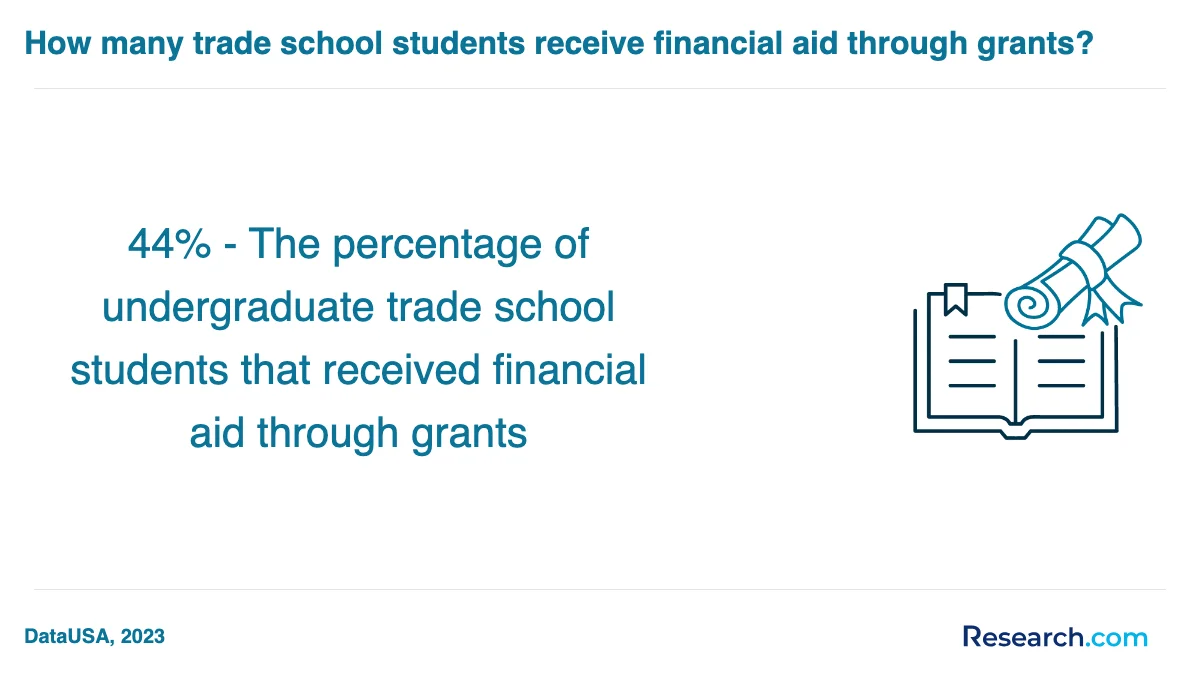
Imagine starting your journey at a bustling trade school in New York, like those in the SUNY or CUNY systems, with the excitement of knowing solid financial aid options can ease your path. Many graduates recall feeling relieved when they discovered the Federal Student Aid program-offering grants like the Pell Grant and FSEOG, plus federal loans and Federal Work-Study jobs that let them earn while learning. These can turn the challenge of tuition into a manageable step.
New York's own Tuition Assistance Program (TAP) shines as a crucial resource, especially for part-time students juggling work or family. Graduates often tell how even taking 3 credit hours per semester made them eligible for TAP, a real game-changer in affording those sought-after workforce credentials.
And don't overlook state gems like the Excelsior Scholarship or the Enhanced Tuition Award, letting students from middle-income families attend SUNY, CUNY, or participating private colleges tuition-free or with up to $6,000 off. Many trade school alumni remember the boost these programs gave to their budgets, helping them focus on mastering hands-on skills rather than stressing over bills.
Ready to embark on your trade school adventure in New York? The key prerequisites might be simpler than you imagine, igniting your excitement to dive into hands-on learning. Most schools ask for an age of at least 17 years, though some adventurous spirits as young as 16 1/2 can enroll with parental consent-giving early starters a chance to jump in sooner.
Getting your foot in the door usually means having a high school diploma or a GED. Graduates from New York City College of Technology often recall submitting their diplomas or GED certificates, a smooth step that set them on their career paths.
If English isn't your first language, no worries! Institutions like NYU School of Professional Studies may ask for scores on standardized tests like TOEFL 100 or IELTS 7.0, unless you've studied in an English-language school.
If you're missing a diploma, some schools welcome you as non-matriculated students. Imagine earning 24 credits first, then applying for a high school equivalency diploma-just like many determined New Yorkers have done.
Many thrive by transferring credits or earning advanced standing after proving their skills elsewhere. Plus, some schools require placement exams in English or math to match you with the perfect courses-ensuring you're set for success from day one.
- Minimum age usually 17, with exceptions at 16 1/2 with consent
- High school diploma or GED often required
- English proficiency proof may be needed (TOEFL/IELTS)
- Non-matriculated enrollment possible without a diploma, needing 24 credits
- Credit transfers and advanced standing opportunities
- Placement exams in English or math for appropriate course placement

Trade school programs in New York dive right into hands-on learning with courses designed to launch you into skilled careers fast. Imagine stepping into Albany's Capital Region BOCES, where graduates rave about mastering electrical wiring and drywall installation through fast-paced, practical workshops. Or picture yourself at Monroe University's Industry Trade Academy, getting your hands dirty in plumbing, HVAC, or heavy equipment repair-all in just a few intense months.
Students frequently choose courses like:
- Carpentry and electrical trades that turn beginners into confident pros
- HVAC and refrigeration for those excited by climate control tech
- Cosmetology and esthiology programs focused on hair styling, nail care, and running a salon
- Health sciences paths prepping future medical assistants and sterile processing technicians
- Safety certifications, including OSHA construction safety and flagger training
These programs often include career guidance to help you navigate apprenticeships and certification pathways, making the journey feel achievable and rewarding. Graduates share how this focused, skill-driven approach makes entering the workforce smoother and more exciting than traditional routes.
Trade school programs in New York offer an exciting variety of specializations, tailored to fit the pulse of the state's booming industries. Imagine diving straight into hands-on training at renowned institutions like Capital Region BOCES or Apex Technical School, where graduates often share stories of mastering skills in fields like construction and building trades-carpentry, HVAC/R, electrical work, and plumbing-that open doors to essential urban and suburban jobs.
Many enjoy exploring paths in Health Science, gaining practical experience in programs like Sterile Processing Technician or New Visions: Health Careers, directly linking them to fast-growing healthcare roles. Tech-savvy students often pursue Information Technology and Network Administration, preparing for careers in cybersecurity or systems management, reflecting New York's expanding digital landscape.
Other adventurous learners find their niche in Cosmetology, Criminal Justice, Entertainment Technology, or Hospitality, thriving in industries that pulse with creativity and community.
- Building trades and HVAC programs often lead to rewarding careers with union apprenticeships.
- Health Careers provide solid foundations for medical and support roles.
- Technology courses equip students for the future with skills in network systems.
- Creative fields like cosmetology cultivate both artistic flair and business savvy.
Those curious about specific certifications might explore top online hvac training programs that complement traditional classroom experiences, perfectly blending flexibility with expertise.
When figuring out how to choose a trade school in New York, start by checking each school's accreditation-a graduate from Technical Career Institutes shared how knowing their program was Middle States accredited eased the path to licensing and financial aid. Imagine diving into a program that fits your passion perfectly, like those hands-on HVAC courses at Apex Technical School, where students feel energized by learning skills that local employers actually want. This connection to real-world jobs can make all the difference.
Thinking about factors to consider when selecting a New York trade school? Look for robust career services-graduates from Hunter Business School often praise the resume workshops and job placement support that helped them land positions quickly. And don't forget cost and location; SUNY Erie Community College attracts many for its affordable tuition and easy access. Exploring programs that offer certifications and safety training tied to trades that pay well ensures your education turns into a rewarding career.
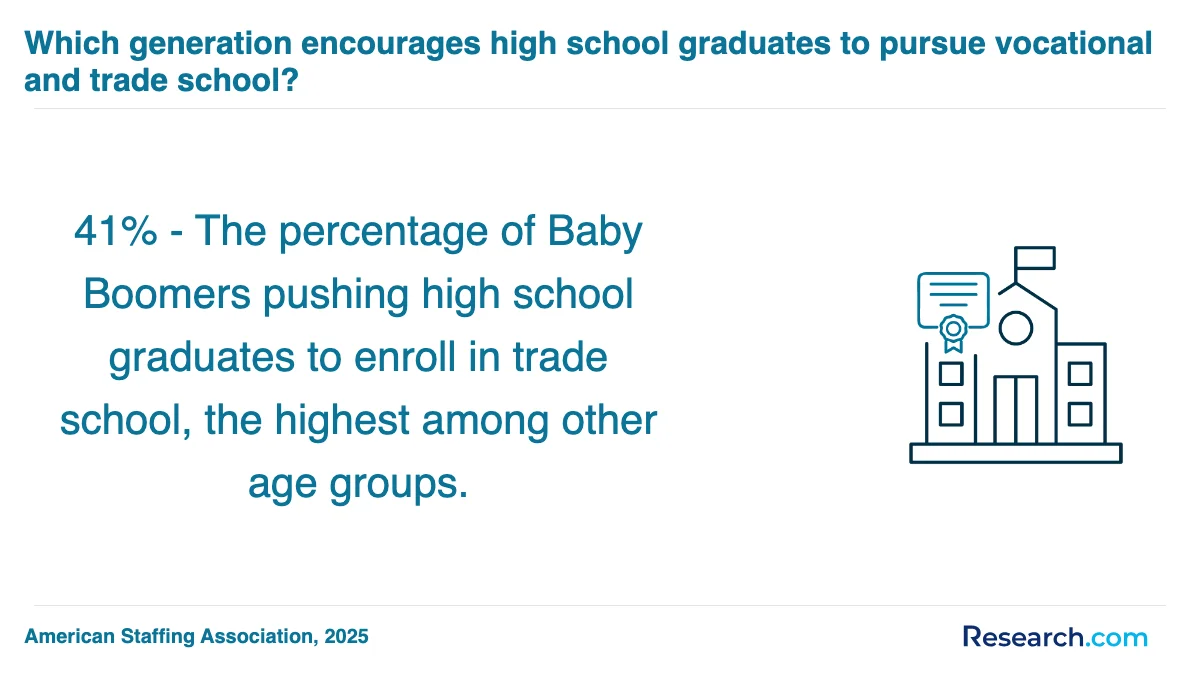
Trade school jobs in New York open the door to hands-on, rewarding careers that many graduates find exciting and stable. Whether you're drawn to the construction sector or healthcare, New York trade schools offer programs that match local industry demands. Graduates often land roles as electricians, carpenters, HVAC technicians, plumbers, or even operating engineers, with schools like Capital Region BOCES providing specialized training in building trades and heavy equipment repair.
Healthcare is another vibrant avenue, with programs in medical assisting, practical nursing, and sterile processing flourishing across the state. Many students feel a strong sense of purpose entering healthcare careers, knowing their skills meet real community needs.
Vocational career opportunities New York also include the automotive and transportation fields. Graduates from institutions like the New York Automotive and Diesel Institute often start careers as automotive technicians or diesel mechanics, offering a blend of technical expertise and steady demand.
Some graduates enjoy exploring varied options such as criminal justice, entertainment technology, or business support services, frequently supported by local trade schools' focused certifications. Many share how apprenticeships further boost their confidence and career growth.
For those passionate about hands-on skills, discovering the most affordable hvac certification online can be a game-changer, opening additional doors in New York's expanding infrastructure sector.
Trade school graduates in New York find a thriving job market waiting for them, especially in sectors like healthcare, construction, and skilled trades. Popular trade schools around New York City report that graduates quickly land roles such as licensed practical nurses, HVAC technicians, and commercial drivers, illustrating the strong trade school job opportunities in New York. Many of these jobs come with hands-on experience gained through programs that reflect what employers actively seek.
Graduates often share excitement about joining growing industries with real-world impact, such as:
- Healthcare roles adding over 97,000 jobs statewide in 2025
- Construction and infrastructure jobs expanding due to ongoing development
- The trade, transportation, and utilities sector gaining 2,700 new positions in NYC
In terms of New York trade school graduate earning potential, many find that specialized technical skills open doors to competitive salaries. Students exploring careers can also consider programs like the cheap electrical lineworker programs online, which prepare them for high-demand, well-paying positions.
Best Trade School & Training Programs - Leading Certification Courses in New York for 2026
# 1 position
Hudson Valley Community College - Electrocardiograph Technology/Technician.
certificate or diplomaHudson Valley Community College offers a fully online Electrocardiograph Technology/Technician program that trains students to perform EKG and ECG diagnostic tests under medical supervision. The curriculum covers anatomy, cardiovascular systems, medical terminology, patient care, equipment handling, and cardiac rhythm interpretation. The program is accredited by the Middle States Commission on Higher Education. Annual in-state tuition is $6,694, and median earnings one year after completion reach $69,242.
# 2 position
Hudson Valley Community College - Diagnostic Medical Sonography/Sonographer and Ultrasound Technician.
certificate or diplomaHudson Valley Community College offers a fully online Diagnostic Medical Sonography/Sonographer and Ultrasound Technician program. This program trains students to use medical ultrasound techniques for diagnosing various conditions, including instruction in patient care, data recording, and sonography equipment operation. The annual in-state tuition is $6,694. Graduates earn a median salary of $69,242 one year after completion. The program is accredited by the Middle States Commission on Higher Education.
# 3 position
Hudson Valley Community College - Dental Assisting/Assistant.
certificate or diplomaHudson Valley Community College offers a fully online Dental Assisting/Assistant program preparing students to provide patient care, take dental radiographs, and assist dentists and hygienists. The curriculum covers medical record-keeping, office duties, equipment maintenance, radiography, and chairside assisting with supervised practice. The program is accredited by the Middle States Commission on Higher Education. Annual in-state tuition is $6,694.
# 4 position
Erie Community College - Dental Assisting/Assistant.
certificate or diplomaErie Community College offers a hybrid Dental Assisting/Assistant program preparing students for patient care, dental radiographs, and office administrative duties under professional supervision. Instruction includes medical record-keeping, equipment maintenance, sterilization, radiography, chairside assisting, patient care, and supervised practice. The program is accredited by the Middle States Commission on Higher Education. Annual in-state tuition is $6,100, and median earnings one year after completion are $30,938.
# 5 position
Hudson Valley Community College - Heating, Air Conditioning, Ventilation and Refrigeration Maintenance Technology/Technician.
associateHudson Valley Community College offers a hybrid program in Heating, Air Conditioning, Ventilation and Refrigeration Maintenance Technology/Technician. The curriculum trains students to repair, install, service, and maintain HVAC and refrigeration systems, emphasizing diagnostic techniques, testing equipment, and mechanical, electrical, and electronic principles. Annual in-state tuition is $6,694. Graduates earn a median salary of $47,134 one year after completion. The program is accredited by the Middle States Commission on Higher Education.
# 6 position
Hudson Valley Community College - Heating, Air Conditioning, Ventilation and Refrigeration Maintenance Technology/Technician.
certificate or diplomaHudson Valley Community College offers a hybrid Heating, Air Conditioning, Ventilation and Refrigeration Maintenance Technology/Technician program. It prepares students to repair, install, service, and maintain HVAC and refrigeration systems using diagnostic techniques and testing equipment. The program includes training in mechanics, electricity, and electronics principles. Annual in-state tuition is $6,694. Graduates have median earnings of $47,134 one year after completion. The program is accredited by the Middle States Commission on Higher Education.
# 7 position
Columbia-Greene Community College - Information Technology.
associateColumbia-Greene Community College offers a hybrid Information Technology program focused on designing technological information systems for business and research. The curriculum covers computer hardware and software, algorithms, databases, telecommunications, application testing, and user interface design. The program is accredited by the Middle States Commission on Higher Education. Annual in-state tuition is $5,904, providing students with accessible education options that include some distance learning opportunities.
# 8 position
Columbia-Greene Community College - Computer Science.
associateColumbia-Greene Community College offers a Computer Science program delivered in a hybrid format, combining in-person and distance-education options. The curriculum covers computer theory, programming, and the design of computer systems and user interfaces with a scientific approach. The program is accredited by the Middle States Commission on Higher Education. Annual in-state tuition is $5,904. This program emphasizes computational science principles and practical applications in various end-use scenarios.
# 9 position
Columbia-Greene Community College - Automobile/Automotive Mechanics Technology/Technician.
associateColumbia-Greene Community College offers a hybrid program in Automobile/Automotive Mechanics Technology/Technician. This program prepares students to repair, service, and maintain various automobile systems, including brakes, electrical, engine, suspension, transmissions, and HVAC. The annual in-state tuition is $5,904. Graduates earn a median salary of $46,236 one year after completion. The program is accredited by the Middle States Commission on Higher Education.
# 10 position
Columbia-Greene Community College - Business Administration and Management, General.
associateColumbia-Greene Community College offers a program in Business Administration and Management, General, designed to prepare students for planning, organizing, directing, and controlling business functions. The curriculum includes management theory, human resources, accounting, purchasing, logistics, marketing, and business decision-making. The program's annual in-state tuition is $5,904. It is accredited by the Middle States Commission on Higher Education.
Frequently Asked Questions about trade school programs
After completing a trade school in New York, preparing for the job market involves several strategic steps. First, graduates should obtain any required state licenses or certifications relevant to their trade, as many occupations, such as electricians and HVAC technicians, mandate this for employment.
Networking is crucial; connecting with local unions, employers, and alumni can open job opportunities. According to the New York State Department of Labor, the employment rate for trade school graduates in skilled trades is above 85%, highlighting strong demand.
Job seekers should also create a professional resume that highlights hands-on experience gained during training. Additionally, utilizing resources such as New York's career centers and apprenticeship programs can provide valuable placement assistance and on-the-job training opportunities.
Employers in New York consistently seek trade school graduates with a blend of technical proficiency and soft skills. According to the New York State Department of Labor, mechanical aptitude, electrical knowledge, and computer literacy stand out across industries such as construction, manufacturing, and healthcare. Additionally, strong communication and problem-solving abilities are highly valued, as they enhance team collaboration and adaptiveness on job sites.
Data from the National Skills Coalition indicates that 78% of New York employers prioritize critical thinking skills in entry-level trade roles. Time management and reliability also rank as essential, given the fast-paced and deadline-driven nature of many trade professions. Developing these skills can significantly improve job prospects for trade school graduates in the state.
Finding internships in New York relevant to your trade school program involves several strategic steps. Start by leveraging your school's career services, as many trade schools in New York maintain partnerships with local employers who offer paid internships aligned with your training.
Online platforms like Handshake and Internships.com list numerous opportunities specific to New York's industries including construction, healthcare, and culinary arts. According to the New York State Department of Labor, over 50% of apprenticeships and internships are concentrated in New York City and Long Island, highlighting the importance of geographic focus.
Networking remains crucial; attend local job fairs, workshops, and industry meetups hosted by organizations such as the Workforce1 Career Center. These resources often provide direct connections to businesses actively seeking trade interns.
Lastly, consider contacting trade unions and professional associations in your field-for example, the Building Trades Council or the Culinary Institute of America's alumni network-to access targeted internship openings not widely advertised.
A trade school diploma in New York can significantly impact career mobility and advancement. According to the New York State Department of Labor, many skilled trades such as electricians, plumbers, and HVAC technicians face labor shortages, creating strong demand for qualified workers.
Graduates with trade credentials typically enter the workforce faster than those with traditional degrees, often securing jobs with starting salaries above the state median. The U.S. Bureau of Labor Statistics reports that trade-related jobs in New York have an average wage growth rate of 7% annually, outpacing some sectors.
The practical skills learned at trade schools are highly valued by employers, enabling graduates to advance to supervisory roles more quickly. Moreover, NYC's emphasis on infrastructure projects increases opportunities for career progression in construction-related fields.
Part-time job opportunities in New York that complement trade school education are varied and beneficial for skill development. Many students find roles in construction, HVAC services, and electrical work align directly with their training. According to the New York State Department of Labor, part-time positions in these sectors often offer flexible hours suited for students.
Retail and customer service jobs in hardware stores or auto parts shops also support practical learning, allowing students to familiarize themselves with tools and materials. Additionally, internships and apprenticeships provide hands-on experience and can lead to permanent employment.
Transportation and delivery services remain popular for trade students due to flexible scheduling and New York's dense urban environment.
Yes, there are several highly regarded degree programs available near New York. Numerous universities and institutions near me offer top-ranked programs in a wide range of fields, and Research.com can be a helpful resource to explore more specific options. By searching for renowned programs near New York, students can discover opportunities in various disciplines, such as business, engineering, and the arts.
- Best Trade School & Training Programs - Leading Certification Courses in Pennsylvania for 2026
- Best Trade School & Training Programs - Leading Certification Courses in Connecticut for 2026
- Best Trade School & Training Programs - Leading Certification Courses in Massachusetts for 2026
- Best Trade School & Training Programs - Leading Certification Courses in Vermont for 2026
- Best Trade School & Training Programs - Leading Certification Courses in Rhode Island for 2026
- Best Trade School & Training Programs - Leading Certification Courses in Delaware for 2026
- Best Trade School & Training Programs - Leading Certification Courses in Maryland for 2026
- Best Trade School & Training Programs - Leading Certification Courses in New Hampshire for 2026
- Best Trade School & Training Programs - Leading Certification Courses in Maine for 2026
- Best Trade School & Training Programs - Leading Certification Courses in West Virginia for 2026
- Learn A Trade - SUNY https://www.suny.edu/trades/
- Trade School: What Is It & What to Expect https://erieit.edu/what-to-expect-when-attending-trade-school/
- NYC Trade School Programs | Apex Technical School https://apexschool.com/programs/
- The Many Benefits of Mastering a Trade | Eastwick College NJ https://eastwick.edu/news/benefits-of-mastering-a-trade/
- Trade and Technical | New York State Education Department https://www.nysed.gov/career-technical-education/trade-and-technical
- Trade Schools, What Are The Benefits - InterCoast Colleges https://intercoast.edu/articles/benefits-of-trade-schools/
- Trade Schools Overview | ACT https://www.act.org/content/act/en/students-and-parents/career-planning/career-planning-resources/trade-schools.html
- Your Short Guide To Opening Your Vocational School In NYC https://bppe.consulting/blog/your-short-guide-to-opening-your-vocational-school-in-nyc
- Trade School Requirements: A Complete Guide | BestColleges https://www.bestcolleges.com/trades/trade-school-application-guide/
- Vocational programs and alternative pathways - Institute for Collaborative Education http://www.iceschoolnyc.org/vocational-programs-and-alternative-pathways


