
Best Trade School & Training Programs - Leading Certification Courses in Kansas for 2026

Co-Founder and Chief Data Scientist
Choosing the right trade school in Kansas can shape your future career and open doors to rewarding opportunities. This article introduces a carefully crafted trade school programs ranking created by the Research.com team of data scientists. It’s designed to help you make an informed choice by spotlighting the best programs available in 2026.
Whether you’re seeking a diploma or certification, these programs offer practical skills that employers value. Exploring your options here can bring confidence and clarity as you take steps toward a fulfilling career.
Key benefits of finishing trade school programs trade school in Kansas
- Trade school graduates in Kansas can earn strong salaries, with average annual pay around $59,887 and top earners making up to $89,184. Skills in trades like electrical work, plumbing, and HVAC often lead to higher wages, offering great financial opportunities.
- Popular career paths for trade school grads include electricians, plumbers, HVAC technicians, and welders-jobs that are always needed and provide steady work throughout Kansas, making these careers reliable choices for a rewarding future.
- Getting a trade school diploma online offers flexibility and faster completion, helping students balance life and work while saving money compared to traditional on-campus programs, as seen in many successful graduates from Kansas's well-known online trade schools.
- Best Trade School & Training Programs - Leading Certification Courses in Kansas for 2026
- What can I expect from trade school programs trade schools in Kansas?
- Where can I work after finishing trade school programs trade schools in Kansas?
What can I expect from trade school programs trade schools in Kansas?
The average cost of a trade school program in Kansas varies but remains cost-effective compared to traditional four-year colleges. Graduates from well-known technical colleges in the state often share how affordable tuition allowed them to focus fully on their training without heavy financial stress. Many programs range between six months and two years, with tuition typically lower than many expect, especially since Kansas offers options where high school students can take technical courses tuition-free.
Students appreciate the practical investment, noting that small class sizes and experienced instructors helped them gain job-ready skills quickly. Flexible scheduling, including evening and online classes, makes balancing work and study easier. One graduate from a popular Kansas trade school recalled earning certifications within a year and landing a job in healthcare thanks to accelerated programs aligned directly with employer needs.
While exact tuition depends on the school and credential, workforce initiatives and scholarships often reduce costs further, making these programs accessible to a broad range of students eager to start their careers strong and confident.
Where can I work after finishing trade school programs trade schools in Kansas?
After finishing a trade school program in Kansas, you can step directly into growing fields like construction, welding, electrical work, HVAC, commercial trucking, and diesel technology. Graduates often find jobs with local contractors, manufacturing plants, or service companies eager for skilled workers holding industry-recognized credentials. For example, HVAC program grads commonly work as technicians for property management or facilities teams in Kansas City, gaining hands-on experience that boosts their confidence and career stability.
Welding graduates frequently join fabrication shops or construction firms, contributing to projects like bridges and pipelines across the state. Construction trade grads take roles in residential or commercial building, benefiting from Kansas's expanding infrastructure projects. Schools like PCI prepare students for specialized careers such as wind turbine technicians, reflecting Kansas's shift toward renewable energy jobs.
Many trade schools also offer career placement support, helping graduates connect with employers actively hiring maintenance technicians, auto body technicians, or commercial drivers. This strong local demand makes transitioning from training to work smoother and rewarding.
After finishing a trade school program in Kansas, graduates typically start with salaries around $24,080 per year, while many quickly move into the $45,000 to $72,700 range as they gain experience. For example, graduates from well-known Kansas trade schools often share how their electrician or HVAC training led to steady jobs paying between $50,000 and $70,000 annually, which covers living expenses comfortably and opens doors to further specialization.
Those working in Kansas City may see slightly higher earnings, averaging about $64,651 per year, thanks to increased local demand. Skilled welders and dental hygienists from these programs often describe the satisfaction of reliable, hands-on work paired with a solid paycheck, typically between $50,000 and $76,000 annually. While some veterans advance into specialized roles like nuclear power reactor operators earning over $121,000, most graduates appreciate the immediate financial independence their trade school skills provide.
Although the job market can be challenging at entry level, many graduates emphasize the long-term job security and fulfillment found in trades that resist automation, making trade school in Kansas a practical, rewarding choice.
- Most trade schools in Kansas require a high school diploma or GED, and some may ask for official transcripts and placement exams.
- Tuition costs range from about $4,000 to $8,500 per year, varying by institution and program type.
- The Promise Act Scholarship covers tuition and fees for students in high-demand programs who commit to living and working in Kansas for two years after graduating.
- Entry-level salaries for trade school graduates usually vary between $35,000 and $50,000 per year, with higher wages in healthcare and wind energy fields.
- A minimum GPA of 2.5 can qualify students for certain scholarships and financial aid opportunities.
Completing a trade school program in Kansas typically takes between 6 and 24 months for certificates and diplomas, which allows many students to start their careers quickly. Graduates from popular programs in Kansas often share how programs in fields like medical assisting or welding helped them gain practical skills within a year, making the learning process feel achievable and rewarding.
For those pursuing more advanced credentials, such as dental hygiene, expect a time frame of 2 to 3 years. Graduates highlight how the hands-on training combined with classroom instruction at Kansas technical schools prepares them thoroughly for state licensure exams, offering a sense of confidence stepping into the workforce.
Apprenticeship-based programs in trades like electrical work and plumbing are more of a marathon, lasting about four years. These apprentices spend significant hours on the job and in class, blending paid training with real skills. Many describe this commitment as a valuable investment that opens doors to steady, well-paying jobs while earning a paycheck.
Online trade school programs in Kansas deliver instruction through digital platforms, letting students complete coursework on their own schedule. Graduates often appreciate the flexibility, especially when balancing jobs or family, as they can participate in classes without commuting. For example, someone training for healthcare certification might finish assignments late at night after work, finding this format empowering and convenient.
In contrast, on-campus programs require attending classes and labs in person at Kansas campuses, offering a more structured routine. Graduates from auto repair or welding programs frequently mention how hands-on experience and real-time feedback from instructors helped them gain practical skills quickly. The direct interaction and networking available on campus also build confidence and professional connections.
Some students benefit from hybrid models, combining online theory with mandatory in-person labs to get both flexibility and essential hands-on training. Choosing between formats depends on personal learning style and the type of trade skill being pursued in Kansas.
The average trade school cost in Kansas typically runs around $16,476 for tuition and fees, based on recent statewide data that reflects the largest programs offered at trade schools. Graduates from popular institutions cheer the balanced pricing, finding it a manageable investment toward their futures. Many note that the Kansas trade school tuition and fees at highly sought-after schools are closer to $18,345, slightly higher but justified by access to specialized programs and valuable hands-on experience.
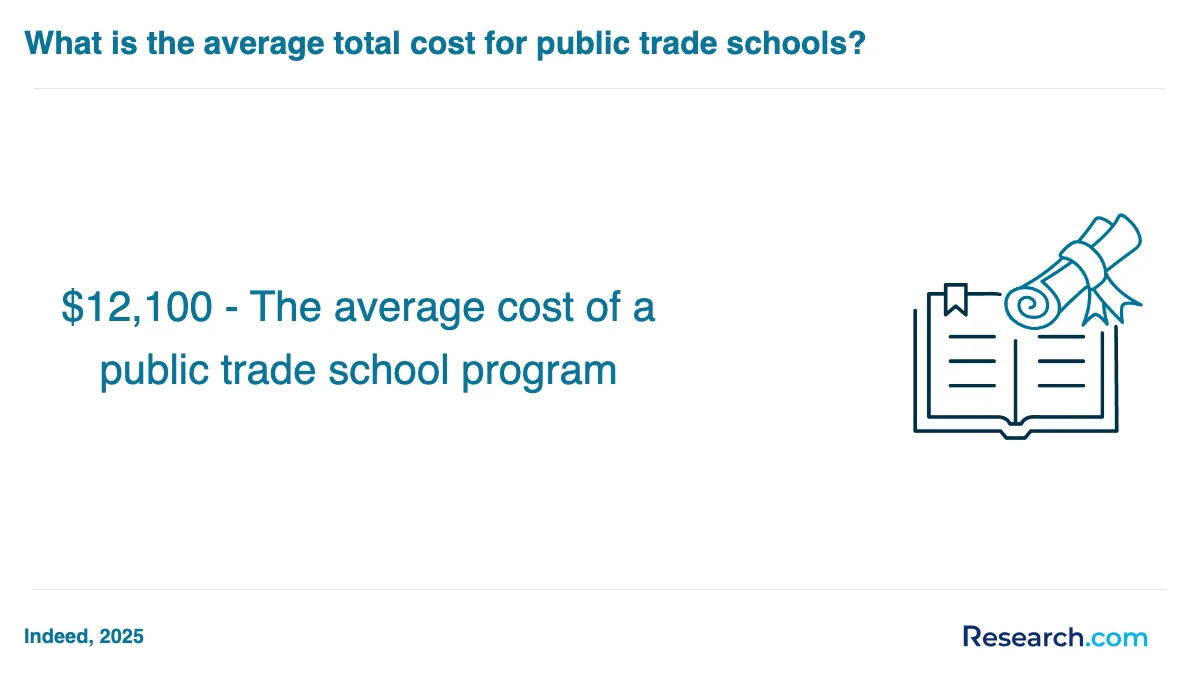
When considering different schools, keep in mind that public trade schools in Kansas generally charge between $8,000 and $13,000 for comprehensive programs, while private options can range from $16,000 up to $32,000. One graduate shared how choosing a public school helped keep costs low without sacrificing quality of instruction, while another proudly attributed their success to a private school's extensive resources despite a higher price tag.
Beyond tuition, students should budget for supplies, with book expenses typically between $500 and $1,000 and program-specific tools or equipment sometimes adding $500 to $5,000. For many, managing these extra costs remains possible through scholarships and financial aid. Graduates often recommend researching options like the most affordable online trade schools programs for electricians, which highlight cost-effective paths in Kansas and beyond.
Trade school students in Kansas often rely on a combination of financial aid options to make their education affordable. Completing the FAFSA is the first step, unlocking federal grants like Pell Grants and Federal Work-Study, which many Wichita Area Technical College students have used to manage tuition without incurring heavy debt.
State aid also plays a crucial role. The Kansas Promise Scholarship can cover remaining tuition costs after other aid, which has helped graduates from Johnson County Community College pursue high-demand trades without financial stress. This award requires students to live and work in Kansas for two years afterward, supporting local economies.
Additionally, the Kansas Board of Regents Career Technical Workforce Grant offers up to $1,000 for qualifying programs, benefiting many students at Washburn Institute of Technology. Private scholarships such as those from the Horatio Alger Association and PHCC provide thousands annually, easing the burden for those in technical fields like plumbing and HVAC.
Work-study programs at schools like Manhattan Area Technical College also enable students with financial need to earn while learning, creating a supportive environment where graduates can feel confident and motivated about their futures.
To enroll in a trade school program in Kansas, most applicants need a high school diploma or a GED. This basic requirement ensures students have a solid foundation before diving into specialized training. For example, graduates from Johnson County Community College often recall how meeting these requirements made starting their technical courses smooth and straightforward.
Students without a diploma can still apply if they are 18 or older, as many schools assess if they can benefit from the program based on maturity and readiness. This flexibility is great for adults returning to education after working for several years.
High schoolers in grades 10-12 may qualify for dual-credit programs through concurrent enrollment policies, letting them earn college credit while finishing high school. Ninth graders identified as gifted can also participate by submitting an Individual Educational Plan (IEP). Graduates emphasize how this option accelerated their path toward certification.
Additional prerequisites may include:
- Placement tests in math or English
- Background checks for certain programs
- Physical health evaluations depending on the trade
Scholarships like the Kansas Promise Act require applicants to be U.S. citizens or Kansas residents, adding financial ease for local students pursuing valuable career opportunities.
Trade school programs in Kansas offer practical courses designed to prepare students for real jobs right after graduation. At WSU Tech, graduates often mention how hands-on training in programs like Aerospace Manufacturing Technology and Aviation Maintenance Technology helped them confidently step into aerospace and aviation careers. Healthcare courses such as Certified Nursing Assistant (CNA) and Surgical Technology give future healthcare workers direct experience that employers value.
Over at Johnson County Community College (JCCC), students praise focused courses in fields like Automotive Technology and HVAC, which include specialized certificates in Metal Fabrication/Welding Technology and Plumbing Technology. These certifications open doors to steady, rewarding jobs.
Fort Hays Tech North Central's blend of classroom and workshop time in Construction Technology and Commercial Driver License (CDL) training has a 95% job placement rate, reflecting how well their courses fit workforce needs.
Online options from Pinnacle Career Institute allow flexibility while teaching in-demand skills for careers like Wind Turbine Technician and Tower Technician, developed hand-in-hand with industry experts.
Trade school programs in Kansas cover a broad range of specializations tailored to meet local job market needs. Graduates from schools like WSU Tech and Johnson County Community College often praise hands-on programs in automotive technology, electrical technology, and plumbing for their direct pathways to employment. In the aviation sector, students benefit from focused training in Aviation Maintenance Technology and Avionics, reflecting Kansas's strong aerospace industry presence.
Healthcare fields such as Certified Nursing Assistant (CNA), Medical Assisting, and Surgical Technology also attract many, offering certificates and AAS degrees that prepare students quickly for rewarding roles. Industrial trades including welding, HVAC, and construction are favored for their steady demand and practical skill-building. Emerging areas like cloud and crypto computing are gaining traction, complementing established courses in cosmetology and culinary arts.
Many graduates share how short-term certificates or associate degrees let them start careers with confidence. Some even explore valuable 6 month certificate programs that pay well online to boost their earning potential further.
When selecting a trade school program in Kansas, start by checking the accreditation status to ensure the institution meets recognized standards. Graduates from schools like Neosho County Community College often share their confidence in the value of their certifications, which employers readily accept. Matching program offerings with your career goals is essential; for instance, those interested in healthcare or welding in Kansas City Kansas Community College find practical training and strong internship connections that boost job readiness.
Student outcomes also clarify the school's effectiveness. Many graduates from Cowley College highlight high job placement rates and positive employer relationships, making them feel optimistic about their futures. Considering costs, public colleges in Kansas usually provide affordable tuition and access to financial aid, helping students manage expenses without stress.
Support services like tutoring and career counseling greatly improve student success and satisfaction. Exploring reviews and even affordable online appliance repair courses can give practical insight into which programs truly support their students, making it easier to compare trade schools in Kansas.

Kansas trade schools open doors to a variety of skilled trades jobs Kansas graduates appreciate for their strong local demand and career stability. Graduates from popular programs in the state find success in fields like construction, automotive technology, and welding. For example, those trained at prominent community colleges gain hands-on experience that translates directly to roles as electricians, plumbers, or commercial construction workers, meeting a significant workforce need fueled by ongoing infrastructure projects.
Many students also pursue trade school career opportunities in Kansas within automotive and diesel technology, working on vehicles, heavy machinery, and agricultural equipment essential to the region. Welding programs attract individuals eager to fill the state's need for skilled fabricators who help build everything from bridges to industrial machinery.
Additional promising paths include HVAC, commercial truck driving, and digital media. Graduates often share how state initiatives such as Accelerating Opportunity: Kansas provide a fast track to industry credentials, helping them quickly launch rewarding careers. For anyone considering these options, understand the value of vocational training in shaping a dependable future.
The job market for trade school graduates in Kansas is robust, with low unemployment at 3.5% as of May 2025. Graduates from well-known Kansas trade schools find opportunity in fields like construction, welding, electrical work, HVAC, and commercial truck driving. Many report quickly securing positions due to strong local demand fueled by expanding infrastructure projects and a nationwide shortage of skilled welders.
Employment opportunities for technical school graduates Kansas wide often include:
- Construction workers supporting residential and commercial projects
- Skilled welders filling fabricator and manufacturing roles
- Electricians and HVAC technicians in high-growth sectors
- Commercial drivers meeting increasing transportation needs
Success stories from graduates show that 96% are employed or pursuing further education soon after finishing their programs, with 57% finding jobs within Kansas. These positive outcomes make a trade school education a practical choice.
For those weighing options, examining trade school vs college pros and cons can clarify why vocational training fits well with local job demand and career growth in Kansas.
Best Trade School & Training Programs - Leading Certification Courses in Kansas for 2026
# 1 position
Flint Hills Technical College - Dental Assisting/Assistant.
associateFlint Hills Technical College offers a hybrid Dental Assisting/Assistant program designed to prepare students for patient care, dental radiographs, and office administrative tasks under professional supervision. The curriculum covers medical record-keeping, equipment maintenance, sterilization, chairside assisting, and supervised practice. Annual in-state tuition is $6,196. Graduates earn a median salary of $55,147 one year after completion. The program is accredited by the Higher Learning Commission.
# 2 position
Flint Hills Technical College - Dental Assisting/Assistant.
certificate or diplomaFlint Hills Technical College offers a hybrid Dental Assisting/Assistant program designed to prepare students for patient care, dental radiographs, and office administrative duties under dentist supervision. The curriculum covers medical record-keeping, scheduling, equipment sterilization, chairside assisting, and supervised practice. Annual in-state tuition is $6,196. The program is accredited by the Higher Learning Commission. Median earnings one year after completion are $55,147.
# 3 position
Salina Area Technical College - Electrician.
associateThe Electrician program at Salina Area Technical College offers a hybrid format with some distance-education options. It trains students to install, operate, maintain, and repair electrical systems including residential, commercial, and industrial wiring, motors, controls, and distribution panels. The curriculum covers electronics principles, wiring, power transmission, safety, electrical testing, and codes. The program’s annual in-state tuition is $7,020 and it is accredited by the Higher Learning Commission.
# 4 position
Salina Area Technical College - Dental Assisting/Assistant.
associateThe Dental Assisting/Assistant program at Salina Area Technical College offers a hybrid format with some distance education options. It prepares students to provide patient care, take dental radiographs, and assist dentists and hygienists with procedures. The curriculum includes medical record-keeping, office duties, equipment maintenance, sterilization, and chairside assisting. The annual in-state tuition is $7,020. The program is accredited by the Higher Learning Commission.
# 5 position
Salina Area Technical College - Electrician.
certificate or diplomaSalina Area Technical College offers a hybrid Electrician program that prepares students to install, operate, maintain, and repair electric systems, including residential, commercial, and industrial wiring. The curriculum covers electronics principles, wiring, power transmission, safety, and electrical inspection. The program is accredited by the Higher Learning Commission. Annual in-state tuition is $7,020, providing technical knowledge essential for work with electrical distribution panels and motors.
# 6 position
Salina Area Technical College - Dental Assisting/Assistant.
certificate or diplomaSalina Area Technical College offers a Hybrid Dental Assisting/Assistant program designed to prepare students for patient care, dental radiography, and office administrative duties under dental professionals' supervision. The curriculum includes medical record-keeping, equipment maintenance, chairside assisting, and patient instruction. The program is accredited by the Higher Learning Commission, with an annual in-state tuition cost of $7,020.
# 7 position
Washburn Institute of Technology - Welding Technology/Welder.
certificate or diplomaThe Welding Technology/Welder program at Washburn Institute of Technology offers a hybrid format with some distance education. It prepares students to apply technical skills in various welding techniques, including arc welding, resistance welding, and brazing. The program covers materials, metallurgy, safety, and structural design. Annual in-state tuition is $9,120. Graduates earn a median income of $39,720 one year after completion. The program is accredited by the Higher Learning Commission.
# 8 position
Washburn Institute of Technology - Electrician.
certificate or diplomaWashburn Institute of Technology offers a hybrid Electrician program designed to equip students with skills to install, maintain, and repair electrical systems in residential, commercial, and industrial settings. The curriculum covers electronics principles, wiring, power transmission, safety, and applicable codes. Annual in-state tuition is $9,120. Graduates have median earnings of $37,254 one year after completion. The program is accredited by the Higher Learning Commission.
# 9 position
Washburn Institute of Technology - Plumbing Technology/Plumber.
certificate or diplomaWashburn Institute of Technology offers a Plumbing Technology/Plumber program that trains students to install and maintain piping systems for various uses, including steam, natural gas, and hot water. The curriculum covers technical skills such as blueprint reading, pipe installation, welding, and plumbing codes. The program's annual in-state tuition is $9,120. It is accredited by the Higher Learning Commission and prepares students for work in residential and commercial environments.
# 10 position
Salina Area Technical College - Criminal Justice/Police Science.
associateSalina Area Technical College offers a Criminal Justice/Police Science program that prepares students for law enforcement duties such as patrol, investigation, traffic and crowd control, and public relations. The curriculum includes witness interviewing, evidence management, crime prevention, weapon operation, and report preparation. The annual in-state tuition is $7,020. The program is accredited by the Higher Learning Commission.
Frequently Asked Questions about trade school programs
After completing trade school in Kansas, preparing for the job market requires strategic steps. Begin by obtaining necessary industry certifications, as many trades require state-specific licensing or credentials. For example, electricians and HVAC technicians often need Kansas state approval to work legally. Connecting with your school's career services is crucial; many trade schools in Kansas have partnerships with local employers, improving job placement rates. According to the Kansas Department of Labor, employment for trade occupations grew 5% from 2019 to 2023, reflecting steady demand. Networking through internships or apprenticeships can provide hands-on experience and increase employability. Keeping your resume updated and practicing interview skills will further enhance job prospects.
Employers in Kansas highly value practical and technical skills among trade school graduates. According to the Kansas Department of Labor, proficiency in areas such as welding, electrical systems, HVAC maintenance, and automotive repair remains in strong demand. Graduates who demonstrate hands-on experience with industry-standard tools often have an advantage in the job market.
Beyond technical abilities, employers also emphasize soft skills. Communication, teamwork, and problem-solving are frequently cited as essential by more than 70% of Kansas employers surveyed by the National Skills Coalition in 2023. Reliability and adaptability are equally important, given the technical nature of many trade positions.
Familiarity with safety protocols and state-specific regulations also enhances a candidate's employability. Kansas trade schools that align curricula with these employer needs tend to produce graduates who quickly secure jobs in various skilled trades.
Finding internships in Kansas that align with your trade school program involves several practical steps. Start by consulting your school's career services office, which often maintains partnerships with local businesses and can connect you with relevant opportunities. According to the Kansas Department of Labor, industries such as manufacturing, healthcare, and construction offer numerous internship positions annually. Networking through local trade associations and attending job fairs in cities like Wichita and Overland Park also increases your chances.
Online job portals specializing in internships-such as Handshake and Indeed-allow filtering opportunities by location and industry. Additionally, community colleges and technical institutes in Kansas may provide internship listings specific to their programs.
Remember that building professional connections and applying early can improve your prospects in the competitive Kansas internship market.
In Kansas, earning a trade school diploma significantly boosts career mobility and advancement opportunities. According to the Kansas Department of Labor, sectors like manufacturing, construction, and healthcare actively seek skilled workers with certified technical training.
Trade school graduates often experience faster entry into the workforce compared to traditional four-year degrees. The average wage for technical diploma holders in Kansas is about 15% higher than for those without postsecondary credentials, based on recent state employment reports.
Employers value practical skills and certifications, which enable graduates to advance into supervisory roles more quickly. This aligns with national trends showing that vocational education supports economic stability and progression for many Kansans.
Part-time job opportunities in Kansas can effectively complement trade school education by providing practical experience and income. Many students find roles in industries such as construction, automotive repair, and healthcare helpful, as these align with common trade programs.
According to the Kansas Department of Labor, demand for part-time workers in sectors like warehousing and maintenance is growing, with average hourly wages between $12 and $18. These jobs offer flexible hours suitable for students.
Additionally, retail technician positions and apprenticeships in electrical or HVAC fields provide hands-on learning. Gaining real-world skills alongside classroom instruction enhances employability upon graduation.
Students should seek employers familiar with trade certifications to maximize the educational benefit of their part-time work.
To find the best degree program near me in Kansas, start by researching local universities and colleges that offer the program of interest, utilizing resources like Research.com to compare their rankings and program reviews. Many institutions near Kansas provide a variety of programs, and visiting these campuses or attending educational fairs can provide further insight into their offerings. Additionally, consider reaching out to alumni or current students for personal experiences and advice on the programs they have attended.
- Best Trade School & Training Programs - Leading Certification Courses in Missouri for 2026
- Best Trade School & Training Programs - Leading Certification Courses in Colorado for 2026
- Best Trade School & Training Programs - Leading Certification Courses in Arkansas for 2026
- Best Trade School & Training Programs - Leading Certification Courses in Texas for 2026
- Best Trade School & Training Programs - Leading Certification Courses in Minnesota for 2026
- Best Trade School & Training Programs - Leading Certification Courses in Illinois for 2026
- Best Trade School & Training Programs - Leading Certification Courses in Louisiana for 2026
- Best Trade School & Training Programs - Leading Certification Courses in Mississippi for 2026
- Best Trade School & Training Programs - Leading Certification Courses in Kentucky for 2026
- Best Trade School & Training Programs - Leading Certification Courses in Indiana for 2026
- » Career Paths https://buildupks.com/career-paths/
- Career Technical Education (CTE) https://www.ksde.gov/Agency/Division-of-Learning-Services/Career-Standards-and-Assessment-Services/CSAS-Home/Career-Technical-Education-CTE
- Career and Technical Education https://www.kckcc.edu/academics/divisions/career-technical-education/index.html
- Programs - KANSASWORKS https://www.kansasworks.com/programs
- Find The Best Trade Schools In Kansas https://www.accreditedschoolsonline.org/vocational-trade-school/kansas/
- Kansas Technical Schools | Technical Programs In Topeka, KS | Washburn Tech https://www.washburntech.edu/career-programs/index.html
- Trade Schools, What Are The Benefits - InterCoast Colleges https://intercoast.edu/articles/benefits-of-trade-schools/
- Trade School Partnership with KCKCC | University of Saint Mary https://stmary.edu/trades.html
- Apprenticeships at HutchCC https://www.hutchcc.edu/apprenticeship


