
Best Trade School & Training Programs - Leading Certification Courses in Hato Rey for 2026

Co-Founder and Chief Data Scientist
Choosing the right trade school in Hato Rey can shape your future career and personal growth. This article introduces a detailed trade school programs ranking developed by the Research.com team of data scientists. Their data-driven approach helps you identify programs that truly stand out.
Reading this guide empowers you to make well-informed decisions about your education path. Earning a trade school diploma or certification opens doors to valuable job opportunities and skill development.
Explore your options confidently and take a positive step towards a rewarding career in 2026.
Key benefits of finishing trade school programs trade school in Hato Rey
- Expected salaries vary by career: Engineering graduates in Hato Rey often start between $60,000 and $74,000, while allied health, HVAC, automotive, and cosmetology fields typically offer starting salaries from $17,000 to $25,000, providing options for different budget needs.
- Popular career paths: Trade school grads in Hato Rey succeed in engineering, allied health, HVAC, automotive technology, and cosmetology, reflecting strong local demand and hands-on training from schools like Universidad Politecnica de Puerto Rico.
- Online trade school benefits: Earning your diploma online offers flexibility, letting you balance work and study comfortably, often accelerating your path to certification while saving time and commuting stress.
- Best Trade School & Training Programs - Leading Certification Courses in Hato Rey for 2026
- What can I expect from trade school programs trade schools in Hato Rey?
- Where can I work after finishing trade school programs trade schools in Hato Rey?
What can I expect from trade school programs trade schools in Hato Rey?
The average cost of attending a trade school program in Hato Rey typically ranges between $7,000 and $14,000 per year. For example, graduates from ICPR Junior College report annual tuition around $7,010, which makes it a more affordable option for hands-on learning in fields like healthcare and IT. Meanwhile, Escuela Hotelera de San Juan's tuition stands closer to $13,960 annually, reflecting its specialized focus on hospitality and culinary arts. Students attending these schools often navigate additional costs for books and supplies, which should be factored into their budgets.
Many graduates appreciate the financial accessibility, especially when only a small percentage require student loans. At Escuela Hotelera, only about 3% of students rely on loans, averaging $4,117 yearly, which helps ease debt concerns. This affordability combined with small class sizes enhances personalized training, fostering confidence and practical skills. Graduates often reflect positively on the direct connections between cost, quality instruction, and the quick transition into local industries, making trade schools in Hato Rey a compelling option for career-focused education.
Where can I work after finishing trade school programs trade schools in Hato Rey?
After finishing a trade school program in Hato Rey, graduates typically access a wide range of employment opportunities tied directly to their skills. Many find rewarding roles in health professions such as medical technicians, nursing assistants, or pharmacy technicians, working in local hospitals and clinics. For instance, graduates trained in massage therapy often thrive in wellness centers around Hato Rey, enjoying fulfilling careers that enhance community health.
Others from technical trade programs often secure positions in maintenance, quality control, or custodial services. A remarkable example comes from reports showing over 230 school maintenance job openings in Puerto Rico, including roles like maintenance person and housekeeper, which are well suited for graduates eager to contribute to educational environments.
Business and administrative program graduates find roles in office administration, admissions, and financial services, often employed by local colleges and private firms. Positions such as registrar or financial aid officer offer steady income and career growth prospects. Students specializing in funeral services or esthetics benefit from jobs in funeral homes, beauty salons, and dermatology clinics, reflecting the diversity of the Hato Rey job market.
After finishing a trade school program in Hato Rey, your earnings largely depend on the field you choose. Graduates from schools like the Escuela Hotelera de San Juan often find entry-level jobs in hospitality earning between $18,000 and $25,000 annually. Those moving into supervisory or chef roles can expect salaries ranging from $25,000 to $35,000, reflecting gained experience and skills.
For graduates from retail management programs, starting salaries usually fall between $20,000 and $30,000 per year. This path offers steady growth potential as you gain more responsibility. Technical trade students specializing in electrical or mechanical repair typically start around $22,000 to $28,000. Experienced technicians in Hato Rey often surpass $35,000 annually, showing how practical skills pay off locally.
While these figures highlight local salaries, many graduates consider mainland U.S. opportunities, where the median annual wage for trade occupations is around $48,320. Still, completing a trade program in Hato Rey equips you with hands-on training and a competitive salary that meets local market demand, preparing you for success either at home or beyond.
- Most trade schools in Hato Rey have open admissions, with ICPR Junior College reporting a 100% acceptance rate.
- Annual tuition ranges from about $7,010 at ICPR Junior College to approximately $13,960 at Escuela Hotelera de San Juan.
- Dewey University-Hato Rey offers financial aid averaging $8,803, while only 3% of students at Escuela Hotelera take loans, averaging $4,117 per year.
- Graduation rates vary, with Dewey University-Hato Rey reporting a 52% graduation rate.
- Starting salaries for trade school graduates in the area typically range from $20,000 to $30,000 annually, with higher salaries in technical and healthcare fields.
Trade school programs in Hato Rey typically range from 6 months to 2 years for completion, depending on the credential and study pace. Graduates from ICPR Junior College - Hato Rey Campus often share positive experiences completing associate degrees in about two years of full-time study, reflecting a standard timeline for vocational education in the area.
Many certificate programs at local trade schools can be finished in under a year, some as quickly as 6 to 12 months. Graduates from these shorter programs-common in fields like medical assisting or culinary arts-express satisfaction in entering the workforce swiftly, benefiting from focused, hands-on training that's well-suited for fast career starts.
Escuela Hotelera de San Juan alumni highlight that program lengths vary by specialization, yet most certificates or diplomas offered stay within a two-year window. This allows students to tailor their commitment while gaining career-ready skills efficiently.
Factors such as full-time attendance or the specific trade field affect duration, with full-time students typically completing programs faster and health-related fields sometimes requiring extra time due to certification needs.
The core difference between online and on-campus trade school programs in Hato Rey lies in the mode of instruction and student engagement. Graduates from ICPR Junior College and Escuela Hotelera de San Juan often describe on-campus programs as immersive experiences, with scheduled classes, hands-on labs, and immediate access to instructors and specialized equipment. This in-person format suits trades like culinary arts and radiologic technology where practical, tactile learning is essential.
Conversely, online programs offer flexibility, enabling students to study around work or family commitments. Students appreciate being able to access lectures and assignments on demand, a major advantage for careers like business administration or IT. Still, for skill-intensive trades, some local in-person labs are required to meet hands-on competencies. Many graduates express satisfaction balancing convenience with real-world practice, often noting the occasional face-to-face labs helped reinforce their skills.
Tuition and accreditation standards align closely between both formats in Hato Rey, so students prioritize whether they thrive best in structured, interactive settings or flexible, self-paced environments.
The average trade school tuition in Hato Rey typically ranges between $10,789 and $11,192 for tuition and fees during the 2024-2025 academic year. This pricing reflects costs for local residents and is generally more affordable compared to traditional four-year colleges in the area, where annual expenses can be significantly higher when including housing and additional fees. Graduates from trade schools in Hato Rey often express satisfaction with the focused investment, appreciating the shorter program durations-commonly one to two years-which help minimize their financial burden while gaining career-ready skills.
Institutions like the Universidad Politecnica de Puerto Rico offer specialized programs, especially in technical and engineering fields, with annual tuition around $9,870. These specialized programs align closely with the overall Hato Rey vocational program cost analysis, providing a clear benchmark for prospective students considering technical education in the district. Many graduates report feeling confident that their tuition includes essential materials, reducing unexpected expenses and supporting a more predictable budget throughout their education.
It is important to consider that living expenses such as housing and transportation-estimated at approximately $11,241 per academic year off-campus-are not included in tuition fees. Financial aid options, including federal grants and work-study, are often leveraged by students to ease these costs. Those interested in efficient and lucrative training pathways in Hato Rey can explore 6 month courses that pay well, which complement the understanding of trade school affordability and outcomes within the region.
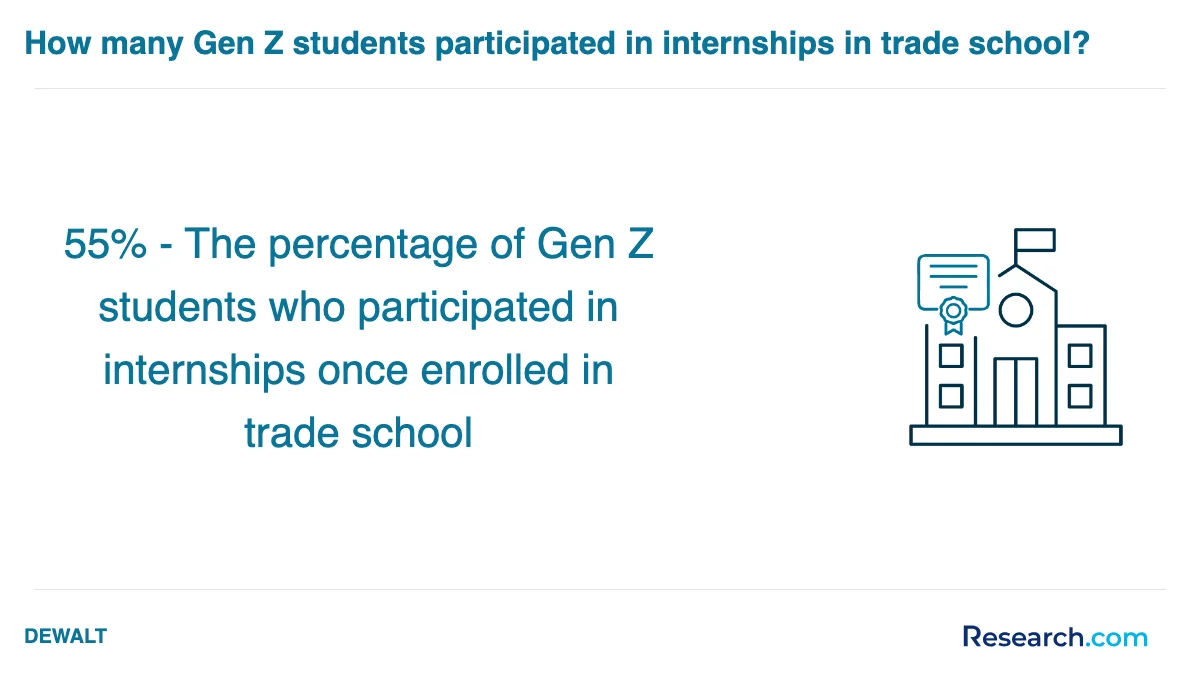
Trade school students in Hato Rey benefit widely from federal financial aid programs, which serve as the primary funding source. For example, graduates from ICPR Junior College report that about 89% of their peers receive federal aid, with federal Pell Grants averaging $7,592 annually. This significant support often alleviates the financial burden of tuition and living expenses, making education attainable.
State and institutional grants supplement federal aid but at lower amounts. Roughly 24% of ICPR students receive around $560 annually from state grants, while 56% access institutional grants averaging $153, which help cover smaller expenses like books or supplies.
Loans are less common here than nationally. At Escuela Hotelera de San Juan, only 3% of students take out loans, typically $4,117 annually, reflecting the strong grant support local schools provide. Veterans and active military students also benefit from programs like the GI Bill, opening more doors to education without overwhelming debt.
This combined aid approach helps many students focus on learning skills that directly improve their career prospects in practical fields popular in Hato Rey.
Enrolling in a trade school program in Hato Rey primarily requires a high school diploma or its recognized equivalent, such as a GED. This prerequisite is standard across institutions like ICPR Junior College and Dewey University-Hato Rey, where graduates frequently share how this requirement made the admission process feel accessible and straightforward.
Applicants typically encounter the following conditions:
- No standardized test scores (SAT or ACT) are needed for most associate degree or certificate programs, easing the entry barrier for many students.
- Application fees are often minimal or waived-Dewey University-Hato Rey, for example, offers a $0 application fee for certain applicants, which graduates appreciate as a financial relief.
- Many programs maintain high acceptance rates; ICPR Junior College reports a 100% acceptance rate, highlighting the inclusive nature of these schools.
For specialized fields such as nursing or radiologic technology, students must sometimes provide additional documentation like immunization records, background checks, or prerequisite courses in biology or math. Meanwhile, fields like business or IT usually require only the basic diploma or GED, allowing students to focus more on their career goals.
Students also need to submit identification and prior transcripts. International candidates might face extra steps, like proving English proficiency, but local residents benefit from a streamlined process. These manageable prerequisites encourage many recent graduates and career changers in Hato Rey to pursue hands-on technical education confidently.
Trade school programs in Hato Rey provide practical, job-ready courses aligned with local and U.S. employment demands. Graduates often highlight how their training equips them for real-world roles in thriving sectors such as healthcare, hospitality, and technology.
In Hato Rey, typical courses include:
- Healthcare: medical assisting, nursing support, health information technology, focusing on anatomy, medical terminology, and clinical procedures
- Culinary arts and hospitality: culinary techniques, food safety, hospitality management, and event planning, as seen in programs at Escuela Hotelera de San Juan
- Engineering and technical trades: mechanical engineering technology, civil drafting, computer programming, offered by institutions like Universidad Politécnica de Puerto Rico
- Information technology: networking, cybersecurity, and computer sciences
- Beauty services and construction trades: cosmetology, barbering, electrical installation, plumbing, HVAC
Students often share that hands-on training, including lab work and project-based learning, transforms textbook knowledge into confidence working on-site or in client-facing roles. For example, culinary arts students speak positively about managing real event set-ups, while healthcare trainees appreciate clinical simulations that build patient-care skills before entering the workforce.
Trade school programs in Hato Rey cover diverse specializations tailored to local and U.S. workforce demands. Graduates find rewarding careers in healthcare, with schools offering Nursing, Emergency Medical Services, Pharmacy Technician, and Physical Therapy Technology. Students report hands-on clinical practice that boosts confidence and readiness for immediate employment. For example, EDP University's Hato Rey campus offers associate, bachelor's, and advanced nursing degrees, giving learners a clear path from entry-level to specialized care roles.
Technology is another key area of focus, featuring courses in Computer Programming, Information Systems, Network Technology, and Information Security. Graduates highlight the practical skills gained for roles in software development and cybersecurity, which are increasingly in demand across Puerto Rico and the mainland U.S.
Business specializations include Criminal Justice, E-Commerce, and Systems Auditing. Students appreciate the real-world applications preparing them for careers in law enforcement or digital business management. Those interested in hospitality thrive at Escuela Hotelera de San Juan, learning hotel and event management tailored to Puerto Rico's booming tourism sector.
Design programs in Digital Fashion and Interior Design blend creativity with technical training, helping graduates enter retail and décor industries with a portfolio of practical projects. Additionally, those seeking technical certifications explore top online hvac certificate programs to enhance their skills and job prospects.
Choosing the best trade school program in Hato Rey hinges on aligning your career goals with local industry demands such as hospitality, business, or technology. Graduates from ICPR Junior College often highlight the value of its accredited programs and flexible schedules, which helped them balance work and study effectively. Meanwhile, students from Escuela Hotelera de San Juan praise the hands-on training and strong reputation, enhancing their confidence during job searches.
When comparing schools, how to compare trade school costs in Hato Rey becomes crucial. Tuition at ICPR Junior College averages around $7,010 annually, whereas Escuela Hotelera de San Juan costs closer to $13,960, impacting financial planning. Many prospective students report relief after securing scholarships or federal aid, reducing anxiety about debt.
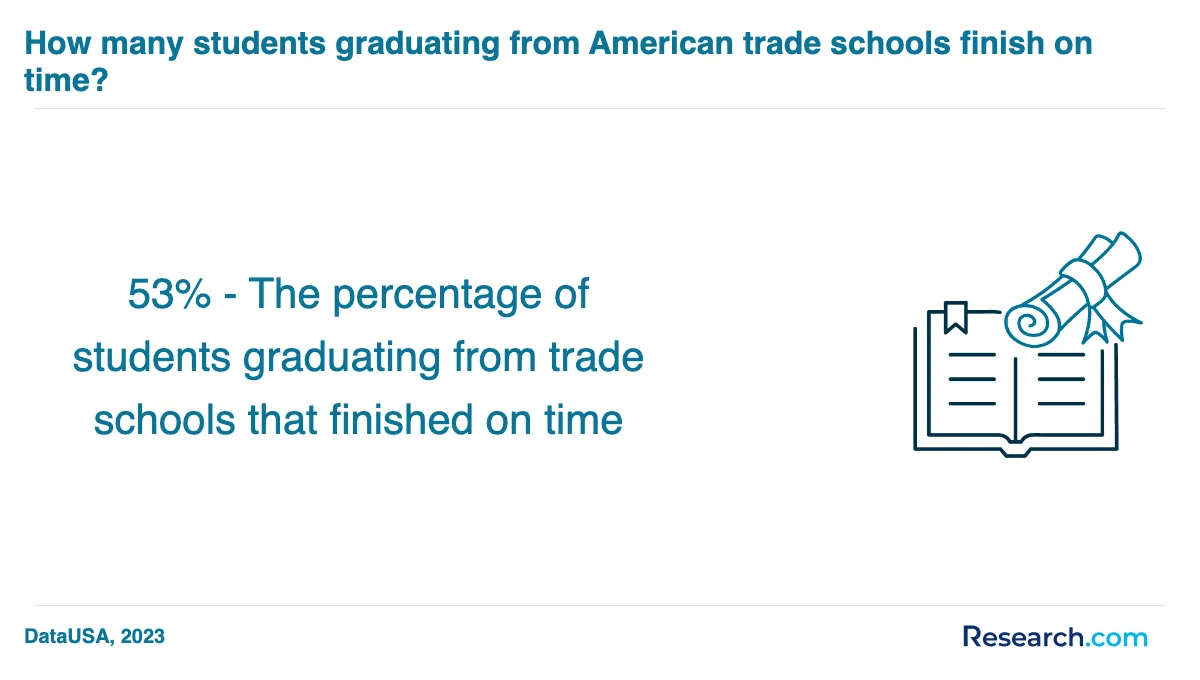
Graduation rates and job placement offer insight into program success-Dewey University-Hato Rey's 52% graduation rate reflects notable student support. Access to campus resources like career counseling and internships significantly improves employment outcomes. For clarity on program types, consider this resource on what is the difference between a trade school and a vocational program.

Trade school job opportunities in Hato Rey span multiple thriving industries directly linked to local economic demands. Graduates from Escuela Hotelera de San Juan often secure positions as hotel supervisors, chefs, or event coordinators, reflecting the district's expanding hospitality scene. These career paths after trade school in Hato Rey also extend robustly into healthcare, with programs training medical assistants, nursing staff, and pharmacy technicians who find employment in nearby clinics and hospitals.
Information technology and engineering fields offer some of the highest starting salaries, with Universidad Politecnica de Puerto Rico alumni entering roles in computer programming, network administration, and biomedical engineering earning between $60,000 and $74,000. The school's strong industry partnerships boost graduates' practical readiness and job placement rates.
- Beauty services, construction trades, and automotive technology provide accessible and rewarding career options.
- Hands-on training leads to certifications qualifying graduates as cosmetologists, electricians, mechanics, or HVAC technicians.
For those seeking flexible study options, programs like low cost solar technician training online complement local trades with emerging energy sector skills, opening even more avenues for trade school graduates in Hato Rey.
The job market for trade school graduates in Hato Rey is robust, driven by strong demand in technology, construction, healthcare, and manufacturing sectors. Graduates from prominent institutions like ICPR Junior College and Universidad Politecnica de Puerto Rico (PUPR) benefit from practical, career-focused training that aligns closely with employer needs. These schools have established internship programs and partnerships with local industries, enabling many graduates to secure competitive starting salaries-engineering graduates, for example, report ranges between $60,000 to $74,000.
Employment opportunities for vocational school graduates in Hato Rey are further supported by initiatives such as the BuildStrong Academy, which provides tuition-free training and job placement assistance in high-demand trades like masonry and carpentry. Data shows that 61% of tech program graduates across Puerto Rico find jobs within two years, illustrating the steady market for skilled labor.
Graduates from trade programs often recount how hands-on experiences and job fairs helped them transition smoothly into careers. For those exploring options beyond local offerings, resources listing the top trade schools in the us can provide additional opportunities.
Best Trade School & Training Programs - Leading Certification Courses in Hato Rey for 2026
# 1 position
Escuela Hotelera de San Juan - Baking and Pastry Arts/Baker/Pastry Chef.
certificate or diplomaThe Baking and Pastry Arts/Baker/Pastry Chef program at Escuela Hotelera de San Juan offers a hybrid learning format, combining in-person and distance education. It prepares students for careers as professional bakers and pastry specialists, covering bread and pastry making, decorating, storage, and baking industry operations. The program’s annual in-state tuition is $15,560. Graduates have median earnings of $10,107 one year after completion. It is accredited by the Accrediting Commission of Career Schools and Colleges.
# 2 position
Dewey University-Hato Rey - Physical Therapy Assistant.
associateDewey University-Hato Rey offers a Physical Therapy Assistant program with a hybrid format, allowing some distance education. The program trains students to assist physical therapists by implementing treatment plans, conducting interventions, and monitoring patient progress. Coursework covers anatomy, physiology, biomechanics, neuroscience, and professional ethics. Annual in-state tuition is $6,970. Graduates earn a median salary of $11,681 one year after completion. The program is accredited by the Accrediting Bureau of Health Education Schools.
# 3 position
Dewey University-Hato Rey - Accounting.
associateThe Accounting program at Dewey University-Hato Rey offers a hybrid format with some distance-education options. It prepares students to practice accounting and perform related business functions. The curriculum includes principles and theory, financial, managerial, cost, tax, and auditing accounting, along with budget control, legal aspects, reporting, business information systems, research methods, professional standards, and ethics. Annual in-state tuition is $6,970. The program is accredited by the Accrediting Bureau of Health Education Schools.
# 4 position
Dewey University-Hato Rey - Medical Insurance Specialist/Medical Biller.
associateDewey University-Hato Rey offers a Medical Insurance Specialist/Medical Biller program in a hybrid format, preparing students to manage medical and health insurance operations in various healthcare settings. The curriculum includes health insurance processes, law, policy, office administration, software applications, billing, medical terminology, and communication skills. The program is accredited by the Accrediting Bureau of Health Education Schools. Annual in-state tuition is $6,970, with median earnings of $16,262 one year after completion.
# 5 position
ICPR Junior College - Baking and Pastry Arts/Baker/Pastry Chef.
certificate or diplomaThe Baking and Pastry Arts/Baker/Pastry Chef program at ICPR Junior College is a hybrid offering that prepares students for professional roles in commercial baking establishments. Tuition for in-state students is $8,060 annually. The curriculum covers bread and pastry making, decorating, storage, packaging, marketing, and service. Graduates earn a median income of $12,730 one year after completion. The program is accredited by the Middle States Commission on Higher Education.
# 6 position
ICPR Junior College - Diagnostic Medical Sonography/Sonographer and Ultrasound Technician.
associateThe Diagnostic Medical Sonography/Sonographer and Ultrasound Technician program at ICPR Junior College offers a hybrid format with some distance education options. The program prepares students to utilize medical ultrasound techniques for diagnosing various conditions under physician supervision. It includes training in sonographic data processing, patient care, and professional ethics. Annual in-state tuition is $8,060. Graduates have median earnings of $11,491 one year after completion. The program is accredited by the Middle States Commission on Higher Education.
# 7 position
ICPR Junior College - Home Health Aide/Home Attendant.
certificate or diplomaThe Home Health Aide/Home Attendant program at ICPR Junior College offers a hybrid learning format with some distance-education options. It prepares students to provide care and support for homebound disabled, recovering, or elderly individuals. The curriculum includes nutrition, home sanitation, infection control, first aid, vital signs, hygiene, communication, home management, emergency response, geriatric care, and legal and ethical responsibilities. The program is accredited by the Middle States Commission on Higher Education. Annual in-state tuition is $8,060.
# 8 position
ICPR Junior College - Medical Administrative/Executive Assistant and Medical Secretary.
associateThe Medical Administrative/Executive Assistant and Medical Secretary program at ICPR Junior College offers hybrid learning to prepare students for roles supporting healthcare professionals. The curriculum covers medical terminology, business communications, healthcare operations, software applications, and professional ethics. Annual in-state tuition is $8,060. Graduates earn a median income of $4,752 one year after completion. The program is accredited by the Middle States Commission on Higher Education.
# 9 position
ICPR Junior College - Medical Insurance Coding Specialist/Coder.
certificate or diplomaThe Medical Insurance Coding Specialist/Coder program at ICPR Junior College prepares students for specialized data entry, classification, and record-keeping related to medical diagnostics, billing, and insurance documentation. The hybrid program includes training in medical records software, anatomy, medical terminology, coding, and Medicare regulations. Annual in-state tuition is $8,060. Graduates have median earnings of $4,752 one year after completion. The program is accredited by the Middle States Commission on Higher Education.
# 10 position
ICPR Junior College - Medical Insurance Specialist/Medical Biller.
certificate or diplomaThe Medical Insurance Specialist/Medical Biller program at ICPR Junior College prepares students to manage medical and health insurance operations in various healthcare settings. The hybrid program includes training in insurance processes, law, office administration, software applications, billing procedures, medical terminology, and communication skills. The annual in-state tuition is $8,060. Graduates typically earn a median income of $4,752 one year after completion. The program is accredited by the Middle States Commission on Higher Education.
Frequently Asked Questions about trade school programs
Preparing for the job market after completing trade school in Hato Rey requires strategic planning and practical steps. Graduates should begin by building a strong resume that highlights their skills and hands-on experience gained during training. According to the U.S. Bureau of Labor Statistics, hands-on skills significantly increase employability in technical roles.
Networking is also essential; attending local industry events and connecting with employers in Hato Rey can open job opportunities. Additionally, obtaining relevant certifications beyond the trade school diploma can improve job prospects, as many employers in Puerto Rico prefer certified candidates.
Internships and apprenticeships are valuable for gaining real-world experience and improving references.
Employers in Hato Rey prioritize a combination of technical and soft skills when hiring trade school graduates. According to the National Skills Coalition, hands-on proficiency in areas such as electrical work, HVAC, and welding rank highly. Additionally, employers seek graduates who demonstrate problem-solving abilities and adaptability to changing technologies. Communication skills are also crucial, as workers often collaborate in team environments or interact directly with clients.
Data from the U.S. Bureau of Labor Statistics indicates that nearly 70% of employers in technical fields in Puerto Rico emphasize punctuality and reliability as key traits. Basic math skills and safety awareness remain fundamental, especially in construction and manufacturing sectors. These competencies improve graduates' job readiness and competitiveness in Hato Rey's growing trade industries.
Finding internships in Hato Rey relevant to your trade school program involves several practical steps. Begin by consulting your school's career services office, as many trade schools have partnerships with local businesses in fields like construction, automotive repair, and healthcare. According to the Puerto Rico Department of Labor, Hato Rey hosts over 500 medium-to-large employers, increasing the availability of trade-related internships.
Online job platforms such as Indeed and LinkedIn list internship opportunities specific to the Hato Rey area. Networking within local industry associations and trade unions can also lead to valuable internship placements.
Visit community centers or workforce development agencies in Hato Rey, which often provide listings and workshops about local internships aligned with your trade.
A trade school diploma in Hato Rey can significantly enhance career mobility by equipping students with practical skills in high-demand fields such as electrical work, HVAC, and healthcare. According to the U.S. Bureau of Labor Statistics, individuals with vocational credentials often experience faster job placement compared to those with only a high school diploma. In Puerto Rico, data from the Puerto Rico Department of Labor shows that trade-certified workers in Hato Rey can see wage increases averaging 15-20% within their first five years of employment.
Additionally, many employers in the region prioritize trade school graduates for promotions due to their specialized training and job readiness. Trade diplomas also enable access to apprenticeships and certifications that further boost career advancement opportunities locally.
Part-time job opportunities in Hato Rey can significantly enhance trade school education by providing practical experience alongside classroom learning. Many students find roles in automotive repair shops, where hands-on skills in mechanics complement technical training. Retail positions, especially in electronics or hardware stores, also offer a chance to understand customer service and product knowledge related to trade fields.
According to the Bureau of Labor Statistics, part-time employment in Puerto Rico, including Hato Rey, has grown in sectors linked to skilled trades. Jobs such as apprentice electrician or plumbing assistant are typical choices that align well with trade programs. These roles often provide flexible hours, allowing students to balance work and study effectively.
Local job boards and organizations such as the Puerto Rico Department of Labor Report highlight a steady demand for part-time workers in construction and maintenance-fields closely tied to trade education. This presents an opportunity for students to gain valuable industry insights and build professional networks while earning income.
To find the best degree program near me in Hato Rey, PR, start by identifying local universities and colleges that offer programs in your field of interest. Engaging directly with faculty, alumni, and academic advisors at institutions near Hato Rey, PR, can provide firsthand insights into program quality and student resources. Research.com can be a helpful resource for comparing academic rankings and program specifics, ensuring that you choose a program that meets your educational goals.
- Study in Hato Rey, Puerto Rico USA | College and University Search https://www.internationalstudent.com/school-search/usa/puerto-rico/hato-rey/
- Employment Opportunities - Williamson College of the Trades https://williamson.edu/employment-opportunities/
- Intro to Skilled Trades - New Castle School of Trades https://www.ncstrades.edu/intro-to-skilled-trades/
- Learn A Trade - SUNY https://www.suny.edu/trades/
- Enhancing students' experience in Holberton School Puerto Rico. - Blog Holberton School https://blog.holbertonschool.com/enhancing-students-experience-in-holberton-school-puerto-rico/
- Trade school: A comprehensive guide https://www.collegeessayguy.com/blog/trade-school-guide
- Schedule a Service - Best Buy https://www.bestbuy.com/services/triage/home


