Best Trade School & Training Programs - Leading Certification Courses in Galesburg for 2026

Co-Founder and Chief Data Scientist
Choosing the right trade school in Galesburg can shape your future career and open doors to new opportunities. This article introduces the best trade schools in Galesburg for 2026, featuring a trade school programs ranking created by the Research.com team of data scientists.
By exploring this guide, you’ll discover which programs stand out for quality and value. Earning a trade school diploma or certification can lead to rewarding jobs, personal growth, and financial stability.
Take this step confidently and find the program that fits your goals and passions.
Key benefits of finishing trade school programs trade school in Galesburg
- Trade school graduates in Galesburg can expect competitive salaries, with entry-level skilled trades paying around $36,800 to $42,781 annually, and experienced professionals earning up to $76,597 per year.
- Popular career paths include HVAC, electrical technology, and welding, which are in steady demand locally, offering strong opportunities to build a reliable and rewarding career.
- Online trade school programs provide flexibility and convenience, allowing students to balance work and study while gaining valuable certifications recognized in Galesburg's job market.
- Best Trade School & Training Programs - Leading Certification Courses in Galesburg for 2026
- What can I expect from trade school programs trade schools in Galesburg?
- Where can I work after finishing trade school programs trade schools in Galesburg?
What can I expect from trade school programs trade schools in Galesburg?
Wondering about the cost of trade school programs in Galesburg? On average, you're looking at a range from around $4,000 to $10,000 per year, depending on the program's length and complexity. Graduates from places like the Galesburg Area Vocational Center often share how that investment feels more like buying a ticket to a tailored career adventure rather than just tuition-hands-on labs and real-world tools included.
Picture this: a welding student sparks up an arc in a fully equipped shop after hours, knowing the price tag covered both the instructor's expert guidance and the top-notch gear. Another graduate from an advanced machining track recalls juggling evening classes, feeling the flexible schedule was worth every dollar and exhausting moment.
Financial aid is often part of the mix, too, softening the upfront hit. Many programs are dual credit-friendly for high schoolers, which means saving time and money simultaneously. For Galesburg learners, investing in trade education isn't just cost-it's a practical passport to steady, skilled employment.
Where can I work after finishing trade school programs trade schools in Galesburg?
After wrapping up a trade school program in Galesburg, your next step is stepping into a world where hands-on skills meet local opportunity. Imagine a graduate from the Galesburg Area Vocational Center swapping tales about diagnosing engines as an automotive technician at a nearby dealership, or another who's now wiring homes and commercial buildings as an electrician thanks to their construction trades training.
Picture yourself in a bustling metal fabrication shop or a manufacturing plant, proudly wielding welding or CNC machining skills learned right in Galesburg. Culinary arts grads? They're crafting menus or managing kitchens in local restaurants, schools, or even hospitals, turning passion into profession.
Health occupations alumni share stories of making a real impact in clinics and nursing homes, while those from fire science or law enforcement programs gear up for vital community roles as first responders. Early childhood education students find fulfillment nurturing tomorrow's citizens in local preschools and schools.
Trade schools here don't just teach skills-they open doors to careers woven tightly into Galesburg's vibrant workforce, where employers eagerly seek motivated, trained hands.
After finishing a trade school program in Galesburg, you can expect to step into a world where your skills translate directly into a paycheck-often a surprisingly robust one. Graduates from popular local trade schools jump into careers making around $65,000 annually, which means about $31 per hour. Imagine wrapping up your certification and soon after clocking in, earning enough to cover bills and still have extra for weekend adventures.
Take the example of those who trained as welding technicians in Galesburg: many land jobs with salaries near $63,000 a year-enough to feel proud of both your craft and your paycheck. Skilled trades graduates often earn even more, around $76,600 annually, with some hitting highs near $84,000. These aren't just numbers; they tell stories of people moving into secure roles with room to grow and thrive.
Meanwhile, graduates pursuing roles like school custodians find starting salaries between $29,200 and $38,900, a steady income that brings peace of mind and independence right in Galesburg.
These figures reflect real opportunities for Galesburg trade school grads, turning hands-on education into rewarding careers with bright financial futures.
- Trade school programs in Galesburg are offered by Galesburg Area Vocational Center and Carl Sandburg College, covering fields like welding, HVAC, CNC machining, and health occupations.
- Admission typically requires a high school diploma or GED, with some programs allowing high school students to earn dual credit.
- Tuition costs at Carl Sandburg College range from $2,000 to $6,000 for certificate programs, excluding materials and fees, with financial aid and scholarships available.
- Graduates in popular trades like welding and HVAC can expect starting salaries between $35,000 and $48,000 annually, rising above $55,000 with experience.
- Programs emphasize hands-on training and prepare students for industry certifications to improve job placement chances in skilled labor markets.
Trade school in Galesburg can feel like you're on a fast track to a new career, with programs ranging from a quick few months to about two years. Imagine finishing the Illinois Works Pre-Apprenticeship in under nine months, where graduates eagerly recall hands-on projects in carpentry and electrical trades that landed them jobs before they even graduated.
At Carl Sandburg College, students often describe the journey to an associate degree like a two-year adventure with rewarding milestones, especially in health services or manufacturing fields. Those pursuing academic certificates there find their studies wrapped up in about a year, balancing classroom theory and practical labs that prepare them for real work.
For high school students at Galesburg Area Vocational Center, completing a welding course or medical assisting program within one to two years fits neatly into their school calendar. Many celebrate how these programs blend smoothly with their daily classes, giving them a head start without overwhelming their schedules.
Ultimately, full-time learners zoom through quicker, while part-timers savor the steady pace-either way, Galesburg trade school grads walk away with skills and confidence to launch their futures.
Online trade school programs in Galesburg feel like slipping into your favorite cozy chair and diving into your studies whenever life allows. Imagine a single mom juggling shifts at work and bedtime stories-she can log in late at night to finish a psychology module without missing a moment with her kids. These programs from local community colleges let you tap into classes for medical assisting or criminal justice from anywhere, perfect for those craving flexibility.
On the flip side, on-campus programs pull you into the buzz of actual labs and hands-on training in places like HVAC workshops or welding studios scattered around Galesburg. Graduates recall the thrill of sparking a welder's torch or troubleshooting electrical circuits side-by-side with peers and instructors. The routine may be tighter, with scheduled classes, but the face-to-face energy and access to physical resources give a sense of belonging hard to replicate online.
Both paths share a promise: quicker completion than traditional degrees and financial aid options that ease the journey. Whether you thrive with virtual freedom or hands-on rhythm, Galesburg's trade schools deliver a tailored educational pulse.
The average trade school tuition in Galesburg is shaped by tangible numbers that real students live with every semester. At Carl Sandburg College, the hub for vocational education here, in-state tuition for the 2025-2026 year sits firmly at $7,860. Add modest fees of $50 and roughly $810 for books and supplies, and you're looking at about $8,720 annually if you call Galesburg home. Out-of-district students pay a bit more, with tuition at $8,760 plus the same additional costs. Graduates often share how these straightforward costs helped them budget carefully without the anxiety of unpredictable bills while chasing their trade dreams.
Imagine enrolling in a hands-on program that requires under 30 credit hours, paying $181 per credit hour if you are local. Many students find that part-time studies or shorter certificate paths soften the financial blow, letting them enter the workforce quicker and with less debt. This practical approach to Galesburg trade school program costs 2026 reinforces affordability, especially compared to the steep average of $16,823 statewide.
Some have found extra relief through grants and scholarships that turn what could feel like tall financial barriers into achievable investments. Others have explored options like the most affordable online landscaping training, blending flexible scheduling and cost-effectiveness to widen their access to quality education.
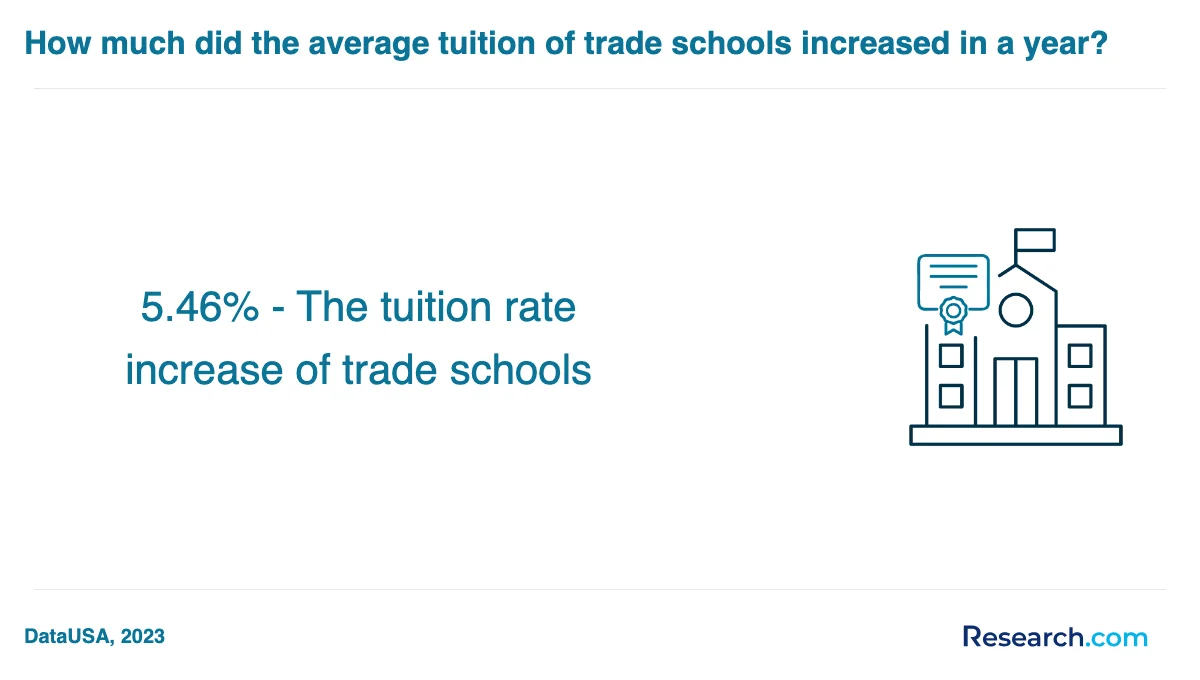
Imagine starting your trade school journey in Galesburg with a financial safety net woven from grants, scholarships, and work-study gigs. At Carl Sandburg College, graduates often recall how completing the FAFSA unlocked federal Pell Grants and state programs like the Illinois Monetary Award Program (MAP), slashing tuition costs without adding a cent to their debt.
Picture a welding student snagging one of the 300+ scholarships funded by the Carl Sandburg College Foundation, receiving up to $3,000 that feels like a personal victory check every semester. Local graduates cherish the Galesburg Promise, turning hometown roots into tuition help that makes staying close to family while learning trades feel doable.
Others balance tools and textbooks by joining work-study programs, earning up to $4,000 a year while gaining hands-on experience. Loans? Sure, some tap into an average $5,237, but most prioritize free aid-because starting skilled and debt-free beats paying off debt before launching a career.
Want to dive into a trade school program in Galesburg? First step: make sure you've got your high school diploma or GED tucked under your belt. Graduates from Carl Sandburg College often recall how submitting that official transcript was a proud moment - proof they'd crossed the academic starting line.
Next up, the formal application. Think of it as your ticket to the fast lane. It's not just paperwork; it's your chance to show up prepared. If you were homeschooled, no worries - recognized documentation or equivalency exams work just fine. And hey, if you're 16 or older, you're eligible for many programs, but it never hurts to double-check age requirements, especially in fields like welding or healthcare.
Selective programs like nursing or dental hygiene throw in a competitive twist, using points-based systems that reward your academic efforts and experience. Here's the gist:
- Submit transcripts confirming your graduation
- Pass placement tests in math and English - the fun warm-up for your studies
- Maybe demonstrate volunteer or work experience for a leg up
International students shine here too but must prove English skills with TOEFL or IELTS and show they can cover about $21,000 annually in costs at places like Carl Sandburg College.
Imagine rolling admissions like a friendly doorway open all year, with several start dates where you can jump in when you're ready - no rigid deadlines holding you back. That flexibility keeps the excitement alive for those eager to get their hands working and their futures building.
Imagine stepping into a bustling workshop at the Galesburg Area Vocational Center, where the clang of welding sparks meets the hum of CNC machines. Here, students dive right into practical courses that launch careers fast. Graduates often recall mastering CNC Machining and Advanced Machining, skills that turned their passion for making into paycheck-ready talent.
For those drawn to hands-on craftsmanship, classes like Electrical Trades I & II and Welding combine foundational knowledge and expert techniques, perfect for construction or industrial jobs in Galesburg's growing economy. Service-minded students share how Culinary Occupations I brought the thrill of kitchen mastery alive, while education lovers find joy in courses like Early Childhood Education I & II and Intro to Teaching.
Health care aspirants fuel their dreams through courses like:
- Health Occupations
- Nutrition
- Pharmacology & Medical Terminology
- Medical Assisting
Auto enthusiasts celebrate hands-on repairs in Auto I & II, while tech fans buzz over AR/VR Development, AP Computer Science, and Drone Maintenance, finding themselves at the forefront of modern innovation.
Students ready for action often pick Intro to Law Enforcement or Firefighting & Rescue, where real scenarios translate to real readiness. The blend of classroom lessons with practical labs creates Galesburg trade school grads who don't just learn - they do, thrive, and excel.
In Galesburg, trade school programs dazzle with a vibrant range of specializations designed to launch you directly into a career that feels right. Graduates from the Galesburg Area Vocational Center often recount hands-on adventures-from mastering CNC Machining to welding sparks flying as they build real-world skills. Imagine yourself troubleshooting automotive engines in Auto II or diving into health care roles like Phlebotomy through Carl Sandburg College's offerings. The energy in Electrical Trades courses pulses with opportunity, where students wire the future, learning residential to industrial systems.
Here's a glimpse of specialties weaving the fabric of Galesburg's workforce:
- Manufacturing and Engineering: CNC Machining, Advanced Machining, Welding
- Electrical Trades I & II, Building Trades: carpentry and project management
- Automotive Technology: vehicle diagnostics and repair
- Health Occupations: Medical Assisting, Practical Nursing, Dental Hygiene
- Technology: AP Computer Science, Drone Maintenance, Information Security
- Public Safety: Firefighting, Law Enforcement, Criminal Justice
- Additional: Culinary, Early Childhood Education, Cosmetology, Business Administration
Students energized by emerging tech appreciate courses in AR/VR Development, while others find joy supporting communities through Early Childhood Education. If hands-on training fits your style, Galesburg is a fertile playground where dreams take shape.
For those looking to blend affordability with quality, consider investigating cheap floor installer certification online programs that can complement your local education and open even more doors.
Choosing the best trade school program in Galesburg means zoning in on what sparks your passion and fits your life rhythm. Graduates from the Galesburg Area Vocational Center often recall how hands-on training in automotive and welding forged their confidence to land jobs quickly-real skills matched with real-world demands. When you compare trade school costs in Galesburg, weigh not just tuition but also the value of competency-based instruction and job placement rates; one graduate nailed a dream career because their program balanced classroom smarts with lab time perfectly.
Flexibility matters, too. If you can't do full-time day classes like those in mortuary science at Carl Sandburg College, look for programs with part-time or evening options that support your schedule. Many students cherish dual credit opportunities that let high schoolers dive into college-level courses and industry certs, turbocharging their career start.
Finally, don't forget to explore affordable pathways like the cheapest home remodeling and repair courses online to supplement your Galesburg education. Finding the best Galesburg trade school programs for your career is about chasing what fits you, not just the cheapest price tag.

Trade school career options in Galesburg are as diverse as the local skyline. Graduates from Galesburg Area Vocational Center hit the ground running, whether in a bustling auto shop or a high-tech manufacturing floor. Some find themselves programming CNC machines with a sense of pride, knowing their precision work fuels the local economy. Others thrive in construction and electrical trades-wiring homes or overseeing projects with hands-on confidence.
Graduates often share stories of quick job offers post-certification, propelled by strong industry demand. Imagine stepping into emergencies as a firefighter or police officer, roles supported by rigorous training in public safety programs. Meanwhile, culinary arts grads relish the buzz of restaurant kitchens, crafting meals that bring smiles to Galesburg tables.
Among Galesburg vocational pathways and job opportunities, tech fields like drone maintenance and AR/VR development spark excitement for those eager to innovate. Healthcare roles-medical assistants, pharmacy techs-offer stable, rewarding paths, backed by community need.
- Manufacturing: machine operators, welders, engineering assistants
- Construction and electrical: electricians, site supervisors
- Automotive technology: technicians, service managers
- Health occupations: nursing aides, pharmacy technicians
- Culinary arts: cooks, kitchen managers
- Public safety: emergency responders, police officers
- Education: childcare providers, teacher's aides
- Emerging tech: IT support, software testing, drone maintenance
For those considering which path leads to the highest returns, many Galesburg grads explore the highest paying trades nationwide, aligning ambitions with local demand and skill mastery.
The job market for trade school graduates in Galesburg is buzzing with opportunity and optimism. Graduates from local institutions like Galesburg Area Vocational Center (GAVC) find themselves stepping directly into hands-on careers because employers here actively seek skilled talent. Imagine a fresh graduate landing a role as a refrigeration technician or a crew member shortly after finishing their program. That's not just possibility - it's reality.
Consider these real scenarios from Galesburg trade school grads:
- Networking events at GAVC connecting students with unions like Peoria Area Electrical JATC open doors instantly.
- Healthcare expos with over 1,300 students meeting clinics and fire departments eager to hire entry-level workers.
- Career fairs at Carl Sandburg College where 60+ regional businesses recruit talent live on campus.
Skilled trades employment opportunities Galesburg IL are boosted by strong collaborations between schools and local industries, ensuring students gain job-ready skills in automotive tech, welding, CNC machining, and more. Those who train here often share stories of quick job offers and satisfying careers.
For students considering less traditional paths, Galesburg's trade schools also support exploring diverse fields, including beauty and cosmetology, with many weighing options like cheapest cosmetology online school programs to complement their hands-on training and expand their career possibilities.
Best Trade School & Training Programs - Leading Certification Courses in Galesburg for 2026
# 1 position
Carl Sandburg College - Criminal Justice/Police Science.
associateCarl Sandburg College offers a Criminal Justice/Police Science program designed to prepare students for law enforcement roles, including patrol, investigation, traffic and crowd control, and evidence management. The hybrid program includes some distance education options. Annual in-state tuition is $5,300. The program is accredited by the Higher Learning Commission.
# 2 position
Carl Sandburg College - Industrial Mechanics and Maintenance Technology/Technician.
associateCarl Sandburg College offers the Industrial Mechanics and Maintenance Technology/Technician program in a hybrid format with some distance-education options. The program trains students to repair and maintain industrial machinery, including cranes, pumps, engines, and conveyor systems. Annual in-state tuition is $5,300. The program is accredited by the Higher Learning Commission.
# 3 position
Carl Sandburg College - Welding Technology/Welder.
associateCarl Sandburg College offers a Welding Technology/Welder program designed to prepare students for applying technical skills in welding and metal cutting. The hybrid program includes instruction in various welding methods, metallurgy, safety, and industry codes. Annual in-state tuition is $5,300. The program is accredited by the Higher Learning Commission, ensuring recognized educational standards for students pursuing careers in welding technology.
# 4 position
Carl Sandburg College - Medical Administrative/Executive Assistant and Medical Secretary.
associateCarl Sandburg College offers a hybrid Medical Administrative/Executive Assistant and Medical Secretary program that prepares students for roles supporting physicians, nurses, and healthcare administrators. The curriculum covers medical terminology, business communications, health care operations, software applications, scheduling, and professional ethics. The program is accredited by the Higher Learning Commission. Annual in-state tuition is $5,300.
# 5 position
Carl Sandburg College - Business Administration and Management, General.
associateCarl Sandburg College offers a Business Administration and Management, General program with a hybrid format, including some distance-education options. The program prepares students to plan, organize, direct, and control business functions and processes. Coursework covers management theory, human resources, accounting, logistics, marketing, and business decision-making. Annual in-state tuition is $5,300. The program is accredited by the Higher Learning Commission.
# 6 position
Carl Sandburg College - Accounting.
associateCarl Sandburg College offers a hybrid Accounting program designed to prepare students for the accounting profession and related business functions. The curriculum covers accounting principles, financial and managerial accounting, auditing, tax accounting, and business information systems. The program emphasizes professional standards, ethics, and applications across various organizations. Annual in-state tuition is $5,300. The program is accredited by the Higher Learning Commission.
# 7 position
Carl Sandburg College - Industrial Mechanics and Maintenance Technology/Technician.
certificate or diplomaCarl Sandburg College offers a Hybrid Industrial Mechanics and Maintenance Technology/Technician program designed to prepare students to repair and maintain industrial machinery and equipment such as cranes, pumps, engines, pneumatic tools, conveyor systems, and refinery systems. The program is accredited by the Higher Learning Commission. Annual in-state tuition is $5,300, providing a cost-effective option for students seeking technical skills in this field.
# 8 position
Carl Sandburg College - Automobile/Automotive Mechanics Technology/Technician.
certificate or diplomaCarl Sandburg College offers a hybrid Automobile/Automotive Mechanics Technology/Technician program designed to prepare students to repair, service, and maintain various automobiles. The curriculum includes brake systems, electrical systems, engine performance and repair, suspension, steering, transmissions, and heating and air conditioning. The program is accredited by the Higher Learning Commission. Annual in-state tuition is $5,300, with some courses available through distance education.
# 9 position
Carl Sandburg College - Welding Technology/Welder.
certificate or diplomaCarl Sandburg College offers a Hybrid Welding Technology/Welder program that prepares students to apply technical skills in various welding methods, including arc, resistance, brazing, soldering, and high-energy beam welding. The curriculum covers welding metallurgy, structural design, safety, and relevant codes and standards. The program’s annual in-state tuition is $5,300, and it is accredited by the Higher Learning Commission.
# 10 position
Carl Sandburg College - Computer Numerically Controlled (CNC) Machinist Technology/CNC Machinist.
certificate or diplomaCarl Sandburg College offers a hybrid Computer Numerically Controlled (CNC) Machinist Technology/CNC Machinist program designed to teach technical skills for operating CNC machine tools, including lathes and mills. The curriculum covers CNC setup, programming, operations, troubleshooting, blueprint reading, machining, technical math, CAD/CAM systems, and safety practices. The program’s annual in-state tuition is $5300 and it is accredited by the Higher Learning Commission.
Frequently Asked Questions about trade school programs
After completing a trade school program in Galesburg, preparing for the job market involves several important steps. First, graduates should focus on obtaining relevant certifications and licenses, which are often required for skilled trades and increase employability. According to the U.S. Bureau of Labor Statistics, trade jobs in Illinois are expected to grow by 5% through 2030, reflecting steady demand.
Networking is also crucial; connecting with local employers and attending job fairs can open doors. Galesburg's workforce development agencies offer resources for resume building and interview preparation tailored to trade careers.
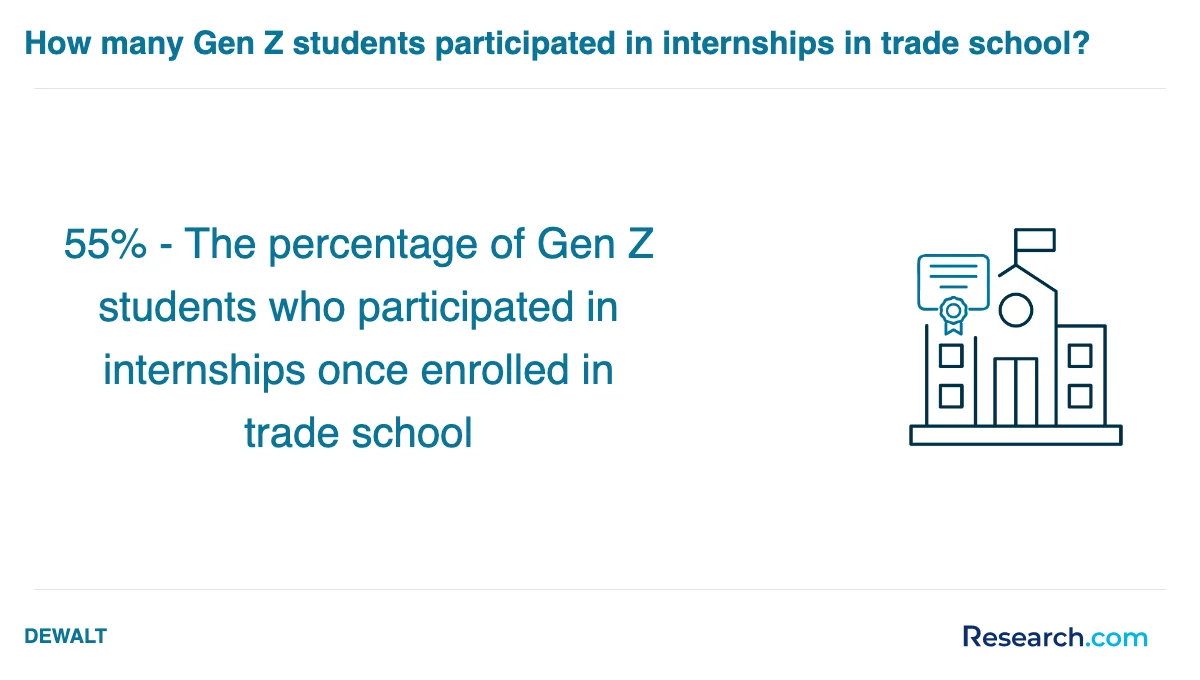
Finally, gaining practical experience through apprenticeships or internships enhances skills and improves job prospects in the competitive market.
Employers in Galesburg highly value practical skills in trade school graduates, especially in fields like automotive technology, HVAC, and welding. According to the Illinois Department of Employment Security, proficiency in hands-on technical tasks is crucial, with 78% of local employers emphasizing this quality.
Soft skills are equally important. Communication, teamwork, and problem-solving abilities rank among the top traits sought by employers, reflecting national trends reported by the U.S. Bureau of Labor Statistics. Galesburg employers particularly appreciate candidates who demonstrate reliability and a strong work ethic.
Additionally, familiarity with industry-specific safety standards and certifications improves hiring prospects, as these skills reduce on-the-job risks and ensure regulatory compliance.
Finding internships in Galesburg that align with your trade school program involves a combination of local resources and proactive outreach. Start by consulting your trade school's career services office, as many maintain partnerships with local employers and can connect you to internship opportunities.
Additionally, explore Galesburg's business directories and chambers of commerce listings, which often feature companies in manufacturing, automotive, and healthcare sectors-common industries for trade students. According to the Illinois Department of Employment Security, Galesburg's manufacturing sector employs nearly 15% of the local workforce, presenting relevant internship potential.
Online job platforms like IllinoisJobLink.com also list internships available in the area. Networking at local job fairs and trade associations can further increase your chances of securing an internship suited to your skills and program.
In Galesburg, earning a trade school diploma can significantly enhance career mobility. Such credentials are highly valued by local employers in sectors like manufacturing, automotive repair, and healthcare. According to the Illinois Community College Board, graduates with trade diplomas experience employment rates near 85% within six months of completion in the region.
Trade diplomas provide specialized skills that often lead to higher starting wages compared to those without postsecondary education. Furthermore, many trade programs include apprenticeships or internships that facilitate strong local job connections.
Advancement opportunities in Galesburg's trade occupations typically depend on certification and experience, which trade schools emphasize, aiding students in moving up to supervisory roles or specialized technician positions.
In Galesburg, part-time job opportunities that complement trade school education are widely available, especially in industries aligned with technical skills. For students in automotive or HVAC programs, local repair shops and maintenance service companies often seek part-time assistants, providing hands-on experience alongside coursework.
Additionally, construction labor roles in Galesburg are accessible for those studying trades such as electrical work or carpentry. The U.S. Bureau of Labor Statistics reports that trade-related part-time roles in the area offer average hourly wages between $12 and $18, depending on skill level. These jobs help students build practical skills while earning income.
Furthermore, community hospitals and clinics in Galesburg occasionally offer part-time positions for students enrolled in medical technician or related programs, supporting clinical learning. According to the Illinois Department of Employment Security, part-time healthcare support roles in Knox County grew by around 5% in 2023.
To find the best degree program near me in Galesburg, IL, one can start by exploring local universities and colleges which often have various offerings tailored to different career paths. Visiting schools near Galesburg, IL such as Knox College or Carl Sandburg College can provide insights into available programs that match your interests and career goals. Additionally, using resources like Research.com can help compare programs based on factors like academic reputation, faculty expertise, and student satisfaction to aid in selecting the best option.
- Best Trade School & Training Programs - Leading Certification Courses in Angola for 2026
- Best Trade School & Training Programs - Leading Certification Courses in Springfield for 2026
- Best Trade School & Training Programs - Leading Certification Courses in Florence for 2026
- Best Trade School & Training Programs - Leading Certification Courses in Adrian for 2026
- Best Trade School & Training Programs - Leading Certification Courses in Emporia for 2026
- Best Trade School & Training Programs - Leading Certification Courses in Little Rock for 2026
- Best Trade School & Training Programs - Leading Certification Courses in Akron for 2026
- Galesburg Area Vocational Center - GAVC - Home https://www.gavc.org/
- Job Skills Training - Galesburg, IL - Goodwill of Central IL https://www.goodwillpeo.org/job-skills-training-galesburg-il/
- GAVC Trades Talk: Career Exploration for High School Students #StreaksNation #Thisis205 | Galesburg Junior Senior High School https://ghs.galesburg205.org/o/ghs/article/1436756
- Client Challenge https://www.galesburg205.org/page/high-school-gavc
- Galesburg Area Vocational Center (GAVC) - Russell Group Construction & Development https://www.russellco.com/project/galesburg-area-vocational-center-gavc/
- Do You Need Previous Experience to Join a Trade School? - I-TAP https://itap.edu/do-you-need-experience-to-join-trade-school/
- Trade Schools Overview | ACT https://www.act.org/content/act/en/students-and-parents/career-planning/career-planning-resources/trade-schools.html
- Should I Go to Trade School? Benefits of Trade Schools - Ohio Business College https://obc.edu/should-i-go-to-trade-school-benefits-of-trade-schools/