Best Trade School & Training Programs - Leading Certification Courses for 2026

Co-Founder and Chief Data Scientist
Looking to launch a high-demand career or upgrade your skills without spending years in college? Trade schools and specialized certification programs offer the fastest, most cost-effective path to well-paying positions in today's evolving job market. This guide highlights the top trade schools and leading certification courses for 2027, breaking down hands-on training options in industries like healthcare, skilled trades, and technology. Discover the right program to help you build practical expertise, fast-track your training, and secure a successful career path.
Key benefits of finishing trade school programs trade school in the USA
- Trade school graduates can earn solid incomes, with electricians and plumbers making between $50,000 and $76,000 annually, while nuclear power reactor operators earn a median of $121,240 per year.
- Graduates often enter rewarding fields like commercial piloting, real estate brokerage, diagnostic sonography, and skilled trades, offering both job security and growth opportunities.
- arning a trade diploma online provides flexibility and accessibility, allowing students to balance life and work while gaining valuable skills without the commute or campus constraints.
- Best Trade School & Training Programs - Leading Certification Courses for 2026
- What can I expect from trade school programs trade schools in the USA?
- Where can I work after finishing trade school programs trade schools in the USA?
What can I expect from trade school programs trade schools in the USA?
When you're thinking about the average cost of a trade school program in the USA, most students expect to pay somewhere between $5,000 and $30,000 for the entire course. The sweet spot tends to be around $15,000 to $17,600. Graduates from well-known trade schools often mention how affordable their education was compared to traditional four-year colleges, which really helped them avoid piling up debt.
Many public trade schools, especially those popular for healthcare and skilled trades, offer even more affordable tuition rates thanks to government support. For instance, students training in automotive repair or HVAC appreciate how the cost stays manageable without sacrificing quality. Financial aid and scholarships are pretty common, so plenty of folks find ways to make it work.
What's great is that these programs balance cost with hands-on learning. Graduates often share how they felt confident stepping into apprenticeships or jobs right after finishing, knowing their training was both practical and cost-effective.
Where can I work after finishing trade school programs trade schools in the USA?
After finishing a trade school program in the USA, plenty of doors open up across industries that truly need skilled workers. Graduates often land jobs quickly in construction, tackling roles like remodeling specialists or general contractors, thanks to strong industry growth and ongoing infrastructure projects nationwide. Many students from popular trade schools find themselves on bustling job sites within months, feeling proud to build homes and community spaces.
The energy sector, especially renewable energy, is another hot spot. For instance, grads trained as wind turbine service technicians or solar photovoltaic installers experience exciting career boosts-these roles are among the fastest growing and pay well. Imagine stepping into a technician role just months after graduation from a school known for its hands-on energy programs.
Manufacturing careers also thrive. Welding has a huge demand; HVAC technicians earn solid salaries and enjoy steady work maintaining heating and cooling systems, which keeps students optimistic and financially stable right from the start. Plus, skilled trades like electricians, plumbers, and automotive service techs remain essential everywhere, offering great job security and respect.
Other graduates dive into healthcare or tech-related roles, like dental hygiene or electronics repair, often with above-average pay and benefits-proving that trade schools in the USA really prepare you for real-world success.
After finishing a trade school program in the USA, many graduates find themselves pleasantly surprised by their earning potential. On average, graduates make around $67,149 a year, or about $32.28 per hour, which is pretty solid considering how quickly they can start working after completing their studies. For instance, students from popular trade schools often share how quickly they landed jobs earning between $50,000 and $76,000 annually, right after graduation.
Some trades offer even higher pay. Imagine working as a nuclear power reactor operator and making over $120,000 a year-or being an elevator installer with a salary that can hit nearly $140,000 in some states like Washington. It's exciting to know that early on, starting salaries might be closer to $27,000, but with experience, many graduates reach six figures.
Many grads love how trade school programs let them jump into the workforce faster than traditional college routes, enjoying strong job security and steady paycheck growth. It's motivating and realistic for anyone eager to build a well-paying career in a shorter time.
- Admission typically requires a high school diploma, GED, or equivalent credential, with some programs allowing entry without a diploma through special assessments or partnerships.
- Applicants are usually required to be at least 17 or 18 years old, though some programs accept younger dual-enrolled students as young as 14.
- Standarized tests like the SAT or ACT are generally not required; some schools use placement tests or basic skills assessments instead.
- Tuition for trade school programs ranges from $5,000 to $15,000, often the same for in-state and out-of-state students, and is usually lower than four-year college costs.
- Starting salaries for trade school graduates range from $35,000 to $50,000 per year, with experienced workers earning $60,000 or more depending on the trade and location.
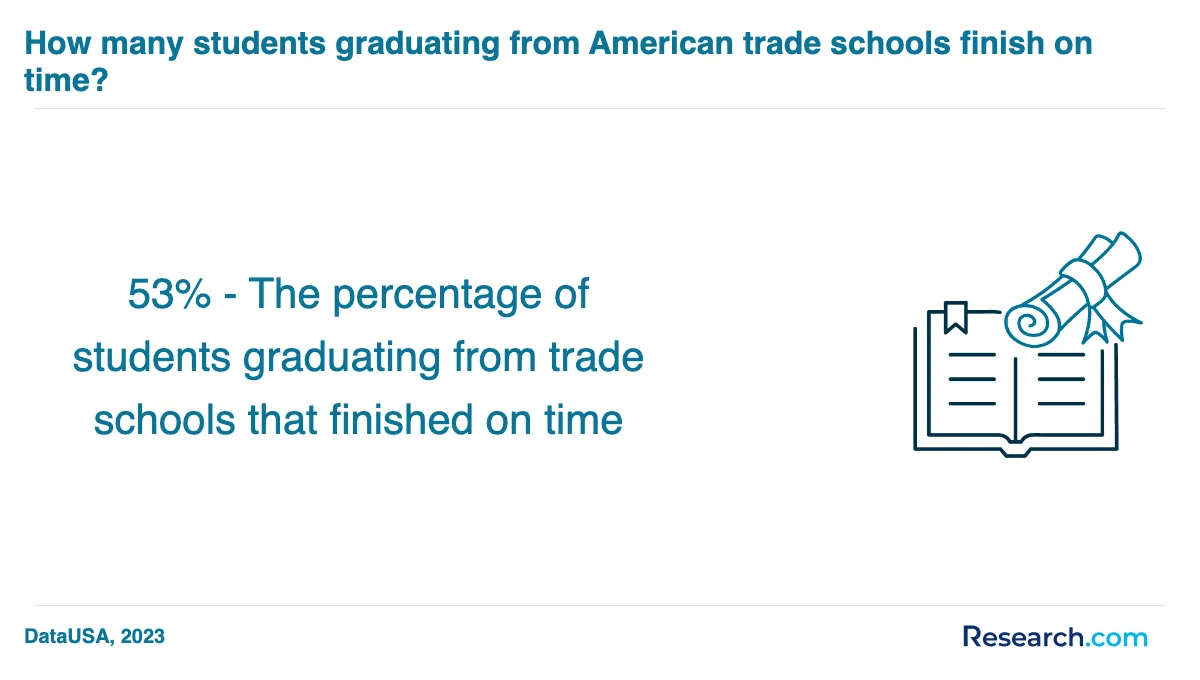
Most trade school programs in the USA wrap up between six months and two years, which is perfect if you want to jump into a new career quickly. For example, graduates from popular programs in nail technology or aesthetics often tell us they finished in just five to eight months - great if you're eager to start working without waiting years. Others aiming for fields like medical or dental assisting usually spend about nine to ten months learning the ropes, which still feels fast compared to a four-year degree.
More complex paths, such as automotive technology or HVAC, often take around a year or a bit more. Students appreciate that because it balances solid hands-on skills with a manageable timeline. Meanwhile, some associate degree programs at well-known trade schools run closer to two years, giving you a deeper dive without dragging things out.
Many grads find that flexible schedules-day, evening, or weekend classes-help them finish on their own terms, making it easier to juggle life and studies. Plus, if you've got prior experience or certifications, some programs let you skip ahead, meaning you could finish even faster. Overall, trade schools in the USA offer a quick, practical route that's designed to get you working and feeling confident in under two years.
If you're juggling work, family, or just need flexibility, online trade school programs in the USA can be a game changer. Many graduates from popular schools say they loved being able to study on their own schedule, without the hassle of commuting or moving closer to a campus. For example, someone training in medical billing found that fitting classes around a busy job made earning a certification manageable and less stressful. Plus, online programs often cost less since you don't have extra expenses like housing or travel.
On the flip side, if you're someone who thrives being hands-on and learning directly with instructors, on-campus trade schools offer that buzz of working with real equipment and immediate feedback. Trades like welding or automotive tech usually benefit from this traditional setup. Graduates mention how working side-by-side with classmates and using industry tools on campus made learning feel practical and exciting.
Some online programs even mix both worlds by providing online lessons combined with scheduled in-person training at local sites, which helps students get that essential hands-on experience while keeping flexibility.
The average cost of a trade school program in the USA usually ranges between $5,000 and $20,000 for the entire program. Many students find this much more manageable than the steep prices of traditional four-year degrees. For example, graduates from well-known public trade schools often mention how affordable two-year programs with average trade school tuition and fees around $4,000 a year allowed them to gain hands-on skills without drowning in debt.
Private trade schools, especially for-profit ones, generally charge more. Students attending these institutions expect to pay closer to $15,000 to $20,000 annually, but they appreciate shorter program lengths and specialized training that rapidly lead to employment. One common experience among graduates is that the total cost of trade school in the US is not just tuition-it's the added expenses like books, supplies, and certification exams, which can vary but don't usually break the bank for many.
Many find savings through federal aid, scholarships, or part-time jobs, making the investment feel more accessible. If you're exploring options, some students recommend checking out specific fields or schools with budget-friendly choices, like those offering affordable online landscaping technology courses, which show how diverse and affordable trade education can be.
Trade school students in the USA have lots of financial aid options that really make getting started easier. Many grads from popular schools like Lincoln Tech or Universal Technical Institute share how the Federal Pell Grant helped cover big chunks of their tuition-sometimes up to $7,395 for the year! It's awesome because Pell Grants don't have to be paid back, which relieves so much pressure when you're juggling work and classes.
Besides Pell Grants, there's the Federal Supplemental Educational Opportunity Grant (FSEOG), aimed at students with the greatest financial need. State grants are a big help too-think of California's Cal Grant C Award, which pays for not only tuition but also tools and equipment, essentials for hands-on learning.
Scholarships are another great boost. Many students at schools like the Fashion Institute of Design & Merchandising mention winning scholarships from groups like the mikeroweWORKS Foundation or DEWALT Trades Scholarship, which can offer a few thousand dollars for things like construction or automotive programs.
And if you still need extra support, federal student loans usually come with low interest and options for forgiveness if you work in public service jobs. So, all in all, financial aid can really open doors to skilled careers without the stress of overwhelming costs.
To enroll in a trade school program in the USA, most students find that having a high school diploma or a GED is the key starting point. Graduates often share how this simple prerequisite helped them jump right into hands-on training without unnecessary hurdles. Some schools even consider homeschool completions or state-authorized equivalency tests, which opens the door for those with non-traditional education backgrounds.
Age requirements are usually straightforward-most trade schools ask that you're at least 17 or 18 years old. But if you're younger, don't worry; with parental consent or through high school partnerships, you might still get in on programs that make hands-on learning accessible early. Many students appreciate how these policies balance safety and opportunity, especially in equipment-heavy courses.
Besides basics, expect placement tests to check your math, reading, or technical readiness. These aren't as scary as SATs or ACTs and help schools set you up for success. A few graduates say that submitting transcripts or even a short essay about their passion for the trade helped their applications stand out.
- High school diploma or GED (or equivalent)
- Minimum age 17 or 18, possible exceptions with consent
- Placement tests tailored to the program
- Supporting documents like transcripts or essays
- Occasional background checks or GPA requirements for certain trades
Whether you're aiming for plumbing, automotive tech, or culinary arts, these manageable requirements show why trade schools in the USA are great stepping stones to a rewarding career without the stressful hoops.

When you dive into trade school programs in the USA, you'll find courses that focus on hands-on skills that get you job-ready fast. Graduates from well-known trade schools often talk about how practical and exciting their training was. For example, many find themselves mastering automotive technology, learning to diagnose engine problems and repair vehicles. Others thrive in welding classes, where they build confidence by creating metal structures and reading blueprints.
Here are some popular courses students typically take:
- HVAC classes that teach installing and fixing heating and cooling systems, perfect for anyone who loves tinkering with gadgets.
- Electrical and plumbing programs where students get real-life wiring and pipe-fitting experience, making them industry-ready.
- Cosmetology courses covering everything from hairstyling to skincare, prepping students for state licensing exams.
- Information Technology and cybersecurity, popular among those who enjoy solving tech puzzles and protecting systems.
- Culinary arts for food lovers eager to master kitchen skills and nutrition.
Many graduates share how their carpentry and medical assistant classes included hands-on labs and apprenticeships, helping them feel confident and job-ready upon graduating. These programs typically focus on the skills employers want, making the learning both engaging and rewarding.
Trade school programs in the USA offer an exciting range of specializations that fit many interests and job markets. Healthcare fields like medical assistant, pharmacy technician, dental hygienist, and veterinary services are super popular because graduates quickly land rewarding, hands-on jobs caring for patients. Many grads from top trade schools find pride in stepping right into clinical roles after under two years of training.
Skilled trades remain a solid choice too. Think electricians, plumbers, welders, carpenters, HVAC techs, and automotive technicians. A lot of schools in the country offer practical courses that reflect real industry needs, so students feel confident about their skills when starting work. Demand is high, with a shortage of professionals like welders expected soon. Students love sharing how their training involved actual projects, making every lesson feel relevant.
Technology is also booming, with certs for IT technicians, cybersecurity specialists, or data science roles. Preparing for these fields means staying current with fast-changing digital trends, and graduates often talk about how their tech-savvy skills open doors in modern workplaces.
Other pathways include cosmetology, culinary arts, graphic design, legal assisting, animal care, and commercial driving. For those curious about low cost electrician trade school programs online, it's easier than ever to start flexibly while saving money. Many students appreciate hybrid learning formats that mix classroom and hands-on practice, which mirrors the dynamic work environments in the USA.
Choosing the best accredited trade schools in the USA means focusing first on accreditation-it's the stamp of approval that guarantees your education will be respected nationwide. Graduates from schools like Lincoln Technical Institute often share how their programs' solid reputation helped them land jobs quickly, giving them confidence in their career path. When exploring options, think about how to compare trade school programs in America by looking at graduation rates, hands-on training quality, and how well schools connect students to employers. Many students praising Universal Technical Institute highlight its real-world experience and flexible schedules, which fit their busy lives perfectly.
Cost is a big factor too. It's smart to compare net prices and see what scholarships or federal aid are available. Plus, consider how long the program lasts-a shorter program can speed your entry into the workforce.
For practical insights on careers in this field, check out high demand trades, which might inspire your choice.
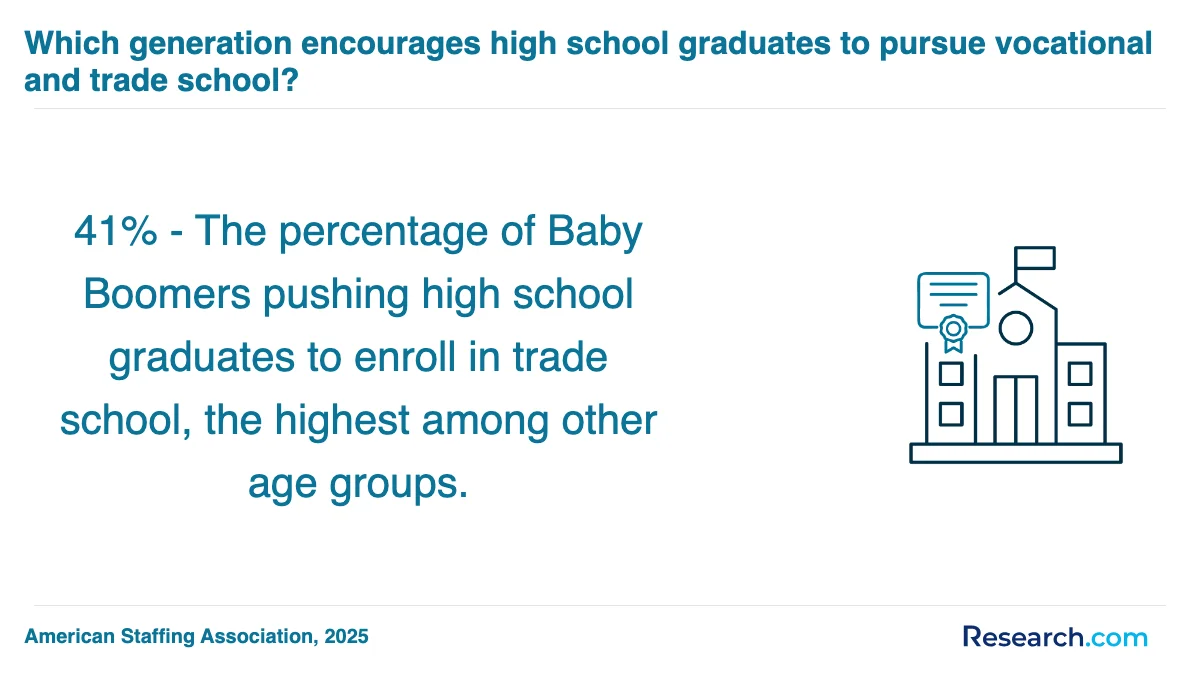
Trade school graduates in the USA have a wide range of exciting career paths waiting for them, especially in sectors where skilled workers are in high demand. Many graduates from popular trade schools find themselves thriving in fields like construction, electrical work, and welding-areas known for steady job growth and rewarding salaries.
Hands-on programs in the USA prepare students for real-world roles like HVAC technicians, commercial truck drivers, and diesel technology specialists. One common story from graduates is how quickly they started earning good money after finishing their programs, especially since these roles often pay more than some college degrees. Trade school job opportunities in America also extend into booming fields such as healthcare tech and semiconductor equipment maintenance, where starting pay is strong and job security is solid.
Some graduates have shared how accessible and practical it was to learn through online hvac training, which helped them launch their careers flexibly. Here's a quick look at popular choices:
- Construction worker with consistent job openings
- Welding professional with industry-wide demand
- HVAC technician benefiting from evolving energy standards
- Healthcare technologist with specialized training
For anyone exploring the best trade school careers in the USA, these job paths offer reliable income, the chance to work hands-on, and clear advancement opportunities. Many grads express excitement about entering a workforce where their skills are genuinely valued and needed.
The job market for trade school graduates in the USA is booming right now, with many sectors hungry for skilled workers. Graduates from popular trade schools in America often share stories about landing jobs quickly after finishing their programs. Fields like construction, welding, and HVAC are expanding fast, thanks to large infrastructure projects and technological upgrades. For example, construction alone is expected to add about 154,900 new jobs every year for the next decade, making it a reliable career path.
Many graduates enjoy high employment rates-about 90% of trade school grads found work between mid-2023 and mid-2024, which is even better than some four-year degree holders. Here's what grads often highlight as perks of choosing trade schools in the USA:
- Hands-on training that directly matches job market needs
- Faster job placement and solid starting salaries
- Strong demand in fields like welding, electrical work, and commercial truck driving
Because the demand for skilled trades in the United States keeps growing, students thinking about their future often look into vocational trade online schools to get practical skills and jumpstart their careers with confidence.
Best Trade School & Training Programs - Leading Certification Courses for 2026
# 1 position
Foothill College - Dental Assisting/Assistant.
associateFoothill College offers a Dental Assisting/Assistant program in a hybrid format, combining in-person and distance education. The curriculum prepares students for patient care, dental radiography, office administrative duties, and chairside assisting under supervision. Instruction includes medical record-keeping, equipment maintenance, scheduling, and supervised practical experience. The program is accredited by the Western Association of Schools and Colleges Accrediting Commission for Community and Junior Colleges. Annual in-state tuition is $1,565.
# 2 position
Foothill College - Dental Assisting/Assistant.
certificate or diplomaFoothill College offers a hybrid Dental Assisting/Assistant program that prepares students to provide patient care, take dental radiographs, and assist with dental procedures under supervision. The curriculum includes medical record-keeping, office duties, patient intake, scheduling, equipment maintenance, sterilization, radiography, and chairside assisting. The program is accredited by the Western Association of Schools and Colleges Accrediting Commission for Community and Junior Colleges. Annual in-state tuition is $1,565.
# 3 position
Flint Hills Technical College - Dental Assisting/Assistant.
associateFlint Hills Technical College offers a hybrid Dental Assisting/Assistant program designed to prepare students for patient care, dental radiographs, and office administrative tasks under professional supervision. The curriculum covers medical record-keeping, equipment maintenance, sterilization, chairside assisting, and supervised practice. Annual in-state tuition is $6,196. Graduates earn a median salary of $55,147 one year after completion. The program is accredited by the Higher Learning Commission.
# 4 position
Flint Hills Technical College - Dental Assisting/Assistant.
certificate or diplomaFlint Hills Technical College offers a hybrid Dental Assisting/Assistant program designed to prepare students for patient care, dental radiographs, and office administrative duties under dentist supervision. The curriculum covers medical record-keeping, scheduling, equipment sterilization, chairside assisting, and supervised practice. Annual in-state tuition is $6,196. The program is accredited by the Higher Learning Commission. Median earnings one year after completion are $55,147.
# 5 position
State Technical College of Missouri - Dental Assisting/Assistant.
certificate or diplomaThe Dental Assisting/Assistant program at State Technical College of Missouri offers a hybrid format with some distance education options. It prepares students to provide patient care, take dental radiographs, assist chairside, and handle office administrative duties under supervision. The curriculum includes medical record-keeping, scheduling, equipment maintenance, and supervised practice. Annual in-state tuition is $7,830, and median earnings one year after completion are $32,797. The program is accredited by the Higher Learning Commission.
# 6 position
Dallas College - Electrician.
associateThe Electrician program at Dallas College offers a hybrid format with some distance education options. It prepares students to install, maintain, and repair electrical systems in residential, commercial, and industrial settings. The curriculum covers electronics, wiring, power transmission, safety, job estimation, testing, inspection, and electrical codes. The annual in-state tuition is $2,370. Median earnings one year after completion are $66,463. The program is accredited by the Southern Association of Colleges and Schools Commission on Colleges.
# 7 position
Dallas College - Electrician.
certificate or diplomaThe Electrician program at Dallas College offers hybrid learning with some distance-education options. It prepares students to install, operate, maintain, and repair electric apparatus and systems including wiring, motors, controls, and distribution panels. The curriculum covers electronics principles, power transmission, safety, job estimation, and applicable codes. The annual in-state tuition is $2,370. Graduates have median earnings of $66,463 one year after completion. The program is accredited by the Southern Association of Colleges and Schools Commission on Colleges.
# 8 position
Orange Coast College - Dental Assisting/Assistant.
associateOrange Coast College offers a Dental Assisting/Assistant program in a hybrid format, combining in-person and distance education. The program trains students to provide patient care, perform dental radiographs, assist during procedures, and manage office administrative tasks under professional supervision. Instruction covers medical record-keeping, equipment maintenance, sterilization, and chairside assisting. Annual in-state tuition is $1,208. The program is accredited by the Western Association of Schools and Colleges Accrediting Commission for Community and Junior Colleges.
# 9 position
Orange Coast College - Dental Assisting/Assistant.
certificate or diplomaOrange Coast College offers a Hybrid Dental Assisting/Assistant program designed to prepare students for patient care, dental radiographs, and office administrative duties under dentist supervision. The curriculum covers medical record-keeping, reception, scheduling, equipment maintenance, sterilization, basic radiography, chairside assisting, and supervised practice. The program’s annual in-state tuition is $1,208 and it is accredited by the Western Association of Schools and Colleges Accrediting Commission for Community and Junior Colleges.
# 10 position
Lewis and Clark Community College - Dental Assisting/Assistant.
certificate or diplomaLewis and Clark Community College offers a Hybrid Dental Assisting/Assistant program that trains students in patient care, dental radiographs, and office administrative tasks under professional supervision. The curriculum covers medical record-keeping, reception, scheduling, equipment maintenance, sterilization, basic radiography, and chairside assisting. The program is accredited by the Higher Learning Commission, with an annual in-state tuition of $3,552 and median earnings of $53,786 one year after completion.
Frequently Asked Questions about trade school programs
Preparing for the job market after completing trade school in the USA involves several strategic steps. Graduates should develop a strong resume highlighting their technical skills and any hands-on experience gained during their program. According to the National Center for Education Statistics, over 70% of trade school graduates find employment within six months, emphasizing the importance of timely job searching.
Networking is crucial; joining industry associations and attending job fairs can increase opportunities. Certifications related to specific trades, such as HVAC or welding, can also enhance employability and earnings.
Additionally, many trade schools offer career services and apprenticeships that connect students with employers directly, providing valuable workplace exposure before graduation.
Employers in the USA highly value trade school graduates who demonstrate strong technical skills relevant to their specific industry. According to the National Association of Manufacturers, over 80% of manufacturers report a shortage of qualified workers with hands-on expertise. Proficiency in tools, machinery, and technology is essential, especially as many fields increasingly rely on automation and digital systems.
Besides technical know-how, employers seek graduates with solid problem-solving and critical-thinking skills. The U.S. Bureau of Labor Statistics highlights adaptability and teamwork as crucial for workplace success. Communication skills also rank high because clear interaction improves safety and productivity on job sites.
Work ethic and punctuality remain fundamental traits, as trade positions often demand reliability. Overall, a blend of practical abilities and soft skills shapes the candidates most in demand by American employers across construction, manufacturing, automotive, and other skilled trades.
Finding internships relevant to your trade school program in the USA begins with using your school's career services. Many trade schools have established relationships with local businesses offering paid or unpaid internships tailored to specific trades. According to the National Association of Colleges and Employers (NACE), over 60% of internships lead to job offers, emphasizing their importance in career development.
Online job platforms like Indeed and LinkedIn can also be useful for discovering internship opportunities. Additionally, contacting local trade unions or industry associations often leads to openings not widely advertised. Networking through instructors and peers frequently uncovers valuable leads.
Most internships in skilled trades fields follow Department of Labor guidelines, ensuring quality experience and legal compliance. Regularly checking school bulletins and trade-specific forums can help find current listings.
A trade school diploma in the USA can significantly enhance career mobility and advancement. Graduates often enter skilled professions such as electricians, plumbers, or medical technicians, where demand is high. According to the U.S. Bureau of Labor Statistics, many trade jobs are expected to grow faster than the average for all occupations through 2032.
Trade credentials offer practical skills that employers value, often leading to faster hiring and higher starting wages compared to those with only a high school diploma. A Georgetown University report highlights that workers with certificates from trade schools can earn 20% more than those with just a high school education.
Moreover, trade diplomas can provide pathways for further education and certifications, enabling steady career progression. This makes them a practical option for individuals seeking upward mobility in the workforce without the time and cost of a traditional four-year degree.
Part-time jobs that complement trade school education in the USA often align directly with students' chosen fields. For example, automotive technology students may find part-time roles as mechanics' assistants or in auto parts retail. Healthcare students can work as medical assistants or patient transporters. These positions provide practical experience, enhancing technical skills.
The U.S. Bureau of Labor Statistics reports that part-time employment among postsecondary students is around 39%, indicating many balance work with education. Positions in construction, HVAC, and electrical trades also welcome part-time helpers or apprentices, offering real-world exposure.
Such jobs not only improve resumes but often pay above minimum wage, reaching averages of $12-$18 per hour depending on the skill level and location (BLS, 2023).