
Best Trade School & Training Programs - Leading Certification Courses in Chicago for 2026

Co-Founder and Chief Data Scientist
Choosing the right trade school in Chicago can be a game changer for your future career. This article introduces the best trade schools in Chicago for 2026, designed to guide you toward programs that truly stand out.
The ranking featured here was developed by the Research.com team of data scientists to help you make informed decisions about which trade school programs are worth considering.
Whether you want a diploma or certification, a skilled trade opens doors to steady jobs and personal growth. Reading this article will help you find your ideal path with confidence and excitement.
Key benefits of finishing trade school programs trade school in Chicago
- Expected salary: Trade school graduates in Chicago can earn an average annual salary of about $69,228, with starting wages for machinists around $50,000 and HVAC technicians, electricians, and plumbers earning between $45,000 and $60,000.
- Popular career paths: Common fields include machining, HVAC, electrical work, and plumbing, offering stable jobs and chances to grow by gaining certifications and experience.
- Online education benefits: Getting a trade school certification online offers flexibility to balance work and studies, allowing graduates to start earning sooner and advance their careers without traditional campus constraints.
- Best Trade School & Training Programs - Leading Certification Courses in Chicago for 2026
- What can I expect from trade school programs trade schools in Chicago?
- Where can I work after finishing trade school programs trade schools in Chicago?
What can I expect from trade school programs trade schools in Chicago?
The average cost of a trade school program in Chicago varies, but many students find community colleges and public trade schools offer affordable options. Graduates from programs like City Colleges of Chicago often share how their tuition felt manageable compared to traditional universities. Some programs can last from a few weeks to two years, affecting total cost accordingly, though many are designed to fit tight budgets without sacrificing quality.
Students enrolling in Chicago's trade schools can expect a practical, immersive education that prepares them for immediate work. For example, graduates from the Chicago Women in Trades' Technical Opportunities Program appreciate the value they received from focused 180-hour hands-on training within 12 weeks, which included certifications like OSHA 10 and First Aid.
Besides technical skills, many students mention the supportive guidance they received in job placement and apprenticeships, making the investment feel worthwhile. The opportunity to earn industry-recognized credentials, high school credits, or paid work experience makes this tuition an investment toward a promising career in fields like construction, IT, and health sciences.
Where can I work after finishing trade school programs trade schools in Chicago?
Graduates from trade school programs in Chicago often step directly into rewarding roles across industries vital to the city's economy. For example, those completing cosmetology programs at schools like Tricoci University quickly find themselves working in bustling salons, spas, and barber shops nestled in Chicago's vibrant neighborhoods. The ability to connect with diverse communities while building a flexible and creative career is a common experience shared by many former students.
Others trained in automotive technology or mechanical fields secure jobs as auto body technicians or mechanics, supported by Chicago's expansive transportation network. It's not uncommon to hear from graduates who appreciate how their skills keep the city moving forward, repairing vehicles and infrastructure crucial to daily life.
Trade school alumni also find work as electricians, plumbers, or HVAC technicians, roles essential to Chicago's fast-growing construction sectors. These careers offer not just steady income-averaging over $33 an hour-but also a sense of pride in shaping the city's neighborhoods and skyline.
Healthcare support roles like medical assistants thrive in Chicago's extensive health system, where graduates value their direct impact on patient care. Other pathways include manufacturing, quality assurance, and public service, all accessible through focused trade training and a robust local job market.
After finishing a trade school program in Chicago, graduates often find themselves stepping into well-paying jobs that outpace many entry-level positions in other fields. One graduate from a popular Chicago trade school shared that starting as an apprentice brought in about $44,000 per year, a solid foundation that quickly grew with hands-on experience. Many report moving up to skilled trades roles earning around $70,000 to $75,000 annually, figures that reflect the city's rising demand for electricians, plumbers, and HVAC technicians.
Imagine working alongside seasoned tradespeople in bustling Chicago neighborhoods, seeing your paycheck grow from about $33 per hour to well over $36 as your skills sharpen. Graduates often highlight the rewarding feeling of mastering a trade that commands between $17 and $35 per hour, depending on the specialty, like project engineers hitting the higher end. Some find that after gaining experience, income boosts of $40,000 or more annually are possible, pushing earnings past six figures-painting an encouraging picture for those who value stable, lucrative careers right here in Chicago.
- Most trade school programs in Chicago require a high school diploma or GED, with some specialized programs requiring additional criteria like enrollment status and recommendations.
- Programs range from certificates to Associate of Applied Science degrees, lasting from one semester up to two years, covering fields like healthcare, IT, manufacturing, and construction trades.
- Tuition for public community colleges typically costs between $1,500 and $5,000 per year for in-district students, while private schools may charge more but offer financial aid and scholarships.
- Entry-level salaries for skilled trades graduates range from $40,000 to $55,000 annually, with experienced workers earning between $60,000 and $80,000 or more.
- Trade school credentials provide direct access to jobs and union apprenticeships, supporting career stability and growth in high-demand fields.
Completing a trade school program in Chicago can be surprisingly quick, often allowing students to start new careers within a year or two. Many graduates from local programs celebrate finishing intensive courses in less than 12 months, like those at Universal Technical Institute in nearby Lisle, where automotive technology takes 51 weeks and welding just 36. Imagine gaining hands-on skills so fast that your neighbors could see you shift careers before the next holiday season.
Others find value in programs like Chicago Women in Trades' Technical Opportunities Program, which packs 180 hours of training into a focused 12-week experience, perfect for those eager to jump into trades swiftly. For high schoolers, the two-year Chicago Builds program blends certification with school credits, offering a solid foundation for construction careers.
Apprenticeships add another layer, combining classroom and paid on-the-job training usually lasting two to five years. Graduates often feel proud knowing their credentials carry nationwide recognition from the U.S. Department of Labor, marking true career transformation completed at a pace suited to Chicago's bustling industries.
The key difference between online and on-campus trade school programs in Chicago centers on how students engage with their training. Graduates from on-campus programs often recall the energy of hands-on labs where, for example, welding sparks fly under expert supervision or automotive repairs happen in real time. This immersive environment makes mastering practical skills tangible and immediate-something especially vital in trades like HVAC or dental hygiene, where physical practice is non-negotiable.
Conversely, online trade school students appreciate flexibility. They describe fitting coursework around busy family schedules or jobs, accessing lectures and assignments from anywhere in Chicago. Popular programs blending online theory with occasional in-person labs create a balanced rhythm, easing the challenge of combining work and study. Careers like cybersecurity or business administration thrive in this digital space, opening doors without sacrificing quality.
Both paths reflect evolving realities: some trades demand physical presence, while others embrace the freedom and respect that online education now commands in Chicago's job market.
The average cost of a trade school program in Chicago varies widely, reflecting the diversity of options available to students. For those considering public institutions, the total expenses-including tuition, books, and materials-typically fall between $9,000 and $14,500. Graduates often recall balancing these costs with part-time jobs or financial aid, which made their education more attainable. Students at private trade schools, however, face higher costs ranging from $16,500 up to $31,500, as these schools tend to specialize in programs like aviation or healthcare that require more resources and equipment.
Understanding Chicago trade school costs and fees means recognizing that tuition itself usually accounts for the bulk of expenses-ranging from $3,000 to $8,000 at public schools and $10,000 to $25,000 at private ones. Beyond tuition, students must budget for textbooks and equipment fees, which can add another $500 to $6,000. Many who pursued careers in cosmetology or massage therapy found that their programs hovered closer to the lower end of this spectrum, making those fields more financially accessible. Meanwhile, students in more technical fields, like aviation, encountered sticker prices as high as $44,387, though these graduates often emphasize the robust training and job placement opportunities that justified the investment.
One key insight from graduates is the value of exploring financial aid options, as many Chicago trade schools participate in federal programs to help offset costs. Those researching the best construction trade schools in the area often found that scholarships and grants significantly reduced their final expenses, making the dream of a skilled career more realistic.
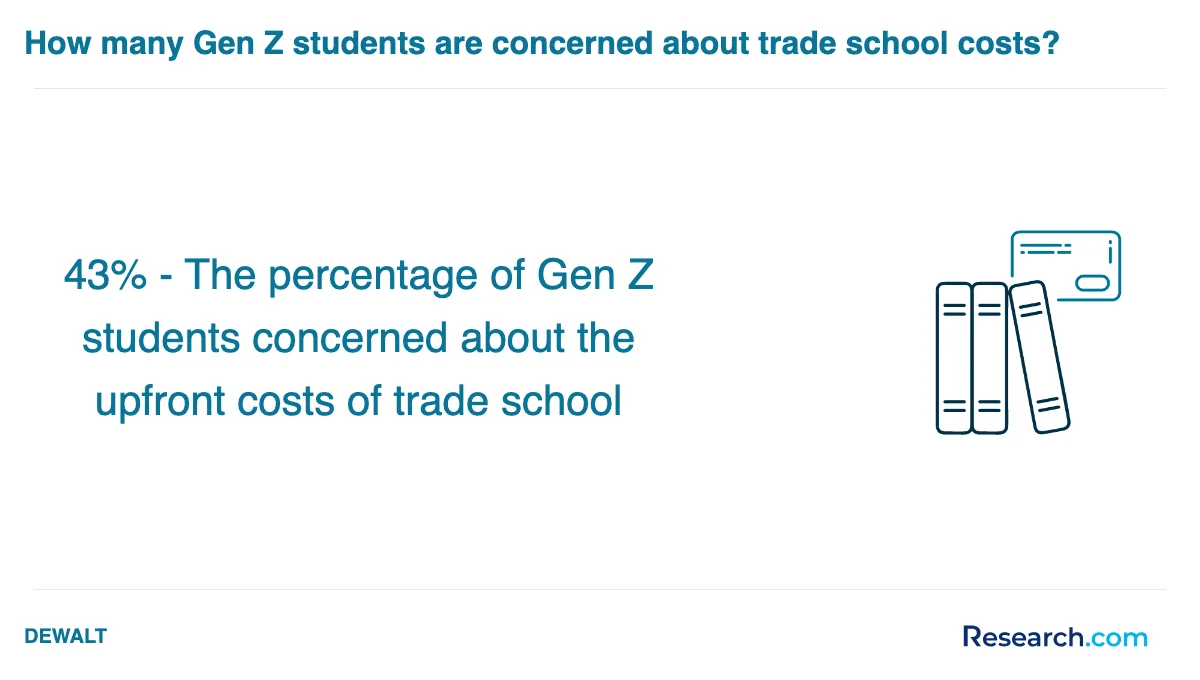
Trade school students in Chicago often find a crucial financial lifeline through the Community Services Block Grant (CSBG) Scholarship Program, which offers awards from $1,000 to $5,000. Many graduates from well-known Chicago vocational schools recall how receiving this scholarship lifted a significant burden, allowing them to focus fully on their classes without worrying about rent or daily expenses.
The Future Ready initiative at City Colleges of Chicago is another game-changer. As a "last-dollar" scholarship, it covers any remaining tuition after other aid like Pell Grants is applied. Students enrolled in in-demand programs, such as welding or HVAC technology, report feeling empowered to accelerate their careers with full tuition coverage, even if they initially struggled to afford these programs.
Federal and state support also plays a big role. Completing the FAFSA opens access to Pell Grants, FSEOG, Direct Loans, and specifically for Illinois residents, the Monetary Award Program (MAP) Grant. Trade school attendees in Chicago frequently praise how these resources combined gave them a clear path to affordable training, turning aspirations into skilled trades careers without overwhelming debt.
Private scholarships through individual schools can provide additional relief - many who have navigated this system emphasize the importance of consulting their financial aid offices early to uncover personalized aids that fit their unique journeys.
Enrolling in a trade school program in Chicago usually means meeting some straightforward but important prerequisites. Most schools expect applicants to have a high school diploma or GED, a baseline that graduates credit with giving them confidence to tackle hands-on skills and technical knowledge. For example, those joining Chicago Builds' pre-apprenticeship programs must be juniors or seniors in CPS high schools and show real commitment by attending info sessions and securing a recommendation from a trusted adult.
Adults pursuing certificate programs at City Colleges of Chicago often share how the simple step of completing an application and attending an information session made them feel welcomed and ready. But if you're aiming for advanced fields-like electrical work or health sciences-be prepared for extra steps such as background checks, drug screenings, or vaccination proof, which many former students appreciate as necessary for safety and professionalism.
- Some programs require placement tests in English or math to match your skills with the curriculum.
- Certification may demand completing specific modules, as HVAC Technical Institute graduates recall adapting to changing industry standards.
Knowing these requirements equips Chicago students to embrace their trade school journey with clarity and enthusiasm, confident they're prepared for what lies ahead.

Trade school programs in Chicago typically include a variety of courses designed to equip students with practical, job-ready skills. Graduates from popular Chicago schools often share how hands-on training and industry-recognized certifications made learning feel both relevant and empowering.
Construction-focused courses stand out, with students gaining expertise in:
- Carpentry
- Electricity
- Heating and cooling (HVAC)
- Welding
These students appreciate the combination of classroom theory and real-world workshops that prepare them for actual job sites, earning certifications like OSHA 10 Construction and First Aid/CPR along the way.
Industrial and manufacturing trades are also strong offerings, where learners master CNC machining, industrial maintenance, blueprint reading, and machine operation-skills highly sought by Chicago's manufacturing employers.
Electrical trade programs cover residential, commercial, and industrial systems, blending electrical theory with intensive lab work and safety protocols that build confidence for the workplace.
In addition, healthcare and IT courses at community colleges focus on medical assisting, pharmacy tech, and IT support, ensuring graduates leave with both technical expertise and professional readiness.
Other commonly pursued trades include plumbing, pipefitting, ironworking, and sheet metal work, often paired with math, job readiness training, and apprenticeship exam preparation-key for direct employment or union apprenticeships.
Trade school programs in Chicago offer a dynamic range of specializations that meet the city's evolving workforce demands. Graduates from these programs often share how hands-on training in construction trades-carpentry, electricity, HVAC, and welding-gave them the confidence to pass union apprenticeship exams and gain certifications like OSHA 10 Construction and CPR-First Aid. Similarly, programs like those at Chicago Women in Trades empower students with real-world skills in ironworking and pipefitting, fostering a sense of achievement and community.
Health sciences programs are thriving, preparing students for in-demand roles in biomedical technology, barbering, and cosmetology. Many find satisfaction in personalized learning environments that mirror fast-paced healthcare settings. Information technology offerings such as game programming and web development speak to Chicago's tech growth, making it possible for students to tap into rewarding digital careers.
Other standout options include culinary arts, hospitality, business, manufacturing, transportation, education, law enforcement, and media arts. These varied pathways highlight how Chicago trade schools adapt to shift industry needs, ensuring graduates gain relevant skills and understand the advantages of vocational training.
- Construction trades with certification focus
- Health sciences and personal care
- Information technology and digital arts
- Culinary and hospitality specialties
- Business, manufacturing, and transportation fields
When choosing the best trade school program in Chicago, look beyond just the course listings. Graduates from Lincoln College of Technology often share how accreditation gave them confidence their certifications would be respected by local employers, boosting their job prospects immediately. Meanwhile, students at HVAC Technical Institute appreciate the hands-on training with real industry equipment, which translates directly into workplace readiness. Understanding the best trade school selection criteria in Chicago means evaluating how each program balances classroom theory with practical skills and whether flexible schedules fit your lifestyle.
Chicago trade school costs can vary widely, so it's vital to compare tuition alongside financial aid options. Many working adults find relief knowing schools offer evening classes and support services like career placement, which smooths their transition into the workforce. For those interested in affordable culinary paths, check out the cheapest baking and pastry arts schools online.

Trade school graduates in Chicago find a variety of career opportunities for trade school graduates in Chicago that are both rewarding and sustainable. Graduates from City Colleges and local technical programs often enter high-demand skilled trades in Chicago like plumbing, electrical work, and HVAC, with many joining apprenticeship programs through unions such as Plumbers Local 130. These pathways not only offer hands-on training but also smooth transitions into well-paying jobs immediately after completing coursework.
Healthcare roles are also a prime choice, with graduates becoming nursing assistants, phlebotomists, or emergency medical technicians, filling crucial positions in Chicago's hospitals and clinics. Those drawn to technology or manufacturing can thrive in careers like CNC machine operation or software support, which are important to the local economy.
Trade schools often incorporate real-world experiences-paid apprenticeships and job shadowing-helping students feel confident stepping into the workforce. For those interested in HVAC, exploring the top online hvac certificate programs is a practical way to build expertise while balancing other commitments.
Trade school graduates in Chicago are stepping into a job market that balances real challenges with promising opportunity. Despite the city's highest-in-the-nation unemployment rate of 6.2% as of June 2024, those who complete programs in skilled trades and tech fields are finding solid ground. Graduates from popular Chicago trade schools often share experiences of landing well-paying jobs quickly, highlighting that 52% secure quality roles and 85% remain employed or continue their education shortly after finishing their studies.
In Chicago's robust sectors like manufacturing, construction, and technology, demand for electricians, plumbers, and aircraft mechanics is steady. Graduates see median wages above $61,000, enjoying strong growth projections nationally and locally. Those focused on tech skills also benefit, with Chicago ranking third in computer and information sciences completions in 2023, connecting them to roles in data analytics and IT infrastructure.
Students interested in programs like an online auto mechanic school can expect a dynamic employment rate for trade school graduates in Chicago with practical skills highly sought after.
- Hands-on training enhances job readiness and confidence.
- Local employers appreciate the direct link between curriculum and workforce needs.
- Graduates frequently outperform peers nationally in early job placement.
Best Trade School & Training Programs - Leading Certification Courses in Chicago for 2026
# 1 position
City Colleges of Chicago-Malcolm X College - Allied Health and Medical Assisting Services, Other.
certificate or diplomaCity Colleges of Chicago-Malcolm X College offers a hybrid program in Allied Health and Medical Assisting Services, Other, providing some distance-education options. The program is accredited by the Higher Learning Commission. Annual in-state tuition is $4,380. Median earnings for students one year after completing the program are $35,140. This program covers instructional content not listed under other allied health or medical assisting categories.
# 2 position
City Colleges of Chicago-Wilbur Wright College - Information Technology.
associateThe Information Technology program at City Colleges of Chicago-Wilbur Wright College offers a hybrid format with some distance education options. It covers the design of technological information systems, including computer hardware, software, algorithms, databases, telecommunications, and user interface design. The program is accredited by the Higher Learning Commission. Annual in-state tuition is $4,380. Median earnings for graduates one year after completion are $34,691.
# 3 position
City Colleges of Chicago-Wilbur Wright College - Computer Systems Networking and Telecommunications.
associateCity Colleges of Chicago-Wilbur Wright College offers a hybrid program in Computer Systems Networking and Telecommunications. The program trains students in designing, implementing, and managing computer systems and networks, covering operating systems, networking theory, security, and troubleshooting. Annual in-state tuition is $4,380. Graduates have a median earning of $34,691 one year after completion. The program is accredited by the Higher Learning Commission.
# 4 position
City Colleges of Chicago-Wilbur Wright College - Computer and Information Systems Security/Auditing/Information Assurance.
associateThe Computer and Information Systems Security/Auditing/Information Assurance program at City Colleges of Chicago-Wilbur Wright College is offered in a hybrid format with some distance-education options. It prepares students to assess security needs, recommend safeguards, and manage security systems, including auditing and maintenance. The curriculum covers computer architecture, programming, networking, cryptography, risk assessment, and related laws. Annual in-state tuition is $4,380. The program is accredited by the Higher Learning Commission.
# 5 position
City Colleges of Chicago-Wilbur Wright College - Criminal Justice/Safety Studies.
associateCity Colleges of Chicago-Wilbur Wright College offers a Hybrid Criminal Justice/Safety Studies program focusing on the criminal justice system, its organizational components, and legal and public policy contexts. The curriculum includes criminal law, police and correctional systems, administration of justice, judiciary, and public attitudes. The program’s annual in-state tuition is $4,380. It is accredited by the Higher Learning Commission.
# 6 position
City Colleges of Chicago-Wilbur Wright College - Business Administration and Management, General.
associateCity Colleges of Chicago-Wilbur Wright College offers a Business Administration and Management, General program with a hybrid format that includes some distance-education options. The program focuses on preparing students to plan, organize, direct, and control firm functions. Coursework covers management theory, human resources, accounting, logistics, marketing, and business decision-making. The annual in-state tuition is $4,380. The program is accredited by the Higher Learning Commission.
# 7 position
City Colleges of Chicago-Wilbur Wright College - Accounting.
associateThe Accounting program at City Colleges of Chicago-Wilbur Wright College offers a hybrid format with some distance-education options. It prepares students to practice accounting and perform related business functions through instruction in accounting principles, financial and managerial accounting, auditing, tax accounting, and professional ethics. The program is accredited by the Higher Learning Commission. Annual in-state tuition is $4,380.
# 8 position
City Colleges of Chicago-Wilbur Wright College - Computer Numerically Controlled (CNC) Machinist Technology/CNC Machinist.
certificate or diplomaThe Computer Numerically Controlled (CNC) Machinist Technology program at City Colleges of Chicago-Wilbur Wright College offers a hybrid format with some distance education options. It trains students to operate CNC machine tools, including lathes and mills, covering setup, programming, operations, and troubleshooting. Instruction includes blueprint reading, technical mathematics, CAD/CAM systems, and safety practices. The program’s annual in-state tuition is $4,380 and it is accredited by the Higher Learning Commission.
# 9 position
City Colleges of Chicago-Wilbur Wright College - Legal Assistant/Paralegal.
associateThe Legal Assistant/Paralegal program at City Colleges of Chicago-Wilbur Wright College is a hybrid program offering some distance education. It prepares students for legal research, drafting, investigatory, record-keeping, and administrative tasks under attorney supervision. Instruction covers legal research, document drafting, pleading, courthouse procedures, and legal specializations. The program is accredited by the Higher Learning Commission, has an annual in-state tuition of $4,380, and median earnings of $30,406 one year after completion.
# 10 position
City Colleges of Chicago-Kennedy-King College - Plumbing Technology/Plumber.
certificate or diplomaCity Colleges of Chicago-Kennedy-King College offers a hybrid Plumbing Technology/Plumber program that prepares students to become licensed plumbers. The curriculum covers technical skills such as pipe installation, welding, blueprint reading, and applicable codes. Graduates earn a median salary of $82,055 one year after completion. The program includes instruction in water systems, pressure adjustment, and industrial processes, with an annual in-state tuition of $4,380. It is accredited by the Higher Learning Commission.
Frequently Asked Questions about trade school programs
After completing trade school in Chicago, preparing for the job market involves multiple strategic steps. Graduates should begin by leveraging career services offered by their schools, which often include resume workshops, job fairs, and interview practice sessions. These resources help graduates tailor applications to Chicago's local industries, such as manufacturing, healthcare, and construction.
Networking is essential. Joining local professional associations or trade unions can provide connections and mentorship opportunities. According to the Illinois Department of Employment Security, Chicago's skilled trades sector is expected to grow by 8% over the next decade, highlighting increasing demand for qualified workers.
Additionally, obtaining relevant certifications recognized by employers enhances job prospects and earning potential.
Employers in Chicago highly value technical skills in trade school graduates, particularly in areas like HVAC, electrical work, welding, and automotive repair. According to the Illinois Department of Employment Security, demand for skilled tradespeople in these fields has grown by 12% over the past five years.
Beyond technical ability, soft skills are crucial. Communication, problem-solving, and teamwork are frequently cited by employers as essential for workforce success. A 2023 survey by the Chicago Workforce Partnership found that 78% of employers prioritize these interpersonal skills along with certifications.
Additionally, safety awareness and adaptability to new technologies are increasingly important, reflecting industry standards and evolving workplace environments in Chicago's trade sectors.
Finding internships in Chicago that align with your trade school program involves a mix of research, networking, and leveraging local resources. Start by contacting your school's career services department, which often maintains partnerships with Chicago-area employers seeking interns in fields like construction, healthcare, and IT.
Utilize online platforms such as Indeed and Handshake, where many Chicago businesses post internship opportunities specifically for trade skills. According to the Illinois Department of Employment Security, the Chicago metro area offers thousands of internship positions annually, notably in skilled trades like electrical work and HVAC.
Local trade unions and professional associations are also valuable for connecting students with hands-on training programs. Attending job fairs and industry-specific events in Chicago can further increase your chances of finding relevant internships.
In Chicago, earning a trade school diploma can significantly enhance career mobility and advancement. According to the Illinois Department of Employment Security, many trades such as electrical work, plumbing, and HVAC see above-average demand growth, offering diploma holders reliable job prospects. Trade school graduates often enter the workforce faster than those pursuing traditional four-year degrees, allowing earlier accumulation of work experience and income.
Graduates with trade diplomas frequently outperform peers without credentials in wage growth. The Chicago Cook Workforce Partnership reports that individuals with technical certifications earn up to 20% more than those with only a high school diploma. Additionally, employers in Chicago's manufacturing and construction sectors value practical skills, increasing promotion opportunities for certified workers.
Part-time job opportunities in Chicago that complement trade school education are abundant, especially in sectors related to students' fields of study. For example, those enrolled in automotive technology programs often find part-time work as mechanics or service assistants at local repair shops. According to the U.S. Bureau of Labor Statistics, automotive technicians in Chicago earn approximately $18 to $25 per hour, making this a practical way to build hands-on experience while earning.
Students in healthcare-related trade programs can benefit from part-time roles as medical assistants or home health aides. The Illinois Department of Employment Security reports consistent demand for these positions, with average wages around $14 per hour. Additionally, construction and electrical trade students may secure part-time laborer or apprentice electrician roles, helping them gain industry-specific skills and network within Chicago's robust construction market.
To find the best degree program near you, it's essential to evaluate your academic and career goals and then research various options available near Chicago, IL. Several reputable universities and colleges offer diverse programs, so using resources like Research.com can help you assess program rankings, faculty credentials, and campus facilities. Furthermore, visiting campuses near me for firsthand experience and attending college fairs can provide additional insights into which degree program meets your needs.
- Best Trade School & Training Programs - Leading Certification Courses in Angola for 2026
- Best Trade School & Training Programs - Leading Certification Courses in Adrian for 2026
- Best Trade School & Training Programs - Leading Certification Courses in Florence for 2026
- Best Trade School & Training Programs - Leading Certification Courses in Akron for 2026
- Best Trade School & Training Programs - Leading Certification Courses in Springfield for 2026
- Best Trade School & Training Programs - Leading Certification Courses in Hamburg for 2026
- Best Trade School & Training Programs - Leading Certification Courses in Emporia for 2026
- Best Trade School & Training Programs - Leading Certification Courses in Little Rock for 2026
- Career and Technical Education (CTE) - City Colleges of Chicago https://www.ccc.edu/menu/career-and-technical-education/
- Trades Pathway | Chicago Hope Academy https://www.chicagohopeacademy.net/trades-pathway
- Job Training Programs | Chicago Public Schools https://www.cps.edu/services-and-supports/college-and-career-planning/learn-plan-succeed/job-training-programs/
- Career and Technical Education | RR Trade School | Join Us Now! https://rrtradeschool.org/
- Midwestern Career College | Career Training http://mccollege.edu/
- Career Pathways - Youth Job Center https://youthjobcenter.org/career-pathways
- Training – Chicago Women in Trades https://cwit.org/training/
- Technical Schools in Chicago Illinois - Per Scholas https://perscholas.org/locations/chicago/


