Best Trade School & Training Programs - Leading Certification Courses in Carthage for 2026

Co-Founder and Chief Data Scientist
Choosing the right trade school in Carthage can shape your future with valuable skills and career opportunities. This article introduces a carefully crafted trade school programs ranking created by the Research.com team of data scientists to help you make an informed choice.
By exploring this ranking, you’ll discover programs that match your goals and offer practical training. Earning a diploma or certification can open doors to rewarding jobs and personal growth. Let us guide you through the best options to start your journey with confidence and excitement.
Key benefits of finishing trade school programs trade school in Carthage
- Trade school graduates in Carthage can expect strong salaries, with averages around $57,418 and some skilled trades paying over $50,000 annually, offering great earning potential early in your career.
- Popular career paths include health sciences, welding, automotive repair, and information technology, fields known for steady demand and opportunities for growth in the Carthage area.
- Online trade school programs provide flexibility and convenience, allowing students to balance learning with personal commitments while still earning valuable diplomas that lead to rewarding jobs similar to traditional on-campus graduates.
- Best Trade School & Training Programs - Leading Certification Courses in Carthage for 2026
- What can I expect from trade school programs trade schools in Carthage?
- Where can I work after finishing trade school programs trade schools in Carthage?
What can I expect from trade school programs trade schools in Carthage?
The average cost of attending a trade school program in Carthage varies widely depending on the length and type of training. Graduates from Carthage Technical Center highlight that short-term certification courses, like phlebotomy, often involve lower tuition fees but include additional costs for required supplies and clinical fieldwork. These programs can average a few thousand dollars, making them an accessible option for many.
Longer vocational programs, such as automotive technology courses, typically require about a year of study and often cost more overall. However, many students find value in the hands-on learning and job-ready skills they acquire, which often lead to immediate employment. Flexible scheduling options appeal to working adults and high school juniors and seniors, easing financial and time constraints with evening or dual credit course availability.
Financial aid and scholarships are frequently available, especially for students qualifying for free or reduced lunch programs, which can reduce out-of-pocket expenses considerably. Graduates often mention the relief and excitement of entering the workforce prepared, appreciating the real-world focus designed into Carthage's trade school programs.
Where can I work after finishing trade school programs trade schools in Carthage?
Graduates of trade school programs in Carthage commonly secure positions in manufacturing, construction, and automotive services, directly benefiting from the city's strong industry demands. For example, those completing programs in auto mechanics, carpentry, machining, or computer information technology at Carthage Technical Center often find work as maintenance technicians, production operators, or concrete laborers. Local manufacturers especially value these hands-on skills, which graduates report give them an immediate advantage in job placements.
Health-related programs, particularly practical nursing, open doors to careers in area hospitals, clinics, and long-term care facilities. Trade school graduates frequently share how practical nursing courses led to opportunities as clinical supervisors or instructors within the Carthage R-IX district, highlighting stable and fulfilling employment within healthcare services.
Other career paths include agriculture technology, business education, and digital electronics, supporting a diverse job market from administrative assistant roles to bus driving and school maintenance. Recent job postings in Carthage's school system illustrate this range, reinforcing the versatility and local demand for trade-trained professionals.
Graduates from trade school programs in Carthage can expect competitive earnings that reflect both local demand and skill level. For example, many Carthage Technical Center alumni report average annual salaries around $57,418, with a median near $52,639. These figures are notably higher than many national averages, highlighting strong employment opportunities in the area.
Starting salaries for new graduates often begin near $25,326 annually, which is realistic for entry-level roles such as apprenticeships or junior technician positions. However, with experience and additional certifications, professionals in fields like electrician, HVAC, welding, or automotive technology frequently surpass $75,000, with top performers earning up to $99,428 per year.
These salaries align well with Missouri's statewide average trade school salary of about $62,986, showing that Carthage graduates hold strong market value. Many graduates feel proud and confident entering the workforce, knowing their education provides both skill mastery and robust income potential in trade careers.
- Programs include allied health sciences, HVAC, electrical technology, welding, automotive technology, and Microsoft Suite skills workshops.
- High school students at Carthage Technical Center must maintain a "C" average and 90% attendance to stay eligible.
- The Phlebotomy Technician program costs $891.25, while shorter courses like Microsoft Suite can cost as little as $50.
- Tuition for high school students is mostly covered by the school district, but students pay for tools, uniforms, and materials.
- Graduates can expect starting salaries from $34,000 to $42,000 for auto mechanics with about one year of training.
Trade school programs in Carthage typically take between several months and one year to complete, offering a swift route to employment. Graduates from Carthage Technical Center, a well-known local institution, often recall completing the Certified Nursing Assistant (CNA) program within a single academic year, combining 75 classroom hours with 100 clinical hours as required by state regulations. This hands-on, focused approach enables students to quickly gain practical skills and enter the workforce confidently.
Similarly, certificate courses in welding or agricultural mechanics usually require under a year of full-time study. Graduates express satisfaction with the intensive, skill-oriented training received, which prepares them effectively for industry certifications and job readiness.
According to U.S. Department of Education data, most Carthage trade programs fall into the "less-than-2-year" category, with many finishing in 12 months or less. Students appreciate this streamlined timeline, allowing them to advance their careers without prolonged academic commitments.
The difference between online and on-campus trade school programs in Carthage centers on instructional mode, flexibility, and hands-on experience. Graduates from online programs appreciate the freedom to complete coursework remotely and on their own schedule, ideal for those juggling work or family. For instance, students enrolled at Carthage-based schools find asynchronous online courses in business or medical assisting allow them to access lectures anytime, fitting study around their lives without sacrificing progress.
Conversely, on-campus programs such as those at Carthage Technical Center provide direct, supervised training in trades like HVAC or welding. Graduates often describe a deeper confidence gained through in-person labs and immediate access to tools, which is crucial for skill mastery and certification. The structured environment fosters community and peer support, motivating students to maintain attendance and meet grading standards for success.
These distinct models cater to different needs-online programs offer flexibility and accessibility, while on-campus paths deliver vital practical experience valued in Carthage's trade industries.
The average cost of trade school in Carthage closely reflects Missouri's wider trends, where tuition and fees generally average around $15,610 for the academic year 2024-2025. Graduates from local trade schools often share that this investment is manageable compared to traditional college routes, especially since many programs last less than two years. This shorter duration keeps Carthage trade school tuition and fees attractive for those seeking quicker entry into the workforce without multiplying expenses over several years.
Students attending popular trade schools in Carthage report tuition varying by program, with technical subjects charging between $450 and $1,160 per credit hour for non-residents. Additional fees of about $50 per credit hour cover necessary supplies such as lab use, technology, and student activities. These extra costs are important to consider but are often offset by financial aid options and scholarships accessible to qualifying students.
Many graduates emphasize that factoring in books, materials, and commuting costs provides a clearer picture of total expenses. However, some schools bundle these expenses into tuition, easing budgeting concerns. For those exploring career paths like solar technology, the most affordable online solar technician training program offers relevant insights into cost-effective options.
Overall, the average cost of a trade school program in Carthage fits well within expected ranges nationwide and delivers strong value by balancing affordability with quality vocational training.

Students enrolled at trade schools in Carthage, such as Carthage Technical Center, benefit from extensive financial aid, with recent data showing 100% of students receive some form of assistance. The backbone of this support is the Free Application for Federal Student Aid (FAFSA), which opens in December 2024 for the 2025-2026 academic year and is crucial for accessing federal grants, loans, and work-study options. Graduates often recall how completing the FAFSA early helped them secure timely funding, avoiding lost opportunities due to missed deadlines like April 1 local priority cutoffs.
Missouri residents attending these programs can tap into the Access Missouri Financial Assistance Program, a need-based grant awarding between $500 and $1,700 annually to students at public two-year institutions like technical centers. The process is straightforward, relying solely on FAFSA results without extra state applications.
Local scholarships also play a vital role. For example, the Blaine A. Childress Scholarship offers $1,000, and the renewable Bob and Jane Ellen Lazenby Scholarship provides $2,000, helping students ease financial stress while focusing on their technical training. Trade schools' dedicated financial aid staff are widely praised for guiding students expertly through these options, ensuring career-focused education remains within reach for all financial backgrounds.
To enroll in a trade school program in Carthage, applicants must be at least 18 years old and hold a high school diploma or an official High School Equivalency Certificate like a GED. Graduates from Carthage Technical Center often recall how providing these documents early simplified their application process.
Applicants must also demonstrate good moral character, typically proved by submitting three letters of reference from unrelated individuals who can attest to the applicant's integrity. Many popular programs in Carthage require a criminal background check and a Family Care Safety Registry background screening, especially those involving hands-on internships, ensuring safety and trustworthiness.
Negative drug test results are another vital prerequisite, reflecting employer safety standards in fields like healthcare and automotive technology. For instance, graduates consistently emphasize how passing this step boosted their confidence entering clinical rotations.
- Minimum age of 18 years
- High school diploma or GED
- Three letters of reference proving good moral character
- Clear criminal and Family Care Safety Registry background check
- Negative drug test result
- Recommended TEAS score of 56%+ for early acceptance at Carthage Technical Center
Completing these prerequisites ensures applicants are primed for success, as shared by many who appreciate the clear guidelines and felt prepared when starting their training in Carthage's trade schools.
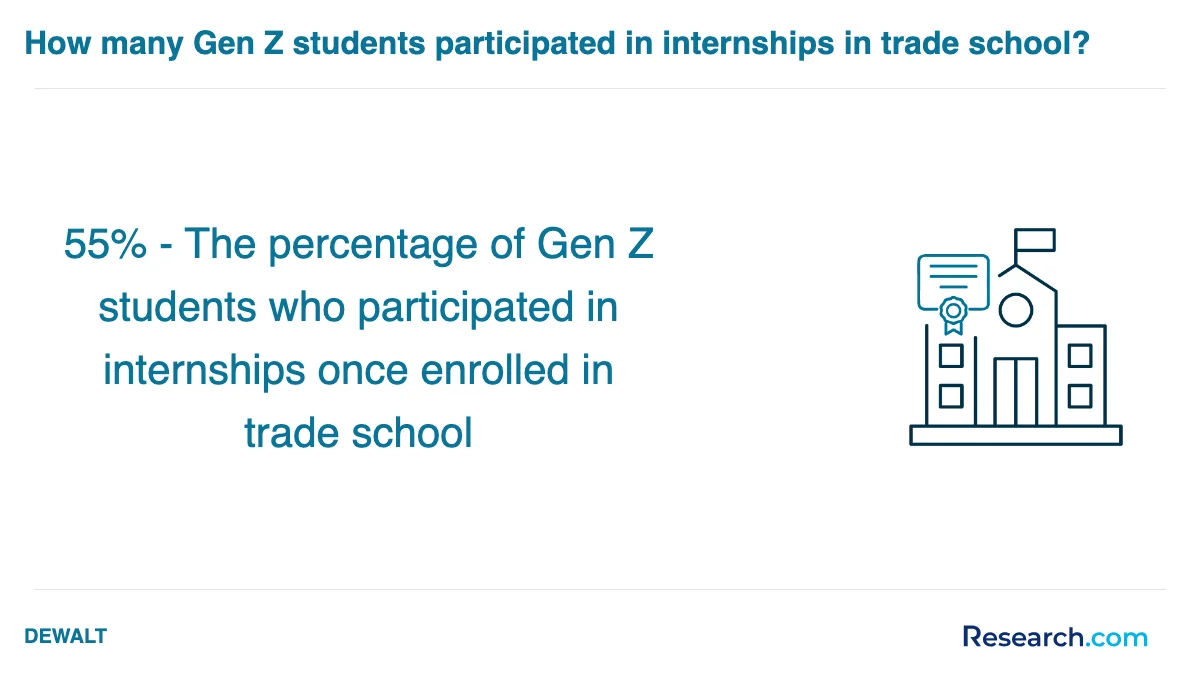
Trade school programs in Carthage commonly include a variety of courses designed to prepare students for immediate workforce entry with hands-on skills. Graduates from the Carthage Technical Center report gaining practical experience in fields aligned with local industry demands.
- Automotive Technology: Students work directly on vehicle diagnostics and repairs, often describing the satisfaction of troubleshooting real engines in fully equipped classrooms.
- Construction and Carpentry: Trainees handle building projects involving blueprint reading and safety, which many recall as essential for their smooth transition into construction careers.
- Drafting and Design: Using CAD software, students create precise architectural or engineering plans, combining creativity with technical precision.
- Agriculture: Courses cover crop science and animal care, reflecting Carthage's strong regional farming ties and preparing students for agribusiness roles.
- Machining and Machine Shop: Hands-on work with CNC machines and lathes equips learners for manufacturing jobs, where mastery of precision tools is key.
- Computer Information Technology and Digital Electronics: Many students express enthusiasm for IT support and networking classes that open doors to Carthage's growing tech sector.
Notably, the Practical Nursing and Nursing Assistant programs attract students eager to gain clinical skills and hands-on medical knowledge for work in local hospitals and long-term care facilities, frequently cited as rewarding and impactful learning experiences.
Trade school programs in Carthage offer a diverse array of specializations designed to equip students with practical, workforce-ready skills quickly. Graduates from popular local schools often highlight electrician training as a leading specialization, where hands-on experience with wiring installation, blueprint reading, and electrical code compliance prepares students for technical, in-demand roles.
Other in-demand paths include industrial technology, focusing on machinery operation and automation, and transportation technology, where students gain expertise in automotive repair and diesel mechanics. For those drawn to construction, specializations cover building design and heavy equipment operation, enabling graduates to confidently manage job sites across residential and commercial projects.
Students pursuing computer technology and digital marketing appreciate programs that teach networking, app development, and online communications, opening doors to IT support and marketing careers. Additional choices such as agriculture technology, utilities/lineman training, health sciences, and business administration reflect Carthage's varied local economy and student needs.
Many Carthage students find financial aid aids their journey through these programs, typically completed in two years or less. Those interested in evaluating options can explore the top vocational trade programs for more data-driven insights.
To identify the best trade school programs in Carthage, start by examining available course offerings and ensure they align with your career goals. Graduates from Carthage Technical Center, for instance, often praise the focused Nursing Assistant program for its practical hands-on training, which prepares students effectively for healthcare roles locally. If your interests lean toward trades like HVAC or automotive technology, expanding your search to nearby institutions or statewide options is wise.
When considering how to select a trade school in Carthage, prioritize accreditation status, as it guarantees quality education and access to licensure. Graduates report that schools emphasizing real-world training, such as Ranken Technical College, significantly improve job placement, often with multiple offers six months post-graduation. Financial aid availability is another key factor; many students find relief through grants, scholarships, or programs where over 70% receive support.
Exploring graduate outcomes and employer relationships reveals programs' effectiveness in securing employment. To get a clearer picture for trades like electrical work, review listings of the most affordable electrician trade school programs online and compare costs and credentials with your Carthage options before deciding.
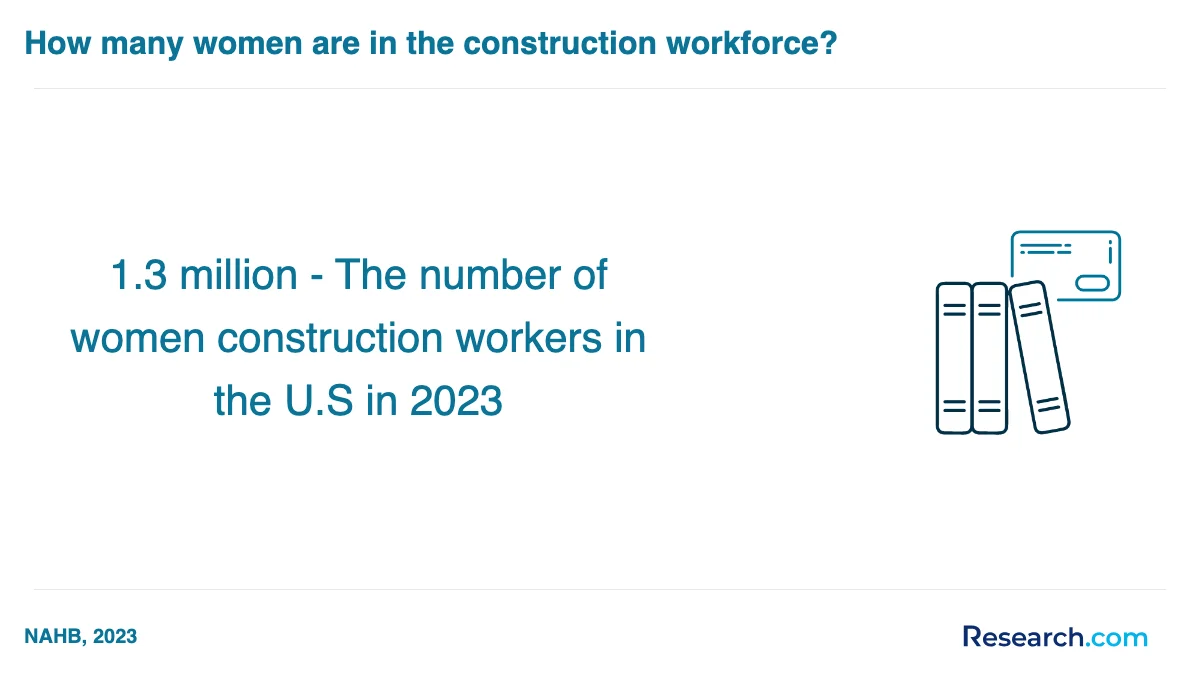
Trade school career opportunities in Carthage span several high-demand fields tailored to the local economy. Graduates from the Carthage Technical Center secure jobs in nursing and allied health, filling roles such as practical nurses and nursing assistants that are vital to regional healthcare facilities. These positions offer stability and growth in one of Missouri's rapidly expanding employment sectors.
Skilled trades represent another robust path. Programs in auto mechanics, carpentry, drafting, and machine shop lead directly to roles as automotive technicians, carpenters, drafters, and machinists. Local employers in construction and manufacturing actively recruit these graduates, who enjoy competitive wages and career advancement opportunities. Graduates report satisfaction in hands-on work that proves essential to the community.
Additionally, students can pursue agriculture and industrial technology careers, including agricultural technicians and electronics repair specialists, while emerging opportunities in business and computer information technology address needs in IT support and digital marketing. Many find success by earning industry certifications, boosting immediate employability.
For those interested in flexible learning, combining technical education with affordability is possible through low cost appliance repair online training, providing a practical route to expanding skills. Overall, Carthage technical center graduate jobs offer a spectrum of rewarding and tangible career options aligned with community demands.
The job market for trade school graduates in Carthage is currently robust, with roughly 120 trade-related job openings including roles like plumber, concrete laborer, and production operator. Local graduates from Carthage Technical Center frequently find employment swiftly due to strong demand in sectors such as construction and welding. For example, many recent graduates have secured positions in HVAC and commercial truck driving within weeks of completing their programs.
The Carthage Missouri technical careers employment outlook remains positive, reflecting national trends where construction adds nearly 155,000 jobs annually. Employers emphasize hands-on skills, making career-focused trade schools in Carthage an excellent choice for students eager to enter the workforce with practical expertise.
Key growth areas include welding-where shortages are keenly felt nationwide-and electrical work. Graduates often experience job security and competitive wages, with clear advancement paths.
Students interested in affordable training options can explore the cheapest online construction training programs to complement local offerings.
Best Trade School & Training Programs - Leading Certification Courses in Carthage for 2026
# 1 position
Panola College - Computer and Information Systems Security/Auditing/Information Assurance.
associatePanola College offers a program in Computer and Information Systems Security/Auditing/Information Assurance, preparing students to assess security needs, recommend safeguards, and manage security systems. The curriculum covers computer architecture, programming, networking, cryptography, auditing, law, risk assessment, and investigation techniques. The annual in-state tuition is $2,280. The program is accredited by the Southern Association of Colleges and Schools Commission on Colleges.
# 2 position
Panola College - Welding Technology/Welder.
associatePanola College offers a fully online Welding Technology/Welder program designed to prepare students with technical skills in arc welding, resistance welding, brazing, soldering, and cutting. The curriculum covers welding metallurgy, processes, safety, structural design, and applicable codes. Annual in-state tuition is $2,280. The program is accredited by the Southern Association of Colleges and Schools Commission on Colleges.
# 3 position
Panola College - Welding Technology/Welder.
certificate or diplomaPanola College offers a fully online Welding Technology/Welder program designed to teach technical skills in welding and cutting metal surfaces. The curriculum includes arc welding, resistance welding, brazing, soldering, and high-energy beam welding, along with welding metallurgy, processes, safety, and applicable codes. The program is accredited by the Southern Association of Colleges and Schools Commission on Colleges, and annual in-state tuition is $2,280.
# 4 position
Panola College - Medical Insurance Coding Specialist/Coder.
certificate or diplomaPanola College offers a Medical Insurance Coding Specialist/Coder program that trains students in specialized data entry, classification, and record-keeping for medical diagnostics, treatment, billing, and insurance documentation. The curriculum covers medical records software, anatomy, physiology, medical terminology, medical science fundamentals, data classification, coding, and Medicare regulations. The annual in-state tuition is $2,280. The program is accredited by the Southern Association of Colleges and Schools Commission on Colleges.
Frequently Asked Questions about trade school programs
After completing a trade school program in Carthage, it is essential to take deliberate steps to enter the job market successfully. Start by building a strong resume that highlights practical skills and certifications earned during training. Many trade schools in Carthage offer career services, including resume assistance and interview preparation, which can increase job placement rates.
Networking plays a critical role; connect with local employers and attend job fairs targeting skilled trades. According to the U.S. Department of Labor, nearly 80% of skilled trade jobs are filled through networking and referrals.
Consider apprenticeships or internships to gain hands-on experience and improve employability. Also, keep updated with industry standards and certifications, as many Carthage employers prefer certified workers. This proactive approach enhances the chances of securing stable employment after graduation.
Employers in Carthage prioritize practical skills when hiring trade school graduates. According to the National Skills Coalition, technical proficiency-such as mastery in welding, electrical systems, or HVAC technology-is essential and often the first requirement in job listings.
A survey by the U.S. Bureau of Labor Statistics highlights that about 70% of trade employers emphasize problem-solving and critical thinking as key soft skills. This helps workers adapt to varied worksite challenges effectively.
Additionally, punctuality and teamwork are valued in Carthage's industries, including manufacturing and construction. Employers report that graduates who demonstrate reliability and communication skills tend to advance faster.
Hands-on experience through internships or apprenticeships further increases employability in this region's skilled labor market.
Finding internships in Carthage relevant to your trade school program involves several key steps. Start by consulting your trade school's career services, as many maintain partnerships with local businesses offering internships. According to the National Association of Colleges and Employers, 65% of internships are secured through school resources and networking.
Additionally, explore local business directories and chambers of commerce websites in Carthage for companies in your field. Industries such as manufacturing, automotive repair, and healthcare often provide internship opportunities tailored to trade skills. Websites like Indeed and Handshake also list local internships.
Networking through community events and trade organizations in Carthage can open doors to unadvertised internships. Early application and proactive communication with employers increase your chances of placement.
In Carthage, a trade school diploma significantly enhances career mobility and advancement prospects for many individuals. Graduates with trade certifications often find faster entry into skilled professions, which are in demand locally due to Carthage's growing industries such as manufacturing and healthcare. According to the U.S. Bureau of Labor Statistics, trade occupations show a projected growth rate of 7% nationally through 2031, indicating stable job opportunities.
Trade diplomas provide practical skills that many employers value highly, sometimes leading to higher starting salaries compared to traditional associate degrees. For example, Carthage employers in construction or HVAC sectors frequently seek certified professionals, viewing trade credentials as key qualifications for promotion.
Moreover, local workforce reports highlight that trade school graduates in Carthage report median annual earnings 15-20% above those without specialized training, reflecting improved social mobility. Access to apprenticeships and on-the-job training following diploma completion further supports career advancement.
Part-time job opportunities in Carthage that complement trade school education often align closely with the skills students acquire in their programs. For example, those studying automotive technology can find positions at local repair shops, gaining hands-on experience while earning income. Healthcare students may secure roles as nursing assistants or medical receptionists, which reinforce practical knowledge and improve patient communication skills.
According to Missouri Economic Research and Information Center data, Carthage's retail and healthcare sectors are growing steadily, offering accessible part-time roles. Positions such as warehouse workers or administrative assistants also help build relevant skills in trades like logistics and office management.
Engaging in part-time work related to a student's trade program enhances both technical abilities and workplace professionalism, fostering stronger job readiness upon graduation.
To find the best degree program near you in Carthage, TX, start by researching local colleges and universities that offer programs aligned with your interests and career goals. Utilize resources like Research.com to analyze the rankings and areas of expertise of these institutions. Additionally, consider visiting campuses near Carthage, TX, to gather firsthand information and speak with admissions counselors for personalized guidance.
- Carthage Technical Center - Continuing Ed https://ctc.carthagetigers.org/19175_2
- Career Preparation & Internships • Why Carthage • Carthage College https://www.carthage.edu/why-carthage/career-preparation/
- School of Professional & Technical Programs | Panola College https://www.panola.edu/academics/school-professional-technical-programs
- Home http://leake_countyctc.campuscontact.com/
- Career & Technical Education | Smith County School System https://www.smithcoedu.com/page/career-and-technical-education
- Enrichment for Students - Carthage Central School District https://carthagecsd.org/en/academic-programs-resources-ac40e4bd/enrichment-for-students-d94e7061