Best Certificate Programs - Leading Certification Courses in Mobile for 2026

Co-Founder and Chief Data Scientist
Choosing the right trade school certificate program can be overwhelming, especially with so many options available in Mobile. This article aims to simplify that decision by featuring a trade school certificate programs ranking created by the Research.com team of data scientists. Their data-driven approach helps identify programs that truly stand out.
By reading, you’ll discover valuable insights that make it easier to find programs offering practical skills and real career benefits. Earning a trade certification can open doors to meaningful, well-paying jobs, making your future brighter and more secure.
Key benefits of getting trade school certificate in Mobile
- Expected salary: Trade school graduates in Mobile can earn between $45,800 and $73,900 per year on average, with some top earners making up to $90,638 annually. Entry-level wages start around $22 per hour, offering a solid living from the start.
- Popular career paths: Graduates often pursue in-demand jobs like HVAC technicians, automotive and diesel mechanics, plumbers, medical assistants, and practical nurses-all with strong earning and growth potential.
- Benefits of online certification: Online trade programs offer flexibility to balance work and study, making it easier to gain skills and start earning sooner, just like many successful Mobile graduates have experienced.
- Best Certificate Programs - Leading Certification Courses in Mobile for 2026
- What can I expect from trade school certification programs in Mobile?
- Where can I work with trade school certification in Mobile?
What can I expect from trade school certification programs in Mobile?
The average cost of a trade school certification program in Mobile typically ranges between $3,000 and $4,000. Graduates from popular programs at Bishop State Community College and Remington College often share how this affordable price point made it possible for them to start gaining real skills without breaking the bank.
Students at these schools appreciate the practical focus, knowing that their tuition covers access to industry-standard labs and hands-on training rather than just theory. For example, a graduate from an HVAC technician program valued the quick turnaround-completing their training in about six weeks while feeling confident stepping into a well-paying job immediately after.
Healthcare certification students sometimes spend longer, up to two years, but they find the investment worthwhile given the robust career services that assist with job placement and resume preparation. Programs often include work-based learning like apprenticeships, which many find motivating because they get to apply their skills during training.
Overall, Mobile trade schools balance cost, quality training, and career support in ways that help students move efficiently into the workforce.
Where can I work with trade school certification in Mobile?
After completing a trade school certification in Mobile, you'll find job options across industries like construction, healthcare, automotive, HVAC, welding, and business services. Graduates from local programs often step directly into roles such as Pipe Welder or HVAC Service Technician, earning competitive wages supported by Mobile's industrial and Gulf Coast economy.
For instance, those certified in welding or pipefitting through local trade schools report hourly pay between $26 and $38, quickly landing positions thanks to steady demand at the city's port and manufacturing sectors. HVAC graduates from schools like Bishop State Community College or Champion Technician Institute commonly secure technician jobs with good benefits and stable schedules, aided by Mobile's climate-driven need for air conditioning experts.
Healthcare certifications open doors in Mobile's growing medical facilities, with graduates finding work as medical assistants or billing specialists at clinics and hospitals, thanks to programs at Bishop State or Remington College. Similarly, automotive and cosmetology grads from Bryant Career Technical Center or Remington College often gain fast employment in local repair shops or salons, supported by strong job placement services.
Trade schools here don't just train-they connect you with employers through job fairs and coaching, making the jump from classroom to career smoother and more confident.
After finishing a trade school certification program in Mobile, graduates often see promising earnings that make the effort worthwhile. On average, trade school graduates in Alabama earn about $60,863 annually, or roughly $29.26 per hour. Many find themselves starting around $36,000 to $50,000, which already beats many entry-level jobs without specialized training.
For instance, graduates from popular local trade schools find work as HVAC technicians, earning between $36,716 and $67,952 per year. Those trained as vehicular and equipment mechanics often secure jobs paying $30,000 to $80,000 annually. Plumbers in Mobile report similar starting salaries, with increases as they gain experience.
Imagine a recent graduate applying their new skills on the job site or in busy service calls, confident that their hourly wage is steadily climbing as they gain certifications or move into more specialized roles. Many feel a sense of accomplishment and financial stability shortly after graduation, especially knowing these trades have strong local demand and room for growth.
- Jasmine: Studying HVAC at Mobile Trade Institute was a game-changer. The hands-on training gave me confidence, and the career services helped me land a local technician job quickly. It feels amazing to work in a growing field that truly values my certification.
- Marcus: Getting my welding certification in Mobile Trade Center opened doors I never expected. The expert instructors made learning exciting, and now I'm employed at a shipyard right here. This program turned my passion into a steady, rewarding career.
- Elaine: The cosmetology program at Bay City Trade School in Mobile exceeded my expectations. The flexible schedule fit my life perfectly, and I loved the creative skills I gained. Finding a salon position right after graduation showed me this was the perfect path.
- Trade school certificate programs in Mobile typically take 6 weeks to 1 year, while diploma programs last 6 months to 2 years and associate degrees require 18 to 24 months.
- Most schools require a high school diploma or GED, but some, like Bryant Career Technical Center, offer dual enrollment for high school students to earn college credits.
- Average costs range from $3,000 to $4,000 for certification programs, with Bishop State charging about $4,000 annually for in-state and $8,000 for out-of-state tuition.
- Job placement guarantees and strong industry connections are common, especially in healthcare, skilled trades, and technology fields.
- Starting salaries for graduates range from $30,000 to $50,000, with experienced workers in skilled trades and healthcare earning $50,000 to $70,000 or more annually.
Trade school certification programs in Mobile typically take anywhere from a few months up to two years to complete, depending on the field and school you choose. Graduates from short-term certificate programs at places like Coastal Alabama Community College and Bishop State Community College often finish in less than a year, usually within one or two semesters. This fast pace suits those eager to quickly jump into roles in business, technical fields, or supervisory positions.
Others pursuing certifications at Mobile trade schools report average program lengths ranging from about 13 to 24 months. For instance, cosmetology students at Blue Cliff Career College usually complete their training in about 15 months, which graduates describe as an intense but rewarding experience. Similarly, students in Diagnostic Medical Sonography at the Cardiac and Vascular Institute often finish in a comparable timeframe.
If you opt for more technical paths like engineering technology or licensed practical nursing at ITT Technical Institute-Mobile or Virginia College-Mobile, expect programs lasting closer to two years. Many find the balance of online and evening classes helpful to manage work and study, even if this slightly extends their completion time. Overall, Mobile's trade schools offer flexible scheduling designed to help students succeed without sacrificing their daily responsibilities.
The main difference between online and on-campus trade school certification programs in Mobile lies in how you access learning and hands-on practice. Online programs, like those offered through partnerships with local providers such as ed2go, let students study from home, fitting classes around jobs and family life. Graduates often appreciate the flexibility to watch video demonstrations or complete interactive modules at their own pace while gaining solid theoretical knowledge.
On the other hand, attending a school like Bishop State Community College or Fortis College means showing up in person to use actual equipment in labs and workshops. Graduates highlight the value of immediate feedback from instructors and the camaraderie found in working alongside peers during hands-on training, especially for trades like HVAC or welding where practical skills are critical.
Some programs, such as the fast-track HVAC courses at Champion Technician Institute, offer both formats with the same six-week duration, but many skills-heavy certifications require you to be on campus for direct supervision and real-world experience.
The average cost of mobile trade school certification in 2026 typically ranges from $3,000 to $4,000 for many short-term programs at community colleges and local technical institutes. Graduates from these programs often share how affordable tuition allowed them to complete between 600 and 1,200 hours of training without overwhelming financial burden, making career shifts or skill upgrades feasible. For instance, Bishop State Community College charges about $4,000 per year for in-state students, offering certificate programs in healthcare, skilled trades, and business that local students find budget-friendly and practical.
Tuition and fees for mobile certification programs vary by institution and program type. Private schools like Champion Technician Institute charge around $6,800 for their HVAC program, while Remington College's diploma courses can range from $6,800 to $21,000 per year depending on the field. FORTIS College averages about $15,000 annually. Graduates from these schools often report the investment was worth it due to specialized training and strong hands-on experience in their chosen fields.
Most programs separate tuition from additional expenses such as textbooks, tools, and certification fees, which can add several hundred to a few thousand dollars. Students in Mobile should explore federal and state aid options to reduce out-of-pocket costs. For those weighing options, it helps to visit what's the best trade school to see comprehensive comparisons of costs and aid available.
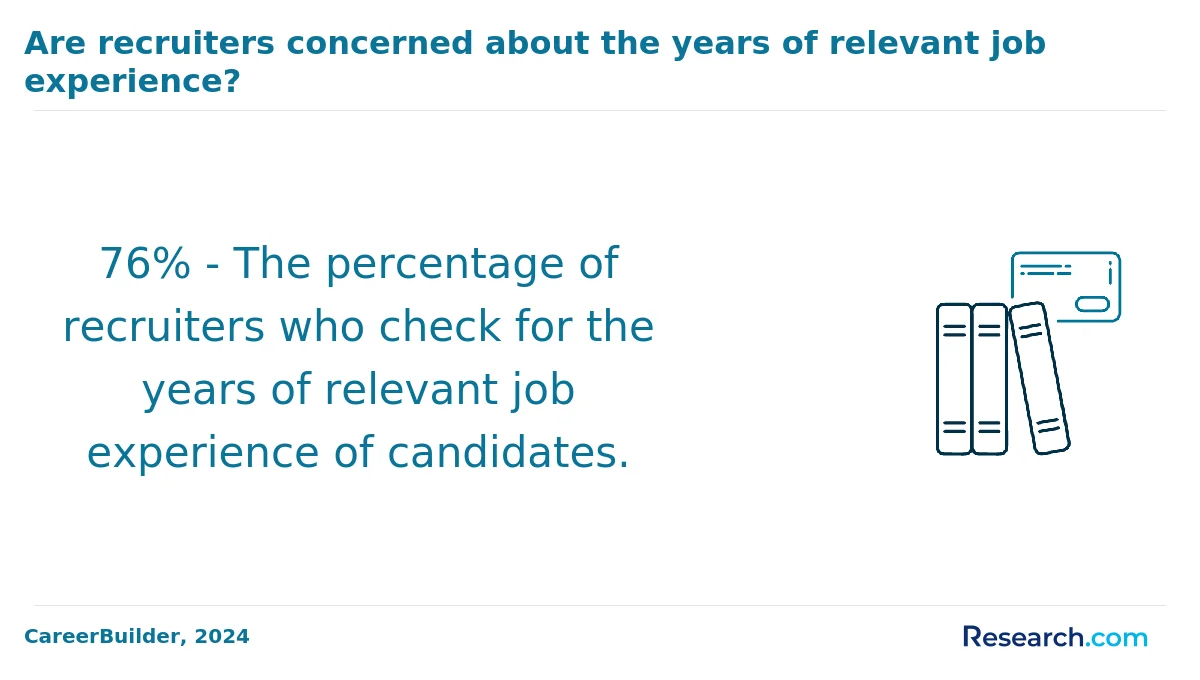
Students pursuing trade school certification programs in Mobile often rely on a mix of federal, state, and local financial aid to manage costs. Completing the FAFSA is essential, as it opens doors to federal grants like the Pell Grant, which can provide up to $7,395 for eligible students. Many graduates from Remington College have told how this grant covered a significant portion of their tuition, easing financial worries and allowing them to focus on skill-building.
State programs also offer robust support. For instance, the Alabama Student Assistance Program provides need-based grants up to $5,000 annually, while the Alabama Student Grant offers up to $1,200 regardless of financial need. Students attending community colleges within the Alabama Community College System benefit from the Two-Year College Academic Scholarship Program that covers in-state tuition and books, rewarding academic achievement rather than financial status.
In addition to grants, work-study and federal student loans remain viable options, giving students further financial flexibility. Many attending local trade schools report that institutional scholarships and payment plans have made certification programs more accessible and manageable, making the pursuit of a trade certification a realistic and encouraging path forward.
To enroll in trade school certification programs in Mobile, most applicants need at least a high school diploma or GED. This basic requirement applies across popular schools like Bishop State Community College, FORTIS College, and Remington College. Graduates often recall that having this credential opened the door to hands-on learning and career-building opportunities quickly.
Some programs, especially in healthcare-such as Licensed Practical Nurse (LPN) or Emergency Medical Technician (EMT)-have additional demands:
- Completion of prerequisite courses, sometimes mandated by institutions like Bishop State
- A minimum GPA, reflecting the need for solid academic preparation
- Passing scores on standardized tests like the TEAS
- Meeting state-specific eligibility for EMT candidates
Trades like HVAC or welding usually stick to the diploma or GED rule, though some students find brushing up on basic math or science helpful before starting. Graduates often share how this made technical classes more manageable.
Keep in mind, many healthcare and safety-related programs require background checks. Those with prior convictions may need to prove restored civil rights to pursue certification. Open admissions policies at most trade schools mean opportunities abound, whether you're fresh out of high school or pivoting careers.
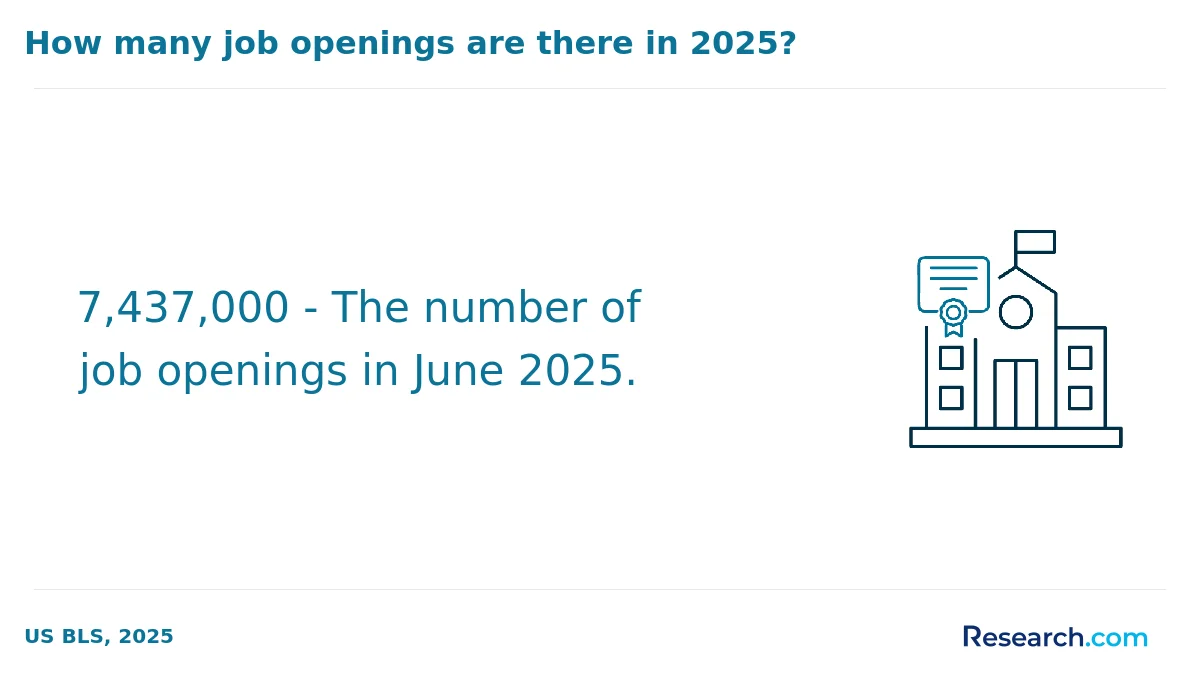
Trade school courses in Mobile AL focus on practical, career-ready skills tailored to local industry demands. Healthcare certification programs are highly sought-after, featuring classes in medical assisting, billing and coding, pharmacy technology, anatomy, and clinical skills. Graduates often share how these courses prepared them to confidently enter healthcare roles right after completion.
Skilled trades programs provide hands-on training, like the HVAC Fast Track at Bishop State Community College. This 11-week intensive course covers diagnostics, mechanics, electricity, and safety protocols, culminating in EPA certification. Graduates have praised the program's pace and valuable industry-focused curriculum.
Other popular certificate program curriculum Mobile Alabama includes welding technology, automotive repair, cosmetology, construction, and lineworker training. Welding classes teach metallurgy and blueprint reading, while cosmetology includes hair cutting and salon management. Students regularly highlight externships and labs that connect them directly to local employers, boosting job readiness.
For those exploring career options, understanding what are trade careers can help align course choices with long-term goals.
Start by focusing on the school's accreditation to ensure your certification holds value with local employers and state boards. Graduates from Bishop State Community College often praise its accredited practical nursing program, which aligns closely with licensure requirements in Mobile. When choosing among the best trade school programs in Mobile AL, consider program offerings that match your career goals, such as HVAC, welding, or information technology, and check if the curriculum leads to industry certifications.
Costs can vary considerably, so knowing how to compare Mobile trade school costs helps avoid surprises. Many students find affordable certificate programs at community colleges, while others opt for private institutions with robust job placement services, like Champion Technician Institute, where graduates report a 100% employment rate. Flexible scheduling is another key factor, especially if you're balancing work and school.
For those seeking budget-friendly, accessible options, exploring low cost online landscaping technology trade school programs can also provide creative paths to certification.
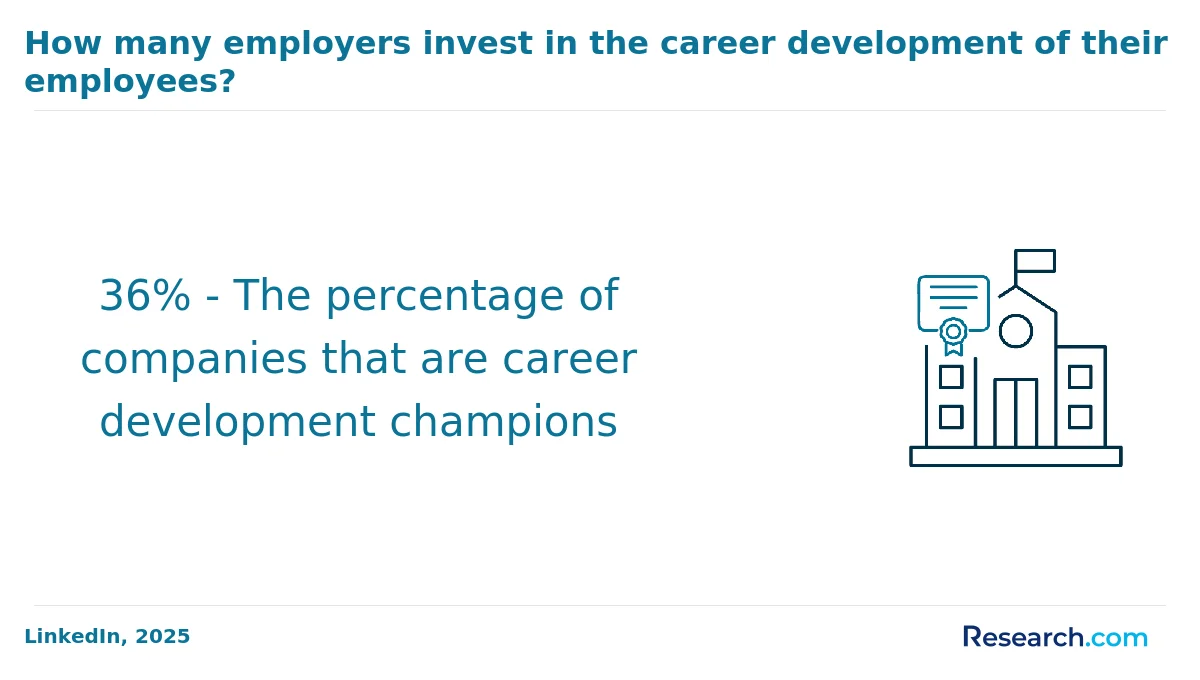
Trade school careers in Mobile Alabama cover a wide range of practical fields with strong local demand and clear job prospects. Graduates from schools like Bishop State Community College and FORTIS College often step directly into roles as licensed practical nurses, physical therapy assistants, and pharmacy technicians. Their training lines up with Mobile's expanding healthcare sector, where certified professionals are consistently sought after.
Another pathway within Mobile Alabama vocational program job opportunities is the skilled trades. HVAC certificates, which can be earned in as little as six weeks at places like Champion Technician Institute, open doors to immediate employment. Welding, electrical work, and automotive mechanic roles are also highly accessible, thanks to Mobile's manufacturing and industrial growth.
Beyond healthcare and trades, many graduates find success in business and technology fields, securing jobs in office administration, accounting, and IT support. There are also specialized certificates in cosmetology, culinary arts, and early childhood education. For those interested, exploring affordable online appliance repair trade school programs can add valuable skills aligned with regional trades.
The employment opportunities for trade school graduates in Mobile remain strong, driven by the city's diverse economy and ongoing industrial growth. Graduates from popular local schools like Bishop State Community College and Bryant Career Technical Center often find themselves quickly employed in fields aligned with Mobile Alabama skilled trades job market demands.
Healthcare certifications consistently yield rewarding careers, with graduates reporting swift job placements in nursing, medical assisting, and pharmacy technician roles through partnerships with area hospitals. Likewise, HVAC technicians find steady work thanks to Mobile's climate and growth in residential and commercial construction. Champion Technician Institute even offers a 100% job placement guarantee, making HVAC a particularly reliable choice.
Skilled trades such as welding, electrical technology, and automotive mechanics also benefit from Mobile's industrial sectors, including shipbuilding and manufacturing. Many local graduates land hands-on roles immediately after completing apprenticeships or internships tied to their programs.
For those seeking flexible options, exploring cheap hvac trade school programs online can supplement in-person training and broaden opportunities.
Best Certificate Programs - Leading Certification Courses in Mobile for 2026
# 1 position
Fortis College - Dental Assisting/Assistant.
certificate or diplomaThe Dental Assisting/Assistant program at Fortis College offers hybrid learning with some distance-education options. It prepares students to provide patient care, take dental radiographs, assist chairside, and manage office administrative tasks under supervision. Instruction includes medical record-keeping, equipment maintenance, scheduling, and patient care. Graduates have a median earning of $22,821 one year after completion. The program is accredited by the Accrediting Bureau of Health Education Schools.
# 2 position
Fortis College - Heating, Air Conditioning, Ventilation and Refrigeration Maintenance Technology/Technician.
certificate or diplomaFortis College offers a hybrid program in Heating, Air Conditioning, Ventilation and Refrigeration Maintenance Technology/Technician. The curriculum includes instruction in diagnostic techniques, testing equipment, and principles of mechanics, electricity, and electronics for repairing heating, air conditioning, and refrigeration systems. Graduates earn a median salary of $32,004 one year after completing the program. The program is accredited by the Accrediting Bureau of Health Education Schools.
# 3 position
Remington College-Mobile Campus - Heating, Air Conditioning, Ventilation and Refrigeration Maintenance Technology/Technician.
certificate or diplomaThe Heating, Air Conditioning, Ventilation and Refrigeration Maintenance Technology/Technician program at Remington College-Mobile Campus offers hybrid instruction to prepare students for repairing, installing, and maintaining HVAC and refrigeration systems. The curriculum covers diagnostic techniques, testing equipment use, and principles of mechanics, electricity, and electronics relevant to the trade. Annual in-state tuition is $20,476, with median earnings one year after completion at $31,763. The program is accredited by the Accrediting Commission of Career Schools and Colleges.
# 4 position
Cardiac and Vascular Institute of Ultrasound - Diagnostic Medical Sonography/Sonographer and Ultrasound Technician.
certificate or diplomaThe Diagnostic Medical Sonography/Sonographer and Ultrasound Technician program at the Cardiac and Vascular Institute of Ultrasound offers hybrid learning with some distance-education options. It trains students to perform medical ultrasound techniques to collect sonographic data for diagnosing various conditions. The curriculum covers patient care, data processing, sonography equipment operation, and professional ethics. Graduates earn a median annual salary of $60,226. The program is accredited by the Accrediting Bureau of Health Education Schools.
# 5 position
Bishop State Community College - Heating, Air Conditioning, Ventilation and Refrigeration Maintenance Technology/Technician.
certificate or diplomaBishop State Community College offers a program in Heating, Air Conditioning, Ventilation and Refrigeration Maintenance Technology/Technician. This program prepares students to repair, install, service, and maintain heating, air conditioning, and refrigeration systems. Instruction includes diagnostic techniques, testing equipment use, and principles of mechanics, electricity, and electronics related to these systems. Annual in-state tuition is $5,280. The program is accredited by the Southern Association of Colleges and Schools Commission on Colleges.
# 6 position
Bishop State Community College - Automobile/Automotive Mechanics Technology/Technician.
certificate or diplomaBishop State Community College offers a Hybrid Automobile/Automotive Mechanics Technology/Technician program designed to prepare students with technical skills for repairing, servicing, and maintaining various automobiles. The curriculum covers brake systems, electrical systems, engine performance and repair, suspension, steering, transmissions, drive trains, and heating and air conditioning systems. Annual in-state tuition is $5,280. The program is accredited by the Southern Association of Colleges and Schools Commission on Colleges.
# 7 position
Bishop State Community College - Nursing Assistant/Aide and Patient Care Assistant/Aide.
certificate or diplomaBishop State Community College offers a hybrid Nursing Assistant/Aide and Patient Care Assistant/Aide program that prepares students to perform routine nursing-related services under supervision. The program is accredited by the Southern Association of Colleges and Schools Commission on Colleges. Annual in-state tuition is $5,280, providing an accessible option for students seeking training in hospital or long-term care settings with some distance-education components.
# 8 position
Bishop State Community College - Electrician.
certificate or diplomaBishop State Community College offers a Hybrid Electrician program that trains students to install, operate, maintain, and repair electric systems including residential, commercial, and industrial wiring. The curriculum covers electronics principles, power transmission, safety, electrical testing, and applicable codes. The program’s annual in-state tuition is $5,280. It is accredited by the Southern Association of Colleges and Schools Commission on Colleges.
# 9 position
Bishop State Community College - Welding Technology/Welder.
certificate or diplomaBishop State Community College offers a Welding Technology/Welder program with a hybrid format that includes some distance education. The program prepares students to apply technical skills in welding processes such as arc welding, resistance welding, brazing, soldering, and cutting. Instruction covers welding metallurgy, structural design, safety, and relevant codes. Annual in-state tuition is $5,280. Median earnings one year after completion are $30,688. The program is accredited by the Southern Association of Colleges and Schools Commission on Colleges.
# 10 position
Remington College-Mobile Campus - Medical Insurance Coding Specialist/Coder.
certificate or diplomaRemington College-Mobile Campus offers a Medical Insurance Coding Specialist/Coder program with a hybrid format that includes some distance education. The program trains students in medical records, insurance software, anatomy, physiology, medical terminology, and coding procedures related to diagnostic, billing, and insurance documentation. Annual in-state tuition is $20,476. Graduates earn a median income of $21,686 one year after completion. The program is accredited by the Accrediting Commission of Career Schools and Colleges.
Frequently Asked Questions about trade school certificates
After completing trade school certification programs in Mobile, preparing for the job market involves several practical steps. First, graduates should refine their resumes to highlight hands-on skills and relevant certifications, as employers in Mobile's industries value demonstrated expertise. According to the Mobile Area Chamber of Commerce, sectors like manufacturing and healthcare actively seek certified technicians.
Networking is also crucial; connecting with local employers through job fairs or industry associations can increase job opportunities. Many trade schools in Mobile offer career services to assist with interview preparation and job placement, which can improve employment outcomes.
Lastly, staying informed about Alabama's labor market trends and pursuing continuous education or additional certifications can enhance employability and earning potential.
Employers in Mobile prioritize a combination of technical expertise and soft skills when hiring graduates from trade school certification programs. According to the U.S. Bureau of Labor Statistics, specific technical abilities such as proficiency in HVAC systems, welding, and electrical work are highly sought after in this region. Local employers often emphasize hands-on experience and the ability to adapt to evolving technologies.
Soft skills like effective communication, teamwork, and problem-solving are also crucial. The Alabama Department of Labor highlights that workers who demonstrate reliability and a strong work ethic have better employment prospects. These combined skills ensure graduates meet the practical demands of Mobile's growing industries.
To find internships in Mobile that align with your trade school certification program, start by exploring local employers related to your field. Mobile's economy prominently features shipbuilding, aerospace, manufacturing, and healthcare industries, which regularly offer internship opportunities.
Contacting your trade school's career services office is critical, as many maintain connections with local businesses. They often have updated listings and partnerships to help students secure placements.
Online platforms like Handshake and Indeed host internship listings specific to Mobile. Additionally, the Mobile Chamber of Commerce and Alabama Department of Labor websites provide resources and job fairs focused on trades and technical roles.
Networking remains essential. Joining groups such as the Mobile Area Home Builders Association or local trade unions can connect you with insiders aware of unadvertised internships.
According to a 2023 report from the Alabama Office of Apprenticeship, internships in technical fields in Mobile grew by 12% over two years, reflecting increased employer interest in trade certifications.
Trade school certifications in Mobile significantly enhance career mobility by providing specialized skills that employers demand. According to the Alabama Community College System, certified trade professionals in Mobile often see job placement rates above 80% within six months of program completion. These credentials enable workers to qualify for higher-paying roles and promotions more rapidly than those without formal certification.
The Mobile area's growing industries-such as manufacturing, construction, and healthcare-value certifications as proof of competency. This recognition helps reduce barriers to entry, allowing graduates to advance within local companies or transition between sectors more easily.
Research from the Georgetown University Center on Education and the Workforce highlights that workers with trade certifications nationally earn 20% more on average than non-certified peers, a trend reflected in Mobile's economy.
Part-time job opportunities in Mobile can effectively complement trade school certification program education, offering practical experience alongside classroom learning. Common positions include automotive technician assistant, electrical helper, and HVAC technician apprentice, which align well with programs in mechanics, electrical work, and heating, ventilation, and air conditioning.
The U.S. Bureau of Labor Statistics highlights that these roles often pay between $12 and $18 per hour in the Mobile metropolitan area, providing valuable income while building skills. Additionally, retail hardware stores and local construction companies frequently seek part-time workers with basic trade knowledge, offering a practical setting to apply certifications.
This experiential learning enhances employability post-certification by reinforcing task-specific skills and industry familiarity.
To find the best degree program near me, specifically near Mobile, AL, researching local universities and colleges with programs that match your interests is essential. Consider visiting campuses, talking to advisors, and reviewing course offerings and accreditations to evaluate their quality. Utilizing resources like Research.com can offer valuable insights into program rankings and faculty qualifications for institutions located close to you.
- Best Trade School & Training Programs - Leading Certification Courses in Little Rock for 2026
- Best Trade School & Training Programs - Leading Certification Courses in Springfield for 2026
- Best Trade School & Training Programs - Leading Certification Courses in Florence for 2026
- Best Trade School & Training Programs - Leading Certification Courses in Emporia for 2026
- Online Trade School https://www.ashworthcollege.edu/area-of-study/trades/
- Nces - Ipeds https://nces.ed.gov/ipeds/
- Traditional vs Online Education - Which One Is Right For You? | Penn Foster https://www.pennfoster.edu/blog/traditional-vs-online-education
- Are Trade Schools Expensive? A Cost Breakdown https://www.genesiscareer.edu/trade-school-cost-breakdown/
- How Long Do Trade Schools Take? Learn The Details and Timeframes https://www.lincolntech.edu/news/skills-gap/how-long-do-trade-schools-take-learn-details-and-timeframes
- Challenges in the Digitization of Apprenticeships during the Coronavirus Pandemic: Who Needs Special Assistance? https://www.mdpi.com/2071-1050/13/21/11701
- Why Choose Trade Schools? Discover the Pros of Vocational Education in 2025 | OshaEducationCenter.com https://www.oshaeducationcenter.com/pros-and-cons-of-trade-schools/
- Challenges of mobile learning – Educational Technology in Saarbrücken, Germany https://edutech.uni-saarland.de/challenges-of-mobile-learning/
- Fortis College Campus in Mobile, AL | Fortis https://www.fortis.edu/campuses/alabama/mobile.html
- 24 Short Career Programs That Lead to High-Paying Jobs https://www.trade-schools.net/articles/highest-paying-jobs-without-degree