
Best Certificate Programs - Leading Certification Courses in Americus for 2026

Co-Founder and Chief Data Scientist
Choosing the right trade school certificate program in Americus can be a game changer for your future. Whether you're looking to gain new skills or boost your career, having reliable information is key.
This article features a trade school certificate programs ranking created by the Research.com team of data scientists. It’s designed to help you make an informed choice by highlighting the best options available in 2026.
Discover programs worth your time and investment, and start building a rewarding career with confidence and clarity.
Key benefits of getting trade school certificate in Americus
- Trade school graduates in Americus can expect strong salaries: licensed practical nurses start around $40,000-$50,000, electricians and welders earn near $40,000-$45,000, and skilled trades average about $46,100 annually.
- Popular career paths include HVAC technicians, electricians, welders, mechanics, and carpenters, all of which offer great opportunities to grow and earn more with experience.
- Getting a trade school certification online offers flexibility and convenience, allowing students to balance work and family while gaining the skills needed to succeed in local careers.
- Best Certificate Programs - Leading Certification Courses in Americus for 2026
- What can I expect from trade school certification programs in Americus?
- Where can I work with trade school certification in Americus?
What can I expect from trade school certification programs in Americus?
The average cost of a trade school certification program in Americus is approximately $1,571, as illustrated by the Electrical Lineworker Certificate at South Georgia Technical College. Graduates often emphasize the value received for this investment, noting the program's blend of classroom learning and hands-on training that prepares them for immediate employment.
Students can expect intensive, focused instruction combined with real-world experience, often requiring prerequisites like a Class A CDL permit for linework. Evening and weekend classes offer flexibility, allowing working adults to balance education with other responsibilities.
Graduates frequently share positive experiences about internship and apprenticeship opportunities, which facilitate smooth transitions into careers with employers such as Georgia Power and Georgia EMC. Many report satisfaction with both the supportive environment and the practical skills gained, contributing to strong employment outcomes-90% employment rate for lineworker graduates in 2024.
Financial aid and scholarships help broaden access, making these programs approachable despite upfront costs. The career-focused curriculum aligns closely with local industry needs, ensuring graduates feel confident and prepared entering the workforce.
Where can I work with trade school certification in Americus?
After finishing a trade school certification program in Americus, graduates find robust employment opportunities across diverse industries. For instance, those completing South Georgia Technical College's aviation maintenance program often secure positions with leading aerospace companies like Pratt & Whitney, Gulfstream, and Delta Air Lines, or work at local airports. Many graduates proudly pass the FAA license exam with a perfect 100% success rate, enabling them to maintain non-military aircraft nationwide.
Students from other programs-such as criminal justice, EMT training, diesel equipment technology, welding, and commercial truck driving-see strong hiring interest from regional employers. Welders and diesel technicians typically join manufacturing and transportation firms in and around Sumter County, while EMT and criminal justice graduates land roles at hospitals, ambulance services, and law enforcement agencies.
Thanks to close partnerships between trade schools like South Georgia Technical College and local employers, graduates experience a 100% job placement rate. This direct hiring pattern gives students confidence that their skills will translate into stable, rewarding careers within the Americus area and beyond.
After completing a trade school certification program in Americus, graduates typically start earning around $42,600 annually, which translates to roughly $20 per hour. This starting wage aligns with entry-level positions and reflects positive early career momentum for many who trained locally. A welding graduate from a popular Americus trade school, for example, might find themselves making between $38,080 and $48,084 yearly, with teaching roles averaging slightly higher at $42,539.
With gained experience and refined skills, many graduates see their salaries increase significantly. Those at the 75th percentile in Georgia can expect to make about $68,800 per year, offering financial stability and encouraging career growth. Trades such as electrician work, carpentry, and pipe fitting remain in demand in Americus, helping graduates secure jobs with benefits like health insurance and retirement plans.
The potential to earn up to $84,438 at the higher end highlights the rewarding prospects awaiting motivated Americus trade school alumni eager to build hands-on careers.
- "Completing the HVAC certification in Americus truly changed my life. The hands-on training prepared me perfectly for real-world challenges, and I landed a great job at a local company within weeks. The instructors were supportive and made complex systems easy to understand. I feel confident and valued now." - Marcus
- "Studying cosmetology here in Americus was a wonderful experience. The program was engaging and taught me practical skills that my clients love. Finding a position at a respected salon was smooth because of the school's strong industry connections. It gave me independence and joy in my work." - Keisha
- "The welding certification I earned in Americus was rigorous but rewarding. The trade school emphasized safety and precision, which employers appreciated. After graduating, I secured a job at a manufacturing plant nearby. It was empowering to develop a skill that provides steady work and pride." - Daniel
- Trade school programs in Americus offer training in healthcare, welding, automotive, engineering, electrical linework, IT, and culinary arts.
- Most programs require a high school diploma or GED, with some needing additional prerequisites like a Class A CDL permit for Electrical Lineworker certification.
- The Electrical Lineworker certificate can be completed in as little as eight weeks, while other certifications may take several months to two years.
- The Electrical Lineworker program costs about $1,571, excluding tools or equipment, with financial aid and scholarships often available.
- Employment rates for graduates are strong, with Electrical Lineworker program graduates seeing a 90% employment rate and starting salaries around $40,000 per year.
Trade school certification programs in Americus typically take between eight weeks and two years to complete, depending on the field and depth of study. Many students choose quick, eight-week technical certificate programs offered by South Georgia Technical College, enabling them to start careers rapidly in areas like electrical work, culinary arts, or lineman training.
Graduates from these short-term programs describe the experience as intense yet highly rewarding, with focused hands-on training that prepares them for entry-level roles immediately after completion. For instance, the Lineman School's pre-apprenticeship program offers multiple start dates annually, providing flexibility to fit around personal schedules while opening doors to utility company jobs within two months.
For those seeking more comprehensive credentials, programs like South Georgia Technical College's ThinkBIG Heavy Equipment Dealer Service Technology span two years. Students alternate between rigorous eight-week classroom sessions and paid internships, gaining both practical and theoretical expertise that leads to an associate degree and broader industry opportunities.
The primary difference between online and on-campus trade school certification programs in Americus centers on hands-on experience and learning flexibility. On-campus programs at South Georgia Technical College, such as welding or electrical lineworker certificates, require students to engage in in-person labs and practical training. Graduates frequently share positive feedback about the direct access to equipment, faculty guidance, and peer collaboration, which strengthen their skills through real-world practice.
In contrast, online programs offer convenience and adaptability, allowing students-often working adults or those with family commitments-to complete theory-based coursework remotely. South Georgia Technical College's online powerline pre-apprenticeships illustrate this model, where students learn fundamentals online but must complete practical assessments on-campus to ensure skill mastery.
With over 99% of Technical College System of Georgia graduates employed or pursuing further education, both online and on-campus formats demonstrate effective outcomes. However, those valuing immediate hands-on interaction tend to prefer on-campus instruction, while others appreciate the flexibility that online options provide.
The average trade school cost in Americus for certification programs varies notably between public and private institutions. Public trade schools typically charge annual tuition and fees ranging from $9,500 to $21,000. Graduates from programs at South Georgia Technical College often report satisfaction with the affordability, especially with access to financial aid options like the Zell Miller Grant. These lower tuition costs allow students to focus on gaining hands-on skills without excessive financial pressure. Private trade schools in Americus ask for higher tuition, generally between $16,500 and $31,500 annually, reflecting specialized training and facilities.
Additional expenses beyond tuition should be expected. Many students budget $500 to $1,000 yearly for books and materials, and up to $5,000 more if their program requires specific tools or equipment. For example, healthcare or technology programs often bring extra costs due to licensing and specialized gear, which can be a crucial investment in career readiness.
Program length also influences total out-of-pocket costs. While some certification courses in Americus can be completed in less than a year, others span up to two years with intensive practical training, impacting the overall Americus trade school tuition and fees. Many students find that budgeting for these timelines helps them plan effectively for their education expenses.
Prospective students interested in more flexible learning might explore affordable online certificate programs in home repair that complement local training opportunities, offering cost-effective options tailored to their schedules and career goals.
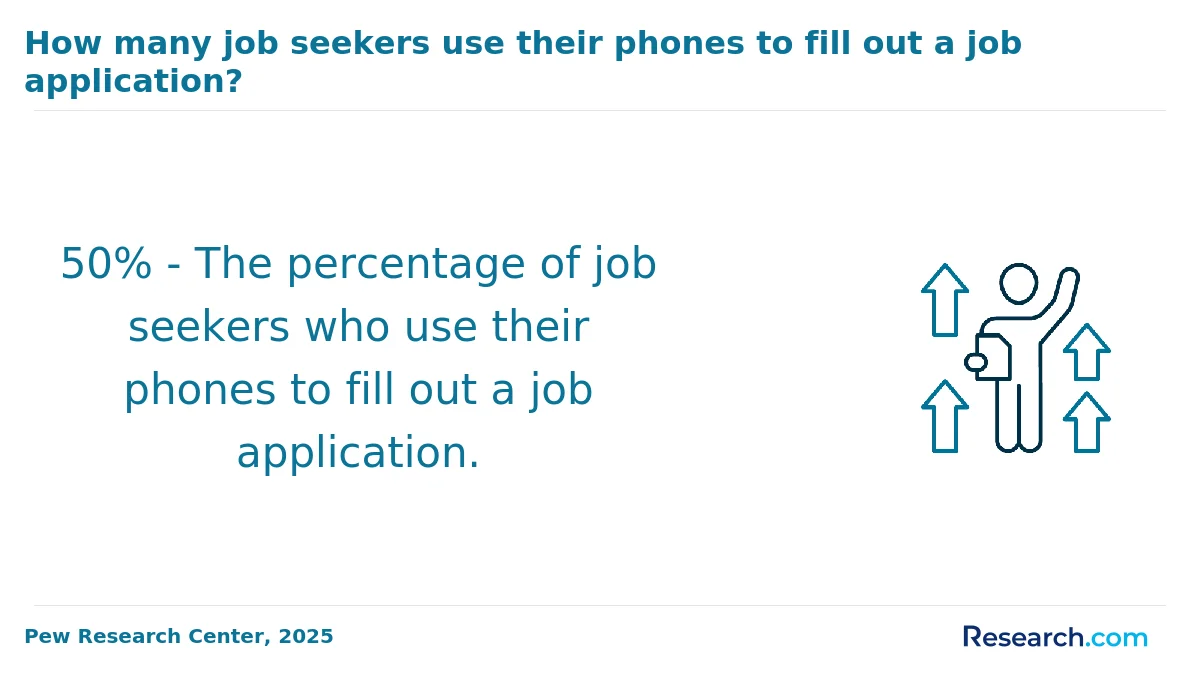
Students pursuing trade school certification programs in Americus, particularly at South Georgia Technical College (SGTC), benefit from robust financial aid opportunities that ease their educational expenses. Nearly 98% of SGTC students receive financial aid, averaging about $8,757 annually, which significantly reduces out-of-pocket costs. Graduates often share relief at accessing the Federal Pell Grant, with approximately 57% of students receiving an average of $7,901 per year. This need-based grant requires completing the FAFSA and offers non-repayable support to many.
Additional awards such as the Federal Supplemental Educational Opportunity Grant (SEOG) help students with higher financial need. At the state level, many learners appreciate the Georgia HOPE Grant and HOPE Career Grant. About 62% of SGTC students use these grants, averaging $3,254 annually, to pursue in-demand diplomas and certificates.
Institutional scholarships at SGTC also contribute merit or need-based aid, encouraging students to check availability each term. High school and home study students benefit from the Dual Enrollment Program, covering full tuition for up to 15 credit hours plus textbooks, enabling early college credit without debt. Veterans utilize federal benefits like the Post-9/11 GI Bill, providing further financial support tailored to their service.
Many graduates recall feeling empowered and less burdened by debt thanks to early application guidance and personalized aid support from SGTC's Financial Aid Office, underscoring the importance of starting applications six to eight weeks before classes begin.
Enrollment in trade school certification programs in Americus typically requires a high school diploma or GED, reflecting a foundational educational standard most graduates meet before advancing. Many students entering automotive service or culinary arts programs share their confidence stems from having at least two years of related work experience, which is a common prerequisite that equips them with practical skills valued by instructors and employers alike.
Associate's degree holders often find themselves eligible for higher-level certifications, offering an encouraging pathway for those advancing their education. For instance, graduates from Americus trade schools report feeling motivated by the clear roadmap to a specialized three-year certificate upon meeting program criteria.
Specific fields such as barbering and cosmetology require industry licensure upfront. Students pursuing these areas frequently mention that obtaining licensure early on instills a sense of professionalism and readiness for the workforce. Moreover, all applicants must pass the GACE Ethics for Teachers Assessment, a mandatory step that underscores the importance of ethical standards in their career path.
- High school diploma or GED generally required.
- Two years of relevant work experience recommended in many trades.
- Industry-specific licensure mandatory for barbering, esthetics, and similar fields.
- Passing the GACE Ethics for Teachers Assessment is compulsory.
- Enrollment in a GaPSC-approved educator preparation program needed for certificate conversion.
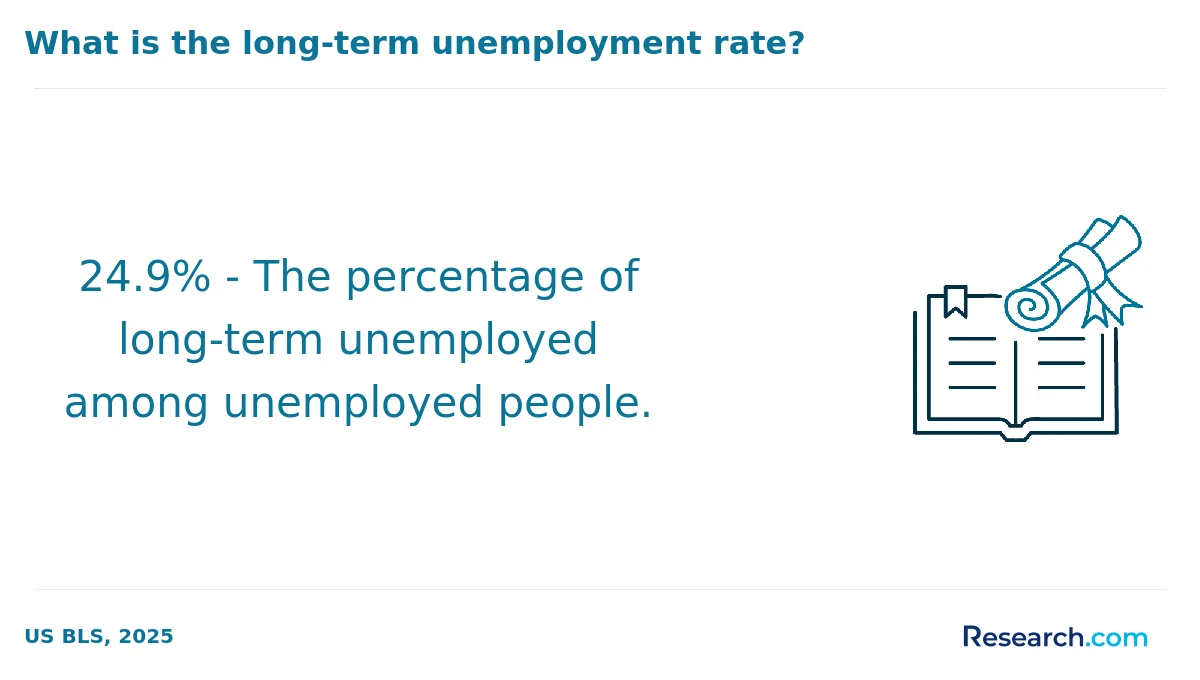
Trade school certificate programs in Americus GA typically focus on equipping students with specialized, practical skills tailored to local industry demands. Graduates from prominent institutions like South Georgia Technical College often recount immersive training in areas such as electrical lineworking, where coursework includes lineworker organization principles, workplace safety, automation technologies, and hands-on occupational skills. These programs commonly require students to earn a Class A CDL permit, adding a strong employment advantage.
Americus GA trade school courses extend beyond electrical fields and include skilled trades like automotive technology, HVAC, welding, and construction management. Students gain experience in engine diagnostics, refrigeration systems, or welding techniques, often through hands-on labs designed to emulate real-world challenges. This applied learning fosters confidence and readiness for immediate employment.
Healthcare certifications also rank high in popularity, covering medical billing and coding, pharmacy technology, and sterile processing technician training, blending theoretical knowledge with practical application to comply with state and federal standards. Other students find success in cosmetology or culinary arts programs with courses in salon management or commercial kitchen operations that prepare them for fast-track careers. Many in Americus benefit from exploring most affordable online electrician training courses to further enhance their skillsets and job prospects.
To select the best trade school programs in Americus, start by aligning your career goals with program offerings. Graduates from South Georgia Technical College highlight how its accredited Electrical Lineworker certificate, which completes in eight weeks, provided focused, industry-relevant training that led directly to employment. Evaluating program reputation, accreditation, and real student success rates-such as a 100% completion and 90% employment rate-helps identify quality schools that support licensure and job placement.
Comparing tuition and financial aid availability is crucial for how to compare trade school costs in Americus. Students often find scholarships ease the $1,571 tuition at South Georgia Technical College, but exploring different programs is important since costs and durations vary significantly. Beyond costs, consider flexible class schedules and hands-on apprenticeships that graduates praise for balancing study with family or work.
For those interested in automotive careers, reviewing options like an online auto mechanic school or local programs expands opportunities to match unique needs and schedules.
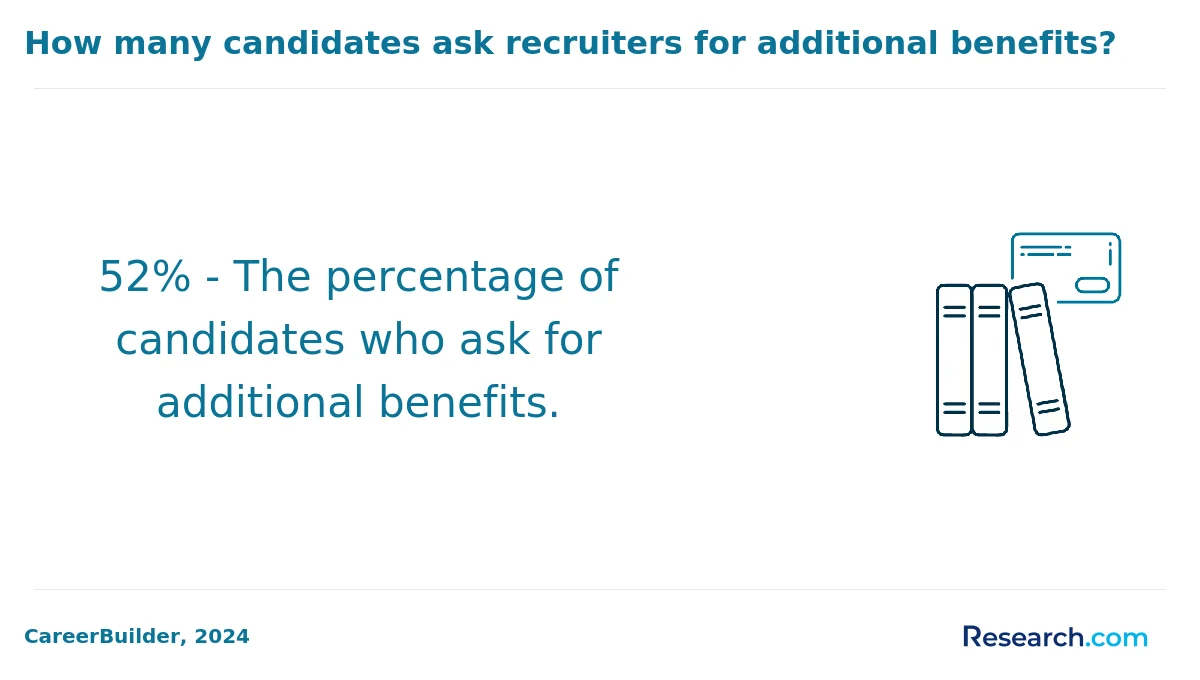
Graduates from trade school certification programs in Americus quickly transition into a variety of promising job roles that reflect local economic needs. Notably, South Georgia Technical College is a key institution offering hands-on training that aligns with regional demand, ensuring strong outcomes for those seeking trade school jobs in Americus GA. For instance, the Electrical Lineworker program equips students for high-demand roles with utility companies, boasting a 90% employment rate and average starting salaries near $40,000 within eight weeks of study.
Other common career opportunities for South Georgia Technical College graduates include welding, which supports jobs in construction and manufacturing, and certifications in HVAC, diesel mechanics, and CAD design-all critical to sustaining infrastructure and industrial sectors. Healthcare pathways such as medical assisting open doors to clinical environments, while business and technology certifications prepare students for roles in office administration and IT support.
High school students leverage dual enrollment programs to enter fields like agriculture or culinary arts, often securing apprenticeships early. These targeted programs exemplify how Americus fosters a skilled workforce ready to meet the needs identified in trades that are in high demand.
The Americus trade school job placement rate is exceptionally high, with South Georgia Technical College reporting a 100% job placement for its graduates. This remarkable figure reflects strong local employer partnerships that ensure curriculum aligns precisely with the skills employers demand. Graduates commonly fill roles such as industrial electricians, maintenance technicians, painters, and carpenters, often stepping directly into stable jobs offering benefits like health insurance and tuition reimbursement.
Many graduates share positive experiences of seamless transition from certification to employment, highlighting the area's dynamic technical certification job market outlook. The city's labor market demonstrates a model where training and employment align closely, setting it apart from many rural regions. For students weighing options, understanding the Americus market is crucial; the city's synergy between educators and employers is a key factor behind these outcomes.
For those debating whether to pursue a certificate in Americus or explore other routes, insights into the college versus trade school debate can offer valuable perspective.
Best Certificate Programs - Leading Certification Courses in Americus for 2026
# 1 position
South Georgia Technical College - Nursing Assistant/Aide and Patient Care Assistant/Aide.
certificate or diplomaThe Nursing Assistant/Aide and Patient Care Assistant/Aide program at South Georgia Technical College offers a hybrid format with some distance education options. It prepares students to perform routine nursing-related duties under the supervision of registered or licensed practical nurses. The program is accredited by the Southern Association of Colleges and Schools Commission on Colleges. Annual in-state tuition is $3,782, and median earnings one year after completion reach $43,266.
# 2 position
South Georgia Technical College - Electrician.
certificate or diplomaSouth Georgia Technical College offers a hybrid Electrician program that prepares students to install, operate, maintain, and repair electrical systems in residential, commercial, and industrial settings. The curriculum covers electronics, wiring, power transmission, safety, and electrical codes. Annual in-state tuition is $3,782. Graduates earn a median salary of $51,498 one year after completion. The program is accredited by the Southern Association of Colleges and Schools Commission on Colleges.
# 3 position
South Georgia Technical College - Heating, Air Conditioning, Ventilation and Refrigeration Maintenance Technology/Technician.
certificate or diplomaSouth Georgia Technical College offers a hybrid program in Heating, Air Conditioning, Ventilation and Refrigeration Maintenance Technology/Technician. The curriculum trains students to repair, install, service, and maintain HVAC and refrigeration systems, focusing on diagnostic techniques and the use of testing equipment. Instruction covers mechanics, electricity, and electronics principles related to system repair. Annual in-state tuition is $3,782. The program is accredited by the Southern Association of Colleges and Schools Commission on Colleges.
# 4 position
South Georgia Technical College - Industrial Mechanics and Maintenance Technology/Technician.
certificate or diplomaSouth Georgia Technical College offers a Hybrid Industrial Mechanics and Maintenance Technology/Technician program that trains students to repair and maintain industrial machinery such as cranes, pumps, engines, and conveyor systems. The program is accredited by the Southern Association of Colleges and Schools Commission on Colleges. Annual in-state tuition is $3,782, providing accessible technical education with some distance-learning options for student flexibility.
# 5 position
South Georgia Technical College - Computer Numerically Controlled (CNC) Machinist Technology/CNC Machinist.
certificate or diplomaSouth Georgia Technical College offers a hybrid Computer Numerically Controlled (CNC) Machinist Technology program that trains students to operate CNC machine tools, including lathes and mills, for machining tasks like cutting and drilling. The curriculum covers CNC programming, blueprint reading, CAD/CAM systems, technical mathematics, and shop safety. Annual in-state tuition is $3,782. Graduates earn a median income of $31,666 one year after completion. The program is accredited by the Southern Association of Colleges and Schools Commission on Colleges.
# 6 position
South Georgia Technical College - Phlebotomy Technician/Phlebotomist.
certificate or diplomaSouth Georgia Technical College offers a Phlebotomy Technician/Phlebotomist program in a hybrid format, combining distance education with hands-on training. The program prepares students to draw blood samples under medical supervision, covering vascular anatomy, blood physiology, venipuncture, specimen handling, and safety procedures. The annual in-state tuition is $3,782. The program is accredited by the Southern Association of Colleges and Schools Commission on Colleges.
# 7 position
South Georgia Technical College - Automobile/Automotive Mechanics Technology/Technician.
certificate or diplomaSouth Georgia Technical College offers a hybrid program in Automobile/Automotive Mechanics Technology/Technician that prepares students to repair, service, and maintain various automobile systems. The program covers brake, electrical, engine, suspension, transmission, and heating and air conditioning systems. The annual in-state tuition is $3,782, and median earnings one year after completion are $28,841. The program is accredited by the Southern Association of Colleges and Schools Commission on Colleges.
# 8 position
South Georgia Technical College - Welding Technology/Welder.
certificate or diplomaSouth Georgia Technical College offers a Welding Technology/Welder program in a hybrid format, combining in-person and distance-education options. The program prepares students to apply technical skills in various welding methods, including arc welding, resistance welding, and high-energy beam welding. It covers welding metallurgy, safety, structural design, and applicable codes. Annual in-state tuition is $3,782, and median earnings one year after completion are approximately $31,666. The program is accredited by the Southern Association of Colleges and Schools Commission on Colleges.
# 9 position
South Georgia Technical College - Medical Insurance Coding Specialist/Coder.
certificate or diplomaSouth Georgia Technical College offers a hybrid Medical Insurance Coding Specialist/Coder program preparing students for specialized data entry, classification, and record-keeping in medical billing and insurance documentation. The curriculum includes medical records software, anatomy, medical terminology, and Medicare regulations. Annual in-state tuition is $3,782. The program is accredited by the Southern Association of Colleges and Schools Commission on Colleges.
# 10 position
South Georgia Technical College - Medical Insurance Specialist/Medical Biller.
certificate or diplomaSouth Georgia Technical College offers a Medical Insurance Specialist/Medical Biller program in a hybrid format, combining distance education with on-campus instruction. The program prepares students to manage medical and health insurance operations in various healthcare settings, covering insurance processes, law, policy, administration, software applications, billing procedures, and medical terminology. Annual in-state tuition is $3,782. The program is accredited by the Southern Association of Colleges and Schools Commission on Colleges.
Frequently Asked Questions about trade school certificates
After completing trade school certification programs in Americus, preparing for the job market involves several key steps. First, graduates should leverage local workforce resources such as the Americus-Sumter Career Center, which offers job placement services tailored to technical and skilled trades. According to the Georgia Department of Labor, areas like construction, automotive repair, and healthcare show steady employment growth in Americus, making these sectors promising for certified candidates.
Creating a professional resume that highlights technical skills and hands-on experience gained during certification is crucial. Networking within local industries, attending job fairs, and seeking apprenticeships can improve employment chances. Additionally, earning certifications recognized nationally enhances credibility. Staying updated on industry trends through continuous education will also benefit long-term career growth.
Employers in Americus consistently seek trade school graduates with strong technical skills aligned to local industries such as manufacturing, construction, and healthcare. According to the Georgia Department of Labor, proficiency in equipment operation, electrical systems, and HVAC technology ranks highly among job requirements.
Besides technical ability, soft skills like effective communication and problem solving are crucial. The National Skills Coalition highlights that over 70% of employers value teamwork and adaptability in trade program graduates nationwide, which applies locally in Americus as well.
Graduates with hands-on experience from internships or apprenticeships often stand out. Practical knowledge combined with certification demonstrates readiness to meet industry standards promptly, making these graduates favorable candidates for hiring managers in the Americus region.
Finding internships in Americus relevant to your trade school certification program involves a focused approach. Start by contacting your trade school's career services office, as many local employers collaborate directly with schools to offer internship opportunities tailored to specific trades.
Utilize Americus-area job boards and websites such as the Southwest Georgia Workforce Development Board, which presents listings of internships and apprenticeships connected to skilled trades.
Networking is key-reach out to local businesses in industries like manufacturing, healthcare, and automotive services, as Americus hosts a range of small to medium employers seeking skilled interns.
Additionally, the U.S. Department of Labor reports that hands-on internships in trade fields can increase employment chances by over 60% within six months of program completion.
Trade school certification programs in Americus can significantly enhance career mobility and advancement opportunities for individuals. These programs provide specialized training in fields such as healthcare, construction, and technology, which are in demand locally. According to the U.S. Bureau of Labor Statistics, jobs requiring certifications often show faster employment growth and higher wages compared to those without formal credentials.
Completing a trade certification allows workers to qualify for higher-paying positions and promotions. Employers in Americus value practical skills and verified expertise, making certified candidates more competitive in the job market. Additionally, certifications can shorten the time needed for career advancement compared to traditional four-year degrees.
The Georgia Department of Labor reports that certified professionals in trades experience unemployment rates below the state average. This reflects stronger job stability and continued demand. For many residents of Americus, trade school certification is a viable path to improved socioeconomic status and long-term career success.
Part-time job opportunities in Americus that complement trade school certification programs often align with the specific skills students develop. For example, those training in automotive repair can find positions as service assistants or parts clerks at local auto shops. Similarly, students in healthcare-related programs may secure roles as medical or dental assistants on a part-time basis.
Retail positions, especially in hardware or electronics stores, also provide practical experience for students in electrical or construction trades. According to the Georgia Department of Labor, Americus has a steady demand for part-time workers in service industries, which can help students apply learned skills while earning an income.
Local hospitals and clinics occasionally offer part-time roles suitable for students pursuing certifications in health services, providing valuable on-the-job training and networking opportunities.
To find the best degree program near Americus, GA, consider visiting local universities and colleges to explore their offerings. Research.com is a helpful resource to compare program rankings and faculty expertise, which will aid in your decision-making process. Additionally, many degree programs near me offer campus tours and information sessions to help prospective students determine the right fit for their educational goals.
- Best Trade School & Training Programs - Leading Certification Courses in Florence for 2026
- Best Trade School & Training Programs - Leading Certification Courses in Little Rock for 2026
- Best Trade School & Training Programs - Leading Certification Courses in Springfield for 2026
- Best Trade School & Training Programs - Leading Certification Courses in Akron for 2026
- Best Trade School & Training Programs - Leading Certification Courses in Angola for 2026
- 1 in 3 Americans recommend trade school for high school graduates https://www.highereddive.com/news/americans-recommend-trade-school-for-high-school-graduates/750622/
- Internship Programme | UN Trade and Development (UNCTAD) https://unctad.org/page/internship-programme
- CTAE https://www.sumterschools.org/ctae
- Career Paths After Completing a Business or Trade School Program - Academy Canada Career College https://www.academycanada.com/campus-life/blog/career-paths-after-completing-a-business-or-trade-school-program/
- 5 Tips for Getting Ready for a Job After Trade School - Techneeds https://www.techneeds.com/2022/05/12/5-tips-for-getting-ready-for-a-job-after-trade-school/
- How Do I Get A Trading Internship? | Handshake https://joinhandshake.com/blog/students/how-do-i-get-a-trading-internship/
- One in Three Americans Recommend Trade School Over College for High School Grads - American Staffing Association https://americanstaffing.net/posts/2025/06/05/trade-school-over-college/
- Join Our Firefighting Team! https://www.americusga.gov/government/departments/fire/start_your_career_-_apply_now!.php
- Technical Trades Work and Learning Program for Students | MassCEC https://www.masscec.com/technical-trades-students
- SGTC alumnus brings high school students for tour - SGTC https://www.southgatech.edu/sgtc-alumnus-brings-high-school-students-for-tour/


