Best Associate Degree Programs - Leading Certification Courses in Wharton for 2026

Co-Founder and Chief Data Scientist
Choosing the right associate degree program in Wharton can be exciting yet overwhelming. This article offers a clear guide to help you navigate your options confidently.
Featuring an associate degree programs ranking created by the Research.com team of data scientists, it provides well-researched insights to help you identify the best programs available.
Whether you’re looking to boost your career or gain new skills, this article highlights opportunities that can open doors and support your goals.
Explore your future with confidence and find the path that suits you best.
Key benefits of associate degrees in Wharton
- Expected salary: Associate degree graduates in Wharton can earn starting salaries from $35,000 to $65,000 yearly, with nursing and allied health careers offering the highest pay, such as registered nurses earning between $55,000 and $65,000.
- Popular career paths: Common fields include nursing, business administration, information technology, and technical roles like industrial or electrical technology, providing a variety of opportunities to match your interests and skills.
- Online degree benefits: Graduates from online programs in Wharton enjoy flexible schedules, allowing them to balance work and study easily while gaining the same valuable skills as on-campus students.
- Best Associate Degree Programs - Leading Certification Courses in Wharton for 2026
- What can I expect from associate degree programs in Wharton?
- Where can I work after finishing associate degree programs in Wharton?
What can I expect from associate degree programs in Wharton?
The average annual tuition for associate degree programs in Wharton is typically under $3,000 for in-district students, aligning with Texas community college standards. For example, graduates from Wharton County Junior College often share that affordable tuition significantly eased their financial burden while pursuing degrees in fields like nursing or business administration. This cost-effective education allows students to focus on learning without overwhelming debt.
Students can expect comprehensive support services such as academic advising and career counseling, which enhance their educational experience. Small class sizes, often 20 to 30 students, foster a friendly, interactive environment where instructors provide personalized attention. Graduates frequently recall engaging classroom discussions and hands-on training that prepared them well for job placement.
Most programs require 60 to 65 credit hours, combining general education with specialized coursework. Many students appreciate this balanced approach, which builds essential communication skills alongside technical expertise. The affordability and quality in Wharton's associate degree offerings make them attractive to a broad range of learners aiming for quick workforce entry or transfer to four-year universities.
Where can I work after finishing associate degree programs in Wharton?
Graduates from associate degree programs in Wharton, particularly from Wharton County Junior College (WCJC), find strong employment opportunities in healthcare fields such as nursing, medical assisting, and radiologic technology. For example, those completing the Associate Degree Nursing (ADN) program often secure positions as Registered Nurses at local hospitals and clinics, reflecting steady regional demand and over 200 job postings requiring associate degrees in healthcare roles.[4][6]
In business and technology sectors, graduates commonly fill roles like Business Systems Analysts, administrative assistants, and data entry specialists, working for banks, school districts, and government agencies. The presence of manufacturing and logistics firms in Wharton supports careers as technicians, production supervisors, and logistics coordinators, providing diverse options for those with associate degrees in office administration or IT.[4]
Skilled trades graduates, trained in welding, HVAC, automotive, or electrical technology, frequently join local construction companies and maintenance departments. Their practical skills are highly valued, leading to satisfying, well-paying jobs that contribute directly to the thriving Texas economy and offer reliable career growth.
Graduates from associate degree programs in Wharton typically start with salaries reflecting the region's strong demand in healthcare, business, and technology sectors. For instance, registered nursing (RN) graduates from local community colleges report starting pay between $58,000 and $63,000 annually. This aligns with real experiences from students at Wharton County Junior College, who quickly secure hospital roles offering these competitive wages.
Dental hygienists, another well-regarded associate degree path, often begin with salaries near $76,000 per year in Texas, a welcome financial boost celebrated by many recent graduates entering the field through Wharton area programs.
Those completing business administration or accounting associate degrees find entry-level roles, like office manager or accounting assistant, starting around $38,000 to $48,000, which provides a steady income while gaining valuable experience. Students pursuing IT, such as computer support specialists, report earning between $42,000 and $52,000 immediately after graduation, with many attributing their success to skills developed at local technical schools.
The close connections between Wharton's programs and employers help graduates feel confident their associate degrees open doors to rewarding, well-paid careers without the time or expense of a four-year degree.
- "Earning my Associate Degree in Culinary Arts at Wharton's trade school was a transformative journey. The hands-on training gave me confidence and real skills, landing me a chef position at a top local restaurant. This practical approach made the transition from student to professional seamless." - Maria
- "The Business Administration associate program at Wharton equipped me with essential knowledge and networking opportunities. What I appreciated most was the balanced mix of theory and practice, which helped me secure a management role shortly after graduation. I'm proud of the career foundation Wharton helped me build." - James
- "Studying Electrical Technology through Wharton's associate degree was rigorous but immensely rewarding. The state-of-the-art labs and dedicated instructors prepared me well for the workforce. Now, I'm thriving as an electrical technician, grateful for the trade school's focus on employability and skill mastery." - Sophia
- Admission requires general college acceptance via systems like ApplyTexas and completion of the Texas Success Initiative (TSI) for reading, writing, and math readiness.
- Prerequisite courses such as Anatomy & Physiology and English Composition must be completed with at least a grade of "C" and an overall GPA of 2.5.
- Applicants need to submit official transcripts and may have to pass entrance exams like the Test of Essential Academic Skills (TEAS) for health programs.
- Tuition averages around $3,500 per year for in-district students, with total costs for a two-year degree ranging from $7,000 to $10,000, excluding books and living expenses.
- Starting salaries for graduates typically range from $40,000 to $55,000 annually, with median earnings around $50,000 depending on experience and field.
Completing an associate degree program in Wharton typically takes about two years of full-time study, a timeline confirmed by many graduates from Wharton County Junior College (WCJC). These students often describe the experience as intense yet rewarding, balancing general education and major-specific courses spread over four semesters. The typical requirement is 60 to 70 semester credit hours, which full-time students manage by attending Fall and Spring semesters routinely.
Healthcare and technical program students at WCJC, such as those in the Associate Degree Nursing program, often spend 14-16 hours a week in classrooms and clinical settings, making their two-year journey immersive and practical. Graduates recall the program's structured schedule helping them stay focused while gaining hands-on experience.
Part-time enrollees appreciate the program's flexibility but acknowledge it can extend completion beyond two years. Many Wharton students working full-time or managing family obligations tailor their course loads, finding satisfaction in steadily progressing toward their degree despite a longer timeline.
Summer sessions and accelerated courses are options some Wharton students use to shorten the duration, but most embrace the familiar two-year pathway as a manageable and effective route to launching new careers.
The key difference between online and on-campus associate degree programs in Wharton lies in how students engage with their education. Graduates from online programs at popular Wharton schools often describe the flexibility of studying from home as a game-changer, especially for those balancing jobs or family. They highlight the convenience of accessing course materials anytime without the need to commute, which cuts down expenses on housing and travel. This asynchronous setup suits many who prefer learning at their own pace while still benefiting from qualified instructors.
Conversely, graduates of traditional on-campus programs appreciate the immersive experience that physical presence offers. Studying on-site enables direct interaction with faculty and peers, making networking and hands-on activities easier, particularly in programs requiring labs or practical exercises. The campus atmosphere fosters a sense of community and access to facilities, which many find motivating and enriching, despite additional costs like transportation and meal plans.
Both options maintain the academic rigor expected in Wharton's associate programs, and choosing between them depends on personal lifestyle and learning preferences.
The average associate degree cost in Wharton reflects a clear financial advantage for students choosing this education level over bachelor's programs. For example, at Wharton County Junior College (WCJC), the total estimated cost for in-district students pursuing a two-year associate degree at the Wharton campus is approximately $11,148. This total encompasses tuition, mandatory fees, books, uniforms, and other program-related supplies, creating a transparent budget that recent graduates frequently describe as manageable and rewarding given the quality of education.
Wharton associate degree tuition and fees vary by residency status, which significantly impacts overall expenses. Students from outside the district typically pay around $13,344, while out-of-state students face a higher total of $15,216 for the same two-year span. Graduates from nursing and other specialized programs note additional costs such as licensure, clinical testing, and health screenings, which can add several hundred dollars to their budgets. These extra expenses are a critical consideration for health career hopefuls planning finances carefully.
Many students have found pathways to reduce expenses through financial aid or by choosing programs at Wharton community colleges known for cost-effectiveness. These county colleges align with national averages where total costs typically range $8,000-$15,000, reinforcing Wharton as an affordable option. For individuals balancing work and study commitments, exploring fast online degree programs for working adults in Wharton offers a flexible and economical route to degree completion.

Associate degree students in Wharton typically rely on the Free Application for Federal Student Aid (FAFSA) to unlock various financial support options. Graduates from Wharton County Junior College (WCJC), a leading local institution, often cite Pell Grants as a crucial resource since these do not require repayment and are awarded based on need. For students with exceptional financial hardships, Federal Supplemental Educational Opportunity Grants (FSEOG) provide additional help.
Direct Loans, both subsidized and unsubsidized, are common among students managing expenses beyond grants, enabling them to cover tuition and living costs with deferred repayment. The Federal Work-Study program also allows many WCJC students to earn income through on-campus jobs, easing day-to-day financial pressure while gaining work experience.
State-level aid such as the Texas Educational Opportunity Grant (TEOG) specifically supports Texas residents attending public two-year schools, further lessening costs. Institutional scholarships offered by WCJC recognize academic performance or special circumstances, often transforming students' financial outlooks and encouraging persistence toward graduation.
Students frequently describe the aid process as empowering, highlighting how dedicated financial aid offices at Wharton's associate degree schools provide personalized support and guidance through complex paperwork. This tailored assistance makes college more manageable and fosters hope for a successful academic future.
To enroll in an associate degree program in Wharton, students must first present a high school diploma or GED, which is the fundamental requirement across local colleges like Wharton County Junior College (WCJC). Graduates often share how submitting official transcripts showcasing academic progress made the process straightforward.
Competitive programs, especially in fields like nursing, require a minimum GPA of 2.5, ensuring candidates are academically prepared. Many students recall that maintaining steady grades throughout high school greatly helped their applications stand out.
- Completion of specific college-level courses such as Anatomy and Physiology I, General Psychology, Life Span Growth and Development, and College Composition with at least a "C" grade is mandatory for programs like WCJC's Nursing track.
- Passing the TEAS exam with at least 70% in Reading, Math, and Science is another key prerequisite, with the opportunity to retake sections alleviating stress among applicants.
- Immunization proof, particularly Hepatitis B vaccination, is often required in health-related programs, reinforcing the importance of student health and safety.
Additional materials like recommendation letters and personal statements, coupled with adherence to deadlines, round out the application process. Many prospective students find that consulting program-specific guidelines early ensures a smoother enrollment experience and greater confidence in meeting requirements.
Associate degree curriculum in Wharton Pennsylvania integrates a rigorous mix of foundational and specialized courses to foster both academic competence and career readiness. At Wharton County Junior College, a popular choice among local students, graduates often highlight how general education classes like English composition, College Algebra, and social sciences created a strong base of critical thinking and communication skills applicable in everyday work and study. Common courses in Wharton associate degree programs also include major-specific subjects tailored to career goals, such as Accounting and Business Law for Business Administration or Anatomy and Physiology for Nursing.
Students report engaging learning experiences through hands-on coursework in fields like Computer Science and Welding Technology, providing practical skills alongside theoretical knowledge. Electives further personalize the curriculum, allowing exploration beyond core requirements while maintaining smooth transfer paths to four-year programs. For those considering advanced degrees later, these programs balance flexibility with structure, which is why some explore the easiest online phd programs to continue their education seamlessly.
Choosing the best value associate degree Wharton involves verifying regional accreditation to ensure credit transferability and eligibility for federal aid. Graduates from Wharton County Junior College often highlight the advantage of programs that combine foundational courses with career-focused content, which equips students with both academic and practical skills. Comparing associate degree costs Wharton is crucial; many come armed with flexible schedules-online, evening, or weekend classes-that help students balance work and family life efficiently.
Faculty expertise and available student support correlate strongly with positive outcomes, as graduates frequently credit personalized advising and tutoring for their academic success. Investigate programs with strong graduation rates and local employer partnerships, since these factors significantly impact job placement and transfer options. For those looking to minimize expenses without sacrificing quality, resources on the cheapest associate degree online are especially helpful in making cost-effective decisions tailored to Wharton's education landscape.
Associate degree graduates in Wharton have diverse career paths reflecting both local industry demands and the practical skills gained from programs at institutions like Wharton County Junior College (WCJC). Career opportunities for associate degree graduates in Wharton include roles in early childhood education, where graduates find positions as preschool teachers or childcare assistants, supported by the region's growing need for qualified educators. Many alumni express satisfaction working in familiar local school districts or early learning centers, applying their knowledge of child development.
In healthcare, graduates frequently enter as registered nurses, medical assistants, or administrative support in clinics and hospitals throughout Wharton. The Texas Workforce Commission highlights rising demand in these sectors, making this a promising path. Wharton graduates with associate degrees in business or applied technologies often secure administrative or entry-level management roles in local banks, government, and companies, using skills that are highly valued.
Graduates also pursue further education to enhance their qualifications, with many transferring credits toward bachelor's degrees. This pathway expands long-term career options and upward mobility. For students exploring affordable options, WCJC and other popular associate degree schools offer access to colleges that accept fafsa, making higher education more accessible.
The job opportunities for associate degree graduates in Wharton remain robust, especially in healthcare, business administration, and IT sectors. Graduates from well-known local associate degree schools often find positions quickly in hospitals, clinics, or local businesses. Many share positive experiences securing roles as nursing assistants, medical assistants, or IT support specialists soon after graduation, reflecting strong ties between schools and employers. Employers in Wharton seek flexible candidates ready for hybrid or remote work, enhancing the adaptability of associate degree holders.
Key sectors with promising openings include:
- Healthcare support roles such as nursing and radiologic technology, driven by steady regional demand.
- Business-related jobs, including administrative assistants and accounting technicians, essential to local government and enterprises.
- Information technology support positions, providing pathways to growth in a tech-evolving market.
Wharton associate degree graduate employment outlook suggests some cautious employer selectivity in 2025, but opportunities persist for those embracing upskilling and internal advancement. For a clearer view on career paths, students can explore great careers for introverts, which align well with many associate degree job roles in Wharton.
Best Associate Degree Programs - Leading Certification Courses in Wharton for 2026
# 1 position
Wharton County Junior College - Computer Science.
associateThe Computer Science program at Wharton County Junior College offers a hybrid learning format, combining in-person and distance education. The curriculum covers computer theory, problem-solving, system design, and user interfaces, with instruction in computational science principles, programming, and practical applications. Annual in-state tuition is $2,916. The program is accredited by the Southern Association of Colleges and Schools Commission on Colleges.
# 2 position
Wharton County Junior College - Computer Systems Networking and Telecommunications.
associateWharton County Junior College offers a hybrid program in Computer Systems Networking and Telecommunications, focusing on the design, implementation, and management of linked computer systems and software to maximize efficiency. The curriculum covers operating systems, networking theory, network management, security, and troubleshooting. Annual in-state tuition is $2,916. The program is accredited by the Southern Association of Colleges and Schools Commission on Colleges.
# 3 position
Wharton County Junior College - Legal Assistant/Paralegal.
associateThe Legal Assistant/Paralegal program at Wharton County Junior College offers hybrid learning with some distance education options. It trains students in legal research, drafting documents, investigatory tasks, record-keeping, and administrative functions under attorney supervision. The curriculum includes legal research, pleading, courthouse procedures, and various legal specializations. Annual in-state tuition is $2,916. The program is accredited by the Southern Association of Colleges and Schools Commission on Colleges.
# 4 position
Wharton County Junior College - Criminal Justice/Police Science.
associateThe Criminal Justice/Police Science program at Wharton County Junior College prepares students for duties such as patrol, investigation, traffic and crowd control, witness interviewing, and evidence management. It includes training in crime prevention, weapon operation, and report preparation. The program is offered in a hybrid format, combining on-campus and distance education. Annual in-state tuition is $2,916. The program is accredited by the Southern Association of Colleges and Schools Commission on Colleges.
# 5 position
Wharton County Junior College - Automobile/Automotive Mechanics Technology/Technician.
associateWharton County Junior College offers a hybrid program in Automobile/Automotive Mechanics Technology/Technician, providing both in-person and distance-education options. The curriculum covers repair, service, and maintenance of automobiles, including brake systems, electrical systems, engine performance and repair, suspension, steering, transmissions, and heating and air conditioning. The annual in-state tuition is $2,916. The program is accredited by the Southern Association of Colleges and Schools Commission on Colleges.
# 6 position
Wharton County Junior College - Physical Therapy Assistant.
associateThe Physical Therapy Assistant program at Wharton County Junior College offers a hybrid format with some distance-education options. It trains students to assist physical therapists by implementing treatment plans, conducting interventions, and managing clinical documentation. The curriculum covers applied anatomy, physiology, biomechanics, neuroscience, and professional ethics. Annual in-state tuition is $2,916. The program is accredited by the Southern Association of Colleges and Schools Commission on Colleges.
Frequently Asked Questions about associate degree programs
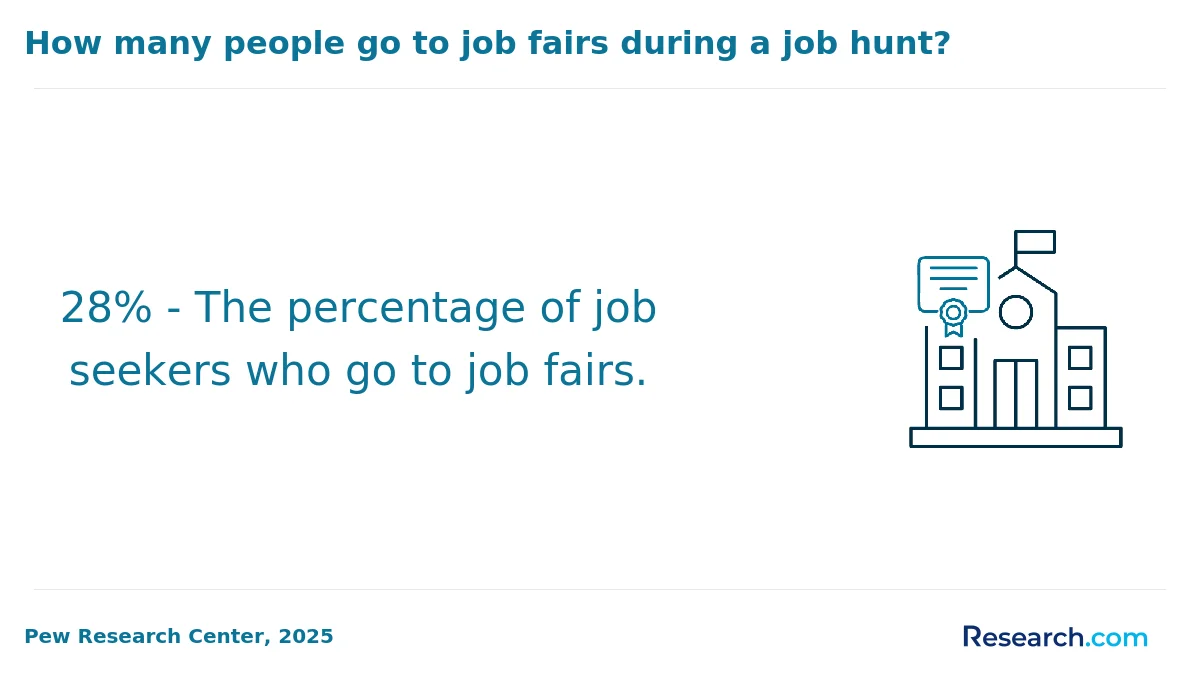
After completing an associate degree in Wharton, preparation for the job market is essential to maximize employment opportunities. Many students benefit from utilizing career services offered by local colleges, which often provide job fairs, resume workshops, and interview coaching specific to the region. According to the National Center for Education Statistics, about 60% of associate degree holders in the US find jobs related to their field within six months of graduation, underscoring the importance of targeted job search strategies.
Networking plays a crucial role in Wharton's job market. Graduates should connect with local business groups and industry contacts through platforms like LinkedIn. Additionally, pursuing internships or part-time roles during studies can provide practical experience and improve job prospects. Building strong communication skills and tailoring resumes to specific employers can also enhance employability. Staying informed about Wharton's growing industries, such as healthcare and technology, helps graduates focus their job search effectively.
Employers in Wharton highly value associate degree graduates who demonstrate strong communication and critical thinking skills. According to data from the U.S. Bureau of Labor Statistics, over 70% of employers in the region emphasize effective verbal and written communication as essential for workplace success.
Technical skills related to specific industries, such as healthcare, information technology, and business administration, rank prominently. For example, proficiency in software applications and data analysis tools is frequently requested by local employers, as noted in the 2023 Wharton Workforce Skills Report.
Additionally, soft skills like teamwork, adaptability, and problem-solving are crucial. A survey by the National Association of Colleges and Employers highlights that 85% of hiring managers consider these traits as decisive factors when selecting candidates with associate degrees in Wharton.
Finding internships in Wharton related to your associate degree program requires a targeted approach and use of local resources. Start by visiting the career services office at your community college or technical school, as they often have partnerships with regional employers who seek interns.
Utilize online platforms like Handshake or Indeed, filtering results by Wharton location and your field of study. According to the National Association of Colleges and Employers (NACE), nearly 60% of students secure internships through on-campus career fairs and school resources.
Networking remains crucial; attend local business events or join professional groups within Wharton to connect directly with potential employers. Many industries, such as healthcare and technology in Wharton, offer paid internships specifically designed for associate degree students, providing practical experience and sometimes leading to full-time roles.
In Wharton, earning an associate degree can significantly enhance career mobility and advancement opportunities. According to data from the National Center for Education Statistics, individuals with an associate degree in Pennsylvania earn approximately 18% more than those with only a high school diploma. Employers in Wharton often value the practical skills and technical knowledge gained through these programs, which can lead to quicker promotions or entry into specialized roles.
Furthermore, many associate degree holders in Wharton use their credentials as a stepping stone to pursue bachelor's degrees, widening their career prospects. The local job market's demand for healthcare, information technology, and business-related skills supports this trend, helping graduates improve their earning potential and professional growth.
Part-time jobs in Wharton can significantly enhance the learning experience for associate degree students. Roles in retail, customer service, and administrative support are common, providing practical skills aligned with business and communication coursework. According to the U.S. Bureau of Labor Statistics, retail and food service positions remain a strong source of part-time employment for students nationwide.
Local healthcare facilities also offer opportunities such as medical assistant or receptionist jobs, which complement health-related associate degrees. These positions provide hands-on experience that employers highly value.
Additionally, tutoring and campus-based roles often align with academic calendars, allowing students to balance work and study effectively.
Yes, there are several college degree programs near Wharton, TX, providing opportunities to pursue higher education locally. Institutions around this area include Wharton County Junior College, which offers a variety of associate degree programs and workforce training. Additionally, using resources such as Research.com can help identify further programs and universities near me, ensuring that students find options that suit their academic and career goals.
- How to Properly List Your Academic Degrees and Credentials - ASET - The Neurodiagnostic Society https://www.aset.org/docs/individuals/how-to-properly-list-your-academic-degrees-and-credentials/
- Options for Students with an Associate Degree | LSU Online https://online.lsu.edu/newsroom/articles/what-can-i-do-after-earning-associate-degree/
- Research - Accelerated Online Degree Programs For Working Adults https://research.com/degrees/accelerated-online-degree-programs-for-working-adults
- Wharton Impact Venture Associates (WIVA) - Impact, Value, and Sustainable Business Initiative https://impact.wharton.upenn.edu/students/wiva/
- The Ultimate Guide to Internships | BestColleges https://www.bestcolleges.com/resources/ultimate-guide-internships/
- Virtual University of Pakistan https://www.vu.edu.pk/AboutUs/ProgramsOffered
- Job Opportunities - Penn Wharton Budget Model https://budgetmodel.wharton.upenn.edu/job-opportunities
- Graduation Information - WCJC https://www.wcjc.edu/support/current-students/graduation-information.aspx
- Associate Degree Programs | Academics | Miami Dade College https://www.mdc.edu/academics/programs/associate.aspx
- MBA Application Requirements: How to Apply | Wharton MBA https://mba.wharton.upenn.edu/application-guide/