Best Associate Degree Programs - Leading Certification Courses in Syracuse for 2026

Co-Founder and Chief Data Scientist
Choosing the right associate degree program in Syracuse can be an exciting step toward a brighter future. This article introduces a helpful ranking created by the Research.com team of data scientists, designed to guide you in discovering quality trade school programs worth your attention.
Whether you want to boost your skills quickly or start a rewarding career, an associate degree offers valuable opportunities. Reading this piece will give you clear insights to make confident, informed decisions about your education path.
Explore options that fit your goals and feel empowered in your journey forward.
Key benefits of associate degrees in Syracuse
- Associate degree graduates in Syracuse can expect competitive salaries, such as $39,100 annually for Information Technology roles, and up to $65,200 for top earners in entry-level IT positions.
- Popular career paths for associate degree holders include healthcare, business administration, and technology, with schools like Suffolk County Community College preparing students for real-world success and starting salaries around $31,515.
- Online associate degrees offer flexibility and convenience, allowing students to balance studies and life commitments while still benefiting from quality education and strong career prospects, similar to traditional campus graduates.
- Best Associate Degree Programs - Leading Certification Courses in Syracuse for 2026
- What can I expect from associate degree programs in Syracuse?
- Where can I work after finishing associate degree programs in Syracuse?
What can I expect from associate degree programs in Syracuse?
The average total cost of completing an associate degree program in Syracuse typically falls well below that of four-year institutions, making it an affordable option for many students. Community colleges like Onondaga Community College and Cayuga County Community College offer tuition rates that often range around $4,000 to $6,000 per year, plus fees. Graduates from these schools frequently describe the cost as manageable, especially given the flexibility in class schedules and availability of online courses.
Many students appreciate being able to work part-time or manage family responsibilities while pursuing their degrees, thanks to evening and weekend classes. This accessibility also appeals to adult learners seeking career changes or enhancements without incurring overwhelming debt.
Beyond affordability, students highlight the practical value of their education through personalized advising and connections with local employers. They often find the financial investment justified by opportunities to transfer credits to four-year universities like Syracuse University, reducing overall higher education expenses.
Where can I work after finishing associate degree programs in Syracuse?
Graduates from associate degree programs in Syracuse frequently find themselves stepping into dynamic and fulfilling careers. Many recall their time at popular schools like Onondaga Community College, where hands-on training prepared them to thrive in healthcare roles such as dental hygienist or medical technician within local hospitals and clinics. These positions offer not only competitive pay but also a sense of meaningful contribution to community health.
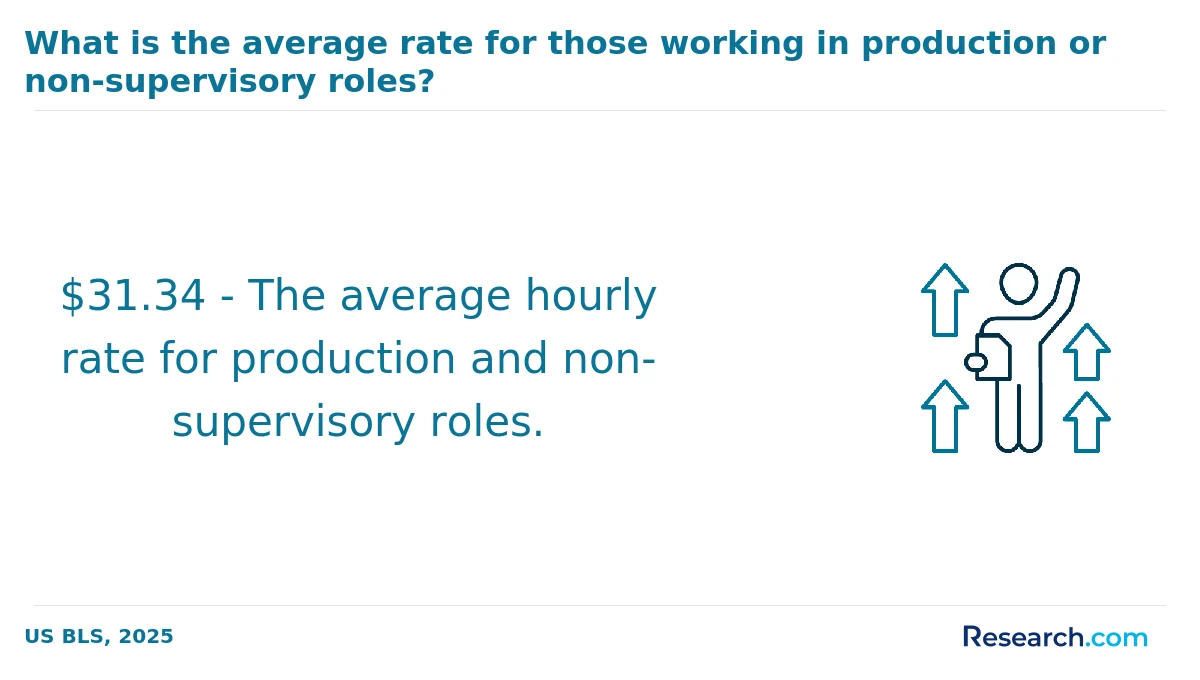
Others emphasize how their associate degrees opened doors in technology fields. For example, graduates have secured jobs as junior front-end developers or IT support specialists at growing Syracuse tech firms, enjoying hourly wages between $30 and $36. Programs at Syracuse-area institutions are designed with these evolving industries in mind, providing practical skills that employers seek.
Many graduates also share stories of working in public service or business roles, such as administrative assistants in local government or nonprofit organizations, where an associate degree substitutes for years of experience. Skilled trades remain popular too, with electricians and HVAC technicians finding steady demand, apprenticeships, and room for growth.
These career paths reflect vibrant opportunities directly linked to the training and connections students gain while studying in Syracuse's associate degree programs.
Graduates from associate degree programs in Syracuse often see starting salaries that vary widely depending on their field of study and local job market conditions. For instance, many alumni from institutions like Onondaga Community College who pursue health sciences find themselves earning around $59,624 annually as clinical research associates, with some roles near SUNY Upstate Medical University offering up to $65,000. This income level reflects the demand for skilled professionals in healthcare and brings a strong sense of achievement and financial stability early in one's career.
Others studying veterinary technology or technical fields enjoy hourly wages between $23 and $33.50, translating to roughly $47,840 to $69,680 annually, as seen with graduates entering roles in local labs or manufacturing. These figures provide tangible evidence that an associate degree can open doors to well-paying jobs without the lengthy commitment of a four-year degree.
More specialized positions, especially in transportation sectors around Syracuse tied to the Military Sealift Command, offer even greater earning potential, sometimes exceeding $100,000 with experience and certifications. These success stories demonstrate how an associate degree in Syracuse can be a launchpad for both steady incomes and career growth.
- Marcus: Earning my Associate Degree in Electrical Technology at a Syracuse trade school was a game-changer. The hands-on training prepared me perfectly for a job as an electrician in the city. I felt supported and confident stepping into the workforce, knowing I had practical skills employers valued.
- Janelle: Studying Health Information Management at a local Syracuse community college made me realize how vital this field is. The program balanced theory with real-world application, and right after graduation, I secured a rewarding role at a nearby hospital. It was empowering to start my career so quickly.
- Derek: Getting my Associate Degree in Culinary Arts here in Syracuse was an unforgettable journey. The trade school atmosphere felt personal and focused, which helped me grow creatively. Today, I'm thriving as a sous chef at a top restaurant downtown, turning my passion into a fulfilling profession.
- In 2023, approximately 1,489 associate degrees were awarded in Syracuse, a 27% decrease from 2019.
- Admission generally requires a high school diploma or equivalent, with some programs needing specific prerequisites like math or English coursework.
- About 60% of associate degree programs at Cayuga County Community College are available online, while Onondaga Community College had no online completions in 2023.
- Students can transfer up to 44 credits at some colleges to help complete their degrees faster.
- Annual tuition at public two-year colleges near Syracuse averages around $3,800, with total yearly costs reaching $10,000 to $12,000 for full-time students.
- Entry-level salaries for associate degree holders in Syracuse range from $35,000 to $55,000, with experienced professionals in high-demand fields earning $60,000 or more.
Most associate degree programs in Syracuse typically take about two years of full-time study to complete. Graduates from local colleges often share how completing around 60 semester credit hours over four semesters sets a clear, manageable timeline for them. For example, a student attending Syracuse University's College of Professional Studies appreciated the structure of a full-time schedule, which helped maintain steady progress and motivation.
Part-time students in Syracuse frequently find they need more time, sometimes spreading coursework over several years. This flexibility allows those balancing jobs or family commitments to succeed without feeling overwhelmed. Graduates from trade schools and technical colleges in Syracuse often mention the advantage of accelerated programs, finishing in 16 to 18 months when attending year-round and taking heavier course loads.
Students who transfer up to 45 credits-whether from previous college work or military experience-report finishing in as little as a year. Overall, local students value how these associate degree options in Syracuse can adapt to their personal pace and goals, enhancing their confidence and satisfaction with the process.
The primary difference between online and on-campus associate degree programs in Syracuse revolves around how students experience their education. On-campus students attending local schools like Syracuse University often describe the energy of being physically present-participating in lively discussions, accessing campus resources, and feeling the camaraderie of peers between classes. This direct interaction fosters a strong sense of community, which many graduates say shaped their personal growth alongside academics.
Conversely, online students value the flexibility that programs offer, especially those balancing work or family commitments. Graduates from online tracks highlight the ability to complete coursework on their own schedules without sacrificing quality, since the curriculum and faculty typically mirror on-campus standards. However, they note that virtual connections require more intentional effort to build relationships with instructors and classmates, often through digital platforms.
Students in Syracuse also face policies limiting how many online courses can count toward their degree on campus, which affects how they plan their studies. Yet, many appreciate that technology allows remote learners to access essential services like advising and libraries, making remote study both viable and rewarding.
The average cost of associate degree in Syracuse notably depends on residency and institution choice, with Onondaga Community College (OCC) standing out as a favored option for many local students. For residents of Onondaga County, tuition runs about $2,700 per semester, but once mandatory fees and textbook expenses are included, the total rises to roughly $3,364 per semester. This brings the annual estimate close to $6,728 for a full-time student, a figure that graduates often cite as manageable compared to four-year programs, especially when weighing the return on investment in their careers.
Non-residents face a steeper price tag; OCC charges about $5,400 per semester in tuition alone, with total fees pushing the cost to around $6,064 each semester, culminating in over $12,000 annually. Many pursuing Syracuse associate degree tuition and fees find that these costs are still significantly lower than alternative institutions. The comprehensive cost includes fees such as a Student Activity Fee of $65 per semester, a Technology Fee charged per credit hour, and a Recreation & Wellness Fee, alongside textbook costs billed at $21.50 per credit hour under OCC's "Box of Books" program.
Graduates often recall the affordability and support structures at OCC as key factors that helped them complete their programs on time. The full two-year program for local students averages about $13,456, making it an economical path toward an associate degree. For those considering faster or alternative options, it's worthwhile to explore the fastest degree college options for working adults, which may affect costs and timelines in different ways.
Associate degree students in Syracuse have access to various financial aid options that significantly ease the cost of attendance at popular community colleges like Onondaga Community College. Many graduates recall applying early through the Free Application for Federal Student Aid (FAFSA), which unlocks key sources like the Federal Pell Grant-offering between $740 and $7,395 based on need. This grant often serves as a financial lifeline, allowing students to focus more on studies than on how to pay tuition next semester.
Beyond federal grants, New York residents benefit from state programs like the Tuition Assistance Program (TAP) and the Excelsior Scholarship. A typical student remembers how TAP covered a substantial portion of their tuition, creating a tangible sense of relief and motivation. Meanwhile, those in STEM fields can tap into the New York State STEM Incentive Program, which provides additional scholarship funds, an advantage frequently mentioned by graduates advancing to competitive tech roles.
Work-study opportunities also provide Syracuse students with meaningful part-time jobs on campus or nearby, combining income with valuable experience. Federal loans like Direct Subsidized and Unsubsidized Loans are available, but many students appreciate that grants and work-study reduce their reliance on debt.
Institutional scholarships from Syracuse colleges often reward merit and community involvement, with recipients highlighting the boost these awards gave to their confidence and financial freedom. Navigating these aid options demands careful planning, but the support system in Syracuse makes earning an associate degree more attainable and rewarding.
Enrolling in an associate degree program in Syracuse generally requires a few clear prerequisites that pave the way for student success. Most graduates recall the necessity of presenting a high school diploma or GED equivalent as the first critical step. Many colleges in Syracuse, including popular community colleges, expect applicants to have at least a 2.0 GPA, although some competitive programs in healthcare or technical fields set the bar higher, sometimes requiring a GPA around 2.75 or 85%.
Academic preparation often plays a decisive role. For instance, graduates from health-related programs remember strong foundations in Algebra, Biology, Chemistry, and English helped pass entrance assessments and feel confident starting rigorous courses. Many institutions value demonstrated achievement in math and science, along with participation in enrichment activities that show dedication.
- Official high school transcripts or GED results are mandatory, along with any previous college transcripts for transfer students.
- English proficiency via TOEFL scores might be required if English isn't your first language.
- Additional materials, such as academic references, personal essays, or work experience, often strengthen an application.
Transfer students specifically recall the stress of meeting varying GPA thresholds between 2.0 and 3.4, depending on the program's competitiveness. Schools like Syracuse University require a 3.0 GPA for most transfers and even higher for selective schools like the Whitman School of Management. Applying early and compiling complete applications was crucial advice from graduates eager to secure their spots without delays.
Understanding the courses in associate degree programs Syracuse offerings helps clarify what students can expect. Graduates from popular institutions such as Onondaga Community College often mention the balanced curriculum that combines core requirements with electives tailored to career goals. Typical courses include foundational classes like first-year seminars, writing skills development, and a language or quantitative skills requirement, all designed to build essential academic abilities.
Specifically, Syracuse associate degree curriculum requirements usually involve comprehensive coverage of diverse fields. For example, students at Syracuse University pursuing an Associate in Arts complete 36 credits evenly split across humanities, social sciences, and natural sciences and mathematics. This approach ensures graduates gain a well-rounded education that prepares them for transfer or entry-level positions.
Community colleges nearby also emphasize hands-on learning and specialization through electives within areas like business, health sciences, and IT. Many find this flexibility rewarding, as it allows exploration alongside skill-building. For those exploring options, resources at an open enrollment university may provide additional access to associate programs that fit diverse needs.
Choosing the best associate degree programs in Syracuse requires evaluating several factors that reflect both your academic needs and lifestyle. Graduates from popular local schools often mention that program specialization was a decisive factor-they selected programs aligned with healthcare or business careers, which offered hands-on learning and strong faculty support. Accreditation is another top priority since it assures employers recognize your degree and eases credit transfers if you pursue further education. Many students highlight how comparing tuition costs for Syracuse associate degrees helped them balance quality with affordability, especially considering that in-state public schools tend to have lower rates than private ones.
Flexibility also makes a significant difference. For instance, working adults appreciate online or evening classes available at some Syracuse institutions, which let them maintain income while studying. Campus resources like career counseling and internships boost confidence when transitioning to the workforce. Before deciding, it's wise to review student feedback and rankings, and to explore financial help options thoroughly. To learn more about affordable pathways, consider checking out the cheapest associates degree programs available online.
Associate degree graduates in Syracuse encounter a rich variety of career paths, especially in healthcare, technology, business, and public service. Many graduates from well-known local colleges have found meaningful entry-level careers for associate degree holders Syracuse wide. Their experiences reveal how hands-on training leads directly to jobs as medical assistants, clinical assistants, and home health aides, roles offering both stability and opportunities for certification advancement.
Technology sectors also embrace graduates skilled in areas like junior front-end development and IT support, where practical knowledge gained through two-year programs translates into competitive salaries. In Syracuse's business and administrative realms, roles such as administrative assistants and public information specialists provide stepping stones toward supervisory positions in thriving companies and municipal offices.
Students from these programs often balance work and study effectively, benefiting from flexible schedules found throughout Syracuse. Many tap into affordable degrees programs to continue advancing while gaining workplace experience. The wide local demand for associate degree job opportunities in Syracuse ensures graduates have realistic paths for growth and fulfillment.
The job market for associate degree graduates in Syracuse is notably strong, with over 1,200 job postings emphasizing degrees in fields like healthcare, technology, and public service. Graduates from popular local schools often find themselves quickly employed as dental hygienists, radiologic technologists, or junior front end developers. These jobs typically offer competitive wages-technical roles can start at $30-$36 per hour-and often include benefits such as health insurance and retirement plans.
Many graduates appreciate the tangible career advancement opportunities available in Syracuse, especially within healthcare and administrative support. Entry level associate degree jobs Syracuse reflect this demand clearly, with positions like intake specialists and medical representatives regularly open. Local government and community organizations also seek candidates, creating a broad spectrum of possibilities for graduates.
Students balancing work and study frequently explore options for continued education, sometimes investigating what colleges offer dual degree programs, enhancing their career potential further. The practical skills developed at Syracuse's associate degree institutions clearly align with the region's workforce needs.
Best Associate Degree Programs - Leading Certification Courses in Syracuse for 2026
# 1 position
Onondaga Community College - Business Administration and Management, General.
associateOnondaga Community College offers a hybrid program in Business Administration and Management, General, designed to prepare students for planning, organizing, directing, and controlling business functions. The curriculum includes management theory, human resources, accounting, purchasing, logistics, marketing, and decision-making. Annual in-state tuition is $6,042. Graduates report median earnings of $34,922 one year after completion. The program is accredited by the Middle States Commission on Higher Education.
# 2 position
Onondaga Community College - Computer and Information Sciences, General.
associateOnondaga Community College offers a fully online program in Computer and Information Sciences, General. The program covers computing, computer science, and information science and systems, focusing on a broad understanding rather than specific subfields. Annual in-state tuition is $6,042. The program is accredited by the Middle States Commission on Higher Education, ensuring it meets established academic standards for quality and rigor.
# 3 position
Onondaga Community College - Computer Science.
associateOnondaga Community College offers a Computer Science program with a hybrid format that includes some distance-education options. The curriculum emphasizes computer theory, problem-solving, and system design from a scientific perspective. Students learn computational science principles, programming, and applications for various end uses. The annual in-state tuition is $6,042. The program is accredited by the Middle States Commission on Higher Education.
# 4 position
Onondaga Community College - Computer and Information Systems Security/Auditing/Information Assurance.
associateOnondaga Community College offers a fully online program in Computer and Information Systems Security/Auditing/Information Assurance. The curriculum trains students to evaluate security needs, implement safeguards, and manage security systems. Coursework covers computer architecture, programming, networking, cryptography, auditing, law, risk assessment, and contingency planning. The program is accredited by the Middle States Commission on Higher Education. Annual in-state tuition is $6,042.
# 5 position
Onondaga Community College - Automobile/Automotive Mechanics Technology/Technician.
associateOnondaga Community College offers a hybrid program in Automobile/Automotive Mechanics Technology/Technician that prepares students to repair, service, and maintain various automobile systems. Coursework covers brake systems, electrical systems, engine performance and repair, suspension and steering, transmissions, and heating and air conditioning. The program’s annual in-state tuition is $6,042. It is accredited by the Middle States Commission on Higher Education and includes some distance-education options.
# 6 position
Onondaga Community College - Physical Therapy Assistant.
associateOnondaga Community College offers a Hybrid Physical Therapy Assistant program that trains individuals to implement treatment care plans and conduct patient interventions under physical therapist supervision. The curriculum covers applied anatomy, physiology, biomechanics, neuroscience, and professional ethics. The program’s annual in-state tuition is $6,042, and graduates earn a median of $32,433 one year after completion. It is accredited by the Middle States Commission on Higher Education.
# 7 position
Onondaga Community College - Accounting Technology/Technician and Bookkeeping.
associateOnondaga Community College offers a hybrid Accounting Technology/Technician and Bookkeeping program designed to prepare students for technical administrative roles supporting accountants and financial personnel. The curriculum covers posting transactions, record-keeping systems, accounting software, and general accounting principles. Annual in-state tuition is $6,042. The program is accredited by the Middle States Commission on Higher Education.
# 8 position
Onondaga Community College - Criminal Justice/Law Enforcement Administration.
associateOnondaga Community College offers a Criminal Justice/Law Enforcement Administration program with a hybrid format, combining distance education and on-campus learning. The program prepares students to manage public law enforcement agencies through coursework in law enforcement history, operational leadership, labor relations, legal responsibilities, budgeting, and public relations. Annual in-state tuition is $6,042. Graduates have a median earning of $27,074 one year after completion. The program is accredited by the Middle States Commission on Higher Education.
# 9 position
Onondaga Community College - Electrician.
associateOnondaga Community College offers a hybrid Electrician program that prepares students to install, operate, maintain, and repair electric systems in residential, commercial, and industrial settings. The curriculum covers electronics principles, wiring, power transmission, safety, electrical testing, and applicable codes. The program is accredited by the Middle States Commission on Higher Education. Annual in-state tuition is $6,042.
# 10 position
Onondaga Community College - Interior Design.
associateThe Interior Design program at Onondaga Community College offers a hybrid format with some distance-education options. Annual in-state tuition is $6,042. The program prepares students in artistic principles and techniques for designing residential and commercial interiors, including computer applications, drafting, lighting, acoustics, color coordination, furnishings, textiles, and structural design. Instruction also covers building codes and applications across various settings. The program is accredited by the Middle States Commission on Higher Education.
Frequently Asked Questions about associate degree programs
Preparing for the job market after earning an associate degree in Syracuse involves targeted steps to increase employment chances. Many employers value practical experience, so participating in internships or cooperative programs offered by local colleges enhances job readiness. According to the U.S. Bureau of Labor Statistics, sectors like healthcare and technology in Central New York are growing and often hire associate degree holders.
Networking through career fairs and local professional groups in Syracuse can connect graduates with potential employers. Additionally, obtaining relevant certifications alongside your degree may improve your marketability. Utilizing career services at colleges can provide guidance on resume writing and interview preparation, crucial for successful job placement.
Employers in Syracuse highly value associate degree graduates who possess strong technical and interpersonal skills. According to the New York State Department of Labor, proficiency in computer literacy, especially Microsoft Office and data management software, is essential in many entry-level roles. Communication skills rank equally high, with 72% of local employers emphasizing the importance of clear verbal and written communication.
Problem-solving abilities are another key asset, as businesses often seek graduates who can think critically and adapt quickly. Time management and teamwork also feature prominently, with surveys showing that nearly 65% of companies in Syracuse prioritize collaborative skills and reliability. These competencies help graduates effectively contribute in diverse workplace environments.
Finding internships in Syracuse that align with your associate degree program begins with utilizing local resources designed to connect students with employers. Institutions such as Onondaga Community College often offer internship placement services tailored to fields like healthcare, business, and technology.
Additionally, the Syracuse Mayor's Office, through its Office of Economic Development, tracks internships within the city, highlighting opportunities in sectors including manufacturing and information technology. According to recent reports, approximately 30% of local internships are offered by small to mid-sized companies in these industries.
Online platforms like Handshake, used by many Syracuse colleges, provide curated internship listings relevant to various associate degree tracks. Networking events and career fairs, frequently hosted on campus or by local chambers of commerce, are also valuable for making direct employer connections.
In Syracuse, earning an associate degree significantly boosts career mobility and advancement opportunities. According to data from the U.S. Bureau of Labor Statistics, individuals with an associate degree typically earn about 20% more than those with only a high school diploma. This degree opens doors to technical and healthcare fields that are growing locally, such as nursing, information technology, and skilled trades.
The community colleges in Syracuse offer programs aligned with regional employers, facilitating smoother transitions into the workforce. The Onondaga Community College reports that over 60% of its associate degree graduates find employment within six months of graduation, highlighting strong job placement support.
Furthermore, an associate degree can serve as a stepping stone toward bachelor's degrees, enhancing long-term career prospects. In Syracuse's competitive job market, such credentials often distinguish candidates for promotions and career growth. The local economy's demand for middle-skilled workers reinforces the value of an associate degree in achieving upward mobility.
In Syracuse, part-time job opportunities that complement associate degree education often align with the fields of study pursued by students. For example, healthcare students can find openings as medical assistants or home health aides, positions in demand due to Syracuse's expanding healthcare sector. According to the New York State Department of Labor, these roles frequently pay between $14 and $18 per hour.
Technology and business students may find part-time roles in local IT support or administrative assistant positions, providing practical experience alongside classroom learning. Retail and customer service jobs are also prevalent but less targeted toward professional skills development. Job availability often correlates with academic schedules, supporting flexible work hours.
The Syracuse Labor Market Report notes a steady increase in part-time job listings suitable for college students, especially in healthcare and administrative roles. Gaining such work experience can strengthen resumes and enhance career prospects after graduation.
To find the best degree program near me in Syracuse, NY, one can begin by researching local colleges and universities, such as Syracuse University, which offers a variety of undergraduate and graduate programs. Additionally, utilizing resources like Research.com can provide valuable insights into different programs and their rankings, helping prospective students identify which may align best with their academic and career goals. It's important to consider personal criteria, such as program reputation, faculty expertise, and campus facilities, while also visiting campuses nearby to get a sense of the learning environment.
- Best Trade School & Training Programs - Leading Certification Courses in Hamburg for 2026
- Best Trade School & Training Programs - Leading Certification Courses in Akron for 2026
- Best Trade School & Training Programs - Leading Certification Courses in Adrian for 2026
- Best Trade School & Training Programs - Leading Certification Courses in Angola for 2026
- Best Trade School & Training Programs - Leading Certification Courses in Florence for 2026
- Academic Information - Abroad – Syracuse University https://suabroad.syr.edu/who-are-you/accepted-students/preparing-to-go-center-programs/academic-information
- Nces https://nces.ed.gov/
- Virtual University of Pakistan https://www.vu.edu.pk/AboutUs/ProgramsOffered
- Home Page - Office of Financial Aid & Scholarship Programs – Syracuse University https://financialaid.syr.edu/
- Top 5 Skills Employers Look For | Nth Degree https://newmanu.edu/top-5-skills-employers-look-for
- Online vs Traditional School: A Look at the Pros and Cons https://www.uopeople.edu/blog/online-colleges-vs-traditional-colleges/
- Associate Degree Programs | Academics | Miami Dade College https://www.mdc.edu/academics/programs/associate.aspx
- Associate Degree programs - United International Business School (UIBS) https://www.uibs.org/undergraduate/associate/
- What Comes After Associate Degree: Here Are Your Options https://potomac.edu/do-you-feel-complete-after-earning-an-associates-degree/
- Syracuse University Students Lobby in Albany for Continued HEOP Funding - Syracuse University News https://news.syr.edu/blog/2020/03/03/syracuse-university-students-lobby-in-albany-for-continued-heop-funding/