Best Associate Degree Programs - Leading Certification Courses in Norfolk for 2026

Co-Founder and Chief Data Scientist
If you're considering pursuing an associate degree in Norfolk, this article is designed just for you. It features a carefully crafted associate degree programs ranking created by the Research.com team of data scientists to help guide your decision-making process.
Choosing the right program can open doors to new career opportunities and personal growth. Reading this article will provide valuable insights into the best trade schools in your area, making it easier to find a program that fits your goals and lifestyle.
Taking this step is rewarding, and an associate degree can be the foundation for a bright future.
Key benefits of associate degrees in Norfolk
- Associate degree graduates in Norfolk can expect solid starting salaries across fields-about $45,226 in accounting and business support, $47,667 in education roles, and a broad healthcare range, with many earning between $29,700 and $62,000 per year, offering strong financial stability early in their careers.
- Popular career paths for graduates include accounting, education, and healthcare positions, reflecting the local job market and the success of program alumni from Norfolk's well-regarded schools, which helps students choose rewarding and in-demand professions.
- Getting an online associate degree offers flexibility and convenience, allowing students to balance work and study effectively, as seen in examples from Norfolk's online graduates who appreciate learning at their own pace without sacrificing quality.
- Best Associate Degree Programs - Leading Certification Courses in Norfolk for 2026
- What can I expect from associate degree programs in Norfolk?
- Where can I work after finishing associate degree programs in Norfolk?
What can I expect from associate degree programs in Norfolk?
The average cost of an associate degree program in Norfolk typically aligns with the requirement of completing around 60 credit hours, which often translates into a total tuition range of roughly $10,000 to $20,000. Graduates from schools like Batten University and Fortis College share how investing in their education felt manageable due to flexible payment plans and opportunities to transfer previously earned credits, reducing wasted time and expenses.
Students appreciate programs that combine classroom learning with practical experience, such as the nursing program at Fortis College, which integrates clinical hours, offering real-world training that many find invaluable for future employment. The affordable tuition paired with clear pathways to licensure exams, like NCLEX-RN, adds confidence and motivation to the journey.
For working adults or those balancing family commitments, online options at Virginia Wesleyan provide part-time study and considerable credit transfer, making financial and time investment more adaptable. Alumni often highlight the importance of academic advising and guaranteed transfer agreements at institutions like Richard Bland College, which help maintain momentum toward earning a bachelor's degree without unexpected costs.
Where can I work after finishing associate degree programs in Norfolk?
Graduates from associate degree programs in Norfolk often find themselves stepping into diverse and rewarding roles across multiple industries. Many alumni from local institutions describe the ease of securing positions such as dental hygienists or registered nurse supervisors within nearby hospitals, thanks to targeted training and strong community connections these schools foster.
The healthcare sector stands out, with graduates frequently sharing how their associate degree opened doors to specialized roles like CT technologist and sonographer. These jobs not only offer competitive pay but also a sense of purpose by directly impacting patient care.
Others who pursued administrative studies find employment as administrative assistants or data quality clerks in Norfolk's bustling offices, appreciating the steady income and benefits that provide financial stability early in their careers.
Legal and governmental job seekers recall smooth transitions into roles as legal and contracts assistants at places like the Virginia Spaceport Authority, citing salaries that support their independence and professional growth.
Human services positions, including case managers and social services assistants, attract graduates passionate about community impact, often facilitated by strong employer partnerships from trade schools.
After completing an associate degree program in Norfolk, graduates typically earn an average hourly wage of about $19.71, which closely matches the statewide figures for Virginia. This means many can expect an annual salary ranging roughly from $40,972 to $48,788 when working full-time. For example, graduates from popular Norfolk colleges report feeling encouraged by steady monthly pay between $2,558 and $4,065, which supports a comfortable living in the area.
Many graduates entering fields such as nursing, technology, or business administration share positive experiences of starting with salaries near the statewide average, while those in specialized roles have seen earnings rise to as much as $61,468 annually. New associates often find themselves earning weekly pay between $590 and $938, which helps cover daily expenses and build savings.
While salaries may vary depending on the program and position, a steady paycheck and opportunities for advancement create a motivating environment for associate degree holders who want to grow their careers without relocating from Norfolk.
- Emma: Earning my Associate Degree in Nursing from a Norfolk technical school truly changed my life. The hands-on training prepared me perfectly for the fast-paced hospital environment. I found a rewarding job quickly, and every day I feel proud knowing I'm making a difference in my community.
- Jamal: The Automotive Technology program I completed in Norfolk was hands-on, practical, and career-focused. Learning directly from experienced instructors helped me gain confidence and real skills. Now, working at a local garage, I enjoy solving complex car problems and steady work that supports my family.
- Isabel: Studying Graphic Design at a Norfolk trade school ignited my creativity and gave me industry-ready skills through project-based lessons. The supportive environment made tough concepts manageable, and landing a position at a local agency felt like a dream come true. I'm excited for my future here.
- At least five schools in Norfolk offer associate degrees to around 12,690 undergraduate students, covering fields like nursing, healthcare, IT, and liberal arts.
- Most programs require a high school diploma or GED, with some healthcare programs needing additional prerequisites, exams, or background checks.
- Associate degrees usually take about 2 years of full-time study, with part-time and hybrid (online and in-person) formats available.
- Tuition for private colleges ranges from $15,000 to $35,000, while public community colleges charge under $10,000 for in-state students.
- Nursing graduates can expect starting salaries of $56,000-$62,000 per year, while medical and dental assistants earn around $35,000-$42,000 per year.
- Many programs have guaranteed transfer agreements with Virginia four-year colleges to help students continue toward bachelor's degrees.
Completing an associate degree program in Norfolk typically takes about two years of full-time study, as experienced by many graduates from Norfolk State University and Tidewater Community College. For example, most students at Norfolk State follow a 15-16 credit semester schedule, finishing the required 60 semester hours in four semesters. This pace allows for a balanced workload and steady progress without feeling overwhelmed.
Some students at Tidewater Community College find accelerated programs appealing; these intensive tracks enable completion in just one year by taking heavier course loads, often including summer sessions. Graduates from these programs often describe a rewarding but demanding year, feeling proud of their swift accomplishment.
On the other hand, part-time students commonly extend their studies to three years or more, fitting classes around work or family commitments. Many appreciate this flexible approach, as it makes higher education attainable without sacrificing other responsibilities.
Factors like transfer credits can shorten this timeline, while remedial courses may extend it, illustrating how individual circumstances shape the journey in Norfolk's associate degree schools.
Online and on-campus associate degree programs in Norfolk differ primarily in delivery and student experience. Graduates from Tidewater Community College's online programs often describe the freedom to study anytime as a game-changer, fitting coursework around jobs or family life. These programs, taught by the same faculty as on-campus classes, use virtual classrooms for discussions and submissions, making remote learning effective and engaging.
Conversely, on-campus students at Norfolk State University appreciate the routine of face-to-face interactions and access to campus labs, especially in hands-on fields like nursing. The structured schedule fosters direct mentorship and immediate feedback, which many find motivating when tackling challenging material.
Additionally, online programs in Norfolk often offer accelerated 7-week courses and multiple start dates, allowing some graduates to finish faster than the traditional semester calendar of on-campus classes. While both options maintain strong academic standards, the choice boils down to whether you value flexibility and convenience or in-person collaboration and campus resources.
For students exploring the average cost of associate degree in Norfolk, Tidewater Community College (TCC) stands out as a leading option, with Virginia residents paying around $200.40 per credit hour. Since most associate degrees require roughly 60 credits, the total tuition and fees accumulate to about $12,024. Graduates from TCC often share a sense of achievement, appreciating the affordability combined with a solid foundation for transferring to four-year universities or entering the workforce swiftly.
Out-of-state students, however, face steeper expenses at TCC, paying around $446 per credit hour, which sums up to approximately $26,760. This highlights the significant impact residency status has on Norfolk community college tuition and fees. Many local students are relieved to find their state residency helps ease financial pressures, allowing them to focus more on their courses and less on funding concerns.
Norfolk State University (NSU), predominantly a bachelor's degree provider, offers some perspective by showing undergraduate residents pay $10,180 in annual tuition and fees, but total expenses reach $27,551 once room, board, and personal costs are added. This comparison reassures community college students that their total costs remain comparatively manageable.
Some Norfolk students seeking flexibility choose online programs. Nationally, the most affordable online associate degrees cost between $2,250 and $9,150 per year, yet Virginia's community college rates remain highly competitive. Interested students may explore fastest adult degree programs online to balance cost with convenience while building their career.

Students pursuing associate degrees in Norfolk have access to a variety of financial aid options that significantly lighten the burden of tuition and expenses. Federal aid, accessed through FAFSA, is often the first step. Many graduates from Norfolk State University share how the Federal Pell Grant, which can offer up to $7,395 for the 2025-26 year, made a critical difference in their ability to stay enrolled without overwhelming debt.
State aid also plays a vital role for Virginia residents. The Virginia Student Financial Assistance Program offers need-based grants, though they're limited and awarded quickly, requiring early application. Some students fortunate enough to qualify for the Tuition Free G3 program found themselves able to focus fully on their studies, thanks to covered tuition and fees in STEM or healthcare associate programs.
Institutional scholarships and campus-based work-study jobs at local schools like Old Dominion University offer personalized support that many find encouraging. Graduates often recount how small emergency funds or merit-based scholarships helped them overcome unexpected financial hurdles without dropping out, creating a sense of security during stressful times.
Enrolling in an associate degree program in Norfolk demands clear prerequisites that ensure students are ready for academic success. A fundamental step is presenting a high school diploma or GED equivalent, which acts as the basic gateway at popular institutions like Norfolk State University (NSU). Graduates often recall how meeting the 2.3 weighted GPA and scoring at least 880 on the SAT or 17 on the ACT made their admission tangible and motivating.
Once admitted, students encounter essential academic benchmarks. For instance, NSU requires completing a minimum of 60 semester hours maintaining a 2.0 cumulative GPA, with a "C" grade or better in core courses such as College English and foundational majors. Many graduates appreciate how these standards encourage steady progress and a sense of achievement.
Additional prerequisites include:
- Completion of 20-28 credits in general education subjects like communications, mathematics, and computer literacy
- At least 25% of coursework earned in residence at the institution
- Program-specific requirements, especially in fields like nursing, demanding prerequisite science courses and health screenings
These requirements foster engagement and preparedness for real-world challenges, making the educational journey both rewarding and supportive for Norfolk's associate degree students.
Associate degree course requirements Norfolk programs carefully balance foundational knowledge with practical skills, preparing students efficiently for both the workforce and further study. Students at Norfolk State University, for instance, report that completing the minimum 60 semester hours often involves essential general education courses such as English composition and public speaking, which strengthen communication skills vital in any career. Typical courses include College English I and II (ENG 101, ENG 102), Mathematics in General Education (MTH 103), and computer literacy (CSC 150), all designed to cultivate critical thinking and digital competence.
Common classes for Norfolk associate degree programs also embrace science and health-related subjects, like Biological Science (BIO 100) and Physical Education courses, reinforcing a well-rounded academic experience. Humanities and social sciences classes, such as Introduction to Psychology (PSY 210) and Basic Principles of Economics (ECN 200), encourage diverse perspectives.
Career-focused tracks at schools like Fortis College Norfolk integrate anatomy, physiology, and clinical skills, blending lectures with labs and clinical practice. Graduates often highlight this hands-on approach as key to their confidence entering healthcare roles.
- General education core: English, Mathematics, Computer Literacy
- Science and Health: Biological Science, Physical Education
- Humanities & Social Sciences: Psychology, Economics, Art Appreciation
- Specialized career courses: Anatomy, Pharmacology, Clinical Skills in healthcare programs
Many students find value in the Spartan Seminar Series, which eases transition into college life with study skill development. For older adults exploring educational opportunities, Norfolk's programs offer flexibility and meaningful engagement, and options like best degrees for older adults online help balance life commitments with learning.
Choosing the best associate degree program in Norfolk starts with aligning your personal career goals to the strengths of local colleges. Graduates from Fortis College often praise its healthcare programs for hands-on clinical experience that builds confidence and job readiness. Meanwhile, students at Tidewater Community College appreciate the flexibility of the Associate of Science in General Studies, which makes transferring to a four-year school smoother and more tailored to individual ambitions. Comparing associate degree costs Norfolk involves more than tuition; consider financial aid, class schedules, and campus location to fit your lifestyle and budget.
Accreditation is crucial-graduates highlight how attending accredited schools like Tidewater gave them access to professional certifications and higher employer trust. If you plan to advance your education, choose a program that emphasizes transferability. Cost-effective options paired with solid outcomes are key to feeling positive about your investment.
For students balancing work and study, flexible scheduling has made all the difference. To explore efficient pathways for advancing your education, consider looking into fast masters degrees that complement Norfolk's associate degree programs.
Associate degree job opportunities in Norfolk span several dynamic industries that align well with the technical and practical skills gained at local community colleges. Graduates often find themselves working in healthcare roles such as dental hygienists, CT technologists, and sonographers, where hands-on experience from Norfolk's programs translates directly to competitive job openings in well-equipped medical centers. Many graduates highlight the immediate sense of purpose and career growth opportunities these positions offer.
Other career options for Norfolk associate degree graduates include administrative and office support positions like administrative assistants and data quality clerks. These roles provide a solid foundation in business environments and frequently lead to supervisory responsibilities, rewarding graduates with both professional development and a stable income. In legal and technical services, jobs as legal and contracts assistants expose graduates to complex organizational processes, which they often find intellectually stimulating and fulfilling.
Education and student services, with roles such as enrollment advisors and career services coordinators, offer graduates a chance to impact future students' lives directly. Many graduates appreciate the meaningful interactions with peers and educators that these positions enable. Practical internships arranged by Norfolk institutions further smooth the transition into local industries, enhancing networking and employment prospects.
For students exploring options before enrolling, researching top universities online can complement associate degrees with advanced education paths, broadening job prospects in Norfolk's competitive market.
The job market for associate degree graduates in Norfolk remains vibrant and rewarding. Graduates from popular local associate degree schools often find promising roles in healthcare, IT, and administrative support, reflecting Norfolk associate degree employment trends. For example, many healthcare graduates quickly secure positions as dental hygienists or sonographers, enjoying competitive salaries above $50,000 and benefits tailored to their needs.
In IT, Norfolk's unique infrastructure boom fuels demand for skilled professionals, with entry-level roles offering higher-than-average pay. Graduates describe feeling confident stepping into these roles, knowing their two-year credentials are highly valued. Administrative and legal support jobs also provide flexible, well-compensated work-with some specialized roles paying upwards of $85 an hour-making this market appealing for those balancing education with family life.
Key factors shaping this strong job outlook for associate degree graduates in Norfolk include:
- Robust healthcare demand driven by an aging population
- Rapid IT sector growth fueled by regional digital investments
- Availability of employer benefits such as tuition reimbursement
For students still exploring options, finding the best online school for trade skills can be a strategic step, expanding employment possibilities even further.
Best Associate Degree Programs - Leading Certification Courses in Norfolk for 2026
# 1 position
Tidewater Community College - Diagnostic Medical Sonography/Sonographer and Ultrasound Technician.
associateThe Diagnostic Medical Sonography/Sonographer and Ultrasound Technician program at Tidewater Community College offers a hybrid format with some distance education. The program trains students to use ultrasound techniques for medical diagnosis under physician supervision. Tuition for in-state students is $5,714 annually. Graduates earn a median salary of $62,524 one year after completion. The program is accredited by the Southern Association of Colleges and Schools Commission on Colleges.
# 2 position
Tidewater Community College - Electrician.
associateThe Electrician program at Tidewater Community College offers a hybrid format with some distance-education options. It prepares students to install, maintain, and repair electric systems including residential, commercial, and industrial wiring, motors, controls, and distribution panels. The curriculum covers electronics principles, safety, testing, inspection, and relevant codes. Annual in-state tuition is $5,714. Graduates earn a median salary of $36,232 one year after completing the program. The program is accredited by the Southern Association of Colleges and Schools Commission on Colleges.
# 3 position
Tidewater Community College - Automobile/Automotive Mechanics Technology/Technician.
associateTidewater Community College offers a hybrid program in Automobile/Automotive Mechanics Technology/Technician, preparing students to repair, service, and maintain various automobiles. Coursework covers brake systems, electrical systems, engine performance and repair, suspension, steering, transmissions, drive trains, and heating and air conditioning systems. The program’s annual in-state tuition is $5,714. Graduates have median earnings of $47,722 one year after completion. It is accredited by the Southern Association of Colleges and Schools Commission on Colleges.
# 4 position
Tidewater Community College - Computer and Information Sciences, General.
associateTidewater Community College offers a hybrid Computer and Information Sciences, General program focusing on computing, computer science, and information science and systems. The annual in-state tuition is $5,714. Graduates have a median earning of $45,084 one year after completion. The program is accredited by the Southern Association of Colleges and Schools Commission on Colleges and provides some distance-education options.
# 5 position
Tidewater Community College - Business Administration and Management, General.
associateThe Business Administration and Management, General program at Tidewater Community College prepares students to plan, organize, direct, and control organizational functions. The curriculum covers management theory, human resources, accounting, purchasing, logistics, marketing, and business decision-making. Annual in-state tuition is $5,714. Graduates typically earn a median income of $35,919 one year after completion. The program is accredited by the Southern Association of Colleges and Schools Commission on Colleges.
# 6 position
Tidewater Community College - Veterinary/Animal Health Technology/Technician and Veterinary Assistant.
associateTidewater Community College offers a program in Veterinary/Animal Health Technology/Technician and Veterinary Assistant designed to prepare students for patient management and clinical assistance under veterinary supervision. The curriculum covers animal nursing care, health and nutrition, clinical procedures, radiology, anesthesiology, surgical assisting, and office administration. The annual in-state tuition is $5,714. The program is accredited by the Southern Association of Colleges and Schools Commission on Colleges.
# 7 position
Tidewater Community College - Computer Science.
associateTidewater Community College offers a Computer Science program with a hybrid format that includes some distance-education options. The curriculum covers computer theory, problem-solving, and system design from a scientific viewpoint. Students learn principles of computational science, programming, and practical applications. The annual in-state tuition is $5,714. The program is accredited by the Southern Association of Colleges and Schools Commission on Colleges.
# 8 position
Tidewater Community College - Computer and Information Systems Security/Auditing/Information Assurance.
associateTidewater Community College offers a hybrid program in Computer and Information Systems Security/Auditing/Information Assurance designed to prepare students to evaluate computer and network security needs, implement safeguards, and manage security systems. The curriculum covers computer architecture, programming, networking, cryptography, security auditing, risk assessment, and related legal and regulatory issues. The program is accredited by the Southern Association of Colleges and Schools Commission on Colleges. Annual in-state tuition is $5,714.
# 9 position
Tidewater Community College - Heating, Air Conditioning, Ventilation and Refrigeration Maintenance Technology/Technician.
associateTidewater Community College offers a Hybrid program in Heating, Air Conditioning, Ventilation and Refrigeration Maintenance Technology/Technician. The curriculum trains students to repair, install, service, and maintain HVAC and refrigeration systems, emphasizing diagnostic techniques, testing equipment, and principles of mechanics, electricity, and electronics. Annual in-state tuition is $5,714. The program is accredited by the Southern Association of Colleges and Schools Commission on Colleges.
# 10 position
Tidewater Community College - Legal Assistant/Paralegal.
associateThe Legal Assistant/Paralegal program at Tidewater Community College offers a hybrid format with some distance-education options. It prepares students to perform research, drafting, investigatory, record-keeping, and administrative tasks under attorney supervision. The curriculum covers legal research, document drafting, pleading, courthouse procedures, and specializations. Annual in-state tuition is $5,714. Graduates earn a median salary of $33,677 one year after completion. The program is accredited by the Southern Association of Colleges and Schools Commission on Colleges.
Frequently Asked Questions about associate degree programs
Preparing for the job market after completing an associate degree in Norfolk involves several strategic steps. First, students should leverage career services offered by local colleges such as Tidewater Community College, which provides job placement assistance and resume workshops. According to the U.S. Bureau of Labor Statistics, associate degree holders in Virginia earn a median wage of approximately $50,000 annually, emphasizing the value of these programs.
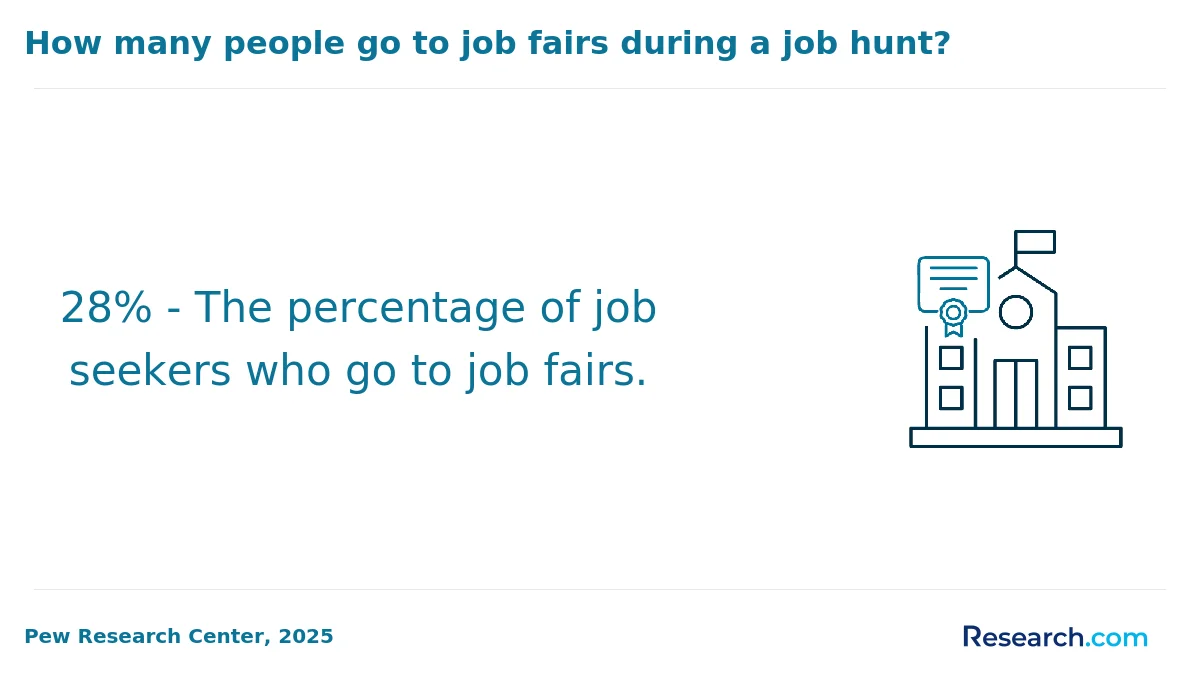
Networking locally by attending job fairs and connecting with Norfolk employers in sectors like healthcare and information technology can boost employment chances. Gaining relevant internships or certifications alongside an associate degree increases competitiveness in Norfolk's job market.
Employers in Norfolk value both technical and soft skills when hiring associate degree graduates. According to data from the National Association of Colleges and Employers (NACE), critical thinking and problem-solving rank high among the desired abilities.
Local businesses also emphasize communication skills, as clear and effective interaction is crucial in many industries around Norfolk. Technical proficiency related to specific fields, such as healthcare or information technology, remains essential for graduates.
Additionally, teamwork and adaptability are key soft skills sought by employers. A 2023 Virginia Workforce Report highlights that 72% of Norfolk employers prefer candidates who demonstrate flexibility in dynamic work environments.
Overall, combining relevant technical expertise with strong interpersonal skills greatly enhances job prospects for associate degree holders in Norfolk.
Finding internships in Norfolk that align with your associate degree program involves a few targeted steps. Start by visiting the career services office at your college; many local schools partner with businesses and organizations to offer internship placements.
Online platforms like Handshake and Indeed often list internship opportunities specific to the Norfolk area. Additionally, Norfolk's economic sectors such as healthcare, maritime, and technology provide various fields for practical experience.
The Hampton Roads Workforce Council reports that Norfolk's fastest-growing internship postings in recent years have been in healthcare and information technology, reflecting local industry needs.
Networking through local chambers of commerce or professional groups can also connect you with unadvertised opportunities. Lastly, apply early and tailor your applications to reflect your program's skills and goals.
In Norfolk, obtaining an associate degree significantly enhances career mobility and advancement opportunities. According to data from the Virginia Department of Education, individuals with an associate degree earn approximately 20% more on average than those with only a high school diploma. This degree serves as a recognized credential that opens doors to higher-paying jobs in fields like healthcare, technology, and business. Employers in Norfolk increasingly seek candidates with practical skills and formal training, which associate degree programs provide.
Furthermore, an associate degree often acts as a stepping stone for further education, such as transferring to a four-year college. This pathway can lead to advanced roles and leadership positions within local industries. The Hampton Roads region, including Norfolk, has seen steady growth in sectors valuing associate degree holders, making these credentials valuable for career advancement.
In Norfolk, part-time job opportunities that complement associate degree education are notably available in healthcare, administrative support, and technical fields. Healthcare roles such as medical assistants and pharmacy technicians often require associate-level knowledge and provide flexible schedules suitable for students. According to the U.S. Bureau of Labor Statistics, healthcare employment in Virginia is expected to grow by 15% from 2022 to 2032, supporting ongoing demand for part-time workers.
Administrative assistant positions in local government and business sectors offer practical experience for associate degree holders in office administration or business management. These roles help develop organizational and communication skills useful for career advancement. Additionally, Norfolk's growing IT sector presents part-time opportunities for network support specialists and computer user support specialists, which align well with associate degrees in information technology. These jobs promote hands-on learning alongside academic study.
Yes, there are reputable degree programs available near Norfolk, VA, for those seeking higher education opportunities. Institutions like Old Dominion University in Norfolk offer a wide range of undergraduate and graduate programs in fields such as engineering, business, and health sciences. Additionally, you might find research and educational resources beneficial through platforms like Research.com, which can help identify the best programs near me and in the Norfolk area.
- 994 jobs in Norfolk | Page 1 | Find a job https://findajob.dwp.gov.uk/search
- Nces - Ipeds https://nces.ed.gov/ipeds/
- JOBS IN NORFOLK (with salaries) - September 2025 | Norfolk Jobs & Vacancies https://www.totaljobs.com/jobs/in-norfolk
- Norfolk Economy and Employment Statistics - Norfolk Insight https://www.norfolkinsight.org.uk/economy-and-employment/
- Paying for College with Grants | Tidewater Community College https://www.tcc.edu/paying-for-college/grants/
- Options for Students with an Associate Degree | LSU Online https://online.lsu.edu/newsroom/articles/what-can-i-do-after-earning-associate-degree/
- Associate degree - Wikipedia https://en.wikipedia.org/wiki/Associate_degree
- Saving the Associate of Arts Degree: How an A.A. Degree Can Become a Better Path to Labor Market Success | American Enterprise Institute - AEI https://www.aei.org/research-products/report/saving-the-associate-of-arts-degree-how-an-a-a-degree-can-become-a-better-path-to-labor-market-success/
- Norfolk, Virginia Trade School | Fortis https://www.fortis.edu/campuses/virginia/norfolk.html
- Learn the Top Six “Soft Skills” Employers Look for in College Graduates https://admissions.usf.edu/blog/learn-the-top-six-soft-skills-employers-look-for-in-college-graduates