
Best Associate Degree Programs - Leading Certification Courses in Madera for 2026

Co-Founder and Chief Data Scientist
Choosing the right associate degree program in Madera can feel overwhelming, but it doesn’t have to be. This article will guide you through a carefully crafted ranking of local programs, developed by the Research.com team of data scientists.
By exploring these programs, you’ll discover opportunities that match your goals and interests, making your educational journey smoother and more fulfilling. Earning an associate degree opens doors to rewarding careers and personal growth, empowering you to build a brighter future.
Let’s explore the best options together so you can make an informed, confident choice for 2026.
Key benefits of associate degrees in Madera
- Associate degree graduates in Madera can expect good salaries, such as $37,566 per year for Certified Nursing Assistants, around $45,789 for Warehouse Machine Operators, and about $42,199 annually for Paralegals, offering solid financial stability in varied fields.
- Popular career paths include health sciences, business administration, and legal studies, reflecting strong local demand and diverse job opportunities that match your interests and skills.
- Online associate degrees offer flexible learning, making it easier for working adults to earn credentials without commuting, as shown by successful graduates from well-known Madera schools.
- Best Associate Degree Programs - Leading Certification Courses in Madera for 2026
- What can I expect from associate degree programs in Madera?
- Where can I work after finishing associate degree programs in Madera?
What can I expect from associate degree programs in Madera?
The average cost of completing an associate degree program in Madera, primarily at Madera Community College (MCC), is notably affordable compared to many other institutions. Graduates commonly report tuition expenses around $1,500 to $3,000 per academic year, reflecting California's community college fee structure. This cost efficiency enables many students to pursue degrees in fields like business, psychology, and early childhood education without incurring excessive debt.
Students enrolling in MCC often highlight the value of small class sizes and access to up-to-date facilities, which enhance the hands-on learning experience. For example, those studying speech-language pathology assistance appreciate the modern labs and close faculty mentorship they receive. Many students balance studies and work, benefiting from MCC's flexible part-time enrollment options.
Graduates recall how financial aid options such as grants and scholarships helped ease their personal financial burdens, making the overall investment in their education manageable. Additionally, support services like tutoring and basic needs programs foster a positive, focused learning environment, helping students succeed without undue stress.
Where can I work after finishing associate degree programs in Madera?
Graduates of associate degree programs in Madera frequently find rewarding careers across several thriving local industries. For example, healthcare is a standout sector: dental hygienists who trained at popular Madera community colleges report earning around $95,880 annually, well above national averages. Physical therapist assistant roles are also common, offering stable employment and satisfaction helping patients recover.
Technology positions, such as computer network support specialist, attract many graduates from Madera's technical programs, with salaries near $67,310. Local IT companies value the practical skills taught in these two-year courses, and students regularly highlight the approachable faculty and hands-on labs that boost confidence entering the workforce.
Associate degree holders also frequently pursue education roles. Preschool teachers from regional colleges enjoy the steady demand and rewarding connections with families. Business and management fields offer openings as human resources assistants and project managers, where graduates appreciate immediate impact opportunities and clear career pathways.
Many also succeed in public service careers, like correctional officers or property managers, enjoying roles that value practical, job-ready training typical in Madera schools. Graduates often share a strong sense of pride and community belonging from starting their careers locally.
Graduates with an associate degree from popular schools in Madera often find themselves entering a job market offering a broad salary range. Many report starting around $20 to $27 per hour in roles like Accounting Technician II, Registrar, or Information Systems Specialist II, translating to approximately $41,000 to $55,000 annually. This aligns with data from the Madera Unified School District's pay schedule, reflecting real wages within the local community.
Some graduates share they quickly advanced to specialized roles, such as Associate Planner or Fire Engineer, where salaries range from about $68,000 to over $73,000 per year. These careers not only bring higher wages but also increased job satisfaction and stability. For many, the average hourly wage of $21.63 reported locally offers a reliable benchmark for expectations right after graduation.
Such earnings often foster a sense of accomplishment and financial independence for Madera's associate degree holders, validating their commitment to their education at respected institutions within the area.
- Ashley: Earning my Associate degree in Nursing from Madera Community College was life-changing. The hands-on training and supportive faculty made me confident. Now, working as a licensed nurse at Madera Regional Hospital, I'm grateful for the practical skills that helped me secure a fulfilling job locally.
- Jorge: Studying Automotive Technology at a Madera trade school was intense but rewarding. The focus on real-world repair skills meant I was job-ready on graduation day. Today, I run my own workshop here in Madera, proud to serve the community and continually build on what I learned.
- Maria: Getting my Associate degree in Business Administration felt like the perfect balance of theory and practice. The small classes and career services at Madera College helped me land a role in marketing right after graduation. I feel empowered knowing my education opened doors in this competitive job market.
- Madera Community College enrolls about 4,500 students annually in associate degree programs with options for in-person and online classes.
- Admissions usually require a high school diploma or GED, with open access for eligible students and financial aid available through grants and scholarships.
- Tuition costs for California residents range from $1,100 to $1,400 per year, making the total cost for a two-year degree between $2,200 and $2,800.
- Popular fields of study include Business Administration, Health Care Administration, Computer Science, and Engineering.
- Starting salaries for associate degree holders typically range from $38,000 to $52,000 per year, depending on the field and experience.
Completing an associate degree in Madera typically takes two years of full-time study, as seen at institutions like Madera Community College. Graduates often recall managing a course load of about 15 semester units per term, completing the required 60 units over four semesters. This consistent pace allows students to progress steadily without overwhelming their schedules.
For students enrolled part-time, the timeline extends beyond two years depending on how many courses they take each semester. Those balancing work or family commitments appreciate this flexibility, although they might need additional semesters to finish their degree.
Career and Technical Education (CTE) programs in the Madera area, such as those offered through Reedley College, maintain roughly the same two-year duration for full-time students. Some CTE students have found accelerated options rewarding by taking summer courses, which helps shorten their path.
Many graduates find that fulfilling prerequisites like math or reading courses, required by certain programs, adds time but also reinforces their skills, setting them up for success in major classes.
The primary difference between online and on-campus associate degree programs in Madera lies in how coursework is delivered and experienced. Graduates from Madera Community College often highlight how online programs offer unmatched flexibility, allowing them to balance jobs or family commitments while studying at any hour via platforms like the California Virtual Campus. This asynchronous format means students can complete assignments on their own schedules, which many find liberating and stress-reducing.
Conversely, students attending on-campus classes at Madera appreciate the structured routine and direct interactions with instructors and peers. The access to campus facilities, such as science and computer labs, supports hands-on learning that online formats may not fully replicate. Graduates recall feeling more connected and motivated thanks to spontaneous discussions and campus resources like libraries.
Both modalities require completion of about 60 semester units, but the choice between them often comes down to lifestyle and learning preferences in the Madera area.
The average associate degree cost in Madera remains one of the most affordable in California, primarily due to Madera Community College, the most prominent institution offering these programs locally. For California residents, the annual tuition and fees range between $1,330 and $1,378, providing a clear financial advantage compared to many other community colleges. Graduates often share that this accessibility greatly eased their path to obtaining an associate degree, allowing them to focus more on their studies than financial strain.
Out-of-state students, however, face higher costs, with annual tuition and fees ranging from $8,638 to $8,890. Despite these figures, the total expense of attending extends beyond tuition. Students typically allocate roughly $1,500 annually for books and supplies, with off-campus living costs estimated at $19,499 per year. Many local students benefit from reduced living expenses by staying with family, which alleviates budget concerns while attending Madera Community College.
Financial aid also plays a significant role in offsetting expenses. The average aid award for students here is about $1,633 per year, often lowering the net cost to near $1,963 annually for in-state students. This figure aligns well with the general Madera California community college tuition and fees landscape, which is competitive statewide. Many graduates reflect positively on their ability to manage costs through aid and local support.
For prospective students weighing options, understanding these expenses is crucial. Reviewing the latest estimates and considering eligibility for grants, scholarships, or federal aid can make the difference. Many find that applying through FAFSA maximizes available resources, making their education journey smoother and more affordable.
Those exploring career options after earning an associate degree might find it helpful to research relevant paths. For example, choosing the best college degree for their interests and goals can improve job prospects and personal fulfillment.
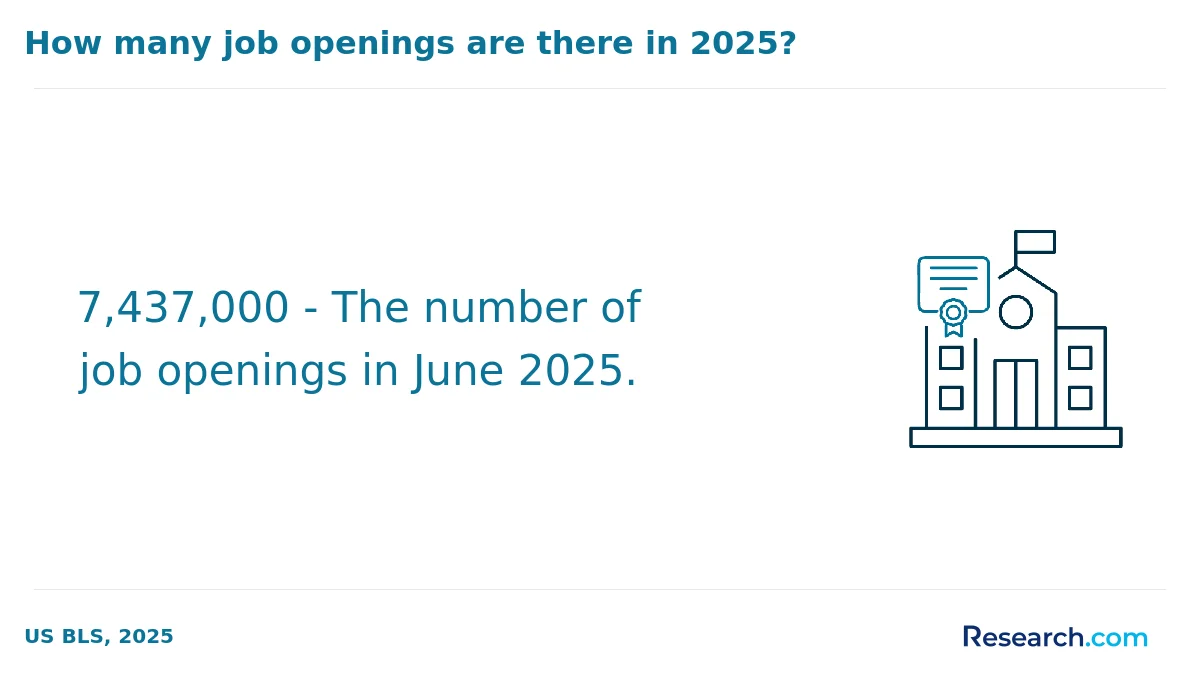
Students pursuing associate degrees in Madera typically access financial aid through several key programs tailored to their needs. Completing the FAFSA is a critical first step, enabling eligibility for federal grants like the Pell Grant, which many graduates from Madera Community College have relied on to cover substantial tuition costs. These grants focus on financial need, helping reduce the burden for students balancing work and study.
Undocumented students or those not qualifying for federal aid often use the California Dream Act Application (CADAA) to access state grants, such as the Cal Grant. Local students in Madera find this especially helpful, as it opens doors to funding options otherwise unavailable, providing reassurance and a clear pathway to degree completion.
The California College Promise Grant (CCPG) also plays a vital role for many Madera students by waiving enrollment fees, directly lowering out-of-pocket expenses for each semester. Graduates frequently mention how this grant's support made attending community college affordable and encouraged them to persist even during financial uncertainty.
Additionally, scholarships and institution-specific awards from Madera Community College offer further relief. Students who actively engage with the Financial Aid Office and meet documentation deadlines report a smoother, more rewarding college experience, free of financial stress.
To enroll in an associate degree program in Madera, the essential prerequisite is holding a high school diploma or an equivalent such as a GED certificate. This baseline ensures students entering institutions like Madera Community College have the fundamental skills for college-level work. Graduates often reflect on how this clear starting point gave them confidence and a smooth transition into college coursework.
Applicants must complete the admissions application and submit necessary documentation, including transcripts and proof of graduation or equivalency. Most programs welcome students of all ages, making education accessible and fostering a diverse learning environment.
- Specialized programs such as Licensed Vocational Nursing may require completion of specific high school courses, background checks, and immunization records.
- Students must complete at least 60 semester units with a minimum cumulative GPA of 2.0 on a 4.0 scale to graduate.
- Of these, at least 12 units must be completed in residence at the awarding institution to ensure engagement with campus resources.
- Transfer-oriented degrees require adherence to statewide transfer curriculum patterns like CalGETC, enabling seamless continuation to CSU or UC systems.
Many graduates appreciate how the structured prerequisites helped them stay motivated and aware of clear academic expectations, leading to successful degree completion in their vibrant Madera community setting.
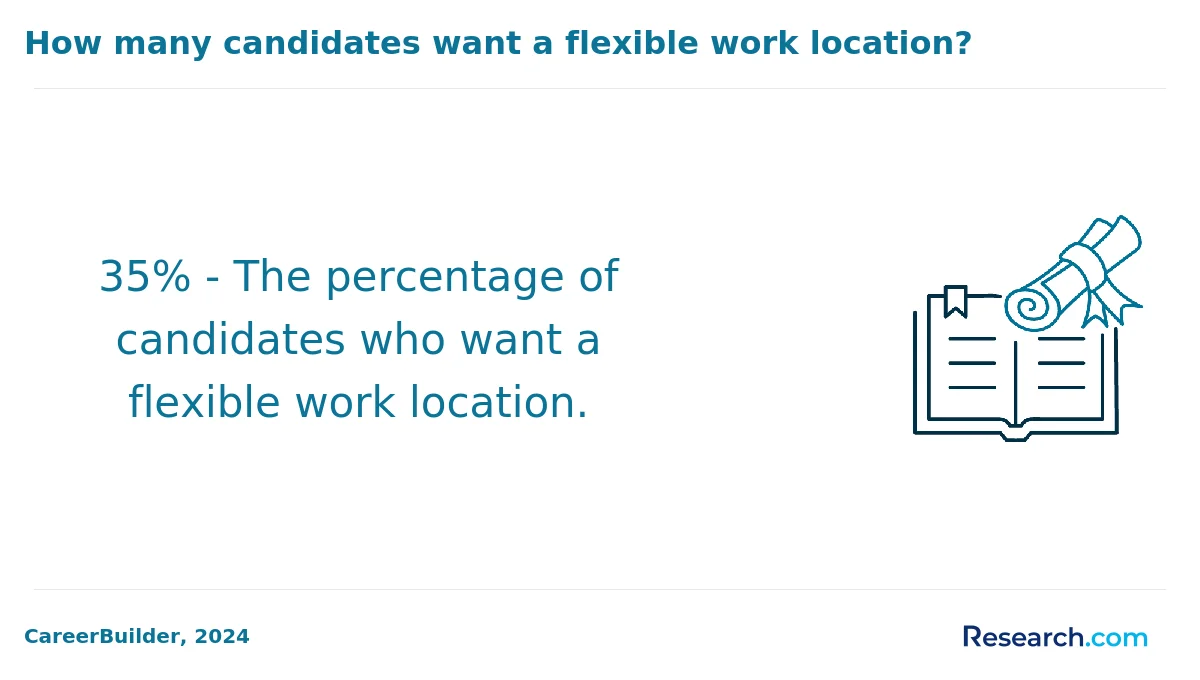
Students pursuing an associate degree at Madera Community College follow a structured curriculum combining general education with major-specific courses. Common courses in Madera associate degree programs include foundational subjects such as English composition, mathematics, natural sciences, social sciences, and humanities. These core courses build strong communication and analytical skills vital for success across fields.
Graduates from Madera's associate degree schools frequently highlight the benefit of focused coursework in their chosen majors. For instance, a Medical Administrative Assistant student studies medical office procedures, medical billing and coding, medical terminology, and healthcare law, providing practical skills that ease entry into local healthcare jobs. Business Administration or Accounting students take classes in principles of accounting, business law, economics, and finance, which prepare them well for professional roles or further study.
- Applied technology and industry-specific practices form key components in technical programs like Automotive Technology and Computer Security.
- At Madera Community College, students appreciate the flexibility of online courses, which accommodate working adults balancing education and personal commitments.
This Madera Community College associate degree curriculum is regularly updated to match local workforce demands and university transfer requirements. For students exploring options, finding the easiest phds is just one step in their educational journey, often beginning with these well-rounded associate degree foundations.
Choosing the best associate degree program in Madera starts with accreditation; programs at regionally accredited institutions like Madera Community College ensure that credits transfer smoothly and qualify for federal financial aid.
Graduates often emphasize the importance of program variety, highlighting how options ranging from industrial technology to software development align well with local industry needs. Those targeting a bachelor's degree appreciate colleges with strong transfer agreements supported by dedicated Transfer Centers, easing transitions to four-year universities.
Budget-conscious students looking to compare associate degree costs in Madera find community colleges particularly appealing due to low tuition and diverse financial aid, including grants and scholarships. Many appreciate the flexibility offered through evening, online, and part-time courses, allowing them to balance education with work or family.
Support services like tutoring and career counseling enhance student success, as reported by many alumni who valued personalized assistance. Reviewing job placement rates or graduation outcomes offers concrete insights to guide your choice.
For detailed cost comparisons beyond community colleges, consider exploring the cheapest phd programs in usa to understand broader financial planning strategies for academic progression.
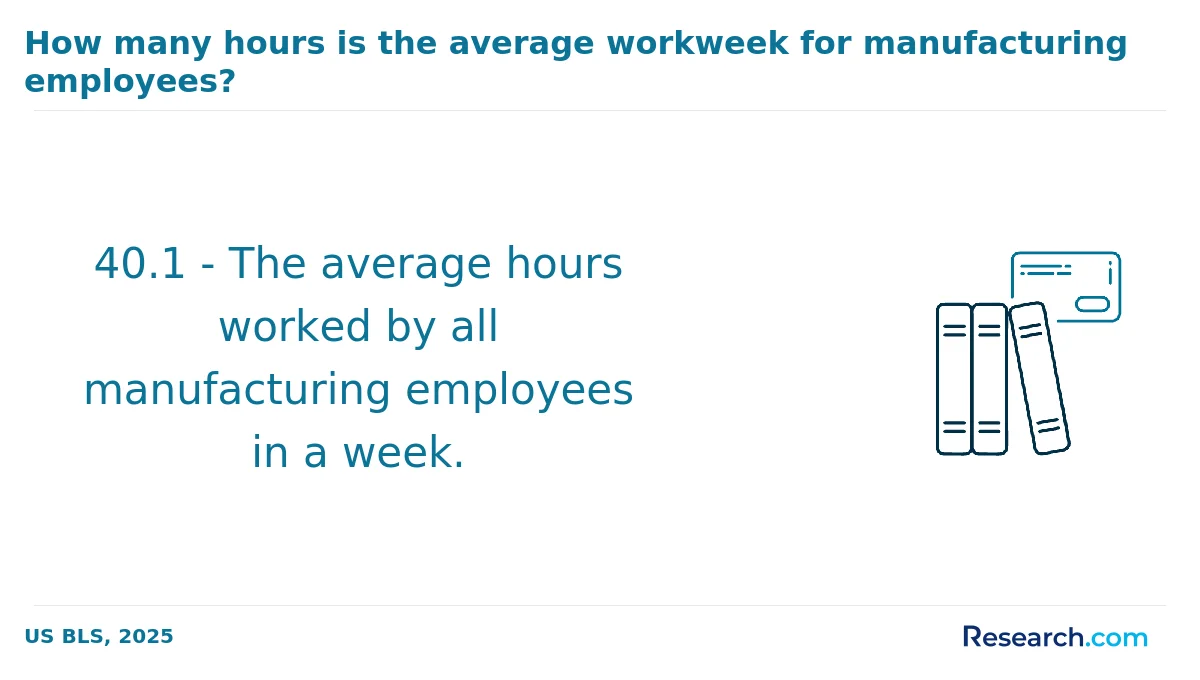
Associate degree graduates in Madera find diverse career paths across several thriving industries. In healthcare, graduates from local programs often secure roles such as Physical Therapist Assistants or hospital administrative staff at Madera Community Hospital, earning hourly wages between $27 and $35. Many students who completed their associate degrees at popular Madera colleges share positive experiences transitioning directly into these roles.
Business and management positions also attract associate degree holders, with opportunities as Regional Property Managers or Human Resources Generalists offering salaries from $65,000 to $80,000 annually. Graduates from nearby community colleges frequently note their degrees in business administration as key to these roles.
Technology-focused graduates pursue careers as IT Support Specialists with wages typically ranging from $22 to $32 per hour, often benefiting from comprehensive employer-provided health and retirement plans.
Public safety is another strong sector; for example, correctional officers can earn up to $113,000 annually through the California Department of Corrections after completing associate degrees aligned with public safety training requirements.
- Healthcare roles such as Physical Therapist Assistant
- Business and management positions like Regional Property Manager
- Information technology support jobs
- Public safety careers including correctional officers
- Creative education roles, such as After School Teaching Artist
For students seeking flexible study options aligned with budget needs, many find guidance on affordable online colleges that accept fafsa, helping them access education pathways and subsequent career opportunities in Madera's economy.
The job market for associate degree graduates in Madera is vibrant, with over 380 job openings spanning healthcare, business, technology, and education sectors. Graduates from popular associate degree schools in Madera often share that the demand for skilled professionals feels encouraging and opens many doors early in their careers. For example, healthcare roles like registered nurse or certified occupational therapy assistant typically offer competitive wages and benefits, providing financial stability soon after graduation.
Employment opportunities for associate degree graduates in Madera also include:
- Business roles such as project manager and regional property manager, with salaries ranging from $27 to $80 per hour
- Technical support positions paying between $22 and $32 per hour
- After-school teaching artist jobs in education and arts, offering $25 to $32 per hour and valuable community engagement
Graduates report that the balance of good pay and opportunities to build meaningful experience makes pursuing an associate degree in Madera a practical choice. The local growth projections of 8.9% in business administration further boost confidence in job stability. Students looking for practical, accessible education options can explore the most popular trade schools online to complement local opportunities.
Best Associate Degree Programs - Leading Certification Courses in Madera for 2026
# 1 position
Madera Community College - Computer Science.
associateThe Computer Science program at Madera Community College is offered in a hybrid format, combining in-person and distance-education options. It emphasizes computer theory, problem-solving, and system design from a scientific standpoint. The curriculum covers computational science principles, programming, and practical applications. The annual in-state tuition is $1,334. The program is accredited by the Western Association of Schools and Colleges Accrediting Commission for Community and Junior Colleges.
# 2 position
Madera Community College - Computer Systems Networking and Telecommunications.
associateMadera Community College offers a hybrid Computer Systems Networking and Telecommunications program that prepares students to manage and design linked computer systems and networks. The curriculum covers operating systems, network theory, management, security, and troubleshooting. The program is accredited by the Western Association of Schools and Colleges Accrediting Commission for Community and Junior Colleges. Annual in-state tuition is $1,334, making it an affordable option for those pursuing network specialist roles.
# 3 position
Madera Community College - Criminal Justice/Law Enforcement Administration.
associateThe Criminal Justice/Law Enforcement Administration program at Madera Community College offers a hybrid format with some distance-education options. It prepares students in managing public law enforcement agencies through courses covering law enforcement history, operational command leadership, labor relations, incident response, budgeting, and legal responsibilities. The program is accredited by the Western Association of Schools and Colleges Accrediting Commission for Community and Junior Colleges. Annual in-state tuition is $1,334.
# 4 position
Madera Community College - Criminal Justice/Police Science.
associateMadera Community College offers a hybrid Criminal Justice/Police Science program designed to prepare students for law enforcement roles. The curriculum covers patrol and investigative duties, traffic and crowd control, evidence management, and crime prevention. The program is accredited by the Western Association of Schools and Colleges Accrediting Commission for Community and Junior Colleges. Annual in-state tuition is $1,334, providing an accessible option for students pursuing police science training.
# 5 position
Madera Community College - Industrial Mechanics and Maintenance Technology/Technician.
associateMadera Community College offers a program in Industrial Mechanics and Maintenance Technology/Technician designed to prepare students with technical skills to repair and maintain industrial machinery and equipment, including cranes, pumps, engines, motors, pneumatic tools, conveyor systems, production machinery, marine deck machinery, and systems related to steam propulsion, refinery, and pipeline distribution. The program is accredited by the Western Association of Schools and Colleges Accrediting Commission for Community and Junior Colleges. Annual in-state tuition is $1,334.
# 6 position
Madera Community College - Welding Technology/Welder.
associateMadera Community College offers a Welding Technology/Welder program with a hybrid format that includes some distance-education options. The program prepares students to apply technical skills in various welding methods such as arc welding, resistance welding, brazing, soldering, and high-energy beam welding. It covers materials, welding metallurgy, safety, structural design, and relevant codes and standards. Annual in-state tuition is $1,334. The program is accredited by the Western Association of Schools and Colleges Accrediting Commission for Community and Junior Colleges.
# 7 position
Madera Community College - Medical Administrative/Executive Assistant and Medical Secretary.
associateThe Medical Administrative/Executive Assistant and Medical Secretary program at Madera Community College offers a hybrid format with some distance-education options. It prepares students to support physicians, nurses, and healthcare administrators through training in medical communications, terminology, healthcare operations, scheduling, and professional ethics. The program is accredited by the Western Association of Schools and Colleges Accrediting Commission for Community and Junior Colleges. Annual in-state tuition is $1,334.
# 8 position
Madera Community College - Business Administration and Management, General.
associateMadera Community College offers a Business Administration and Management, General program with a hybrid format, allowing some distance-education options. The program prepares students to plan, organize, direct, and control business functions, including management theory, human resources, accounting, logistics, marketing, and decision-making. The annual in-state tuition is $1,334. The program is accredited by the Western Association of Schools and Colleges Accrediting Commission for Community and Junior Colleges.
# 9 position
Madera Community College - Accounting.
associateThe Accounting program at Madera Community College offers a hybrid format with some distance-education options. It prepares students for accounting careers through instruction in principles, financial and managerial accounting, auditing, tax accounting, and business information systems. The program emphasizes professional standards, ethics, and applications in various organizations. Annual in-state tuition is $1,334. It is accredited by the Western Association of Schools and Colleges Accrediting Commission for Community and Junior Colleges.
# 10 position
Madera Community College - Accounting Technology/Technician and Bookkeeping.
associateMadera Community College offers a hybrid Accounting Technology/Technician and Bookkeeping program designed to prepare students for technical administrative support roles in accounting and financial management. The curriculum covers posting transactions, record-keeping systems, accounting software, and general accounting principles. Annual in-state tuition is $1,334. The program is accredited by the Western Association of Schools and Colleges Accrediting Commission for Community and Junior Colleges.
Frequently Asked Questions about associate degree programs
After earning an associate degree in Madera, preparing for the job market involves several strategic steps. Graduates should begin by utilizing resources at local community colleges, such as career counseling and job placement services, which often maintain connections with regional employers.
Networking is crucial; joining local professional groups or attending job fairs in the Central Valley can open doors. According to the California Community Colleges Chancellor's Office, students with associate degrees in Madera have an average employment rate of around 70% within six months of graduation.
Additionally, updating resumes and practicing interview skills tailored to fields like healthcare, manufacturing, or agriculture-key sectors in Madera-enhances employability.
Certifications relevant to one's major may further increase job opportunities and income potential.
Employers in Madera highly value both technical and soft skills in associate degree graduates. According to recent data from the National Association of Colleges and Employers (NACE), critical thinking and problem-solving are among the top soft skills sought, with 80% of employers prioritizing these abilities. In Madera's job market, proficiency in basic computer skills, especially Microsoft Office and industry-specific software, is crucial due to the region's growing healthcare and agricultural sectors.
Communication skills, including clear verbal and written expression, rank highly as well, with 75% of local employers emphasizing their importance. Teamwork and adaptability are also frequently requested, reflecting a need for graduates who can collaborate effectively and adjust to dynamic workplaces.
Finding internships in Madera that align with your associate degree program requires a strategic approach. Start by contacting local community colleges such as Madera Community College Center, which often have partnerships with businesses offering internship opportunities. The California Employment Development Department's local office also provides resources about internships available in the region.
Exploring relevant sectors in Madera's economy, such as agriculture, healthcare, and education, increases chances of finding suitable internships. Websites like Handshake and Indeed list internships specific to the Central Valley area.
Networking through college career services and attending local job fairs can further connect you to employers offering internships related to your field of study.
In Madera, earning an associate degree can significantly enhance career mobility and advancement opportunities. According to the California Community Colleges Chancellor's Office, associate degree holders in the region typically experience a 15-20% higher median income compared to those with only a high school diploma. This credential opens doors to specialized positions in healthcare, business, and technology fields prevalent in Madera's job market.
Employers often view an associate degree as evidence of foundational knowledge and practical skills, which improves chances for promotions and job stability. Additionally, many local companies prefer candidates with a degree due to evolving job requirements and competitive hiring practices.
Moreover, an associate degree provides a stepping stone to bachelor's programs if students wish to pursue further education and greater career advancement. Data from the Public Policy Institute of California highlights that community college graduates in the Central Valley region, including Madera, achieve better long-term job prospects and upward mobility within five years of graduation.
Part-time job opportunities in Madera that complement associate degree education often align with local industry demands. Healthcare support roles, such as medical assistants or pharmacy technicians, are frequently available and valuable for students in health-related programs. According to the California Employment Development Department, healthcare occupations in Madera County are projected to grow by about 15% through 2030.
Retail positions and customer service roles also offer flexible schedules appealing to students. Job openings in these sectors can provide practical skills in communication and management, useful for fields like business administration or marketing.
Additionally, educational support positions such as teacher aides can benefit students pursuing degrees in education or child development.
Local governmental offices occasionally offer part-time clerical work, giving students experience relevant to administrative or finance-related associate degrees.
To choose the best degree program near Madera, CA, first assess your career goals and fields of interest to identify relevant programs. Research local colleges and universities, as there are several institutions and programs available near me that offer a variety of academic disciplines. Utilizing resources such as Research.com can help you evaluate programs based on reputation, faculty expertise, and course offerings to make an informed decision.
- Should I Intern if I'm in an Associate's Program? | Career Advice & Interview Tips | WayUp Guide https://www.wayup.com/guide/intern-im-associates-program/
- Research - Best Online Trade Schools https://research.com/universities-colleges/best-online-trade-schools
- Associate in Science (A.S.) Degrees | Valencia College https://catalog.valenciacollege.edu/degrees/associateinscience/
- Is an Online Degree the Same as a Traditional College Degree? | Bryan University Online© https://bryanuniversity.edu/faq/is-an-online-degree-the-same-as-a-traditional-college-degree/
- State Center Community College District : Salary Schedules https://www.scccd.edu/career-opportunities/salary-schedules.html
- How Should I List Multiple Degrees After My Name? | ProFellow https://www.profellow.com/askdrjohnson/how-should-i-list-multiple-degrees-after-my-name/
- Online Degree vs. Traditional | University of Arkansas Grantham https://www.uagrantham.edu/blog/pros-cons-online-degree-vs-traditional-university/
- How Converting Your Associate's Degree Into a Bachelor’s Degree Can Impact Your Salary | Regis College https://www.regiscollege.edu/blog/completing-your-degree/how-converting-your-associates-degree-bachelors-degree-can-impact-your
- Online Associate Degree Programs https://www.ashworthcollege.edu/associate-degrees/
- Online vs Traditional School: A Look at the Pros and Cons https://www.uopeople.edu/blog/online-colleges-vs-traditional-colleges/


