Best Trade School & Training Programs - Leading Certification Courses in Charlottesville for 2026

Co-Founder and Chief Data Scientist
Choosing the right trade school can set you on a path to a rewarding career in Charlottesville. Whether you're exploring new skills or aiming to boost your job prospects, this article offers valuable guidance.
The upcoming trade school programs ranking, developed by the experienced team of data scientists at Research.com, can help you identify the best options available. This ensures you make an informed decision based on trusted data.
Investing in a trade school diploma or certification opens doors to practical careers with strong growth potential. Dive in and discover opportunities that match your ambitions and lifestyle.
Key benefits of finishing trade school programs trade school in Charlottesville
- High earning potential: Trade school graduates in Charlottesville can earn impressive salaries, with apprenticeship training programs offering averages around $157,823 and trading trainee roles paying approximately $126,129 yearly.
- Popular career paths: Graduates often enter fields like electrical work, plumbing, HVAC, and finance-related technical jobs, benefiting from strong local industry demand and partnerships with schools such as CATEC.
- Flexible online options: Earning a trade certification online provides convenience and the ability to balance work or family life, giving students a chance to advance quickly without the need to attend on-campus classes.
- Best Trade School & Training Programs - Leading Certification Courses in Charlottesville for 2026
- What can I expect from trade school programs trade schools in Charlottesville?
- Where can I work after finishing trade school programs trade schools in Charlottesville?
What can I expect from trade school programs trade schools in Charlottesville?
The average cost of a trade school program in Charlottesville varies, but many students find it affordable due to local funding options. Programs at popular institutions like Charlottesville-Albemarle Technical Education Center (CATEC) and Piedmont Virginia Community College (PVCC) often range widely depending on the length and specialization. Graduates report that tuition typically falls within a few thousand dollars, with some evening or short-term courses costing less than $3,000.
Most students emphasize the value of financial aid, such as the FastForward program, which can dramatically reduce expenses or eliminate out-of-pocket costs entirely. This support makes hands-on programs in auto service technology, carpentry, or computer science more accessible, especially for working adults balancing schedules.
Graduates appreciate how programs combine classroom knowledge with practical internships or apprenticeships, making their investment feel worthwhile. For instance, students at PVCC often mention how evening classes and real-world training helped them advance quickly without incurring massive debt, fostering confidence and career readiness.
Where can I work after finishing trade school programs trade schools in Charlottesville?
After completing a trade school program in Charlottesville, graduates find ample opportunities across diverse industries such as construction, automotive repair, plumbing, electrical services, healthcare support, and facility maintenance. Many graduates from renowned institutions like the Charlottesville Area Technical Education Center (CATEC) report quickly securing roles as automotive technicians, apprentice plumbers, or tower technicians, often through direct partnerships between their schools and local employers.
These programs not only open doors to entry-level jobs but also to apprenticeships and technician roles offering on-the-job training and career advancement. Graduates typically experience positive outcomes, with many benefiting from the schools' active employer networks that ensure students possess relevant certifications and practical skills.
Beyond traditional trades, healthcare support positions such as licensed practical nurse and maintenance roles like senior maintenance person or maintenance planner are also in demand locally. The strong collaboration between Charlottesville's trade schools and businesses allows graduates to step confidently into stable, well-paying careers with promising growth potential.
Graduates from trade school programs in Charlottesville typically earn an average of $66,616 per year, which breaks down to about $32.03 per hour. This reflects real-world earnings for skilled workers in trades like construction, electrical, plumbing, and automotive technology. Many recent graduates from local trade schools report starting salaries near this average, providing a solid financial foundation as they launch their careers.
For those aiming higher, vocational training teachers in Charlottesville enjoy significantly greater earnings, with average salaries around $151,234 annually, and some experienced professionals earning up to $350,926. These roles typically require additional certifications beyond the initial trade program but represent an inspiring example of upward mobility.
Graduates who earn recognized industry certifications such as CISCO CCENT or CompTIA A+ often find themselves advancing faster, with increased job opportunities and salary potential. Local trade schools emphasize these credentials, which graduates consistently cite as key to their career success and stability in the Charlottesville job market.
- Applicants usually need a high school diploma, GED, or equivalent, and some programs require students to be at least 18 years old.
- Placement tests like the CASAS may be required, especially for English Language Learners, to assess skills and readiness.
- Costs vary, but some programs offer free tuition, fees, and books through initiatives like PVCC's FastForward and G3 for qualifying students.
- Starting salaries for trade school graduates typically range from $40,000 to $55,000, with experienced workers earning over $70,000 annually.
- Many programs offer industry-recognized certifications that improve job prospects in fields such as electrician, plumbing, and HVAC.
Trade school program completion times in Charlottesville vary widely based on the type of training chosen. Graduates from short-term programs, like those at Trade Builders Academy, often complete their 10-week courses feeling energized by the swift path to employment, with around 285 hours of hands-on learning accelerating their career start. Similarly, students at Piedmont Virginia Community College (PVCC) report that FastForward credential programs provide flexible, intense training that can last from just a few weeks to several months, perfectly fitting evening or part-time schedules.
Those pursuing certificate programs at PVCC experience a paced journey, usually spanning two to four semesters. Graduates appreciate the balance between depth and duration, often completing 9-59 credit hours that equip them with solid skills and credentials within one or two academic years.
High school students enrolled at Charlottesville Area Technical Education Center (CATEC) find that year-long courses in trades like Carpentry offer both national certifications and a sense of achievement as they work toward future careers while still in school.
For those committed to mastery, the UVA Facilities Management Apprenticeship Program offers four years of combined on-the-job training and classroom learning, immersing apprentices in real-world trade environments that build confidence and expertise over time.
The primary distinction between online and on-campus trade school programs in Charlottesville lies in how education is delivered and experienced. Online programs, such as those at Piedmont Virginia Community College and UVA's School of Continuing and Professional Studies, offer flexibility by allowing students to complete coursework remotely. Graduates appreciate this format for fitting studies around work and family commitments, especially since online learning typically includes asynchronous lectures and virtual discussions, making it easier to manage their time independently.
However, some hands-on elements, like labs or practical training, often require local in-person arrangements, which can challenge students without easy facility access.
Conversely, on-campus programs at places like the Charlottesville Area Technical Education Center provide direct access to specialized equipment in fields such as HVAC or welding. Students report feeling more connected through face-to-face instruction and immediate feedback, benefiting from the structured daily routine and in-person community support.
Graduates from Charlottesville emphasize that choosing between formats depends on balancing flexibility with the desire for immersive, hands-on experiences.
The average trade school tuition in Charlottesville reflects a broad range of costs depending on the institution and program choice. For instance, Piedmont Virginia Community College (PVCC), a leading trade school in the area, charges $169.05 per credit hour for in-state students and $383.65 for those out of state. Most certificate programs span 24 to 36 credit hours, translating to a total tuition burden between $4,057 and $6,086. This tuition range offers great value to local students who seek affordable education paths without sacrificing quality.
Beyond tuition, graduates frequently mention the importance of budgeting for books and supplies, which at PVCC add approximately $300 to $900 per semester. This brings the Charlottesville trade school program total cost into clearer focus, especially when combined with other necessities like certification exams or tools. Many students find this manageable, and several share positive experiences about how focusing on practical skills in technical fields like electrical engineering or welding keeps overall expenses well below a four-year college degree.
Technical programs such as electrical engineering technology in Virginia range from $15,000 to $20,000 for full completion, while medical assisting and automotive technology programs vary broadly, from around $2,000 to $20,000 and $5,000 to $15,000 respectively. For students comparing options, community colleges like PVCC remain an affordable pathway. Many explore options by researching trade school online, which helps them weigh the total financial commitment and plan confidently for their careers.
Trade school students in Charlottesville typically access multiple financial aid sources to support their education. For example, graduates from Piedmont Virginia Community College (PVCC) often begin by filling out the Free Application for Federal Student Aid (FAFSA), which unlocks federal grants, loans, and work-study opportunities tailored to their financial needs. Using PVCC's school code 009928, many students find these federal options essential in managing tuition and fees.
Virginia residents who don't qualify for federal aid can rely on the Virginia Alternative State Aid (VASA) program. This option has helped some non-citizen students gain critical funding, demonstrating the state's commitment to diverse learners. Local aid further boosts resources-for instance, the Charlottesville Parks & Recreation scholarship offers up to 90% discounts on certain courses, easing the cost burden for trade certifications and short-term classes.
Private aid also plays a role; some schools employ FACTS Grant and Aid Assessment to award need-based support. Graduates often describe the financial aid process at these schools as streamlined and responsive to their unique circumstances, making trade education in Charlottesville both accessible and encouraging.
Applicants seeking enrollment in trade school programs in Charlottesville must generally hold a high school diploma or GED as a baseline requirement. Graduates often share how this foundational credential gave them confidence to pursue technical skills successfully.
For admission to community college-based programs like those at Piedmont Virginia Community College (PVCC), students must:
- Prove residency in Charlottesville or Albemarle County, helping local students benefit from these public resources.
- Submit completed applications along with required documents such as transcripts and age verification; most adult programs require students to be at least 18 years old.
Specialized programs, including Surgical Technology or Diagnostic Medical Sonography at PVCC, add prerequisites that reflect their rigorous academic and clinical nature:
- Completion of prerequisite courses in biology, math, or English prepares students for technical challenges ahead.
- Passing pre-admission tests like the TEAS exam is mandatory, with minimum scores ensuring readiness.
- Background checks, immunization proof, and physical ability assessments are standard to maintain patient safety and regulatory compliance.
Successful applicants recall attending mandatory information sessions, which offer clarity on competitive ranking systems based on academics and test scores. This transparency helps ensure candidates feel prepared and motivated as they embark on their trade education journey in Charlottesville.

Trade school programs in Charlottesville offer a variety of courses tailored to match the needs of local industries and student goals. At Charlottesville-Albemarle Technical Education Center (CATEC), students gain hands-on experience in fields like healthcare with courses in Certified Nurse Aide, Pharmacy Technician, and EMT training. Graduates often share how these practical skills helped them feel confident walking straight into jobs.
Piedmont Virginia Community College (PVCC) provides fast-paced, career-ready courses in HVAC, heavy equipment operation, electrical work, welding, and construction. Students appreciate how these short-term programs, often completed in months, allow them to start earning quickly.
- Healthcare, including wellness and EMT certifications
- Information technology certifications like CompTIA A+ and CISCO CCENT
- Skilled trades such as automotive technology, welding, and HVAC
- Business-related courses like digital marketing and financial services
- Hospitality management and agriculture programs
Many students highlight real-world learning through labs or internships, making coursework feel relevant. The option to earn certificates aligned with Virginia's FastForward initiative also eases the financial burden while opening doors to diverse careers in the region.
Trade school programs in Charlottesville offer a dynamic range of specializations tailored to local workforce demands. Graduates from Piedmont Virginia Community College (PVCC) and Charlottesville Albemarle Technical Education Center (CATEC) often praise the practical focus of skilled trades such as HVAC, electrical technology, welding, and construction trades. These programs incorporate hands-on training and safety protocols, directly preparing students for jobs where local construction laborers earn an average of $14.00 per hour.
Healthcare-related fields are also highly accessible, with students completing certifications in medical assisting, dental assisting, and electronic health records management. These programs quickly equip students for clinical and administrative roles, reflecting the region's growing health sector demands.
Other specialization options include paralegal studies and business administration, frequently offered in flexible online formats suitable for working adults. Information technology courses cover digital marketing and IT fundamentals, supporting evolving business and financial services in the area.
For those seeking affordable pathways, especially in trades like flooring installation, there are excellent options such as the cheapest flooring installers training online, combining cost-efficiency with solid skill development.
Start by confirming accreditation status, as graduates from Charlottesville trade schools often emphasize how recognized credentials helped them secure jobs quickly. Accreditation ensures programs meet industry standards and improve employability in local markets. To compare trade school costs Charlottesville students benefit from reviewing tuition alongside additional fees like materials and certification exams, since some institutions provide financial aid or scholarships that significantly lower expenses.
Focus on program offerings relevant to your career goals; many successful alumni highlight programs in healthcare, information technology, or skilled trades that combine hands-on learning with modern facilities. Flexible scheduling options, such as evening classes, enable working students in Charlottesville to balance employment and study efficiently. Career placement services also influence outcomes-graduates report better transitions to employment when schools maintain strong local employer partnerships and apprenticeship opportunities.
Exploring shorter pathways is worthwhile, with some students choosing a 6 month course with high salary that accelerates entry into the workforce while still providing quality training. Visiting campuses or speaking with current students at popular Charlottesville institutions gives deeper insight to select the best trade school programs Charlottesville offers based on personal fit and career prospects.

Trade school graduates in Charlottesville find promising career opportunities for trade school graduates in Charlottesville across a variety of high-demand fields, shaped by the region's workforce needs. At Charlottesville Area Technical Education Center (CATEC), graduates enter fields such as automotive technology, healthcare, culinary arts, and construction trades with hands-on experience gained through internships and apprenticeships. These practical experiences have allowed many graduates to confidently start careers as electricians, HVAC specialists, and line cooks.
The Piedmont Virginia Community College (PVCC) Mechanical Technician Career Studies Certificate prepares students for skilled roles in manufacturing, industrial maintenance, and machining. Graduates from PVCC often find jobs involving CNC machining and CAD, skills valued by local employers.
Local demand also extends to in-demand skilled trades in Charlottesville Virginia like pharmacy technician, occupational therapy assistant, and manufacturing technician, boosted by Virginia's G3 initiative supporting skilled trades and healthcare training. Students can access stackable credentials or dual-enrollment credits, enhancing flexibility and advancement possibilities in their careers.
For those interested in specific trades, exploring affordable online appliance repair trade school programs offers another pathway to build in-demand skills aligned with local employment trends.
The trade school job market Charlottesville VA is characterized by active demand and numerous openings across key sectors such as automotive service, plumbing, construction, and manufacturing. Graduates from local institutions like the Charlottesville Area Technical Education Center (CATEC) often report rapid employment due to strong connections with employers and hands-on training tailored to real job requirements.
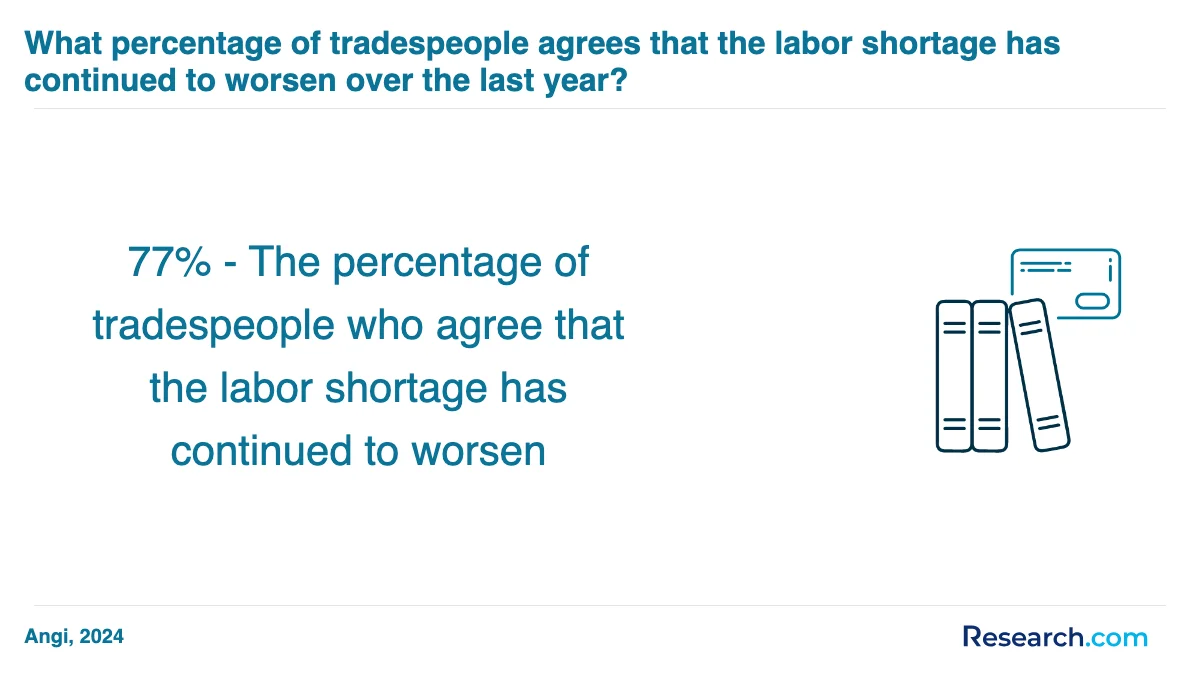
Employment opportunities for trade school graduates in Charlottesville benefit from a labor shortage, prompting employers to offer competitive wages and apprenticeships. Students completing programs frequently share experiences of entering the workforce through programs like the NextGen Skilled Trades Day, which directly links graduates with businesses eager to hire skilled workers.
- The job market features over 250 trade-related positions currently available.
- Workforce development programs focus on practical, up-to-date skills that local employers need.
- Partnerships between educational centers and companies improve job placement rates.
For those exploring options, including cheap online beauty and cosmetology trade school programs, Charlottesville offers an encouraging environment where training aligns directly with local demand, making the path from graduation to stable employment clear and accessible.
Best Trade School & Training Programs - Leading Certification Courses in Charlottesville for 2026
# 1 position
Piedmont Virginia Community College - Computer and Information Sciences, General.
associatePiedmont Virginia Community College offers a hybrid Computer and Information Sciences, General program focusing on computing, computer science, and information science systems. This general program is undifferentiated by specific titles or content and is distinct from specialized computer science or support services programs. The annual in-state tuition is $4,928. The program is accredited by the Southern Association of Colleges and Schools Commission on Colleges.
# 2 position
Piedmont Virginia Community College - Computer Science.
associatePiedmont Virginia Community College offers a Computer Science program with a hybrid format, including some distance-education options. The curriculum covers computer theory, problem solving, system design, and user interfaces from a scientific perspective. Students receive instruction in computational science principles, programming, and practical applications. The annual in-state tuition is $4,928. The program is accredited by the Southern Association of Colleges and Schools Commission on Colleges.
# 3 position
Piedmont Virginia Community College - Criminal Justice/Law Enforcement Administration.
associatePiedmont Virginia Community College offers a hybrid Criminal Justice/Law Enforcement Administration program that prepares students for leadership roles in public law enforcement agencies. The curriculum covers law enforcement history, operational command, administration, labor relations, incident response, legal responsibilities, budgeting, public relations, and organizational leadership. The program’s annual in-state tuition is $4,928. It is accredited by the Southern Association of Colleges and Schools Commission on Colleges.
# 4 position
Piedmont Virginia Community College - Diagnostic Medical Sonography/Sonographer and Ultrasound Technician.
associateThe Diagnostic Medical Sonography/Sonographer and Ultrasound Technician program at Piedmont Virginia Community College offers a hybrid format with some distance learning options. It prepares students to use medical ultrasound techniques for diagnosing various conditions under physician supervision. The program includes instruction on patient care, sonographic data processing, and professional ethics. Annual in-state tuition is $4,928. Median earnings one year after completion are $49,770. It is accredited by the Southern Association of Colleges and Schools Commission on Colleges.
# 5 position
Piedmont Virginia Community College - Diagnostic Medical Sonography/Sonographer and Ultrasound Technician.
certificate or diplomaPiedmont Virginia Community College offers a Diagnostic Medical Sonography/Sonographer and Ultrasound Technician program with a hybrid format, including some distance education. The program trains students to use medical ultrasound for diagnosing conditions, covering patient care, data recording, and equipment operation under physician supervision. Annual in-state tuition is $4,928. Graduates have median earnings of $49,770 one year after completion. The program is accredited by the Southern Association of Colleges and Schools Commission on Colleges.
# 6 position
Piedmont Virginia Community College - Health and Medical Administrative Services, Other.
certificate or diplomaPiedmont Virginia Community College offers a hybrid program in Health and Medical Administrative Services, Other, providing some distance-education options. The program costs $4,928 annually for in-state tuition. It is accredited by the Southern Association of Colleges and Schools Commission on Colleges. This program covers health and medical administrative services not classified under other specific categories.
# 7 position
Piedmont Virginia Community College - Business Administration and Management, General.
associatePiedmont Virginia Community College offers a hybrid program in Business Administration and Management, General, designed to prepare students to plan, organize, direct, and control business functions. The curriculum covers management theory, human resources, accounting, logistics, marketing, and business decision-making. The program is accredited by the Southern Association of Colleges and Schools Commission on Colleges. Annual in-state tuition is $4,928, and median earnings one year after completion are $42,474.
Frequently Asked Questions about trade school programs
After completing a trade school program in Charlottesville, preparing for the job market involves several practical steps. Graduates should start by obtaining relevant certifications or licenses required in their trade, which can significantly enhance employability. According to the Virginia Employment Commission, the regional unemployment rate for skilled tradespeople decreased by 3% in 2023, indicating growing demand. Networking is also critical; engaging with local industry groups and job fairs in Charlottesville can open valuable opportunities. Many trade schools provide career services, so utilizing these resources to craft resumes and practice interviews is recommended. Continuous skill development through short courses helps maintain competitiveness in evolving markets.
Employers in Charlottesville increasingly value technical proficiency combined with strong soft skills in trade school graduates. According to a 2023 Virginia Workforce Report, skills in electrical systems, HVAC repair, and welding remain in high demand due to growth in local construction and manufacturing sectors.
Beyond technical ability, employers emphasize communication, problem-solving, and teamwork. A survey by the Charlottesville Regional Chamber of Commerce found that 68% of trade-related employers prioritize reliability and adaptability when hiring. Employers also appreciate graduates who demonstrate safety awareness and the capacity to learn new technologies quickly, reflecting the evolving nature of skilled trades.
Finding internships in Charlottesville related to your trade school program requires proactive research and networking. Start by visiting your trade school's career services office, as many local employers partner with schools to offer internship opportunities tailored to specific trades. Websites like Handshake and the Virginia Community College System's job boards often list relevant openings.
Charlottesville's economy includes construction, automotive repair, healthcare, and culinary sectors, which commonly offer internships. According to the Charlottesville Regional Chamber of Commerce, over 200 small to medium businesses in these industries regularly seek interns.
Additionally, attend local career fairs and professional networking events organized by groups such as the Thomas Jefferson Planning District Commission to connect directly with employers.
In Charlottesville, earning a trade school diploma can significantly enhance career mobility by providing specialized skills that are in demand locally. Many industries, such as construction, healthcare, and information technology, prioritize candidates with hands-on training, allowing diploma holders to enter the workforce more quickly than those pursuing traditional four-year degrees.
According to the Virginia Community College System, graduates from accredited trade programs in the region have reported employment rates exceeding 85% within six months of completion. This high job placement rate supports upward career advancement opportunities.
Trade school diplomas often lead to certifications recognized by local employers, improving wage potential and chances for promotion. These credentials also allow workers in Charlottesville to adapt more effectively to evolving industry standards without returning to full-time education.
Charlottesville offers several part-time job opportunities that align well with trade school education. Fields such as automotive repair, electrical work, and HVAC maintenance are actively hiring part-time assistants or apprentices. These roles enable students to gain hands-on experience while studying.
Retail positions in hardware stores or suppliers of construction materials also provide practical knowledge relevant to trade programs. According to the Charlottesville Economic Development Office, the local trades sector has seen a steady 5% growth, increasing part-time openings for skilled support roles.
Additionally, healthcare support jobs like medical transcription or lab assistant roles are available for students in allied health programs, helping to build professional skills and networks.
To choose the best degree program near me in Charlottesville, VA, start by identifying your field of interest and career goals and then research the available programs and universities in that area. Consider factors such as curriculum, faculty expertise, campus facilities, and the program's reputation by visiting campuses, attending open houses, and reaching out to current students or alumni for insights. Utilizing resources like Research.com can aid in comparing and evaluating the choices to find a suitable program that aligns with both your personal objectives and geographical preference.
- Best Trade School & Training Programs - Leading Certification Courses in Akron for 2026
- Best Trade School & Training Programs - Leading Certification Courses in Hamburg for 2026
- Best Trade School & Training Programs - Leading Certification Courses in Florence for 2026
- Best Trade School & Training Programs - Leading Certification Courses in Adrian for 2026
- Best Trade School & Training Programs - Leading Certification Courses in Angola for 2026
- career and technical education https://catec.org/
- Charlottesville City Schools - Career & Technical Education Home https://www.charlottesvilleschools.org/3859_4
- Education & Training - Virginia Career Works Piedmont Region https://vcwpiedmont.com/careerseekers/education-training/
- Workforce Development | Piedmont Virginia Community College https://www.pvcc.edu/workforce
- GO Training Programs | Charlottesville, VA https://www.charlottesville.gov/1759/GO-Training-Programs
- Job Placement Assistance - Trades and Tech Education Foundation https://www.tradesandtech.org/job-placement-assistance
- UVA Facilities Management Apprenticeship Program – Home https://apprenticeship.fm.virginia.edu/
- Charlottesville Area Technical Education Center - Community Partnerships https://www.catec.org/community-partnerships
- Earn While You Learn | UVA HR https://hr.virginia.edu/employment-uva/uva-health-career-programs/earn-while-you-learn
- Career & Technical Education - Albemarle County School District https://www.k12albemarle.org/our-departments/instruction/career-technical-education