Most Affordable Associate Degree Programs - Leading Certification Courses in Arkansas for 2026

Co-Founder and Chief Data Scientist
Choosing the right associate degree program in Arkansas can feel overwhelming, but it doesn’t have to be. This article offers a helpful guide featuring an associate degree programs ranking created by the Research.com team of data scientists. Their careful analysis aims to simplify your decision-making process and highlight the best affordable options available.
Whether you’re starting fresh or seeking new career opportunities, earning an associate degree can open doors. Reading this guide will give you confidence in selecting a program that fits your goals and budget.
Key benefits of associate degrees in Arkansas
- Associate degree graduates in Arkansas can expect competitive salaries, with popular jobs like technical administrative assistants earning around $38,797 per year and healthcare roles such as dental hygienists making between $27 and $33 per hour, totaling over $55,000 annually for full-time work.
- Top Arkansas schools, including Cossatot Community College of the University of Arkansas, support career growth with average early-career salaries around $41,849, highlighting strong paths in nursing, business administration, and technical studies.
- Online associate degrees offer flexible learning options that fit busy lifestyles, allowing students to earn their degree while balancing work or family, making education more accessible without compromising quality.
- Most Affordable Associate Degree Programs - Leading Certification Courses in Arkansas for 2026
- What can I expect from associate degree programs in Arkansas?
- Where can I work after finishing associate degree programs in Arkansas?
What can I expect from associate degree programs in Arkansas?
Many students embarking on an associate degree in Arkansas find the average cost pleasantly manageable, often ranging between $4,000 and $6,000 per year for in-state tuition at popular community colleges and technical schools. Graduates from these programs frequently share how this investment felt like a smart, achievable step compared to the daunting expenses of four-year universities.
For example, a graduate attending a well-known Arkansas technical college described balancing studies and work, appreciating the flexible formats that allowed them to stay on budget while gaining valuable skills. Another student noted how transferring previously earned credits shortened their program, saving both time and money-demonstrating how associate degrees tailor to real-life circumstances.
The practical skills and core curriculum they received-from communication to mathematics-equipped them to confidently enter the workforce or continue their education. Arkansas's associate degree offers a blend of affordability and flexibility, encouraging students to pursue their goals without overwhelming financial pressure.
Where can I work after finishing associate degree programs in Arkansas?
After finishing an associate degree program in Arkansas, graduates often find themselves stepping into vibrant careers that make a real difference across the state. Imagine working as a dental hygienist in a bustling clinic, where your skills keep smiles healthy and patients comfortable-an opportunity common for those trained at local community colleges. Many also thrive as certified occupational therapy assistants or ultrasonographers in hospitals, roles that bring both responsibility and rewarding human connections.
Others venture into the dynamic world of business, serving as customer solutions representatives or technical administrative assistants in Arkansas's growing companies and government offices. Picture starting your day managing office tasks at a business center right after attending a well-known technical school nearby. For those who prefer hands-on work, the bustling manufacturing and trade sectors offer roles in automotive repair or electrical technology, with steady job growth promising long-term stability.
Arkansas graduates often share pride in landing positions that blend practical skills with personal fulfillment, enjoying wages averaging $16.43 per hour and a supportive community eager to welcome their expertise.
Picture this: after finishing your associate degree in Arkansas, you could be earning an average of $19.56 per hour, which adds up to about $40,700 annually working full time. That's a solid boost compared to just having a high school diploma, where first-year salaries hover around $11,900. Graduates from popular schools like Cossatot Community College of the University of Arkansas often share stories of starting with early-career salaries near $41,849.
Imagine entering the workforce as a dental hygienist, earning between $27 and $33 an hour, or around $56,000 to $68,000 a year. It's a thrilling jump, especially when you factor in rewarding roles like customer solutions representatives who start at about $23 per hour.
For many graduates, these figures represent not just numbers but new freedom-paying bills with ease, enjoying weekends out, and planning exciting next steps. Earning an associate degree in Arkansas feels like unlocking pathways to real opportunity.
- Ashley: Earning my Associate of Applied Science in Nursing at Arkansas State Community College gave me hands-on experience that employers value. The trade school setting was supportive and practical, helping me confidently start my nursing career in local clinics. It truly changed my life and boosted my career.
- Marcus: Getting an Associate of Science in Automotive Technology was a game-changer. The instructors at Pulaski Technical College were industry pros who taught real-world skills. After graduating, I landed a job at an auto shop in Little Rock where I'm thriving every day. Trade schools definitely prepared me for success.
- Jasmine: My Associate of Applied Science in Welding from NorthWest Arkansas Community College opened doors I hadn't imagined. The trade-focused education combined theory with lots of practice. Now I work in manufacturing in Fayetteville and feel proud to have a solid career built from my education here.
- Admission requires a high school diploma or GED, with many schools asking for official transcripts and test scores like ACT, SAT, or Accuplacer.
- Recent high school graduates need a minimum 3.0 GPA, a 19 ACT super score, or 990 SAT score, while transfer students need at least a 2.0 college GPA.
- Associate degree programs typically require 60 to 72 semester credit hours, including 15 to 35 credit hours of state-mandated general education core.
- Annual in-state tuition for community colleges averages between $3,500 and $4,000, with two-year program costs totaling $7,000 to $8,500 excluding books and living expenses.
- Starting salaries for graduates range from $30,000 to $50,000, depending on the field, with healthcare and IT roles offering higher pay.
Completing an associate degree in Arkansas typically takes about two years of full-time study, with students enrolling in around 15 credit hours each semester at well-known schools like NorthWest Arkansas Community College or Arkansas State University. Imagine a busy student balancing classes and life but confidently crossing the finish line after four semesters-that's a common success story here.
Many graduates describe hitting the 60-credit milestone as both challenging and rewarding, juggling general education, major-specific courses, and electives. For example, those studying full-time often find they can maintain steady progress, while part-time students, who take fewer than 12 credit hours per semester, may stretch their journey to three years or more, balancing work or family commitments.
Arkansas schools also require a minimum of 15 credit hours completed "in residence," making those semesters on campus even more vital. Students feel motivated by this hands-on engagement, which ensures they truly belong to their school community.
Plus, keeping a cumulative GPA of at least 2.0 is essential, yet many find this goal achievable with dedication and support from instructors. This blend of structure and flexibility helps Arkansas students navigate their pathways successfully.
Choosing between online and on-campus associate degree programs in Arkansas can feel like stepping into two very different worlds. Imagine juggling a job and family-online courses at the University of Arkansas Grantham let you dive into classes anytime, thanks to their flexible eight-week sessions starting monthly. This means no rushing through traffic or adjusting your whole day just to attend class. You connect with tutors and advisors virtually, making support easy to reach from your couch.
On-campus programs, on the other hand, offer that classic college vibe. Picture walking into a lively classroom, chatting face-to-face with instructors, and studying in libraries buzzing with fellow students. Arkansas colleges provide hands-on labs and immediate access to tech and resources that many find motivating and grounding. The structure helps some stay on track and build friendships that last beyond graduation.
Both paths require similar credit hours-usually 60 to 72-and uphold the same standards, so no matter your choice, you're getting a solid education tailored to your lifestyle.
The average associate degree cost in Arkansas offers a surprisingly budget-friendly pathway for many students eager to launch their careers without the burden of hefty tuition. Imagine attending a bustling community college campus like the University of Arkansas Community College at Morrilton, where in-state tuition runs around $2,505 per semester for full-time students. That totals about $10,020 over two years-right in line with the typical Arkansas community college tuition and fees 2026 figures. Graduates often recall how manageable these costs allowed them to focus on gaining solid skills and building connections rather than stressing over student debt.
For those juggling work or family obligations, pursuing an associate degree online can be just as appealing. The University of Arkansas Grantham, for instance, charges a total tuition fee of $9,150 for a full two-year program, providing flexible scheduling without sacrificing quality. Many find this option ideal, allowing them to study at their own pace and balance real-life responsibilities effortlessly.
When considering your budget, keep in mind that mandatory fees generally add a modest amount to tuition-for example, about $47 per credit hour at some institutions. Other expenses like books or supplies also factor in but remain relatively modest. If you want to explore the best online associate degree in 6 months accredited, Arkansas offers pathways that blend affordability with accessibility, making higher education a reachable adventure rather than a distant dream.
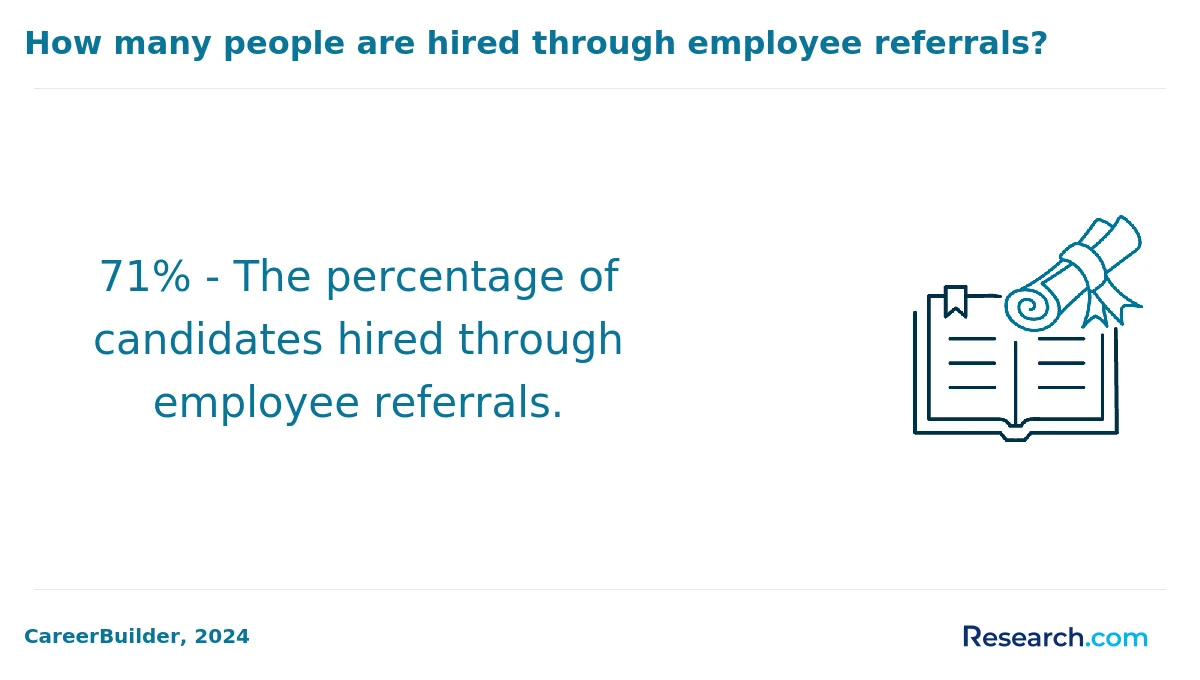
Imagine starting your associate degree journey in Arkansas with a wallet full of hope and access to a treasure trove of financial aid. Federal aid kicks off the adventure-by submitting the FAFSA, students unlock Pell Grants, federal loans, and work-study jobs that help pay the bills while gaining valuable experience. One graduate from Arkansas State University shared how the FAFSA's March 1 priority deadline pushed them to apply early, ensuring they received maximal support for their studies.
Then there's the Arkansas Future Grant, a game changer for those pursuing in-demand careers at public colleges. This need-based grant covers tuition and fees, lifting heavy financial burdens off students' shoulders. For example, students attending the University of Arkansas can tap into this aid to turn their career dreams into reality without drowning in debt.
On the campus front, scholarships like Arkansas State's A-State Transfer Scholarship provide an additional $5,000 a year-and another $1,000 for transfers with an associate degree from an A-State System school. Graduates often recall the relief of having these funds help cover costs as they balanced work and classes.
Finally, don't underestimate work-study programs, which open doors to meaningful on-campus jobs or community service gigs. These roles not only lighten expenses but foster skills that graduates say boosted their confidence and resumes. With aid tailored to meet needs, Arkansas associate degree students step forward equipped and encouraged.
Ready to take your first step toward an associate degree in Arkansas? Most schools expect you to have finished high school or earned your GED-a familiar milestone for many graduates across the state. Imagine walking into a campus like Arkansas State University, where a 2.0 GPA might get you started, but if you're eyeing the Associate of Science in Education, you'll need to bring a stronger 2.75 cumulative GPA to the table.
Applications usually come with a small fee, typically between $40 and $55, plus the need to submit official transcripts, proof of immunizations, and sometimes ACT or SAT scores. These scores help place you in the right classes, so you won't feel lost when courses begin.
- Minimum cumulative GPA requirements, often around 2.0 but higher for specialized programs
- Official high school or GED transcripts
- Application fee ranging from $40 to $55
- Standardized test scores for placement
Graduates often share how tackling basic remedial courses-if needed-gave them confidence to dive into the full curriculum, knowing those classes won't count against their degree's credit hours. Arkansas schools require at least 60 semester credit hours, with 35 credits in core areas like English and math. This ensures you build a solid foundation as you prepare for an exciting academic journey.
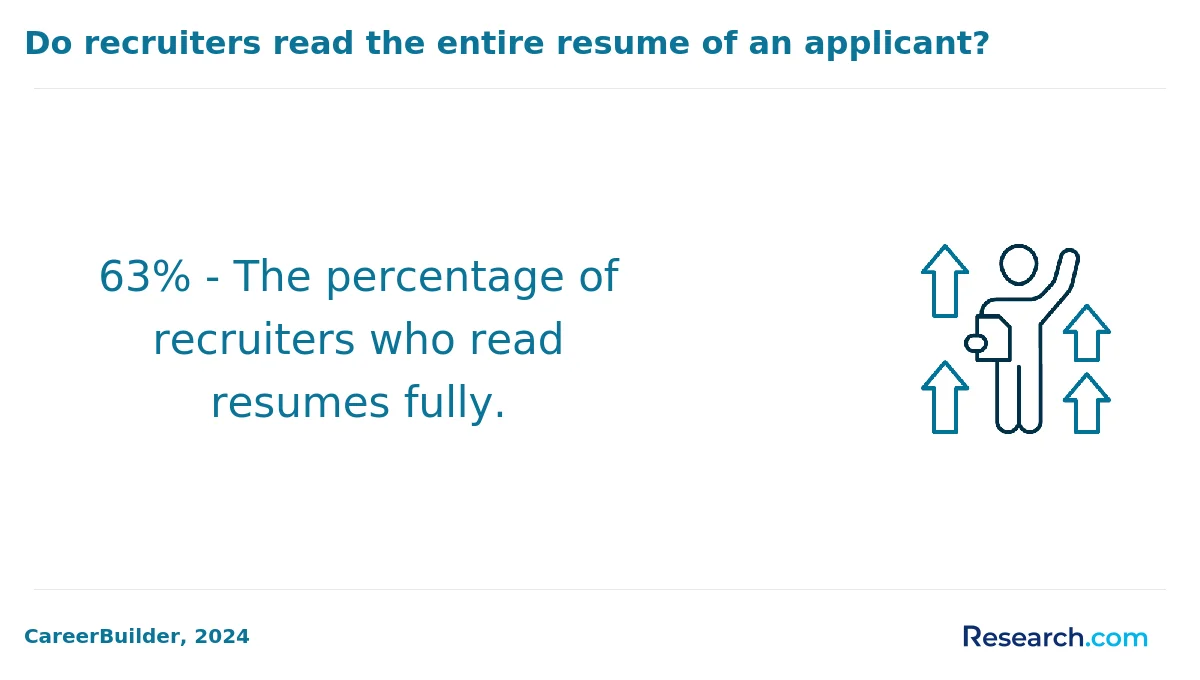
Imagine stepping into an associate degree program in Arkansas, where the journey begins with a solid foundation in the general education core-a purposeful mix that ensures you're equipped for both academic and career challenges. Many graduates from schools like Arkansas State University Mountain Home proudly share how taking courses such as English composition and oral communication sharpened their confidence and voice. Arkansas law shapes these programs, requiring students to dive into social sciences and history classes like U.S. History to 1877 or American National Government, broadening perspectives in ways that feel relevant and inspiring.
These general education courses for associate degree in Arkansas typically include:
- English and Written Communication, with at least 6 credit hours focusing on critical writing skills.
- Mathematics, often tailored to your major's needs, especially for business or STEM tracks.
- Natural Sciences, blending lab and theory to ignite curiosity about the world.
- Humanities and Fine Arts, engaging with art, literature, and culture to boost creativity.
- Social Sciences and History, grounded in local requirements and national context.
- Oral Communication, enhancing public speaking and interpersonal skills.
Alongside these, the common associate degree classes in Arkansas smoothly transition into major-specific courses, allowing you to apply your knowledge in real-world fields like healthcare or technology. Hands-on learning is a hallmark of applied programs, fostering the excitement of practical skills that employers love.
For those wondering about the ease of balancing school and life, many students find inspiration exploring easy degrees to get as a stepping stone to tailor their journey while meeting Arkansas's rigorous standards.
Choosing the best associate degree program in Arkansas starts with zeroing in on your passion and career goals. Graduates from Phillips Community College often recall how aligning their nursing or technical trades program with real-world demands gave them a confident jumpstart. Many find that carefully evaluating program accreditation, like the ACEN for nursing, offers peace of mind that their hard work will open doors, not dead ends.
Cost plays a huge role in how to compare Arkansas associate degree costs, and it's no secret that community colleges here provide budget-friendly options. Students who attended South Arkansas College share how researching net prices, factoring in financial aid, helped them avoid sticker shock and choose programs that fit their budget without sacrificing quality.
Look for schools offering flexible learning. Some graduates from Arkansas State University-Mountain Home treasure the smaller classes and supportive faculty who made juggling life and studies easier. For nursing hopefuls, checking NCLEX pass rates at Arkansas Tech University reveals where tough, practical training translates into career success. If you're wondering about your best career fit, explore the best college majors to make money as a guide along your journey.
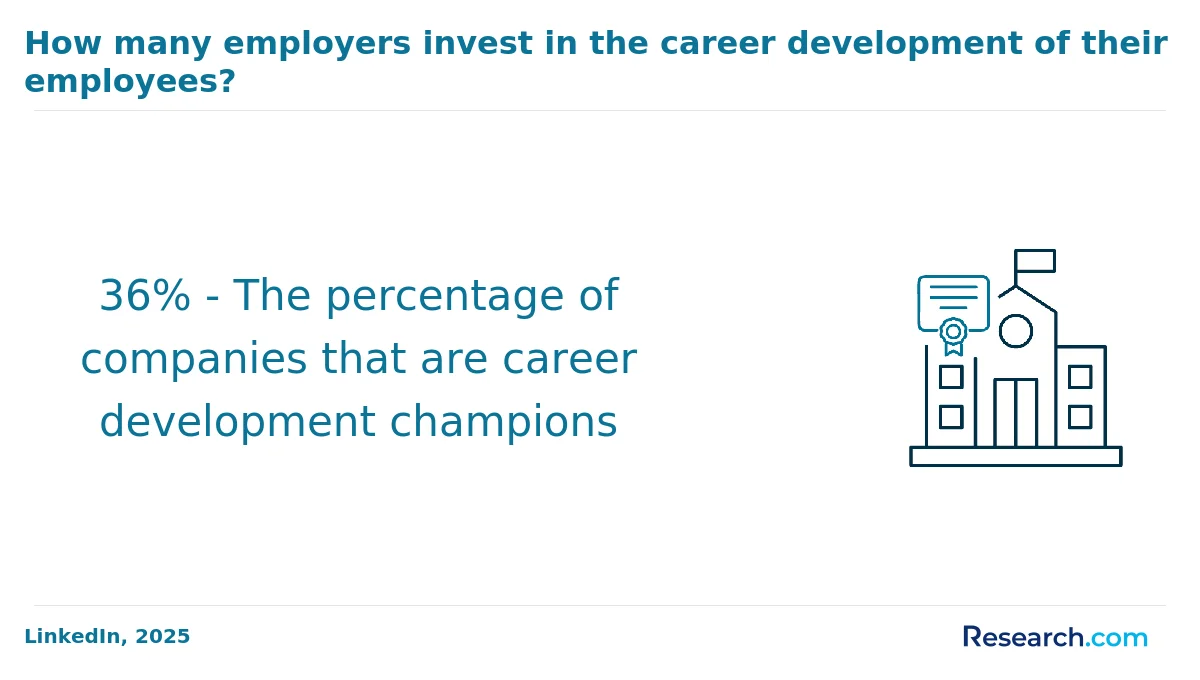
Arkansas associate degree graduates dive into dynamic career paths, blending practicality with rewarding opportunities. Healthcare roles like Licensed Practical Nurses, earning about $49,360 annually, or MRI technologists offer steady demand, especially in cities such as Little Rock and Searcy. Graduates from well-known Arkansas community colleges often share stories of landing these roles quickly, highlighting how hands-on programs translate directly to working in vibrant hospital settings.
Business and office administration careers bloom with positions like accounting clerks and administrative assistants. Many graduates step into roles as data coordinators or event coordinators, enjoying entry wages between $20 and $25 per hour in Little Rock's bustling job market. Success stories from local schools show how students thrive in SC Johnson's rotational marketing and sales programs, finding early-career growth across corporate and retail sectors.
Consider the skilled trades and technical areas, too-automotive technicians, HVAC installers, and industrial mechanics often earn upward of $40,000 annually, serving Arkansas's diverse urban and rural communities. These graduates value the hands-on learning from popular technical colleges in the state, empowering them for immediate employment.
Public service and education also welcome associate degree holders as preschool teachers or teaching assistants, with median wages near $35,880. Many graduates from regional schools express fulfillment in such roles that contribute directly to local communities.
To discover pathways and affordable options, check out cheap online colleges that accept financial aid, which many Arkansas students find perfect for balancing education and life. This diversity makes the associate degree job market in Arkansas vibrant and accessible, opening doors to promising futures.
The job outlook for associate degree holders in Arkansas is vibrant and full of promise, especially for those emerging from well-known local schools. Graduates often find themselves stepping into roles like dental hygienists, certified occupational therapy assistants, or ultrasonographers, where demand is strong and rewards are tangible. Imagine a recent graduate from an Arkansas community college landing a technical healthcare position with a sign-on bonus and hourly wages topping $18-these are real stories fueling the excitement around associate degree employment opportunities Arkansas.
Here's why many feel optimistic:
- Over 2,200 job postings specifically seek associate degree graduates in Arkansas, opening doors across healthcare, business, and technical fields.
- The average annual salary hovers around $34,000, with higher earnings achievable in metropolitan areas or specialized roles.
- Service jobs and goods-producing industries are projected to add thousands of positions between 2023 and 2025.
For those curious about further pathways, exploring trade school job options can offer even more exciting career ventures beyond the associate degree. The steady unemployment rate in Arkansas around 3.3% hints at stability to start building a rewarding career without delay.
Most Affordable Associate Degree Programs - Leading Certification Courses in Arkansas for 2026
# 1 position
NorthWest Arkansas Community College - Legal Assistant/Paralegal.
associateNorthWest Arkansas Community College offers a Legal Assistant/Paralegal program with a hybrid format that includes some distance education options. The program prepares students to assist attorneys by performing legal research, drafting documents, and handling administrative tasks. Instruction covers legal research, drafting, courtroom procedures, and various legal specializations. Annual in-state tuition is $2,982. The program is accredited by the Higher Learning Commission.
# 2 position
NorthWest Arkansas Community College - Criminal Justice/Law Enforcement Administration.
associateNorthWest Arkansas Community College offers a Criminal Justice/Law Enforcement Administration program with a hybrid format, including some distance-education options. The program prepares students to manage public law enforcement agencies, covering topics like law enforcement history, operational leadership, labor relations, legal responsibilities, budgeting, and public relations. Annual in-state tuition is $2,982. The program is accredited by the Higher Learning Commission.
# 3 position
NorthWest Arkansas Community College - Criminal Justice/Safety Studies.
associateNorthWest Arkansas Community College offers a Criminal Justice/Safety Studies program with a hybrid format, including some distance-education options. The curriculum covers criminal law and policy, police and correctional system organization, justice administration, and public attitudes on criminal justice issues. The program is accredited by the Higher Learning Commission. Annual in-state tuition is $2,982.
# 4 position
NorthWest Arkansas Community College - Physical Therapy Assistant.
associateNorthWest Arkansas Community College offers a Physical Therapy Assistant program with a hybrid format, combining in-person and distance education. The program trains students to assist physical therapists by implementing treatment plans, conducting interventions, and monitoring patient progress. Coursework includes anatomy, physiology, biomechanics, and professional ethics. The annual in-state tuition is $2,982. Graduates have median earnings of $52,397 one year after completion. The program is accredited by the Higher Learning Commission.
# 5 position
NorthWest Arkansas Community College - Business Administration and Management, General.
associateNorthWest Arkansas Community College offers a Business Administration and Management, General program with a hybrid format, allowing some distance-education options. The program prepares students to plan, organize, direct, and control business functions, covering management theory, human resources, accounting, purchasing, logistics, marketing, and decision-making. Annual in-state tuition is $2,982. The program is accredited by the Higher Learning Commission.
# 6 position
NorthWest Arkansas Community College - Computer and Information Sciences, General.
associateNorthWest Arkansas Community College offers a hybrid Computer and Information Sciences, General program with some distance-education options. The annual in-state tuition is $2,982. Graduates have a median earning of $35,529.15 one year after completion. The program covers computing, computer science, and information science and systems, without focusing on specific titles or content areas. It is accredited by the Higher Learning Commission.
# 7 position
Southern Arkansas University Tech - Computer and Information Sciences, General.
associateSouthern Arkansas University Tech offers a fully online Computer and Information Sciences, General program that covers computing, computer science, and information science and systems. This general program is undifferentiated in title and content, distinguishing it from specific computer science or information science programs. The annual in-state tuition is $4,685. The program is accredited by the Higher Learning Commission.
# 8 position
Southern Arkansas University Tech - Computer and Information Systems Security/Auditing/Information Assurance.
associateSouthern Arkansas University Tech offers a program in Computer and Information Systems Security/Auditing/Information Assurance designed to prepare students to assess security needs, recommend safeguards, and manage security systems. The curriculum covers computer architecture, programming, networking, cryptography, security auditing, law, risk assessment, and investigation techniques. The program is accredited by the Higher Learning Commission, with an annual in-state tuition of $4,685.
# 9 position
Southern Arkansas University Tech - Medical Office Management/Administration.
associateSouthern Arkansas University Tech offers a Medical Office Management/Administration program with a hybrid format, allowing some distance education. The curriculum prepares students to manage business functions in medical or clinical offices, covering operations, financial record-keeping, personnel supervision, health care policy, scheduling, public relations, and relevant laws. The program is accredited by the Higher Learning Commission. Annual in-state tuition is $4,685.
# 10 position
Southern Arkansas University Tech - Business Administration and Management, General.
associateSouthern Arkansas University Tech offers a fully online Business Administration and Management, General program designed to prepare students to plan, organize, direct, and control business functions. The curriculum includes management theory, human resources, accounting, purchasing, logistics, marketing, and decision-making. Annual in-state tuition is $4,685. The program is accredited by the Higher Learning Commission. Median earnings for graduates one year after completion are $23,678.45.
Frequently Asked Questions about associate degree programs
Preparing for the job market after earning an associate degree in Arkansas involves several strategic steps. First, students should leverage career services offered by community colleges, which often provide job placement assistance and resume workshops. According to the Arkansas Division of Workforce Services, industries such as healthcare, manufacturing, and information technology show strong demand for graduates with two-year degrees.
Gaining practical experience through internships or part-time work during studies significantly improves employability. Additionally, pursuing professional certifications aligned with one's field can boost credentials. Networking with local employers and attending job fairs in Arkansas also enhances opportunities for graduates entering the workforce.
Employers in Arkansas highly value both technical and soft skills in associate degree graduates. According to the Arkansas Department of Workforce Services, strong communication skills top the list, as nearly 78% of employers rate this as essential for entry-level positions.
Technical proficiency, especially in computer literacy and industry-specific software, is critical. For example, many healthcare employers seek graduates skilled in electronic health records systems, while manufacturing firms emphasize basic machinery operation.
Problem-solving abilities and teamwork are also frequently highlighted by Arkansas employers, appearing in over 65% of job postings requiring an associate degree. Time management and adaptability rank among the top soft skills crucial for success in today's evolving job market.
Finding internships in Arkansas related to your associate degree program involves a few strategic steps. Start with your college's career services office; many Arkansas community colleges maintain partnerships with local businesses specifically for student internships. For example, the Arkansas Department of Higher Education reports that about 60% of students use campus resources to connect with employers.
Use state-specific online resources such as Arkansas Workforce Services, which lists internship openings in various industries statewide. Networking events hosted by Arkansas economic development organizations can also provide valuable connections.
Additionally, consider targeting industries prominent in Arkansas, like healthcare, manufacturing, and agriculture, since these often offer relevant internships. Research shows healthcare internships in Arkansas grew by 15% over the past three years, increasing opportunities for associate degree students.
In Arkansas, earning an associate degree can significantly improve career mobility and advancement opportunities. Many employers in the state prioritize candidates with at least a two-year degree, especially in high-demand fields like healthcare, information technology, and manufacturing. According to the Arkansas Department of Workforce Services, individuals with an associate degree tend to earn approximately 20% more annually than those with only a high school diploma. Additionally, the Arkansas Research Center reports that associate degree holders are more likely to experience job promotions and stability compared to those without postsecondary education. This credential often serves as a stepping stone to higher-level positions or further education.
Part-time job opportunities in Arkansas that complement associate degree education are abundant, especially in healthcare, information technology, and business sectors. For example, students pursuing healthcare-related associate degrees can find roles as medical assistants or pharmacy technicians, which often pay between $12 and $18 per hour, according to Arkansas Department of Workforce Services (ADWS) data from 2023.
Information technology students may work as help desk technicians or network support specialists. These positions are in growing demand statewide, with median wages around $17 per hour.
Additionally, retail management or administrative assistant jobs are common for business degree students, offering flexible hours to accommodate class schedules.
To find the most affordable degree program near me in Arkansas, start by researching local colleges and universities that offer a variety of programs, as many have financial aid options and competitive tuition rates. Utilizing resources like Research.com can help identify programs based on costs and educational offerings that suit your needs. Additionally, inquire directly at institutions near Arkansas for detailed information on tuition, scholarships, and other financial aid opportunities they provide.
- Most Affordable Associate Degree Programs - Leading Certification Courses in Mississippi for 2026
- Most Affordable Associate Degree Programs - Leading Certification Courses in Kansas for 2026
- Most Affordable Associate Degree Programs - Leading Certification Courses in Indiana for 2026
- Most Affordable Associate Degree Programs - Leading Certification Courses in Florida for 2026
- Most Affordable Associate Degree Programs - Leading Certification Courses in Nebraska for 2026
- Most Affordable Associate Degree Programs - Leading Certification Courses in South Carolina for 2026
- Most Affordable Associate Degree Programs - Leading Certification Courses in North Carolina for 2026
- Most Affordable Associate Degree Programs - Leading Certification Courses in West Virginia for 2026
- Most Affordable Associate Degree Programs - Leading Certification Courses in Virginia for 2026
- Most Affordable Associate Degree Programs - Leading Certification Courses in Minnesota for 2026
- Research - Highest Paying College Majors https://research.com/degrees/highest-paying-college-majors
- Life Experience Credit | Southeast Arkansas College (SEARK) https://www.seark.edu/life-experience-credit
- Degree Requirements | Curriculum & Instruction | University of Arkansas https://cied.uark.edu/programs/career-technical-ed/tech-ed/degree-requirements.php
- Online Associate’s Degree Programs (AS and AAS) - Purdue Global https://www.purdueglobal.edu/degree-programs/associates-degrees/
- Jobs at the State of Arkansas https://arcareers.arkansas.gov/
- UAHT Ranks #2 in Arkansas for Students Earning Associate Degrees in High School https://www.uaht.edu/news/second-in-arkansas.php
- Nces - Ipeds https://nces.ed.gov/ipeds/
- Forms & Applications | Graduate Studies | Southern Arkansas University https://web.saumag.edu/graduate/forms/
- Graduate Application Guide | ONLINE | University of Arkansas https://online.uark.edu/programs/graduate-application-guide.php
- Advancement Potential of Different Degrees and Majors - Resource Center Article https://nextmile.instride.com/resource/upward-mobility-degree-major