Best Associate Degree Programs - Leading Certification Courses in Great Falls for 2026

Co-Founder and Chief Data Scientist
Choosing the right associate degree program in Great Falls can shape your future career and open new opportunities. This article introduces a carefully crafted associate degree programs ranking developed by the Research.com team of data scientists to guide you in making confident, well-informed decisions.
Exploring these options will help you find programs that match your goals, skills, and interests. Earning an associate degree can bring personal growth, financial benefits, and a strong foundation for further education. Let’s explore the best choices for 2026 together, making your educational journey inspiring and rewarding.
Key benefits of associate degrees in Great Falls
- Many associate degree graduates in Great Falls earn strong salaries, like detectives making a median of $126,800 and dental hygienists earning about $89,780 annually, showing great earning potential.
- Popular career paths include roles such as first-line supervisors of firefighting workers, paralegals, and heavy truck drivers, offering diverse opportunities after graduation from well-known local schools.
- Online associate degrees offer flexibility and convenience, allowing students to balance work and study easily, which recent graduates from Great Falls online programs praise for helping them advance without disrupting their routines.
- Best Associate Degree Programs - Leading Certification Courses in Great Falls for 2026
- What can I expect from associate degree programs in Great Falls?
- Where can I work after finishing associate degree programs in Great Falls?
What can I expect from associate degree programs in Great Falls?
The average cost of an associate degree program in Great Falls is approximately $19,298 at nonprofit institutions, making higher education both attainable and worthwhile for local students. Graduates from Great Falls College Montana State University or Helena College University of Montana often reflect on the value of flexible learning options-many take evening or online classes to balance work and family life while advancing their careers.
Students can expect to build a strong foundation with career-focused courses in trades, health care, business, or technical fields, supported by general education in English, math, and science. Many graduates share how the practical skills they gained at these Great Falls schools gave them confidence stepping into the workforce or seamlessly transferring credits toward a bachelor's degree.
The affordability combined with accessible program formats opens doors for those eager to grow and change their future. Whether learning on campus at Stone Child College or online through Great Falls College, students find encouragement and opportunity close to home, nurturing their ambitions every step of the way.
Where can I work after finishing associate degree programs in Great Falls?
After finishing an associate degree program in Great Falls, you can step confidently into diverse and rewarding career paths. Many graduates find themselves thriving in healthcare roles such as registered nurses or dental hygienists, working in local hospitals, clinics, and dental offices where their skills make a real difference in people's lives. For example, students from Great Falls College often share how hands-on training allowed them to transition smoothly into steady jobs with competitive salaries and benefits.
Others enter the STEM and technical fields, becoming laboratory technicians or environmental specialists at local research centers and private labs. These roles provide engaging, practical work that supports important scientific efforts. Graduates with trade-focused associate degrees discover fulfilling positions in industries like welding and diesel repair, where their expertise keeps regional companies running strong.
Business program grads contribute as administrative support or outreach specialists in government and local companies, enjoying career growth and stable benefits. The community pride and sense of accomplishment felt by these graduates reflect the valuable opportunities an associate degree in Great Falls truly unlocks.
After finishing an associate degree program in Great Falls, many graduates experience a rewarding boost in their earning potential. For example, some graduates from popular local schools find themselves earning a median annual salary of around $49,500-that's nearly 18% more than typical high school graduates in the area. Imagine stepping out of campus with the confidence that your education can open doors to careers like detectives, dental hygienists, or firefighting supervisors, where salaries can soar past $80,000 annually.
Other graduates find opportunities as heavy truck drivers, paralegals, or mechanics, securing solid incomes near $52,000. A financial advisor associate in Great Falls might earn about $44,882, while warehouse associates typically bring home around $30,400 each year. Hourly wages similarly reflect growth, ranging mostly between $18 and $30 per hour, with healthcare roles reaching higher peaks. These real-world examples show how an associate degree in Great Falls can turn your ambitions into tangible financial success.
- Amanda: Earning my Associate Degree in Nursing from Great Falls Trade School was life-changing. The hands-on training gave me real confidence, and landing a job at the local hospital felt natural. The support from instructors made all the difference in turning my passion into a fulfilling healthcare career.
- Tyler: The Associate Degree in Automotive Technology I received prepared me perfectly for a skilled trade career right here in Great Falls. The practical labs were invaluable, and now I own a repair shop. Studying at a trade school was the smartest decision to combine passion with a stable income.
- Jessica: Completing my Associate Degree in Computer Information Systems opened doors I never expected. The flexible class schedules suited my busy life, and the career services helped me land a role in IT locally. Trade school gave me the technical edge and confidence to thrive professionally.
- Montana State University Great Falls College offers two-year associate degrees in fields like business, health, education, and trades, with both on-campus and online options.
- The average annual tuition for associate programs in Great Falls at nonprofit schools is about $19,298, and many students receive financial aid to reduce costs.
- Admission usually requires a high school diploma or GED, with some health programs demanding extra prerequisites or tests.
- Credits from associate degrees can often be transferred to Montana University System schools to pursue bachelor's degrees.
- Jobs for associate degree holders include registered nurse, dental hygienist, and network administrator, with starting salaries ranging from $38,000 to $54,000 per year.
Completing an associate degree program in Great Falls usually takes about two years of full-time study, making it an achievable and exciting goal for many students. At Great Falls College Montana State University, for example, graduates often balance their busy lives with a clear plan to finish within four semesters, taking around 15 credits each semester. This pace allows students to steadily build skills and knowledge without feeling overwhelmed.
Many students appreciate knowing they can transfer previously earned credits, a benefit offered by some programs, which can shorten their journey and bring their dreams closer. Imagine starting a program with nearly half of your credits already counted, gaining confidence as you advance.
Part-time students or those juggling work and family responsibilities may take longer, but the flexibility Great Falls schools offer means progress is always possible. This supportive environment turns challenges into opportunities for growth, inspiring students to reach their goals at their own pace.
Online associate degree programs in Great Falls, like those at Great Falls College Montana State University, offer incredible flexibility for busy lives. Imagine balancing work and family while earning your degree from home, accessing lectures and assignments whenever it suits you. Graduates often speak of the freedom to learn at their own pace, connecting with instructors through virtual tools that fit their schedules perfectly.
On-campus programs, however, bring a vibrant energy to your college experience. Picture walking through campus, engaging face-to-face with passionate professors and classmates, and diving into hands-on activities that bring lessons to life. Many students treasure the sense of community and immediate support found only in physical classrooms and campus resources.
Both paths require about 60 credits and cover the same solid curriculum set by Montana's Board of Regents. Whether you choose the self-paced rhythm of online learning or the lively atmosphere of on-campus study, Great Falls provides an empowering path toward your associate degree.
For students exploring the average cost of associate degree in Great Falls, the expenses are both transparent and manageable. At Great Falls College Montana State University, the cornerstone of local two-year education, Montana residents pay tuition and mandatory fees totaling $4,028 per year. Non-residents, by comparison, invest about $12,911 per year. Graduates often reflect on how this affordability helped them fully engage in learning without the weight of overwhelming debt, enabling their dreams to feel well within reach.
Beyond tuition, it's essential to consider the total cost of attendance, which encompasses books, supplies, living costs, and other personal necessities. For in-state students at Great Falls, this comprehensive estimate is about $10,994 annually. Non-resident students face a higher figure, near $21,998 per year. Those who've experienced these programs often speak about how transparent costs helped them plan their futures confidently, balancing budgets while immersing themselves in hands-on learning and community connections.
The Great Falls associate degree tuition and fees stand out because they reflect Montana's commitment to accessible education, especially for residents. Many students benefit from financial aid programs like the Montana Promise Act, which lifts financial barriers and strengthens the pathway to career success. Whether attending Great Falls College or other regional schools, where in-state tuition ranges from roughly $120 to $210 per credit, students appreciate the balance of quality and cost.
For motivated learners ready to start fast and save, exploring options such as the top associate degree in 6 months online accredited can be an inspiring step toward their goals with an efficient, budget-conscious approach.
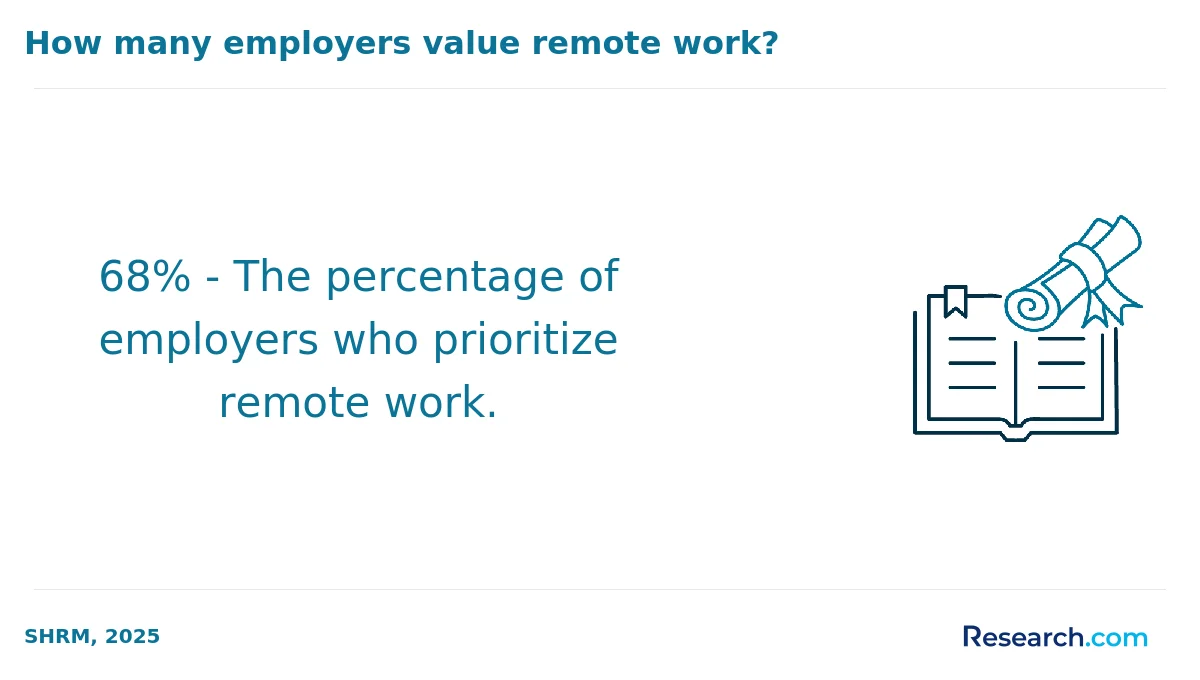
Students pursuing associate degrees in Great Falls often find financial aid opportunities that open doors to their dreams. Completing the Free Application for Federal Student Aid (FAFSA) is the key step to accessing generous federal grants like the Federal Pell Grant, which can cover thousands of dollars without the burden of repayment. Imagine attending Great Falls College and feeling the relief of knowing your education costs are significantly eased by this support.
Many students also benefit from Federal Direct Subsidized Loans, which pause interest while you study at least half-time, helping you focus on learning instead of finances. Those with parents ready to assist can explore Parent PLUS Loans, easing family concerns about tuition costs.
Work-Study programs at Great Falls College bring invaluable work experience and extra income, allowing students to grow both professionally and financially in their vibrant community. Veterans and military families appreciate special tuition waivers and benefits, making education accessible and inspiring. Thousands of graduates from Great Falls' associate degree programs share stories of hope and accomplishment fueled by these aid options.
To enroll in an associate degree program in Great Falls, you'll need to meet a few straightforward yet empowering prerequisites that set you on the path to success. Most programs require a high school diploma or GED, reflecting your dedication and readiness to take this exciting step. Graduates from Great Falls College MSU often share how meeting these basics gave them a strong foundation to build their future.
Great Falls Public Schools recommends earning at least 23 high school credits, including:
- 4 credits in English
- 3 credits in social studies
- 3 credits in mathematics (including Algebra 1)
- 3 credits in science (including biology)
- 2 credits in health enhancement
- 1 credit in career and technical education
- 1 credit in fine arts
- 5.5 credits in electives
Many students have found that completing these requirements not only makes college admission smoother but also boosts confidence as they begin their studies. Some programs, especially in health sciences or technology, ask for additional course prerequisites to ensure you're fully prepared.
Online learners from well-known institutions like the University of Providence appreciate that these schools recognize prior achievements and allow transfer of credits, sometimes up to 44 hours, making education feel attainable and personalized.
A cumulative GPA of at least 2.0 is commonly expected, encouraging students to maintain good academic standing and approach their education with determination. These prerequisites are more than formalities-they are key steps toward your exciting educational journey in Great Falls.

Associate degree course requirements in Great Falls combine a solid foundation of general education classes with major-specific courses that prepare students for success in their chosen careers. At institutions like Great Falls College Montana State University and the University of Providence, graduates find themselves taking engaging classes in English composition, mathematics, natural sciences, and social sciences. These courses sharpen communication and critical thinking skills, essentials that empower students both inside and outside the classroom.
Common classes in Great Falls associate programs often focus on practical knowledge relevant to thriving industries. For example, business administration students explore accounting and marketing principles, while health sciences learners dive into anatomy, medical terminology, and patient care fundamentals. Graduates appreciate how these thoughtfully designed curricula align with real-world demands, making their education feel purposeful and inspiring.
Many students also find flexibility through online and hybrid courses offered by schools such as Franklin University, enabling them to balance studies with work or family life. For those curious about advancing their career potential, exploring what are some certifications that pay well can offer exciting options.
Choosing the best associate degree programs in Great Falls means focusing on what truly matches your life and goals. Graduates from Great Falls College MSU often share how deciding between transfer-focused degrees like the Associate of Arts or career-ready options like the Associate of Applied Science helped them shape a clear, confident path. Imagine a busy parent balancing evening classes offered both online and onsite, finding success because the program's flexibility fit their hectic schedule perfectly. Checking accreditation, such as the Northwest Commission on Colleges and Universities, gives peace of mind knowing the degree holds weight with employers and transfer universities.
Comparing associate degree costs in Great Falls is just as vital. Many local students appreciate affordable tuition combined with financial aid or scholarships that lightened their financial load. To smartly weigh expenses against value, explore support services and course delivery options that enhance your experience. For insights beyond associate degrees, readers might also want to consider the cheapest online master degree programs as a future step in higher education.
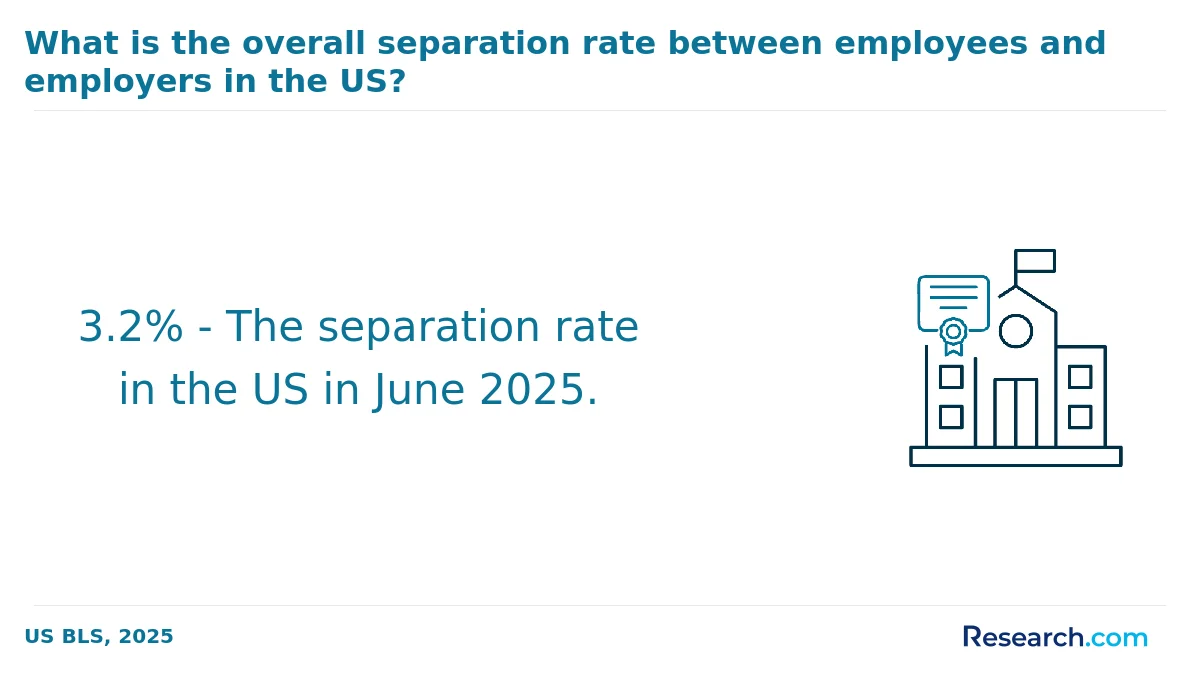
Associate degree graduates in Great Falls discover a wealth of vibrant career opportunities that match the dynamic local economy. For many, the path begins with health care roles, thanks to specialized programs at Great Falls College Montana State University. Graduates often find rewarding work as medical assistants or pharmacy technicians, playing vital roles in their communities. These associate degree jobs in Great Falls MT offer not only meaningful work but also growth in fields bursting with opportunity.
Science and technology careers attract those pursuing an Associate of Science degree, with graduates stepping confidently into technician roles while keeping doors open for further education. Others thrive in business administration and office management, gaining skills that lead to stable positions across sectors.
Many graduates take pride in serving the public through criminal justice programs, securing jobs that contribute directly to local safety and governance. Skilled trades such as welding also continue to be reliable, hands-on professions with strong demand.
Through workforce development initiatives and partnerships like those at MSU-Northern, students report feeling empowered to advance quickly and succeed locally. For those seeking flexible study options alongside career goals, enrolling in a top non profit accredited online university enhances their potential.
- Health care: medical assistant, sonographer, pharmacy technician
- Science & technology: lab technician, environmental technician
- Business: accounting, office management, supervision
- Public service: civil assistant, legal support
- Trades: welding technology, fabrication
The job market for associate degree graduates in Great Falls is thriving with opportunities that inspire confidence and growth. Graduates from local colleges find steady demand across healthcare, technical fields, and skilled trades, making it an excellent time to earn a two-year degree here. Many graduates enjoy roles like registered nurses or Geographic Information Systems (GIS) Technicians, where competitive wages and job stability are common.
Students from popular associate degree schools in Great Falls report real-life success stories such as:
- Quickly landing positions in healthcare with salaries averaging $51,000 annually
- Entering expanding tech sectors like robotics and advanced manufacturing
- Building rewarding careers in construction, business support, and IT
Reflecting the Great Falls MT employment outlook for associate graduates, the local market offers nearly 100 positions specifically open to associate degree holders, with opportunities steadily growing alongside Montana's overall economic expansion. For those who thrive in more independent roles, pursuing a good job for introvert often emerges from these associate programs, blending skill mastery with personal work style perfectly.
Best Associate Degree Programs - Leading Certification Courses in Great Falls for 2026
# 1 position
Great Falls College Montana State University - Information Technology.
associateGreat Falls College Montana State University offers a hybrid Information Technology program focusing on designing technological information systems for business and research needs. The curriculum covers computer hardware and software, algorithms, databases, telecommunications, user tactics, application testing, and human interface design. The program’s annual in-state tuition is $3,904. It is accredited by the Northwest Commission on Colleges and Universities.
# 2 position
Great Falls College Montana State University - Computer Systems Networking and Telecommunications.
associateGreat Falls College Montana State University offers a hybrid program in Computer Systems Networking and Telecommunications, focusing on the design, implementation, and management of linked computer systems and software. The curriculum includes operating systems, networking theory, network management, security, and troubleshooting. The program prepares students for roles as network specialists and managers. Annual in-state tuition is $3,904. The program is accredited by the Northwest Commission on Colleges and Universities.
# 3 position
Great Falls College Montana State University - Welding Technology/Welder.
associateGreat Falls College Montana State University offers a Welding Technology/Welder program with a hybrid format that includes some distance education options. The curriculum covers arc welding, resistance welding, brazing, soldering, cutting, and high-energy beam welding, along with welding metallurgy, structural design, and safety. The program prepares students to join or cut metal surfaces and adheres to applicable codes and standards. Annual in-state tuition is $3,904. It is accredited by the Northwest Commission on Colleges and Universities.
# 4 position
Great Falls College Montana State University - Physical Therapy Assistant.
associateGreat Falls College Montana State University offers a Physical Therapy Assistant program delivered in a hybrid format with some distance-education options. The program trains students to assist physical therapists by implementing treatment plans, training patients, conducting interventions, and documenting progress. Instruction covers anatomy, physiology, biomechanics, neuroscience, and professional ethics. Annual in-state tuition is $3,904. The program is accredited by the Northwest Commission on Colleges and Universities.
# 5 position
Great Falls College Montana State University - Accounting.
associateGreat Falls College Montana State University offers an Accounting program designed to prepare individuals for the accounting profession and related business functions. The curriculum covers accounting principles, financial and managerial accounting, auditing, tax accounting, budgeting, and legal aspects. Students also learn about professional standards, ethics, and business information systems. The program’s annual in-state tuition is $3,904, and it is accredited by the Northwest Commission on Colleges and Universities.
# 6 position
University of Providence - Legal Assistant/Paralegal.
associateThe Legal Assistant/Paralegal program at University of Providence prepares individuals to perform research, drafting, investigatory, record-keeping, and related administrative functions under attorney supervision. Instruction covers legal research, drafting legal documents, appraising, pleading, courthouse procedures, and legal specializations. The program’s annual in-state tuition is $29,018. It is accredited by the Northwest Commission on Colleges and Universities.
# 7 position
University of Providence - Criminal Justice/Safety Studies.
associateThe University of Providence offers a Criminal Justice/Safety Studies program focusing on the criminal justice system, its organizational components, and legal and public policy contexts. The curriculum includes instruction in criminal law, police and correctional systems, administration of justice, judiciary, and public attitudes on criminal justice issues. Annual in-state tuition is $29,018. This program is accredited by the Northwest Commission on Colleges and Universities.
# 8 position
University of Providence - Health and Medical Administrative Services, Other.
associateThe University of Providence offers a program in Health and Medical Administrative Services, Other, focusing on administrative roles within the healthcare sector. The annual in-state tuition for this program is $29,018. It is accredited by the Northwest Commission on Colleges and Universities. This program covers instructional content not listed in other health and medical administrative services programs, providing specialized training in this field.
Frequently Asked Questions about associate degree programs
After earning an associate degree in Great Falls, preparing for the job market involves strategic steps to improve employment prospects. Graduates should engage in internships or work-study programs during their studies, as these experiences increase job placement rates by up to 20%, according to the Montana Department of Labor & Industry.
Networking is another key factor. Local job fairs and community events in Great Falls help connect graduates with potential employers, especially in healthcare, manufacturing, and technology sectors.
Additionally, updating resumes to highlight relevant skills and certifications tailored to local job demands can make candidates more competitive.
Utilizing resources from Great Falls colleges' career centers, such as interview coaching and job listings, further supports job readiness.
Employers in Great Falls increasingly value a combination of technical skills and soft skills when hiring associate degree graduates. According to recent data from the Montana Department of Labor & Industry, proficiency in computer literacy, especially Microsoft Office and basic data analysis, ranks high among sought-after technical abilities.
Communication skills are also crucial; employers expect graduates to convey ideas clearly in both written and verbal forms. A 2023 survey by local Great Falls businesses highlighted teamwork and problem-solving as top soft skills, with 68% of employers emphasizing adaptability in fast-changing work environments.
Time management and reliability remain foundational traits favored across industries including healthcare, manufacturing, and retail, where many associate degree holders find employment.
Finding internships in Great Falls that align with your associate degree program involves a combination of research, networking, and leveraging local resources. Start by exploring opportunities at local businesses and organizations related to your field of study, such as healthcare providers, technical companies, or governmental agencies.
Many students use resources like the Montana Department of Labor & Industry's Job Service, which lists internships and entry-level positions in Great Falls. Community colleges and technical schools in the area often have career services that connect students to employers offering internships.
Networking through local chambers of commerce or professional associations can also uncover hidden internship opportunities. According to recent state labor reports, sectors like healthcare and manufacturing in Great Falls show steady internship availability, making these promising fields for students seeking practical experience.
In Great Falls, an associate degree can significantly enhance career mobility and advancement opportunities. According to the Montana Department of Labor & Industry, associate degree holders earn on average 20% more annually than those with only a high school diploma. This credential often serves as a critical step toward qualifying for skilled positions in healthcare, manufacturing, and information technology sectors prevalent in the region.
Employers in Great Falls increasingly value the practical skills and specialized knowledge gained through associate degree programs. Additionally, many local community colleges have partnerships with area employers, facilitating smoother transitions into the workforce.
Data from the National Center for Education Statistics shows that individuals with associate degrees tend to have higher employment rates and more chances for promotions within five years of graduation.
Part-time job opportunities in Great Falls can significantly complement associate degree education by providing practical experience and income. Healthcare roles such as medical assistants and patient service representatives are in demand, aligning well with associate degrees in health-related fields. According to Montana's Department of Labor, healthcare support jobs in the region are expected to grow by approximately 10% over the next decade.
Retail and customer service jobs also offer flexibility and work experience, particularly beneficial for students pursuing degrees in business or communications. Additionally, Great Falls has a growing demand for administrative assistants and IT support positions, which complement associate degrees in office management and information technology.
Local employers often value part-time workers who bring relevant skills and training, helping students build professional networks while studying. The availability of these jobs can vary seasonally, so students are advised to seek opportunities early and utilize college career centers for guidance.
To choose the best degree program near Great Falls, MT, start by assessing your career goals, interests, and financial situation, as these factors will guide your selection process. Consider visiting local universities and colleges near me for tours, information sessions, and meetings with advisors to gain insight into different programs. Research.com can be a helpful resource for understanding program rankings and available options to make an informed decision.
- Best Trade School & Training Programs - Leading Certification Courses in Walla Walla for 2026
- Best Trade School & Training Programs - Leading Certification Courses in Kyle for 2026
- Best Trade School & Training Programs - Leading Certification Courses in Emporia for 2026
- Best Trade School & Training Programs - Leading Certification Courses in Los Angeles for 2026
- Best Trade School & Training Programs - Leading Certification Courses in Springfield for 2026
- NVC : Time to Degree - How long does it take to get an associate degree? | Alamo Colleges https://www.alamo.edu/nvc/academics/resources/timetodegree/
- Associate Degree programs - United International Business School (UIBS) https://www.uibs.org/undergraduate/associate/
- Benefits of a College Degree on Salary & Earning Potential | UMass Global https://www.umassglobal.edu/blog-news/how-college-impacts-salary-and-future-earning-potential
- Nces - Ipeds https://nces.ed.gov/ipeds/
- Turning An Associate Degree into a Bachelor’s Degree https://bachelors-completion.northeastern.edu/knowledge-hub/turn-associate-degree-to-bachelors-degree/
- Find the Best Tech Internships https://techguide.org/resources/tech-internships/
- Great Falls, MT. Trade Schools | Top Trade School https://toptrade.school/find/montana/great-falls/
- Associate Degrees https://www.highline.edu/academics-pathways/associate-degrees.html
- UWRF Catalog | University of Wisconsin - River Falls https://www.uwrf.edu/Catalog/DegreeRequirements/Associate-Degree-Requirements.cfm
- Research - Our Methodology https://research.com/our-methodology