
# 1 position
Most Affordable Interior Design Schools & Degrees in Michigan for 2027
Audited and Verified:
Our Editorial and Data Verification Process
Research.com uses government datasets, official education statistics and primary institutional information to support its career and degree guides. Our review process checks factual accuracy, occupational definitions, source dates and the requirements associated with the credentials discussed.
How This Article Was Fact-Checked
Our editorial team verifies salary estimates, employment projections, education requirements and program information against original data providers and official organizations. Salary figures are checked against the relevant occupational definitions and reporting periods. Information about licensure, accreditation and required in-person training is reviewed separately.
Fact-checked and verified on:

Co-Founder and Chief Data Scientist

Reviewed by Karolina Broda
Fact-Checker and Data Verification
Choosing an affordable interior design program means comparing more than tuition: the training must also build a portfolio and fit the work you want to do. The U.S. Bureau of Labor Statistics reports a $67,190 national median annual wage for interior designers in May 2025, but that is not a starting-pay estimate. This guide helps Michigan students and career changers compare credentials, practical training, costs, and career prospects. It also accompanies the Most Affordable Interior Design Trade Schools in Michigan for 2027 ranking, created by the Research.com team of data scientists to help students identify programs worth considering.
Key findings about interior design degrees in Michigan
- An affordable option must include usable design practice, not just low tuition: compare portfolio projects, drafting software, materials work, and the full cost of attendance.
- The U.S. Bureau of Labor Statistics reports a $67,190 national median wage for interior designers in May 2025; it is not Michigan pay or an estimate of new graduates' earnings.
- Certificate and associate-degree pathways serve different goals. Before enrolling, check the credential, hands-on work, and any education or experience rules for the jobs or optional certification you want.
Table of Contents
- Most Affordable Interior Design Schools & Degrees in Michigan for 2027
- What can I expect from an interior design trade school program in Michigan?
- Where can I work with an interior design trade school training in Michigan?
What can I expect from an interior design trade school program in Michigan?
Expect a mix of design decisions and technical communication: measuring spaces, developing layouts, selecting finishes, preparing drawings, and explaining a proposal to a client. An interior design training program should let you turn those tasks into portfolio pieces, preferably using current drafting and visualization software. Ask to see recent student work and which projects are completed with instructor feedback.
Programs differ in scope. A short certificate may fit someone seeking showroom, sales, or design-assistant work; an associate degree generally allows more room for drafting, building systems, and a sustained portfolio. Neither credential by itself establishes eligibility to perform work reserved for a licensed architect or other regulated professional. The U.S. Bureau of Labor Statistics distinguishes interior designers' planning and coordination work from decorating alone, so choose a curriculum that matches the role you intend to pursue.
Where can I work with an interior design trade school training in Michigan?
Potential settings include residential design firms, kitchen-and-bath showrooms, furniture retailers, architecture firms, and commercial interiors teams. Detroit-area access to design and construction employers may make an in-person placement easier to arrange, while a student farther from a metro area may need to budget for travel or start with a local showroom or contractor. Ask each program which employers have hosted students recently; a statewide list of industries does not tell you whether placements are accessible from home.
For an entry-level assistant role, a portfolio and software proficiency may matter more than a credential's title. Employer-sponsored showroom training can be a lower-cost alternative to school if you need product and customer-service experience first, though it may offer less technical design instruction.
A reliable Michigan-specific wage should be checked against the latest state occupational wage release for the same job title and reference year. The national figure below provides context, not a Michigan salary quote or a likely first offer.
| Occupation | Median annual wage | What it means |
| Interior designers, United States | $67,190, May 2025 | Median across employed workers at different experience levels; not entry-level pay. |
The source is the U.S. Bureau of Labor Statistics Occupational Outlook Handbook. When assessing a Michigan offer, compare its pay with local openings and your existing earnings, then account for benefits, commuting, and whether the position is salaried, hourly, or commission-based. A national median cannot establish that a training program will pay for itself.
Length depends on the credential and schedule. Certificates are generally the shorter route; an associate degree requires a broader course sequence. Part-time study can preserve earnings but extend the time until you have a complete portfolio. Request the catalog's required credits, course rotation, and projected completion date rather than relying on an advertised "fast" timeline.
Interior design does not have one universal set of Michigan classroom or apprenticeship hours that every entry-level program must meet. Compare the actual hours or credits devoted to studio critique, software labs, and any internship. Resources on fastest online programs for working adults address speed broadly; for this occupation, an accelerated schedule is worthwhile only if it leaves enough time to produce and revise credible work samples.
Online instruction can work well for design history, product research, software demonstrations, and digital presentations. Campus studios make it easier to critique drawings in person, inspect finishes, and use shared equipment. Either format should require you to measure real spaces, test specifications, and receive substantive feedback; ask whether site visits, studio sessions, or internships require travel.
"Online" does not establish certification eligibility or employer recognition. Verify the exact credential and practical requirements with the provider and, if certification matters to you, the certifying body. An institution described as a nonprofit accredited online university is not necessarily a substitute for the occupation-specific studio training you need; accreditation, nonprofit status, and training format answer different questions.
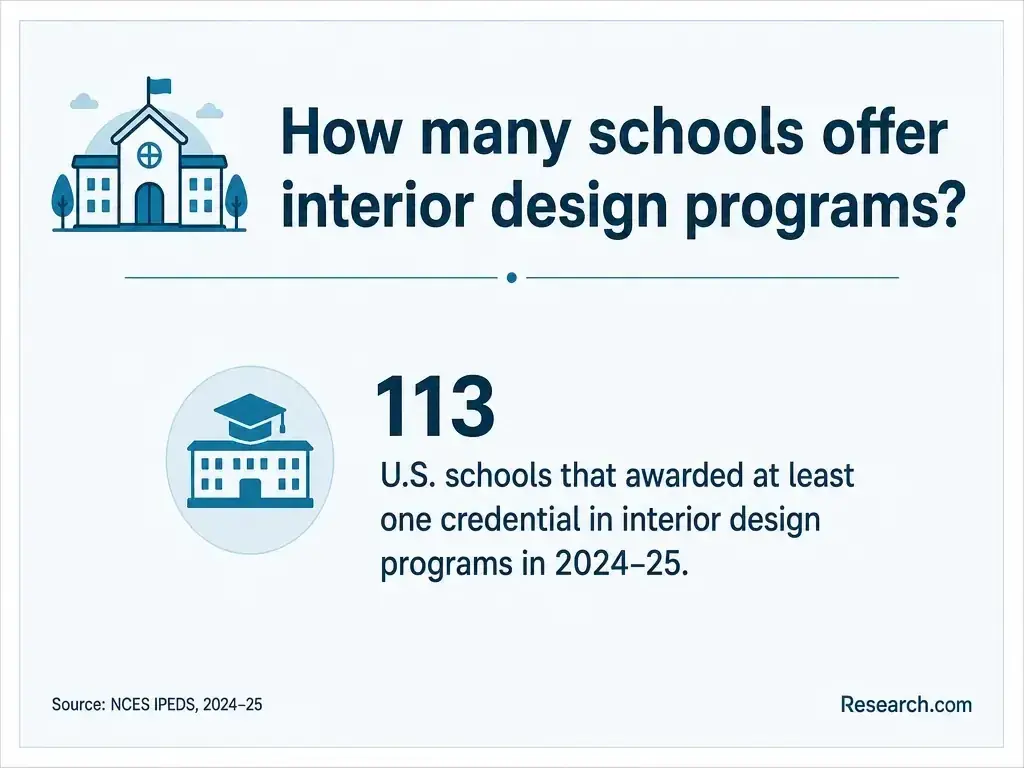
There is no defensible single price for every Michigan interior design certificate and associate-degree program: tuition, residency rules, program length, and included supplies differ. Published 2027 charges may also change before enrollment. Get a written, program-specific estimate instead of treating the lowest advertised tuition as your job-ready cost.
Use the following cost categories to compare offers on the same basis. Ask which charges are mandatory, which are estimates, and which you can reduce by using existing equipment.
| Cost category | What to confirm |
| School charges | Resident or nonresident tuition, mandatory fees, and charges for required studios. |
| Design materials | Computer and software specifications, printing, samples, models, and portfolio production. |
| Career-entry expenses | Optional certification costs, internship travel, and time away from paid work. |
| Potential offsets | Grants, scholarships, eligible aid, or wages from related employment. |
Michigan Reconnect may help eligible residents pursuing qualifying community-college credentials; check current eligibility and program coverage with the Michigan Department of Lifelong Education, Advancement, and Potential. Federal Student Aid eligibility likewise depends on the student, institution, and program. A search for what is the cheapest online bachelor degree addresses a different credential and should not replace a comparison of these trade-training costs.
Depending on the provider and curriculum, you may earn a certificate, diploma, or associate degree. These are educational awards, not interchangeable proof of professional certification. A certificate may be enough to build skills for product sales or assistant work; a more extensive associate program may better suit someone who needs sustained studio practice and technical drawings.
Ask for the exact credential printed on the award and whether credits transfer if you later change programs. Compare completed coursework, not just credential names: similarly titled programs can differ substantially in building-systems instruction and portfolio depth. Questions such as which bachelor degree is easiest do not answer whether a trade credential prepares you for a specific interior design role.
Requirements vary by provider and credential. Check the current application for prior education, placement requirements, portfolio submissions, software or computer specifications, and course prerequisites. Do not assume a beginner certificate requires an existing portfolio - or that every associate program admits students directly into all studio courses.
If you already have drafting, construction, retail-design, or software experience, ask whether the program grants transfer or prior-learning credit and whether that would actually shorten your schedule. Work-based entry may also be realistic: a showroom can train new staff in products and client service, but its experience may not replace formal instruction in technical documentation.
Useful curricula connect space planning, color and materials, lighting, drawing, digital modeling, and client presentations. Technical work should also introduce applicable building-code and accessibility considerations, with clear instruction on when a project requires another qualified professional. The U.S. Bureau of Labor Statistics describes interior designers as working with plans, materials, and other construction professionals - not simply choosing furnishings.
Look for assessed projects that move from a client brief through measured plans and revisions to a final presentation. Ask how many projects you can show an employer, what feedback instructors provide, and whether software access continues outside scheduled class time. Those details distinguish practical training more clearly than a course list alone.
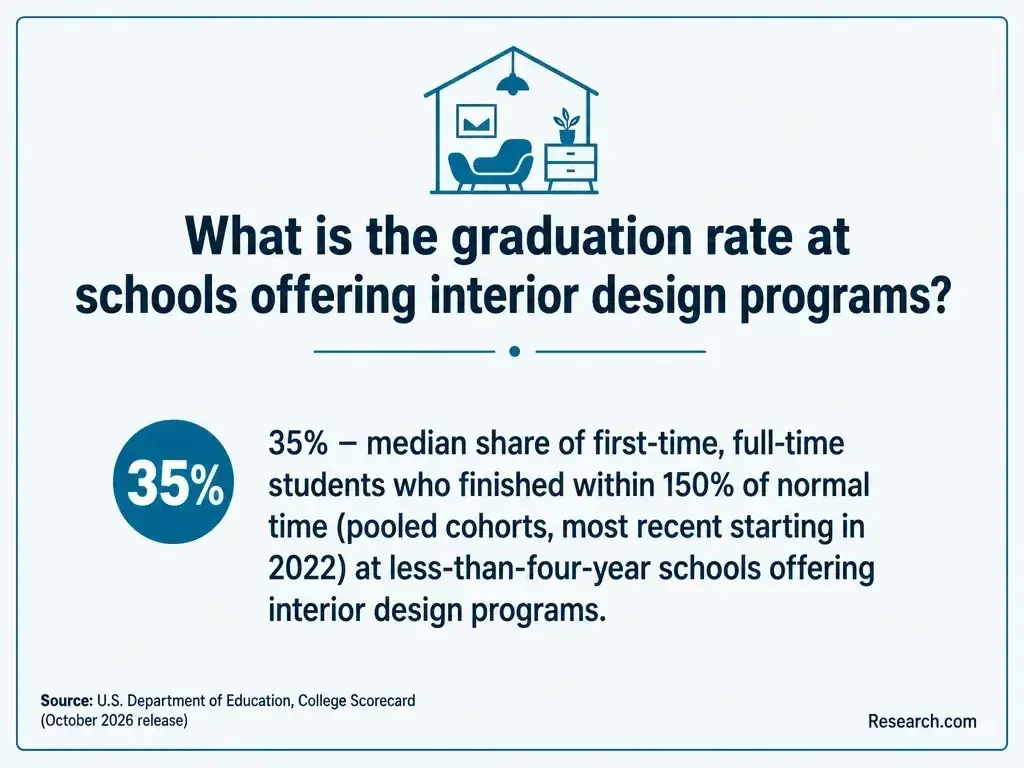
Do not assume that a school award is an occupational license. Michigan's rules governing professional practice and the use of protected titles should be verified with the Michigan Department of Licensing and Regulatory Affairs before accepting work involving regulated architectural or engineering services. Entry-level interior design and decorating tasks should also be distinguished from preparing documents that require a licensed professional.
Professional certification, including the NCIDQ credential administered by the Council for Interior Design Qualification, is a separate, optional career consideration rather than something every graduate automatically receives. Its education, supervised-experience, and examination eligibility rules can affect which program you choose. Check the council's current requirements against the exact credential and coursework offered before enrolling; institutional accreditation alone does not establish examination eligibility.
Start with the job you want, then compare programs on the evidence most likely to help you get it. The affordability ranking is useful for a shortlist, but a lower score for cost does not tell you whether a program offers the studio practice or employer connections you need.
Before paying a deposit, ask each provider the same questions:
- What is the full cost through completion, including software, materials, fees, and travel?
- Which projects, software skills, studio hours, and work placements will I complete?
- What credential will I earn, and will it support my intended job or optional certification pathway?
- What are the current completion, placement, and debt figures for this specific program, and how are they measured?
Verify institutional accreditation and any required state authorization independently; neither substitutes for occupational eligibility or a strong portfolio. For return on investment, consider aid, debt, completion probability, foregone earnings, expected post-training pay, and how long you expect to work in the field. A common mistake is comparing tuition alone while overlooking both project quality and the cost of time away from work.
A new entrant might seek design-assistant, showroom, kitchen-and-bath sales, or drafting-support work, depending on the portfolio and employer requirements. With experience, designers may take on more client responsibility, specialize in residential or commercial interiors, or pursue independent work. These steps depend on demonstrated skills and applicable professional boundaries, not on the credential title alone.
Choose training backward from the role: a showroom-focused learner may benefit from product knowledge and paid customer-facing experience, while someone aiming for technical commercial projects should prioritize drawings, code awareness, and collaboration. Lists about what bachelor's degree pays the most describe a different decision; they cannot predict earnings from an interior design trade program.
The U.S. Bureau of Labor Statistics projects 2.7% national employment growth for interior designers from 2025 to 2035. That is a national occupation projection, not a Michigan forecast or a guarantee of openings for new graduates. It suggests that applicants should compete on relevant work samples and software skills rather than assume the credential alone will secure a position.
For a local decision, compare current Michigan occupational projections with job postings within commuting distance, especially their portfolio and software requirements. If nearby openings are scarce, assess whether you can travel for an internship, work remotely on suitable design tasks, or begin in a related showroom role. Do not confuse postings for experienced designers with entry-level opportunities.
Most Affordable Interior Design Schools & Degrees in Michigan for 2027
Education is a substantial investment, so Research.com's team assembled this ranking to help readers compare interior design programs with relevant options in Michigan. The team uses multiple education and outcomes sources to check the credibility and consistency of program information. Only programs reporting completions to IPEDS are eligible; an unlisted apprenticeship, employer training option, or career school should not be assumed unavailable or inferior.
For most affordable rankings, scores use tuition, cost of attendance, median student debt, and federal loan default rates. Weights are assigned through an entropy-based method, which gives more weight to measures that differ more across eligible programs. Accreditation and other quality indicators do not enter this affordability score. Readers should therefore use the ranking as a cost-focused shortlist, then verify curriculum, portfolio work, and outcomes themselves. Research.com consulted the following data sources for its trade-school ranking system; occupation-specific relevance varies:
- IPEDS database - program completions and institutional reporting.
- National Center for Education Statistics - federal education data and definitions.
- College Scorecard database - available cost, debt, and outcomes measures.
- Peterson's database - supplementary institutional information.
- Commission on Accreditation of Allied Health Education Programs (CAAHEP) - occupation-specific recognition checks where applicable.
- Accrediting Bureau of Health Education Schools (ABHES) - occupation-specific recognition checks where applicable.
- Commission on Dental Accreditation (CODA) - occupation-specific recognition checks where applicable.
- Dental Assisting National Board (DANB) - occupation-specific credential checks where applicable.
- National Center for Construction Education and Research (NCCER) - occupation-specific industry-recognition checks where applicable.
- Apprenticeship.gov Partner Finder - apprenticeship-provider information where applicable.
The allied-health, dental, and construction sources do not establish interior design program quality. For additional detail about the ranking approach, see Research.com's methodology.
# 2 position
Henry Ford College - Interior Design.
certificate or diplomaFrequently asked questions about interior design programs in Michigan
Is a certificate enough to start working in interior design?
It can support assistant, showroom, or sales applications if it produces relevant skills and portfolio work. Technical design positions may require more extensive training or experience; check actual job requirements before choosing the shortest option.
Can I complete interior design training entirely online?
Some coursework can be remote, but you still need practical projects involving real spaces, materials, drawings, and feedback. Confirm any required site visits or studio attendance before enrolling.
Are interior design apprenticeships available?
Employer training and internships may be available, but do not assume interior design has a standard registered-apprenticeship route. Verify the sponsor, pay, training plan, and resulting credential for any opportunity advertised as an apprenticeship.
What makes an affordable program worth the cost?
It should fit your intended role, leave you with credible portfolio work, and have a total cost you can manage without relying on an assumed salary. Compare written costs and outcomes with lower-cost routes such as relevant paid work.
- U.S. Bureau of Labor Statistics - Interior Designers
Used to verify salary, employment outlook, and typical education requirements.
https://www.bls.gov/ooh/arts-and-design/interior-designers.htm - NCES College Navigator (IPEDS)
Used to verify programs offered and institutional accreditation.
https://nces.ed.gov/collegenavigator/ - CIDQ - NCIDQ Certification
Professional certification reference for graduates of this occupation.
https://www.cidq.org/ - Henry Ford College - official website
Official school website (programs, tuition, admissions).
https://www.hfcc.edu/