# 1 position


Audited and Verified:
Our Editorial and Data Verification Process
Research.com uses government datasets, official education statistics and primary institutional information to support its career and degree guides. Our review process checks factual accuracy, occupational definitions, source dates and the requirements associated with the credentials discussed.
How This Article Was Fact-Checked
Our editorial team verifies salary estimates, employment projections, education requirements and program information against original data providers and official organizations. Salary figures are checked against the relevant occupational definitions and reporting periods. Information about licensure, accreditation and required in-person training is reviewed separately.
Fact-checked and verified on:

Co-Founder and Chief Data Scientist

Reviewed by Karolina Broda
Fact-Checker and Data Verification
The cheapest interior design program is not necessarily the least expensive route to a job: software, supplies, travel, and the time needed to build a portfolio all matter. The Research.com team of data scientists created the Most Affordable Interior Design Trade Schools in Maryland for 2027 ranking to help students make an informed choice about programs worth considering. With a national median wage of $67,190 for interior designers in May 2025, according to the U.S. Bureau of Labor Statistics (BLS), choosing the right training deserves a careful cost-and-career comparison.
Expect training in how to turn a client's needs into workable interior plans - not just how to select finishes. Depending on the program, students may practice measured drawings, computer-aided drafting, space planning, materials selection, lighting, presentations, and portfolio development. Commercial projects can require particular attention to accessibility, building and fire codes, and coordination with other building professionals (BLS Occupational Outlook Handbook).
"Trade school" covers different offerings here. A short, noncredit course may help a retail worker advise customers or a career changer test their interest. A longer certificate may provide a more substantial portfolio. An associate degree adds broader technical coursework and may suit someone seeking design-assistant work. Neither a program name nor a credential alone establishes job readiness: compare the completed projects and feedback students receive.
Interior design is not typically entered through the paid, registered-apprenticeship progression associated with some construction trades. A design-firm internship, supervised project, showroom role, or employer training may provide practical experience instead. Ask providers whether such opportunities are arranged, optional, paid, or left for students to find.
Potential workplaces include residential design studios, furniture and kitchen-and-bath showrooms, architecture firms, commercial design teams, property businesses, and facilities departments. The BLS describes interior designers as working with clients and building professionals across these settings; the exact responsibilities of an entry-level hire depend on the employer and the strength of the applicant's portfolio.
Location affects which portfolio is most useful. A student seeking work on commercial interiors in the Baltimore-Washington corridor should look for technical drawings and team projects, while someone targeting residential clients or a local showroom may benefit more from client presentations and product specification. Before enrolling, review nearby job postings: if they repeatedly request a software tool or project type the program does not teach, budget for additional training.
Maryland pay depends on the job, experience, employer, and location; a dependable statewide wage figure is not established here. For context, the U.S. median annual wage for interior designers was $67,190 in May 2025 (BLS Occupational Outlook Handbook). That national midpoint includes experienced workers and should not be treated as a Maryland starting salary or a forecast of a program graduate's earnings.
For a personal return-on-investment estimate, compare local pay posted for design assistant, drafting, or showroom roles with what you currently earn. Then account for aid, debt, time out of work, the likelihood of completing the program, and how long it might take to move into design work. A lower-priced credential is a poor bargain if it does not produce the portfolio needed for your target role.
Duration depends on the credential and schedule: an introductory course can take weeks, a certificate may take months or longer, and an associate degree generally requires a more extended sequence of coursework. Part-time enrollment usually lengthens the calendar time. Ask for the current course map rather than relying on a provider's advertised "fastest" completion time.
Maryland does not impose one universal classroom-hour requirement for all interior design training. A school's credit or contact hours describe its own program; they are not automatically hours toward the state's Certified Interior Designer credential. Before choosing an accelerated option, check whether it leaves enough time for software practice, reviewed projects, and a portfolio. Readers comparing quick degree programs should note that a faster academic timetable does not replace this occupation-specific work.
Online study can work well for design history, software demonstrations, and drawing assignments. On-campus or hybrid instruction can make material samples, site measurement, critiques, and collaborative projects easier to access. Neither format is automatically better; the deciding question is how students receive feedback on work resembling a real client project.
Ask an online provider whether site visits, materials work, internships, or final presentations require attendance at a specified place and time. Check the software and computer requirements, too. A remote course should not be assumed to satisfy Maryland certification eligibility simply because its coursework is accessible from Maryland. For career changers comparing online degrees that pay well, the more relevant test here is whether the interior design training yields usable technical work and credible practical experience.
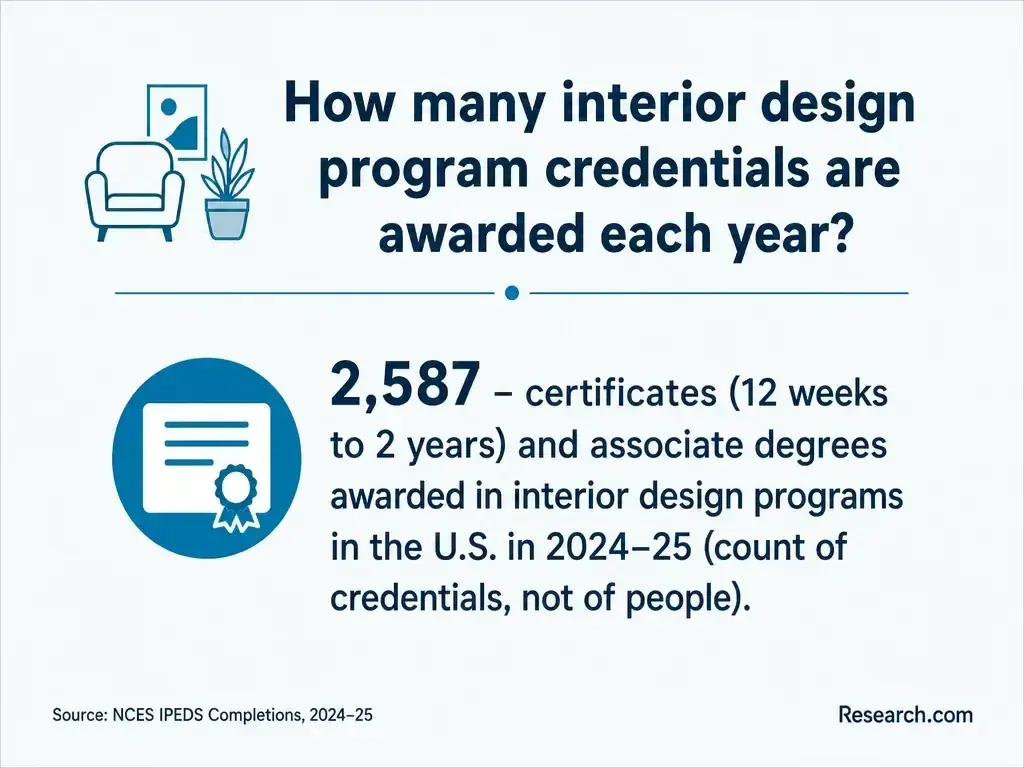
There is no single reliable average price for Maryland interior design trade-school training: a noncredit course, for-credit certificate, and associate degree differ in length and what their published prices include. Public-college resident and nonresident rates can also differ. Request a written estimate for your residency status and planned schedule before comparing schools.
This breakdown helps distinguish a low advertised tuition figure from the amount you may actually spend to finish and seek work.
| Cost component | What to confirm |
| School charges | Tuition, mandatory fees, and charges for required courses or portfolio review |
| Design supplies | Computer, software access, printing, samples, models, and project materials |
| Career-entry costs | Travel to campus or sites, portfolio production, and any optional credential application or examination |
| Time and funding | Lost earnings, available grants, scholarships, employer assistance, and likely borrowing |
Federal aid depends on both student and program eligibility; a short noncredit course should not be assumed eligible (Federal Student Aid). Ask the financial-aid office whether your specific credential qualifies, and check Maryland Higher Education Commission aid rules rather than assuming every state award covers every training format. Compare what you would pay after aid - not simply the sticker price.
The award could be a course-completion document, a certificate, or an associate degree. These are school credentials, not a Maryland occupational license. Confirm the exact award on the provider's catalog page and whether it is for credit; that distinction can affect financial aid and whether completed coursework can be evaluated for transfer.
A certificate may fit someone adding drafting or design skills to an existing job. An associate degree may fit someone who needs a longer sequence of technical and general coursework. If transfer or prior-learning credit matters, get a written evaluation from the receiving institution before enrolling; a similarly named course is not a promise of credit. Maryland's voluntary Certified Interior Designer designation is a separate state credential with its own eligibility process (Maryland Board of Certified Interior Designers).
Requirements vary by provider and credential. An introductory noncredit course may have few prerequisites, while a for-credit program may require a college application, placement steps, or prerequisite coursework. Individual courses can require software access or an appropriate computer even when admission does not require a portfolio. Verify each requirement with the current program catalog.
Ask when the first design course is available and whether required courses run every term. That scheduling detail matters to working students: an inexpensive program can become costly if a missed course delays completion. If you have previous coursework or design experience, request an official credit or placement review before assuming you can skip classes.
A useful curriculum should connect visual decisions to drawings and specifications someone else can act on. Look for projects involving measured plans, circulation and accessibility, materials, lighting, budgets, digital drafting, and presentations. The BLS identifies computer-aided design, building-code awareness, and communication with clients and contractors as relevant to interior designers' work.
Review actual assignments, not just course titles. A student who wants commercial design should seek substantial technical documentation and code-related instruction; a student aiming for a showroom role may place more value on product knowledge and client consultation. New design software and AI-assisted visualization can speed up image-making, but polished renderings alone do not demonstrate accurate dimensions, material specifications, or a workable plan. If your goal is another occupation entirely, compare its required skills before relying on lists of trades jobs that pay well as a reason to enroll in interior design.
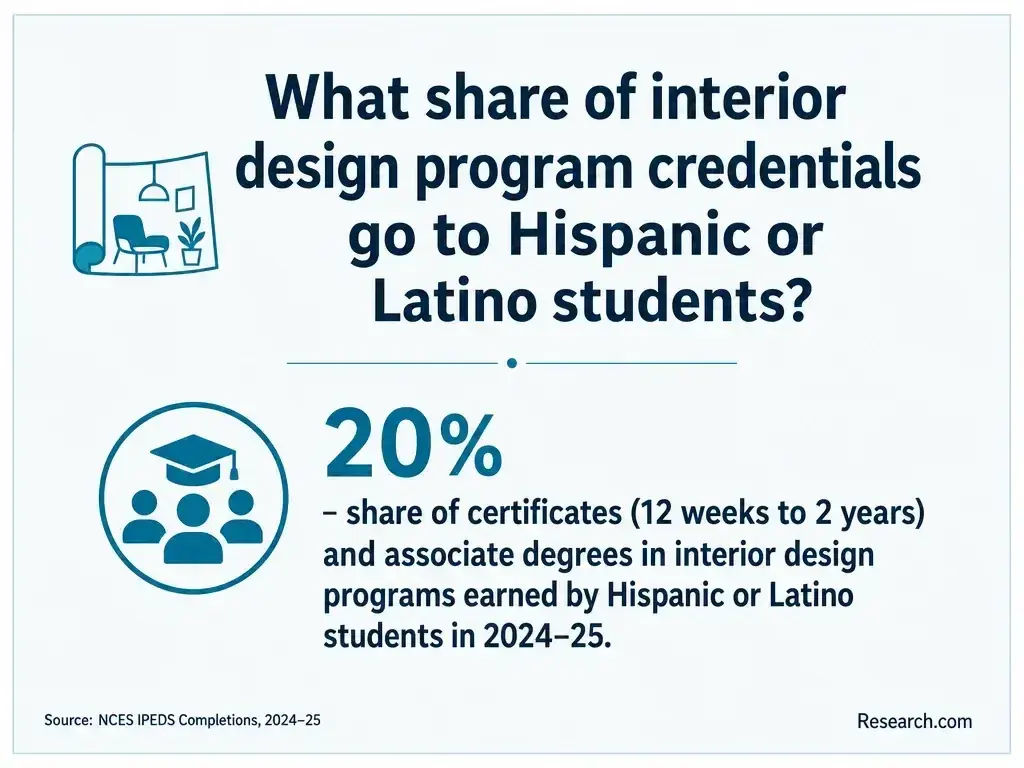
Not for every interior design role. Maryland regulates the use of its Certified Interior Designer designation through the Maryland Board of Certified Interior Designers; that voluntary state certification is distinct from simply working in design. Its education, experience, and examination rules matter if you intend to seek the protected title. Verify the board's current eligibility requirements before selecting a program, because graduation alone does not confer certification.
Also distinguish state certification from school accreditation, state authorization to operate, and professional examinations such as the NCIDQ Exam. None substitutes automatically for another. Interior design training does not authorize someone to perform work reserved for other licensed building professionals. If a school advertises "certification preparation," ask which examination or designation it means and obtain written confirmation of how its coursework fits the applicable eligibility rules.
Start with the job you want, then work backward from the portfolio, software, and experience that job calls for. Harford Community College, Anne Arundel Community College, and Montgomery College are providers readers may wish to check, but confirm each provider's current interior design offerings and award before comparing prices; courses and availability can change. A ranking of affordability cannot tell you whether a particular curriculum fits your goal.
Use these checks to turn a shortlist into an enrollment decision:
Two common mistakes are treating a low tuition figure as the full price and assuming a school credential confers a protected professional title. Avoid both by getting costs and credential claims in writing. Broad comparisons of easy bachelor degrees that pay well will not answer the narrower question of whether an interior design trade program provides the practical work your intended job requires.
Entry points can include design assistant, showroom consultant, kitchen-and-bath sales support, materials specialist, or drafting support. With experience and a stronger portfolio, a worker may pursue more responsibility for client projects or specialize in residential or commercial interiors. Job titles are not standardized: read duties and qualifications rather than assuming every "designer" posting describes the same work.
Training can also be useful to someone already employed in furniture retail or a related building business who wants to add design tasks without immediately changing employers. That route may reduce lost wages and provide real client practice. By contrast, someone seeking independent project responsibility should investigate the experience, technical depth, and any voluntary certification they will need beyond an introductory course. Resources about online doctorate programs without dissertation address a different educational goal and should not be mistaken for an interior design career-entry pathway.
The BLS projects 2.7% growth in U.S. interior designer employment from 2025 to 2035. This national projection is not a Maryland hiring forecast and does not measure openings for design assistants or showroom staff separately. It suggests students should plan for a competitive search rather than assume that completing training will produce a designer job.
For a local check, compare current postings within a commute you would accept. Note whether employers seek residential consultations, commercial documentation, drafting software, or prior client experience, then compare those requirements with each program's projects and work-based opportunities. That exercise is more useful for choosing a Maryland program than treating national growth as a guarantee of nearby openings.
Investing in training is an important decision, so Research.com evaluates programs against others in the same occupation and location. Its most-affordable ranking considers tuition, cost of attendance, median student debt, and federal loan default rates; an entropy-based method assigns more weight to cost measures that differ more across programs. Accreditation and other quality measures are not part of the affordability score. Only programs with completions reported to IPEDS are eligible, so the ranking is a comparison tool - not a complete directory of interior design training.
The Research.com team draws on the following sources to check program, institution, cost, and occupational information. Some sources cover other trades and are not interior-design accreditors.
Use the ranking to narrow your options, then verify current prices, course format, portfolio work, and credential fit directly with each provider. Further details appear in Research.com's methodology.
# 1 position
# 2 position

# 3 position

# 4 position
If you are testing the field, compare a focused noncredit course with employer training in a showroom or related business. If you need a substantial portfolio, compare the full cost of longer certificate and associate degree programs; the cheapest first course may not be the cheapest complete pathway.
A certificate can support entry-level applications when it includes relevant technical work and a strong portfolio. Employers set their own hiring requirements. A school certificate does not automatically grant Maryland's Certified Interior Designer designation.
It may be enough for some coursework or skill-building goals. Before paying, check how the program handles material work, site measurement, critiques, and portfolio assessment, and verify any separate state-certification eligibility requirements.
Eligibility depends on the student, school, and specific program; noncredit offerings should not be presumed eligible. Ask the provider's financial-aid office to confirm federal and Maryland aid eligibility for the exact credential you plan to pursue (Federal Student Aid; Maryland Higher Education Commission).
Choose it only if its projects, feedback, and credential meet your career goal. A short course may be sensible for a skill update but insufficient if local employers expect technical drawings and a developed portfolio.