Best Interior Design Training Programs & Schools - Top Interior Design Schools in Colorado for 2026

Co-Founder and Chief Data Scientist
Choosing the right interior design trade school in Colorado can shape your future career. This article introduces the best programs for 2026, carefully ranked by a team of data scientists at Research.com. Their analysis helps you make a smart, informed decision about where to study.
Whether you’re aiming for a diploma or certification, completing a quality program opens doors to creative opportunities and professional growth. Reading this guide will give you confidence in selecting a school that fits your goals and inspires your passion for design.
Key benefits of finishing interior designer trade school in Colorado
- Graduates from interior designer trade schools in Colorado can expect competitive salaries, with averages around $81,950 per year, and entry-level positions starting near $59,773 annually.
- Career paths after graduation include interior design, environmental design, and lighting design, offering diverse opportunities to apply creative skills in various industries.
- Completing an interior design program online provides flexibility and convenience, allowing students to balance work and study while gaining practical skills, as shown by successful graduates from popular Colorado online trade schools.
- Best Interior Design Training Programs & Schools - Top Interior Design Schools in Colorado for 2026
- What can I expect from interior designer trade schools in Colorado?
- Where can I work after finishing interior designer trade schools in Colorado?
What can I expect from interior designer trade schools in Colorado?
When you enroll in an interior designer trade school program in Colorado, expect a balanced mix of creativity and technical skill-building that prepares you for real-world challenges. Graduates from schools like Arapahoe Community College often describe hands-on experiences with software like AutoCAD and Revit as invaluable, giving them confidence to handle professional projects right after graduation.
Courses typically cover essential design principles such as space planning and color theory, alongside specialized topics like kitchen and bath design or sustainable practices. Many students at Rocky Mountain College of Art and Design appreciate the CIDA accreditation, which helped them feel assured about meeting industry standards and advancing toward certification exams.
Flexible learning options mean you can choose in-person or online classes, fitting education around your life. Internships and collaborations with local designers are common, offering practical exposure that builds both your portfolio and communication skills. This blend of creativity, business insight, and industry connection often leaves students feeling prepared, inspired, and excited about their future in Colorado's vibrant design scene.
Where can I work after finishing interior designer trade schools in Colorado?
Graduates from interior designer trade schools in Colorado often find themselves welcomed into diverse roles that blend creativity with practical skills. Many step into positions as Interior Designers, Design Consultants, or Kitchen Designers within design firms and architecture companies, especially in bustling hubs like Denver and Boulder. These roles allow graduates to apply their training in real-world settings, collaborating on space planning and aesthetic decisions that transform homes and offices.
Others discover rewarding careers with furniture retailers or home staging businesses, where their knowledge enhances both product selection and the visual appeal of properties on the market. For example, graduates from popular Colorado trade schools recall working alongside companies like Arhaus LLC, gaining valuable experience in advanced software such as AutoCAD, which boosts their confidence and employability.
Some choose entrepreneurial paths, launching independent consulting or design businesses to serve Colorado's growing housing and commercial markets. This journey often begins with small projects that build client trust and creative satisfaction, making the transition from student to professional both exciting and fulfilling.
After finishing an interior designer trade school program in Colorado, graduates often find their earning potential varies widely depending on location, experience, and employer type. Many new graduates from popular Colorado trade schools step into the field with starting salaries ranging from around $48,600 to $59,800 annually. For example, a recent graduate working in Denver might begin earning close to $41,430, while others in areas like Greeley or Centennial see starting salaries near $65,000. These figures reflect a realistic entry point after completing hands-on training and building a foundational portfolio.
As experience grows, so does income. Graduates who steadily build their skills often see salaries rise to an average of about $81,950 statewide, with seasoned designers earning up to $110,700 yearly. Many find this progression encouraging, especially when they land roles that value their specialized training and creativity. Hearing from peers who started with modest pay but moved quickly into higher earnings helps new designers stay motivated and focused on their career growth in Colorado's vibrant design market.
- Admission usually requires a high school diploma or GED and may include English proficiency tests or prior college coursework.
- Applicants might need to submit official transcripts and competitive programs often require a portfolio of design work.
- Associate degree programs typically cost between $8,000 and $15,000 for in-state students, while certificate programs can range from $2,000 to $5,000.
- Graduates start with a median salary of $42,000 to $48,000 per year, with experienced designers earning over $65,000 annually.
- Programs may include training in CAD, Revit, Adobe Creative Suite, and offer specialized tracks like sustainable design.
Completing an interior designer trade school program in Colorado typically takes between 9 months to 18 months, depending on the intensity and format of the program chosen. Many graduates from well-known Colorado trade schools share that the accelerated courses allowed them to quickly immerse themselves in hands-on projects, making their learning experience both intense and rewarding. For example, students often describe balancing classroom design theory with real-world applications like drafting floor plans for local clients, which brings a tangible sense of accomplishment early on.
Trade schools in Colorado emphasize flexible scheduling, catering to students who may be working or managing other responsibilities. Graduates frequently express how this flexibility helped them stay motivated and confident throughout the program. The practical skills gained within this timeframe prepare students to enter the workforce promptly, often sparking excitement as they envision transforming spaces professionally.
Whether studying full-time or part-time, Colorado's trade schools provide a structured yet adaptable environment that respects each student's pace, making the completion timeline feel manageable and purposeful.
The difference between online and on-campus interior designer trade school programs in Colorado often comes down to how students experience their learning journey. Graduates from online programs, like those at Rocky Mountain College of Art + Design, frequently express appreciation for the flexibility to study from home or even while managing a busy job or family life. They engage in virtual critiques and collaborate through digital platforms, gaining skills in CAD, BIM, and lighting design from anywhere in the state. However, some recall wishing for more hands-on time with physical materials, since online courses rely on simulations or require self-sourcing supplies.
On the other hand, students attending schools such as Arapahoe Community College or Front Range Community College often describe the energy of working side-by-side with peers in studios and labs. They benefit from immediate feedback, access to material libraries, and the camaraderie of group projects, which many find deeply motivating. The chance to network with local design firms and participate in internships adds a tangible edge to their preparation, making the experience feel immersive and connected to Colorado's design scene.
The average tuition for interior design programs in Colorado reflects a diverse range of options tailored to different learning goals and budgets. Graduates from trade schools like the Heritage School of Interior Design in Denver often reflect on the value of investing around $17,955 for a Master Certification Program that blends practical skills in courses such as AutoCAD and Digital Presentation. Many students appreciate the availability of financing options and the GI Bill, easing the financial journey despite the upfront costs.
For those considering more affordable paths, public institutions like Arapahoe Community College in Littleton and Front Range Community College in Westminster offer associate degrees with tuition starting between $5,477 and $5,708 annually for in-state students. These programs focus on real-world skills ranging from spatial and sustainable design to interior architecture, allowing students to build solid foundations without overwhelming debt. Graduates often recount how learning in these environments combines quality education with a community feel that supports creative growth.
It's also essential to factor in additional expenses, such as textbooks and materials, which can add $1,000 to $3,000 yearly. The cost of interior design trade schools in Colorado can vary, but many students find rewarding opportunities to manage expenses through financial aid or scholarships. Those interested in expanding beyond trade schools might explore bachelor's programs with higher tuition but richer cultural and historical design insights.
For prospective students balancing practicality and ambition, researching the quickest architecture programs online can offer alternative routes to advance in their design careers while considering costs carefully.
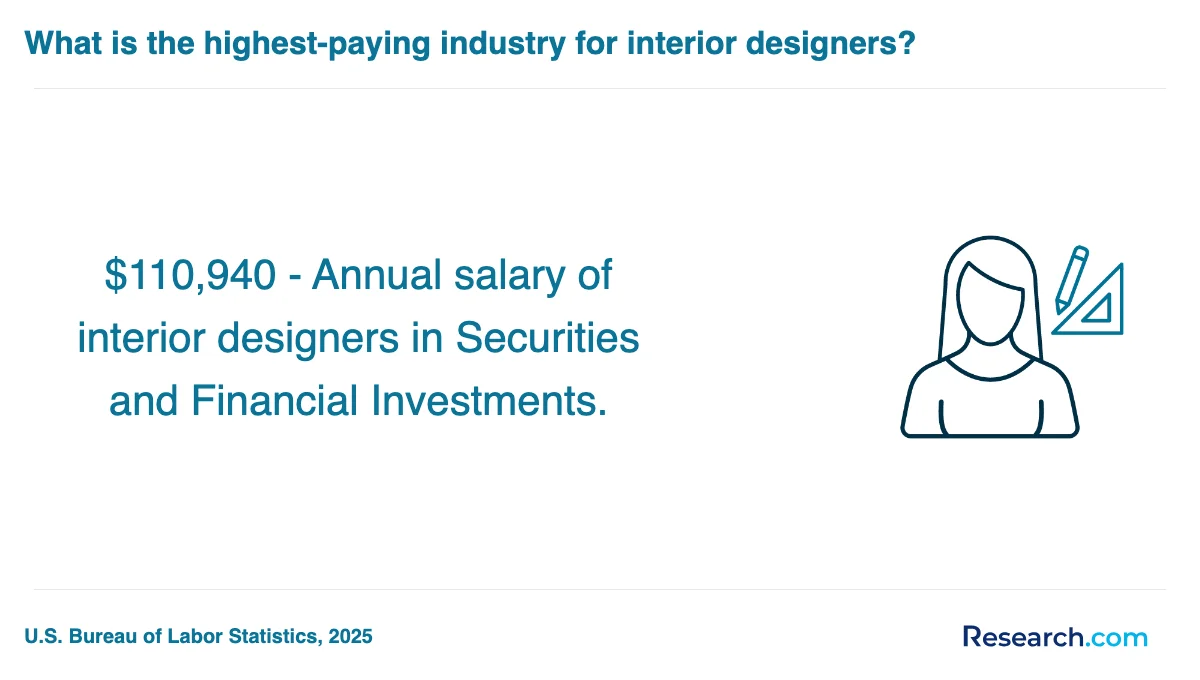
Students pursuing interior designer trade school programs in Colorado often find financial aid opportunities that make their education more accessible and less stressful. Many graduates from schools like Rocky Mountain College of Art and Design (RMCAD) recall the relief of securing institutional scholarships by submitting portfolios early in their application process. These scholarships often reward merit and creativity, easing the financial burden while recognizing talent.
Completing the FAFSA is a crucial step, unlocking access to federal grants such as the Pell Grant and Colorado-specific aid like the Colorado Student Grant. Community colleges such as Arapahoe Community College and Front Range Community College provide strong financial aid packages, combining federal, state, and their own scholarships. Graduates from these colleges often highlight how affordable tuition paired with targeted aid helped them focus fully on mastering interior design skills.
Additionally, industry-specific scholarships, like those from the National Kitchen & Bath Association, offer specialized support for students aiming at kitchen and bath design careers. Early application and close communication with financial aid offices across Colorado's design schools remain key strategies for maximizing these opportunities.
Enrolling in an interior designer trade school program in Colorado typically requires a few key prerequisites that prepare you for success. Most programs expect students to have a high school diploma or GED, ensuring a foundational level of education. Many graduates from popular Colorado trade schools recall how this basic qualification opened the door to hands-on learning rather than purely theoretical study.
Beyond formal education, schools often look for:
- Basic proficiency in math and English to handle design calculations and client communications
- A genuine passion for creativity and spatial design, which many students discover through personal projects or previous art classes
- Sometimes a portfolio or examples of creative work, especially for competitive programs, reflecting your style and dedication
Colorado students often share how being proactive-such as visiting local design studios or volunteering for community projects-helped them stand out during admissions. This real-world exposure not only boosts confidence but also aligns perfectly with the practical, skill-focused nature of trade schools in the state.
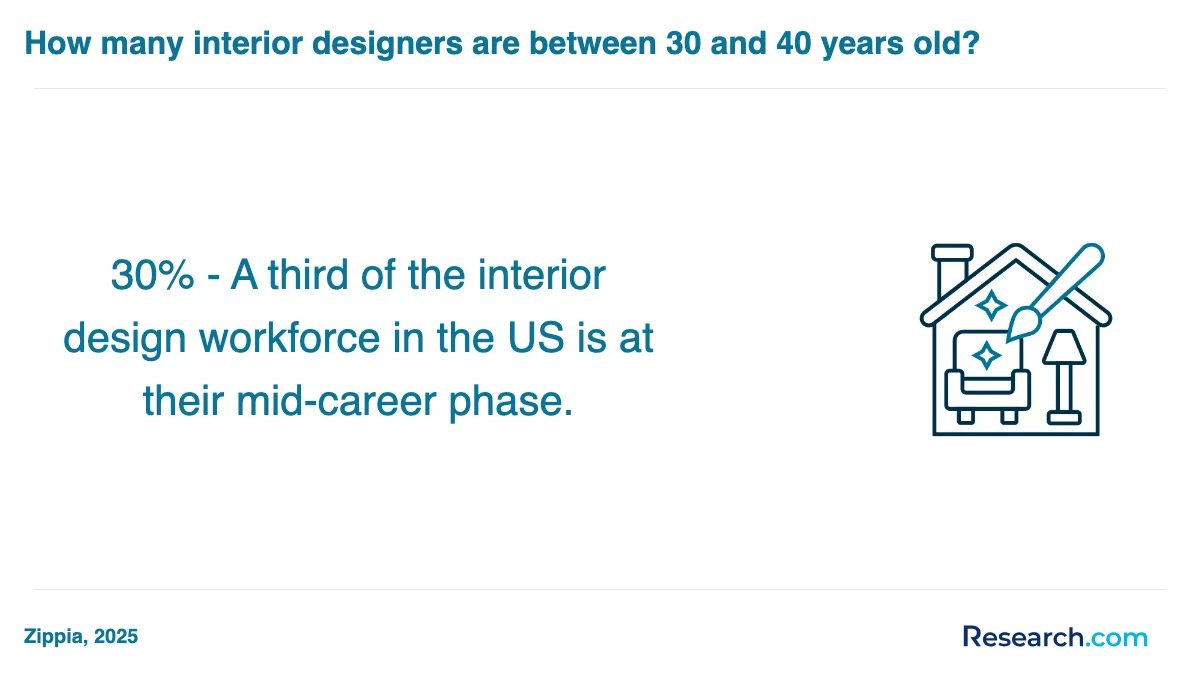
Interior designer trade school programs in Colorado immerse students in a blend of creative and technical courses designed to build confidence and expertise. Graduates often recall their first exposure to foundational classes like Introduction to Interior Design, where they grasp basic principles and industry language that make the profession feel accessible and exciting.
Students quickly move into essential skills such as:
- Manual drafting and CAD software like AutoCAD and Revit, which empower them to create detailed plans and digital renderings with precision
- Graphic communication, combining hand sketching with digital tools to present ideas clearly and persuasively
- Core design topics including space planning, lighting, color theory, and material selection, all vital to crafting functional, beautiful environments
Many recall hands-on projects focused on sustainable design and building codes, which deepen their understanding of Colorado's unique regulatory landscape. Some programs even offer specialized training in kitchen and bath design, often paired with internships that bring classroom lessons to life within local design firms. This practical approach reassures students that they are not just learning theory but preparing for real-world success in Colorado's dynamic interior design scene.
Interior designer trade school programs in Colorado offer a range of specializations, allowing students to tailor their education to unique passions and career paths. Many graduates from Arapahoe Community College appreciate the depth provided by the Residential Design focus, where they learn to craft comfortable, stylish living environments. Students drawn to more technical and market-driven fields often choose the Kitchen and Bath Design Specialist Certificate, which prepares them for specialized roles through practical training recognized by industry standards.
Other students find their calling in Commercial Design, with short, immersive courses at the Heritage School of Interior Design equipping them to transform offices and hospitality venues. Meanwhile, at Colorado State University, learners explore the business and marketing side of the profession through the Interior Products and Retailing concentration, gaining insight into product development and entrepreneurship. The emphasis on sustainable design also resonates strongly, allowing students to create eco-friendly spaces that promote health and well-being.
Colorado's interior design trade school programs offer varied opportunities, nurturing skills that fit both creative and professional ambitions. Graduates often find rewarding careers in careers related to interior design that reflect their chosen specialization.
Choosing the best Colorado interior design trade schools comparison starts with accreditation. Graduates from programs like Rocky Mountain College of Art & Design appreciate how CIDA accreditation ensured their education met professional standards, while those from Arapahoe Community College value the specialized NKBA certification that deepened their expertise in kitchen and bath design. These credentials not only build confidence but open doors in Colorado's design industry.
Flexibility also shapes the student experience. Many find that schools offering both online and in-person options, such as RMCAD, help balance study with life's demands. One graduate shared how switching between formats kept their motivation high and learning consistent, a key factor when exploring how to choose an interior design program in Colorado.
Curriculum depth and faculty connections matter deeply. Engaging with instructors who have real-world insights and access to professional networks makes the process feel less daunting and more inspiring. Colorado students often mention how these relationships sparked their passion and helped them navigate diverse design career paths, which you can explore further at design career paths.
Successful students also highlight the importance of available resources, like advanced software and tutoring, that transform challenges into rewarding progress. When you consider these aspects carefully, the path to becoming a skilled interior designer in Colorado becomes clearer and genuinely exciting.

Graduates of interior designer trade school programs in Colorado find themselves well-equipped for diverse career opportunities that align with the state's vibrant design scene. Many pursue interior designer jobs in Colorado within residential or commercial firms, bringing their skills in space planning and environmental design to life. Experience with industry-standard software like AutoCAD and Photoshop often sets these graduates apart, enabling them to contribute confidently to boutique studios or large retail brands.
Specialized paths attract many, including certificates in kitchen and bath design accredited by the National Kitchen and Bath Association (NKBA), a popular choice for graduates aiming at niche markets. Others focus on certifications such as NCIDQ or RIDQC to boost their credentials. Entrepreneurship also appeals widely; graduates often launch their own consultancies or staging businesses, particularly in dynamic urban centers like Denver and Boulder where market demand is strong.
Additional career opportunities include roles as design project managers, showroom coordinators, or sales specialists. Some graduates use their trade school credits to continue toward bachelor's programs, enhancing their long-term prospects. Exploring the most affordable online masters in architecture can be a next step for ambitious individuals ready to expand their design expertise.
The interior designer job market in Colorado presents a dynamic and promising landscape for trade school graduates. Many alumni from well-regarded trade schools across the state find themselves stepping directly into roles such as junior designer or design assistant, particularly in urban hubs like Denver and Boulder. These cities consistently have the highest concentrations of openings, making the local market especially accessible for those with practical skills honed through hands-on training.
Graduates frequently share how their familiarity with industry-standard software, like AutoCAD and Photoshop, and real-world project experience gained during their studies, give them a tangible advantage. Employers appreciate candidates who combine creative design abilities with business sense, such as client communication and budgeting-skills often emphasized in Colorado's trade school curricula.
Networking within professional circles like the Denver Design Center also boosts job prospects. The interior design employment outlook Colorado-wide reflects a healthy demand, with benefits packages including health insurance and retirement plans common in many job offers.
Enthusiasts eager to learn more about education requirements for video game designer might find parallels in specialized training that enhance marketability for interior designers as well.
Best Interior Design Training Programs & Schools - Top Interior Design Schools in Colorado for 2026
# 1 position
Arapahoe Community College - Interior Design.
associateArapahoe Community College offers a hybrid Interior Design program that trains students in artistic principles and professional planning for residential and commercial spaces. The curriculum covers computer applications, drafting, lighting, acoustics, furniture, textiles, building codes, and design history. Annual in-state tuition is $4,308. Graduates have a median earning of $32,100 one year after completion. The program is accredited by the Higher Learning Commission.
# 2 position
Front Range Community College - Interior Design.
associateThe Interior Design program at Front Range Community College offers a hybrid format with some distance-education options. It prepares students in artistic principles and techniques for planning, designing, and furnishing residential and commercial interior spaces. The curriculum includes computer applications, drafting, lighting, acoustics, color coordination, furniture, textiles, structural design, building codes, and design applications for various environments. Annual in-state tuition is $4,740. The program is accredited by the Higher Learning Commission.
# 3 position
Pikes Peak State College - Interior Design.
associatePikes Peak State College offers a hybrid Interior Design program that prepares students to professionally plan, design, equip, and furnish residential and commercial interior spaces. The curriculum covers computer applications, drafting, graphic techniques, interior lighting, acoustics, and color coordination. Students also study furniture, textiles, structural design, building codes, and applications for various commercial environments. The program is accredited by the Higher Learning Commission, with an annual in-state tuition of $4,302.
# 4 position
Arapahoe Community College - Interior Design.
certificate or diplomaArapahoe Community College offers a hybrid Interior Design program focusing on applied visual arts for residential and commercial spaces. The curriculum covers computer applications, drafting, lighting, acoustics, furniture, textiles, and structural design. Students learn building codes and period styles, preparing them for diverse design environments. Annual in-state tuition is $4,308. The program is accredited by the Higher Learning Commission, and graduates earn a median salary of $32,100 one year after completion.
# 5 position
Front Range Community College - Interior Design.
certificate or diplomaFront Range Community College offers a hybrid Interior Design program that prepares students to professionally plan, design, equip, and furnish residential and commercial spaces. The curriculum covers computer applications, drafting, lighting, acoustics, color coordination, textiles, and building codes. The program is accredited by the Higher Learning Commission. Annual in-state tuition is $4,740. Median earnings one year after completion are $21,397.
Frequently Asked Questions about interior designer
Preparing for the job market after completing an interior designer trade school in Colorado involves several key steps. First, gaining practical experience through internships or apprenticeships is crucial. Many Colorado employers prefer candidates with hands-on skills and knowledge of local building codes and design trends.
Networking within the Colorado interior design community can open doors to job opportunities. Joining professional associations like the American Society of Interior Designers (ASID) Colorado chapter helps graduates connect with industry leaders.
Additionally, obtaining certification such as the National Council for Interior Design Qualification (NCIDQ) can improve job prospects. According to the Colorado Department of Labor, the interior design field in Colorado is growing steadily, with a projected 5% job growth through 2030.
Employers in Colorado seeking interior designer trade school graduates prioritize a combination of technical and interpersonal skills. Proficiency in computer-aided design (CAD) software is essential, as 78% of job listings in the state require it, according to the Colorado Department of Labor and Employment (CDLE) 2023 report. Strong spatial awareness and knowledge of building codes are also critical to ensure designs meet safety and regulatory standards.
In addition to technical skills, communication and client management abilities are highly valued. Employers expect graduates to effectively collaborate with clients, contractors, and suppliers to deliver projects on time and within budget. Creativity combined with practical problem-solving skills often distinguishes successful candidates in the competitive Colorado market.
Finding internships relevant to interior designer trade school programs in Colorado involves researching local design firms and industry organizations. Many firms in Denver and Boulder offer internships that provide practical experience aligned with trade school curricula. The Colorado Chapter of the American Society of Interior Designers (ASID) is a helpful resource for connecting students with internship opportunities.
Additionally, trade schools often have partnerships with local businesses, so contacting your school's career services can uncover exclusive internships. According to the Colorado Department of Labor and Employment, design-related internships have grown by 8% over the past five years, reflecting increasing demand.
Utilizing online platforms focused on Colorado's job market, such as Colorado Workforce Centers, also aids in finding openings tailored to interior design students.
A diploma from an interior designer trade school in Colorado can significantly impact career mobility and advancement. Such programs provide practical skills and industry-specific knowledge, often recognized by local employers. According to the Colorado Department of Labor and Employment, interior designers with formal training see a 10-15% higher employment rate compared to those without specialized education.
Trade school diplomas often serve as a stepping stone to entry-level roles, facilitating quicker entry into the workforce. Graduates can also pursue certification exams, such as the NCIDQ, which boosts credibility and opens doors to higher-paying positions.
In Colorado's competitive design market, a diploma signals commitment and competence, enhancing opportunities for promotions and project leadership roles.
Students enrolled in interior designer trade schools in Colorado can benefit from part-time jobs that build relevant skills and industry experience. Positions such as design assistant roles at local architecture or interior design firms allow students to apply classroom knowledge to real projects. Retail jobs in home furnishing stores also offer valuable exposure to materials, styles, and customer preferences.
According to the U.S. Bureau of Labor Statistics (BLS), Colorado's interior design employment is projected to grow by 5% from 2021 to 2031, creating opportunities for students gaining practical experience. Additionally, internships or part-time work with remodeling companies can deepen understanding of construction and spatial planning, complementing trade school education effectively.
Yes, there are several top-ranked interior design degree programs available near Colorado, which can be explored to find the best fit for aspiring designers. Many of these programs are offered by well-regarded universities and colleges, providing a solid foundation in designing creatively and practically for residential and commercial spaces. Research.com can be a helpful resource to identify programs near me and learn more about their specific course offerings, faculty, and facilities.
- Best Interior Design Training Programs & Schools - Top Interior Design Schools in Kansas for 2026
- Best Interior Design Training Programs & Schools - Top Interior Design Schools in Utah for 2026
- Best Interior Design Training Programs & Schools - Top Interior Design Schools in Oklahoma for 2026
- Best Interior Design Training Programs & Schools - Top Interior Design Schools in Arizona for 2026
- Best Interior Design Training Programs & Schools - Top Interior Design Schools in Texas for 2026
- Best Interior Design Training Programs & Schools - Top Interior Design Schools in Missouri for 2026
- Best Interior Design Training Programs & Schools - Top Interior Design Schools in Iowa for 2026
- Best Interior Design Training Programs & Schools - Top Interior Design Schools in California for 2026
- Best Interior Design Training Programs & Schools - Top Interior Design Schools in Minnesota for 2026
- Best Interior Design Training Programs & Schools - Top Interior Design Schools in Illinois for 2026
- Interior Designers : Occupational Outlook Handbook: : U.S. Bureau of Labor Statistics https://www.bls.gov/ooh/arts-and-design/interior-designers.htm
- Interior Designer Jobs in Colorado (Hiring Now!) - Zippia https://www.zippia.com/interior-designer-colorado-jobs/
- Interior Design Jobs in Northern Colorado: A Comprehensive Guide https://www.coohom.com/article/interior-design-jobs-in-northern-colorado-a-comprehensive-guide
- Just a moment... https://www.villa.edu/common-challenges-interior-designers-face/
- The Reality Of Starting An Interior Design Career | Challenges You Need To Know https://www.idbs.online/the-reality-of-starting-an-interior-design-career-challenges-you-need-to-know/
- Biggest Challenges Faced by Interior Designers | Dreamzone https://www.dreamzone.co.in/blog/challenges-that-you-might-face-as-an-interior-designer/
- Design Challenge: The Many Roles of an Interior Designer - College of Liberal Arts - Purdue University https://www.cla.purdue.edu/academic/rueffschool/ad/interior/design-challenge/roles-of-interior-design.html
- High Schoolers Get the Low Down on Interior Design at NYSID - New York School of Interior Design https://www.nysid.edu/blog/college-knowledge
- Interior Design Degree and Certificates | ACC https://www.arapahoe.edu/academics-programs/programs/interior-design
- Interior Design | Pikes Peak State College https://www.pikespeak.edu/programs/interior-design/index.php