
Best Interior Design Training Programs & Schools - Top Interior Design Schools in Missouri for 2026

Co-Founder and Chief Data Scientist
Choosing the right interior design trade school in Missouri can shape your future career in a creative and rewarding field. This article introduces the best programs for 2026, helping you find the perfect fit for your goals.
The interior designer trade school programs ranking, developed by the Research.com team of data scientists, offers an objective guide to top-quality education options. By exploring this ranking, you can make an informed decision and confidently pursue a diploma or certification that opens doors in the design industry.
Whether you’re just starting out or seeking to enhance your skills, this guide supports your journey toward a fulfilling and inspiring career.
Key benefits of finishing interior designer trade school in Missouri
- Graduates of interior designer trade schools in Missouri can expect an average starting salary around $50,000, with experienced designers earning up to $90,000, offering strong financial growth potential.
- Career paths include working as residential or commercial interior designers, project coordinators, or even starting a design consultancy, as seen with successful graduates from popular Missouri trade schools.
- Completing an interior design trade school online provides flexibility and accessibility, allowing students to balance work and study while gaining practical skills, as experienced by many online program graduates in Missouri.
- Best Interior Design Training Programs & Schools - Top Interior Design Schools in Missouri for 2026
- What can I expect from interior designer trade schools in Missouri?
- Where can I work after finishing interior designer trade schools in Missouri?
What can I expect from interior designer trade schools in Missouri?
Students entering interior designer trade school programs in Missouri can expect a hands-on, immersive learning experience that balances creativity with technical skills. Graduates from schools like St. Louis Community College highlight how their coursework combined art, design history, and psychology with practical training in materials, lighting, and digital drafting tools. Real-world projects, such as designing actual residential or commercial spaces, are a common feature, helping students build strong portfolios that boost confidence and job readiness.
Many students appreciate the opportunity to earn industry-recognized certifications, like the Residential Interior Design Qualifying Certification (RIDQC), which adds professional credibility. Longer programs prepare students for the NCIDQ Exam, opening doors to higher-level careers. Business skills courses also stand out, teaching client communication and management, which graduates find invaluable when starting their own design ventures.
Students often mention the supportive, inclusive atmosphere at Missouri trade schools, where professional networking and exposure to industry standards create a motivating environment to grow both creatively and professionally.
Where can I work after finishing interior designer trade schools in Missouri?
Graduates of interior designer trade school programs in Missouri often find diverse employment opportunities that match their hands-on training and creativity. Many begin their careers working for architectural firms, design consultancies, or construction companies, where they contribute to residential and commercial projects. For example, a graduate from a popular Kansas City trade school shared how quickly they landed a role as a Design Consultant, helping clients choose furniture and décor in local retail settings.
Others find rewarding jobs in corporate offices or healthcare facilities, designing functional and inviting workspaces that improve daily environments. Graduates from St. Louis trade schools often highlight how these roles offer steady salaries and chances to advance by applying technical skills learned during their programs.
Some graduates pursue specialized firms focused on kitchens, lighting, or commercial interiors, where practical experience from trade schools helps them stand out. Freelance work is also common, allowing graduates to take on small projects independently and build their own client base across Missouri's growing design market.
After finishing an interior designer trade school program in Missouri, graduates typically start with an average salary of about $50,315 per year. Many recent graduates from popular trade schools in Missouri find this encouraging, as it offers a solid foundation for building a career. Entry-level salaries usually range from $39,884 to $55,160, reflecting the real-life experiences of those just entering the field.
Location plays a key role in earnings. For example, graduates working in St. Louis often earn around $45,659 at entry level, with opportunities to increase pay to $54,701 after gaining five to nine years of experience. This mirrors the path of many trade school alumni who see steady salary growth as they gain skills and confidence on the job.
Overall, the average annual pay for interior designers in Missouri is about $68,333, with top earners reaching nearly $90,000. This range shows the rewarding potential for those committed to advancing their careers after trade school.
- Interior design programs in Missouri typically require 60 to 87 credit hours, with associate degrees blending general education and specialized design courses.
- Certificate courses, like those offered online, focus on core design skills and prepare students for industry certification exams.
- Accreditation from CIDA or recognition by the Designer Society of America is important for eligibility to take professional exams like NCIDQ and RIDQC.
- In-state tuition for trade schools ranges from $4,500 to $7,000 per year, with additional costs for materials and certification fees.
- Entry-level interior designers in Missouri earn between $36,000 and $44,000 annually, with experienced professionals making $55,000 or more.
Completing an interior designer trade school program in Missouri typically takes between 12 to 24 months, depending on the school and the intensity of the curriculum. Many students at well-known Missouri trade schools find that accelerated programs allow them to finish in about a year, balancing hands-on projects with classroom learning.
Graduates often share how the structured timeline helped them stay motivated and focused, enabling a quicker transition into the workforce. For instance, students at popular Missouri trade schools appreciate the practical approach that combines design theory with real-world applications, making every month feel productive and rewarding.
Choosing a program with flexible scheduling can also impact completion time, as some schools offer evening or weekend classes for working adults. This adaptability helps students maintain a steady pace without sacrificing their personal or professional commitments.
Overall, Missouri's interior designer trade schools are designed to deliver essential skills efficiently, allowing graduates to confidently enter the industry in as little as one year while enjoying the satisfaction of tangible progress throughout their studies.
The key difference between online and on-campus interior designer trade school programs in Missouri lies in how students engage with their education. Online learners, such as those at Century College where 42% of students study remotely, enjoy flexible schedules that fit work or family commitments. These graduates often appreciate the ability to watch recorded lectures and participate in discussion boards at their own pace, though they must proactively seek local internships to gain hands-on experience.
On the other hand, on-campus students at schools like Maryville University of Saint Louis benefit from direct interaction with instructors and peers. The low 10:1 student-to-faculty ratio fosters mentorship and collaborative projects, creating an energizing environment that many find motivating. These students often take advantage of campus connections to local design firms, making internships and job placements more accessible.
Both pathways cover essential interior design skills, but your choice depends on whether you prioritize flexibility or face-to-face engagement within Missouri's trade school community.
The average tuition fees for interior design programs in Missouri vary depending on the trade school chosen, but students typically report manageable costs combined with valuable hands-on training. For example, graduates from the Forest Park Campus of St. Louis Community College applaud the balance of affordability and quality education, noting that their tuition investment paved the way for a fulfilling career in interior design without overwhelming debt. Similarly, students at Stevens - The Institute of Business & Arts (SIBA) find the investment worthwhile, emphasizing the personalized instruction and skill development that helped them transition confidently into the design industry.
When considering the cost of obtaining an interior design diploma in Missouri, it's important to factor in additional fees beyond tuition, such as materials, software, and supplies that enhance learning. Alumni from University of Missouri and Central Missouri State University mention how these extra expenses, while modest, contributed to a richer, real-world preparation. These trade schools in Missouri often provide financial aid options, making these costs more accessible for many students.
Those exploring interior design training can also benefit from reviewing a broader context by checking resources like the architecture online degree programs. This can offer perspective on how interior design studies align with related disciplines in cost and curriculum, helping prospective students make well-informed decisions tailored to their career goals.

Interior designer trade school students in Missouri can access several financial aid options that make pursuing their education much more manageable. For example, graduates from programs like those at St. Louis Community College appreciate the affordability of in-district tuition at just $122 per credit hour, which significantly reduces debt worries. Many find this pricing allows them to focus more on their studies and creative projects without financial stress.
Scholarships are another key resource. The ASID Missouri West / Kansas Chapter awards three $1,000 scholarships annually to students demonstrating leadership and academic success, helping recipients feel recognized and motivated in their design careers. At four-year schools such as Missouri State University, students benefit from departmental scholarships that reward academic excellence and leadership, offering both financial relief and confidence boosts.
Federal aid through FAFSA opens doors to Pell Grants and state-specific programs that many students rely on to cover tuition and essentials. Some trade school students also share how emergency grants and childcare support from institutions like STLCC provide crucial stability in challenging times, making education feel truly attainable.
To enroll in an interior designer trade school program in Missouri, applicants typically need a high school diploma or GED. Many trade schools in Missouri emphasize practical skills over academic theory, making these programs accessible without requiring advanced degrees.
Common prerequisites include:
- Proof of high school completion or equivalent
- Basic proficiency in math and English to handle design measurements and communication
- Sometimes, a portfolio showcasing creative work or interest in design can strengthen your application
Graduates from Missouri trade schools often share how their hands-on experiences began right after meeting these straightforward requirements. For example, students at well-known Missouri trade schools recall how starting with a solid foundation in drafting and color theory helped them quickly build confidence in real-world projects.
Many programs also encourage applicants to have a genuine passion for interior design, which can be demonstrated through interviews or personal statements. This approach makes the enrollment process feel more personal and motivating, helping students feel ready to dive into creative challenges.
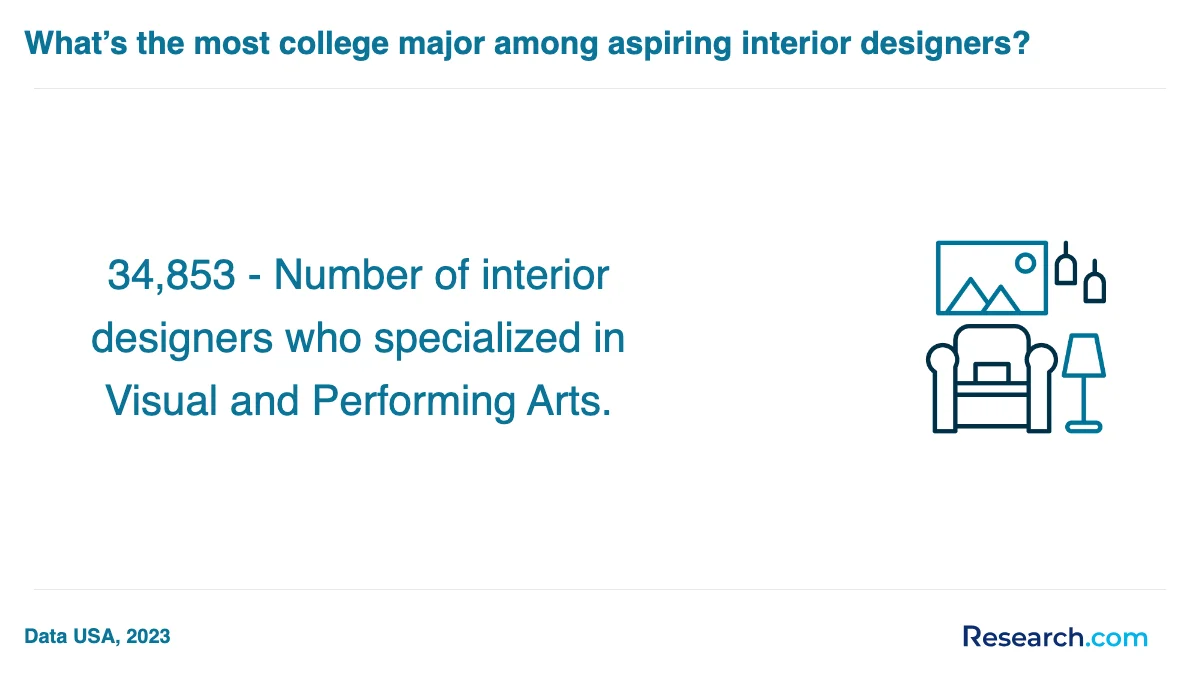
Interior designer trade school programs in Missouri cover a range of essential courses that equip students with practical skills and creative expertise. Graduates often highlight how hands-on classes like free-hand drawing, hand drafting, and computer-aided drafting (CAD) helped them confidently communicate their design ideas in real projects.
Key courses include:
- Design principles and elements: mastering form, balance, proportion, and color through studio work and practical applications.
- Color theory and lighting: understanding how light and color affect mood and functionality in interior spaces.
- Building systems and codes: learning fire safety and life safety codes to ensure compliant and secure designs.
- Furniture, finishes, and equipment selection: evaluating materials and textiles for diverse project needs.
- Sustainable design: incorporating eco-friendly solutions that resonate with today's environmental concerns.
Graduates from popular Missouri trade schools consistently mention professional practice courses that sharpen client communication, business skills, and ethical standards, preparing them for real-world challenges. Many also appreciate the inclusion of history of architecture and interiors, which deepens their creative perspective.
Interior design trade school programs in Missouri offer diverse specializations that reflect the state's dynamic industry needs. Graduates from popular trade schools in Missouri often highlight their experience in areas like residential design, where they create inviting homes tailored to client lifestyles. Others focus on commercial design, mastering space planning for offices and retail, enhancing both function and style. Many students enjoy sustainable design, learning to incorporate eco-friendly materials and energy-efficient solutions, a growing trend in Missouri interior design program specializations.
Additional specializations include healthcare design, which trains students to create healing environments that meet strict health codes, and kitchen and bath design, emphasizing practical yet stylish solutions. Lighting design also plays a significant role, teaching future designers how to use light to transform spaces. Universal design ensures accessibility for all users, fostering inclusive environments.
These focused skills prepare students for varied roles within the field, allowing them to explore multiple paths. For a broader view of possible futures, check out interior design career options.
Start by prioritizing programs accredited by the Council for Interior Design Accreditation (CIDA) in Missouri, such as those at the University of Central Missouri or Southeast Missouri State University. Graduates often share how this accreditation opened doors to sit for the NCIDQ Exam, a vital credential for career advancement. Hands-on learning and real-world projects at these schools help build confidence and creativity, making the experience rewarding and practical.
When you compare Missouri interior design program costs, consider not just tuition but also access to facilities and faculty expertise. For instance, Maryville University offers supportive environments where students feel encouraged to explore their creative potential. Many graduates highlight how internships arranged through university networks eased their transition into the workforce.
Think about your goals and lifestyle too. Flexible scheduling options at some schools accommodate working students. Visiting campuses and talking to current students can help identify which program fits your needs best. Understanding what level of education is required to become a video game designer might inspire you to explore interdisciplinary skills that enhance your interior design career.

Interior designer trade school graduates in Missouri find diverse interior design career opportunities in Missouri, ranging from residential and commercial design to specialized fields like healthcare and hospitality. Many graduates from prominent schools such as Southeast Missouri State University quickly secure roles as interior designers, design consultants, or architectural designers, showcasing the strong demand in the local job market.
Beyond direct design roles, graduates explore jobs for interior design graduates in Missouri in project management, purchasing, and sales roles within design and construction sectors, offering attractive salary prospects. Some alumni advance by earning specialized certificates in kitchen and bath design, interior staging, or sustainability consulting, which opens niche career paths.
Graduates often share how their programs helped them connect with Missouri-based firms like Thistle Hill Design, facilitating smooth workforce entry. Many also choose to continue education or switch paths confidently, supported by programs offering practical skills and industry exposure. For insights into artistic career paths related to design, explore artistic career paths.
The interior designer job market in Missouri offers steady opportunities but is competitive for trade school graduates. Around 2,274 interior designers work in the state, with modest growth of 3.8% annually from 2020 to 2025. Graduates from popular trade schools in Missouri often find the need to build strong portfolios and practical experience to stand out, especially since Missouri ranks 50th in interior designer salaries nationwide. Entry-level salaries in cities like Kansas City average $43,676, while those with a few years of experience can earn up to $56,545.
Graduates relate that gaining hands-on experience through internships or local projects significantly improves job prospects. Advice from Missouri trade school alumni includes:
- Networking within Missouri's design communities
- Staying updated on commercial and residential trends impacting local demand
- Considering accelerated online architecture degree programs to expand skills and credentials
Understanding the interior design employment outlook Missouri shows that while job postings are limited, dedicated preparation pays off. Missouri's steady market means new designers can thrive with persistence and a reliable portfolio.
Best Interior Design Training Programs & Schools - Top Interior Design Schools in Missouri for 2026
# 1 position
Saint Louis Community College - Interior Design.
associateSaint Louis Community College offers a hybrid Interior Design program that prepares students to plan, design, and furnish residential and commercial spaces using artistic principles. The curriculum covers computer applications, drafting, lighting, acoustics, furniture, textiles, historic styles, structural design, and building codes. The annual in-state tuition is $3,660. Graduates have a median earning of $25,929 one year after completion. The program is accredited by the Higher Learning Commission.
# 2 position
Stevens-The Institute of Business & Arts - Interior Design.
associateThe Interior Design program at Stevens-The Institute of Business & Arts offers a hybrid format with some distance-education options. It trains students in artistic principles and professional techniques for designing residential and commercial interior spaces. The curriculum covers computer applications, drafting, lighting, acoustics, color coordination, furniture, textiles, structural design, building codes, and various design applications. Annual in-state tuition is $12,968. The program is accredited by the Accrediting Commission of Career Schools and Colleges.
# 3 position
Saint Louis Community College - Interior Design.
certificate or diplomaSaint Louis Community College offers a Hybrid Interior Design program that prepares students to professionally plan, design, and furnish residential and commercial spaces. The curriculum covers computer applications, drafting, lighting, acoustics, color coordination, furniture, textiles, structural design, building codes, and inspection regulations. The program’s annual in-state tuition is $3,660, and median earnings one year after completion are $25,929. It is accredited by the Higher Learning Commission.
Frequently Asked Questions about interior designer
After completing an interior designer trade school in Missouri, preparing for the job market involves several practical steps. First, building a professional portfolio showcasing your best design projects is essential. Employers in Missouri often prioritize hands-on experience, so including real-world work or internships enhances your chances.
Networking is also crucial. Joining local organizations such as the American Society of Interior Designers (ASID) Missouri chapter can connect you with industry professionals and job opportunities. According to the Missouri Economic Research and Information Center, the demand for interior designers in Missouri is expected to grow by 6% through 2030, highlighting a positive job outlook.
Additionally, consider obtaining the National Council for Interior Design Qualification (NCIDQ) certification, which is valued by many employers and may be required for certain positions. Finally, staying updated on software skills like AutoCAD and SketchUp, commonly used in Missouri design firms, will improve employability.
Employers in Missouri seek interior designer trade school graduates who demonstrate strong technical and creative skills. Proficiency in computer-aided design (CAD) software, such as AutoCAD and SketchUp, is essential, as these tools are widely used in the industry for drafting and visualization. According to the U.S. Bureau of Labor Statistics, candidates with hands-on experience in these programs are 25% more likely to secure entry-level positions.
Additionally, knowledge of building codes, space planning, and materials selection is highly valued. Missouri employers emphasize effective communication skills to collaborate with clients, contractors, and team members. Time management and problem-solving abilities are also critical, ensuring projects meet deadlines and budgets.
Understanding sustainable design principles is increasingly important, reflecting national trends toward eco-friendly interiors.
Finding internships in Missouri relevant to interior designer trade school programs involves leveraging several local and statewide resources. Start by contacting your trade school's career services office, as many schools maintain partnerships with design firms and businesses offering internships.
Additionally, Missouri's Department of Higher Education & Workforce Development provides resources and job boards tailored to creative industries. Networking through professional organizations like the American Society of Interior Designers (ASID) Missouri chapter can connect students with internship opportunities.
According to the Missouri Economic Research and Information Center, design-related occupations in Missouri are projected to grow by 5% through 2030, increasing internship demand. Online platforms such as Handshake and local job fairs also list relevant internships specific to the state.
Obtaining a diploma from an interior designer trade school in Missouri can significantly impact career mobility and advancement. Trade schools provide focused, practical training that meets industry needs, often allowing graduates to enter the workforce more quickly than traditional four-year degrees. According to the Missouri Economic Research and Information Center, the interior design field in Missouri is expected to grow steadily, increasing job opportunities for qualified professionals.
Having a diploma can also enhance credibility with employers and clients, helping graduates qualify for entry-level design positions and apprenticeships. Many trade schools emphasize hands-on experience, which is highly valued in Missouri's competitive market. This practical skill set, combined with a diploma, can open doors to higher-paying roles and supervisory responsibilities over time.
Furthermore, some Missouri employers prefer candidates with formal trade school training because these programs often align closely with state licensing requirements for interior designers. While a trade school diploma alone may not fulfill all licensing criteria, it provides a strong foundation for further certification and professional development, which are crucial for long-term advancement within the state.
Part-time job opportunities in Missouri that complement interior designer trade school education often involve roles in retail, home improvement, and design assistance. Positions such as sales associate at furniture or home decor stores provide practical experience with materials and customer preferences.
Many students also find internships or assistant roles with local interior design firms, which allow hands-on learning in project planning and client interaction. Additionally, working in architectural drafting or CAD technician roles can sharpen technical skills relevant to design.
The U.S. Bureau of Labor Statistics reports that Missouri's employment in interior design-related occupations is expected to grow steadily, enhancing opportunities for part-time work that supports educational goals.
To find the best Interior Designer degree program near me in Missouri, you can start by researching local colleges or universities with a strong reputation in design and creative arts. Many institutions, especially in urban areas, offer specialized programs or degrees in Interior Design that are well-suited for aspiring professionals. Utilizing resources like Research.com can also help you identify top-rated programs near Missouri to guide your decision-making.
- Best Interior Design Training Programs & Schools - Top Interior Design Schools in Kansas for 2026
- Best Interior Design Training Programs & Schools - Top Interior Design Schools in Iowa for 2026
- Best Interior Design Training Programs & Schools - Top Interior Design Schools in Oklahoma for 2026
- Best Interior Design Training Programs & Schools - Top Interior Design Schools in Illinois for 2026
- Best Interior Design Training Programs & Schools - Top Interior Design Schools in Indiana for 2026
- Best Interior Design Training Programs & Schools - Top Interior Design Schools in Minnesota for 2026
- Best Interior Design Training Programs & Schools - Top Interior Design Schools in Wisconsin for 2026
- Best Interior Design Training Programs & Schools - Top Interior Design Schools in Colorado for 2026
- Best Interior Design Training Programs & Schools - Top Interior Design Schools in Mississippi for 2026
- Best Interior Design Training Programs & Schools - Top Interior Design Schools in Ohio for 2026
- Interior Design Trade Schools & Training Programs https://www.best-trade-schools.net/programs/arts-design/interior-design/
- Interior Design School Requirements & How Long Does It Take https://planner5d.com/blog/design-school-requirements/
- Interior designer | Explore Careers | National Careers Service https://nationalcareers.service.gov.uk/job-profiles/interior-designer
- Interior Design Schools & Career Information https://www.trade-schools.net/design/interior-design
- Your Guide to Becoming an Interior Designer - Villa Maria College https://www.villa.edu/heres-what-you-need-to-know-about-becoming-an-interior-designer/
- Interior Designers : Occupational Outlook Handbook: : U.S. Bureau of Labor Statistics https://www.bls.gov/ooh/arts-and-design/interior-designers.htm
- How to Become an Interior Designer https://newschoolarch.edu/how-to-become-an-interior-designer/
- Interior designers: who are they, what they do and how to become one https://www.ied.edu/profession/interior-designer
- How much can an Interior Designer make | Billy Blue at Torrens University https://www.torrens.edu.au/stories/blog/design/how-much-can-an-interior-designer-make
- Interior Designers: Salary, career path, job outlook, education and more - RaiseMe https://www.raise.me/careers/arts-and-design/interior-designers/


