
Best Interior Design Training Programs & Schools - Top Interior Design Schools in Indiana for 2026

Co-Founder and Chief Data Scientist
Choosing the right interior design trade school in Indiana can shape your future career and creativity. This article introduces a carefully crafted ranking of interior designer trade school programs, developed by the Research.com team of data scientists. It’s designed to guide you toward the best options that fit your goals and interests.
By exploring these top programs, you can find the education and certification that will open doors in the vibrant world of interior design. Whether you’re starting fresh or seeking to enhance your skills, this guide supports your journey with clear, reliable information.
Key benefits of finishing interior designer trade school in Indiana
- Graduates of interior designer trade schools in Indiana can expect starting salaries typically between $40,202 and $55,602 annually, with median pay around $50,702, offering a solid foundation for a rewarding career.
- Many graduates from popular Indiana trade schools pursue roles such as junior interior designers, project coordinators, or space planners, gaining valuable hands-on experience that opens doors to advanced positions.
- Completing an interior design trade school online offers flexibility and convenience, allowing graduates to balance work and study while still accessing quality instruction, as demonstrated by successful alumni from well-known Indiana online programs.
- Best Interior Design Training Programs & Schools - Top Interior Design Schools in Indiana for 2026
- What can I expect from interior designer trade schools in Indiana?
- Where can I work after finishing interior designer trade schools in Indiana?
What can I expect from interior designer trade schools in Indiana?
Enrolling in an interior designer trade school in Indiana means diving headfirst into a world where creativity meets hands-on skill. Imagine yourself at Ivy Tech, balancing 60 credits that blend general education with deep dives into design fundamentals-space planning, kitchen and bath design, and studio projects that push you to solve real-world challenges.
Graduates often share how building a portfolio through these studio courses becomes their proudest achievement, a tangible proof of their evolving style and technical prowess that impresses future employers.
Internships aren't just a checkbox; they're gateways. Picture working alongside professionals in Indianapolis or Louisville, gaining insider knowledge and connections that make the transition from classroom to career feel exciting, not daunting.
At Purdue, students marvel at mastering cutting-edge tech like BIM and virtual reality, tools that turn abstract ideas into immersive designs. Faculty there, industry pros themselves, ensure you're learning what's current and essential.
Expect to graduate ready-not just with skills but with confidence and a network, stepping into roles like interior or kitchen and bath designer with a 95% job placement rate backing your leap.
Where can I work after finishing interior designer trade schools in Indiana?
Graduates from interior designer trade schools in Indiana often find themselves stepping directly into vibrant roles that blend creativity with practical impact. Imagine working as an interior designer in a bustling Indianapolis firm, crafting residential spaces where families gather and memories form, or consulting for commercial projects that define a company's brand identity. Many Indiana trade school alumni share stories of starting as design consultants or project managers, guiding clients through color choices and furniture selections with confidence gained from hands-on training.
Others discover unique paths beyond traditional firms-some dive into museum exhibition design, curating immersive environments that tell stories, while a few channel their skills into retail display design or theater set creation, making everyday spaces extraordinary. Indiana's furniture retailers and home improvement companies also eagerly hire these graduates, where style sense and communication skills shine.
Working in cities like Merrillville or Madison, graduates often describe the excitement of collaborating with construction teams to transform blueprints into reality. The trade school experience in Indiana equips students not just with design know-how, but with the ability to thrive across diverse, rewarding career landscapes.
After finishing an interior designer trade school program in Indiana, graduates step into a world where their creativity can pay off quite well. Imagine a recent graduate from one of Indiana's popular trade schools walking into their first job, earning around $50,700 a year. That's enough to start crafting your dream life while sharpening your design skills.
Most designers in the state earn between $55,200 and $79,000 annually, with the top talent making close to $91,000. Picture a graduate in Indianapolis, slowly climbing the ladder from about $46,200 in their early years to $64,000 as their portfolio and client base grow.
It's common for new designers to feel the thrill of their first paycheck, even if it's on the lower end, around $30,600. But with dedication, certifications, or specializing in trendy areas like sustainable design, that number can rise quickly, turning passion into a rewarding career right here in Indiana.
- Most programs require a high school diploma or GED, with some asking for a minimum GPA or an art portfolio.
- Program options include certificates, two-year associate degrees, and four-year bachelor's degrees, such as Ivy Tech's 60-credit AAS program.
- Accreditation from bodies like CIDA is important for quality and eligibility to take the NCIDQ exam.
- Tuition for associate degrees at Indiana community colleges typically ranges from $4,000 to $8,000 for in-state students, excluding fees and materials.
- Entry-level interior designers in Indiana usually earn between $35,000 and $45,000 annually, with experienced designers earning $50,000 to $60,000 or more.
In Indiana, completing an interior designer trade school program typically takes about 12 to 18 months, depending on the school and whether you study full-time or part-time. Imagine diving into hands-on projects at one of the state's popular trade schools, where graduates often recall how quickly the months flew by as they transformed empty rooms into vibrant, functional spaces. The intense, focused curriculum means you're not stuck in endless theory but actively crafting designs that you can be proud of.
For many, balancing life and study feels doable because the programs are designed with flexibility-some nights and weekends spent sketching layouts or choosing color palettes make the learning process engaging rather than overwhelming. Graduates commonly share how the swift pace of the program kept their excitement alive, fueling their passion to jump into Indiana's design scene without years of delay.
Picture juggling a full-time job and family while diving into your interior design dreams from the comfort of home-this is the reality for many online students at Ball State University's Master's program. They tap into video lectures and digital assignments, crafting their skills on their own clock, often feeling empowered by the flexibility. These graduates rave about the Certified Residential Interior Designer course through Indiana Tech, which not only fits their hectic lives but also primes them for big certifications like the RIDQC and NCIDQ.
Now, imagine stepping into Indiana State University's buzzing design studios, surrounded by classmates sketching and building models side-by-side. On-campus students thrive on hands-on projects, instant feedback from professors, and the thrill of real-world internships and field trips. Their days are packed with collaboration and networking, creating bonds that often open doors in Indiana's design community.
Both paths lead to success, but online demands self-motivation while on-campus thrives on face-to-face energy and resources. Either way, Indiana's trade schools ensure you're ready to shine in the design world.
When diving into the world of Indiana's interior designer trade schools, understanding the average tuition fees for interior design programs in Indiana is crucial. Students eyeing Ivy Tech Community College, a popular choice, find themselves investing roughly $10,703 for a hands-on Associate of Applied Science degree. Graduates often recall the balance between rigorous courses and creative freedom, justifying the cost with the portfolio-building experiences gained. Meanwhile, shorter technical certificates cost about $5,530, offering a quicker path to industry-ready skills without breaking the bank.
Then there are public universities like Purdue University and Indiana University Bloomington, where the cost jumps. Purdue's Bachelor of Fine Arts in Interior Design charges around $9,992 annually for in-state students but stretches significantly higher for out-of-state learners. Indiana University's scheme leans toward $11,221 per year for locals but can hit up to $37,600 for those paying out-of-state tuition. These numbers reflect not just instruction but a vibrant campus atmosphere that many graduates fondly remember as the backbone of their professional growth.
Beyond tuition, the cost of obtaining an interior design diploma in Indiana includes books and supplies ranging from $500 to $1,000 annually, plus specialized materials sometimes escalating to $5,000 a year. Imagine juggling those expenses while crafting your dream space designs - a challenge seasoned students happily embrace. For those curious about exploring extended options, consider checking out online interior design degrees to see how costs and flexibility can vary.

Imagine stepping into Ball State University's interior design studio, knowing that your dreams aren't just fueled by creativity but by solid financial aid backing you up. Many graduates recall the relief of receiving Pell Grants and Federal Supplemental Educational Opportunity Grants (FSEOG), which helped cover tuition without drowning in debt. Indiana's FAFSA process opens doors to these federal aids, making it easier for residents to unlock funding.
Indiana State University students often talk about the boost from state-specific programs like the Indiana Frank O'Bannon Grant and the 21st Century Scholars Program-tailored to support Hoosiers with financial need pursuing in-state interior design programs. That extra layer of support feels like a safety net, cushioning the journey through coursework and design projects.
Departmental scholarships at these trade schools add another vibrant stroke to the financial picture. Graduates remember how Ball State's Construction Management and Interior Design Department awards personalized scholarships, turning hard work into tangible aid. Plus, organizations like ASID Indiana throw in competitive scholarships, igniting hope and excitement for students ready to transform spaces and lives.
To step into an interior designer trade school program in Indiana, you don't need a magic key, but there are a few essentials that open the door. Most popular schools here look for a high school diploma or GED-think of it as your creative passport to the world of design.
Graduates often recall the excitement of submitting a simple application paired with a personal statement. This is your moment to share why colors, textures, and layouts make your heart race.
Some schools encourage or require:
- Basic math and English skills-because clear communication and budgeting are part of the craft.
- A portfolio or samples of creative work, even if just sketches or room ideas from your own space.
- A positive attitude and eagerness to learn, which can sometimes outweigh strict academic prerequisites.
Imagine walking through a campus in Indiana, buzzing with students who, like you, brought their love for transforming spaces. They didn't come with a perfect background-just a readiness to dive in and hands-on passion that Indiana trade schools celebrate and nurture.
At Indiana's interior designer trade schools, students dive into courses that blend creativity with hands-on skills, setting the stage for vibrant careers. Graduates often recall starting with foundational classes like "Introduction to Interior Design" and "Space Planning for Interiors," where they learned to orchestrate the flow and function of rooms-imagine reimagining your own living room layout with newfound confidence. Core courses include:
- Color and Lighting, exploring moods and atmospheres through hues and brightness
- Textiles for Interiors, understanding fabric choices for comfort and style
- Interior Materials and Applications, selecting finishes that blend beauty with durability
Technical mastery is key: CAD drafting and BIM classes equip students to create precise digital blueprints, just like those used in real Indiana design firms. Studio electives allow students to tackle projects from kitchen renovations to sustainable design, building portfolios that wow employers. Internships connect classroom ideas with real-world spaces, fueling excitement and professional growth. The blend of artistic passion and practical know-how makes these programs a launchpad for success.
Interior design specializations in Indiana are rich and varied, reflecting the state's dynamic trade school programs. Imagine a graduate from Ivy Tech Community College passionately crafting cozy, stylish homes through their residential interior design focus, mastering every curve of space planning and environmental design. Another grad from Indiana University Bloomington might thrive in commercial interior design, where office layouts and public spaces become invitations for productivity and brand identity, enhanced by deep knowledge of ergonomics and building systems.
Indiana interior design program concentrations also embrace the future with sustainable design, as seen at Indiana State University. Here, students learn to weave eco-friendly materials and energy-efficient solutions into stunning interiors that respect our planet.
- Historic preservation at Ball State University lets students reconnect with the past, restoring timeless interiors with skilled hands and attentive minds.
- Additional pathways include furniture design, lighting design, and universal design, each offering a chance to specialize in unique aspects of interior environments tailored to personal passion.
These diverse options spark creativity and confidence, drawing in students eager to transform spaces into emotive, functional art. If you want to accelerate your journey, consider an accelerated architecture degree online to blend speed with immersive learning.
When choosing the best interior designer trade school programs in Indiana, accreditation should be your North Star-look for programs recognized by trusted agencies like the Council for Interior Design Accreditation (CIDA). Graduates from Indiana State University often share how accreditation boosted their confidence, knowing their education meets real-world standards. Dive into the curriculum and seek out schools that balance core design principles with exciting specializations, like healthcare or historic restoration, so you can tailor your expertise.
Picture yourself working in a high-tech design studio, like those at Indiana State University, equipped with industry-standard software: this hands-on environment fuels creativity and skill-building. Internship opportunities in vibrant cities such as Chicago or Indianapolis propel students into the market, connecting passion with career momentum. Faculty with rich professional backgrounds offer mentorship that turns classroom theory into inspiring practice.
For many Indiana students aiming for licensure, programs that prepare you for the NCIDQ exam are crucial. Alumni success stories reveal how a strong school network sparks swift job placement. Curious about financing your future? Check out the cheapest online master's degree in architecture for affordable options beyond Indiana's borders.

Graduates from Indiana's interior designer trade schools, like those at Ivy Tech, step into a vibrant spectrum of interior design career opportunities in Indiana, ranging from the hands-on roles of kitchen and bath designers to the creative realms of retail or commercial facilities design. Many find themselves thriving in visual merchandising or managing landscapes, backed by real-world projects and internships that sharpen their portfolios while still in school.
Indiana State University grads often share similar success stories, landing jobs not only in traditional studios but also in corporate facilities management, government offices, or museum exhibition design. Here's a glimpse at typical jobs for interior designer graduates in Indiana:
- Entry-level interior designer or commercial facilities designer
- Retail space planner focused on brand-driven environments
- Trade show setup specialist or exhibit designer
- Sales or marketing roles within design-focused companies
For those curious about alternative paths beyond interiors, some graduates expand into education or pursue certifications like NCIDQ, which open doors to specialized healthcare or hospitality environments. The journey is flexible-whether honing skill sets or climbing into highly sought-after mid-level jobs, the satisfaction of placing creativity in real spaces is a common success story in Indiana. Curious about a niche creative field? Check out video game designer jobs entry level for inspiration on creative career parallels.
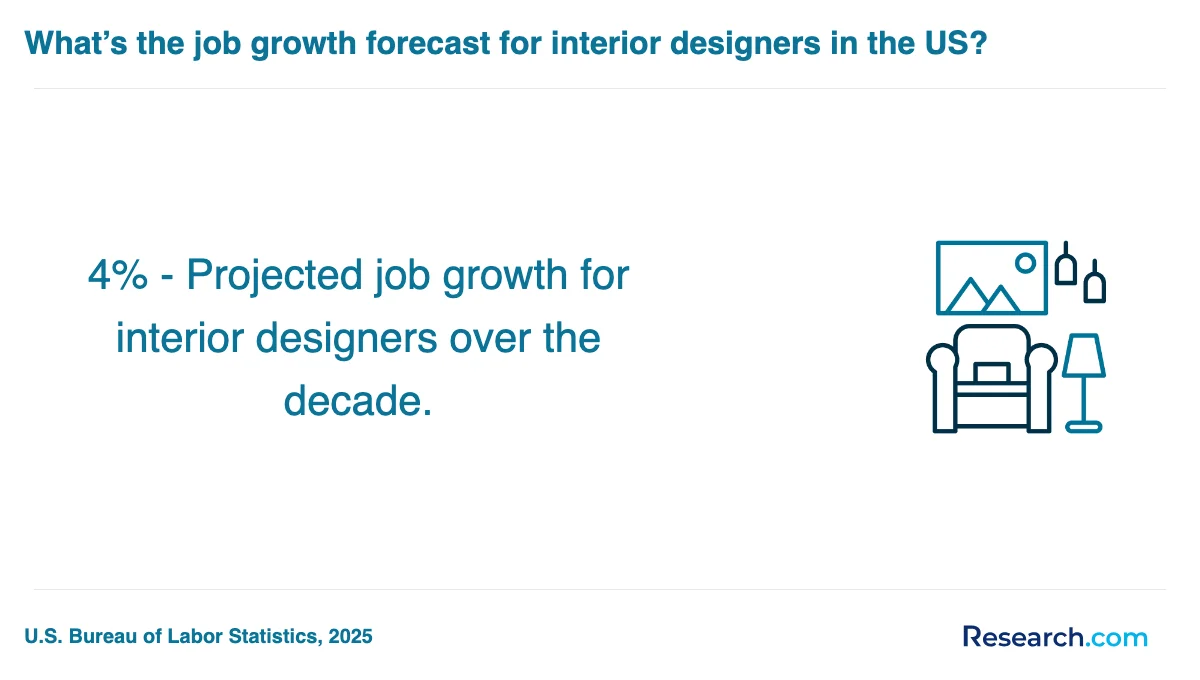
Interior designer trade school graduates in Indiana are stepping into a job market buzzing with opportunity. Imagine finishing your hands-on training at one of the state's top trade schools, and within months, you're exploring about 100 annual job openings tailored just for your skills. The interior design job outlook in Indiana is fueled by a 7.3% growth projection through 2026-well above the national average. Graduates often share how their classroom projects, from revamping cozy residential spaces to planning upscale commercial interiors, mirror the diverse roles employers seek in Indiana.
The employment opportunities Indiana offers include:
- Residential and hospitality design
- Commercial and healthcare projects
- Consulting and merchandise resale
One graduate from an Indiana trade school described landing a design consultant role swiftly, attributing it to the real-world skills honed during training. Salary ranges are competitive locally, averaging $69,320 annually. Although Indiana ranks 50th for designer salaries, the volume of opportunities plus approximately 1,090 interior designers working statewide creates an energizing environment for newcomers. For those hunting for jobs related to interior design, online boards brim with nearly 80 open postings, showcasing steady demand and rewarding paths.
Best Interior Design Training Programs & Schools - Top Interior Design Schools in Indiana for 2026
# 1 position
Ivy Tech Community College - Interior Design.
associateIvy Tech Community College offers a hybrid Interior Design program focused on applying artistic principles to residential and commercial spaces. The curriculum includes computer applications, drafting, lighting, acoustics, furniture, textiles, and building codes. The program is accredited by the Higher Learning Commission. Annual in-state tuition is $4,912, and median earnings one year after completion are $26,602. This program prepares students for professional planning and design roles in various environments.
# 2 position
Indiana University-Indianapolis - Interior Design.
associateIndiana University-Indianapolis offers a hybrid Interior Design program focused on applying artistic principles to the planning and furnishing of residential and commercial spaces. The curriculum includes computer applications, drafting, graphic techniques, lighting, acoustics, color coordination, furniture, textiles, structural design, building codes, and design applications in various settings. The program’s annual in-state tuition is $10,449, and it is accredited by the Higher Learning Commission.
# 3 position
Ivy Tech Community College - Interior Design.
certificate or diplomaIvy Tech Community College offers a Hybrid Interior Design program that prepares students to plan, design, and furnish residential and commercial spaces. The curriculum covers computer applications, drafting, lighting, acoustics, color coordination, furniture, textiles, and building codes. Annual in-state tuition is $4,912. Graduates earn a median salary of $26,602 one year after completion. The program is accredited by the Higher Learning Commission.
# 4 position
Indiana University-Indianapolis - Interior Design.
certificate or diplomaIndiana University-Indianapolis offers a hybrid Interior Design program focused on applying artistic principles to residential and commercial spaces. The curriculum includes computer applications, drafting, lighting, acoustics, furniture, textiles, and building codes. The annual in-state tuition is $10,449. The program is accredited by the Higher Learning Commission and prepares students for professional work in diverse environments such as offices, hotels, factories, and restaurants.
Frequently Asked Questions about interior designer
After completing an interior designer trade school program in Indiana, preparing for the job market involves building a strong professional portfolio that showcases your design skills and completed projects. Networking is crucial; consider joining local chapters of the American Society of Interior Designers (ASID) or attending industry events in Indianapolis and other cities.
Internships or apprenticeships offered through trade schools or local firms provide practical experience valued by employers. According to the U.S. Bureau of Labor Statistics, Indiana's interior design job market is expected to grow moderately, so gaining hands-on experience can improve employability.
Finally, pursuing professional certification, such as the National Council for Interior Design Qualification (NCIDQ), can enhance credibility and job prospects within the state.
Employers hiring interior designer trade school graduates in Indiana prioritize a mix of technical and soft skills. Proficiency in computer-aided design (CAD) software is essential, as 78% of design firms in Indiana emphasize digital drafting capabilities (Indiana Department of Workforce Development, 2023). Strong spatial awareness and creativity are also critical for developing functional and appealing interiors.
Communication skills rank high, with employers expecting graduates to clearly present ideas to clients and collaborate with contractors. Time management and the ability to handle multiple projects simultaneously are valued, especially in fast-paced environments.
Knowledge of local building codes and sustainability practices is increasingly sought after, reflecting Indiana's evolving construction standards and green building trends.
Finding internships relevant to an interior designer trade school program in Indiana involves targeted research and networking. Students should start by contacting their school's career services, which often maintain partnerships with local design firms and can connect students to paid and unpaid internships.
Industry organizations like the American Society of Interior Designers (ASID) Indiana chapter frequently post internship opportunities and offer networking events. Additionally, platforms such as Indiana Career Connect provide listings for design internships statewide.
According to Indiana's Department of Workforce Development, internships in interior design fields have grown by 8% over the past three years, reflecting increasing demand for hands-on experience.
Engaging with local businesses through job fairs and professional associations can further increase chances of securing a valuable internship.
Obtaining a diploma from an interior designer trade school in Indiana can significantly enhance career mobility and advancement opportunities. These programs focus on practical skills and industry standards, enabling graduates to meet local employers' needs effectively. According to the Indiana Department of Workforce Development, the demand for interior designers in the state is projected to grow by 5% through 2030, reflecting steady job prospects.
Trade school diplomas often streamline entry into the workforce compared to traditional degrees, offering faster completion times and hands-on experience. This can lead to quicker promotions or transitions into specialized roles such as residential or commercial design. Additionally, many Indiana employers recognize trade school credentials as valuable, especially when combined with internships or portfolio work.
While a diploma does not replace licensure requirements, it can serve as a stepping stone toward certification exams, which further improve career advancement. Data from the Bureau of Labor Statistics indicates that interior designers with formal training tend to earn higher median wages, supporting upward social mobility.
Students enrolled in interior designer trade schools in Indiana can benefit from part-time jobs that align with their field of study. Positions such as assistant roles in local design firms or home improvement stores provide hands-on experience with materials, client interaction, and project management. These jobs offer practical skills that complement classroom learning.
Retail jobs at stores like Lowe's or Home Depot are common choices, allowing students to understand product specifications and customer preferences. According to the U.S. Bureau of Labor Statistics, Indiana's design-related employment grew moderately by 3% over the past five years, signaling opportunities in the sector.
Additionally, internships or freelance work assisting licensed interior designers can provide valuable networking and portfolio-building chances. These part-time roles help students apply design principles and software skills in real-world settings, improving their job readiness upon graduation.
To find the best Interior Designer degree program near me in Indiana, consider researching accredited universities and colleges that offer reputable programs in interior design. Explore institutions both in-state and those located in cities near Indiana known for their academic excellence in design fields. Consulting authoritative sources like Research.com can provide valuable insights into the top-ranking programs and help you locate the best-fit options according to your needs and location.
- Best Interior Design Training Programs & Schools - Top Interior Design Schools in Ohio for 2026
- Best Interior Design Training Programs & Schools - Top Interior Design Schools in Illinois for 2026
- Best Interior Design Training Programs & Schools - Top Interior Design Schools in Michigan for 2026
- Best Interior Design Training Programs & Schools - Top Interior Design Schools in Wisconsin for 2026
- Best Interior Design Training Programs & Schools - Top Interior Design Schools in Missouri for 2026
- Best Interior Design Training Programs & Schools - Top Interior Design Schools in Iowa for 2026
- Best Interior Design Training Programs & Schools - Top Interior Design Schools in Minnesota for 2026
- Best Interior Design Training Programs & Schools - Top Interior Design Schools in Pennsylvania for 2026
- Best Interior Design Training Programs & Schools - Top Interior Design Schools in Georgia for 2026
- Best Interior Design Training Programs & Schools - Top Interior Design Schools in Mississippi for 2026
- The Reality Of Starting An Interior Design Career | Challenges You Need To Know https://www.idbs.online/the-reality-of-starting-an-interior-design-career-challenges-you-need-to-know/
- Biggest Challenges Faced by Interior Designers | Dreamzone https://www.dreamzone.co.in/blog/challenges-that-you-might-face-as-an-interior-designer/
- Issues Facing Interior Design Education in the Twenty–First Century - Denise A. Guerin, 1991 https://journals.sagepub.com/doi/10.1111/j.1939-1668.1991.tb00033.x
- The Pros and Cons of Being an Interior Designer | Planner 5D https://planner5d.com/blog/pros-and-cons-of-being-an-interior-designer/
- Design Challenge: The Many Roles of an Interior Designer - College of Liberal Arts - Purdue University https://www.cla.purdue.edu/academic/rueffschool/ad/interior/design-challenge/roles-of-interior-design.html
- Industry Opportunities - Indiana Design Center https://indianadesigncenter.com/industry-opportunities/
- The job market for interior designers in the United States - CareerExplorer https://www.careerexplorer.com/careers/interior-designer/job-market/
- Interior Designers https://www.bls.gov/oes/2023/may/oes271025.htm
- Academic Programs - New York School of Interior Design https://www.nysid.edu/academic-programs
- Interior Design https://www.fitnyc.edu/academics/academic-divisions/art-and-design/interior-design/index.php


