
Best Interior Design Training Programs & Schools - Top Interior Design Schools in Georgia for 2026

Co-Founder and Chief Data Scientist
Choosing the right interior design trade school in Georgia can set the foundation for a rewarding career. This article introduces the best programs for 2026, carefully ranked by the Research.com team of data scientists to guide your decision-making.
Whether you’re looking for a diploma or certification, finding a reputable school is key to building skills and confidence in this creative field. Reading this guide will help you explore top options and take a confident step toward your future as an interior designer.
Key benefits of finishing interior designer trade school in Georgia
- Graduates from interior designer trade schools in Georgia can expect starting salaries in the low-to-mid $50,000s, with potential to grow up to $126,339 annually as experience increases.
- Career paths include roles like Interior Designer I, project coordinator, or space planner, giving graduates versatile opportunities to work in residential, commercial, or specialized design fields.
- Completing an interior design trade school online offers flexibility and convenience, allowing students to balance work and study while gaining real-world skills valued by employers.
- Best Interior Design Training Programs & Schools - Top Interior Design Schools in Georgia for 2026
- What can I expect from interior designer trade schools in Georgia?
- Where can I work after finishing interior designer trade schools in Georgia?
What can I expect from interior designer trade schools in Georgia?
When enrolling in an interior designer trade school program in Georgia, expect a balanced blend of creativity and technical skill-building that prepares you for the dynamic field of design. Graduates from popular programs often share how hands-on lessons in design principles, color theory, and space planning sparked their passion while practical exercises in drafting and digital software boosted their confidence in real-world tasks.
Students also find value in learning about textiles, lighting, and accessories through immersive projects that mimic client consultations, helping them understand both aesthetic appeal and functionality. Many appreciate how courses integrate business fundamentals like project management and ethics, which proved essential when they began freelance work or joined design firms.
Preparation for industry credentials such as the R.I.D.E. and RIDQC exams is a clear highlight, with trade schools in Georgia providing targeted guidance that graduates say made certification more accessible. Whether attending in-person or online, students enjoy the flexibility and supportive environments that foster creativity and professional growth.
Where can I work after finishing interior designer trade schools in Georgia?
After completing an interior designer trade school program in Georgia, graduates often find themselves stepping into dynamic roles that blend creativity with practical skills. Many begin their careers at residential or commercial design firms in Atlanta, where they contribute to projects like stylish home remodels or innovative office layouts. Imagine working as a Design Consultant, helping clients transform their spaces while building a strong portfolio early on.
Others explore retail environments, assisting customers in selecting furnishings and décor, which sharpens both design instincts and client communication. Trade schools in Georgia often encourage internships, allowing students to gain hands-on experience that leads to permanent positions in local design companies or architectural practices in cities like Kennesaw.
Graduates with strong CAD skills can dive into rendering and visualization roles, creating digital presentations that bring concepts to life for clients. Opportunities also exist within government agencies and corporate real estate teams, where graduates collaborate on space planning and renovations, combining technical knowledge with creative vision. These pathways reflect the diverse and rewarding careers that await those trained in Georgia's interior design trade schools.
Graduates of interior designer trade school programs in Georgia often find that their earning potential starts promisingly, with entry-level salaries typically ranging from $42,000 to $54,900 annually. Many recent grads from well-known Georgia trade schools share how their first jobs in cities like Atlanta offered starting salaries around $42,000 to $46,634, enough to feel encouraged and motivated as they begin their careers.
As these graduates gain experience, their income generally increases. Early-career designers with one to four years of experience report average earnings near $52,075 in Atlanta, showing a clear path of financial growth. Most interior designers in Georgia earn between $49,000 and $70,100 per year, with top earners reaching beyond $80,000 and some exceptional professionals making over $126,000 annually.
These figures reflect full-time roles, often in design firms or construction companies, where location matters-larger cities typically offer higher pay. Graduates from Georgia's trade schools feel optimistic seeing how their skills translate into competitive salaries and exciting career opportunities just months after completing their programs.
- Most interior designer trade school programs in Georgia require a high school diploma or GED, with some asking for a minimum GPA.
- Programs typically offer certificates or associate degrees, which are more affordable and shorter than four-year degrees.
- Curriculum covers design principles, interior architecture, and digital tools like CAD, with some programs accredited by CIDA for professional exam eligibility.
- Costs vary, but these programs usually cost several thousand dollars, providing a lower-cost option than bachelor's degrees.
- Entry-level interior designers in Georgia earn between $36,000 and $42,000 per year, with experienced designers making $60,000 or more.
- Job opportunities include assistant designer roles, retail home furnishings, and showroom sales, especially in urban and growing real estate markets.
Completing an interior designer trade school program in Georgia typically takes between 9 months to 18 months, depending on the school's structure and whether you attend full-time or part-time. Many graduates from well-known trade schools in Atlanta share how this focused timeframe allowed them to quickly transition from classrooms to real-world projects, fueling their passion for design without long delays.
For example, those enrolled full-time often experience an immersive environment where hands-on training and studio work fill most days, making the learning process feel dynamic and engaging. Graduates vividly recall late nights perfecting mood boards or experimenting with color palettes-moments that made the experience both challenging and rewarding.
Part-time students, balancing work or family, appreciate flexible schedules that still lead to certification within a year and a half. This balance helps them steadily build skills without overwhelming pressure, keeping motivation high as they see tangible progress. Georgia's trade schools emphasize practical skills, so students walk away ready to design spaces that inspire and delight.
The key difference between online and on-campus interior designer trade school programs in Georgia lies in how students experience their education. Graduates from Brenau University's online MFA program often describe the freedom to study on their own schedules, balancing work or family while engaging deeply with virtual projects and remote teaching. This flexibility appeals to those who thrive independently and prefer digital interaction over constant in-person attendance.
On the other hand, students at Georgia Southern University or SCAD relish the tactile nature of on-campus programs. They spend hours in studios, handling materials, collaborating face-to-face with faculty, and receiving immediate feedback. These hands-on moments, like experimenting with finishes or using professional-grade tools in lab settings, create a vibrant learning atmosphere that's hard to replicate online.
Both paths foster creativity, but the choice depends on whether you value direct mentorship and physical immersion or the convenience of self-paced, remote study.
The average tuition fees for interior design programs in Georgia vary widely, reflecting differences in institution type and program length. Graduates frequently share how these costs influenced their educational choices. For instance, students at Lanier Technical College pursuing a diploma program encounter a total cost of interior design diploma programs in Georgia around $4,800 for 48 credit hours, plus additional fees, making it an accessible option for many focused on practical skills without prolonged financial commitment.
On the other end, those attending the Savannah College of Art and Design often discuss the impact of paying approximately $38,340 annually for a Bachelor of Fine Arts in Interior Design. When combined with housing fees that can approach $17,000, students appreciate the immersive experience but acknowledge the higher investment compared to diploma programs. Graduate students at SCAD face slightly higher tuition, about $39,240 per year, reflecting advanced specialization opportunities.
Meanwhile, Georgia Southern University presents a clear cost structure with in-state students paying nearly $7,578 annually and out-of-state students up to $21,396, leading many interior designer hopefuls to weigh residency status carefully. Another popular choice is Gwinnett Technical College, praised for its average net price of $12,696 for students receiving financial aid, offering a balance of quality and affordability.
Many aspiring interior designers find it helpful to explore different pathways, considering program costs while envisioning themselves actively building their future in interior spaces. For those interested in exploring broader design career paths, it's worth visiting design career paths to understand the opportunities that follow graduation.
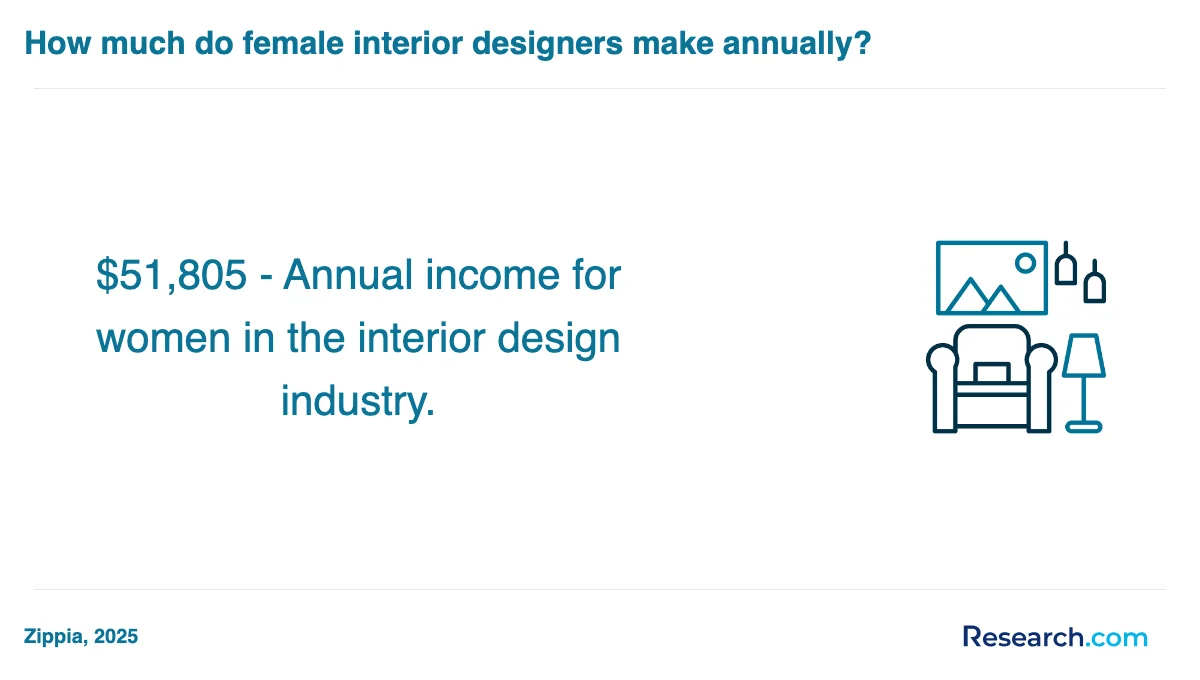
Many interior design students in Georgia find financial aid a vital lifeline in making their education affordable. Those enrolled in accredited programs at public technical colleges like Gwinnett Technical College or Lanier Technical College often tap into federal aid options such as Pell Grants and federal student loans by completing the FAFSA. Graduates from these schools frequently share how this support transformed their ability to focus on learning rather than worrying about tuition, with average annual costs dropping to around $12,700 after aid.
State-based aid, including the HOPE Scholarship and HOPE Grant funded by the Georgia Lottery, further opens doors for Georgia residents pursuing certificate and diploma programs. Many students describe these awards as a powerful boost that rewards their academic efforts while easing financial pressure.
Institutional scholarships at universities like Georgia Southern add another layer of opportunity. Many students recall applying through portals like MyScholarships to access funds tied to merit, major, or community involvement, which often makes the difference in continuing their studies without financial strain.
However, those in non-credit certificate programs-such as online courses at Augusta Technical College or the University of Georgia Center for Continuing Education-may face more limited options, relying on private scholarships or vocational rehabilitation. Understanding program eligibility remains key for every aspiring interior designer in Georgia.
To enroll in an interior designer trade school program in Georgia, prospective students typically need a high school diploma or GED. This foundational requirement ensures that everyone starts with essential skills in reading, writing, and math, which are crucial when learning design principles.
Many graduates from well-known Georgia trade schools share that hands-on experience and a genuine passion for creativity often weigh heavily during admissions. Some programs also ask for a portfolio or evidence of artistic ability, which can include sketches, photography, or even digital designs. This allows students to showcase their unique style and commitment before even stepping into the classroom.
Other common prerequisites include:
- Basic computer skills, especially familiarity with design software
- Strong communication skills to collaborate effectively in team projects
- Sometimes an interview or personal statement to express motivation and career goals
One graduate from a popular Atlanta trade school recalled how preparing a simple portfolio gave them confidence and excitement about the journey ahead. This real-world approach highlights that while academic requirements are important, enthusiasm and a willingness to learn truly open doors in Georgia's interior design trade schools.

Interior designer trade school programs in Georgia immerse students in a rich variety of courses that build both creativity and practical skills. Graduates often recall how foundational classes in drawing and design appreciation sharpened their eye for detail and helped them communicate ideas visually with confidence.
As they advanced, students tackled studio courses focusing on real-world challenges like designing welcoming hospitality spaces or efficient corporate offices. These hands-on projects taught them how to balance aesthetics with functionality, a skill praised by many alumni.
- Technical courses such as computer-aided design (CAD) and Revit software training empower students to bring their visions to life digitally.
- Lighting design and understanding interior building systems ensure environments feel both beautiful and comfortable.
- Materials, color theory, and sustainability classes guide students to choose finishes thoughtfully, often sparking excitement about eco-friendly design.
- Business and professional practice courses prepare students for the realities of client relations, project management, and ethics in the design industry.
- Internships or supervised work-study experiences bridge classroom theory with Georgia's vibrant design market, easing the transition into rewarding careers.
Students from popular Georgia trade schools share how this combination of artistic foundation, technical mastery, and business savvy made them feel ready and inspired to enter the competitive interior design field.
Interior designer trade school programs in Georgia offer a rich variety of options to customize your education according to your passions and career ambitions. Graduates from schools like the Savannah College of Art and Design (SCAD) often talk about how specializing in commercial, residential, or institutional design helped them find clarity in their career path for interior designer. These specializations prepare students to thoughtfully create environments ranging from bustling office spaces to serene private homes and community-focused institutions like schools and hospitals.
The growing emphasis on sustainable and wellness-focused design is another hallmark of Georgia interior designer trade school concentrations. Imagine designing spaces that not only look stunning but support health and eco-conscious living, a skill many graduates say made their portfolios stand out.
- Mastering advanced software tools like AutoCAD and Revit, taught at places such as Dunwoody College
- Exploring themed entertainment or urban design projects, perfect for those excited by immersive experiences and cityscapes
- Crafting personalized specializations at Brenau University where you might delve into lighting or historic preservation
These specialized paths ensure students graduate with both creativity and technical finesse, ready to meet Georgia's diverse industry demands with confidence and practical skill.
When choosing from the best interior design programs in Georgia, accreditation stands out as an essential factor. Graduates from Georgia Southern University, for example, emphasize how CIDA accreditation ensured their education met industry standards, preparing them confidently for the National Council for Interior Design Qualification exam. Looking beyond accreditation, the curriculum focus matters-programs that highlight sustainability and human-centered design often resonate more deeply with students eager to make an impact.
In the realm of top-rated interior design schools in Georgia, personal stories reveal how access to cutting-edge facilities and experienced faculty transform learning into an inspiring journey. One graduate recalls late nights in modern design studios, turning theoretical concepts into tangible portfolios that caught the attention of local design firms in Atlanta and Savannah.
Internships and networking opportunities further elevate the experience, providing invaluable real-world insight and connections essential for launching a rewarding career. For those also considering career pathways, understanding video game designer certification requirements can highlight the value of industry-specific credentials in specialized fields related to design.
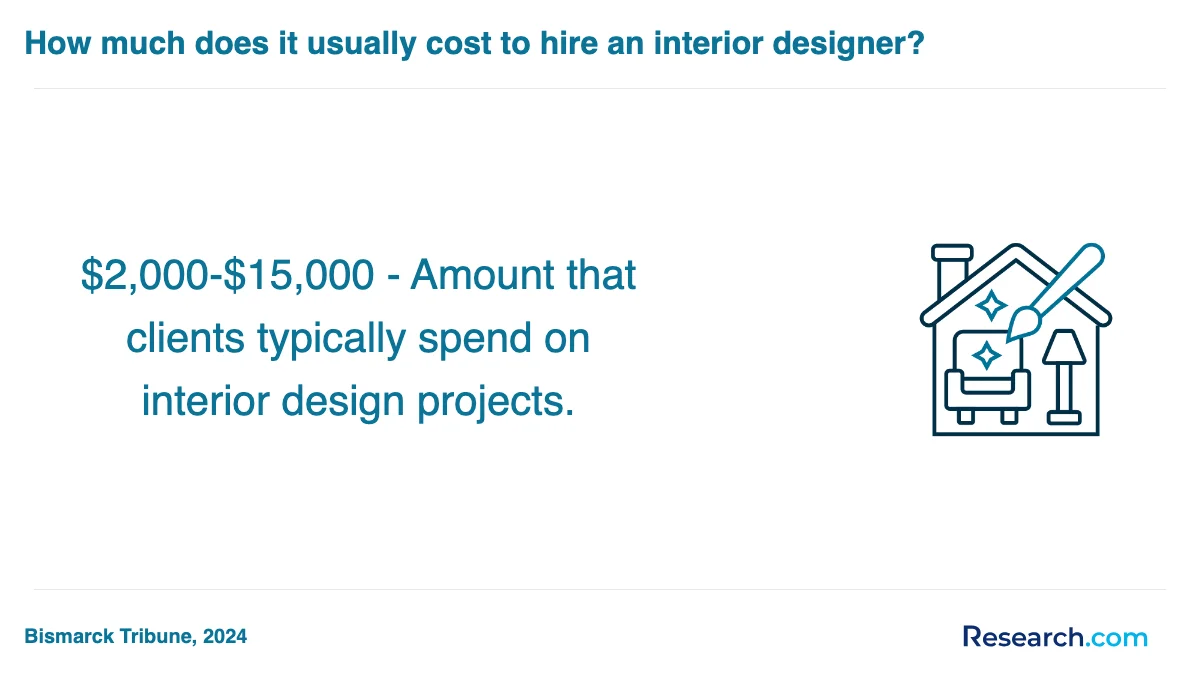
Graduates of interior designer trade school programs in Georgia often find a variety of interior designer jobs for trade school graduates in Georgia that allow them to express creativity while building rewarding careers. Entry-level roles like junior interior designers, design consultants, and kitchen and bath designers are frequently available, particularly in the metro Atlanta area where residential and commercial demand is high. Many trade school alumni share how working on real client projects during their studies prepared them for these exciting positions, helping them confidently assist with space planning and client consultations.
As graduates gain experience, they often pursue career advancement through certifications like the NCIDQ, moving into roles such as project managers or lead designers. Some specialize in high-demand niches such as model home staging or show home design, especially popular in Georgia's bustling real estate markets. Others channel their talents into furniture sales and design consultancy roles, combining design savvy with strong communication.
The strong network within Georgia's design community, bolstered by proximity to major firms and showrooms, enriches these interior design career opportunities in Georgia. Students from top trade schools often leverage internships and connections to jumpstart their careers. For those interested in further growth, exploring the fast track online architecture degree options can offer an accelerated path to broaden skills and open new doors.
The job market for interior designer trade school graduates in Georgia is vibrant and full of potential, especially in bustling hubs like Atlanta. Many graduates from popular trade schools in the state share stories of landing junior designer roles or internships at thriving design firms, leveraging their hands-on training and portfolio work to stand out. Opportunities span residential, commercial, and hospitality sectors, with employers actively seeking fresh talent who bring creativity and practical skills.
Key factors shaping interior designer job growth in Georgia include:
- A strong demand fueled by urban development and ongoing construction projects across the state
- Over 100 openings statewide and more than 110 in the Atlanta metro area alone, making it a hotspot for careers
- Employers valuing trade school credentials combined with internship experience or project leadership
Regarding interior designer salary trends Georgia shows a range from around $49,000 to $95,000 annually. Entry-level designers typically start near the lower end but can quickly progress in metropolitan settings. Benefits like health insurance and 401(k) plans are frequently offered, adding to the appeal of these roles.
For graduates considering further education while working, some explore low cost online architecture masters to deepen their expertise and enhance career prospects without leaving Georgia's workforce.
Best Interior Design Training Programs & Schools - Top Interior Design Schools in Georgia for 2026
# 1 position
Chattahoochee Technical College - Interior Design.
associateThe Interior Design program at Chattahoochee Technical College offers a hybrid learning format with some distance-education options. This program trains students in artistic principles, computer applications, drafting, lighting, acoustics, and color coordination for residential and commercial spaces. The annual in-state tuition is $3,252. Graduates earn a median income of $22,134 one year after completion. The program is accredited by the Southern Association of Colleges and Schools Commission on Colleges.
# 2 position
Chattahoochee Technical College - Interior Design.
certificate or diplomaChattahoochee Technical College offers a hybrid Interior Design program focusing on applied visual arts for residential and commercial spaces. The curriculum covers computer applications, drafting, lighting, acoustics, systems integration, color coordination, furnishings, textiles, historical styles, structural design, building codes, and office, hotel, factory, restaurant, and housing design. Annual in-state tuition is $3,252. Graduates have median earnings of $22,134 one year after completion. The program is accredited by the Southern Association of Colleges and Schools Commission on Colleges.
# 3 position
Lanier Technical College - Interior Design.
associateLanier Technical College offers a Hybrid Interior Design program that prepares students to professionally plan, design, and furnish residential and commercial spaces. The curriculum includes computer applications, drafting, lighting, acoustics, systems integration, and color coordination. Students also study furniture, textiles, interior design history, structural design, building codes, and applications for various commercial environments. Annual in-state tuition is $3,716. The program is accredited by the Southern Association of Colleges and Schools Commission on Colleges.
# 4 position
Lanier Technical College - Interior Design.
certificate or diplomaLanier Technical College offers a hybrid Interior Design program that prepares students for professional planning, designing, and furnishing of residential and commercial spaces. The curriculum includes computer applications, drafting, graphic techniques, lighting, acoustics, and color coordination. It also covers furniture, textiles, structural design, building codes, and office, hotel, factory, restaurant, and housing design. The annual in-state tuition is $3,716. The program is accredited by the Southern Association of Colleges and Schools Commission on Colleges.
# 5 position
Athens Technical College - Interior Design.
associateAthens Technical College offers a Hybrid Interior Design program focused on applying artistic principles to residential and commercial spaces. The curriculum covers computer applications, drafting, lighting, acoustics, color coordination, furniture, textiles, and structural design. Students also study building codes and design history. The annual in-state tuition is $3,172. The program is accredited by the Southern Association of Colleges and Schools Commission on Colleges.
# 6 position
Athens Technical College - Interior Design.
certificate or diplomaAthens Technical College offers a hybrid Interior Design program that prepares students in applied visual arts for planning, designing, and furnishing residential and commercial spaces. The curriculum includes instruction in computer applications, drafting, lighting, acoustics, systems integration, color coordination, textiles, and structural design. The program's tuition is $3,172 annually for in-state students and is accredited by the Southern Association of Colleges and Schools Commission on Colleges.
# 7 position
Gwinnett Technical College - Interior Design.
associateGwinnett Technical College offers a Hybrid Interior Design program that prepares students to professionally plan, design, and furnish residential and commercial spaces. The curriculum includes computer applications, drafting, lighting, acoustics, color coordination, textiles, and building codes. The annual in-state tuition is $3,356. Graduates earn a median salary of $32,851 one year after completion. The program is accredited by the Southern Association of Colleges and Schools Commission on Colleges.
# 8 position
Gwinnett Technical College - Interior Design.
certificate or diplomaGwinnett Technical College offers a Hybrid Interior Design program that prepares students to professionally plan, design, equip, and furnish residential and commercial spaces. The curriculum covers computer applications, drafting, graphic techniques, lighting, acoustics, color coordination, furniture, textiles, structural design, and building codes. Annual in-state tuition is $3,356. Graduates earn a median salary of $32,851 one year after completion. The program is accredited by the Southern Association of Colleges and Schools Commission on Colleges.
Frequently Asked Questions about interior designer
After completing an interior designer trade school in Georgia, preparing for the job market involves several key steps. First, graduates should build a strong portfolio showcasing their best design projects, as employers heavily weigh practical skills. Networking is essential; joining local professional groups like the Georgia chapter of the American Society of Interior Designers (ASID) can open job opportunities. Additionally, obtaining industry certifications such as the National Council for Interior Design Qualification (NCIDQ) can improve credibility and employment prospects. According to the U.S. Bureau of Labor Statistics, Georgia's interior design job market is projected to grow by 4% through 2031, making preparation vital for success.
Employers in Georgia seeking interior designer trade school graduates prioritize a blend of technical and creative skills. Proficiency in computer-aided design (CAD) software, such as AutoCAD and SketchUp, is essential, as these tools are widely used in the industry for drafting and visualization. According to the U.S. Bureau of Labor Statistics, knowledge of building codes and safety regulations is also crucial for ensuring compliant and safe design projects.
Strong communication skills rank highly, enabling designers to collaborate effectively with clients, contractors, and suppliers. Attention to detail and a solid understanding of color theory and space planning are important for creating functional and aesthetically pleasing interiors. Additionally, problem-solving abilities and project management skills help graduates meet deadlines and budgets, which employers in Georgia consistently value.
Finding internships relevant to interior designer trade school programs in Georgia involves several practical steps. Start by exploring resources offered by your trade school, as many maintain partnerships with local design firms and can facilitate internship placements. The Georgia Department of Economic Development highlights that Atlanta is a hub for design-related industries, offering numerous opportunities for hands-on experience.
Utilize online platforms such as Georgia's Workforce Development system, which lists internships and job openings in creative fields. Additionally, professional organizations like the American Society of Interior Designers (ASID) Georgia chapter often post internship opportunities and networking events.
Networking is crucial; attend local design expos, workshops, and career fairs. According to the Bureau of Labor Statistics, internships significantly increase employment chances post-graduation, making early engagement with industry professionals vital. Also, consider contacting local interior design studios directly to inquire about unpaid or paid internships.
Obtaining a diploma from an interior designer trade school in Georgia can significantly enhance career mobility and advancement. According to the U.S. Bureau of Labor Statistics, Georgia's interior design sector is expected to grow by 7% from 2022 to 2032, faster than the national average. A trade school diploma provides practical skills and industry-specific knowledge that employers value, often leading to higher starting salaries and quicker promotion opportunities.
Many Georgia employers prefer candidates with formal training, as diplomas demonstrate commitment and proficiency. Additionally, trade schools often offer networking connections and internship placements, which can open doors to entry-level positions and career growth within the state's competitive market.
Students enrolled in interior designer trade schools in Georgia can benefit from part-time jobs that build relevant skills and industry knowledge. Positions such as design assistant or showroom associate at local furniture stores provide hands-on experience with materials and client interactions. Many students find opportunities in architectural firms or home staging companies, where they can learn about space planning and aesthetics.
According to Georgia's Department of Labor, the state expects a 5% growth in interior design-related roles between 2022 and 2032. Part-time roles in retail design, drafting, or CAD support can enhance technical proficiency. These jobs also help students build professional networks within Georgia's competitive design market.
Yes, there are several reputable universities offering interior design degree programs near Georgia. Prospective students can explore options at institutions such as the Savannah College of Art and Design and the University of Georgia, which provide comprehensive curriculums. Additionally, using Research.com can help find top interior design programs near me, ensuring access to quality education in this field.
- Best Interior Design Training Programs & Schools - Top Interior Design Schools in Florida for 2026
- Best Interior Design Training Programs & Schools - Top Interior Design Schools in North Carolina for 2026
- Best Interior Design Training Programs & Schools - Top Interior Design Schools in Mississippi for 2026
- Best Interior Design Training Programs & Schools - Top Interior Design Schools in Virginia for 2026
- Best Interior Design Training Programs & Schools - Top Interior Design Schools in Missouri for 2026
- Best Interior Design Training Programs & Schools - Top Interior Design Schools in Indiana for 2026
- Best Interior Design Training Programs & Schools - Top Interior Design Schools in Ohio for 2026
- Best Interior Design Training Programs & Schools - Top Interior Design Schools in Maryland for 2026
- Best Interior Design Training Programs & Schools - Top Interior Design Schools in Illinois for 2026
- Best Interior Design Training Programs & Schools - Top Interior Design Schools in Pennsylvania for 2026
- 5 Career Options After You've Earned Your Design Certification https://www.qcdesignschool.com/blog/2022/11/5-career-options-after-youve-earned-your-design-certification
- How nine interior designers got their jobs (plus their advice for someone hoping to do the same) | House & Garden https://www.houseandgarden.co.uk/gallery/how-to-become-an-interior-designer
- What to Do After Graduating Interior Design School (job search, freelancing and advice) https://www.youtube.com/watch
- Becoming An Interior Designer - Should I Get A Job Or Work For Myself? https://www.idbs.online/becoming-an-interior-designer-should-i-get-a-job-or-work-for-myself/
- 11 Tips to Land a Job in Architecture or Interior Design https://site.co-architecture.com/co-academy/11-tips-to-land-a-job-in-architecture-or-interior-design/
- What can I do with an interior design degree? | Prospects.ac.uk https://www.prospects.ac.uk/careers-advice/what-can-i-do-with-my-degree/interior-design
- How to build a design career without an interior design degree. What no one will tell you - In Detail Interiors https://www.indetailinteriors.com/how-to-build-a-design-career-without-an-interior-design-degree-what-no-one-will-tell-you/
- Interior Design Trade Schools & Training Programs https://www.best-trade-schools.net/programs/arts-design/interior-design/
- Interior Design School Requirements & How Long Does It Take https://planner5d.com/blog/design-school-requirements/
- Interior designer | Explore Careers | National Careers Service https://nationalcareers.service.gov.uk/job-profiles/interior-designer


