
Best Interior Design Training Programs & Schools - Top Interior Design Schools in Asheboro for 2026

Co-Founder and Chief Data Scientist
Choosing the right interior design trade school in Asheboro can shape your future career and unlock exciting opportunities. This article introduces a carefully crafted interior designer trade school programs ranking, developed by the Research.com team of data scientists to guide you toward the best options available.
Whether you’re aiming for a diploma or certification, reading this article will help you make an informed decision with confidence. Discover programs that match your goals and start building a creative and rewarding career in interior design.
Key benefits of finishing interior designer trade school in Asheboro
- Graduates from interior designer trade schools in Asheboro can expect starting salaries around $45,000 to $55,000 annually, with growth potential up to $75,000 or more as experience increases.
- Many graduates pursue diverse careers, including residential design, commercial projects, or working with firms like Restoration Hardware, offering exciting opportunities to build creative portfolios.
- Completing an online interior design program offers flexibility and convenience, allowing students to balance learning with personal commitments while gaining skills valued by employers in Asheboro.
- Best Interior Design Training Programs & Schools - Top Interior Design Schools in Asheboro for 2026
- What can I expect from interior designer trade schools in Asheboro?
- Where can I work after finishing interior designer trade schools in Asheboro?
What can I expect from interior designer trade schools in Asheboro?
Students enrolled in interior designer trade school programs in Asheboro, particularly at Randolph Community College, can expect a comprehensive curriculum that balances creativity with practical skills. Graduates often recall hands-on projects where they applied principles like lighting design and blueprint reading to real-world scenarios, such as planning a welcoming hospitality space or optimizing a corporate office layout.
Daytime classes focus on foundational knowledge including architectural technology and design elements, while some flexible online components allow students to manage busy schedules. Many students find joy in developing portfolios that showcase their ability to blend aesthetics with functionality, a crucial skill for careers in healthcare or educational environments.
Beyond technical training, ethical business practices and sustainability are emphasized, preparing students to meet industry standards confidently. Graduates report feeling empowered by the program's practical approach, which often leads to job opportunities in diverse fields like visual merchandising, real estate, and entertainment. The supportive faculty and collaborative atmosphere enhance this positive learning experience in Asheboro's leading interior design program.
Where can I work after finishing interior designer trade schools in Asheboro?
After finishing an interior designer trade school program in Asheboro, graduates find a variety of rewarding career paths available locally and throughout North Carolina. Many secure roles as interior designers working directly with residential or commercial clients, either within design firms or as independent consultants. Graduates often share how their hands-on training helped them confidently assist clients in selecting furnishings and layouts that match unique tastes and budgets.
Others start as interior designer assistants, supporting project planning and material sourcing, gaining valuable experience that opens doors to advanced positions. Asheboro's active market includes opportunities at architecture firms, furniture stores, and home improvement retailers, where graduates apply skills in space planning and client communication.
Many graduates also enjoy freelance or contract work, building personalized client bases or specializing in niche areas like home staging or real estate design. Platforms like Indeed and Randstad regularly list openings in Asheboro, reflecting steady demand and encouraging graduates to tailor their job search to their passions and strengths.
Graduates of interior designer trade school programs in Asheboro typically start with entry-level salaries averaging around $50,800 annually. For example, many recent graduates from popular Asheboro trade schools have reported starting salaries between $40,300 and $55,700, which aligns closely with the broader North Carolina market. This range reflects early-career roles such as design assistants or junior interior designers, where hands-on experience gained during training proves invaluable.
Hourly wages usually begin near $23, rising to as much as $37 depending on employer demand and location. Graduates often describe the excitement of earning about $920 weekly in their first jobs, enough to cover living expenses comfortably while they build their portfolios.
Those with less than two years of experience see average annual earnings around $51,300, with potential to grow toward the state average of $66,200 as they gain skills and certifications. Many Asheboro graduates feel optimistic about their earning potential as they transition from school to the workforce, seeing their trade school credentials as a strong foundation for steady career growth.
- The only interior designer trade school program in Asheboro is offered by Randolph Community College, granting an Associate in Applied Science (A.A.S.) degree.
- The program covers practical skills like layout, lighting, drafting, textiles, furniture design, sustainability, and space planning for residential and commercial design.
- Admission is open-access with a 100% acceptance rate, requiring only a high school diploma or GED for enrollment.
- Tuition and fees average about $8,463 per year, making it more affordable than four-year universities in the region.
- Graduates qualify for entry-level interior design jobs with starting salaries typically between $35,000 and $45,000 annually in North Carolina.
- Experienced interior designers in the area can earn $60,000 to $70,000 or more, supported by a strong local design industry near High Point.
Completing an interior designer trade school program in Asheboro typically takes between 9 months and 18 months, depending on the intensity and structure of the course. Many students at well-regarded Asheboro trade schools find that accelerated programs allow them to enter the workforce quickly while still gaining hands-on experience with real-world design projects.
Graduates often share how the compact timeframe helped them stay motivated and focused, balancing coursework with practical applications like drafting room layouts or selecting materials. One common scenario involves students collaborating on a mock client project within a semester, which builds confidence and skills efficiently.
Trade schools in Asheboro usually offer flexible scheduling options, including evening or weekend classes, which appeal to those working while studying. This flexibility means students can tailor their education to fit their lifestyles without extending completion time unnecessarily.
Overall, the typical completion time aligns well with career goals, enabling students to quickly transition from learning design principles to applying them professionally in Asheboro's growing interior design market.
The key difference between online and on-campus interior designer trade school programs in Asheboro lies in how students engage with the material and the learning environment. Graduates from Randolph Community College often recall the hands-on experience of working directly with drafting tools, furniture samples, and in-person critiques, which fostered confidence and skill mastery early on. This on-campus setting offers a structured schedule and immediate feedback from instructors, supported by a low student-to-faculty ratio that enhances personalized mentorship.
In contrast, those who pursued online coursework appreciated the flexibility to balance studies with jobs or family, completing assignments through digital platforms at their own pace. However, they sometimes felt challenged by the absence of direct studio access and had to rely on virtual simulations or their own supplies, which could slow the development of practical skills.
For Asheboro students, choosing between these formats depends on whether they prioritize immersive, hands-on learning or the convenience of remote study, each shaping their interior design journey in distinct, meaningful ways.
The average cost interior design diploma Asheboro NC candidates encounter is primarily influenced by tuition fees at key local institutions such as Randolph Community College. Here, in-state students pay approximately $76 per credit hour, translating to around $1,216 per semester for typical course loads. Out-of-state enrollees can expect significantly higher fees, up to $268 per credit hour. Additional expenses-including activity, technology, and parking fees-add minor but necessary costs to the overall budget. Graduates often recall managing these costs by budgeting carefully, appreciating the transparent tuition fees and relatively affordable price compared to other programs.
Many students pursuing interior design programs are encouraged to consider tuition fees interior design programs Asheboro NC widely range from $10,000 to $30,000 annually, depending on the school and program length. Popular trade schools in Asheboro offer practical, hands-on education that prepares students for real-world challenges, enabling graduates to feel confident and satisfied as they enter the workforce. This investment often feels worthwhile to students as they build careers in a creative and rewarding field.
Financial aid options, including scholarships and loans, are available to assist with these expenses, making it easier for many students to pursue their passion. For those evaluating cost versus career potential, it helps to explore pathways to the most lucrative college degrees through reliable sources like most lucrative college degrees. This insight encourages a balanced decision informed by the potential return on investment in the interior design trade school education in Asheboro.
Interior designer trade school students in Asheboro have access to a variety of financial aid options that make pursuing their education more manageable. The cornerstone of aid is federal financial aid, including Pell Grants, federal student loans, and work-study programs, all accessed by completing the FAFSA with the school's federal code. Graduates often recall how securing federal aid eased their tuition burden, allowing them to focus on hands-on design projects without financial stress.
At Randolph Community College, a top choice for interior design in Asheboro, students benefit from both federal and state aid. Additionally, specialized scholarships like the Barbara Ambrose Barnett Memorial and the Leo & Melva Peraldo Scholarships are awarded based on FAFSA data, removing the hassle of extra applications. Many students describe these scholarships as a crucial support that affirmed their commitment to the trade.
Nearby, Forsyth Technical Community College offers grants, scholarships, and emergency aid through programs like "Forsyth Tech Cares," which some interior design students have used to cover unexpected costs such as materials or transportation. These resources create a safety net, helping students stay on track and confident in their career path.
To enroll in an interior designer trade school program in Asheboro, applicants typically need a high school diploma or equivalent. This foundational requirement ensures students possess essential skills for the technical and creative coursework ahead.
Many trade schools in Asheboro also recommend or require a basic understanding of design principles or experience with art and drawing. Graduates often share that having a portfolio showcasing sketches or creative projects helps demonstrate their passion and readiness, making the application process smoother.
Applicants should be prepared to submit:
- Official high school transcripts or GED certification
- A personal statement explaining their interest in interior design
- Sometimes, a portfolio of creative work or design-related projects
Graduates from Asheboro's top trade schools highlight how meeting these prerequisites positioned them for success, allowing them to dive confidently into hands-on learning. The practical focus of these programs means students quickly apply skills in real-world scenarios, which makes early preparation even more rewarding.
Interior designer trade school programs in Asheboro, such as those at Randolph Community College, offer courses designed to build both creative and technical expertise essential for a successful career. Graduates often describe the Principles and Elements of Design course as foundational, where they learn about composition, balance, and harmony by analyzing real interior spaces and practicing their own layouts.
Students gain hands-on skills through courses like Architectural Graphics and AutoCAD for Interior Design, learning to create professional blueprints and digital drawings that mirror industry standards. Many find these classes challenging yet rewarding, as they directly prepare them for real-world projects.
Other key courses include:
- History of Interiors and Furnishings, which helps students understand design evolution and apply classic styles to modern settings
- Products, focusing on materials and furniture commonly used in residential and commercial designs
- Business Practices for Interior Design, covering client relations and project management essential for professional success
- Lighting for Interior Design, a summer course exploring both artistic and technical lighting solutions
Students often highlight the Graphic Presentation class, where they develop visual communication skills through manual and digital rendering, boosting confidence when presenting to clients. The curriculum's structure, with manageable schedules and low prerequisites, allows students to balance learning and hands-on experience, making Asheboro's trade schools a practical choice for those eager to enter the interior design field.
Interior design specializations Asheboro students pursue often reflect the diverse program options offered by nearby trade schools. For example, graduates from Forsyth Technical Community College in Winston-Salem benefit from a well-rounded interior design program that includes specializations such as:
- Residential Design
- Commercial Design
- Set Design
- Visual Merchandising
- Decorating/Décor
- Staging and Organization
These fields prepare students to excel in real-world scenarios, like designing inviting home interiors or creating visually impactful commercial spaces. Meanwhile, Asheboro's Randolph Community College offers specialized certificate programs emphasizing sustainable design and kitchen and bath design, adding focused expertise for students passionate about eco-friendly and functional spaces. Their sustainable design certificate covers topics ranging from Architectural CAD to Sustainable Interiors, equipping learners with skills to promote environmentally conscious design.
Randolph's kitchen and bath certificate further enhances practical knowledge with courses like Kitchen and Bath Design I, ideal for students eager to craft personalized, efficient living environments. Many graduates express enthusiasm for how these Asheboro interior design program options shape their confidence and creativity in the industry.
Students considering these paths can explore career prospects tied to interior design salary outcomes, helping align their passion with professional success.
Choosing the best interior design schools in Asheboro involves evaluating programs that combine strong accreditation, comprehensive curriculum, and hands-on opportunities. Graduates from local programs often praise Randolph Community College for its approachable faculty and practical training, even if specific interior design programs may require direct inquiry. Proximity to Asheboro's design community enhances networking prospects, allowing students to easily connect with industry professionals and secure internships that build real-world experience.
Focus on programs accredited by recognized bodies, as these ensure rigorous standards and enhance credibility in the job market. Successful students highlight the value of studying in environments equipped with current design software and studios, which foster creativity and technical proficiency.
Financial consideration is also crucial; look for schools balancing cost with available aid to maximize your investment. For expanded options, many consider an online interior design school for flexible learning while staying connected to Asheboro's local design scene.
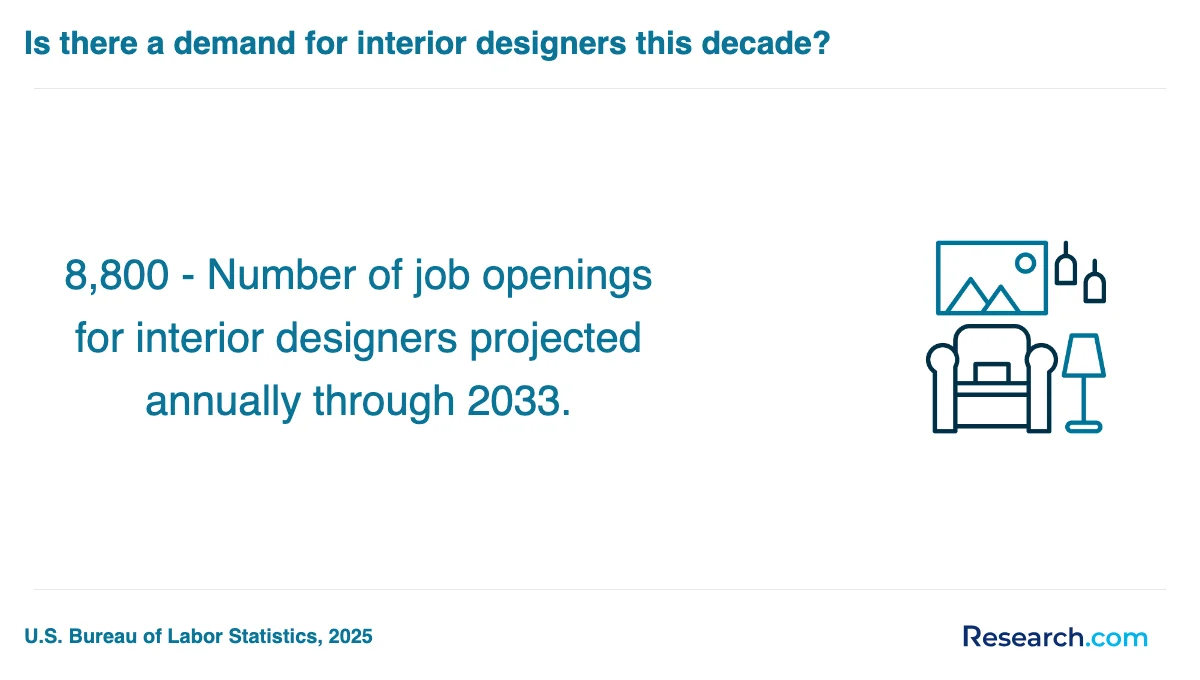
Graduates of interior designer trade school programs in Asheboro find diverse interior design career opportunities in Asheboro, ranging from roles as interior designers to specialized positions such as kitchen or bath designers. Many enjoy working on real-life projects during their training at popular local trade schools, enabling them to confidently design commercial spaces like hotels, corporate offices, and retail stores, or residential environments tailored to client needs. Their hands-on experience with space planning, lighting, and industry standards prepares them for immediate employment in both new construction and remodeling initiatives.
Career paths often extend beyond traditional design roles to fields such as visual merchandising, real estate, government, and marketing-areas that benefit from a strong sense of interior spatial dynamics and customer experience. Graduates frequently report satisfaction in applying their skills in dynamic, client-focused scenarios.
For those exploring long-term ambitions, the job outlook for Asheboro interior design graduates remains stable, supported by local demand and opportunities for advancement, including transfer into four-year programs or earning certifications. This foundation supports success in dynamic markets and varied environments, from healthcare facilities to entertainment venues.
Students seeking accelerated options can also consider the fastest architecture programs online to further enhance their qualifications and career prospects.
The interior design job opportunities in Asheboro NC provide a stable outlook for trade school graduates, with around 20 positions currently open locally in roles like Design Consultant and Interior Designer. Graduates from popular Asheboro trade schools often find that their hands-on training and practical skills position them well to compete in these openings.
Many graduates describe their job search as encouraging, noting the variety of residential and commercial projects available. The Asheboro NC interior designer employment outlook is further strengthened by proximity to larger markets such as Greensboro and Winston-Salem, where supplemental opportunities frequently arise.
To maximize job prospects, former students often:
- Leverage networks built during internships in Asheboro design firms
- Apply skills learned at well-regarded local trade schools to diverse client needs
- Remain open to roles beyond Asheboro, including in the greater Triad area
A key factor supporting graduates is competitive compensation, with entry-level salaries averaging just over $50,000 annually in North Carolina.
For those exploring different career paths or enhancing their qualifications, many find value in online architecture programs that complement interior design expertise and broaden employment options.
Best Interior Design Training Programs & Schools - Top Interior Design Schools in Asheboro for 2026
# 1 position
Randolph Community College - Interior Design.
associateRandolph Community College offers a hybrid Interior Design program focused on applying artistic principles to plan, design, and furnish residential and commercial spaces. The curriculum includes computer applications, drafting, lighting, acoustics, and color coordination. Students also study furniture, textiles, structural design, building codes, and various design applications. The program is accredited by the Southern Association of Colleges and Schools Commission on Colleges. Annual in-state tuition is $2,416.
# 2 position
Randolph Community College - Interior Design.
certificate or diplomaRandolph Community College offers a hybrid Interior Design program that prepares students to professionally design and furnish residential and commercial spaces. The curriculum covers computer applications, drafting, lighting, acoustics, furniture, textiles, and building codes. Annual in-state tuition is $2,416. The program is accredited by the Southern Association of Colleges and Schools Commission on Colleges.
Frequently Asked Questions about interior designer
After completing an interior designer trade school in Asheboro, preparing for the job market involves several key steps. First, building a strong portfolio showcasing your projects is essential, as employers in North Carolina often prioritize practical skills and creativity. Networking locally through industry events or the Asheboro Chamber of Commerce can open doors to internships and job opportunities. Additionally, obtaining certification such as the NCIDQ (National Council for Interior Design Qualification) can significantly improve employment prospects, given it is widely recognized across the US. According to the Bureau of Labor Statistics, interior design jobs in North Carolina are projected to grow by 5% through 2031, making preparation vital.
Employers in Asheboro seek interior design trade school graduates who demonstrate strong technical and creative skills. Proficiency in computer-aided design (CAD) software, such as AutoCAD and SketchUp, is essential, as 78% of local design firms prioritize candidates with digital drafting abilities, according to the U.S. Bureau of Labor Statistics. Graduates must also show a solid understanding of spatial planning and color theory, which are critical for successful project implementation.
Effective communication skills are highly valued, enabling designers to collaborate with clients and contractors efficiently. Additionally, knowledge of building codes and sustainable design practices is increasingly important in the Asheboro job market, reflecting national trends reported by the American Society of Interior Designers. Time management and attention to detail complete the skill set employers expect.
Finding internships in Asheboro relevant to an interior designer trade school program involves several strategic steps. Start by contacting local design firms and construction companies, as these businesses often seek interns to assist with projects. Networking through industry events or local chambers of commerce can also open doors. Many trade schools offer career services that connect students with internship opportunities tailored to their curriculum. According to the U.S. Bureau of Labor Statistics, internships boost employment prospects in design fields by up to 20%. Additionally, online job platforms like Handshake and Indeed list internships specific to Asheboro's interior design sector.
In Asheboro, earning a diploma from an interior designer trade school can significantly enhance career mobility and advancement opportunities. These diplomas provide practical skills tailored to the local market, allowing graduates to meet employer expectations more effectively. According to the U.S. Bureau of Labor Statistics, interior designers with formal training often see a 10-15% higher chance of employment in design-related roles compared to those without specialized credentials.
Trade school programs emphasize hands-on experience, which employers in Asheboro value highly. This practical knowledge can accelerate entry into junior design positions and open pathways to supervisory roles over time. Additionally, graduates gain access to local industry networks, which are crucial for career growth in this community.
While a diploma does not guarantee advancement, it lays a strong foundation for ongoing professional development, often making it easier to pursue certifications such as NCIDQ. These credentials further increase earning potential and job security in Asheboro's competitive design sector.
Part-time job opportunities in Asheboro that complement interior designer trade school education include positions in furniture stores, home decor outlets, and local design firms. These jobs provide hands-on experience with materials, customer preferences, and design trends. According to the U.S. Bureau of Labor Statistics, interior design assistants often start in retail or support roles to build relevant skills.
Additionally, roles in real estate offices or property management companies offer exposure to spatial planning and client communication. Asheboro's growing housing market increases demand for such roles, which can enhance a student's practical knowledge while attending trade school.
Yes, there are several interior design degree programs that one might consider near Asheboro, NC. The University of North Carolina at Greensboro and High Point University are two institutions nearby offering accredited interior design programs. To explore other viable options, conducting a search using platforms such as Research.com for interior design programs "near me" can be beneficial.
- 5 Career Options After You've Earned Your Design Certification https://www.qcdesignschool.com/blog/2022/11/5-career-options-after-youve-earned-your-design-certification
- What to Do After Graduating Interior Design School (job search, freelancing and advice) https://www.youtube.com/watch
- How nine interior designers got their jobs (plus their advice for someone hoping to do the same) | House & Garden https://www.houseandgarden.co.uk/gallery/how-to-become-an-interior-designer
- Becoming An Interior Designer - Should I Get A Job Or Work For Myself? https://www.idbs.online/becoming-an-interior-designer-should-i-get-a-job-or-work-for-myself/
- 11 Tips to Land a Job in Architecture or Interior Design https://site.co-architecture.com/co-academy/11-tips-to-land-a-job-in-architecture-or-interior-design/
- What can I do with an interior design degree? | Prospects.ac.uk https://www.prospects.ac.uk/careers-advice/what-can-i-do-with-my-degree/interior-design
- Interior Design Trade Schools & Training Programs https://www.best-trade-schools.net/programs/arts-design/interior-design/
- How to build a design career without an interior design degree. What no one will tell you - In Detail Interiors https://www.indetailinteriors.com/how-to-build-a-design-career-without-an-interior-design-degree-what-no-one-will-tell-you/
- Interior designer | Explore Careers | National Careers Service https://nationalcareers.service.gov.uk/job-profiles/interior-designer
- Interior Designers : Occupational Outlook Handbook: : U.S. Bureau of Labor Statistics https://www.bls.gov/ooh/arts-and-design/interior-designers.htm


