
Best Interior Design Training Programs & Schools - Top Interior Design Schools in Marietta for 2026

Co-Founder and Chief Data Scientist
Choosing the right interior design trade school in Marietta can feel overwhelming, but this article is here to help. We've gathered a detailed ranking of interior designer trade school programs developed by the Research.com team of data scientists. This guide will make it easier for you to find programs that truly match your goals and interests.
Getting a diploma or certification in interior design opens doors to creative career opportunities and personal growth. Reading this article will give you the confidence to make an informed decision about your education path.
Key benefits of finishing interior designer trade school in Marietta
- Graduates from interior designer trade schools in Marietta can expect competitive salaries, with an average annual income around $69,053, which is higher than the statewide average in Georgia.
- Career paths include working in residential design, commercial projects, or even starting your own design business, as many local graduates have successfully done after completing trade programs.
- Completing an interior design trade school online offers flexibility and faster completion times, allowing graduates to enter the workforce quickly while balancing other commitments, as shown by successful online program alumni in Marietta.
- Best Interior Design Training Programs & Schools - Top Interior Design Schools in Marietta for 2026
- What can I expect from interior designer trade schools in Marietta?
- Where can I work after finishing interior designer trade schools in Marietta?
What can I expect from interior designer trade schools in Marietta?
Students enrolling in interior designer trade school programs in Marietta, such as those at Chattahoochee Technical College, can expect a blend of creative and technical training tailored to real-world applications. Graduates often describe hands-on studio classes where they develop portfolios through projects like designing residential layouts or planning commercial lighting schemes, which boosts confidence and practical skills.
Programs typically cover essential topics including interior design drawing, space planning, materials, textiles, and business practices. For example, students learn to translate client needs into functional designs, preparing them for roles as junior designers or sales consultants. The curriculum's 24 credit hours include advanced courses like kitchen and bath design and internships that provide valuable industry exposure and networking opportunities.
Graduates often emphasize the supportive environment and flexible scheduling options that accommodate both recent high school graduates and adult learners. The practical, portfolio-driven approach helps many feel ready to enter the local job market with a competitive edge.
Where can I work after finishing interior designer trade schools in Marietta?
Graduates of interior designer trade schools in Marietta frequently find diverse job opportunities across residential and commercial sectors. Many secure roles such as Design Consultant, Kitchen Designer, or Designer Assistant, working directly with clients to create floor plans and select materials. For instance, graduates from popular Marietta trade schools describe the excitement of collaborating with homeowners on custom kitchen renovations or helping retail customers choose furniture that fits their style and space.
Other career paths include specialized positions like Swimming Pool and Outdoor Living Designer, which appeal to those interested in outdoor environments and landscape design. Trade school alumni often highlight how their hands-on training prepared them to contribute confidently in showrooms, construction firms, and furniture retail settings, where customer interaction and design knowledge are key.
Advancement opportunities such as Senior Interior Designer or Interior Design Administrator exist but typically require additional experience. The local job market in Marietta remains strong, with over 100 interior design positions available, reflecting steady demand for skilled graduates eager to apply their practical education.
Graduates of interior designer trade school programs in Marietta typically start with salaries in the low $40,000s. For instance, many recent graduates from popular local trade schools find entry-level positions paying around $42,000 annually, similar to nearby Atlanta's job market. This starting point reflects real opportunities for those just stepping into the profession, often working under established firms or assisting senior designers.
As these graduates gain experience, their earnings tend to increase to an average of about $52,000 to $56,000 per year. This progression is common among designers who build their portfolios and expand their skills while working in Marietta's growing design community. Some graduates share positive feedback about how their trade school training helped them confidently negotiate higher salaries as they advanced.
For those choosing the independent route, income can be higher but more variable. Independent interior designers in Georgia average about $61,500 annually, with some earning over $80,000. This path suits graduates who enjoy entrepreneurship and are skilled in client relations and business development.
- Chattahoochee Technical College in Marietta offers certificate and associate degree programs in interior design with practical coursework and internship opportunities.
- Average net price for similar interior design programs in Georgia ranges from $16,957 to $20,860 per year, though exact tuition should be confirmed with the school.
- Admission usually requires a high school diploma or equivalent and an application; ACT/SAT scores are generally not emphasized.
- Entry-level interior designers in Georgia earn between $37,000 and $45,000 annually, with experienced designers making over $60,000 depending on specialization.
- Programs focus on hands-on skills like textiles, computer-aided drafting, building codes, and lighting technologies.
- There are 29 additional interior design schools near Marietta, including options in Atlanta and Gainesville.
Completing an interior designer trade school program in Marietta typically takes between 9 months to 18 months, depending on the intensity and structure of the course. Graduates from popular trade schools in Marietta often describe their experience as a focused journey that balances hands-on training with creative exploration. For example, many programs offer accelerated paths that allow students to finish in under a year, which suits those eager to enter the workforce quickly and start applying their skills in real-world settings.
Others choose part-time or extended programs lasting up to 18 months, providing more flexibility for students balancing work or family commitments. Graduates frequently share how this pacing helped them absorb complex design principles while gaining confidence through practical projects. Attending a trade school in Marietta means immersing yourself in an environment tailored to interior design, where you can collaborate with peers and instructors who understand the local industry demands, making the completion time feel both productive and rewarding.
The primary difference between online and on-campus interior designer trade school programs in Marietta lies in how students engage with coursework and the learning environment. Graduates from Marietta Community School's online program often emphasize the flexibility it offers, allowing them to study design fundamentals and project management at their own pace while balancing jobs or family life. These students access lectures and assignments digitally and connect through forums or video chats, which suits those who thrive in self-directed settings.
Conversely, graduates from Chattahoochee Technical College's on-campus Interiors Diploma highlight the value of hands-on experiences at the Woodstock campus. They benefit from direct interaction with instructors and peers, working with physical materials and drafting tools, which enhances practical skills and creative collaboration. The structured schedule and immediate feedback help those who prefer clear routines and face-to-face networking within Marietta's design community.
Both formats cover core concepts like space planning and client communication, but the choice depends on whether students prioritize flexibility or immersive, tactile learning experiences.
The average tuition fees for interior design programs in Marietta GA vary notably depending on the type and duration of the program. For example, students enrolled in the Interior Design Assistant program at Chattahoochee Technical College typically invest around $4,387 for a comprehensive 26-week curriculum. Graduates from this program often highlight the value they received for hands-on training combined with fundamental theory, enabling them to confidently enter the interior design workforce.
For those seeking more flexible or affordable options, the cost of interior design diploma programs in Marietta Georgia can differ significantly. The Certified Residential Interior Designer course offered online by Marietta College costs $2,695 and is praised by graduates for its targeted residential design skills that enhance career prospects while accommodating busy schedules. Additionally, Kennesaw State University's Community and Professional Education program offers a practical Interior Design Masterclass at just $119, which many students appreciate as an accessible way to quickly develop decorating skills without a larger financial commitment.
These varied costs reflect differences in program structure and access, making it important to consider personal circumstances when evaluating the average tuition fees for interior design programs in Marietta GA. Graduates often share enthusiastic feedback about how their investment translated into meaningful career advancements, especially when understanding the broader game designer career path and creative professions. Financial aid and residency status may further influence final expenses, underscoring the importance of contacting schools for precise figures.
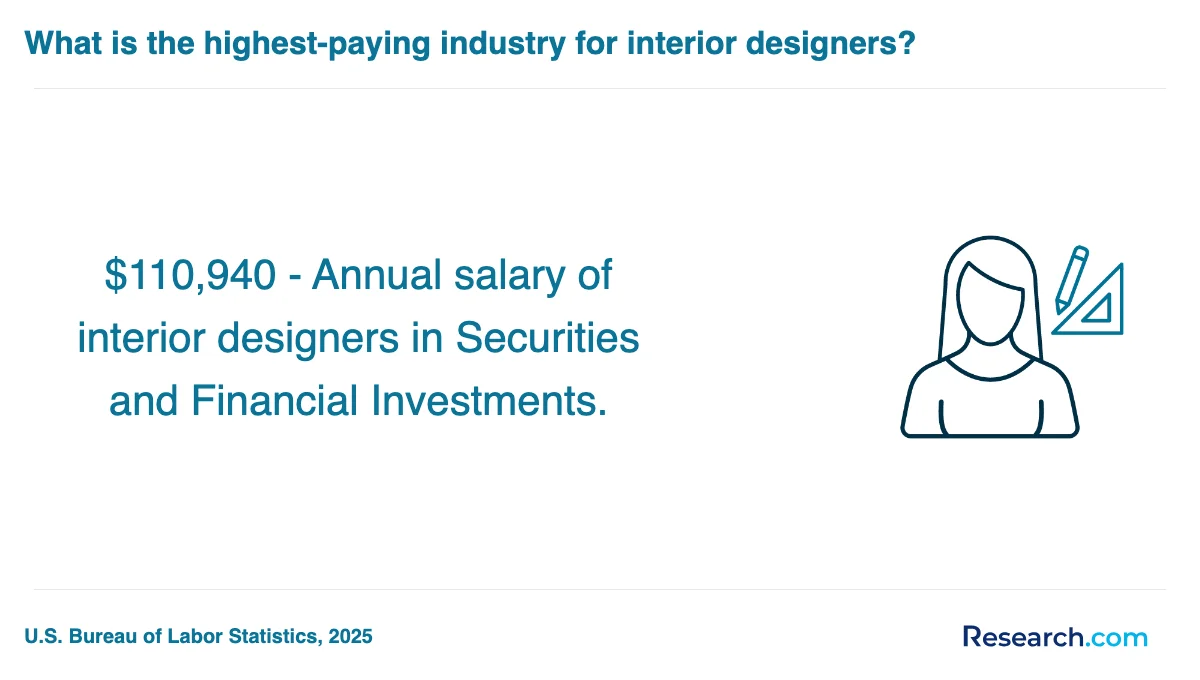
Interior designer trade school students in Marietta commonly access several financial aid options to manage costs effectively. Many pursue federal aid by submitting the FAFSA, qualifying for Federal Pell Grants, loans, and work-study programs. Pell Grants, which do not require repayment, significantly ease financial burdens for graduates from low- and moderate-income families attending institutions like Chattahoochee Technical College.
For example, graduates highlight how the annual associate degree cost-around $1,623 for families earning $75,000 to $110,000-combined with federal support, made completing their interior design education achievable without overwhelming debt. State aid further supplements these options; Georgia residents may qualify for the HOPE Scholarship and HOPE Grant, which reward academic achievement and residency, helping reduce tuition at popular trade schools in Marietta.
Institutional scholarships at Chattahoochee Tech, though not always publicly detailed, are often available and encourage students to engage with financial aid offices. Many graduates also report benefiting from private scholarships offered by design organizations and local civic groups, which often require portfolios or essays but provide crucial additional funding.
Most interior designer trade schools in Marietta require applicants to have a high school diploma or equivalent before enrolling. This foundational criterion ensures students possess the basic academic skills needed to thrive in a hands-on, design-focused environment.
Additionally, many programs look for candidates who demonstrate strong creativity and a passion for design, often assessed through a portfolio submission or an interview. Graduates from popular trade schools in Marietta recall how presenting a simple portfolio of sketches or home projects helped showcase their enthusiasm and practical skills, boosting their acceptance chances.
Other common prerequisites include:
- Basic proficiency in computer software like AutoCAD or SketchUp, as some schools require preliminary knowledge or offer introductory workshops.
- Good communication skills, since interior design involves collaborating with clients and contractors.
- Some schools may recommend or require letters of recommendation from teachers or employers familiar with the applicant's work ethic.
Students often find that meeting these requirements not only opens doors but also builds confidence, helping them feel ready to tackle the dynamic, creative challenges interior design programs in Marietta present.
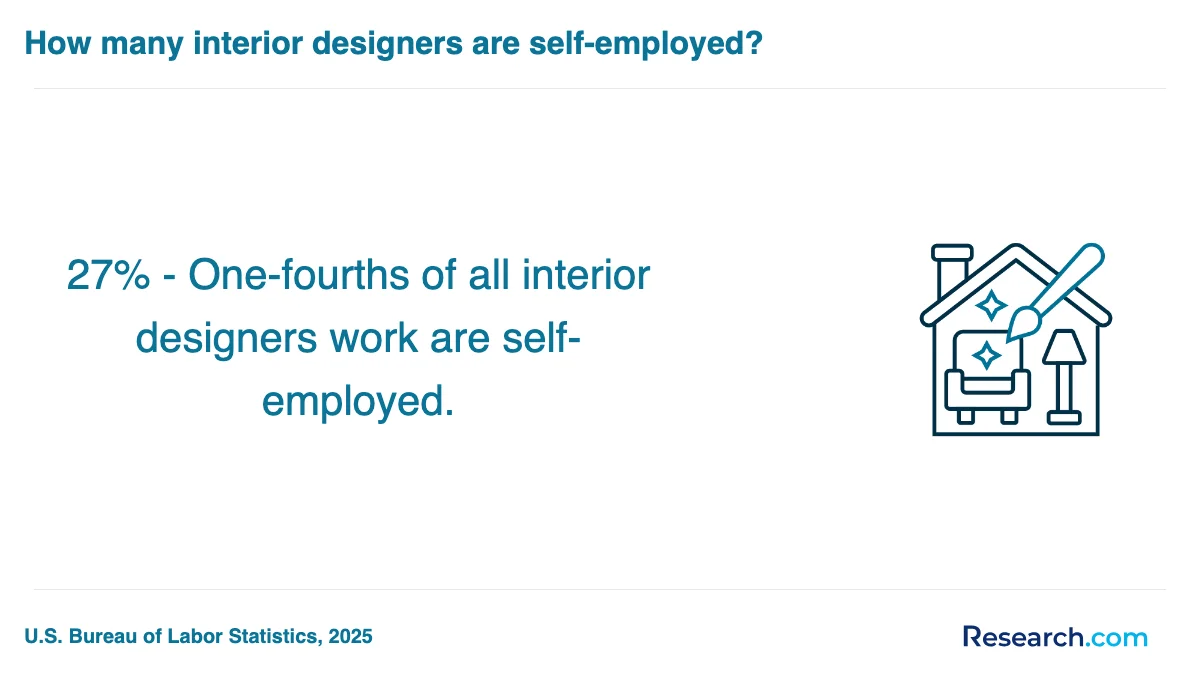
Interior designer trade school programs in Marietta, such as those at Chattahoochee Technical College, offer a curriculum that balances creativity with technical skills essential for the field. Graduates often highlight courses that build confidence through hands-on learning and real-world application.
Typical courses include:
- Introduction to Interior Design: Covers essential concepts and the professional role of interior designers, helping students grasp industry terminology early on.
- Interior Design Drawing Concepts: Teaches both hand-drawing and CAD skills, crucial for visualizing design ideas clearly and professionally.
- Space Planning: Focuses on creating functional and appealing layouts, a skill graduates describe as transformative when working on residential or commercial projects.
- History of Interiors and Architecture: Provides context on design evolution, inspiring students by connecting past styles with current trends.
- Codes and Building Systems for Interiors: Familiarizes students with safety regulations and construction basics, which graduates find vital for client trust and project success.
- Materials and Textiles, Lighting for Interiors: These courses help students select the right fabrics and lighting solutions, enhancing both aesthetic and sustainability considerations.
- Design Studios and Portfolio Development: Students apply principles in collaborative settings and build professional portfolios, key for job placement.
- Business Practices and Internship: Equip students with project management skills and real-world experience through local firm internships, boosting readiness for the workforce.
These courses, typically spanning 24+ credit hours, ensure students leave trade schools in Marietta well-prepared and enthusiastic about launching their interior design careers.
Interior design specializations in Marietta trade schools typically include areas that equip students with versatile, in-demand skills. Popular programs at institutions like Chattahoochee Technical College enable graduates to focus on key fields such as residential design, which emphasizes space planning and color theory tailored for private homes. Graduates often report strong confidence in applying ergonomic principles and building codes in real-world projects from day one.
Other notable concentrations available in Marietta interior design diploma program concentrations are:
- Commercial Interior Design, focusing on optimizing offices and retail spaces with brand integration and accessibility compliance
- Kitchen and Bath Design, addressing lighting, ventilation, and safety specific to kitchens and bathrooms
- Lighting Design, covering natural and artificial lighting to improve ambience and energy efficiency
- Historic Preservation, centered on restoring interiors without compromising architectural heritage
- Furniture and Fabric Design, combining aesthetics and function in custom furnishings and textiles
Many students also benefit from training in CAD software, project management, and collaboration with architects and contractors, enhancing job readiness. This variety allows adaption to emerging industry needs and personal career goals. For those seeking flexible education, exploring the fastest architecture programs online can provide additional pathways to augment skills and knowledge.
Choosing from the best interior design programs in Marietta requires evaluating accreditation first; graduates from programs recognized by the Council for Interior Design Accreditation consistently report better job prospects. Students praise the comprehensive curriculum that includes color theory, space planning, and software skills, found at top-rated interior design schools near Marietta, which allows them to specialize in areas like sustainable design. Faculty expertise also plays a crucial role-graduates emphasize how instructors with real-world experience made complex concepts easier to grasp, boosting their confidence.
Facilities matter greatly; those who studied at schools with advanced design studios and computer labs felt better prepared for client projects. Internships facilitated by local industry connections in Marietta proved vital, offering hands-on experience and networking opportunities essential for launching careers. For students seeking practical steps toward careers in the arts and design fields, proximity to bustling design firms enhances exposure and professional growth, making these programs especially valuable.

Interior designer trade school graduates in Marietta can pursue diverse career opportunities that leverage their hands-on training in space planning, CAD, and project management. Local job listings show strong demand in interior design jobs in Marietta GA, including roles as design assistants who support senior designers with client projects and material sourcing. Graduates often find exciting positions as kitchen and bath designers, where technical expertise blends with creativity to enhance specialized residential spaces.
Other rewarding careers include showroom consultants helping customers select furniture and finishes, and swimming pool and outdoor living designers combining landscape and interior design for unique environments. Administrative roles, such as interior design administrators, offer experience in project coordination and vendor management, often serving as a springboard to lead designer or project manager positions. Graduates from popular trade schools in Marietta highlight how apprenticeships have propelled them into these roles with confidence and creativity.
Several career opportunities for Marietta interior design graduates also emphasize certification paths like NCIDQ that improve advancement potential. For students planning education pathways, exploring an online bachelor architecture can further expand design skills and job prospects.
The interior designer job market in Marietta GA is notably vibrant, offering graduates from local trade schools a strong start. Graduates often report immediate access to entry-level roles as junior designers with starting salaries near $38,932 annually, reflecting the city's demand for practical skills in drafting, space planning, and design technology. Many of these students find that portfolios highlighting residential and commercial projects greatly enhance hiring prospects.
Positive feedback from trade school alumni emphasizes that Marietta's steady growth and proximity to Atlanta's design hub create ongoing design career opportunities Marietta. Salaries typically range from $55,000 at the 25th percentile to $78,700 at the 75th percentile, with top earners surpassing $90,000. This competitiveness is balanced by a cost of living generally lower than Atlanta's.
Students appreciate that local employers value trade school credentials, with demand described as "very active." Graduates often benefit from professional certification and specialization, which boost advancement chances and salary growth. For those exploring future prospects, comprehensive details about career opportunities in interior design are available via career opportunities in interior design.
Best Interior Design Training Programs & Schools - Top Interior Design Schools in Marietta for 2026
# 1 position
Chattahoochee Technical College - Interior Design.
associateThe Interior Design program at Chattahoochee Technical College offers a hybrid learning format with some distance-education options. This program trains students in artistic principles, computer applications, drafting, lighting, acoustics, and color coordination for residential and commercial spaces. The annual in-state tuition is $3,252. Graduates earn a median income of $22,134 one year after completion. The program is accredited by the Southern Association of Colleges and Schools Commission on Colleges.
# 2 position
Chattahoochee Technical College - Interior Design.
certificate or diplomaChattahoochee Technical College offers a hybrid Interior Design program focusing on applied visual arts for residential and commercial spaces. The curriculum covers computer applications, drafting, lighting, acoustics, systems integration, color coordination, furnishings, textiles, historical styles, structural design, building codes, and office, hotel, factory, restaurant, and housing design. Annual in-state tuition is $3,252. Graduates have median earnings of $22,134 one year after completion. The program is accredited by the Southern Association of Colleges and Schools Commission on Colleges.
Frequently Asked Questions about interior designer
Preparing for the job market after completing an interior designer trade school in Marietta involves several key steps. First, gaining practical experience through internships or apprenticeships is crucial. Many local firms and design studios in Marietta offer opportunities that help graduates build portfolios and professional networks.
Additionally, obtaining industry certifications, such as those from the National Council for Interior Design Qualification (NCIDQ), can improve job prospects. According to the Bureau of Labor Statistics, the interior design field in Georgia is expected to grow by 4% from 2022 to 2032, highlighting steady demand.
Networking within local professional groups and attending design events in Marietta also enhances visibility among employers. Finally, mastering software tools commonly used in interior design, like AutoCAD and SketchUp, is essential for a competitive edge.
Employers in Marietta seek interior designer trade school graduates with strong technical and creative skills. Proficiency in computer-aided design (CAD) software like AutoCAD and SketchUp is essential, as over 75% of design firms in the Atlanta metropolitan area use these tools regularly, according to the U.S. Bureau of Labor Statistics.
Graduates must also demonstrate a solid understanding of space planning, color theory, and material selection. Communication skills are highly valued, enabling designers to effectively collaborate with clients and contractors. Additionally, knowledge of building codes and sustainability practices is increasingly important due to local regulations and green building trends.
Analytical thinking and project management skills help graduates meet deadlines and budgets, which employers emphasize in job postings on platforms like the Georgia Department of Labor site.
Finding internships relevant to interior designer trade school programs in Marietta involves a combination of research and networking. Begin by contacting local interior design firms and architectural companies, as many offer internship opportunities tailored to students. The Marietta Chamber of Commerce website often lists businesses open to internships, including design-related roles.
Trade schools may also have partnerships with local employers; inquire with your school's career services for specific leads. Additionally, platforms like Handshake and Indeed frequently post internships in Marietta's design sector. According to the U.S. Bureau of Labor Statistics, internships significantly improve job prospects in design fields, making early experience valuable.
Joining professional organizations such as the American Society of Interior Designers (ASID) can provide access to exclusive internship listings and networking events in the Marietta area.
In Marietta, earning a diploma from an interior designer trade school can significantly enhance career mobility and advancement. Such diplomas provide practical skills and industry-relevant knowledge, which local employers highly value. According to the U.S. Bureau of Labor Statistics, interior designers with formal training have a 10% higher chance of securing entry-level positions compared to those without credentials.
Trade school graduates in Marietta often experience faster job placement due to strong ties between schools and local design firms. Additionally, certified designers can command higher salaries, with the median annual wage around $57,000 in Georgia, reflecting greater career growth potential.
Overall, diplomas serve as proof of competency, improving professional credibility and networking opportunities within Marietta's interior design community.
Students attending interior designer trade schools in Marietta can benefit from part-time jobs that enhance their practical skills and industry knowledge. Retail positions at home décor stores or furniture outlets provide hands-on experience with design products and customer preferences. These roles help students understand current market trends and client needs, vital for interior design careers.
Additionally, internships or assistant roles with local design firms offer exposure to project management and client communication. According to the U.S. Bureau of Labor Statistics, many entry-level interior design jobs in Georgia focus on such practical experience, which is highly valued by employers.
Part-time jobs in architectural firms or home staging services also complement trade school education by developing spatial awareness and creative problem-solving skills relevant to interior design.
To choose the best Interior Design degree program near you, consider factors such as accreditation, curriculum quality, faculty expertise, and student support services. Research.com can assist you in comparing programs and universities, providing insights into which schools have strong reputations in the field and are located conveniently near Marietta, GA. By visiting campuses and speaking with current students, you can get an authentic feel for the program and determine which meets your professional and personal needs most effectively.
- Best Interior Design Training Programs & Schools - Top Interior Design Schools in Lawrenceville for 2026
- Best Interior Design Training Programs & Schools - Top Interior Design Schools in Athens for 2026
- Best Interior Design Training Programs & Schools - Top Interior Design Schools in Jacksonville for 2026
- Interiors - Chattahoochee Technical College https://www.chattahoocheetech.edu/interiors/
- Interior Design | LAMAR DODD SCHOOL OF ART https://art.uga.edu/interiordesign
- Interior Design Basics | Marietta Community School https://www.ed2go.com/mariettacs/online-courses/interior-design-introduction/
- profile icon https://www.niche.com/colleges/search/best-colleges-with-interior-design/s/georgia/
- Interiors Program https://gwinnetttech.edu/interiors-program/
- The Reality Of Starting An Interior Design Career | Challenges You Need To Know https://www.idbs.online/the-reality-of-starting-an-interior-design-career-challenges-you-need-to-know/
- Biggest Challenges Faced by Interior Designers | Dreamzone https://www.dreamzone.co.in/blog/challenges-that-you-might-face-as-an-interior-designer/
- Just a moment... https://journals.sagepub.com/doi/10.1111/j.1939-1668.1991.tb00033.x
- Design Challenge: The Many Roles of an Interior Designer - College of Liberal Arts - Purdue University https://www.cla.purdue.edu/academic/rueffschool/ad/interior/design-challenge/roles-of-interior-design.html
- High Schoolers Get the Low Down on Interior Design at NYSID - New York School of Interior Design https://www.nysid.edu/blog/college-knowledge


