
Best Interior Design Training Programs & Schools - Top Interior Design Schools in Texas for 2026

Co-Founder and Chief Data Scientist
Choosing the right interior design trade school in Texas can shape your creative future. This article introduces a carefully crafted ranking of interior designer trade school programs, developed by the Research.com team of data scientists to guide you in making an informed decision.
Discover programs that match your goals and unlock opportunities in a rewarding field. Earning a diploma or certification can open doors to exciting careers where your design skills truly matter.
Explore your options confidently and take the first step toward a vibrant interior design journey.
Key benefits of finishing interior designer trade school in Texas
- Graduates from interior designer trade schools in Texas can expect competitive starting salaries, with entry-level designers earning around $51,802 annually and potential growth to over $77,000 as experience builds.
- A graduate from a popular Texas trade school often finds diverse career paths, including residential design, commercial projects, and specialty roles like sustainable design, offering exciting opportunities to match personal interests.
- Completing an interior design trade school online provides flexibility and convenience, as seen in graduates who balance work and study successfully, gaining skills faster than traditional degree programs without sacrificing quality.
- Best Interior Design Training Programs & Schools - Top Interior Design Schools in Texas for 2026
- What can I expect from interior designer trade schools in Texas?
- Where can I work after finishing interior designer trade schools in Texas?
What can I expect from interior designer trade schools in Texas?
Expect a hands-on, immersive adventure when you dive into an interior designer trade school program in Texas. Graduates from popular schools often describe their journey as a perfect blend of creativity and practical skills, mastering everything from color theory and space planning to digital drafting with CAD software.
Picture yourself sketching designs one day and collaborating on real-world projects the next, maybe even interning with local design firms in vibrant Texas design districts. Many students find the capstone projects exhilarating, as they build portfolios that truly showcase their unique style and expertise-ready to impress future employers.
Beyond creativity, you'll navigate essential business topics and industry standards, preparing you for the NCIDQ exam, a must for official interior designer registration in Texas. The supportive environment at schools like Texas State University, known for high retention rates, means you're surrounded by peers and mentors who share your passion and drive.
Admission may require some groundwork like the Texas Success Initiative test, but those early challenges only fuel the rewarding feeling of growth and accomplishment throughout your studies.
Where can I work after finishing interior designer trade schools in Texas?
Graduates from interior designer trade schools in Texas often find themselves stepping into vibrant roles across cities like Dallas, Houston, and Austin, where design firms and architectural companies eagerly seek fresh talent. Imagine working as a design consultant in a bustling Houston showroom, helping clients pick the perfect finishes, or collaborating with a team in San Antonio to bring a chic restaurant's interior to life. Many Texas trade schools equip students with hands-on experience, so entering these roles feels both exciting and natural.
Some grads embrace the freedom of remote work, crafting stunning layouts from their home offices while connecting with clients statewide. Picture using digital design tools to transform a client's vision into reality without leaving your favorite coffee spot in Austin. Others dive into freelance projects, offering unique decorating and renovation ideas that make spaces truly personal. Whether joining a commercial firm or launching a solo venture, Texas trade school alumni enjoy a variety of pathways fueled by creativity and practical skills.
After finishing an interior designer trade school program in Texas, many graduates find themselves stepping into the workforce with an exciting starting salary around $51,800 per year. Imagine landing your first job in Houston or Dallas, where starting pay can range from about $46,500 up to $57,200, giving you a solid foundation as you build your portfolio. Some recent grads from well-known Texas trade schools share how their salaries began near $45,000 but quickly climbed as they gained hands-on experience and confidence on the job.
More seasoned designers in Texas often earn close to $68,000 annually, with top performers in cities like Austin seeing salaries as high as $88,000. Think about working on vibrant, creative projects while watching your paycheck grow as you take on bigger responsibilities or earn additional certifications. Though competition is real, especially in bustling hubs, your unique style and skills learned at Texas trade schools can set you apart and open doors to rewarding opportunities.
- Admission usually requires a high school diploma or GED, and some programs may ask for a minimum GPA or a basic portfolio.
- Programs often last about two years, including four semesters and two summer terms, covering design basics and professional practices.
- Many Texas programs are accredited by bodies like CIDA or NASAD to ensure quality education.
- Tuition for a two-year associate degree typically ranges from $3,000 to $8,000 for Texas residents, with additional costs for materials in some cases.
- Entry-level interior designers in Texas earn between $35,000 and $45,000 annually, with experienced professionals making $60,000 or more.
- Major cities like Dallas, Houston, and Austin offer strong job markets for interior designers in both residential and commercial fields.
Completing an interior designer trade school program in Texas often takes about 12 to 18 months, a timeline that sparks excitement for many eager to dive into creative careers quickly. Imagine enrolling at a bustling Texas trade school known for its hands-on approach, where graduates recall transforming blank spaces into stunning interiors within just a year of dedicated study. The accelerated pace means you're not stuck in lengthy semesters; instead, you're immersed in practical projects, learning everything from color theory to space planning in real time.
Graduates frequently share how this compact schedule kept their motivation high, balancing intense coursework with vibrant campus life. For those attending well-regarded Texas trade schools, the program's design encourages fast skill-building, so you're ready to tackle client projects with confidence soon after finishing. It's a thrilling journey that blends passion with efficiency, perfectly suited for Texans ready to step into the interior design world without delay.
Imagine diving into your interior design studies from the comfort of your home, logging into Texas State University's online program where video lectures and virtual group projects bring creativity right to your screen. Graduates often share how this flexible setup lets them balance work and family while mastering design software like CAD, all without stepping foot on campus. The thrill of learning independently, yet connected through lively discussion boards and remote tutoring, sparks a unique sense of accomplishment.
On the flip side, picture yourself at the University of Texas at Austin, surrounded by buzzing studios and face-to-face collaboration. Here, hands-on projects and immediate feedback fuel inspiration and skill-building. Graduates cherish the vibrant energy of in-person mentorship and the chance to network with design pros, soaking in the creative atmosphere that only an on-campus program can offer.
Both paths in Texas open doors to accredited, professional-level training, but choosing between the freedom of online study and the immersive campus experience depends on your lifestyle and learning style.
Curious about the average tuition fees for interior design programs in Texas? If you're eyeing a trade school path, be prepared for a range of costs that depend heavily on the type of institution you choose. Graduates from popular private schools in Texas often describe the experience as an exciting investment, citing tuition fees north of $35,000 annually at places like Abilene Christian University. For those seeking a Bachelor of Science in Interior Design, costs can climb near $47,000 yearly at schools like Texas Christian University-figures that reflect not just tuition but also the vibrant campus life and access to top-tier design resources.
Yet, the cost of interior design diploma programs in Texas isn't a one-size-fits-all story. Many adventurous students choose community colleges, where tuition is considerably more affordable. Imagine a student at El Centro College in Dallas, able to dive into their Associate of Applied Science in Interior Design without the heavy financial burden of private universities. These more budget-friendly options open the doors wide for creative minds determined to build a rewarding career.
Many graduates emphasize how exploring financial aid and scholarships allowed them to focus on their passion rather than stress over expenses. Prospective students would do well to research all options and keep in mind that these tuition figures might not include supplies and fees, making it essential to check with the schools directly. If you're passionate about pursuing one of the thriving art careers in demand, this dynamic landscape of Texas trade schools offers many routes to start crafting your future.

Imagine landing a spot at Dallas College or Wade College, excited to dive into interior design but wondering how to cover tuition. Many students in Texas find relief through federal Pell Grants, which don't need repayment and can offer up to $7,395 for those demonstrating financial need. This grant has been a game-changer for graduates who started their journey with limited funds but big dreams.
State grants like the Texas Educational Opportunity Grant (TEOG) and TEXAS Grant also play a starring role, especially for those attending public two-year colleges or trade schools in Texas. Graduates often recall how these funds significantly eased their tuition burden, making it possible to focus more on creativity than finances.
Scholarships add another layer of support. The ASID Texas Chapter, for example, awards over $60,000 annually, including the coveted Daltile Interior Design Scholarship, which many future designers eagerly apply for each June. Plus, work-study programs at these schools let students earn while gaining hands-on experience, turning campus jobs into stepping stones for their careers.
Loans remain an option too, with federal loans offering manageable repayment plans that many graduates appreciate after finishing their studies.
Dreaming of stepping into the vibrant world of interior design through a trade school in Texas? The prerequisites are refreshingly approachable, making the journey feel like an exciting adventure rather than a daunting hurdle. Most Texas interior designer trade schools require a high school diploma or GED, which opens doors wide for eager creatives.
Graduates often share how their initial enthusiasm was fueled by these clear, simple starting points. Imagine walking through the halls of a popular Texas trade school, surrounded by fellow passionate students-all beginning with the same foundational step.
Typically, you'll need to:
- Submit your high school transcript or GED certificate
- Provide a portfolio or a brief statement of interest showcasing your passion for design (some schools encourage this, not all require it)
- Pass basic placement tests or assessments focused on reading and math skills
- Complete an application form and sometimes attend an interview or orientation session
Many students highlight how these prerequisites don't feel like barriers but rather gateways that ignite their excitement. For example, graduates from well-known Texas trade schools recall their portfolio preparation as a fun opportunity to reflect on their creativity before diving deeper into the curriculum.
Envision yourself joining a cohort where everyone is eager, armed with just a high school diploma and a spark of passion-that's the typical starting point in Texas's interior design trade schools. It's a welcoming first step toward turning your creative dreams into reality.
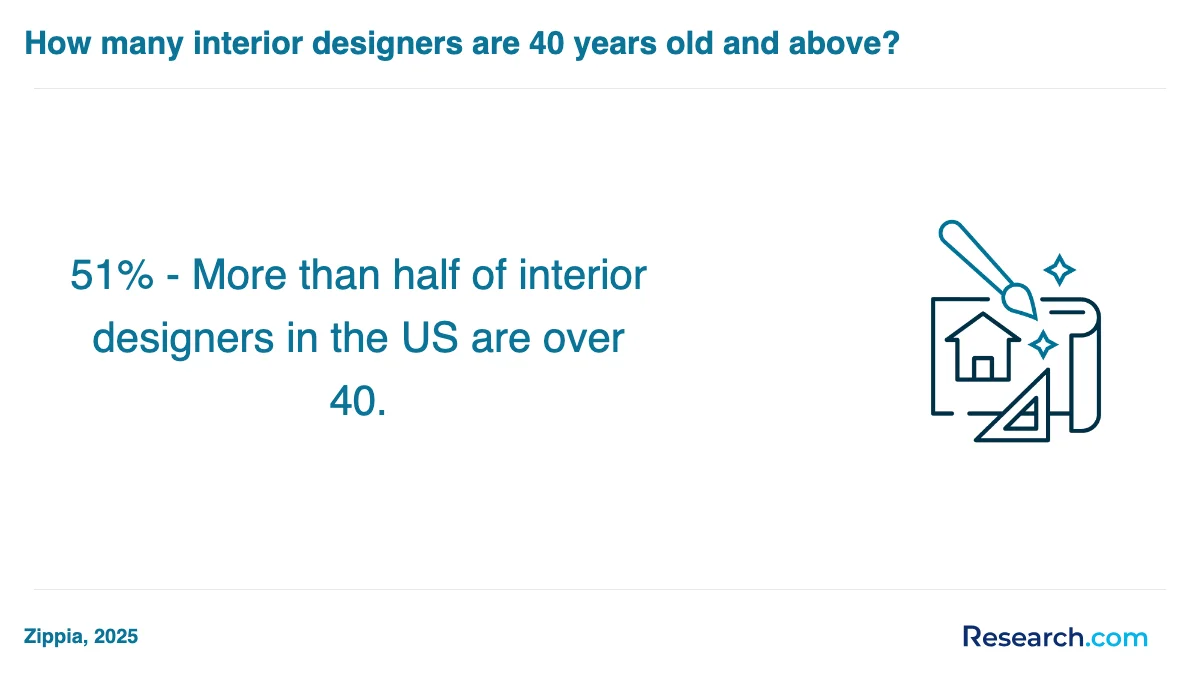
Curious about the courses that shape aspiring interior designers in Texas trade schools? Dive into a vibrant mix of creative and technical classes designed to ignite your passion and sharpen your skills. Graduates from Dallas College rave about mastering computer-aided drafting (CAD) and digital architectural drawing, making complex designs come alive on screen. At Houston Community College, students explore sustainable design through innovative lessons on healthy materials, marrying creativity with responsibility.
Typical courses you'll encounter include:
- Design Theory and Space Planning, where you envision and organize inspiring environments
- Color Theory, unlocking the power of palettes to evoke emotion
- Design History, traveling through architecture and furniture styles that influence today's trends
- Business Practices and Client Communication, essential for managing projects and building client trust
- Building Codes, Life Safety, and Accessibility Standards like ADA and TAS, ensuring your designs are safe and inclusive
- Materials and Construction, teaching you to select the perfect finishes and products
Imagine completing a capstone project, such as designing a cozy, functional family room, and building a portfolio that truly reflects your unique style and expertise. These programs prepare you not just to dream, but to become a certified interior designer ready to transform Texas spaces with confidence.
Exploring interior design specializations in Texas trade schools reveals exciting opportunities tailored to your passions and career goals. Graduates often share how diving into residential design sparked their creativity, mastering space planning and color theory to transform cozy homes across Houston and Dallas. Meanwhile, those drawn to bustling cityscapes thrive in commercial design, learning to optimize layouts for offices and trendy retail spaces with real-world projects from popular Texas programs.
Many Texas interior design program specializations now embrace sustainability, empowering students to create eco-friendly interiors that positively impact communities. Others find their calling in universal design, crafting accessible spaces that welcome everyone, an increasingly vital skill celebrated by alumni from top trade schools.
Hands-on learning extends to lighting design, where students experiment with fixtures and ambiance to set moods in vibrant Texas venues. Those curious about leadership dive into design management, mastering budgeting and client relations to steer projects confidently. If you're eager to understand which are the majors that make the most money, these specializations can guide your adventurous path.
Picking the best interior design schools in Texas starts with accreditation-graduates from renowned programs know their diplomas open doors, like qualifying to take the NCIDQ exam, essential for a Texas interior design career. Imagine studying in vibrant campuses close to Houston or Dallas, where graduates share stories of hands-on projects in state-of-the-art studios that prepared them for real client challenges. Choosing a school with a curriculum covering everything from color theory to space planning means you're building a solid foundation, just as many flourishing Texas designers did.
Facilities play a big role, especially when trade schools offer access to the latest design software, making the learning journey exciting and practical. Graduates from these programs often highlight how personalized mentorship from experienced faculty helped shape their unique style and fostered connections in the industry.
Cost and financial aid matter too; many students find that well-priced trade schools in Texas balance affordability with quality, helping them start strong without overwhelming debt. Exploring how alumni landed jobs through strong industry ties reassures you that your investment will pay off. For those curious about future prospects, exploring interior design career opportunities can spark motivation to choose wisely.
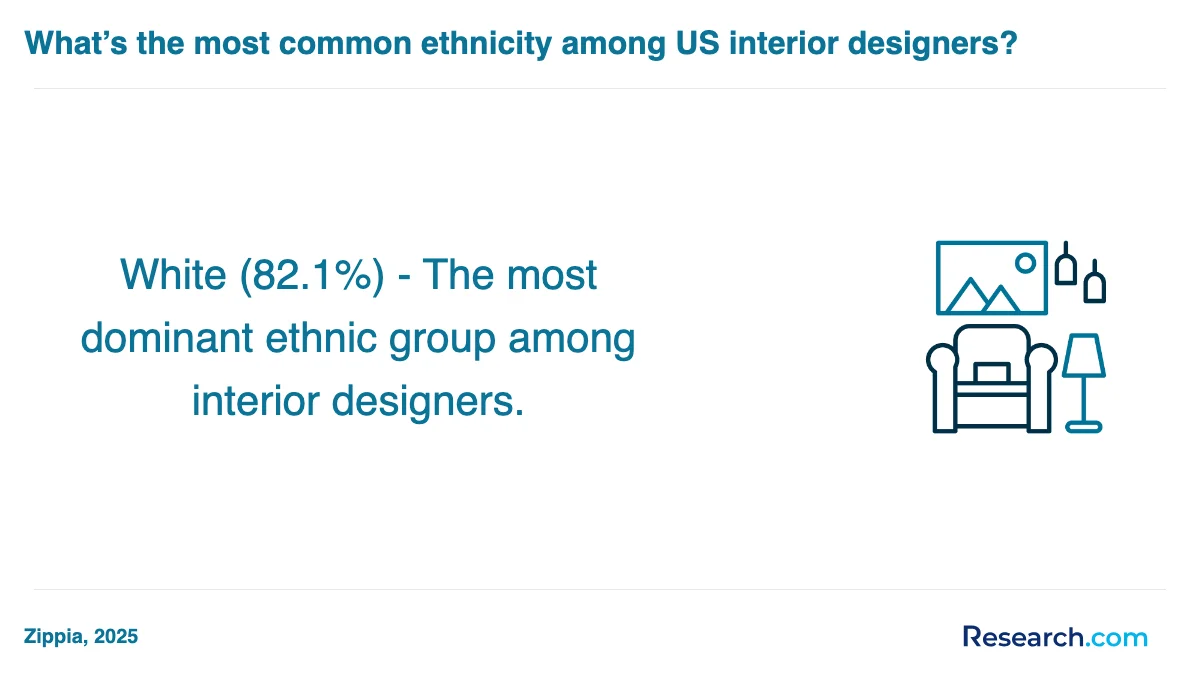
Graduates of Texas interior designer trade schools step into a vibrant world of interior design career opportunities in Texas. Many begin as design assistants or junior designers, gaining hands-on experience in bustling Houston firms or innovative Dallas studios. These entry-level roles spark excitement as graduates collaborate on real projects, select trendy materials, and communicate with clients eager for fresh ideas.
As confidence grows, opportunities expand into lead designer and project manager positions, often in hospitals, hotels, or stylish restaurants across Texas. Some adventurous graduates open their own design practices, crafting personalized interiors for private residences. Others dive into specialized roles such as design visualization or interior architecture, blending creativity with technical skills learned at popular trade schools.
Jobs for interior design graduates in Texas also include unique paths like procurement specialists or sales consultants in furniture showrooms. By pursuing licensure and the NCIDQ exam, ambitious designers unlock even more career doors. For those eager to further advance, exploring a fast track online architecture degree can accelerate growth and expand design horizons.
The interior designer job outlook in Texas is vibrant and full of promise for trade school graduates ready to dive into creative careers. Popular trade schools in Texas offer hands-on training that many alumni find directly translates into valuable skills employers crave, like CAD proficiency and client communication. Graduates often recall feeling confident stepping into roles such as Interior Designer, Design Consultant, or Design Manager across sectors like residential and hospitality, thanks to this practical foundation.
Interior design employment opportunities Texas presents are broad and diverse, with over 300 open positions statewide in 2025. Salaries range attractively, from entry-level $51,000-$69,000 in cities like Houston, to $85,000 on average, with seasoned pros earning beyond $113,000. This growth aligns with ongoing construction booms and thriving real estate markets.
Hands-on experience from Texas trade schools often makes a real difference, fueling graduates' excitement as they land these roles. For those curious about advancing further, exploring the cheapest online master's degree in architecture could be the next adventurous step.
Best Interior Design Training Programs & Schools - Top Interior Design Schools in Texas for 2026
# 1 position
Dallas College - Interior Design.
associateDallas College offers a hybrid Interior Design program that trains students in professional planning, designing, and furnishing of interior spaces. The curriculum covers computer applications, drafting, lighting, acoustics, systems integration, color coordination, and furniture. Students also learn about textiles, historical design styles, structural design, building codes, and applications for various commercial and residential environments. Annual in-state tuition is $2,370, and median earnings one year after completion reach $31,478. The program is accredited by the Southern Association of Colleges and Schools Commission on Colleges.
# 2 position
Dallas College - Interior Design.
certificate or diplomaThe Interior Design program at Dallas College is a hybrid format offering with some distance-education options. It prepares students to professionally plan, design, and furnish residential and commercial interior spaces. The curriculum covers computer applications, drafting, lighting, acoustics, color coordination, furniture, textiles, structural design, building codes, and various design applications. Annual in-state tuition is $2,370. The program is accredited by the Southern Association of Colleges and Schools Commission on Colleges. Median earnings one year after completion are $31,478.
# 3 position
Collin County Community College District - Interior Design.
associateThe Interior Design program at Collin County Community College District offers a hybrid format with some distance-education options. It prepares students in artistic principles and techniques for planning, designing, and furnishing residential and commercial spaces. The curriculum covers computer applications, drafting, lighting, acoustics, furniture, textiles, design history, building codes, and applications for various environments. Annual in-state tuition is $1,864, and median earnings one year after completion are $33,456.
# 4 position
Collin County Community College District - Interior Design.
certificate or diplomaThe Interior Design program at Collin County Community College District offers a hybrid format with some distance-education options. The curriculum covers artistic principles, computer applications, drafting, lighting, acoustics, furniture, textiles, and building codes. Annual in-state tuition is $1,864. Graduates earn a median income of $33,456 one year after completion. The program is accredited by the Southern Association of Colleges and Schools Commission on Colleges.
# 5 position
St Philip's College - Interior Design.
associateSt Philip's College offers a hybrid Interior Design program that trains students in planning, designing, and furnishing residential and commercial interiors. The curriculum includes computer applications, drafting, graphic techniques, lighting, acoustics, and color coordination. Students also study furniture, textiles, structural design, building codes, and various design applications. The program is accredited by the Southern Association of Colleges and Schools Commission on Colleges, with in-state tuition costing $3,412 annually.
# 6 position
St Philip's College - Interior Design.
certificate or diplomaSt Philip's College offers a hybrid Interior Design program preparing students to professionally plan, design, and furnish residential and commercial spaces. The curriculum covers computer applications, drafting, graphic techniques, lighting, acoustics, systems integration, color coordination, furniture, textiles, and structural design. Students also learn building codes and apply knowledge to various design settings. The program is accredited by the Southern Association of Colleges and Schools Commission on Colleges. Annual in-state tuition is $3,412.
# 7 position
El Paso Community College - Interior Design.
associateEl Paso Community College offers a hybrid Interior Design program focusing on professional planning, designing, and furnishing of residential and commercial spaces. The curriculum covers computer applications, drafting, lighting, acoustics, color coordination, furniture, textiles, and building codes. Annual in-state tuition is $3,274. The program is accredited by the Southern Association of Colleges and Schools Commission on Colleges.
# 8 position
El Paso Community College - Interior Design.
certificate or diplomaEl Paso Community College offers a hybrid Interior Design program focusing on professional planning, designing, and furnishing of residential and commercial spaces. The curriculum includes computer applications, drafting, graphic techniques, interior lighting, acoustics, systems integration, color coordination, furniture, textiles, structural design, and building codes. The program is accredited by the Southern Association of Colleges and Schools Commission on Colleges. Annual in-state tuition is $3,274.
# 9 position
San Jacinto Community College - Interior Design.
associateSan Jacinto Community College offers a Hybrid Interior Design program focused on applying artistic principles to planning, designing, and furnishing residential and commercial spaces. The curriculum includes computer applications, drafting, lighting, acoustics, furniture, textiles, and building codes. Annual in-state tuition is $1,992. The program is accredited by the Southern Association of Colleges and Schools Commission on Colleges.
# 10 position
San Jacinto Community College - Interior Design.
certificate or diplomaSan Jacinto Community College offers a hybrid Interior Design program that prepares students in professional planning, designing, and furnishing of interior spaces. The curriculum covers computer applications, drafting, lighting, acoustics, furniture, textiles, and building codes. The program has an annual in-state tuition of $1,992 and is accredited by the Southern Association of Colleges and Schools Commission on Colleges.
Frequently Asked Questions about interior designer
After completing an interior designer trade school program in Texas, preparing for the job market involves several key steps. First, gaining practical experience through internships or apprenticeships is crucial, as Texas employers often seek candidates with hands-on skills. According to the Texas Workforce Commission, interior design job openings are projected to grow by 8% through 2030, indicating steady demand.
Building a professional portfolio showcasing your best work helps demonstrate your abilities to potential employers. Additionally, obtaining certifications such as the NCIDQ (National Council for Interior Design Qualification) can enhance your credibility. Networking with local design firms and joining organizations like the Texas Chapter of the American Society of Interior Designers (ASID) also supports career growth.
Employers hiring interior designer trade school graduates in Texas prioritize a blend of technical and creative skills. Proficiency in design software like AutoCAD, SketchUp, and Revit is essential, as these tools are widely used in planning and visualizing interior spaces. According to the U.S. Bureau of Labor Statistics and Texas Workforce Commission data, strong spatial awareness and knowledge of building codes and safety regulations are also critical.
Communication skills rank highly, enabling designers to collaborate effectively with clients, contractors, and suppliers. Additionally, employers value practical experience with materials and finishes, along with budgeting and project management abilities. These skills collectively prepare graduates to meet the demands of Texas's diverse design market.
Finding internships relevant to an interior designer trade school program in Texas involves several practical steps. Begin by contacting your school's career services office, as many Texas trade schools maintain partnerships with local design firms. According to the Texas Workforce Commission, internships in interior design have grown by 8% over the past five years, signaling increased opportunities. Networking at industry events hosted by organizations such as the Texas Chapter of the American Society of Interior Designers (ASID) can also be valuable. Additionally, online job platforms often list internships in major Texas cities like Houston, Dallas, and Austin, where most design firms are concentrated.
Obtaining a diploma from an interior designer trade school in Texas can significantly impact career mobility and advancement. These programs provide practical skills and industry-specific knowledge that meet the standards of Texas employers, improving graduates' competitiveness in the job market. According to the Texas Workforce Commission, skilled trade certifications, including interior design diplomas, often lead to higher employment rates and wage growth within five years of completion.
Many trade schools offer partnerships with local firms, enhancing internship and networking opportunities, which are crucial for career advancement. Additionally, diploma holders may qualify for entry-level design roles more quickly than those without formal credentials.
While licensing for interior designers is not mandatory statewide in Texas, a trade school diploma supports professional development and can be a stepping stone toward certification through organizations like NCIDQ, further boosting career prospects.
Students enrolled in interior designer trade schools in Texas can benefit from several part-time job opportunities that complement their education. Positions such as design assistant roles in local architecture firms or interior design studios allow students to gain practical experience while attending classes. Retail jobs at home improvement stores or furniture outlets provide valuable exposure to materials and client preferences. According to the U.S. Bureau of Labor Statistics, Texas has a growing demand for interior designers, with a 12% projected job growth from 2022 to 2032. Internships or freelance work in drafting or 3D rendering also help build relevant skills during studies.
When choosing the best interior design degree program near me, consider factors such as accreditation, faculty expertise, and available resources like studio space and technology. In the state of Texas, notable universities and programs near Texas offer various curriculum options and hands-on experiences tailored to aspiring interior designers. Research.com is a helpful resource to compare programs closer to you and guide your decision based on program strengths and regional reputation.
- Best Interior Design Training Programs & Schools - Top Interior Design Schools in Oklahoma for 2026
- Best Interior Design Training Programs & Schools - Top Interior Design Schools in Kansas for 2026
- Best Interior Design Training Programs & Schools - Top Interior Design Schools in Missouri for 2026
- Best Interior Design Training Programs & Schools - Top Interior Design Schools in Colorado for 2026
- Best Interior Design Training Programs & Schools - Top Interior Design Schools in Mississippi for 2026
- Best Interior Design Training Programs & Schools - Top Interior Design Schools in Arizona for 2026
- Best Interior Design Training Programs & Schools - Top Interior Design Schools in Georgia for 2026
- Best Interior Design Training Programs & Schools - Top Interior Design Schools in Florida for 2026
- Best Interior Design Training Programs & Schools - Top Interior Design Schools in Iowa for 2026
- Best Interior Design Training Programs & Schools - Top Interior Design Schools in North Carolina for 2026
- Interior Design Trade Schools & Training Programs https://www.best-trade-schools.net/programs/arts-design/interior-design/
- 6 Types of Interior Design Jobs to Consider - Villa Maria College https://www.villa.edu/comparing-career-paths-in-interior-design/
- Interior designer | Explore Careers | National Careers Service https://nationalcareers.service.gov.uk/job-profiles/interior-designer
- Can I study to become an Interior designer while working full time? - HomeByMe https://home.by.me/en/decor-magazine/professionals/becoming-pro/become-interior-designer-working-full-time/
- WorkBC Site Maintenance - Service Temporarily Unavailable https://www.workbc.ca/career-profiles/interior-designers-and-interior-decorators
- What can I do with an interior design degree? | Prospects.ac.uk https://www.prospects.ac.uk/careers-advice/what-can-i-do-with-my-degree/interior-design
- Eight Careers That Rely on Interior Design Skills and How to Get Started | Belmont University https://www.belmont.edu/stories/articles/2024/interior-design-career-paths.html
- Interior Designers: Salary, career path, job outlook, education and more - RaiseMe https://www.raise.me/careers/arts-and-design/interior-designers/
- What You Can Do With an Interior Design Degree | New Jersey Institute of Technology https://www.njit.edu/admissions/blog-posts/what-you-can-do-interior-design-degree
- Interior Designer https://www.careers.govt.nz/jobs-database/construction-and-infrastructure/architecture-technical-design-mapping/interior-designer/


