Best HVAC Technician Training Programs & Trade Schools - Top HVAC Tech Schools in Savannah for 2026

Co-Founder and Chief Data Scientist
Looking to start a rewarding career as an HVAC technician in Savannah? This article introduces the best HVAC technician trade schools in the area for 2026, helping you find the right program to kickstart your journey.
The ranking featured here was carefully developed by the Research.com team of data scientists to guide you in making an informed decision about which schools offer quality training and certification.
Whether you’re aiming for a diploma or certification, gaining skills in HVAC opens doors to steady work and growth. Reading this will give you confidence in choosing a program that fits your goals.
Key benefits of finishing HVAC technician trade school in Savannah
- Graduates from HVAC technician trade schools in Savannah can expect an average starting wage of around $26.69 per hour, with opportunities to earn up to $30.19 per hour as experience grows, making it a rewarding career choice.
- Many HVAC trade school graduates find diverse career paths, including becoming specialized HVAC Controls Technicians, where salaries can reach an average of $55,862 annually, offering room for advancement and increased responsibility.
- Completing HVAC training online offers flexibility and convenience, allowing students to balance work and study, similar to successful graduates from popular Savannah programs who praised the time-saving benefits compared to traditional degrees.
- Best HVAC Technician Training Programs & Trade Schools - Top HVAC Tech Schools in Savannah for 2026
- What can I expect from HVAC technician trade schools in Savannah?
- Where can I work after finishing HVAC technician trade schools in Savannah?
What can I expect from HVAC technician trade schools in Savannah?
Students enrolling in an HVAC technician trade school program in Savannah can expect a well-rounded education blending theory with hands-on training. Graduates from programs like Savannah Technical College describe engaging coursework in refrigeration theory, EPA 608 certification preparation, and practical skills such as piping, brazing, and soldering. Many recall using real tools and virtual simulations that closely mimic on-the-job scenarios, boosting their confidence before entering the workforce.
Programs typically last around 120 hours, with flexible payment options that make education accessible. Students often appreciate the supportive environment, where instructors emphasize both technical skills and soft skills like communication and problem-solving, preparing them for real-world challenges.
Graduates frequently highlight the value of certification preparation, including HVAC Excellence and NATE exams, which enhance their employability. With job placement rates near 70%, students feel optimistic about securing entry-level positions locally after completing their training.
Where can I work after finishing HVAC technician trade schools in Savannah?
After finishing an HVAC technician trade school program in Savannah, graduates find diverse employment opportunities across multiple industries. Many secure positions with licensed HVAC service companies that handle installation, maintenance, and repair in residential and commercial settings. For example, graduates from local trade schools often join mechanical contractors or building maintenance firms, gaining hands-on experience with real-world systems.
Some Savannah graduates work in large-scale commercial projects, such as maintaining HVAC systems at institutions like Savannah College of Art and Design. These roles emphasize troubleshooting, electrical skills, and system controls, offering rewarding challenges for new technicians.
Others choose independent contractor roles, enjoying flexible schedules and competitive hourly wages ranging from $22 to $38, with some earning up to $65 based on expertise. Career advancement is common, with many graduates progressing to lead installer, supervisor, or service manager roles. Experienced technicians also transition into system design, sales, or training positions, reflecting the strong demand for skilled HVAC professionals in Savannah's growing job market.
After finishing an HVAC technician trade school program in Savannah, graduates typically earn between $26 and $30 per hour starting out. This aligns with reports from local trade schools where new technicians share excitement about earning around $26.69 hourly soon after graduation, translating to about $46,000 to $62,000 annually with full-time work and overtime. Many find these wages encouraging as they quickly begin applying hands-on skills gained during training.
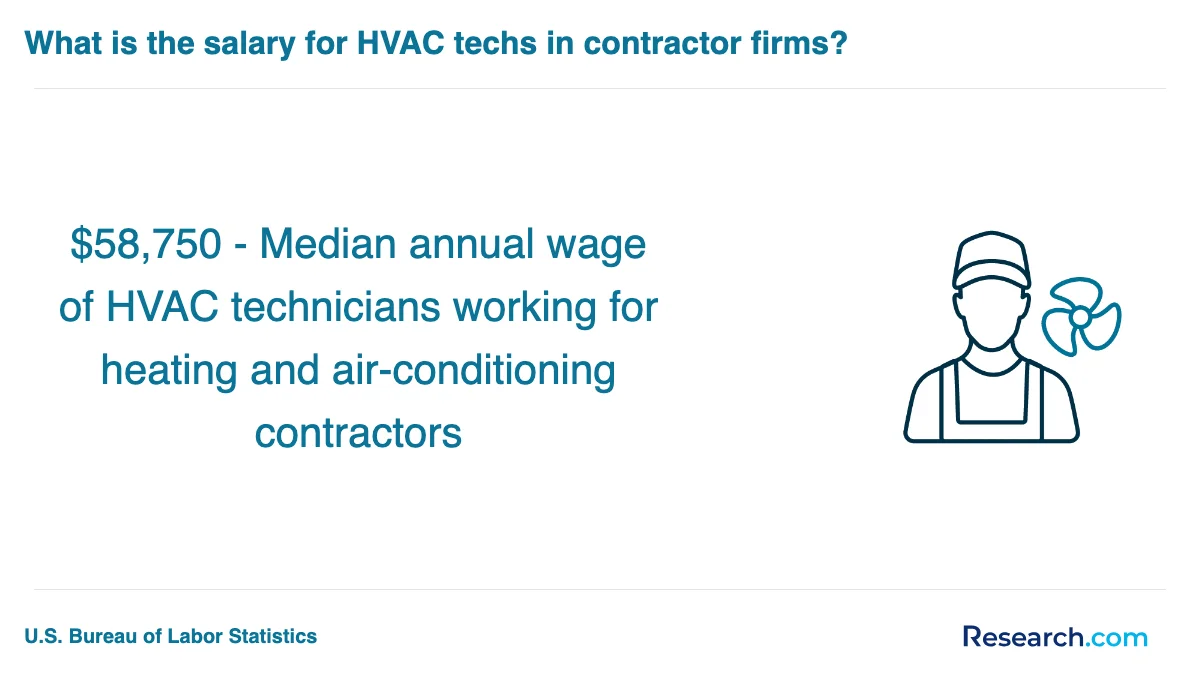
With experience, HVAC technicians in Savannah report average annual salaries near $58,000, with some advancing to over $65,000 within a few years. Graduates often describe how overtime-especially during busy seasons or emergency calls-adds an extra $6,750 to $7,000 yearly, boosting their income noticeably. Those who specialize, such as HVAC controls technicians, earn about $55,862 on average, showing Savannah's strong demand for skilled workers.
Graduates from popular Savannah trade schools consistently express confidence in the local job market and satisfaction with their career growth prospects, appreciating the stability and competitive wages their education unlocked.
- Savannah offers accredited HVAC programs including diplomas, certificates, and associate degrees at schools like Savannah Technical College.
- Program lengths vary from about 120 hours for some online courses to up to two years for in-person programs.
- Graduation rates can reach 80%, with job placement rates around 70% for some online programs.
- Online courses like SkillCat cost about $10 per month or $96 per year, while campus programs charge $578 to $878 per credit hour.
- Most programs prepare students for EPA 608 certification and may include vouchers for NATE or HVAC Excellence exams.
- Starting salaries for HVAC technicians in Georgia range from $35,000 to $47,000, with experienced workers earning $60,000 or more annually.
Completing an HVAC technician trade school program in Savannah typically takes between six months and one year. This timeframe allows students to gain hands-on experience and develop the technical skills necessary for entry-level positions in the HVAC industry. Many graduates from well-known trade schools in Savannah report feeling confident and prepared to enter the workforce shortly after finishing their programs.
For example, students often share how the intensive, focused curriculum fit well with their busy schedules, enabling them to balance work or family commitments while advancing their careers. The practical training in Savannah's trade schools immerses students in real-world HVAC scenarios, such as troubleshooting residential heating systems or installing commercial air conditioning units, which reinforces learning and builds job readiness.
The relatively short program length combined with high-quality instruction makes these Savannah trade schools appealing to those eager to start earning quickly in a stable and growing field. Graduates frequently highlight their satisfaction with the efficient, supportive learning environment that fosters both skill mastery and professional growth.
The primary difference between online and on-campus HVAC technician trade school programs in Savannah lies in how students gain both theoretical knowledge and practical skills. Online programs, like those offered by SkillCat, provide flexible access to coursework and virtual simulations, allowing students to study EPA 608 preparation, refrigeration theory, and air conditioning systems from any location. Graduates often appreciate the convenience of self-paced learning and the ability to balance education with work or family commitments.
Conversely, on-campus programs at institutions such as Ogeechee Technical College focus heavily on hands-on training. Students engage directly with real HVAC equipment in labs, practicing piping, brazing, and troubleshooting under expert supervision. Many graduates find that this immersive environment builds confidence and teamwork skills essential for the workplace.
Both formats prepare students for certifications like EPA 608 and NATE Ready to Work, but on-campus programs tend to provide more immediate instructor feedback and stronger connections to local employers, which many Savannah students find invaluable for job placement.
The average cost HVAC technician program Savannah GA students typically encounter varies by institution but commonly revolves around $7,000 annually. At Savannah Technical College, a well-known trade school in the area, HVACR students whose families earn between $48,000 and $75,000 report total yearly expenses of about $7,154, which includes tuition, fees, and necessary supplies. Graduates often emphasize how this investment translated into hands-on training that prepared them effectively for the job market, reinforcing the value of these tuition fees.
Beyond basic tuition, students should account for additional costs such as books, supplies, and tools. These expenses can cumulatively add $1,000 to $4,000, depending on the chosen program's requirements. For many studying HVAC trade school tuition fees Savannah Georgia reflect in real-life scenarios where graduates recall balancing the expense of tools critical to learning, such as specialized gauges and diagnostic equipment. Living costs also factor into overall budgeting, with typical housing and food expenses ranging from $5,000 to $10,000 annually, underscoring the need for careful financial planning.
Many prospective students find that exploring financial aid options-including federal grants, state scholarships, and veteran benefits-greatly alleviates the economic burden of attending trade programs in Savannah. Those researching flexible alternatives may also consider affordable online hvac courses with certificates, which can provide cost-effective pathways to certification while maintaining a quality education that aligns with professional goals.
Students pursuing HVAC technician programs in Savannah often rely on financial aid options to ease the burden of tuition and related expenses. Many start by completing the Free Application for Federal Student Aid (FAFSA), which opens doors to federal grants like the Pell Grant that do not require repayment. Graduates from Savannah Technical College frequently share how this grant helped cover essential tuition costs, allowing them to focus on hands-on learning without overwhelming debt.
Georgia residents benefit significantly from the HOPE Career Grant, which fully covers tuition for high-demand fields such as HVAC technology. This grant, combined with the HOPE Grant for diploma or certificate programs, has empowered many local students to pursue their HVAC training with financial peace of mind. One recent graduate recalled how these grants made enrolling at Savannah Technical College affordable, turning their passion for HVAC into a stable career.
Beyond grants, students can access federal loans, work-study programs, and scholarships offered by technical colleges. Some programs even provide aid specifically for purchasing tools and supplies, a crucial help since these costs can add up quickly. The availability and amount of aid depend on factors like income and residency, so staying on top of application deadlines and required documents is essential for maximizing support.
Enrolling in an HVAC technician trade school program in Savannah typically requires candidates to meet a few straightforward prerequisites designed to ensure readiness for the hands-on and technical nature of the training. Most trade schools expect applicants to have a high school diploma or GED, which lays the foundational knowledge needed for understanding core concepts such as basic math, physics, and safety protocols.
Graduates from Savannah-based programs often highlight how their prior experiences with tools or electronics gave them confidence when starting the coursework. Schools also look for applicants who demonstrate strong problem-solving skills and a willingness to learn in a practical environment.
Common prerequisites include:
- Proof of high school completion or equivalent
- Basic understanding of electrical systems and mechanical aptitude
- Ability to pass a background check and drug screening, depending on the school
- Physical fitness to handle manual labor and work in varied environments
Many students recall their excitement when their trade school in Savannah provided hands-on labs early in the program, validating their decision to pursue HVAC training. This real-world focus, combined with meeting these prerequisites, helps ensure a smooth transition from classroom learning to career readiness.

HVAC technician trade school programs in Savannah typically include a blend of theoretical and practical courses designed to prepare students for real-world HVAC challenges. Graduates often recall starting with foundational classes such as Introduction to HVAC, where they grasp essential concepts like thermodynamics, electricity, and safety protocols.
Hands-on training is a highlight for many students at popular Savannah trade schools. Core skill-building courses include:
- Key Hand Tools - learning the safe and effective use of industry-standard tools
- Piping, Brazing, and Soldering - mastering installation and repair techniques
- Refrigeration Theory - understanding cooling systems and refrigerants
- Air Conditioning, Heating, and Ventilation Systems - detailed study of system components and troubleshooting
Many students appreciate the inclusion of virtual simulations that replicate real HVAC scenarios, enhancing their confidence before entering the field. Certification preparation, especially for the EPA 608 credential, is a crucial course component, ensuring graduates meet federal standards to handle refrigerants safely.
Soft skills training in communication and problem-solving is also emphasized, helping students feel ready to engage with customers and work effectively in teams during internships or entry-level positions in Savannah's HVAC industry.
HVAC technician trade school programs in Savannah offer a range of specializations designed to meet both local and national market demands. Graduates from popular Savannah trade schools frequently highlight their hands-on experience with refrigeration technology, mastering residential and commercial cooling cycles that are vital given the region's warm climate. Specializations commonly include:
- Refrigeration systems troubleshooting and repair
- Air conditioning installation and maintenance, from small split units to large commercial systems
- Electrical systems and advanced HVAC controls, focusing on motors and circuit components
- Preparation for industry certifications like EPA 608 and NATE Ready to Work
- Additional skills such as heat pump technologies, gas heat systems, and blueprint reading
Students often share how these Savannah HVAC technician training options boost their confidence in field diagnostics and problem-solving. Beyond technical skills, many emphasize soft skills like communication and time management as critical for workplace success. For those seeking comprehensive training, exploring top online trade schools can also supplement local programs with flexible learning tailored for HVAC specialization programs in Savannah GA.
Choosing the best HVAC technician programs Savannah requires a focus on accreditation, hands-on training, and job placement success. Graduates from Savannah Technical College emphasize how the program's accreditation by SACSCOC assures employers of a quality education. Their experience with well-equipped labs and practical coursework in refrigeration and HVAC system design builds real confidence for on-the-job challenges.
Flexibility is another key factor. Many students appreciate schedules that include evening and online options, allowing them to balance work and study effectively. Savannah's top-rated HVAC trade schools Savannah often provide these adaptable formats, making education accessible without sacrificing income.
Job placement rates matter deeply when selecting a school. Savannah Technical College's 99% overall placement, and 94% in-field rate, reflect strong local industry ties and programs designed to meet workforce demands. Many graduates share that this direct pathway into employment helped them feel secure and optimistic about their careers. For those seeking more options, exploring vocational trade schools online can broaden possibilities without leaving Savannah.
Graduates of HVAC technician trade school programs in Savannah find abundant HVAC technician jobs in Savannah GA across residential and commercial fields. Many start as HVAC installers, service technicians, or maintenance technicians, applying skills learned at popular local trade schools in real-world settings such as homes, hospitals, and schools. These roles offer immediate hands-on experience and steady career growth.
For those seeking to specialize, options include becoming chiller technicians handling large refrigeration systems or advancing to supervisory roles managing service teams. Graduates often appreciate opportunities to work on energy efficiency upgrades or construction projects, reflecting current market demands. Positive outcomes from Savannah graduates highlight career satisfaction based on diverse job types and a strong local employer preference for formally trained technicians.
Many pursue HVAC careers for trade school graduates in Savannah beyond entry-level by obtaining certifications like the EPA credential or expanding into sales, system design, or management. Some even start their own businesses, leveraging comprehensive technical training and local industry connections. To explore detailed pathways and expected salaries, prospective students can consult resources such as how to become hvac technician.
The HVAC technician job outlook Savannah GA is very promising for graduates of local trade schools. Many graduates report finding entry-level roles quickly, with hourly wages averaging $26.69, and some starting as high as $30. This strong demand reflects the city's expanding construction and renovation sectors, where skilled HVAC professionals are essential for residential and commercial projects. Popular trade schools in Savannah equip students with practical, hands-on experience that employers value, which boosts confidence and job readiness.
Beyond entry-level jobs, technicians in Savannah often advance into roles such as HVAC controls technicians, earning approximately $55,862 annually. This progression exemplifies how additional certifications and experience can lead to rewarding career growth. Savannah's favorable climate ensures year-round need for skilled HVAC technicians, contributing to a stable employment environment.
For those considering the field, understanding HVAC technician salary Savannah Georgia is key. Many graduates benefit from competitive wages combined with overtime pay. Exploring highest paid trade school jobs can help students envision long-term financial success in this career path.
Best HVAC Technician Training Programs & Trade Schools - Top HVAC Tech Schools in Savannah for 2026
# 1 position
Savannah Technical College - Heating, Air Conditioning, Ventilation and Refrigeration Maintenance Technology/Technician.
associateThe Heating, Air Conditioning, Ventilation and Refrigeration Maintenance Technology/Technician program at Savannah Technical College prepares students to repair, install, service, and maintain HVAC and refrigeration systems. The hybrid program includes instruction in diagnostic techniques, testing equipment, and principles of mechanics, electricity, and electronics. Annual in-state tuition is $3,072. The program is accredited by the Southern Association of Colleges and Schools Commission on Colleges.
# 2 position
Savannah Technical College - Heating, Air Conditioning, Ventilation and Refrigeration Maintenance Technology/Technician.
certificate or diplomaThe Heating, Air Conditioning, Ventilation and Refrigeration Maintenance Technology/Technician program at Savannah Technical College prepares students to repair, install, service, and maintain HVACR systems. Instruction covers diagnostic techniques, testing equipment, and principles of mechanics, electricity, and electronics. The program is offered in a hybrid format with some distance-education options. Annual in-state tuition is $3,072. It is accredited by the Southern Association of Colleges and Schools Commission on Colleges.
Frequently Asked Questions about HVAC technician
After completing an HVAC technician trade school in Savannah, preparing for the job market involves several key steps. First, obtaining EPA Section 608 certification is essential, as federal law requires HVAC technicians to handle refrigerants legally. Many trade schools incorporate this certification into their curriculum.
Building practical experience through internships or apprenticeships with local HVAC companies in Savannah can significantly improve job prospects. According to the U.S. Bureau of Labor Statistics, HVAC employment in Georgia is projected to grow 8% from 2022 to 2032, reflecting steady demand.
Networking through local trade associations, such as the Georgia Air Conditioning Contractors Association, also helps graduates connect with employers. Additionally, maintaining up-to-date knowledge of energy-efficient technologies is increasingly valued in the Savannah job market.
Employers in Savannah seek HVAC technician graduates with a strong mix of technical and soft skills. Proficiency in installing, maintaining, and repairing HVAC systems is essential, supported by knowledge of electrical systems and refrigeration technologies. According to the U.S. Bureau of Labor Statistics, technicians with EPA certification have better job prospects, as handling refrigerants requires this credential.
Communication skills are also important, enabling technicians to explain issues clearly to customers. Problem-solving abilities and attention to detail help prevent costly errors. Local industry reports highlight a growing demand for technicians familiar with energy-efficient systems and smart technologies, reflecting Savannah's focus on sustainable building practices.
Finding internships in Savannah related to HVAC technician trade school programs involves several practical steps. Start by contacting local trade schools, as many have partnerships with HVAC companies offering internships tailored to students. Schools like Savannah Technical College often maintain internship databases and can assist with placement.
Additionally, search for internships through Savannah's workforce development agencies or the Georgia Department of Labor, which lists opportunities in skilled trades. Networking with local HVAC contractors and industry associations, such as the Air Conditioning Contractors of America (ACCA), can also reveal openings not publicly advertised.
According to the U.S. Bureau of Labor Statistics, hands-on experience is critical for HVAC certification, making internships a valuable part of training.
Obtaining a HVAC technician trade school diploma in Savannah significantly enhances career mobility and advancement opportunities. According to the U.S. Bureau of Labor Statistics, HVAC technicians in Georgia have a projected job growth rate of 8% through 2031, reflecting steady demand. Completing a diploma program equips graduates with hands-on skills and industry certifications recognized by local employers, which is crucial for securing entry-level positions and promotions.
Employers in Savannah increasingly prefer candidates with formal training, as it reduces onboarding time and increases job performance. Additionally, trade school diplomas often fulfill licensing requirements needed to work independently or start a business, further advancing career potential.
Graduates can expect higher starting wages compared to uncertified workers, with median hourly earnings around $20-$25 in Savannah, enhancing economic stability. Local workforce development agencies also report that credentialed HVAC technicians have better access to continuing education and apprenticeships, fostering long-term career growth.
Students enrolled in HVAC technician trade schools in Savannah can benefit from part-time jobs that offer hands-on experience. Entry-level roles such as HVAC helper or assistant technician allow students to apply classroom knowledge while earning income. These jobs often involve equipment maintenance, basic repairs, and customer service, which are crucial skills for HVAC professionals.
Local businesses in Savannah, including residential and commercial HVAC companies, frequently hire part-time workers. According to the U.S. Bureau of Labor Statistics, Savannah's demand for HVAC technicians is expected to grow by 8% from 2022 to 2032, reflecting a strong job market.
Additional opportunities include working in supply stores specializing in HVAC parts or in facilities maintenance at schools and businesses, providing exposure to various systems. These positions help students build valuable industry contacts and improve their technical abilities while continuing their education.
There are several HVAC Technician programs available near Savannah, GA, offered by technical colleges and trade schools. These programs typically provide both classroom instruction and practical hands-on training to prepare students for certification and employment in the HVAC industry. For those searching for educational opportunities "near me" in their local area, Research.com can be a helpful resource for exploring various institutions offering relevant programs.
- HVAC Career Path: What to Expect After Training https://www.genesiscareer.edu/hvac-career-path-after-training/
- Navigating the Career Path of an HVAC Technician | CBT Technology Institute https://www.cbt.edu/blog/navigating-the-career-path-of-an-hvac-technician/
- How to Prepare for an HVAC Career | Air Conditioning & Heating Classes https://www.thetrainingcenterofairconditioningandheating.com/hvac-technician/how-to-prepare-for-an-hvac-career/
- 10 Essential Tips for Starting Your HVAC Career - RightTek HVAC https://righttekhvac.com/2024/08/30/10-essential-tips-for-starting-your-hvac-career/
- What to expect after HVAC trade school? What is a real Technician? #realtech #technician #HVAC https://www.youtube.com/watch
- 4 Tips to Prepare for an HVAC Career Path in Michigan https://www.dorsey.edu/blog/hvac-career-path-mi/
- Air Conditioning (HVAC) - Savannah Technical College https://www.savannahtech.edu/academics/air-conditioning-hvac/
- Online HVAC/R Technician (Voucher Included) from Savannah Technical College https://careertraining.savannahtech.edu/training-programs/hvacr-technician/
- Air Conditioning Technology - Academic Programs - Ogeechee Technical College https://www.ogeecheetech.edu/academics/air-conditioning-technology
- Savannah, Georgia HVAC R Programs https://www.trade-school.com/programs/HVAC-R/GA/Savannah