Best HVAC Technician Training Programs & Trade Schools - Top HVAC Tech Schools in Fayetteville for 2026

Co-Founder and Chief Data Scientist
Choosing the right HVAC technician trade school in Fayetteville can shape your future career. This article introduces a detailed ranking of HVAC technician trade school programs, developed by the Research.com team of data scientists. Their work helps you confidently identify the best schools to consider.
By exploring this guide, you’ll discover programs that offer valuable skills and certifications. Earning a diploma or certification opens doors to rewarding job opportunities and career growth.
Take the first step toward a fulfilling profession in HVAC by learning which schools stand out in 2026.
Key benefits of finishing HVAC technician trade school in Fayetteville
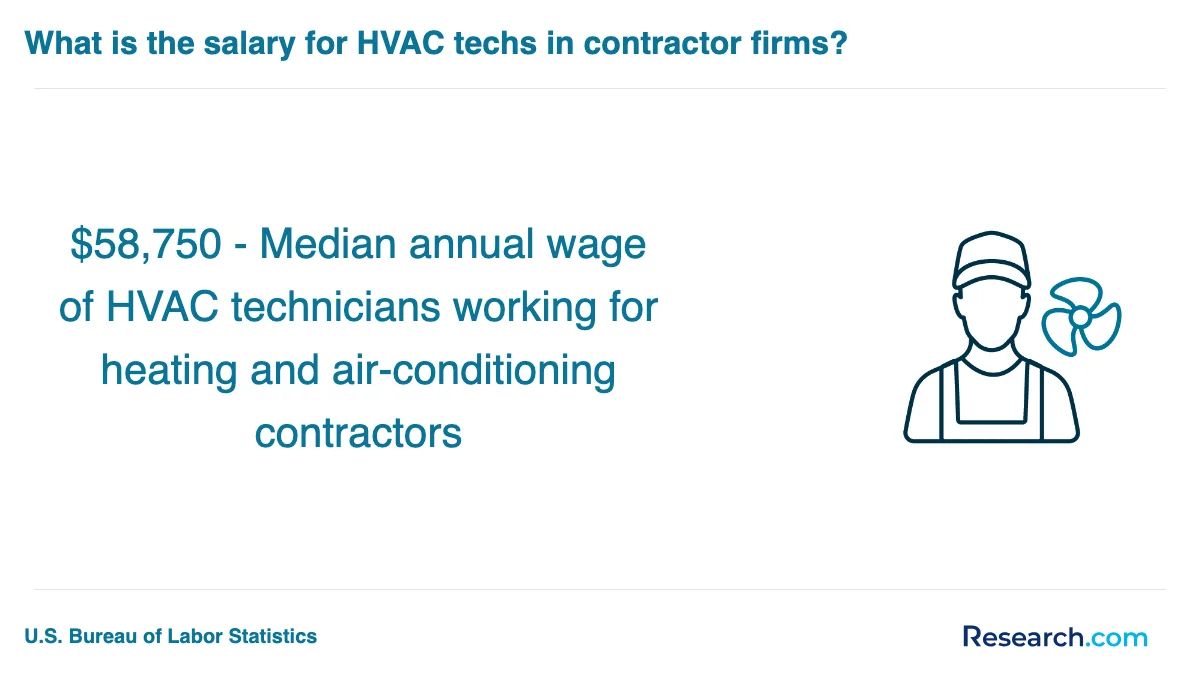
- Graduates from HVAC technician trade schools in Fayetteville can expect starting salaries around $47,000 annually, with opportunities to earn upwards of $60,000 as they gain experience and specialize.
- Career paths for graduates include roles like entry-level HVAC mechanic, residential service technician, and senior technician, offering diverse options to grow and find rewarding work locally.
- Completing an HVAC program online provides flexibility and faster completion times, allowing students to balance work and study while gaining practical skills just like traditional students in Fayetteville.
- Best HVAC Technician Training Programs & Trade Schools - Top HVAC Tech Schools in Fayetteville for 2026
- What can I expect from HVAC technician trade schools in Fayetteville?
- Where can I work after finishing HVAC technician trade schools in Fayetteville?
What can I expect from HVAC technician trade schools in Fayetteville?
Students enrolling in an HVAC technician trade school program in Fayetteville can expect a practical mix of classroom learning and hands-on training designed to build real-world skills quickly. Graduates from popular programs like those at NorthWest Arkansas Community College describe gaining confidence through working directly with industry-standard equipment, diagnosing issues, and performing installations during lab sessions.
Courses cover essential topics such as heating, ventilation, air conditioning, refrigeration systems, and energy-efficient practices, ensuring students understand both theory and application. Classes are often scheduled to accommodate working adults, typically held twice a week in the evenings, allowing students to balance education with other responsibilities.
Many students appreciate the opportunity to earn certifications like the EPA Section 608 during the program, which is crucial for handling refrigerants legally. The chance to complete a certificate in about a year or pursue advanced degrees offers flexibility depending on career goals. Apprenticeships combining paid work with training are emerging options, helping students gain valuable experience while studying.
Where can I work after finishing HVAC technician trade schools in Fayetteville?
After completing an HVAC technician trade school program in Fayetteville, graduates find abundant job opportunities that match their skills and ambitions. Many quickly secure positions with local HVAC contracting companies, gaining hands-on experience installing and maintaining systems for homes and businesses. For example, graduates from well-known Fayetteville trade schools often share how working with companies like Paschal Air, Plumbing & Electric helped them build confidence and technical expertise early in their careers.
Others choose roles within property management firms or maintenance departments at large institutions such as hospitals and universities, where steady, year-round work provides job security and a chance to deepen their troubleshooting skills. Graduates appreciate how these roles allow them to see the direct impact of their work on community wellbeing.
Some graduates find rewarding opportunities with HVAC equipment manufacturers or distributors, contributing to quality control or technical support. With experience, many move into supervisory or specialized roles like Master HVAC Technician, reflecting both their growth and the strong local demand for advanced skills.
After finishing an HVAC technician trade school program in Fayetteville, graduates typically start with salaries ranging from $41,129 to $54,848 per year. Many find this exciting, especially when they realize their skills can quickly translate into steady income. For example, graduates from popular Fayetteville trade schools report starting around $47,000 annually, which offers a solid foundation for new careers. One graduate shared how landing a job at a local company paying about $29 per hour helped them support their family right away.
Hourly wages vary, with some technicians earning between $18 and $45 per hour depending on experience and job complexity. Residential HVAC technicians in Fayetteville often make around $31 per hour, translating to about $63,500 annually. Graduates appreciate that overtime and specialized skills can boost earnings further, sometimes exceeding $100,000 for those who advance.
Starting with a trade school diploma in Fayetteville opens doors to rewarding careers with competitive pay, helping many feel confident about their future.
- Most HVAC trade school programs in Fayetteville can be completed in about 10 months with a mix of classroom and hands-on training.
- Tuition for online programs like SkillCat's HVAC diploma costs around $10 per month or $96 per year for 120 hours of instruction.
- Graduation rates are about 80%, and roughly 70% of graduates find entry-level jobs in residential and commercial HVAC sectors.
- Starting salaries for HVAC technicians in North Carolina range from $35,000 to $45,000 annually, with experienced workers earning $50,000 or more.
- EPA Section 608 certification is required to handle refrigerants, and trade schools prepare students to pass this important exam.
Completing a HVAC technician trade school program in Fayetteville typically takes between 6 months and 1 year. Many local trade schools offer accelerated courses designed to fit busy schedules, so graduates often appreciate how quickly they can move from classes to hands-on training. For example, students at popular Fayetteville schools mention that the fast-paced yet thorough curriculum helped them feel confident working on real HVAC systems much sooner than they expected.
One graduate shared that balancing part-time work while studying was manageable because the programs are structured with clear timelines and practical labs. Most programs combine classroom learning with in-depth hands-on experience, which means students start fixing and maintaining equipment early on, making the learning process engaging and rewarding.
Choosing a program with a completion time under a year allows new HVAC technicians in Fayetteville to enter the workforce quickly, often boosting motivation and excitement about starting their careers without long delays.
The main difference between online and on-campus HVAC technician trade school programs in Fayetteville is how instruction and hands-on training are delivered. Online programs, like those from SkillCat, let students study HVAC theory and safety remotely through interactive digital modules. Graduates often appreciate the flexibility to learn at their own pace, balancing work or family commitments while practicing virtual simulations of installation and troubleshooting.
On-campus programs at places such as Miller-Motte College Fayetteville provide face-to-face instruction with real equipment in labs. Students benefit from direct mentorship and the chance to physically handle HVAC systems, which builds confidence and practical skills essential for fieldwork.
Graduates from on-campus programs often highlight the value of immediate feedback and hands-on problem solving that prepares them for real job sites. Meanwhile, online learners enjoy accessibility and the ability to revisit lessons anytime, making it a great fit for busy schedules.
Both formats prepare students for certifications like the EPA 608, but the experience and daily routine differ significantly depending on the Fayetteville program chosen.
The average cost HVAC technician trade school Fayetteville students face typically revolves around the tuition and additional expenses required to complete a comprehensive training program. At NorthWest Arkansas Community College (NWACC), one of the most popular trade schools, the HVAC technician program tuition fees Fayetteville applicants pay amount to $750 per semester, with the full course spanning three semesters. This results in total tuition of approximately $2,250, covering registration and access to hands-on labs and materials, which graduates find critical for gaining real-world skills.
Beyond tuition, graduates often note that budgeting for books, supplies, and specialized tools is essential. These costs can range from $500 to $3,000, depending on the depth of study and the trade-specific equipment you choose to invest in. Additionally, certification fees, like the EPA 608, may add about $150 but represent a worthy investment toward enhancing job readiness and confidence. Many students share how acquiring these certifications boosted their employability and satisfaction in practical HVAC roles.
Those balancing finances appreciate understanding all these expenses upfront, enabling them to seek financial aid or scholarships tailored for technical trades. Prospective students interested in exploring flexible learning options beyond Fayetteville might consider cheap online maintenance technician trade school programs as well. This approach often helps manage costs while maintaining program quality and advancing careers efficiently.
Many HVAC technician students in Fayetteville find federal financial aid a crucial resource. By completing the FAFSA, they access Pell Grants, which can cover thousands of dollars without repayment. For example, a recent graduate from NorthWest Arkansas Community College (NWACC) shared how a Pell Grant helped reduce tuition costs significantly while they focused on hands-on training.
State scholarships like the Arkansas Academic Challenge and Workforce Challenge provide additional financial support, especially for residents enrolled in HVAC programs. These awards often depend on academic merit or commitment to entering high-demand fields, making them ideal for motivated students eager to start their careers.
Local trade schools also offer scholarships and "earn while you learn" apprenticeships that blend classroom knowledge with paid work experience. Graduates frequently mention how these opportunities eased their financial burden and boosted their confidence by gaining real-world skills as they studied.
Private HVAC-specific scholarships from industry groups further support students committed to the Fayetteville area. Combining these options, students can tailor their aid package to fit their unique needs and goals.
To enroll in an HVAC technician trade school program in Fayetteville, you typically need a high school diploma or GED. Many trade schools emphasize a solid foundation in math and science, so having completed courses in algebra and basic physics can give you a real advantage.
Graduates from popular Fayetteville trade schools often share that being comfortable with hands-on work and problem-solving is crucial. Schools sometimes require passing an entrance assessment to evaluate your readiness, especially in reading comprehension and mechanical reasoning.
Other common prerequisites include:
- Proof of residency or age requirement (usually 18 years or older)
- Basic background check for safety-sensitive training
- Immunization records or physical fitness verification, since HVAC work can be physically demanding
One graduate recalled how attending a Fayetteville trade school helped them quickly transition from classroom learning to real-world HVAC troubleshooting. This hands-on approach is designed to prepare you for the energy and technical skills needed in the field, ensuring you feel confident stepping into your first job.
Typical HVAC technician trade school programs in Fayetteville include several hands-on and theory-based courses designed to prepare students for the field. Graduates often share how starting with an Introduction to HVAC helped them understand essential system types and technician responsibilities, making the learning curve manageable.
Key courses include:
- Basic Electricity: Students learn about circuits, electrical safety, and power distribution, crucial for troubleshooting HVAC systems safely.
- Piping, Brazing, and Soldering: This practical training teaches pipe cutting and joining, skills graduates say boosted their confidence during real installations.
- Refrigeration Theory and Practice: Covers the refrigeration cycle and refrigerant handling, including preparation for the EPA 608 exam, a must-have certification for many Fayetteville technicians.
- Air Conditioning and Heating Systems: Courses focus on diagnosing and repairing various AC units and heating systems like furnaces and heat pumps.
- Energy Efficiency and Green Techniques: Modern programs integrate eco-friendly practices, reflecting the growing demand for sustainable HVAC solutions.
Many students appreciate the balance between classroom lessons and hands-on labs or simulations offered by popular Fayetteville trade schools, which helps them feel ready to tackle real-world HVAC challenges confidently.
HVAC specializations in Fayetteville trade schools typically cover a range of focused areas designed to prepare students for diverse roles in the industry. Many graduates from Fayetteville Technical Community College and Miller-Motte College praise the hands-on training in both residential and commercial HVAC systems, reflecting the real-world demands they face on the job. Key specializations include refrigeration technology, where students master the installation and repair of compressors, condensers, and refrigerants-skills vital for maintaining refrigeration systems in local businesses and hospitals.
Students also focus on air conditioning systems, learning to troubleshoot and optimize heat pumps and furnaces, crucial for Fayetteville's climate. Electrical system training is another vital component, enabling graduates to diagnose complex HVAC electrical controls confidently.
Additional program highlights emphasize technical customer service and OSHA safety standards, helping students develop professional communication skills and workplace safety awareness. Many programs integrate EPA 608 Certification preparation, enhancing employability in Fayetteville's HVAC job market.
For those exploring options, numerous success stories come from the Fayetteville NC HVAC diploma program focus areas that demonstrate strong career readiness. To explore further, visit the top vocational trade online programs for comprehensive pathways designed to fit today's busy students.
When deciding on the best HVAC technician trade schools in Fayetteville, focus on programs that combine strong accreditation with hands-on training. Graduates from local schools often highlight how real-world labs helped them confidently handle HVAC systems during internships. Pay attention to the curriculum; ensure it covers essential skills like electrical systems, refrigeration, and diagnostics, which are vital for immediate job readiness.
Another key aspect is flexibility. Many students balance work or family commitments, so programs offering evening classes or online modules become a vital consideration when learning how to choose HVAC technician programs in Fayetteville. Graduates appreciate schools that maintained clear communication and accessible support services, enhancing their overall experience.
Financial investment is also important. Compare tuition fees and explore financial aid opportunities, as these can significantly affect your decision. For those seeking budget-friendly options, exploring options for cheap hvac certification online can be a practical path without compromising on quality.
Finally, consider a school's job placement rates and ties with Fayetteville's HVAC employers. Graduates often praise schools that foster industry connections, leading directly to internships and jobs after graduation.
Graduates of HVAC technician trade school programs in Fayetteville can pursue a variety of roles that match their skills and ambitions. The most common pathway leads to HVAC technician jobs in Fayetteville NC, where new graduates gain hands-on experience servicing and repairing HVAC systems for homes and businesses. Many start as HVAC installers, setting up equipment in growing residential and commercial construction projects around the city.
From these entry-level roles, experienced graduates often advance to supervisory positions or become master HVAC technicians, leading teams and managing projects with wages reaching up to $62 per hour. Some choose to specialize in refrigeration repair, a niche with strong demand in Fayetteville's expanding healthcare and food service sectors.
Others branch into sales, system design, or project management, leveraging technical knowledge to support businesses in new ways. Graduates from popular Fayetteville trade schools report that their training not only builds practical skills but also confidence to explore diverse HVAC career opportunities in Fayetteville North Carolina.
Whether starting out or advancing, Fayetteville's HVAC market offers steady job prospects and pathways for growth. For those considering where to begin, reviewing options at the best trade schools in the us can help identify the right fit.
The job market for HVAC technician trade school graduates in Fayetteville is robust and welcoming, making it an excellent choice for those pursuing this career path locally. Popular trade schools in Fayetteville equip students with practical skills that match the needs of both local employers and larger service providers. Graduates often share positive experiences about quickly securing positions with companies like Paschal Air, Plumbing & Electric, reflecting the strong demand for certified technicians.
Key advantages for graduates include:
- Over 100 HVAC-related jobs available as of August 2025, including 59 actively listed on platforms like Indeed.
- Competitive hourly wages ranging from $17 to $52, offering financial growth as experience and certifications increase.
- Opportunities with both private companies and municipal employers such as the City of Fayetteville.
This favorable HVAC technician job outlook in Fayetteville NC is supported by steady construction growth and energy efficiency projects, which increase demand for skilled tradespeople. Many graduates benefit from trade schools that emphasize certifications like EPA, ensuring they stand out in the job market. For those wondering about how long to become a hvac technician, Fayetteville's hands-on programs provide efficient paths into employment while building valuable real-world expertise.
Best HVAC Technician Training Programs & Trade Schools - Top HVAC Tech Schools in Fayetteville for 2026
# 1 position
Fayetteville Technical Community College - Heating, Air Conditioning, Ventilation and Refrigeration Maintenance Technology/Technician.
associateFayetteville Technical Community College offers a hybrid program in Heating, Air Conditioning, Ventilation and Refrigeration Maintenance Technology/Technician. The program prepares students to repair, install, service, and maintain heating, air conditioning, and refrigeration systems using diagnostic techniques and testing equipment. Instruction covers mechanics, electricity, and electronics related to these systems. The annual in-state tuition is $2,628. The program is accredited by the Southern Association of Colleges and Schools Commission on Colleges.
# 2 position
Fayetteville Technical Community College - Heating, Air Conditioning, Ventilation and Refrigeration Maintenance Technology/Technician.
certificate or diplomaThe Heating, Air Conditioning, Ventilation and Refrigeration Maintenance Technology/Technician program at Fayetteville Technical Community College offers hybrid learning options. It prepares students to repair, install, service, and maintain HVAC and refrigeration systems. Instruction covers diagnostic techniques, testing equipment, and principles of mechanics, electricity, and electronics relevant to system repair. The annual in-state tuition is $2,628. The program is accredited by the Southern Association of Colleges and Schools Commission on Colleges.
Frequently Asked Questions about HVAC technician
After completing HVAC technician trade school in Fayetteville, graduates should focus on gaining industry certifications such as EPA Section 608, which is mandatory for handling refrigerants. According to the U.S. Bureau of Labor Statistics, HVAC jobs are expected to grow 6% nationally through 2032, reflecting steady demand. Locally, Fayetteville employers often seek candidates with hands-on experience, so completing an internship or apprenticeship can significantly improve job prospects.
Networking within local trade organizations and attending Fayetteville job fairs can also help graduates connect with potential employers. Additionally, maintaining updated knowledge of HVAC technology trends and software is valuable in this evolving field.
Employers in Fayetteville seeking HVAC technician trade school graduates prioritize a blend of technical and soft skills. Key technical abilities include proficiency in installing, maintaining, and repairing heating, ventilation, and air conditioning systems. Graduates must also demonstrate knowledge of electrical systems and refrigerant handling, which are essential for compliance with EPA regulations.
According to the U.S. Bureau of Labor Statistics and Fayetteville regional job postings, strong troubleshooting skills and familiarity with digital diagnostic tools are increasingly important. Effective communication and customer service skills are also highly valued, as technicians often interact directly with clients.
Additionally, employers expect graduates to have a solid understanding of safety protocols to minimize workplace hazards. Hands-on experience through internships or apprenticeships can significantly enhance employability in the Fayetteville HVAC job market.
Finding internships in Fayetteville relevant to HVAC technician trade school programs involves several practical steps. Start by contacting local trade schools and community colleges, as many have partnerships with HVAC companies offering internship opportunities. The Fayetteville Regional Chamber of Commerce also maintains a directory of employers in the trades sector, which can be a valuable resource.
Additionally, websites like the U.S. Department of Labor's Apprenticeship Finder provide listings for HVAC apprenticeships and internships nearby. According to the Bureau of Labor Statistics, internships and apprenticeships significantly increase job placement rates in HVAC fields.
Networking through local HVAC contractors and attending industry job fairs in Fayetteville can open doors to hands-on training positions. Many internships are paid and can last from a few weeks to several months, providing crucial real-world experience.
Obtaining a HVAC technician trade school diploma in Fayetteville significantly enhances career mobility and advancement opportunities. Graduates gain hands-on skills and industry certification that employers in the region prioritize, increasing employability in a competitive job market. According to the U.S. Bureau of Labor Statistics, HVAC technician roles are projected to grow 5% nationally from 2022 to 2032, with Fayetteville showing steady demand due to its expanding construction sector.
Trade school diplomas also qualify individuals for higher entry-level wages compared to those without formal training. Fayetteville's local workforce development reports indicate that certified HVAC technicians can earn 15-20% more annually than uncertified workers.
Additionally, diploma holders have better access to apprenticeship programs and licensing exams, essential for career advancement in Fayetteville's HVAC industry.
Students enrolled in HVAC technician trade schools in Fayetteville can benefit from several part-time job opportunities that enhance practical skills and industry knowledge. Positions such as HVAC apprenticeships or assistant technician roles allow students to apply classroom learning in real-world settings. Local HVAC companies often seek part-time help for installations, maintenance, and repair work. Additionally, retail jobs at home improvement stores like Lowe's or Home Depot offer exposure to HVAC equipment and customer service experience.
According to the U.S. Bureau of Labor Statistics, Fayetteville's HVAC employment is projected to grow by 6% through 2032, making hands-on experience increasingly valuable. These jobs not only supplement income but also build a professional network critical for future employment.
When choosing the best HVAC Technician degree program near Fayetteville, NC or near me, first consider the accreditation status of the institutions offering HVAC programs to ensure that they meet industry standards. Research.com is a helpful resource to check rankings and reviews of universities and colleges, as these may help you assess the quality of the programs available. Additionally, explore the curriculum, hands-on training opportunities, and any partnerships with local businesses to gain practical experience, which can be crucial in making an informed decision.
- A/C, Heating, & Refrigeration Technology - Fayetteville Technical Community College https://www.faytechcc.edu/academics/engineering-applied-technology-programs/ac-heating-refrigeration-technology/
- HVAC Training & Certification in Fayetteville, NC https://www.hvacclasses.org/schools/north-carolina/fayetteville
- HVAC & Basic Refrigeration Training | Miller-Motte College https://www.miller-motte.edu/career-training-programs/skilled-trades/hvac-br/
- HVAC Technician | Wake Tech https://www.waketech.edu/programs-courses/non-credit/workforce-training/construction-maintenance/hvac-technician
- HVAC School in Arkansas | Training for HVAC Jobs in AR https://www.hvacschool.org/arkansas/
- HVAC Certificate of Completion | NorthWest Arkansas Community College https://www.nwacc.edu/academicdivisions/trailstrades/trades/hvac.aspx
- HVAC Career Path: What to Expect After Training https://www.genesiscareer.edu/hvac-career-path-after-training/
- Navigating the Career Path of an HVAC Technician | CBT Technology Institute https://www.cbt.edu/blog/navigating-the-career-path-of-an-hvac-technician/
- How to Prepare for an HVAC Career | Air Conditioning & Heating Classes https://www.thetrainingcenterofairconditioningandheating.com/hvac-technician/how-to-prepare-for-an-hvac-career/
- 10 Essential Tips for Starting Your HVAC Career - RightTek HVAC https://righttekhvac.com/2024/08/30/10-essential-tips-for-starting-your-hvac-career/