
Best Electrical Technician Training Programs & Trade Schools - Top Electrical Tech Schools in Utah for 2026

Co-Founder and Chief Data Scientist
Choosing the right electrician trade school in Utah can shape your future career and open doors to exciting opportunities. This article introduces a carefully crafted electrician trade school programs ranking, developed by the Research.com team of data scientists to help you make an informed decision.
Whether you’re starting fresh or looking to upgrade your skills, earning a diploma or certification in this field offers rewarding career prospects. Explore the best options available and take a confident step toward a fulfilling and stable profession.
Key benefits of finishing electrician trade school in Utah
- Graduates of electrician trade schools in Utah can expect competitive salaries, with average hourly wages around $30.34 and annual earnings near $63,100, plus opportunities for overtime pay.
- Career paths for graduates include residential, commercial, and industrial electrician roles, offering diverse work environments and growth potential based on skills and certifications.
- Completing an electrician trade school online provides flexibility and convenience, allowing students to balance work and study while gaining the same valuable training as traditional programs.
- Best Electrical Technician Training Programs & Trade Schools - Top Electrical Tech Schools in Utah for 2026
- What can I expect from electrician trade schools in Utah?
- Where can I work after finishing electrician trade schools in Utah?
What can I expect from electrician trade schools in Utah?
Students enrolling in electrician trade school programs in Utah can expect a hands-on, practical education that pairs classroom learning with paid apprenticeships. Graduates from schools like Dixie Technical College and Mountainland Technical College often share how their evenings were spent attending classes focused on the National Electrical Code, wiring methods, and safety protocols while working days on real job sites. This combination ensures they gain both the 360 classroom hours and thousands of on-the-job training hours required by Utah's licensing board.
Expect to dive deep into electrical theory, blueprint reading, and troubleshooting-skills that graduates find immediately useful in the field. Many describe the experience as challenging but rewarding, especially when they apply safety techniques learned in class during their apprenticeships. Students must often secure their own apprenticeship positions before enrolling, which helps build early professional connections.
Programs typically span two to four years, depending on your licensure goals, with flexible schedules to accommodate working apprentices. Graduates feel well-prepared for Utah's journeyman exam and confident stepping into roles such as electricians or electrical repair specialists, supported by a clear path to career advancement.
Where can I work after finishing electrician trade schools in Utah?
After finishing an electrician trade school program in Utah, graduates find many career options waiting. Popular trade schools in Salt Lake City and Provo prepare students for roles like apprentice electrician, journeyman electrician, industrial electrician, lighting technician, and electrical repair specialist. Many begin as apprentices, gaining hands-on experience while completing Utah's required 8,000 hours of supervised work. This practical approach helps graduates feel confident stepping into real job sites, whether on commercial construction projects or maintaining electrical systems in manufacturing plants.
Graduates often share how starting as apprentices under seasoned journeymen gave them a clear path to passing the state journeyman exam and unlocking higher-paying positions. After licensing, electricians find opportunities with local contractors, utility companies, or large facilities needing skilled maintenance teams. The steady demand in Utah ensures job openings are frequent, especially in booming areas like industrial construction and infrastructure upgrades. For many, the trade school experience leads directly to rewarding work that combines steady income with career growth.
After completing an electrician trade school program in Utah, graduates typically start earning around $30.34 per hour, which is a solid wage compared to national averages. For those who trained at well-known trade schools in Utah, this means entering the workforce with confidence, knowing their skills are in demand and well compensated.
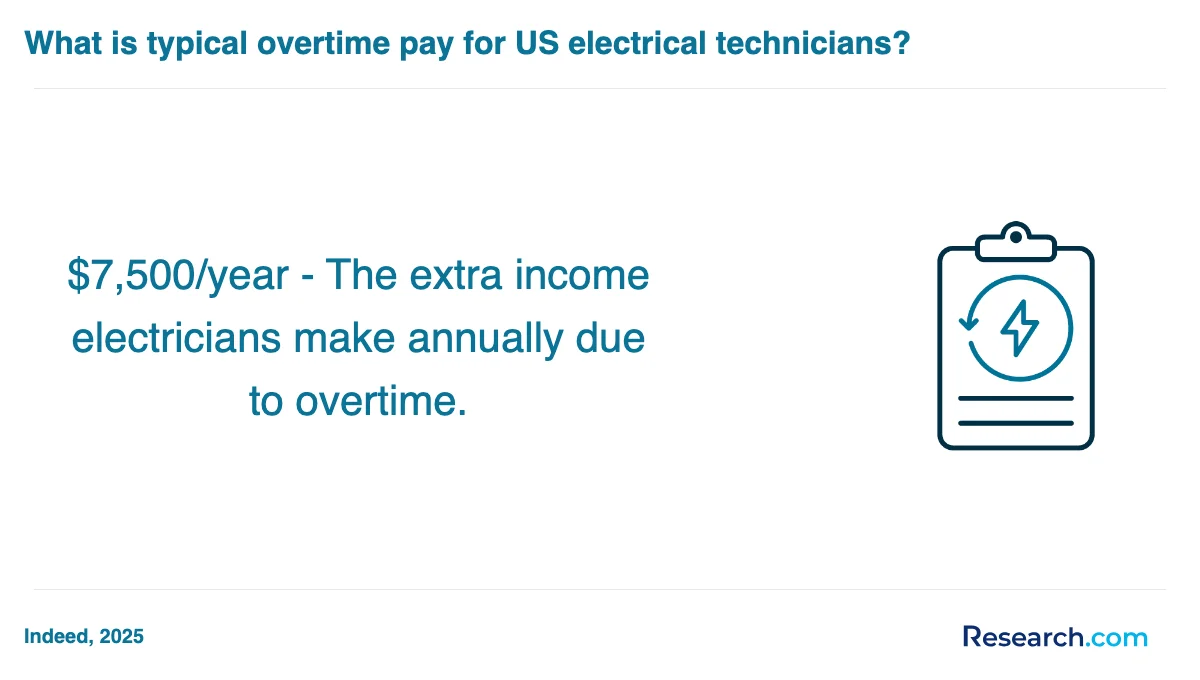
Many graduates share that their first jobs often include overtime opportunities, boosting annual earnings by nearly $9,400. For example, electricians working in Salt Lake City report hourly wages closer to $30.82, translating to about $71,300 annually on a full-time schedule. This level of pay reflects real experience from peers who found steady work right after graduation.
As skills grow and certifications stack up, wages can rise to between $32 and $45 per hour, especially in specialized commercial or industrial roles. Union membership further increases earning potential, offering higher pay scales and benefits. Graduates from Utah trade schools often find this career path rewarding not only financially but also in job stability and growth.
- Most electrician programs in Utah require students to be at least 17 or 18 years old, with some accepting high school seniors.
- To become a Residential Journeyman Electrician, students must complete 4,000 hours of on-the-job training and 360 classroom hours, usually over two years.
- The Journeyman Electrician license requires 8,000 hours of on-the-job training and between 576 and 720 classroom hours, typically over four years.
- Tuition for apprenticeship classes is about $315 per semester, totaling around $2,520 for a full four-year program, excluding books and fees.
- High school students may have tuition waived but still pay for materials and some fees.
- The average salary for electricians in Utah is approximately $56,000, with experienced journeyman electricians earning over $70,000 annually.
Completing an electrician trade school program in Utah typically takes between 9 months and 2 years, depending on the program format and the school's schedule. Many popular trade schools in Utah offer flexible pacing options that accommodate students balancing work or family commitments. For example, some graduates from well-known Utah trade schools recall that enrolling in accelerated courses helped them finish their training in under a year, which felt both efficient and motivating.
Others chose a part-time route, attending evening or weekend classes, stretching their program closer to two years but allowing them to earn income simultaneously. This flexibility often brings relief and confidence, knowing they can progress steadily without sacrificing financial stability.
Hands-on training and real-world simulations at Utah's trade schools help students quickly build skills, making the time invested feel practical and rewarding. Graduates often express pride in how their programs prepared them for immediate entry into Utah's job market, emphasizing that the completion time aligns well with launching a solid electrician career.
The main difference between online and on-campus electrician trade school programs in Utah lies in how you learn and gain hands-on experience. Online programs, like the fully virtual Residential Electrician course at Utah Valley University, let you study theory, electrical codes, and safety from home. Graduates often appreciate the flexibility, especially when juggling work or family, and enjoy interactive simulations and digital walkthroughs that make complex concepts clearer.
On the other hand, on-campus programs at places like Mountainland Technical College or Davis Technical College immerse you directly in labs and classrooms. Students get to physically wire circuits, troubleshoot equipment, and practice installations under expert supervision. Many graduates say this hands-on training builds their confidence and better prepares them for real-world jobs.
One graduate shared that while online courses helped pass licensing exams, the on-campus labs made the difference when starting an apprenticeship. Utah's licensing requires thousands of hours of practical experience, which on-campus programs facilitate through local employer partnerships-something online-only courses can't fully provide.
The average tuition fees for electrician programs in Utah can vary, but one clear example is Mountainland Technical College's four-year Electrical Apprenticeship Program. This combines 576 hours of classroom instruction with 8,000 hours of on-the-job training, totaling roughly $3,776 for the entire program. Graduates from this program often share how gaining hands-on work experience while employed by an electrical company helps ease financial burdens, especially when employers offer sponsorships or reimbursements.
Salt Lake Community College provides another model with its Electrical Independent Apprenticeship Program. Although exact tuition costs aren't publicly detailed, the college typically offers around a 50% tuition reduction for apprenticeship students. This flexible program, with day and evening classes, is favored by working professionals aiming to balance education with their current jobs. Hearing from graduates, the discounted tuition combined with flexible scheduling makes this option appealing and accessible.
Beyond tuition, the cost breakdown of electrician trade schools in Utah includes expenses for books and supplies, averaging about $1,979, plus living costs which can add approximately $20,398. Many students find budgeting for these components essential to avoid surprises. Exploring financial aid options like scholarships and employer-sponsored programs often helps alleviate these additional expenses. For those seeking alternatives, the cheapest online maintenance technician trade school programs could be worth considering to reduce overall costs while maintaining quality training.
Students pursuing electrician trade programs in Utah can access several financial aid options to ease tuition costs. Many graduates from Bridgerland Technical College (BTECH) recall applying for institutional scholarships by submitting basic documents like a student ID and recommendation letters, then attending monthly interviews. These scholarships, awarded based on interview performance and fund availability, helped reduce their financial burden significantly.
Federal aid is another vital resource. Most accredited Utah trade schools participate in programs like the Pell Grant, which supports students with demonstrated financial need and requires no repayment. However, graduates advise confirming Pell Grant eligibility directly with the school's financial aid office, as not all programs qualify.
Veterans and active-duty military members benefit from education programs such as the GI Bill®. For example, BTECH employs a VA Certifying Official who assists students in maximizing these benefits effectively.
High school students in Utah can often attend electrical apprenticeship programs tuition-free, like those at Davis Technical College, though they may still cover material fees. Many graduates encourage prospective students to consult financial aid offices for additional scholarships, payment plans, and state-specific aid tailored to electrician training.
To enroll in an electrician trade school program in Utah, you generally need a high school diploma or GED. This baseline ensures you have the essential math and reading skills needed for the coursework. Many graduates from well-known Utah trade schools recall that having solid algebra skills made a noticeable difference when tackling electrical theory early on.
Most programs also require students to be at least 18 years old. This age limit aligns with state apprenticeship regulations, so students can smoothly transition from classroom learning to on-the-job training.
Some trade schools in Utah ask for a valid driver's license due to off-site practical training or internships, making mobility a practical necessity. Graduates often mention how being able to commute independently allowed them to seize more hands-on learning opportunities.
Other helpful prerequisites or recommendations include:
- Basic understanding of electrical safety protocols
- Physical ability to handle tools and equipment
- Willingness to work in varied environments, such as outdoors or in tight spaces
These requirements might sound straightforward, but they set a foundation that helps students succeed and feel confident as they progress through their programs in Utah's electrician trade schools.

Electrician trade school programs in Utah typically include a blend of theoretical and practical courses designed to prepare students for real-world electrical work and the state journeyman exam. Graduates from popular Utah trade schools often recall how foundational electrical theory courses helped them confidently analyze circuits using Ohm's Law, setting the stage for hands-on success.
Key courses include:
- Electrical theory: Understanding electricity principles, circuit types, and material properties.
- National Electrical Code (NEC): Learning to interpret and apply NEC rules, especially grounding, bonding, and overcurrent protection.
- Electrical safety: Emphasizing hazard identification, use of safety gear, and adherence to NFPA 70E standards.
- Blueprint reading: Training to read and follow detailed electrical diagrams and construction plans.
- Installation and troubleshooting: Practicing wiring and diagnosing faults in residential and commercial settings.
Graduates often describe how these courses, combined with extensive classroom hours and on-the-job training, build practical skills they use daily-whether safely wiring a home or quickly resolving complex issues on a commercial site in Utah.
Electrician apprenticeship programs in Utah typically offer specialized electrician training in Utah through several focused tracks designed to meet diverse career goals. Graduates from popular Utah trade schools often highlight programs like the Inside Wireman specialization, which combines extensive classroom education with 8,000 hours of practical on-the-job training, preparing students to confidently handle electrical systems in commercial and industrial settings.
Others pursue the Telecommunications Installer/Technician path, gaining hands-on experience installing communication systems and completing three years of related classroom instruction, which opens doors to recognized industry credentials. Residential Electrician training is popular among those eager to work in home settings but requires securing individual job placements, as seen at Snow College. Meanwhile, industrial-focused training at institutions like Mountainland Technical College prepares electricians for factory and automation environments. For those aiming to advance, Master Electrician programs at Davis Technical College focus on advanced electrical theory and management skills, critical for supervisory roles.
The combination of classroom hours and hands-on opportunities in these programs ensures graduates feel ready to tackle real-world challenges. Many students appreciate the practical approach, emphasizing the value of specialized electrician training in Utah. For prospective students researching online options, exploring the best electrical engineering online bachelors can supplement trade skills with further education.
Start by verifying that the program is fully accredited and meets Utah's state licensing requirements, as this ensures your training is compliant and recognized for professional licensing. Graduates from schools like Mountainland Technical College praise their strong balance of classroom theory and hands-on apprenticeship-key to real-world readiness. Consider how long the program lasts; programs typically range from 2 to 4 years, matching your career timeline and certification goals.
Evaluating the curriculum is essential. The best electrician trade schools in Utah cover electrical theory, the National Electrical Code, blueprint reading, and safety, often offering specializations that align with your future work preferences. A practical example is Bridgerland Technical College, where apprentices gain valuable on-the-job training alongside classroom instruction, fostering confidence before entering the workforce.
Look at schools' reputation and outcomes. Graduates from well-regarded Utah institutions report high completion rates and job placement, lending peace of mind that your investment pays off. To find more options and details, explore extensive lists of trade schools to be an electrician and make an informed choice.

Graduates of electrician trade school programs in Utah typically begin their careers as apprentice electricians, gaining hands-on experience while working alongside licensed professionals. This phase provides a solid foundation and meets the state's licensure requirements, preparing students for more advanced roles. Many graduates from popular Utah trade schools find this stage rewarding, as it combines classroom knowledge with real-world challenges.
After completing the apprenticeship, many move on to become journeyman electricians, a role in high demand across the state, especially in urban areas like Salt Lake City. Journeymen can independently handle residential, commercial, and industrial projects, increasing their earning potential and career freedom. This strong electrician job outlook in Utah encourages ongoing training and certification.
Some graduates pursue specialization in niches such as solar energy installation, battery tech, or building automation, tapping into Utah's renewable energy growth. Others aim for master electrician status, leading teams or starting their own businesses.
- Entry-level apprentice electrician roles
- Journeyman electrician positions with independent work
- Specialized careers in solar and automation technologies
- Master electrician roles with leadership opportunities
- Public sector jobs offering stability and benefits
For those considering further education, many Utah students explore affordable options to advance their skills, including pursuing a cheap electrical engineering degree online to broaden their expertise and open new career doors.
Electrician trade school graduates in Utah encounter a dynamic electrician job outlook in Utah, shaped by strong statewide demand paired with ongoing construction and infrastructure projects. Graduates from well-known programs often report smooth transitions into apprenticeships, aided by Utah's 6.76 electricians per 1,000 jobs-a number reflecting healthy industry activity. While hourly wages average $26.87, slightly below the national average, graduates find the income competitive given Utah's living costs.
Factors contributing to the promising job market include:
- Growth in residential and commercial construction expanding hands-on opportunities
- Rising investments in renewable energy, like solar installations, offering new specialty areas
- A looming shortage caused by retirements, which helps sustain job availability
Graduates from popular trade schools in Utah share stories of engaging work on smart home tech and energy systems, carving out careers that align with industry growth. For ambitious students wondering what do you need to become a wind turbine technician, the skills learned in electrician programs offer a strong foundation, expanding job avenues beyond traditional roles.
This steady electrician demand and employment growth Utah ensures that those who complete their training and pursue licensure will find rewarding career paths in both established and emerging sectors of the electrical field.
Best Electrical Technician Training Programs & Trade Schools - Top Electrical Tech Schools in Utah for 2026
# 1 position
Dixie Technical College - Electrician.
certificate or diplomaThe Electrician program at Dixie Technical College offers hybrid learning to develop skills in installing, operating, maintaining, and repairing electrical systems for residential, commercial, and industrial settings. The curriculum covers electronics principles, wiring, power transmission, safety, testing, inspection, and relevant codes. The program is accredited by the Council on Occupational Education, ensuring quality training aligned with industry standards.
# 2 position
Mountainland Technical College - Electrician.
certificate or diplomaThe Electrician program at Mountainland Technical College offers a hybrid format combining in-person and distance education. It prepares students with technical skills to install, operate, maintain, and repair electrical systems including wiring, motors, controls, and distribution panels. Instruction covers electronics principles, safety, testing, inspection, and relevant codes. The program is accredited by the Council on Occupational Education.
# 3 position
Bridgerland Technical College - Electrician.
certificate or diplomaBridgerland Technical College offers a Hybrid Electrician program that prepares students to install, operate, maintain, and repair electric systems in residential, commercial, and industrial settings. The curriculum covers electronics principles, wiring, power transmission, safety, electrical testing, and applicable codes. The program is accredited by the Council on Occupational Education and includes instruction on motors, controls, distribution panels, and job estimation.
# 4 position
Ogden-Weber Technical College - Electrician.
certificate or diplomaThe Electrician program at Ogden-Weber Technical College prepares students to install, operate, maintain, and repair electrical systems, including residential, commercial, and industrial wiring. The hybrid program covers electronics principles, safety, job estimation, electrical testing, and applicable codes. Graduates earn a median salary of $57,750 one year after completion. The program is accredited by the Council on Occupational Education and offers some distance-education options.
# 5 position
Davis Technical College - Electrician.
certificate or diplomaThe Electrician program at Davis Technical College offers hybrid learning options to prepare students for installing, operating, maintaining, and repairing electrical systems in residential, commercial, and industrial settings. The curriculum covers electronics principles, wiring, power transmission, safety, electrical testing, inspection, and relevant codes. The program is accredited by the Council on Occupational Education, ensuring recognized standards in technical training.
# 6 position
Uintah Basin Technical College - Electrician.
certificate or diplomaThe Electrician program at Uintah Basin Technical College prepares students to install, operate, maintain, and repair electric apparatus and systems, including residential, commercial, and industrial wiring. Instruction covers electronics principles, power transmission, safety, electrical testing, and applicable codes. The program is accredited by the Council on Occupational Education.
# 7 position
Utah State University - Electrician.
associateUtah State University offers a hybrid Electrician program that prepares students to install, operate, maintain, and repair electric apparatus and systems, including residential, commercial, and industrial wiring. The curriculum covers electronics principles, power transmission, safety, electrical testing, and applicable codes and standards. Annual in-state tuition is $9,228. The program is accredited by the Northwest Commission on Colleges and Universities.
# 8 position
Utah State University - Electrician.
certificate or diplomaUtah State University offers a hybrid Electrician program that prepares students to install, operate, maintain, and repair electric apparatus and systems, including residential, commercial, and industrial wiring. The curriculum covers electronics, wiring, power transmission, safety, appliance repair, job estimation, testing, inspection, and relevant codes. Annual in-state tuition is $9,228. The program is accredited by the Northwest Commission on Colleges and Universities.
# 9 position
Salt Lake Community College - Electrician.
associateSalt Lake Community College offers a hybrid Electrician program that prepares students to install, operate, maintain, and repair electrical systems including residential, commercial, and industrial wiring. The curriculum covers electronics, electrical systems, safety, job estimation, and applicable codes. Annual in-state tuition is $4,257. The program is accredited by the Northwest Commission on Colleges and Universities, providing technical training with some distance-education options.
# 10 position
Salt Lake Community College - Electrical and Power Transmission Installation/Installer, General.
certificate or diplomaSalt Lake Community College offers a hybrid Electrical and Power Transmission Installation/Installer, General program that prepares students to install indoor and outdoor electrical systems and power transmission lines. The curriculum includes instruction in electricity, safety, wiring, insulation, grounding, blueprint interpretation, equipment operation, and relevant codes. The program's annual in-state tuition is $4,257 and it is accredited by the Northwest Commission on Colleges and Universities.
Frequently Asked Questions about electrician
After completing electrician trade school in Utah, graduates should focus on gaining practical experience through apprenticeships. The Utah Department of Workforce Services reports that about 60% of electricians start their careers as apprentices, which combine paid work with on-the-job training. Securing a state apprenticeship is essential to meet licensing requirements, which typically include 8,000 hours of work experience and passing the journeyman exam.
Networking with local contractors and trade unions can also improve job prospects. Utah's growing construction industry means demand for electricians is expected to rise by 10% through 2030, according to the U.S. Bureau of Labor Statistics. Developing strong technical skills and obtaining certifications like OSHA safety training further enhance employability.
Employers in Utah prioritize a blend of technical and soft skills when hiring electrician trade school graduates. Mastery of electrical codes and safety regulations is essential, ensuring compliance with both state and national standards. According to Utah's Department of Workforce Services, strong problem-solving abilities rank highly, as electricians often diagnose complex electrical issues on-site.
Practical experience with wiring, circuitry, and blueprint reading is a must-have skill, often gained through hands-on training in trade programs. Communication skills also matter, as electricians must explain technical information clearly to clients and team members. Adaptability and a willingness to learn new technologies are increasingly valued due to advancements in electrical systems and renewable energy integration.
Finding internships in Utah relevant to electrician trade school programs involves several practical steps. First, students should explore partnerships their school may have with local electrical contractors or unions, such as the International Brotherhood of Electrical Workers (IBEW) Local 354. These organizations often offer apprenticeship and internship opportunities that provide hands-on experience.
Additionally, Utah's Department of Workforce Services provides resources and job listings tailored to skilled trades, including electrician internships. Students can also attend local career fairs and industry networking events to connect with employers actively seeking interns.
According to the U.S. Bureau of Labor Statistics, skilled trade internships in Utah can lead to higher employment rates post-graduation, emphasizing their importance. Utilizing online platforms dedicated to Utah's labor market, such as UtahFutures, helps identify current openings specifically for electrician students.
Obtaining a diploma from an electrician trade school in Utah significantly enhances career mobility and advancement opportunities. According to the Utah Department of Workforce Services, the demand for skilled electricians is projected to grow by 12% through 2030, faster than the national average. A formal diploma provides essential technical skills and knowledge, which are prerequisites for apprenticeship programs and state licensing.
Graduates with a diploma often qualify for higher starting wages and possess a competitive edge when seeking journeyman or master electrician roles. Industry employers in Utah prioritize certified candidates, which improves job stability and promotion prospects.
Additionally, trade school diplomas can facilitate entry into specialized fields such as renewable energy installation, increasing long-term career growth potential.
Students enrolled in electrician trade schools in Utah can benefit from part-time jobs that reinforce their practical skills and industry knowledge. Common opportunities include electrical apprenticeships, where students work under licensed electricians to gain hands-on experience. According to the Utah Department of Workforce Services, apprenticeship programs often pay between $15 and $20 per hour, making them accessible for students.
Other suitable part-time roles include construction laborer positions, electrical technician assistants, and roles in maintenance departments of local businesses. These jobs provide exposure to wiring, circuitry, and safety protocols, complementing classroom learning.
Working in these roles can improve job readiness and networking, crucial for career advancement in Utah's growing electrical sector.
Yes, there are electrician degree programs available near you in Utah, providing a range of trade schools and community colleges that offer certificates and associate degrees. Research.com can be a helpful resource to identify the top programs and universities near Utah that specialize in electrician training. Consider exploring these educational opportunities "near me" to pursue a career as an electrician.
- Best Electrical Technician Training Programs & Trade Schools - Top Electrical Tech Schools in Arizona for 2026
- Best Electrical Technician Training Programs & Trade Schools - Top Electrical Tech Schools in Idaho for 2026
- Best Electrical Technician Training Programs & Trade Schools - Top Electrical Tech Schools in New Mexico for 2026
- Best Electrical Technician Training Programs & Trade Schools - Top Electrical Tech Schools in Montana for 2026
- Best Electrical Technician Training Programs & Trade Schools - Top Electrical Tech Schools in Texas for 2026
- Best Electrical Technician Training Programs & Trade Schools - Top Electrical Tech Schools in Missouri for 2026
- Best Electrical Technician Training Programs & Trade Schools - Top Electrical Tech Schools in Louisiana for 2026
- Best Electrical Technician Training Programs & Trade Schools - Top Electrical Tech Schools in Wisconsin for 2026
- Best Electrical Technician Training Programs & Trade Schools - Top Electrical Tech Schools in Illinois for 2026
- Best Electrical Technician Training Programs & Trade Schools - Top Electrical Tech Schools in Mississippi for 2026
- What Can I Do After Finishing My Apprenticeship? | College of Electrical Training https://cet.asn.au/news-insights/what-can-i-do-after-finishing-my-apprenticeship
- Here’s How Your Life Will Improve after Electrician Trade School https://ftccollege.edu/trade-blog/life-after-electrician-trade-school/
- Should You Choose a Trade School or an Apprenticeship? Exploring the Electrical Training Path - InterCoast Colleges https://intercoast.edu/articles/trade-school-apprenticeship/
- Becoming an Electrician: Guide to Starting a Career in the Electrical Trade | Centura College https://www.centuracollege.edu/blogs/trades-industry/how-to-become-an-electrician/
- Electrical Apprenticeship | Engineering, Manufacturing & Energy Sector Career Story | CareersPortal.ie https://careersportal.ie/articles/article.php
- UTAH electrical training https://uteta.org/
- Electrical Apprenticeship - MTECH https://mtec.edu/programs/electrical-apprenticeship/
- 8 Electrician Schools in UT - Hands-On & Awesome [UPDATED 2025] https://electricalschool.org/ut/
- Apprentice Electrician - TC https://www.usu.edu/degrees-majors/apprentice-electrician_tc
- Electrical Apprenticeship - Bridgerland Technical College https://btech.edu/electrical-apprenticeship/


