
Best Electrical Technician Training Programs & Trade Schools - Top Electrical Tech Schools in Virginia for 2026

Co-Founder and Chief Data Scientist
Choosing the right electrician trade school in Virginia can shape your future career and open doors to exciting opportunities. This article introduces a carefully crafted electrician trade school programs ranking created by the Research.com team of data scientists to help you make an informed decision.
By exploring this guide, you’ll discover programs that match your goals and gain valuable insights into what each school offers. Earning a diploma or certification can boost your skills and confidence, setting you on a rewarding path in the electrical trade.
Key benefits of finishing electrician trade school in Virginia
- Graduates from electrician trade schools in Virginia can expect an average salary around $58,239 per year, with opportunities to earn up to $70,500 or more as they gain experience and certifications.
- Career paths include becoming an Electrician I, advancing to journeyman status, or specializing in areas like industrial or residential electrical work, offering exciting and varied job opportunities.
- Completing an electrician trade school online provides flexibility and convenience, allowing students to balance work and study while gaining practical skills valued by Virginia employers.
What can I expect from electrician trade schools in Virginia?
When you enroll in an electrician trade school program in Virginia, you can expect a dynamic journey that blends hands-on learning with essential classroom instruction. Graduates from popular schools like Virginia Technical Academy often share how the multi-level courses build confidence step-by-step-from mastering safety protocols and construction math to decoding the National Electrical Code. Imagine spending your days not just reading about circuits but actually wiring panels and troubleshooting real electrical systems during lab sessions designed to mirror on-the-job experiences.
Many students appreciate the hybrid options that allow balancing work and study, making the path accessible and flexible. Programs emphasize Virginia's specific licensing requirements, preparing you thoroughly to meet state standards and take the journeyman electrician exam. Financial aid opportunities, such as the G3 program, help ease the financial load, inspiring hope and determination. Overall, you'll gain practical skills, a solid theoretical foundation, and a clear roadmap toward a rewarding career as a licensed electrician in Virginia.
Where can I work after finishing electrician trade schools in Virginia?
Graduates from electrician trade schools in Virginia often find themselves stepping confidently into a variety of rewarding career paths. Many begin as apprentice electricians, gaining hands-on experience under seasoned professionals in settings ranging from cozy residential homes to bustling industrial sites. Popular programs, like those connected with local unions such as the International Brotherhood of Electrical Workers (IBEW), offer a seamless bridge from classroom learning to real-world work, helping graduates build skills while earning a paycheck.
Electrician graduates frequently secure positions with electrical contractors or construction firms, including well-known companies like Reddick and Sons, Inc. These roles provide ongoing training and opportunities to develop expertise in residential, commercial, or industrial electrical systems. Others thrive in maintenance or home service companies, where they enjoy direct client interaction and the satisfaction of solving everyday electrical challenges.
With Virginia's strong demand for skilled electricians and over 531 trade electrician jobs currently available, graduates feel a genuine sense of accomplishment and optimism as they launch their careers. Many quickly advance to higher roles or even start their own businesses, fueled by the solid foundation their trade school education provides.
How much can I make after finishing electrician trade schools in Virginia?
After finishing an electrician trade school program in Virginia, graduates often feel excited to step into a career with strong earning potential. Many find their first jobs paying around $29.26 per hour, which adds up to about $60,860 annually when working full-time. This is a solid start that matches national entry-level averages and offers real financial independence.
Graduates from popular Virginia trade schools share stories of quickly moving from entry-level roles earning near $50,844 to journeyman positions with salaries around $70,500 a year. One can imagine the pride in mastering skills that open doors to these opportunities, especially when seeing paychecks increase as experience grows.
For those dedicated to advancing their craft, the future looks bright. Experienced electricians in Virginia can earn up to $46.71 per hour, translating to over $97,000 annually. This steady income growth reflects the demand for skilled professionals and the value placed on hard work and certification in the trade.
Best Electrical Technician Training Programs & Trade Schools - Top Electrical Tech Schools in Virginia for 2026
# 1 position
Virginia Western Community College - Electrician.
certificate or diplomaVirginia Western Community College offers a Hybrid Electrician program that prepares students to install, operate, maintain, and repair electrical systems in residential, commercial, and industrial settings. The curriculum covers electronics, wiring, power transmission, safety, codes, and standards. Annual in-state tuition is $5,256. Graduates have median earnings of $34,439 one year after completion. The program is accredited by the Southern Association of Colleges and Schools Commission on Colleges.
# 2 position
Tidewater Community College - Electrician.
associateThe Electrician program at Tidewater Community College offers a hybrid format with some distance-education options. It prepares students to install, maintain, and repair electric systems including residential, commercial, and industrial wiring, motors, controls, and distribution panels. The curriculum covers electronics principles, safety, testing, inspection, and relevant codes. Annual in-state tuition is $5,714. Graduates earn a median salary of $36,232 one year after completing the program. The program is accredited by the Southern Association of Colleges and Schools Commission on Colleges.
# 3 position
Tidewater Community College - Electrician.
certificate or diplomaThe Electrician program at Tidewater Community College offers a hybrid format combining in-person and distance education. It prepares students to install, operate, maintain, and repair electrical systems including residential, commercial, and industrial wiring. The curriculum covers electronics, power transmission, safety, job estimation, and electrical codes. Annual in-state tuition is $5,714. Graduates earn a median income of $36,232 one year after completion. The program is accredited by the Southern Association of Colleges and Schools Commission on Colleges.
# 4 position
Danville Community College - Electrician.
certificate or diplomaDanville Community College offers a hybrid Electrician program that prepares students to install, operate, maintain, and repair electric systems including residential, commercial, and industrial wiring. The curriculum covers electronics, electrical systems, safety, job estimation, and applicable codes. Annual in-state tuition is $4,848. Graduates have median earnings of $62,468 one year after completion. The program is accredited by the Southern Association of Colleges and Schools Commission on Colleges.
# 5 position
Centura College-Norfolk - Electrician.
certificate or diplomaThe Electrician program at Centura College-Norfolk offers a hybrid format with some distance-education options. It prepares students to install, operate, maintain, and repair electrical systems including residential, commercial, and industrial wiring. Instruction covers electronics principles, power transmission, safety, job estimation, electrical codes, and inspections. The program is accredited by the Accrediting Commission of Career Schools and Colleges. Annual in-state tuition is $16,637, and median earnings one year after completion are $20,928.
# 6 position
Mountain Gateway Community College - Electrician.
certificate or diplomaThe Electrician program at Mountain Gateway Community College offers a hybrid format, combining distance education with hands-on training. It prepares students to install, operate, maintain, and repair electric systems, including residential, commercial, and industrial wiring. The curriculum covers electronics principles, wiring, power transmission, electrical testing, safety, and applicable codes. Annual in-state tuition is $4,878. The program is accredited by the Southern Association of Colleges and Schools Commission on Colleges.
# 7 position
New River Community College - Electrician.
certificate or diplomaThe Electrician program at New River Community College offers a hybrid format with some distance-education options. It trains students to install, operate, maintain, and repair electrical systems, including residential, commercial, and industrial wiring. The curriculum covers electronics principles, power transmission, safety, and applicable codes. The annual in-state tuition is $4,835. The program is accredited by the Southern Association of Colleges and Schools Commission on Colleges.
# 8 position
Brightpoint Community College - Electrician.
associateBrightpoint Community College offers a hybrid Electrician program that prepares students to install, operate, maintain, and repair electrical systems in residential, commercial, and industrial settings. The curriculum covers electronics, wiring, power transmission, safety, electrical testing, and applicable codes. The annual in-state tuition is $4,938. The program is accredited by the Southern Association of Colleges and Schools Commission on Colleges.
# 9 position
Central Virginia Community College - Electrician.
certificate or diplomaCentral Virginia Community College offers a hybrid Electrician program that prepares students to install, operate, maintain, and repair electric apparatus and systems, including residential, commercial, and industrial wiring. The curriculum covers electronics, electrical systems, power transmission, safety, job estimation, testing, inspection, and relevant codes and standards. Annual in-state tuition is $4,998. The program is accredited by the Southern Association of Colleges and Schools Commission on Colleges.
# 10 position
Wytheville Community College - Electrician.
certificate or diplomaWytheville Community College offers a Hybrid Electrician program designed to equip students with technical skills to install, maintain, and repair electrical systems, including residential, commercial, and industrial wiring. The curriculum covers electronics principles, power transmission, safety, electrical testing, and applicable codes. The annual in-state tuition is $4,863. The program is accredited by the Southern Association of Colleges and Schools Commission on Colleges.
Key Findings
- Applicants usually must be at least 18 years old and have a high school diploma or GED to enroll in electrician trade school programs in Virginia.
- No prior industry experience is needed for entry-level courses, but basic English literacy and computer skills may be required for programs with online components.
- Programs combine classroom instruction, hands-on training, and sometimes online coursework, with at least 240 hours of formal education required before licensing exams.
- Tuition costs range from $3,000 to $15,000, and financial aid options like Virginia's G3 program may be available.
- Entry-level electricians earn a median salary of about $52,500, with experienced supervisors making up to $98,300 annually.
- The job market for electricians in Virginia remains strong due to infrastructure growth and investments in construction and energy projects.
How long does it take to complete electrician trade schools in Virginia?
Completing an electrician trade school program in Virginia typically takes between 9 months to 18 months, depending on whether you choose a full-time or part-time schedule. Many graduates from well-regarded Virginia trade schools recall how quickly the time flew by as they engaged in hands-on training and real-world electrical projects that prepared them for the workforce.
For example, students at popular Virginia schools often describe the experience as both challenging and rewarding, with the accelerated programs allowing them to start their careers in under a year. Others who opted for part-time evening courses appreciated the flexibility, balancing work or family while steadily progressing toward their goals.
This timeframe is perfect for those eager to dive into the trade, gaining practical skills and certifications that open doors to apprenticeships and well-paying jobs. The energy and camaraderie felt in workshop labs create a motivating atmosphere where future electricians thrive, making every hour invested feel worthwhile.
What's the difference between online and on-campus electrician trade school programs?
Online and on-campus electrician trade school programs in Virginia offer distinct paths to launching your electrical career, each with unique advantages. Online programs provide the freedom to learn electrical theory, wiring techniques, and safety codes from anywhere, perfect for those balancing work or family. Graduates often recall how virtual simulations and 3D walkthroughs brought complex concepts to life, boosting their confidence before hitting the workshop.
On-campus programs, like those at community colleges across Virginia, immerse students in hands-on labs where they physically handle wiring, tools, and real circuits. Many graduates cherish the energy of working side-by-side with instructors who offer immediate guidance and mentorship-a vital experience that builds practical skills and professional pride.
Hybrid models, such as those offered by Laurel Ridge Community College, blend the best of both worlds: flexible online study paired with essential in-person labs. Graduates appreciate this balance, as it allows them to grow their knowledge while gaining the hands-on expertise employers seek. Whether online or on-campus, Virginia's electrician programs are designed to empower you every step of the way.
What is the average cost of electrician trade schools in Virginia?
The average tuition fees for electrician programs in Virginia typically range between $5,000 and $20,000, reflecting a balance of quality training and affordability. Graduates from well-known trade schools experience firsthand how investing in these programs builds a solid foundation for a rewarding career. For example, students attending Virginia Technical Institute find the CORE and Level 1 classes priced around $1,870, with advanced levels costing about $1,719 each, allowing many to spread out learning over two years without overwhelming their budgets.
Community colleges such as Tidewater Community College offer another accessible path. With in-state tuition approximately $5,434 per year, and out-of-state tuition around $11,362, these programs provide solid opportunities for students to grow without breaking the bank. Graduates often share how the blend of hands-on experience and affordable tuition made their journey enjoyable and manageable. Beyond tuition, budgeting for books, tools, and other essentials adds roughly $500 to $2,000, which every aspiring electrician should plan for.
Understanding the full cost of electrician trade schools in Virginia includes certification and licensing fees, which range from $50 to $200. Many students find this investment empowering as it unlocks the door to professional opportunities. If you're researching your options, don't overlook financial aid options like scholarships and grants that support this important career step. For those who want to explore cost-effective educational routes, especially if balancing work and study, consider checking out the most affordable online electrician trade school programs to find flexible and affordable choices tailored to your needs.
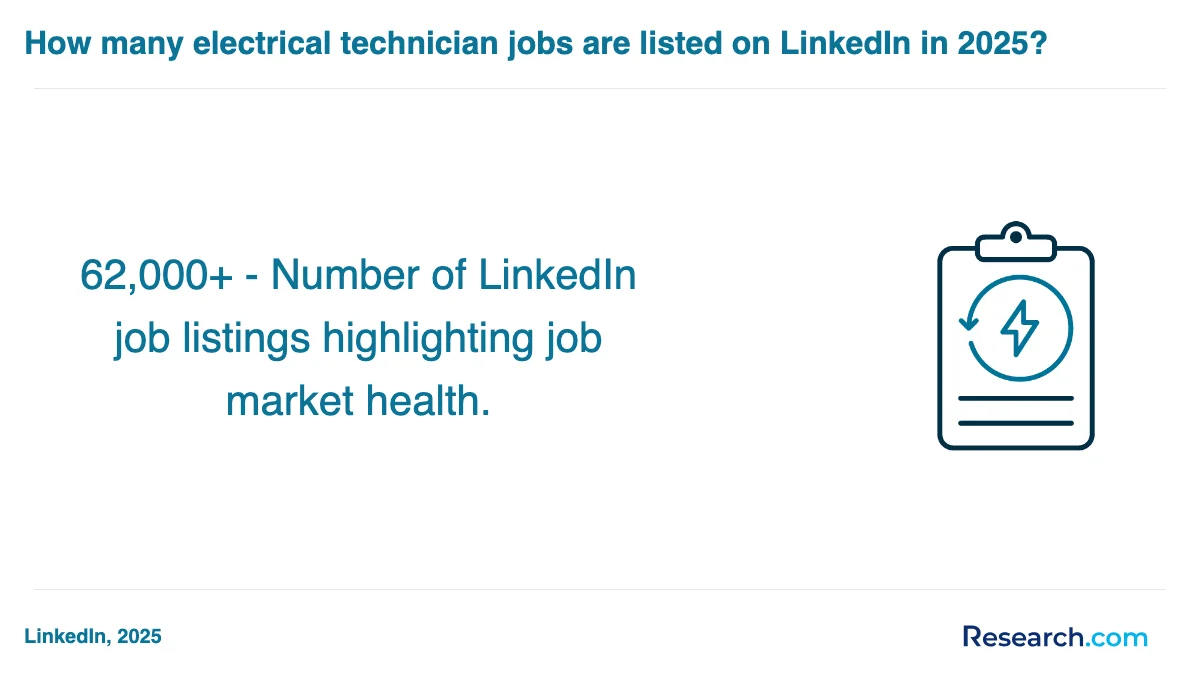
What financial aid is available for electrician trade schools in Virginia?
Electrician trade school students in Virginia have powerful financial aid options that make pursuing their dreams not only possible but exciting. Many graduates from Piedmont Virginia Community College and Germanna Community College share how the G3 (Get Skilled, Get a Job, Give Back) program lifted the burden of tuition, fees, and books-allowing them to focus fully on mastering their craft without the stress of mounting costs.
Federal aid also lights the way for students at schools like Virginia Western Community College. By completing the FAFSA, students unlock Pell Grants and loans that fit their unique financial needs, turning uncertainty into opportunity.
Apprentices often find employers willing to cover tuition, especially through programs like IEC Chesapeake Electrical Apprenticeship, where hands-on learning pairs with financial support. Imagine starting your career knowing your tuition is taken care of, letting you grow confidently into the skilled electrician you want to be.
Local scholarships and grants add even more hope, tailored to reward talent and dedication. Many find that reaching out to advisors uncovers hidden gems of aid, lighting the path toward success in Virginia's vibrant electrical trade community.
What are the prerequisites for enrolling in electrician trade schools in Virginia?
To enroll in an electrician trade school program in Virginia, you typically need a high school diploma or GED. This foundational step opens the door to learning the essential skills that graduates describe as life-changing and empowering. Many students recall how meeting this simple prerequisite sparked their journey toward a rewarding career.
Other common prerequisites include:
- Being at least 18 years old, ensuring maturity and readiness for hands-on training.
- Passing a basic math and reading assessment, as strong problem-solving skills are crucial on the job.
- Having reliable transportation to reach campuses like those in Richmond or Norfolk, which are popular for their comprehensive electrician programs.
Graduates often share how these requirements helped them build confidence early on, setting a solid foundation for success. They describe stepping into classrooms feeling prepared, ready to tackle real-world electrical challenges with enthusiasm and pride. The clear prerequisites in Virginia's trade schools ensure every student starts on the right foot, turning ambition into achievement.
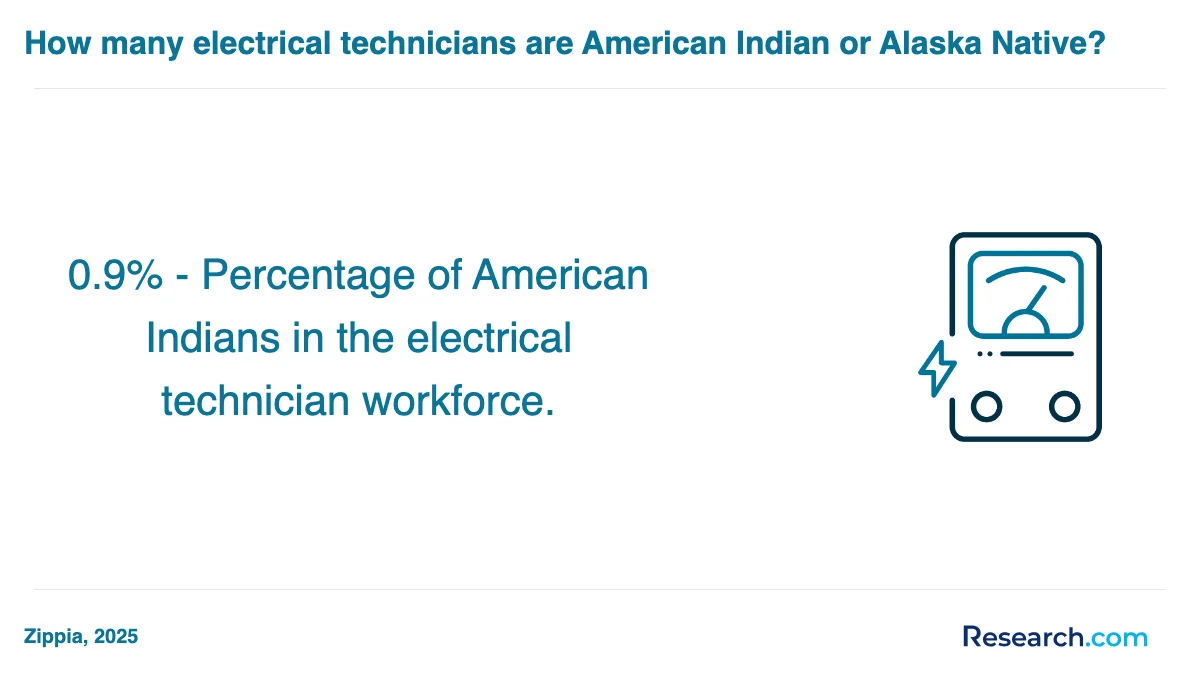
What are the typical courses in electrician trade schools in Virginia?
Electrician trade school programs in Virginia offer a powerful blend of classroom knowledge and hands-on experience that truly prepares students for success. Graduates often reflect on how courses like Introduction to Construction and Core Curriculum built their confidence by teaching essential skills such as construction math, tool handling, and safety practices aligned with OSHA standards. These foundational classes set the stage for mastering electrical work with a clear understanding of real-world demands.
Students at well-regarded schools, including community colleges across Virginia, dive deeply into:
- Electrical theory and basic circuits, unlocking how electricity flows and behaves.
- The National Electrical Code (NEC), the crucial rulebook guiding all electrical projects nationwide.
- Practical skills like conduit bending, device box installation, and raceways and fittings, which are essential for safe, professional wiring.
As students advance, exciting topics like AC/DC motors and controls, electrical panel installation, and grounding and bonding broaden their expertise. Many also appreciate courses in solar power technology and digital literacy, reflecting the evolving electrical industry. This rich curriculum empowers Virginia's electrician students to tackle every challenge with skill and optimism.
What are the available specializations in electrician trade schools in Virginia?
Electrician trade school programs in Virginia offer a rich variety of specializations that fit many career goals. Graduates from these programs share how focusing on specific electrician program specializations in Virginia gave them hands-on skills vital for thriving in dynamic electrical careers. Popular options include specializations in fiber and data cabling, renewable energy technologies, industrial electrical principles, and energy technology. For example, students at Tidewater Community College gain expertise in programming and logic control alongside occupational safety, equipping them for advanced industry roles.
At the certificate and apprenticeship levels, learners dive into practical areas such as motor controls, commercial and industrial wiring, and comprehensive knowledge of the National Electrical Code (NEC). Laurel Ridge Community College's approach lets students build confidence by progressing through safety, circuits, and electrical distribution panel training.
For those seeking deeper knowledge, electrical technology degree options Virginia at community colleges and academies cover fire alarm systems, medium-voltage terminations, and crew leadership fundamentals. These pathways prepare students not only for work on-site but also for leadership roles. Many graduates recommend supplementing hands-on skills with research on an online degree in electrical engineering to broaden their expertise.
How do you choose the best electrician trade school program in Virginia?
Choosing from electrician trade schools in Virginia means looking beyond just the curriculum-you want a program that lights your path to success. Graduates from institutions like Tidewater Community College highlight the value of programs that combine hands-on training with classroom learning, helping them feel confident on the job from day one. Finding a school that prepares you for Virginia's specific licensing requirements, such as the Richmond Electricians' JATC, ensures you're not just learning theory but gearing up for real-world challenges.
Many best electrician programs in Virginia emphasize support through job placement, making the transition from training to workforce smooth and inspiring. Virginia Peninsula Community College's accredited courses have boosted student confidence by aligning with industry standards. For those managing budget concerns, exploring financial options is key; you might also consider cheap online maintenance technician trade school programs as flexible alternatives to empower your career journey.

What career paths are available for electrician trade school graduates in Virginia?
Electrician trade school graduates in Virginia unlock exciting electrician career opportunities in Virginia that span diverse roles and industries. Many start as apprentice electricians, gaining hands-on experience through 8,000 hours of on-the-job training required by the state. Graduates from popular trade schools experience this pathway firsthand, working alongside licensed professionals and building the confidence to take the licensing exam. From there, career growth leads to journeyman or master electrician status, allowing graduates to work independently, manage projects, or run their own electrical contracting businesses.
The types of electrician jobs in Virginia include:
- Residential or commercial electrician roles, installing and maintaining vital systems in homes and businesses
- Plant electricians who keep manufacturing and energy facilities running smoothly
- Electrical estimators and project managers coordinating budgets and timelines
- Electrical inspectors ensuring safety and compliance
Many graduates find joy in the tangible impact their work creates, whether on new construction sites or vital infrastructure projects, reflecting strong demand and rewarding wages. For those seeking to expand their technical skills alongside their trade expertise, exploring the most affordable electrical engineering online bachelors can offer an inspiring next step.
What is the job market for electrician trade school graduates in Virginia?
The electrician job outlook in Virginia is bright and full of promise for trade school graduates ready to launch their careers. Graduates from well-known trade schools in Virginia often share stories of securing roles quickly, thanks to the state's strong industry demand. With an average hourly wage of $29.26 and a healthy employment growth projection of 10.1% by 2026, there's real momentum behind these opportunities. Electrician jobs in Virginia for trade school graduates benefit from the state's booming construction sector, infrastructure projects, and ongoing residential and commercial upgrades.
Many recent graduates find themselves stepping into roles where they can immediately apply hands-on skills learned in schools, then advance through certifications and experience. Key advantages graduates mention include:
- Competitive wages that increase with specialization and experience
- Access to diverse work environments, from urban projects to renewable energy installations
- Career stability supported by a $7.3 billion electrical industry statewide
For those considering further specialization, exploring affordable accelerated wind turbine technician training programs online offers exciting new paths, augmenting their electrician skillset in Virginia's evolving energy market.
Frequently Asked Questions about electrician
After completing an electrician trade school in Virginia, preparing for the job market involves several key steps. First, graduates should obtain their Virginia electrician license, which requires passing the state exam and completing an apprenticeship. The Virginia Department of Professional and Occupational Regulation (DPOR) oversees licensing, ensuring candidates meet industry standards.
Networking is essential. Joining local trade organizations, such as the Virginia Chapter of the National Electrical Contractors Association (NECA), can connect graduates with employers. Additionally, job seekers should craft a clear resume highlighting hands-on skills and certifications.
According to the U.S. Bureau of Labor Statistics, Virginia's electrician employment is projected to grow 8% through 2031, signaling good opportunities. Staying updated with continuing education and safety training enhances employability in this evolving field.
Employers in Virginia seek electrician trade school graduates who demonstrate strong technical skills and practical knowledge. Proficiency in electrical systems installation, maintenance, and troubleshooting is essential. According to the U.S. Bureau of Labor Statistics and Virginia Employment Commission, familiarity with National Electrical Code (NEC) standards is highly valued.
Additionally, employers prioritize safety awareness and adherence to workplace regulations. Graduates must be capable of reading blueprints and electrical diagrams accurately. Communication skills and the ability to work collaboratively on job sites also improve employment prospects.
Hands-on experience gained through apprenticeships or trade programs significantly enhances a candidate's appeal in the Virginia job market.
Finding internships relevant to electrician trade school programs in Virginia involves several strategic steps. Begin by consulting your trade school's career services office, as many maintain partnerships with local electrical contractors and union apprenticeship programs. The Virginia Department of Labor and Industry offers resources and listings for registered apprenticeship opportunities, which often serve as paid internships for aspiring electricians.
Networking through local chapters of the International Brotherhood of Electrical Workers (IBEW) can increase access to hands-on training and internships. According to the Virginia Department of Labor, apprenticeship programs in electrical trades provide over 1,000 active positions statewide, offering valuable practical experience.
Additionally, online job portals specific to Virginia, such as the Virginia Workforce Connection, regularly post internship openings tailored to electrical trade students. Applying early and maintaining a professional resume can improve your chances of securing these competitive placements.
Obtaining a diploma from an electrician trade school in Virginia significantly enhances career mobility and advancement opportunities. According to the Virginia Department of Labor and Industry, apprenticeship and formal training are essential for licensure and higher-paying roles in the electrical field. Graduates with a trade diploma often qualify for entry-level electrician positions faster than those without formal education.
Trade school diplomas provide practical skills and knowledge aligned with state licensing requirements, which employers highly value. This credential can lead to increased job security and higher starting wages, with the U.S. Bureau of Labor Statistics reporting a median annual wage of over $50,000 for electricians in Virginia as of 2023.
Moreover, diploma holders are better positioned to advance into supervisory or specialized roles, such as electrical inspector or project manager, boosting long-term career growth. Overall, a trade school diploma is a key asset for electricians seeking upward mobility within Virginia's competitive job market.
Students enrolled in electrician trade schools in Virginia can benefit from part-time jobs that provide practical experience while supporting their education. Positions such as electrical apprenticeships or helper roles with licensed electricians offer hands-on training in wiring, safety protocols, and tool handling. According to the U.S. Bureau of Labor Statistics, Virginia employs over 18,000 electricians, with a positive job outlook driven by construction and maintenance needs.
Other complementary jobs include warehouse or delivery roles in electrical supply companies, which help students understand materials and inventory management. Additionally, positions in general construction provide broader exposure to job site operations and teamwork, valuable for aspiring electricians.
There are several electrician degree programs available near Virginia, offered by various community colleges and technical institutions. You can explore local programs by searching online for electrician training near me or near Virginia to find nearby schools offering comprehensive hands-on training. Research.com can also be a helpful resource in identifying reputable programs and universities in your area.
Related Electrician Rankings for Nearby States
- Best Electrical Technician Training Programs & Trade Schools - Top Electrical Tech Schools in Maryland for 2026
- Best Electrical Technician Training Programs & Trade Schools - Top Electrical Tech Schools in North Carolina for 2026
- Best Electrical Technician Training Programs & Trade Schools - Top Electrical Tech Schools in Tennessee for 2026
- Best Electrical Technician Training Programs & Trade Schools - Top Electrical Tech Schools in Kentucky for 2026
- Best Electrical Technician Training Programs & Trade Schools - Top Electrical Tech Schools in Pennsylvania for 2026
- Best Electrical Technician Training Programs & Trade Schools - Top Electrical Tech Schools in Ohio for 2026
- Best Electrical Technician Training Programs & Trade Schools - Top Electrical Tech Schools in New Jersey for 2026
- Best Electrical Technician Training Programs & Trade Schools - Top Electrical Tech Schools in Georgia for 2026
- Best Electrical Technician Training Programs & Trade Schools - Top Electrical Tech Schools in Indiana for 2026
- Best Electrical Technician Training Programs & Trade Schools - Top Electrical Tech Schools in Alabama for 2026
Top Trending Rankings
References
- 21 Electrician Schools in VA - Hands-On & Awesome [UPDATED 2025] https://electricalschool.org/va/
- Should You Choose a Trade School or an Apprenticeship? Exploring the Electrical Training Path - InterCoast Colleges https://intercoast.edu/articles/trade-school-apprenticeship/
- Electrician School Credential | Germanna Community College https://germanna.edu/programs/electrician-credential
- Electrical - New Horizons https://nhrec.org/cfaat/course-catalog/electrical/
- Electrical Wiring – Skilled Trades – Virginia Western Community College https://www.virginiawestern.edu/academics/building-trades/electrical-wiring/
- Electrical | Piedmont Virginia Community College https://www.pvcc.edu/programs/electrical
- How to Write a Cover Letter For an Electrical Apprenticeship in Perth | EGT https://egt.net.au/news-insights/crafting-a-standout-cover-letter-for-an-electrical-apprenticeship-a-guide
- Electrician Apprentice Cover Letter Examples and Templates for 2025 - ResumeBuilder.com https://www.resumebuilder.com/cover-letter-examples/electrician-apprentice/
- Electrical Apprentice Cover Letter Example for 2025 https://resumaker.ai/cover-letter-examples/electrical-apprentice/
- How to Write Cover Letter for Electrician Apprenticeship https://www.youtube.com/watch


