Best Electrical Technician Training Programs & Trade Schools - Top Electrical Tech Schools in Tennessee for 2026

Co-Founder and Chief Data Scientist
Choosing the right electrician trade school in Tennessee can shape your future career and open doors to rewarding opportunities. This article introduces a carefully crafted electrician trade school programs ranking developed by the Research.com team of data scientists to help you make an informed decision.
By exploring this guide, you’ll discover programs that offer quality training and certification, setting you up for success. Whether you’re just starting out or looking to advance, earning a diploma or certification in this field is a smart step toward stability and growth.
Take control of your education and future today.
Key benefits of finishing electrician trade school in Tennessee
- Electrician trade school graduates in Tennessee can expect starting wages around $16 to $20 per hour as apprentices, quickly rising to $22 to $28 per hour as journeymen, with potential to earn up to $34 per hour as master electricians.
- Graduates from popular Tennessee trade schools often find diverse career paths, including residential, commercial, or specialized electrician roles, giving them flexibility to choose jobs that match their skills and interests.
- Completing an electrician trade school online offers great convenience and affordability, allowing students to learn at their own pace while balancing work or family, as many online graduates report faster entry into the workforce.
- Best Electrical Technician Training Programs & Trade Schools - Top Electrical Tech Schools in Tennessee for 2026
- What can I expect from electrician trade schools in Tennessee?
- Where can I work after finishing electrician trade schools in Tennessee?
What can I expect from electrician trade schools in Tennessee?
When you enroll in an electrician trade school program in Tennessee, expect a hands-on, immersive experience that balances classroom theory with real-world practice. Graduates from well-known Tennessee trade schools often share how day and night classes fit their busy lives, allowing them to learn at their own pace while gaining valuable skills.
Courses cover everything from residential wiring to industrial electrical systems. You'll quickly find yourself reading blueprints, mastering the National Electrical Code, and troubleshooting circuits using industry-standard tools. Imagine working alongside instructors as you wire simulators or even assist in actual home installations under supervision-this practical training builds confidence and readiness for on-the-job challenges.
Many students appreciate the focus on preparing for the Limited License Electrician exam, giving them a clear path to certification. The typical program lasts around 12 to 16 months, combining roughly 1,300 to 1,700 hours of instruction, which graduates say feels intense but rewarding. The blend of technical knowledge and hands-on practice equips you to step confidently into entry-level electrician roles in Tennessee's growing job market.
Where can I work after finishing electrician trade schools in Tennessee?
After finishing an electrician trade school program in Tennessee, you can step into a variety of rewarding job roles across the state. Many graduates from well-known programs, like those in Nashville, find themselves starting as apprentice electricians, gaining hands-on experience while working alongside seasoned professionals. This hands-on training is crucial and opens doors to positions such as Journeyman Electrician or Electrical Foreman in cities like Memphis, Knoxville, and Chattanooga.
Graduates often share how exciting it is to work on real projects-from wiring residential homes to handling complex electrical systems in commercial buildings and industrial plants. The demand is strong everywhere, from bustling urban centers to smaller towns, giving you flexibility depending on where you want to live and work.
Many apprenticeships offer paid training, allowing you to earn while you learn, which is a huge boost early in your career. With consistent effort, you can advance to master electrician or even start your own contracting business, just like several successful trade school alumni in Tennessee have done. The path is clear, and the opportunities are both diverse and promising.
After finishing an electrician trade school program in Tennessee, you can expect to start earning an average of about $26.79 per hour, which adds up to roughly $55,722 per year if you work full time. Many graduates from well-known Tennessee trade schools share how this starting pay helped them confidently step into the workforce, covering their living expenses while gaining valuable on-the-job experience.
Those who push forward, earn their license, and gain experience often see their wages jump to an average hourly rate of $30.93, or around $64,334 annually. It's common to find licensed electricians earning between $24.66 and $35.77 per hour, depending on the city and the type of work. For example, electricians working in Knoxville sometimes earn between $25 and $30 per hour, with opportunities for overtime and special contracts boosting income.
Some graduates, starting as Electrician I, share stories of earning near $53,632 annually, feeling proud to build their careers step-by-step. This progression shows how Tennessee trade schools prepare students well, creating a solid foundation for growth in a state where experience truly pays off.
- Most programs require you to be at least 18 years old, have a high school diploma or GED, and a valid driver's license; some schools allow 17-year-olds with a diploma or GED to enroll.
- Tuition and fees for a typical twelve-month program, like the Industrial Electricity program at TCAT Knoxville, total about $6,693 including textbooks and supplies.
- Training usually lasts around one year and includes both classroom instruction and hands-on experience.
- Electrician job demand in Tennessee is expected to grow by approximately 9% in the coming years.
- Entry-level electricians can earn between $35,000 and $40,000 annually, while experienced electricians may earn $50,000 to $60,000 or more.
Completing an electrician trade school program in Tennessee typically takes between 9 months and 18 months, depending on the school and the intensity of the program. Many graduates from well-known Tennessee trade schools find that a full-time, hands-on curriculum can be completed in about a year. This timeframe allows students to gain both classroom knowledge and practical experience, which is crucial when working with electrical systems.
For example, students at popular Tennessee trade schools often share how their schedules balanced theory with real-world wiring labs, helping them feel confident stepping into apprenticeships or entry-level jobs quickly. One graduate recalled how the focused pace kept motivation high, making the learning process feel rewarding rather than overwhelming. The structure in Tennessee's programs is designed to suit busy students who want to enter the workforce efficiently without sacrificing quality training.
Flexibility is also a factor; some schools offer part-time options that extend the program length but allow students to work or manage family commitments simultaneously. This adaptability means you can tailor your education to fit your life while still completing your electrician training in a reasonable amount of time.
The main difference between online and on-campus electrician trade school programs in Tennessee is how you learn and practice the skills. Online programs, like the fully online residential electrician course at TCAT Knoxville, offer great flexibility. Graduates often mention how they appreciated being able to study theory through video lectures and interactive simulations on their own schedule, especially if they had jobs or family commitments. However, they also note the challenge of missing direct hands-on experience, which is vital in this trade.
On the other hand, on-campus programs at TCAT locations such as Morristown and McMinnville provide structured classes with in-person labs. Students get to work with real tools and materials under expert guidance, gaining confidence in practical tasks. Many graduates say this hands-on time was crucial for mastering safety and workmanship, helping them feel fully prepared for apprenticeships and licensing requirements in Tennessee.
Hybrid programs offer a middle ground by combining online coursework with scheduled on-campus labs, giving students both flexibility and essential practice.
The average cost of electrician trade schools in Tennessee varies depending on the program type you choose. Certificate or diploma programs, which focus on core electrical skills and typically last under a year, tend to have tuition fees for electrician programs in Tennessee ranging from $5,000 to $10,000. Many graduates from these programs share that this shorter commitment allowed them to quickly enter the workforce with the necessary skills without a heavy financial burden.
Associate degree programs at community colleges usually extend to about two years and come with tuition fees between $10,000 and $20,000. These programs often include general education courses, broadening your knowledge base. For example, graduates from popular schools like the Tennessee College of Applied Technology in Knoxville highlight the value of its 12-month Industrial Electricity Program, which costs $4,368 in tuition and fees, plus around $1,133 for textbooks and supplies. This detailed breakdown helps students budget realistically for their education.
Beyond tuition, you'll need to consider additional costs such as tools and safety gear, typically ranging from $500 to $1,500. Many students find that investing in quality equipment early on translates into a smoother hands-on learning experience. Thankfully, financial aid and state-specific grants, as well as opportunities like apprenticeships, make the overall investment more manageable.
If you're thinking about expanding your skills or seeking more flexible options, exploring the best degree electrical engineering online options can be a smart move to complement your trade school education.
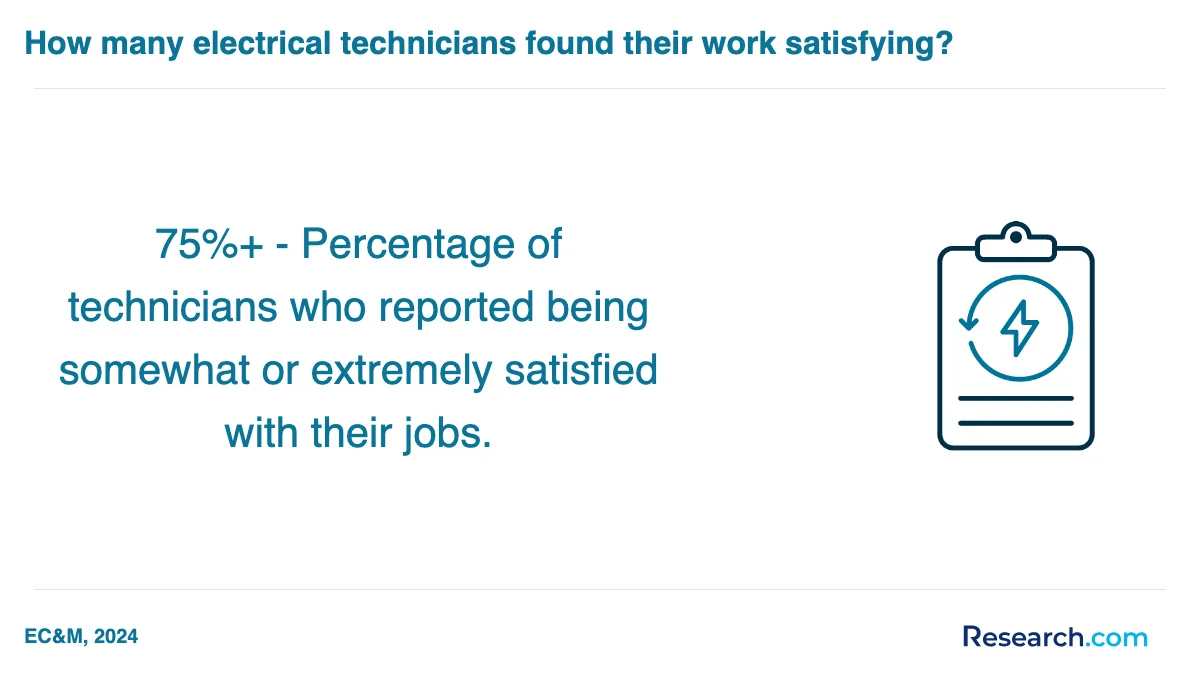
Many electrician students in Tennessee rely on financial aid options to make their training affordable. For instance, graduates from Tennessee Colleges of Applied Technology (TCATs) often mention how the Free Application for Federal Student Aid (FAFSA) opened doors to federal help like Pell Grants, which don't need to be paid back and cover a significant part of tuition and supplies.
Some students also qualify for the Federal Supplemental Educational Opportunity Grants (FSEOG), providing extra money for those with greater financial need. While federal loans are available, graduates advise approaching them carefully to avoid heavy debt after completing their electrician programs.
State-based aid is another big help. The Tennessee Promise Scholarship is a game-changer for recent high school grads, covering tuition and mandatory fees at TCATs when other grants fall short. The Tennessee Student Assistance Award (TSAA) is also popular among those enrolled in electrician courses, easing the financial burden further.
Many graduates recall how checking with their campus financial aid office revealed additional institutional scholarships or discounts. For students facing unexpected hardships, temporary relief programs like CARES Act funding have provided crucial support during tough times.
To enroll in an electrician trade school program in Tennessee, you generally need to meet a few key prerequisites that set you up for success. Most programs require a high school diploma or GED, which ensures you have the basic math and reading skills essential for understanding electrical concepts.
Many trade schools also expect you to be at least 18 years old, as this aligns with apprenticeship regulations and safety standards. Some schools ask for a valid driver's license or reliable transportation, since hands-on training often takes place off-campus or at job sites.
Graduates from popular Tennessee trade schools often mention how helpful it was to have a solid grasp of basic algebra and physics before starting. For example, one graduate shared that brushing up on these subjects made the classroom lessons much easier to follow, increasing confidence early on.
Here are common prerequisites you'll encounter:
- High school diploma or GED
- Minimum age of 18 years
- Basic math skills, especially algebra
- Reliable transportation
- Passing a drug screening or background check in some cases
These requirements help create a focused learning environment, where you can fully engage with hands-on electrical training and prepare for a rewarding career in Tennessee's growing industry.

In Tennessee electrician trade schools, courses start strong with safety and orientation, ensuring you understand workplace habits and the National Electrical Code. Graduates often recall how this foundation helped them confidently navigate real job sites without hesitation.
You'll dive into the basics of electricity, learning electrical theory, Ohm's Law, and how to use meters and testing gear. Many students find these lessons essential when troubleshooting wiring problems in hands-on labs at well-known Tennessee trade schools.
Key courses focus on wiring methods for residential, commercial, and industrial settings. Imagine using conduit benders and reading blueprints just like you'll do on the job. Graduates praise how these practical skills made the transition to work seamless and less stressful.
- Motor controls, transformers, and PLCs for industrial automation
- Relay logic and variable speed drives
- Troubleshooting and service entrance panels
Many programs also integrate computer simulations, giving you a realistic feel before stepping onto live projects. This blend of theory and practice equips Tennessee students to confidently pass the Limited License Electrician exam and thrive in entry-level roles.
Electrician trade school programs in Tennessee offer a variety of specializations that cater to the specific needs of the state's electrical industry. Graduates from popular schools like TCAT Crump and TCAT Knoxville often highlight the strong focus on industrial electricity training Tennessee, where they gain hands-on experience wiring and maintaining complex electrical systems in manufacturing plants and large facilities. This real-world practice not only builds confidence but also sharpens skills crucial for factory environments.
Other programs emphasize commercial and residential wiring, preparing students to handle electrical tasks in homes and office buildings by learning essential codes and blueprint reading. Students share how mastering these skills makes troubleshooting wiring problems feel manageable and rewarding on actual job sites.
Additional specializations include motor control and design, fire alarms and security systems, and advanced areas like high voltage splicing or building automation. Many graduates find that technical colleges also offer diagnostic troubleshooting courses that boost problem-solving abilities. If you're aiming high, exploring best trade schools to become an electrician in Tennessee will show you options tailored for success.
- Industrial electricity
- Commercial and residential wiring
- Fire alarms and security systems
- Motor control and design
- High voltage splicing and termination
- Building automation systems
- Energy management and diagnostic troubleshooting
When choosing from the best electrician trade schools in Tennessee, focus first on accreditation and hands-on training. Graduates from well-known Tennessee colleges often share how practical labs and apprenticeship opportunities made them confident and job-ready. These programs don't just teach theory; they immerse you in real-world electrical challenges, helping you master skills employers value.
Job placement rates matter greatly. For example, top-rated electrician programs in Tennessee frequently boast strong partnerships with local businesses, ensuring you have a clear path to employment after graduation. Hearing from alumni who secured steady electrician roles quickly after finishing their programs can be incredibly reassuring as you make your choice.
Consider how flexible the schedule and program length are, especially if you're balancing work or family. Many schools offer evening classes or accelerated tracks. Financial aid is also key, so explore scholarships or payment plans. For a look at quick and affordable certifications that complement electrician training, check out cheapest and fastest wind turbine technician certification programs online.
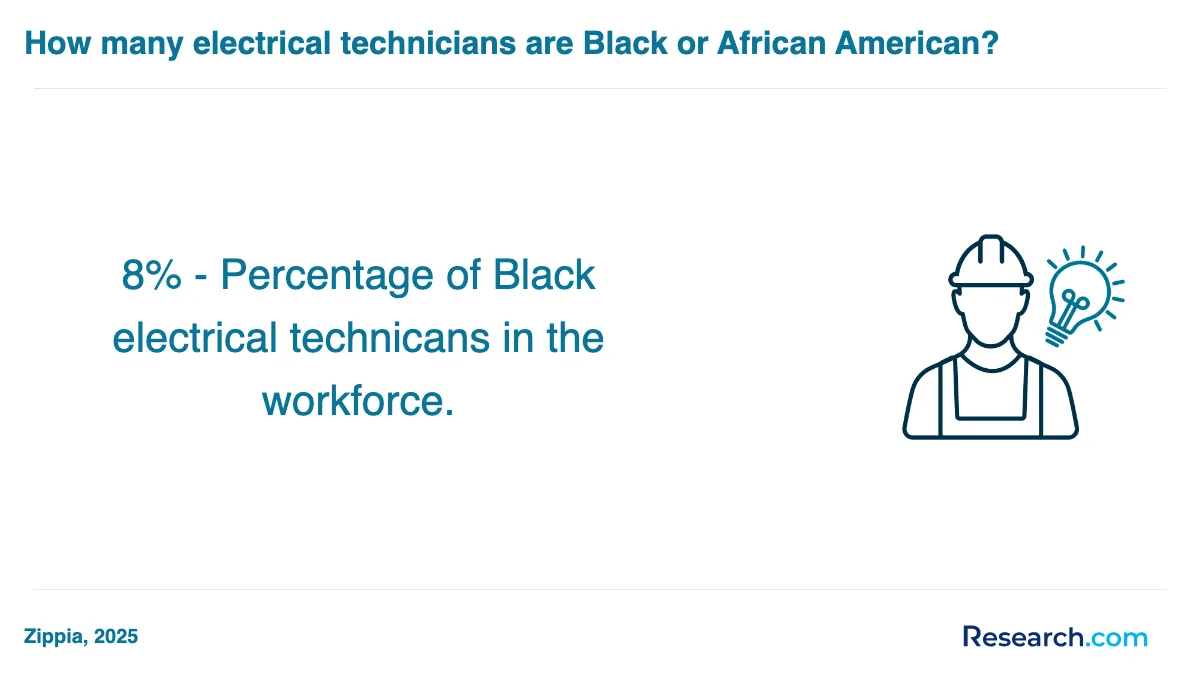
Graduates from electrician trade schools in Tennessee often start as apprentice electricians, gaining valuable hands-on experience combined with classroom learning. This foundation helps them meet Tennessee's 8,000-hour requirement before tackling the journeyman exam. Many graduates from well-known trade schools describe the satisfaction of progressing from assisting on wiring projects in local homes to confidently handling more complex tasks as journeymen.
Electrician career opportunities in Tennessee expand beyond apprenticeships:
- Journeyman electricians who boost their earnings by at least 50% over apprentices.
- Master electricians earning up to $37.43 per hour, often managing specialized tasks and mentoring others.
- Residential electricians working on home or apartment wiring systems, ideal for those who enjoy close community connections.
- Commercial electricians servicing larger buildings like stores and office complexes.
- Industrial electricians maintaining factory and manufacturing electrical systems, often involving advanced technology.
Some graduates pursue leadership roles as electrical contractors, managing projects and teams, while others specialize in electrical controls or utility maintenance. Those seeking to enhance their credentials often explore low cost electrical engineering degree online options to complement their skills. These types of electrician jobs in Tennessee offer a variety of rewarding pathways, making the career exciting and accessible for motivated trade school graduates.
Electrician trade school graduates in Tennessee find a job market shaped by steady demand and competitive wages. For many, graduating from popular trade schools in Knoxville or Nashville opens doors to apprentice positions paying between $16 and $20 per hour. Graduates often share how hands-on training prepared them to quickly step into roles as journeyman electricians earning up to $28 per hour, especially in growing construction hubs around the state.
While Tennessee's electrician job opportunities in Tennessee may seem less abundant than in larger states, the practical skills learned through programs help graduates stand out. For example, those who earn master electrician licenses or specialize in commercial or industrial sectors report salaries climbing to $34 per hour or more in cities like Memphis.
Key points graduates consider include:
- Entry wages from apprenticeships starting at $16-$20/hour
- Progression to journeyman and master levels with higher pay
- Greater job security through licensing and specialization
Despite a cautious job market nationally, the growth forecast remains promising. The electrician salary and job growth in Tennessee reflect a 6% national rise in demand through 2032, fueled by infrastructure upgrades and renewable energy projects. Many graduates also explore supportive programs like the cheapest maintenance technician certification programs online to diversify their skills and increase employment chances.
Best Electrical Technician Training Programs & Trade Schools - Top Electrical Tech Schools in Tennessee for 2026
# 1 position
Tennessee College of Applied Technology-Shelbyville - Electrician.
certificate or diplomaThe Electrician program at Tennessee College of Applied Technology-Shelbyville offers hybrid instruction combining in-person and distance education. It trains students in installing, operating, maintaining, and repairing electrical systems and apparatus, including residential, commercial, and industrial wiring. The curriculum covers electronics principles, electrical systems, safety, testing, inspection, and relevant codes and standards. The program is accredited by the Council on Occupational Education.
# 2 position
Tennessee College of Applied Technology-Oneida-Huntsville - Electrical and Power Transmission Installation/Installer, General.
certificate or diplomaThe Electrical and Power Transmission Installation/Installer, General program at Tennessee College of Applied Technology-Oneida-Huntsville offers hybrid learning with some distance-education options. It prepares students to install residential, commercial, and industrial electrical systems and power transmission lines. Instruction covers electricity, safety, wiring, grounding, blueprint interpretation, equipment maintenance, and relevant codes. Graduates have a median earning of $42,466.85 one year after completion. The program is accredited by the Council on Occupational Education.
# 3 position
Tennessee College of Applied Technology-Pulaski - Electrician.
certificate or diplomaThe Electrician program at Tennessee College of Applied Technology-Pulaski offers a hybrid format with some distance-education options. It trains students in installing, operating, maintaining, and repairing electrical systems, including residential, commercial, and industrial wiring. Instruction covers electronics principles, safety, power transmission, electrical testing, and applicable codes. Graduates have median earnings of $46,832 one year after completion. The program is accredited by the Council on Occupational Education.
# 4 position
Nashville State Community College - Electrician.
certificate or diplomaThe Electrician program at Nashville State Community College offers a hybrid format with some distance-education options. It prepares students to install, operate, maintain, and repair electrical systems, including residential, commercial, and industrial wiring. Instruction covers electronics principles, electrical systems, safety, testing, and applicable codes. The program’s annual in-state tuition is $4,498, and it is accredited by the Southern Association of Colleges and Schools Commission on Colleges.
# 5 position
Tennessee College of Applied Technology-Crump - Electrician.
certificate or diplomaThe Electrician program at Tennessee College of Applied Technology-Crump prepares students to install, operate, maintain, and repair electrical systems in residential, commercial, and industrial settings. Instruction covers electronics principles, wiring, power transmission, safety, electrical testing, and relevant codes. This hybrid program includes a distance-education option and is accredited by the Council on Occupational Education.
# 6 position
Tennessee College of Applied Technology-Jackson - Electrician.
certificate or diplomaThe Electrician program at Tennessee College of Applied Technology-Jackson offers hybrid learning to prepare students for installing, operating, maintaining, and repairing electrical systems in residential, commercial, and industrial settings. The curriculum covers electronics principles, wiring, power transmission, safety, electrical testing, inspection, and relevant codes. Graduates earn a median salary of $31,155 one year after completion. The program is accredited by the Council on Occupational Education.
# 7 position
Tennessee College of Applied Technology-Livingston - Electrical and Power Transmission Installation/Installer, General.
certificate or diplomaThe Electrical and Power Transmission Installation/Installer, General program at Tennessee College of Applied Technology-Livingston offers hybrid learning with some distance-education options. It prepares students to install indoor and outdoor electrical systems for residential, commercial, and industrial settings. Instruction covers electricity, safety, wiring, insulation, grounding, blueprint reading, equipment operation, maintenance, and relevant codes. The program is accredited by the Council on Occupational Education.
# 8 position
Tennessee College of Applied Technology-McMinnville - Electrician.
certificate or diplomaTennessee College of Applied Technology-McMinnville offers a hybrid Electrician program designed to prepare students for the installation, operation, maintenance, and repair of electric apparatus and systems. Instruction covers residential, commercial, and industrial wiring, DC and AC motors, controls, electrical distribution panels, and safety. The curriculum includes electronics, power transmission, job estimation, testing, inspection, and relevant codes. The program is accredited by the Council on Occupational Education.
# 9 position
Tennessee College of Applied Technology Northwest - Electrician.
certificate or diplomaThe Electrician program at Tennessee College of Applied Technology Northwest prepares students to install, operate, maintain, and repair electrical systems, including residential, commercial, and industrial wiring. Instruction covers electronics, power transmission, safety, job estimation, electrical testing, and applicable codes. The program is accredited by the Council on Occupational Education.
# 10 position
Tennessee College of Applied Technology-Morristown - Electrician.
certificate or diplomaThe Electrician program at Tennessee College of Applied Technology-Morristown offers hybrid instruction combining in-person and distance education. It prepares students to install, operate, maintain, and repair electrical systems, including residential, commercial, and industrial wiring, motors, and controls. The curriculum covers electronics principles, safety, electrical testing, code compliance, and job estimation. Graduates earn a median salary of $30,527 one year after completing the program. The program is accredited by the Council on Occupational Education.
Frequently Asked Questions about electrician
After completing an electrician trade school in Tennessee, preparing for the job market involves several key steps. First, graduates should pursue their electrical contractor license or journeyman electrician certification, which are required by the Tennessee Department of Commerce & Insurance. This credential verifies skills and improves job prospects.
Networking is also essential. Joining local unions or trade organizations, such as the International Brotherhood of Electrical Workers (IBEW) Tennessee chapters, can provide valuable connections and job leads.
Additionally, seeking apprenticeships or entry-level positions helps build hands-on experience. According to the U.S. Bureau of Labor Statistics, Tennessee expects a 10% growth in electrician jobs through 2032, reflecting strong demand.
Continuing education and staying updated with the National Electrical Code changes will further enhance employability in this evolving field.
Employers in Tennessee highly value electrician trade school graduates who demonstrate strong technical skills, including proficiency in wiring, circuitry, and electrical code compliance. According to the U.S. Bureau of Labor Statistics, knowledge of the National Electrical Code (NEC) is essential for safety and legal standards.
Hands-on experience with electrical systems and troubleshooting is also critical. Tennessee employers often seek candidates who can interpret blueprints and electrical diagrams accurately. Communication skills are important, as electricians frequently work with contractors and clients.
Additionally, understanding safety protocols and possessing problem-solving abilities are key to success. The Tennessee Department of Labor highlights that apprenticeships and certifications improve job prospects. Overall, a mix of technical knowledge, practical experience, and soft skills is what employers prioritize.
Finding internships in Tennessee relevant to electrician trade school programs involves a few strategic steps. Start by contacting your trade school's career services office, as many schools maintain partnerships with local electrical contractors and unions. The Tennessee Department of Labor and Workforce Development also offers resources and listings for apprenticeships and internships in the electrical field.
Additionally, explore opportunities through the International Brotherhood of Electrical Workers (IBEW) local chapters in Tennessee, which frequently provide apprenticeship programs combining paid work and classroom training. The U.S. Department of Labor reports that registered apprenticeship programs in Tennessee have seen a 5% growth recently, reflecting increasing opportunities for hands-on experience.
Networking at trade shows and local job fairs can connect you with employers seeking interns. Lastly, online job platforms focusing on skilled trades may list internships specifically in Tennessee's electrical sector.
Obtaining an electrician trade school diploma in Tennessee significantly enhances career mobility and advancement opportunities. According to the Tennessee Department of Labor and Workforce Development, individuals with formal electrician training have a higher likelihood of securing apprenticeships and journeyman licenses, essential for career progression in the state.
Trade school diplomas provide practical skills and knowledge that meet Tennessee's licensing requirements, making graduates more competitive in the job market. The U.S. Bureau of Labor Statistics reports that electricians in Tennessee earn a median annual wage above the national average, reflecting the value of formal education.
Furthermore, diploma holders often access better job positions, including supervisory roles, due to their verified technical proficiency. This credential also facilitates transitions into specialized electrical fields or contractor licensing, supporting long-term career growth.
Students enrolled in electrician trade schools in Tennessee can benefit from several part-time job opportunities that complement their education. Common roles include electrical helper positions, where trainees assist licensed electricians with basic tasks and learn on the job. These roles provide practical experience and help build industry connections.
Additionally, jobs in construction labor or maintenance can enhance a student's understanding of building systems and electrical components. According to the U.S. Bureau of Labor Statistics, Tennessee's electrician employment is projected to grow 8% from 2022 to 2032, indicating a steady demand for skilled workers.
Retail positions in hardware stores or electrical supply shops also offer valuable exposure to tools and materials used in the trade. These jobs support learning while accommodating flexible hours important for students balancing coursework.
Yes, there are several electrician degree programs and training opportunities available near Tennessee that can help individuals pursue a career in the electrical field. These programs are offered by both technical colleges and universities and provide practical, hands-on experience necessary to succeed. Utilizing resources like Research.com can assist in finding specific electrician programs located conveniently near me.
- Best Electrical Technician Training Programs & Trade Schools - Top Electrical Tech Schools in Kentucky for 2026
- Best Electrical Technician Training Programs & Trade Schools - Top Electrical Tech Schools in Mississippi for 2026
- Best Electrical Technician Training Programs & Trade Schools - Top Electrical Tech Schools in Alabama for 2026
- Best Electrical Technician Training Programs & Trade Schools - Top Electrical Tech Schools in Georgia for 2026
- Best Electrical Technician Training Programs & Trade Schools - Top Electrical Tech Schools in North Carolina for 2026
- Best Electrical Technician Training Programs & Trade Schools - Top Electrical Tech Schools in Missouri for 2026
- Best Electrical Technician Training Programs & Trade Schools - Top Electrical Tech Schools in Virginia for 2026
- Best Electrical Technician Training Programs & Trade Schools - Top Electrical Tech Schools in Indiana for 2026
- Best Electrical Technician Training Programs & Trade Schools - Top Electrical Tech Schools in Illinois for 2026
- Best Electrical Technician Training Programs & Trade Schools - Top Electrical Tech Schools in Ohio for 2026
- A Guide to Skilled Trades Apprenticeships and Internships | BestColleges https://www.bestcolleges.com/trades/guide-to-skilled-trades-apprenticeships-internships/
- Electrical Apprenticeships Near You | IECI https://ieci.org/apprenticeship/
- Opportunities For Students - O’Connell Electric https://www.oconnellelectric.com/careers/students/
- Should You Choose a Trade School or an Apprenticeship? Exploring the Electrical Training Path - InterCoast Colleges https://intercoast.edu/articles/trade-school-apprenticeship/
- Apprenticeship Finder | Apprenticeship.gov https://www.apprenticeship.gov/apprenticeship-job-finder
- Technical Trades Work and Learning Program for Students | MassCEC https://www.masscec.com/technical-trades-students
- Students and young professionals | Schneider Electric Global https://www.se.com/ww/en/about-us/careers/students-young-professionals.jsp
- How to Become an Electrician in Tennessee for 2025 | Research.com https://research.com/careers/how-to-become-an-electrician-in-tennessee
- Electrician School Duration in Tennessee: How Long and What to Expect https://diac.in/electrician-school-duration-in-tennessee-how-long-and-what-to-expect
- Residential Electrician | University of Tennessee at Chattanooga https://www.utc.edu/academic-affairs/center-for-professional-education/residential-electrician