Most Affordable Electrical Technician Schools & Training - Budget-Friendly Electrical Trade Programs in Georgia for 2026

Co-Founder and Chief Data Scientist
Choosing the right electrician trade school in Georgia can feel overwhelming, but this article is here to help. We've gathered a ranking of electrician trade school programs developed by the Research.com team of data scientists to guide you in making an informed decision.
Whether you're starting fresh or looking to enhance your skills, earning a diploma or certification opens doors to rewarding career opportunities. Reading this article will give you clarity and confidence as you explore affordable, quality options tailored for your success.
Key benefits of finishing electrician trade school in Georgia
- Graduates from electrician trade schools in Georgia can expect starting salaries around $49,628 per year, with the potential to earn up to $69,392 as they gain experience, offering a solid financial foundation.
- Career paths include becoming an Electrician I or advancing to journeyman roles, providing diverse opportunities in residential, commercial, and industrial settings for steady growth.
- Completing an electrician trade school online allows flexible learning schedules and faster entry into the workforce, making it a convenient option for those balancing work or family commitments.
- Most Affordable Electrical Technician Schools & Training - Budget-Friendly Electrical Trade Programs in Georgia for 2026
- What can I expect from electrician trade schools in Georgia?
- Where can I work after finishing electrician trade schools in Georgia?
What can I expect from electrician trade schools in Georgia?
Enrolling in an electrician trade school program in Georgia means diving into a hands-on learning experience that blends classroom theory with real-world application. Graduates from schools like UEI College in Morrow recall mastering practical skills through modules focused on residential, commercial, and industrial electrical work, gaining confidence by wiring circuits and reading blueprints early on.
Expect to tackle essential topics such as electrical theory, safety protocols, and the National Electrical Code, all while building muscle memory in simulated job environments. Many students appreciate the balance of learning and earning offered by apprenticeship programs, where they accumulate thousands of hours of on-the-job training under licensed electricians, earning wages as they sharpen their craft.
Safety certifications, including OSHA, are a key part of the journey, ensuring you're prepared for the realities of the trade. Programs at places like Central Georgia Technical College emphasize accessibility and affordability, helping students feel supported as they advance toward becoming certified journey workers ready for diverse career paths.
Where can I work after finishing electrician trade schools in Georgia?
After finishing an electrician trade school program in Georgia, graduates often find themselves stepping into dynamic roles that reflect the state's strong demand for skilled electricians. Many start as apprentice electricians, joining companies or contractors eager to mentor fresh talent. These apprenticeships, common among graduates from schools like IEC Atlanta & Georgia Chapters, offer hands-on experience under licensed journeymen, blending practical skills with real-world challenges and fostering confidence on the job.
Others move directly into residential electrician roles, where they install and maintain electrical systems in homes, often forming close connections with homeowners as they troubleshoot issues. Imagine the satisfaction of restoring power to a family's home or upgrading their electrical panel safely-these moments bring a sense of pride and accomplishment.
Graduates also pursue commercial or industrial electrician positions, working on large-scale projects such as wiring schools, hospitals, or factories. These roles, sometimes requiring extra certifications like those offered through IBEW Local 613, come with higher wages and complex problem-solving opportunities. For those interested in public institutions, school electrician or maintenance electrician jobs in districts like Fulton County provide stable salaries and community impact, making each day meaningful.
After finishing an electrician trade school program in Georgia, many graduates find themselves earning around $24.92 per hour starting out, which adds up to about $52,000 annually if working full time. Imagine a recent graduate from a well-known Georgia trade school stepping into their first job, feeling the pride of earning a solid paycheck while applying their new skills on-site. This initial wage often ranges between $20.29 and $27.79 per hour, offering a promising start that motivates many to keep advancing.
With a few years of experience and additional certifications, progressing to a Journeyman Electrician role increases wages to an average of $27.63 per hour. Graduates recall moving into these roles with excitement, knowing their hard work pays off as they earn between $22.55 and $30.87 hourly. In real terms, this means more financial freedom and confidence in a stable career, even as the Georgia job market remains steady rather than booming.
One graduate shared how completing a local trade school opened doors to an annual salary close to $56,295 as an Electrician I, aligning with statewide data. Factors like location within Georgia and union membership also play a role, but the overarching message is clear: trade school graduates in Georgia can look forward to real, attainable earnings that grow with experience and dedication.
- A high school diploma or GED is required to enroll in electrician trade school programs in Georgia, with some programs accepting students as young as 16 through work-based learning.
- Program lengths range from 10-month certificates to two-year diplomas and four-year apprenticeships, such as the UEI College 10-month program and the IBEW four-year apprenticeship.
- Tuition costs vary, with public colleges charging between $3,000 and $8,000 for full programs, excluding tools and books; union apprenticeships often pay students while training.
- Electricians in Georgia earn a median annual wage of about $54,000, starting near $38,000, with experienced workers making over $75,000 per year.
- Career advancement includes roles like electrical contractor or project manager, and certifications earned are valid across all 50 states.
Completing an electrician trade school program in Georgia typically takes between 6 months and 1 year, depending on the intensity and format of the course. Many students at well-known Georgia trade schools find that an accelerated program allows them to jump into hands-on training quickly, making the experience both challenging and rewarding. One graduate shared how the compact schedule pushed them to stay focused, turning their passion for electrical work into practical skills in just under a year.
Others appreciate programs that extend closer to a full year, offering more time to absorb complex concepts like wiring systems and safety protocols. This pace provides a deeper understanding, which builds confidence during real-world electrical projects.
Imagine starting a program in Atlanta, attending classes and labs, and by next summer, working alongside seasoned electricians on job sites. The balance between classroom hours and practical experience in Georgia's trade schools is designed to equip you swiftly yet thoroughly for the workforce, fueling an exciting career ahead.
The core difference between online and on-campus electrician trade school programs in Georgia lies in how you experience the learning process. Graduates from online programs at institutions like Georgia College appreciate the flexibility to study electrical theory and building codes on their own time, fitting coursework around busy family and work schedules. They often describe the 3D interactive models and virtual simulations as engaging tools that make complex concepts feel tangible, even if done from a remote location.
On the other hand, those who attend on-campus programs at technical colleges often highlight the immediate hands-on training with real wiring and tools as invaluable. They recall moments when instructors provided instant feedback during lab sessions, boosting their confidence with practical skills that can't be fully replicated online.
However, many online-only students recognize that in-person labs or apprenticeships remain essential to meet Georgia's licensing requirements, often opting for hybrid programs to combine convenience with necessary real-world experience.
Understanding the average cost of an electrician trade school program in Georgia is crucial for any aspiring student. Graduates from popular Georgia trade schools often recall tuition ranging widely-from about $5,000 to $30,000-depending on whether they attended a community college, a private trade institution, or chose an apprenticeship. For many, community colleges offer the most affordable option, with certificate programs between $1,000 and $5,000, but added fees for registration and labs can add around $500. It's common for students to feel relief upon discovering these more budget-friendly paths while still gaining valuable hands-on experience.
One graduate shared how balancing the cost of books and supplies, which average around $2,194 in Georgia, was initially daunting but manageable with careful planning. Living expenses, especially for those off-campus, can average $21,274, making financial aid a critical factor. The total average cost of attending an electrician trade school in Georgia for 2026 is approximately $41,726 when considering tuition, fees, materials, and living costs.
Students exploring options often appreciate the flexibility of online programs, priced between $750 and $3,000, but emphasize verifying accreditation. Apprenticeship programs also attract many for their ability to let you earn while you learn, sometimes even paying you to build skills.
Financial aid programs like the HOPE Scholarship can greatly ease financial stress, encouraging many to pursue their dreams confidently. For those interested in related fields, the best wind turbine technician certification offers another exciting path worth exploring.
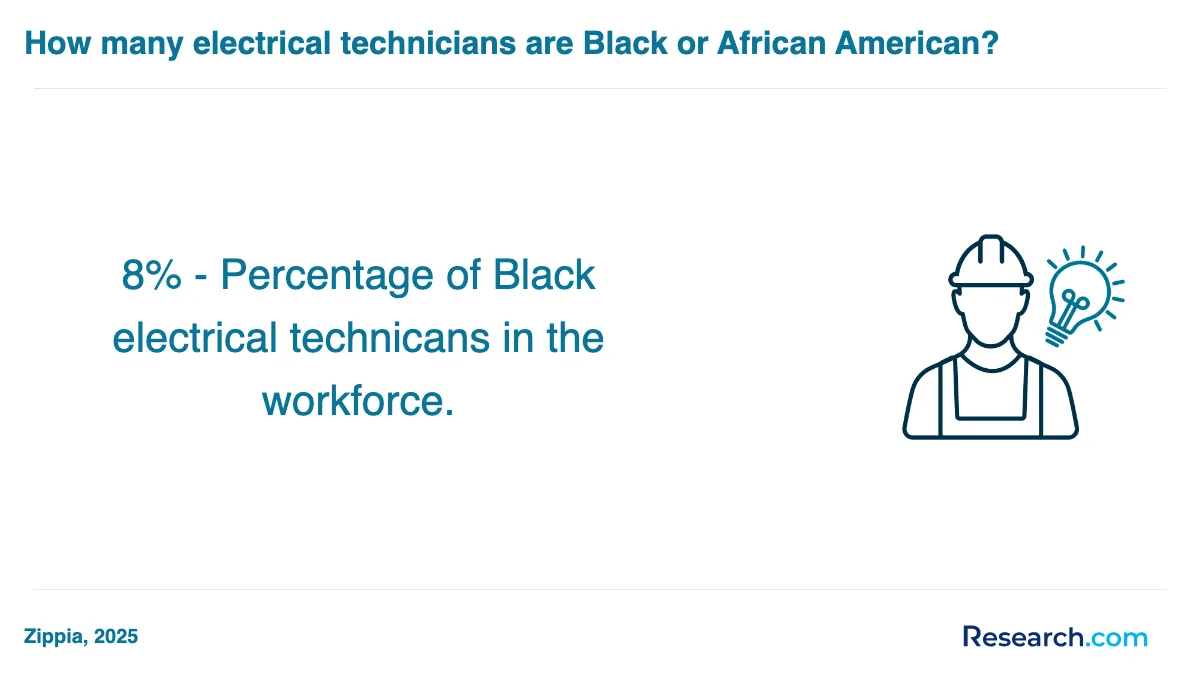
Electrician trade school students in Georgia often find relief through the Federal Pell Grant, which many graduates from institutions like Georgia Piedmont Technical College rely on to cover a significant portion of their tuition. Applying through FAFSA is essential, and renewing it annually keeps the support flowing, a step some students describe as empowering in managing their education costs.
For those with greater financial need, the Federal Supplemental Educational Opportunity Grant (FSEOG) can be a game-changer, although funds are limited and awarded quickly. Many hopefuls at Atlanta Technical College have experienced the urgency of early FAFSA submission firsthand to secure these grants.
State-specific aid like the HOPE Grant supports students pursuing diplomas or certificates at colleges such as Chattahoochee Technical College, covering tuition for up to 30 semester hours and easing the path toward specialized electrician training.
Additional opportunities arise from workforce programs like WIOA and HDCI, which some underemployed learners have praised for enabling access to apprenticeships and hands-on experience, making the journey feel more attainable and motivating.
Veterans tapping into GI Bill benefits and those applying for scholarships from organizations like the IEC Foundation often express gratitude for these tailored resources that acknowledge their unique dedication to the trade.
Financial aid offices at these schools become trusted allies, guiding students through the maze of applications and deadlines, turning what can feel like an overwhelming process into an achievable goal.
Enrolling in an electrician trade school program in Georgia usually requires meeting some straightforward yet essential prerequisites that set the foundation for success. Most schools expect candidates to have a high school diploma or GED, ensuring you're prepared for the technical coursework ahead. For example, graduates from well-known Georgia trade schools often share how their basic math skills and a solid grounding in physics helped them grasp electrical concepts faster.
Beyond academics, many programs look for a genuine passion for hands-on work and problem-solving, qualities that students discover and grow during their early lab sessions. Some trade schools in Georgia might also require:
- Proof of age (typically 18 or older)
- Ability to pass a drug screening
- Physical fitness to handle manual labor and climb ladders safely
- Basic reading and comprehension skills to follow complex manuals and safety regulations
Graduates often mention how meeting these prerequisites gave them confidence during their internships and apprenticeships. Imagine starting your day energized, knowing you've met all the entry requirements and are ready to dive into a hands-on learning environment that prepares you for real-world electrical challenges in Georgia's dynamic job market.
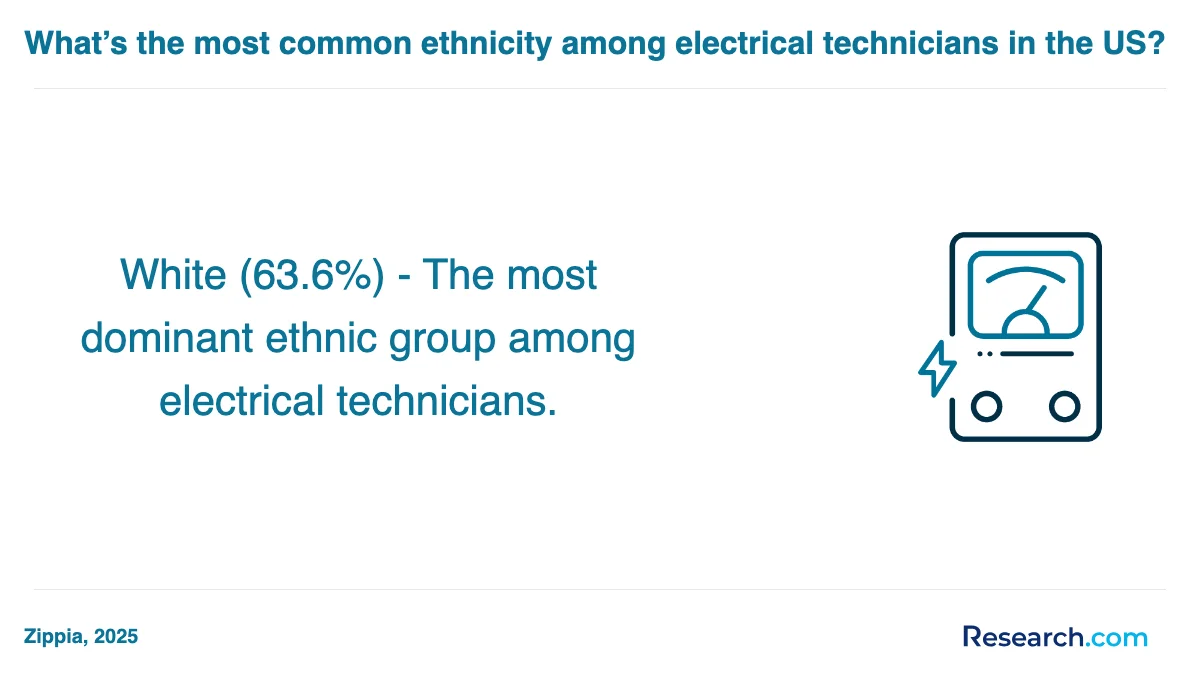
Electrician trade school programs in Georgia dive straight into essential courses designed to build confidence and competence. Graduates often share how understanding basic electrical principles transformed their grasp of the trade, with programs like South Georgia Technical College's Industrial Electrician curriculum offering focused classes such as Direct Current Fundamentals and Alternating Current Fundamentals. These courses lay the foundation by explaining how electricity flows in everyday systems, making the abstract feel tangible.
Safety is never an afterthought. Students quickly learn the importance of industrial safety protocols, including OSHA standards and the National Electric Code (NEC), which prepare them to work confidently in varied environments without risk.
Hands-on wiring and installation courses bring the classroom to life. Many graduates recall the challenge and satisfaction of completing real-world projects in industrial wiring, a staple in programs across Georgia.
- Blueprint interpretation to read complex electrical diagrams
- Electrical mathematics for precise load calculations
- Problem-solving exercises that sharpen troubleshooting skills
Programs like Lanier Technical College also emphasize critical thinking and job readiness, helping students feel ready to ace licensing exams and step directly into fulfilling careers.
The landscape of electrician program specializations in Georgia is as dynamic as the industry itself, offering students diverse pathways tailored to their career aspirations. Graduates from renowned institutions like North Georgia Technical College and Georgia Northwestern Technical College often reflect on how specializing in residential and industrial electrician training Georgia equipped them with practical skills to confidently manage electrical systems in homes, commercial buildings, and factories. These specializations focus on hands-on experience with installation, troubleshooting, and maintenance, preparing students to thrive in varied real-world settings.
Beyond the traditional tracks, trade schools such as Ogeechee Technical College and Savannah Technical College are pioneering programs in photovoltaic (solar) systems installation, highlighting the state's shift toward renewable energy. Other sought-after certificates include:
- Commercial and residential wiring
- Programmable control technology
- Electrical/mechanical manufacturing
- Fire alarm and security system installation
These options allow students to pursue roles that resonate with their interests, from high-tech manufacturing to security installation technician jobs. For those looking for fast entry into emerging fields, exploring the cheapest accelerated wind turbine tech certificate programs online could be a smart addition to their skillset.
Choosing an electrician trade school program in Georgia means balancing practical training with affordability. Graduates from institutions such as Georgia Piedmont Technical College often highlight how hands-on experience with circuits and wiring boosted their confidence entering the workforce. Many point out the value of programs that offer flexible schedules, especially when juggling family or work commitments. To find the most affordable electrician trade school programs in Georgia, it's vital to compare tuition costs, program length, and financial aid options like scholarships or payment plans offered by schools such as the IEC Atlanta Chapter.
Look closely at accreditation to ensure your training meets industry standards, which can impact licensing and job opportunities. Networking with alumni from popular trade schools can reveal insights on instructors' expertise and job placement support. For a broad perspective on quality programs tailored to Georgia students, explore the best trade schools for electrician, helping you make an informed choice aligned with your career goals and financial situation.
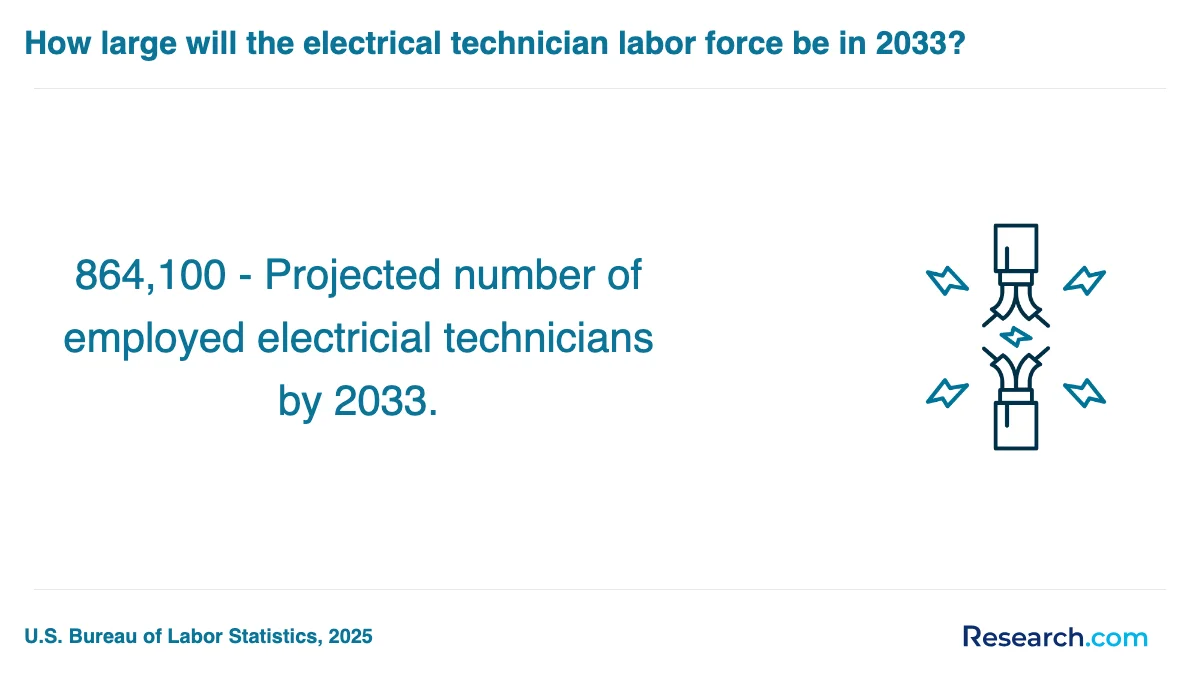
Electrician trade school graduates in Georgia step into a workforce ripe with opportunity, where hands-on training transforms into diverse career paths. Many start as apprentice electricians or electrical technicians, gaining critical experience installing and maintaining wiring and equipment, often through apprenticeships popular at local trade schools. These apprenticeships combine 8,000 hours of on-the-job training with classroom learning, giving graduates nationwide-recognized certifications that unlock more doors.
As they progress, graduates embrace the electrician career opportunities in Georgia by advancing to journeyman status, often without needing a state license but benefiting from certificates earned through programs like those at IEC or IBEW Local 613. From there, paths lead to supervisory roles or specialist licenses-Class I and Class II-that permit work on everything from residential to large industrial projects.
- Independent contractor/business owner
- Electrical estimator and project manager
- Safety coordinator and technical instructor
Many graduates also explore specializations such as automation or renewable energy, aligning with industry trends. For students weighing the cost of education, checking out low cost online maintenance technician certification programs can be a smart first step. The electrician job outlook in Georgia remains strong, fueled by steady job openings and competitive wages that inspire confidence in a stable career path.
The job market for electrician trade school graduates in Georgia is notably vibrant, driven by the state's rapid urban growth and infrastructure projects in areas like Atlanta and Savannah. Graduates from popular trade schools often share stories of quickly finding rewarding positions because companies are eager to fill roles in both traditional electrical work and emerging green technologies. For instance, many recent alumni highlight opportunities to work on solar installations or smart grid projects, areas expanding with Georgia's push toward sustainable energy solutions.
Key factors making this market promising include:
- Georgia's construction boom supporting steady demand for electricians
- Growing emphasis on environmentally sustainable electrical systems
- Apprenticeship programs tied to trade schools that boost practical experience
While the electrician salary and employment outlook Georgia shows an average hourly wage near $25, graduates appreciate that the lower cost of living helps balance compensation levels. Students also find that advancing certifications post-graduation opens doors to better positions. Exploring electrical engineering job opportunities alongside trade credentials can further enhance career growth in this dynamic market.
Most Affordable Electrical Technician Schools & Training - Budget-Friendly Electrical Trade Programs in Georgia for 2026
# 1 position
Atlanta Technical College - Electrician.
certificate or diplomaAtlanta Technical College offers a hybrid Electrician program that prepares students to install, operate, maintain, and repair electrical systems in residential, commercial, and industrial settings. The curriculum covers electronics, wiring, safety, electrical testing, and applicable codes. Annual in-state tuition is $3,164. Graduates earn a median salary of $20,604 one year after completion. The program is accredited by the Southern Association of Colleges and Schools Commission on Colleges.
# 2 position
North Georgia Technical College - Electrician.
certificate or diplomaThe Electrician program at North Georgia Technical College offers hybrid instruction to prepare students for installing, operating, maintaining, and repairing electrical systems in residential, commercial, and industrial settings. The curriculum includes electronics principles, wiring, power transmission, safety, and applicable codes. Annual in-state tuition is $3,162. Graduates earn a median salary of $41,675 one year after completion. The program is accredited by the Southern Association of Colleges and Schools Commission on Colleges.
# 3 position
Ogeechee Technical College - Electrician.
certificate or diplomaThe Electrician program at Ogeechee Technical College offers a hybrid format with some distance education. It prepares students to install, operate, maintain, and repair electric systems including residential and industrial wiring, motors, and electrical panels. Instruction covers electronics principles, safety, job estimation, electrical testing, and codes. The program’s annual in-state tuition is $3,170, and median earnings one year after completion are $31,662.50. It is accredited by the Southern Association of Colleges and Schools Commission on Colleges.
# 4 position
Wiregrass Georgia Technical College - Electrician.
associateThe Electrician program at Wiregrass Georgia Technical College offers a hybrid format with some distance-education options. It prepares students to install, operate, maintain, and repair electric systems including residential, commercial, and industrial wiring. The curriculum covers electronics principles, wiring, power transmission, safety, inspection, and applicable codes. Annual in-state tuition is $3,212. The program is accredited by the Southern Association of Colleges and Schools Commission on Colleges.
# 5 position
Wiregrass Georgia Technical College - Electrician.
certificate or diplomaWiregrass Georgia Technical College offers a hybrid Electrician program that prepares students to install, operate, maintain, and repair electrical systems including residential, commercial, and industrial wiring. The curriculum covers electronics, power transmission, safety, job estimation, electrical testing, and applicable codes. Annual in-state tuition is $3,212. The program is accredited by the Southern Association of Colleges and Schools Commission on Colleges.
# 6 position
Coastal Pines Technical College - Electrician.
certificate or diplomaCoastal Pines Technical College offers a hybrid Electrician program that trains students to install, operate, maintain, and repair electric systems in residential, commercial, and industrial settings. The curriculum covers electronics, wiring, power transmission, safety, and electrical codes. Annual in-state tuition is $3,040. The program is accredited by the Southern Association of Colleges and Schools Commission on Colleges, providing technical skills essential for the electrical trade.
# 7 position
Georgia Northwestern Technical College - Electrician.
certificate or diplomaGeorgia Northwestern Technical College offers a hybrid Electrician program that trains students to install, operate, maintain, and repair electrical systems including residential, commercial, and industrial wiring. The curriculum covers electronics, electrical systems, wiring, power transmission, safety, and applicable codes and standards. Annual in-state tuition is $3,132. The program is accredited by the Southern Association of Colleges and Schools Commission on Colleges.
# 8 position
Savannah Technical College - Electrical and Power Transmission Installation/Installer, General.
associateSavannah Technical College offers a hybrid program in Electrical and Power Transmission Installation/Installer, General. The curriculum prepares students to install residential, commercial, and industrial electrical systems, including power transmission lines. Instruction covers electricity, safety, wiring, insulation, grounding, blueprint reading, equipment operation, maintenance, and relevant codes. The annual in-state tuition is $3,072. The program is accredited by the Southern Association of Colleges and Schools Commission on Colleges.
# 9 position
Savannah Technical College - Electrical and Power Transmission Installation/Installer, General.
certificate or diplomaSavannah Technical College offers a hybrid program in Electrical and Power Transmission Installation/Installer, General. This program prepares students to install residential, commercial, and industrial electrical systems and power transmission lines. Instruction covers electricity, safety, wiring, insulation, grounding, blueprint interpretation, equipment operation, maintenance, and codes. The annual in-state tuition is $3,072. The program is accredited by the Southern Association of Colleges and Schools Commission on Colleges.
# 10 position
Savannah Technical College - Electrician.
certificate or diplomaThe Electrician program at Savannah Technical College offers a hybrid format with some distance-education options. It prepares students to install, operate, maintain, and repair electric apparatus and systems including residential, commercial, and industrial wiring. The curriculum covers electronics principles, power transmission, safety, testing, inspection, and relevant codes. Annual in-state tuition is $3,072. The program is accredited by the Southern Association of Colleges and Schools Commission on Colleges.
Frequently Asked Questions about electrician
After completing electrician trade school in Georgia, preparing for the job market involves several key steps. First, obtaining an apprenticeship is essential, as Georgia requires electricians to complete a state-approved apprenticeship program before becoming licensed. These apprenticeships combine on-the-job training with classroom instruction and typically last 4 to 5 years.
Next, graduates should focus on earning their Georgia Journeyman Electrician license by passing the state exam, which validates their skills and knowledge. According to the Georgia Department of Labor, the demand for electricians in Georgia is expected to grow by 8% through 2030, making licensure critical for job prospects.
Networking with local trade unions and attending job fairs can also increase employment opportunities. Additionally, staying updated on National Electrical Code changes and continuing education helps maintain competitiveness in the job market.
Employers in Georgia prioritize several key skills when hiring electrician trade school graduates. First, a strong understanding of electrical systems and blueprint reading is essential. Graduates must demonstrate proficiency in wiring, circuitry, and safety codes, as these are critical for compliance with the National Electrical Code (NEC).
Technical skills are often paired with problem-solving abilities. According to the Georgia Department of Labor, electricians with strong troubleshooting skills are in higher demand. Communication and teamwork are also important since electricians frequently collaborate on job sites.
Practical experience gained through apprenticeships or hands-on training during trade school significantly enhances a candidate's employability. Time management and attention to detail further distinguish successful graduates.
Finding internships in Georgia relevant to electrician trade school programs involves several practical steps. Start by contacting the career services offices of trade schools, as many maintain partnerships with local electrical contractors and unions. These connections often lead to internship placements that provide hands-on experience.
The Georgia Department of Labor and the Georgia Apprenticeship Program are also valuable resources. They list registered apprenticeship opportunities that combine classroom instruction with paid work experience, essential for electrician training.
Networking at local industry events and joining organizations like the International Brotherhood of Electrical Workers (IBEW) can increase internship prospects. According to the U.S. Bureau of Labor Statistics, Georgia's demand for electricians is projected to grow, making internships widely available through these channels.
Obtaining a diploma from an electrician trade school in Georgia significantly enhances career mobility and advancement opportunities. According to the U.S. Bureau of Labor Statistics, Georgia's demand for skilled electricians is projected to grow by 10% from 2022 to 2032, faster than the national average. A diploma provides foundational knowledge and practical skills required to enter apprenticeship programs, which are crucial for licensure in Georgia.
Trade school graduates often qualify for higher starting wages compared to those without formal training. The Georgia Department of Labor reports that licensed electricians earn a median annual wage of around $56,000, with potential increases tied to certifications and experience.
Moreover, a diploma facilitates access to specialized fields like industrial or commercial electrical work, which offer greater advancement potential. Employers favor candidates with accredited training as it reduces on-the-job training time and increases safety compliance.
In sum, an electrician trade school diploma in Georgia acts as a vital credential that opens doors to apprenticeships, licensing, and higher-paying roles, thus supporting upward social and economic mobility within the state's growing electrical industry.
Students enrolled in electrician trade schools in Georgia often seek part-time jobs that enhance their practical skills while supporting their education. Positions such as electrical apprenticeships allow students to gain hands-on experience under licensed electricians, which is crucial for skill development and meeting Georgia's licensing requirements.
Other relevant opportunities include roles as electrical helpers or maintenance assistants in construction companies, manufacturing plants, or facilities management. These jobs provide exposure to wiring, tools, and safety protocols.
According to the Georgia Department of Labor, the state expects a 9% growth in electrician jobs between 2022 and 2032, indicating ample opportunities for part-time work during training periods.
Such positions not only supplement income but also build practical knowledge, preparing students for full-time electrician roles after graduation.
There are indeed affordable electrician degree programs available near Georgia, with numerous community colleges and technical institutes offering training in electrical technology. By exploring options at institutions near me, one can find programs that provide comprehensive courses at competitive tuition rates. Research.com can be a helpful resource to identify schools offering such programs, ensuring students can receive quality education while managing costs effectively.
- Most Affordable Electrical Technician Schools & Training - Budget-Friendly Electrical Trade Programs in South Carolina for 2026
- Most Affordable Electrical Technician Schools & Training - Budget-Friendly Electrical Trade Programs in Florida for 2026
- Most Affordable Electrical Technician Schools & Training - Budget-Friendly Electrical Trade Programs in Tennessee for 2026
- Most Affordable Electrical Technician Schools & Training - Budget-Friendly Electrical Trade Programs in North Carolina for 2026
- Most Affordable Electrical Technician Schools & Training - Budget-Friendly Electrical Trade Programs in Mississippi for 2026
- Most Affordable Electrical Technician Schools & Training - Budget-Friendly Electrical Trade Programs in Kentucky for 2026
- Most Affordable Electrical Technician Schools & Training - Budget-Friendly Electrical Trade Programs in Louisiana for 2026
- Most Affordable Electrical Technician Schools & Training - Budget-Friendly Electrical Trade Programs in Arkansas for 2026
- Most Affordable Electrical Technician Schools & Training - Budget-Friendly Electrical Trade Programs in Missouri for 2026
- Most Affordable Electrical Technician Schools & Training - Budget-Friendly Electrical Trade Programs in Indiana for 2026
- A Guide to Skilled Trades Apprenticeships and Internships | BestColleges https://www.bestcolleges.com/trades/guide-to-skilled-trades-apprenticeships-internships/
- Essential Requirements for Electrician Apprenticeship Applications: What You Need to Know Before You Apply - InterCoast Colleges https://intercoast.edu/articles/essential-requirements-for-electrician-apprenticeship-applications-what-you-need-to-know-before-you-apply/
- Electrical Apprenticeships Near You | IECI https://ieci.org/apprenticeship/
- Apprenticeship Finder | Apprenticeship.gov https://www.apprenticeship.gov/apprenticeship-job-finder
- Palm Coast Word Of Mouth | My 25 year old, very healthy son has been accepted into a program that teaches him HVAC or Electrical starting in August | Facebook https://www.facebook.com/groups/528398570660975/posts/3053695364797937/
- How to Become an Electrician in Georgia for 2025 | Research.com https://research.com/careers/how-to-become-an-electrician-in-georgia
- 100 Electrician Schools in GA - Hands-On & Awesome [UPDATED 2025] https://electricalschool.org/ga/
- Apprenticeship Program | IEC Atlanta & Georgia Chapters https://iecatlantaga.org/apprenticeship/
- Electrical Training School Georgia at Lincoln Tech in Georgia https://www.lincolntech.edu/careers/skilled-trades/electrical-electronics/georgia
- How to Become an Electrician in Georgia - Best Trade Schools https://www.best-trade-schools.net/locations/georgia/electrician-in-ga/