
Best Electrical Technician Training Programs & Trade Schools - Top Electrical Tech Schools in Charlotte for 2026

Co-Founder and Chief Data Scientist
Choosing the right electrician trade school in Charlotte can shape your future career and open doors to rewarding opportunities. This article presents an electrician trade school programs ranking developed by the Research.com team of data scientists, designed to guide you toward the best options available.
Whether you’re starting fresh or seeking to enhance your skills, this guide helps you make an informed decision. Earning a diploma or certification in this field offers stability, growth, and the chance to work in a hands-on, dynamic profession.
Explore your options confidently and take the first step toward a bright future in electrical work.
Key benefits of finishing electrician trade school in Charlotte
- Graduates from electrician trade schools in Charlotte can expect competitive salaries, with entry-level electricians earning around $56,180 annually and experienced electricians making up to $96,026.
- Career paths include becoming journeyman or master electricians, offering opportunities for growth and leadership within the thriving Charlotte job market.
- Completing an electrician trade school online provides flexibility and convenience, allowing students to balance work and study while gaining skills that lead to rewarding, hands-on careers.
- Best Electrical Technician Training Programs & Trade Schools - Top Electrical Tech Schools in Charlotte for 2026
- What can I expect from electrician trade schools in Charlotte?
- Where can I work after finishing electrician trade schools in Charlotte?
What can I expect from electrician trade schools in Charlotte?
Enrolling in an electrician trade school program in Charlotte means stepping into a dynamic blend of hands-on learning and classroom instruction that truly prepares you for the real world. Graduates from well-known programs like those at Central Piedmont Community College share how the combination of rigorous on-the-job training-spanning thousands of hours under skilled electricians-and comprehensive classroom lessons builds confidence and skill. Imagine spending your days installing wiring, troubleshooting electrical systems, and mastering tools, all while understanding the crucial safety practices that keep you and others protected.
In the classroom, expect to dive into electrical theory, blueprint reading, and the National Electric Code, gaining knowledge that feels immediately applicable on the job. Many students find advanced courses on motor controls and programmable systems especially exciting, fueling their passion for innovation. Admission requirements are straightforward, and the supportive community at Charlotte's schools encourages growth at every step, making this path both achievable and rewarding.
Where can I work after finishing electrician trade schools in Charlotte?
After finishing an electrician trade school program in Charlotte, graduates find themselves stepping into a vibrant job market full of exciting opportunities. Many begin their careers as entry-level electrician aides or apprentices, working side-by-side with experienced professionals while gaining valuable hands-on skills. Popular trade schools in Charlotte prepare students for roles in residential settings, where they install and maintain electrical systems in homes and apartments-fixing wiring, upgrading panels, and ensuring safety compliance.
Others are drawn to commercial and industrial paths, joining companies like The Industrial Electric Company of Charlotte or local manufacturing plants. Here, graduates apply their knowledge to large-scale projects, working with complex electrical systems, blueprints, and cutting-edge technology like building automation. The sense of pride that comes from powering data centers or factories motivates many graduates to keep growing their skills.
With Charlotte's dynamic construction and manufacturing sectors, electricians from local trade schools often share stories of steady work, career growth, and fulfilling teamwork, making this path both rewarding and reliable for new professionals.
Graduates finishing electrician trade school programs in Charlotte can look forward to solid earning potential right from the start. Many recent grads from well-known local schools have found themselves earning around $28.83 per hour, which translates to about $60,000 annually when working full-time. This means you can confidently step into a rewarding career that provides financial stability and room to grow.
Early in their careers, electricians typically earn around $23.46 per hour, but with experience and additional certifications, those numbers quickly rise. For example, graduates who advance to Journeyman or Approved Electrician roles often see salaries jump to over $96,000 a year, showcasing the clear benefits of continuing education and skill development.
Master electricians in Charlotte, many of whom started at local trade schools, report hourly wages between $32.46 and $33.92. This steady progression reflects the city's active demand for skilled electricians, offering graduates not just jobs, but promising careers full of opportunity and upward mobility.
- Applicants must be at least 18 years old and have a high school diploma or GED; most programs require a drug test and a valid driver's license.
- Programs offer either a one-year certificate or a two-year associate degree combining classroom and hands-on training.
- Tuition ranges from $2,862 to $9,006 depending on the school and residency status, with additional costs for books, tools, and exams.
- Four years of on-the-job experience are required to qualify for a journeyman electrician license, including passing the licensing exam.
- Entry-level electricians earn about $40,000 to $50,000 annually, while experienced journeymen can make $55,000 to $70,000 or more.
Completing an electrician trade school program in Charlotte typically takes about 12 to 18 months, depending on the school and the intensity of the course. Many graduates share how immersive and hands-on their training was, allowing them to gain confidence quickly while mastering essential skills.
At popular trade schools in Charlotte, students often find themselves energized by the fast pace and real-world applications of their lessons. One graduate described how, just months into the program, they were already wiring circuits and troubleshooting electrical panels with a sense of accomplishment that kept motivation high.
The focused, practical approach means you can start building your future without long delays. Imagine finishing your training and stepping directly into apprenticeships or entry-level positions, equipped with knowledge and a strong sense of readiness.
This swift and supportive path empowers Charlotte students to transform their passion for electrical work into a rewarding career in a remarkably short time.
Online and on-campus electrician trade school programs in Charlotte offer distinctly different experiences tailored to diverse needs. Many graduates from online programs, like the Ed2Go course at the University of North Carolina at Charlotte, appreciate the flexibility to study from home while managing work or family. They find joy in learning electrical theory and safety principles at their own pace, embracing the freedom that digital classrooms provide. However, these students often share that they miss the hands-on labs crucial for mastering practical skills.
On the other hand, students at Central Piedmont Community College and Gaston College thrive in vibrant, in-person settings. They describe the thrill of wiring real circuits and the confidence gained from direct mentorship. Feeling the tools in hand and receiving immediate feedback fuels their passion and readiness for the field, making the tactile experience invaluable.
Hybrid programs blend the best of both worlds, offering flexibility alongside essential hands-on training. For Charlotte students eager to excel, choosing a program with practical labs ensures fulfillment of licensing requirements while nurturing real-world skills and connections.
When exploring the average tuition fees for electrician programs in Charlotte, students quickly find a range that reflects diverse learning paths and budgets. For example, a graduate from Central Piedmont Community College recalls paying around $1,216 per semester when enrolled full-time, appreciating that this investment brought hands-on experience with AC/DC theory and the National Electric Code. Meanwhile, those taking fewer credits experience flexible pricing at about $76 per credit hour, making education accessible to many.
Others have benefited from programs like Goodwill Industries of the Southern Piedmont, where the cost of electrician trade school in Charlotte NC is effectively zero through an 11-week comprehensive electrical training, perfect for those eager to enter the workforce without financial strain. This option sparks hope in prospective students looking to build skills swiftly and confidently.
Graduates from the Carolina Electrical Training Institute highlight the value of modern, practical apprenticeship experiences, although tuition details vary and require direct inquiry. Additionally, high school students enrolled in Charlotte Technical College's electricity program share how early exposure to electric codes and tools provides a strong foundation while still in school.
For students interested in expanding their skills further, especially in alternative energy, programs like the cheapest accelerated wind turbine technician training program offer inspiring, affordable pathways connected to the electrical trade.
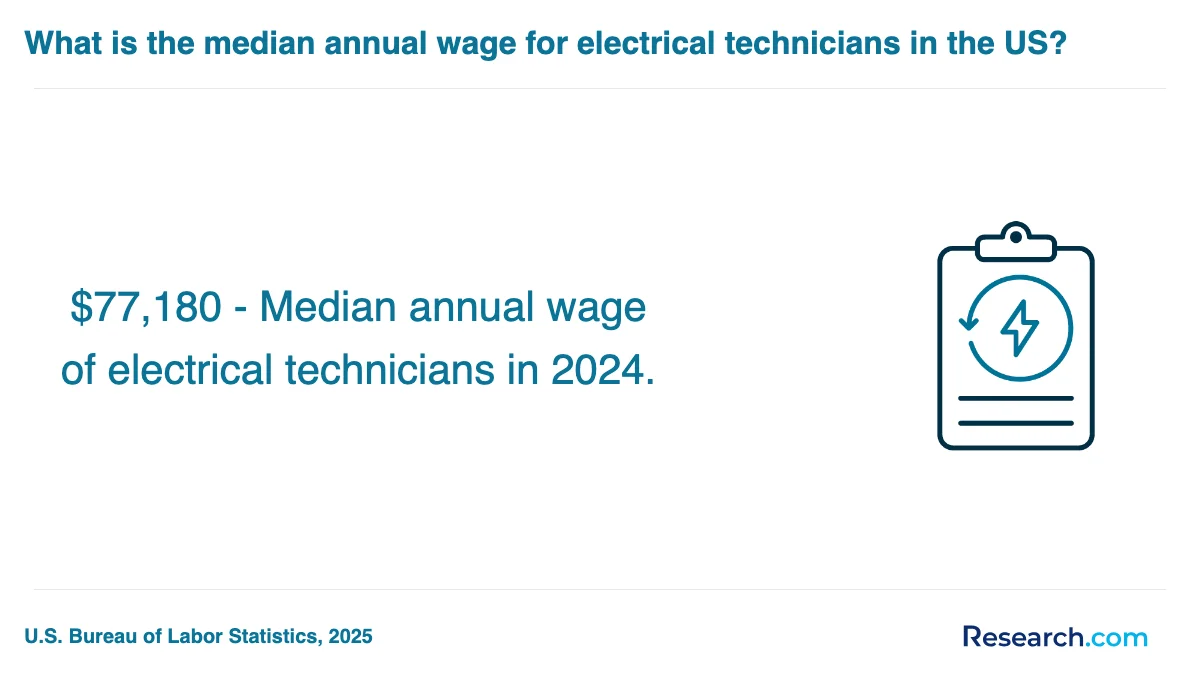
Students pursuing electrician trade programs in Charlotte find a variety of financial aid options that turn their career dreams into reality. Many graduates from Central Piedmont Community College share how completing the FAFSA opened doors to vital federal aid like the Pell Grant, which can cover up to $7,395 for the 2024-2025 year. This grant often makes a huge difference, easing the burden of tuition that ranges between $2,800 and $9,000 annually depending on the program and residency.
Beyond federal grants, North Carolina offers state-specific assistance that supplements these funds, helping students afford not only tuition but also essential tools and textbooks. Trade schools and local organizations frequently provide scholarships, empowering students to focus on hands-on learning instead of financial worries.
Many Charlotte students also benefit from apprenticeship programs where employers sponsor tuition and apprentices earn wages, blending education with real-world experience. Financial aid offices at Charlotte's top trade schools guide students through every step, ensuring personalized support and access to all available resources.
To enroll in an electrician trade school program in Charlotte, students typically need a high school diploma or GED, which lays the foundation for success in hands-on technical training. Many graduates recall how their solid grasp of basic math and science, gained during high school, gave them confidence when tackling electrical concepts in class.
Beyond academics, schools in Charlotte often look for candidates who demonstrate strong problem-solving skills and a passion for working with their hands. Graduates frequently share how their eagerness to learn and persistence helped them navigate challenging projects in workshops.
Other common prerequisites include:
- Being at least 18 years old to meet safety regulations and apprenticeship eligibility
- Passing a basic aptitude test that evaluates math and reading comprehension
- Having reliable transportation, since many Charlotte trade schools offer both classroom and off-site practical training
These requirements ensure students are ready to embrace the rewarding journey of becoming skilled electricians, turning their enthusiasm into a promising career in Charlotte's vibrant electrical industry.
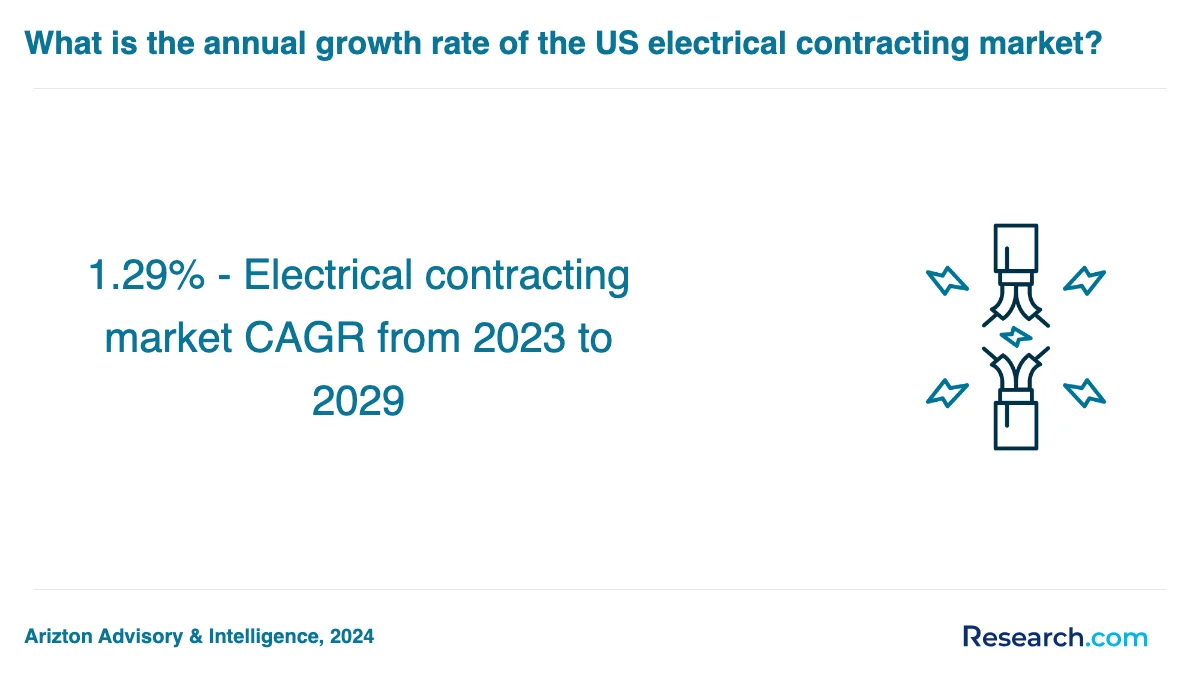
Electrician trade school programs in Charlotte, such as those at Central Piedmont Community College and the Carolinas Electrical Training Institute, offer a dynamic mix of courses that prepare students for real-world success. Graduates often recall how foundational classes like electrical theory and applied mathematics transformed their understanding of currents, voltage, and Ohm's Law, equipping them to solve complex electrical challenges with confidence.
Hands-on learners thrive in practical courses that include:
- Safety training focused on OSHA standards, ensuring every graduate feels prepared to work safely.
- Mastering the National Electrical Code (NEC), which is essential for safe, code-compliant installations.
- Blueprint reading and interpreting electrical diagrams, skills that become second nature during residential or commercial projects.
- Basic and advanced wiring, circuitry, and motor controls that build technical mastery step by step.
Many students appreciate the immersive hands-on labs and apprenticeships, where they log up to 8,000 hours gaining invaluable on-the-job experience alongside seasoned professionals in Charlotte's vibrant electrical industry.
Upper-level courses dive into commercial wiring, programmable logic controllers, and even fire alarm systems-opening doors to diverse career paths. Graduates often share how learning project management and communication strengthened their teamwork, making them ready to excel in any work environment.
Electrician trade school programs in Charlotte offer an inspiring variety of specializations designed to ignite your career. Graduates from popular schools like Central Piedmont Community College highlight how focused tracks help them confidently enter the workforce equipped with practical skills. For example, many choose the Electrical Design Track, perfect for those passionate about planning and drafting intricate electrical systems.
Other graduates find success through the Manufacturing Maintenance Technician Track, gaining hands-on experience essential in industrial settings. Solar energy expertise is another exciting option, with programs like the Solar Photovoltaic Track addressing Charlotte's growing renewable energy market. These Charlotte electrical trade school concentrations give learners the freedom to specialize in areas that align with their ambitions and the demands of the local job market.
Certificate specializations also provide fast, targeted training in:
- Residential Wiring
- Commercial and Industrial Wiring
- Electrical AHR Controls and Facilities Maintenance
- Solar Photovoltaic systems
For those seeking swift workforce entry, fast-track options combine flexibility with skill acquisition. Many students praise their ability to tailor learning around real-world projects and industry needs, bridging classroom lessons with employer expectations.
Whether your passion lies in electrical troubleshooting, motor controls, or mastering the National Electric Code, Charlotte's electrician program specializations in Charlotte NC hold empowering pathways. Exploring these options through quality training programs, including access to low cost electrical engineering degree online resources, sets the stage for a fulfilling and dynamic career.
Choosing among the best electrician trade schools in Charlotte starts with making sure the program is accredited and meets North Carolina's licensing requirements. Graduates from top electrician programs in Charlotte NC often praise institutions like Central Piedmont Community College for offering flexible schedules that fit busy lives while providing solid hands-on training. Imagine balancing your job and family while gaining practical skills during evening classes-this balance fuels motivation and confidence.
Many students find value in programs that pair classroom lessons with real-world apprenticeships. Schools connected with local industry partners, such as those tied to Charlotte's Electrical Joint Apprenticeship Committee, offer apprenticeships that bridge theory with daily job site experience. This exposure not only builds expertise but also opens doors to career opportunities.
Cost is a crucial factor. Public colleges generally offer more affordable tuition, but prospective students should also explore scholarships or payment plans. For those seeking alternatives, low cost online electrician training courses deliver quality education with the convenience of learning from home, making the path to a rewarding electrical career accessible and inspiring.

Graduates of electrician trade school programs in Charlotte find themselves stepping into a city brimming with electrician job opportunities in Charlotte NC. Many begin as Electrical Apprentices or Helpers, gaining hands-on experience with wiring and lighting in bustling residential neighborhoods or commercial sites. These roles build the confidence and skills essential for advancing into positions like Journeyman Electrician, where one independently tackles intricate electrical systems while reading blueprints for local construction projects.
Many Charlotte trade school graduates share how hands-on projects at popular schools helped them envision working on large office buildings or retail centers. The journey often leads to specialized roles such as Maintenance Electrician, Industrial Electrician, or Commercial Electrician careers Charlotte, offering exciting chances to work on cutting-edge machinery or complex installations.
For those hungry for leadership or entrepreneurship, becoming a Master Electrician or Independent Electrical Contractor is a thrilling next step. Through dedication and credentials, they can run their own businesses, managing teams on innovative projects including renewable energy systems. Students considering broader pathways can explore how an electrical engineering major requirements align with their goals to elevate their potential.
The electrician job opportunities in Charlotte NC are thriving, offering graduates from local trade schools a rewarding path into the workforce. Many recent graduates share excitement over securing entry-level roles, knowing these positions pave the way to hands-on experience and career growth. Popular programs in Charlotte equip students with skills immediately valued by residential, commercial, and industrial employers. For example, apprenticeships often start with installation and maintenance tasks that build real confidence and expertise.
Charlotte's construction boom and expanding manufacturing sectors continuously drive demand for qualified electricians. Graduates report excellent chances to progress beyond entry-level jobs, often reaching journeyperson status as they develop certifications. The average electrician salary in Charlotte NC reflects this potential: entry-level wages usually range from $23 to $38 per hour, with specialized industrial roles offering up to $129,000 annually including bonuses.
Many graduates enhance their prospects by pursuing electrical lineman certification requirements, which open doors to higher-paying and more technical positions. The steady availability of jobs paired with strong compensation makes Charlotte an inspiring place to launch an electrician career.
Best Electrical Technician Training Programs & Trade Schools - Top Electrical Tech Schools in Charlotte for 2026
# 1 position
Central Piedmont Community College - Electrician.
associateThe Electrician program at Central Piedmont Community College is a hybrid course designed to prepare students to install, operate, maintain, and repair electrical systems in residential, commercial, and industrial settings. It covers electronics, power transmission, safety, job estimation, and applicable codes. The annual in-state tuition is $2,792. The program is accredited by the Southern Association of Colleges and Schools Commission on Colleges.
# 2 position
Central Piedmont Community College - Electrician.
certificate or diplomaCentral Piedmont Community College offers a Hybrid Electrician program preparing students to install, operate, maintain, and repair electric apparatus and systems, including residential, commercial, and industrial wiring. The curriculum covers electronics, electrical systems, wiring, power transmission, safety, job estimation, testing, inspection, and relevant codes. Annual in-state tuition is $2,792. The program is accredited by the Southern Association of Colleges and Schools Commission on Colleges.
Frequently Asked Questions about electrician
After completing electrician trade school in Charlotte, preparing for the job market involves several key steps. First, obtaining the North Carolina Electrical Contractor License is essential for most electrician positions. Graduates should also consider earning the National Electric Code (NEC) certification to demonstrate their knowledge of safety standards.
Networking within local unions or trade organizations, such as the International Brotherhood of Electrical Workers (IBEW) local chapter, can open doors to apprenticeship programs and job opportunities.
The Charlotte labor market for electricians is strong, with the U.S. Bureau of Labor Statistics projecting a 9% growth in employment for electricians statewide through 2031. Job seekers should build a resume highlighting hands-on training and any internship experience gained during school.
Finally, continuing education and staying updated on new technologies like solar installation can improve employability in this evolving field.
Employers in Charlotte seek electrician trade school graduates with a blend of technical and soft skills. Key technical abilities include a strong understanding of electrical codes, blueprint reading, and proficiency in using electrical tools and testing equipment. According to the U.S. Bureau of Labor Statistics, electricians in North Carolina must be familiar with the National Electrical Code (NEC) to ensure safety and compliance.
Beyond technical knowledge, employers emphasize problem-solving skills and attention to detail, as errors can lead to serious safety hazards. Communication skills are also important, since electricians often work in teams and need to explain issues clearly to clients or supervisors.
Trades programs that incorporate hands-on training and internships tend to produce graduates who meet these employer expectations effectively.
Finding internships in Charlotte relevant to electrician trade school programs involves researching local electrical contractors and construction companies that offer hands-on training. Many trade schools in Charlotte maintain partnerships with businesses to help students secure internships as part of their curriculum requirements.
Students should also explore resources like the North Carolina Department of Commerce, which connects job seekers with apprenticeship and internship opportunities in skilled trades. According to the U.S. Bureau of Labor Statistics, Charlotte's construction sector has been growing steadily, increasing demand for electrical apprenticeships and internships.
Additionally, platforms such as the Charlotte Electrical Contractors Association provide listings and networking events geared toward connecting aspiring electricians with employers willing to offer practical experience.
Obtaining an electrician trade school diploma in Charlotte significantly enhances career mobility and advancement opportunities. According to the U.S. Bureau of Labor Statistics, electricians in North Carolina earn a median wage of approximately $50,000 annually, with certified professionals often earning more. A diploma demonstrates foundational skills required for entry-level positions and prepares graduates for licensing exams, which are mandatory for higher-level roles in Charlotte's competitive job market.
Employers in Charlotte value formal training, as it reduces on-the-job training time and increases safety compliance. Trade school graduates can access apprenticeships and journeyman status faster, accelerating their career progression.
Data from the North Carolina Department of Commerce shows that demand for licensed electricians in Charlotte is projected to grow by 8% over the next decade, promoting upward mobility for diploma holders.
Part-time jobs in Charlotte that complement electrician trade school education often include roles such as electrical helper, construction laborer, or maintenance assistant. These positions provide hands-on experience with wiring, tools, and safety protocols, reinforcing classroom learning. According to the U.S. Bureau of Labor Statistics, Charlotte's construction industry continues to grow, creating steady demand for entry-level electrical support roles.
Many students find opportunities through local contractors or unions, gaining exposure to residential and commercial electrical systems. Additionally, retail positions at hardware stores like Home Depot or Lowe's can help students familiarize themselves with electrical products and customer service in the industry. These jobs offer flexible hours suitable for balancing coursework and practical training.
Yes, there are electrician degree programs available near Charlotte, NC, which you can explore to develop skills necessary for a career in electrical work. Research.com can be a helpful resource to find accredited programs, which are often offered by vocational schools, community colleges, or technical institutes in the area. Potential students looking for programs "near me" can consider institutions like Central Piedmont Community College, where various options in electrical technology are available.
- Electrical Courses | Electrician Courses | C&G Courses & Training https://www.tradeskills4u.co.uk/electrical-courses
- Online Electrician School: Trade Classes | U.S. Career Institute https://www.uscareerinstitute.edu/online-electrician-school
- 11 Best Electrician Trade Schools: Training, Cost, and Career Outlook - Podium https://www.podium.com/article/electrician-trade-school
- Electrician / Electrical | ontariocolleges.ca https://www.ontariocolleges.ca/en/programs/professions-and-trades/electrician-electrical
- Electrical Technician Trade School Programs & College Courses Rocklin CA - National Career Education https://nce.edu/electrician-training/rocklin-ca/
- Online Electrician Training Courses https://www.ashworthcollege.edu/career-diplomas/electrician-training/
- Electrician https://www.sait.ca/apprenticeships-and-trades/programs/electrician
- Electrical Training | Goodwill Industries of the Southern Piedmont https://goodwillsp.org/course/electrical/
- Electrical Systems Technology | Central Piedmont https://www.cpcc.edu/programs/electrical-systems-technology
- Charlotte Technical College - Electricity https://ctc.yourcharlotteschools.net/electricity


