
Best Electrical Technician Training Programs & Trade Schools - Top Electrical Tech Schools in Rhode Island for 2026

Co-Founder and Chief Data Scientist
Choosing the right electrician trade school in Rhode Island can shape your future career and open doors to rewarding opportunities. This article introduces a carefully crafted electrician trade school programs ranking created by the Research.com team of data scientists to guide you in making an informed decision.
By exploring the best programs available in 2026, you'll discover schools that offer quality training and valuable certifications. Earning a diploma or certification in this field can boost your confidence and help you build a stable, well-paying career in an essential industry.
Key benefits of finishing electrician trade school in Rhode Island
- Graduates of electrician trade schools in Rhode Island can expect competitive salaries, with average hourly wages around $28.90, and top earners making up to $44.67 per hour in urban areas like Providence.
- Career paths include residential, commercial, and industrial electrician roles, offering diverse opportunities for growth and specialization after completing a reputable local trade program.
- Finishing an electrician trade school online provides flexibility and convenience, allowing students to balance work and study while gaining practical skills, as experienced by many successful online graduates in Rhode Island.
- Best Electrical Technician Training Programs & Trade Schools - Top Electrical Tech Schools in Rhode Island for 2026
- What can I expect from electrician trade schools in Rhode Island?
- Where can I work after finishing electrician trade schools in Rhode Island?
What can I expect from electrician trade schools in Rhode Island?
When you enroll in an electrician trade school program in Rhode Island, expect a balanced mix of classroom learning and hands-on training tailored to real-world electrical work. Graduates from schools like Roger Williams University often share how small class sizes and continuous testing helped them build confidence and retain knowledge effectively.
Programs cover essential topics such as electrical theory, safety, the National Electrical Code, and both residential and commercial wiring. You'll also learn practical skills like accident prevention and how to handle the tools and materials commonly used on the job.
Many students appreciate the emphasis on employability skills, including job readiness and time management, which prepare you for the demands of the workplace. Some programs even offer college credits, giving you a head start if you want to pursue further education.
Expect to complete around 576 hours of classroom instruction across four years, combined with thousands of hours of paid on-the-job training arranged through partnerships with local employers. This mix ensures you're job-ready and eligible for licensure exams required by Rhode Island.
Where can I work after finishing electrician trade schools in Rhode Island?
After completing an electrician trade school program in Rhode Island, graduates find diverse employment opportunities across residential, commercial, and industrial sectors. Many start in residential roles, wiring homes and apartments, gaining confidence in hands-on tasks learned at popular local schools. Others quickly advance to commercial settings, working on office buildings or retail spaces, where they apply knowledge of larger electrical systems and building codes.
Some graduates secure positions in industrial environments like factories, maintaining heavy machinery and complex power systems. Others find rewarding work in hospitals such as The Miriam Hospital in Providence, ensuring safety through emergency generators and fire alarm systems. Apprenticeships remain a common entry point, offering guided experience and skill-building under seasoned electricians.
Specialized career paths also open up, including solar and transportation electrician roles, with the latter often linked to the Rhode Island Department of Transportation. Graduates appreciate the steady pay, typically between $30 and $35 per hour initially, and the potential for supervisory roles as they gain experience. Flexible shifts and varied workplaces make this a practical and fulfilling career choice for many Rhode Island trade school alumni.
After finishing an electrician trade school program in Rhode Island, graduates typically start with an average annual salary close to $59,987. Many entry-level electricians-often labeled "Electrician I"-earn between $52,370 and $69,048 per year, translating to around $29.00 per hour. These figures reflect reports from recent graduates of popular local trade schools who quickly find entry-level positions with steady pay.
As you gain experience and complete required apprenticeships, moving up to a licensed journeyman electrician can boost your hourly wage to about $32.04. Journeymen in Rhode Island earn anywhere from $26.15 to $35.77 per hour, with some reaching nearly $50. Graduates often share how this step opens doors to higher-paying roles, especially within residential or specialized electrical work.
Location matters too-electricians in Providence report average hourly rates around $44.67, benefiting from overtime and local demand. While Rhode Island ranks lower nationally for electrician wages, the positive stories from trade school grads show that earning potential grows with skill, licenses, and experience.
- Applicants must be at least 18 years old and have a high school diploma or GED to enter electrician trade school programs in Rhode Island.
- Programs require a minimum of 576 hours of classroom instruction covering topics like circuitry and the National Electrical Code.
- Students must complete 8,000 hours of on-the-job training, usually through union or non-union apprenticeships.
- Tuition and costs for programs range from $5,000 to $15,000, with apprenticeships often providing paid work experience.
- After training, graduates can take the Rhode Island journeyman electrician exam to become licensed.
- Entry-level electricians earn about $48,000 to $52,000 annually, with experienced workers making over $70,000 per year.
Completing an electrician trade school program in Rhode Island typically takes between 9 months and 2 years, depending on whether you enroll full-time or part-time. Many graduates from popular Rhode Island trade schools share that a full-time schedule, like those offered at local technical institutes, allows them to finish in about a year. This accelerated pace helps students quickly move from classroom learning to hands-on training, which boosts confidence and readiness for real-world work.
Others who balance work or family commitments often choose part-time programs that stretch closer to two years. These schedules might feel demanding at times, but graduates consistently mention the satisfaction of steadily progressing without sacrificing other responsibilities. Practical labs and apprenticeship opportunities embedded in Rhode Island programs make the learning process engaging and relatable, helping students visualize themselves working on actual electrical systems around the state.
The structured timelines paired with supportive instructors at Rhode Island trade schools create an environment where students feel motivated and prepared to enter the electrical field efficiently.
Online electrician trade school programs in Rhode Island primarily deliver theory through flexible digital platforms. Graduates from programs like Roger Williams University appreciate the ability to study on their own schedule, balancing coursework with jobs or family life. They find video lectures and 24/7 online tutoring especially helpful for mastering electrical concepts without the commute.
However, these online programs don't replace hands-on training. Rhode Island law requires practical, supervised hours completed in person to qualify for licensure. This means students must still complete apprenticeships or workshops outside their online classes.
On-campus programs, such as those at the Community College of Rhode Island, combine classroom instruction with extensive in-person labs. Graduates often describe the satisfaction of working directly with wiring and electrical systems, gaining confidence through real-time practice and immediate feedback from instructors. This hands-on experience is crucial for meeting the state's 2,000 hours of paid on-the-job training per year requirement.
Some students choose hybrid programs, enjoying online theory combined with in-person labs, which balance convenience with necessary practical skills.
The average tuition fees for electrician programs in Rhode Island can vary quite a bit depending on the school and program length, but a practical example comes from graduates of the MotoRing Technical Training Institute in East Providence who share that tuition and fees total around $19,600. This figure often surprises students preparing financially since it covers formal training through completion. Beyond tuition, those same graduates typically budget an additional $100 for books and supplies, which are essential for hands-on learning.
When planning for the full cost of electrician trade school education in Rhode Island, it's important to include living expenses. Students attending full-time programs often report that living costs, including housing, food, and transportation, can approach $29,888 annually, which substantially adds to the overall financial commitment but reflects the reality of Rhode Island's cost of living.
Graduates from popular trade schools here recommend securing financial aid wherever available. Many students complete the FAFSA to unlock federal or state grants that significantly ease the burden. Because tuition rates and costs fluctuate by program and institution, a wise step involves connecting directly with schools for updated estimates and aid opportunities.
For those weighing options, consider researching what is the best trade school for electrician training in Rhode Island to find a fit that meets both educational goals and budget realities.
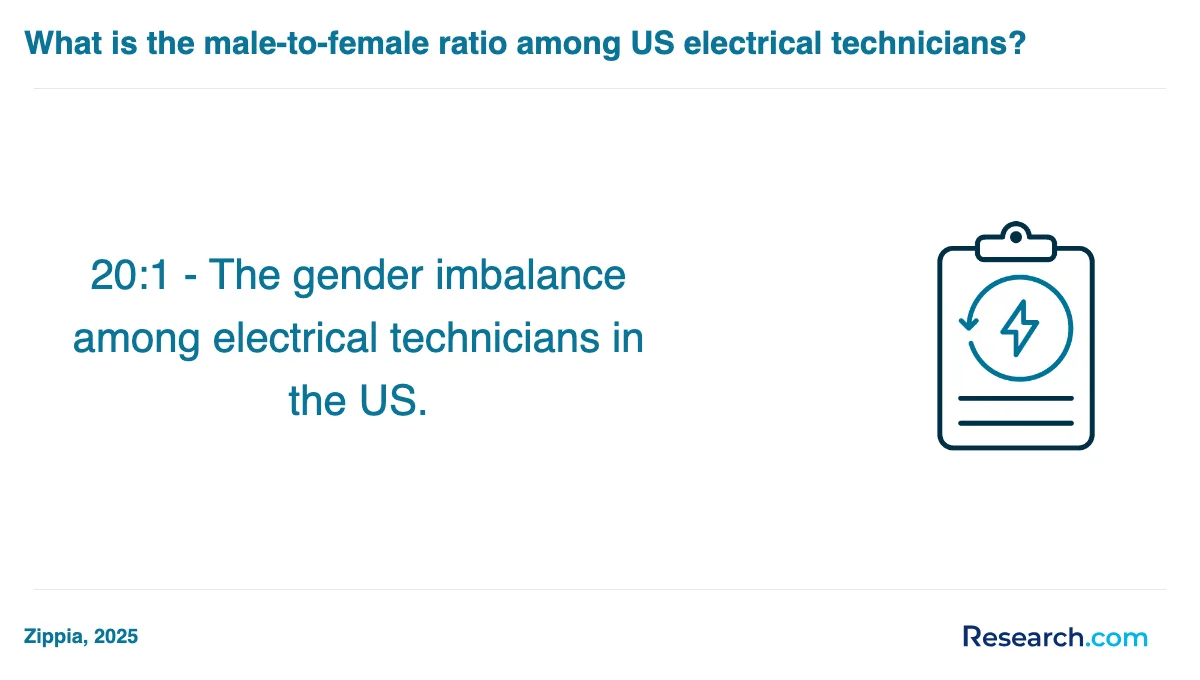
Electrician trade school students in Rhode Island can access a variety of financial aid options that make training more affordable. Many graduates from Lincoln Tech's Lincoln campus recall how federal financial aid, like Pell Grants and student loans, helped them cover tuition after completing the FAFSA application. This federal support is often the first step for those starting their electrician journey.
Local opportunities also stand out. At the Community College of Rhode Island (CCRI), students coming straight from high school benefit from tuition-free associate degrees, a game-changer for aspiring electricians balancing budgets. CCRI's Fresh Start Scholarship adds extra relief for eligible students, although it's wise to check current criteria directly with the school.
Scholarships from schools and independent groups also play a key role. Graduates from Roger Williams University recall partial scholarships awarded to registered apprentices, easing financial pressure early on. Organizations like Bring Back the Trades offer targeted scholarships that Rhode Island residents pursuing trade careers can apply for, providing additional support beyond school aid.
Veterans should carefully verify aid eligibility since not all programs, including Lincoln Tech's electrical program, are VA-approved. Knowing these details upfront prevents surprises and ensures smooth financial planning for your electrician training.
To enroll in an electrician trade school program in Rhode Island, applicants typically need to meet a few straightforward prerequisites that set the foundation for success. Most schools require a high school diploma or GED, ensuring students have basic math and reading skills essential for grasping electrical concepts. Graduates from popular Rhode Island trade schools often mention how brushing up on algebra before starting helped them gain confidence quickly.
Applicants usually must be at least 18 years old, aligning with state labor laws for apprenticeships and hands-on training. Many trade schools also ask for a valid driver's license, as some training involves travel to job sites or internships.
Additional common requirements include:
- Passing a basic aptitude test focused on math and problem-solving
- Providing proof of physical fitness, as the work demands stamina and manual dexterity
- Submitting immunization records or health screenings for safety compliance
Graduates often recall how meeting these prerequisites early helped them dive straight into practical training without delays, making the journey smoother and more rewarding.
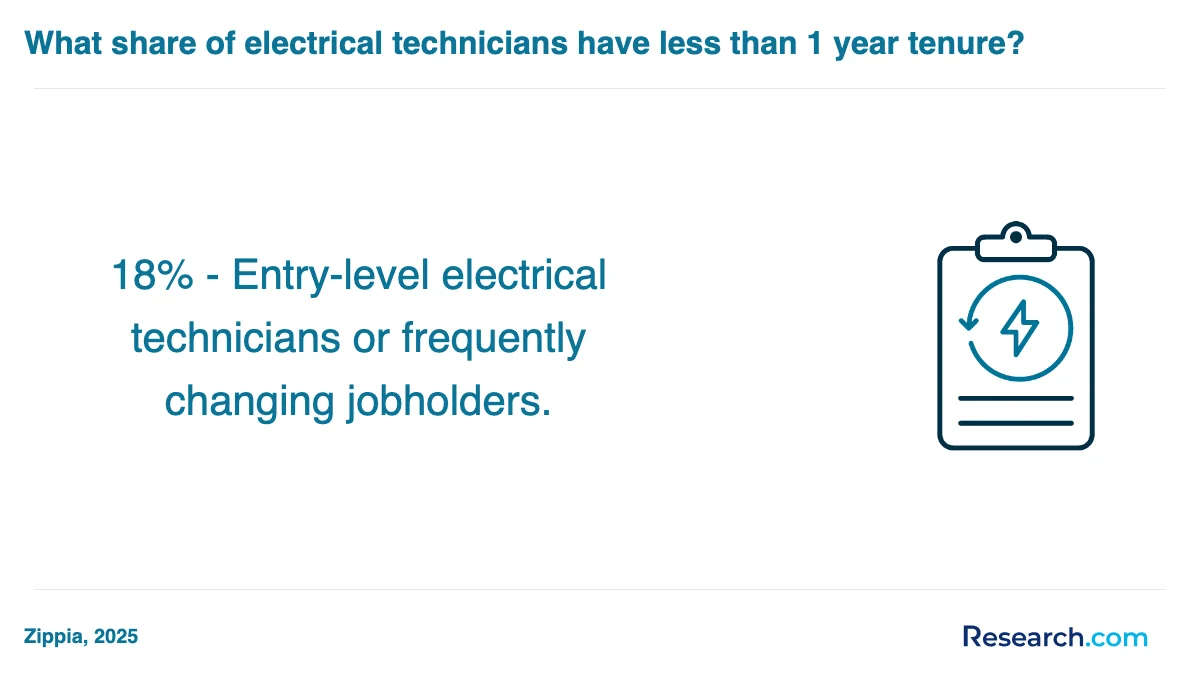
Electrician trade school programs in Rhode Island cover a well-rounded set of courses designed to prepare you for real-world electrical work. Graduates from popular schools often highlight the balance between classroom theory and hands-on training as key to their confidence on the job.
Core courses include:
- Electrical theory: understanding current, voltage, and resistance through practical examples like wiring a home circuit.
- Controls and wiring: learning installation and troubleshooting across residential and commercial settings-something graduates find essential when starting apprenticeships.
- Safety practices: emphasizing accident prevention and proper equipment handling, which students say makes them feel ready and secure at job sites.
- Electronic and electrical principles: covering basic circuitry to advanced topics such as fiber optics and programmable logic controllers (PLC), preparing students for evolving technologies.
- Computers and networking: training for modern digital control systems electricians encounter today.
- Specialized systems: including security, fire alarms, and audio/visual installations, reflecting the diverse environments electricians work in.
Some programs also integrate employability skills like financial literacy and time management, which graduates appreciate for boosting their job readiness. These courses, especially at schools like Roger Williams University, provide a structured path to earning college credits while gaining valuable trade skills.
Electrician trade school programs in Rhode Island commonly offer several targeted specializations to meet industry demands. Graduates from residential and commercial electrician training often highlight their hands-on experience with wiring and installations in homes and businesses, notably through programs like the Massachusetts Technical Institute's 7-month course combined with a 120-hour internship. This direct engagement builds confidence in electrical safety and code compliance.
Many students pursuing electrician apprenticeship programs Rhode Island value the balance of on-the-job learning with classroom instruction. For example, Roger Williams University's four-year program lets students work days while attending evening classes, perfect for those seeking steady employment alongside education. Similarly, the Community College of Rhode Island's apprenticeship requires a substantial 576 hours of instruction over four years, ensuring thorough trade knowledge and preparation for licensing.
For those more drawn to electronics, specialized training in electrical and electronic systems technology at Lincoln Tech prepares graduates for careers involving fiber optics and programmable logic controllers, expanding opportunities beyond traditional electrician roles. Students looking for broader options can also explore online electrical engineering degree programs to complement their trade expertise.
When looking into the best electrician trade schools in Rhode Island, prioritize programs with strong accreditation and hands-on training. Graduates from Roger Williams University often highlight the confidence gained through its NCCER-accredited four-year apprenticeship, which balances theory with real-world application. Meanwhile, students from MTTI appreciate the intensive 30-week course combined with a 120-hour internship that sharpens practical skills quickly, ideal for those eager to enter the workforce.
Understanding how to choose electrician trade schools in Rhode Island means evaluating program costs and scheduling too. For instance, Roger Williams University's reasonable tuition of $1,670 per year, plus evening classes twice a week, makes it ideal for working individuals seeking flexibility without sacrificing quality. MTTI's approach focuses heavily on career readiness, providing resume-building and interview prep, which many graduates credit for their smooth job placements.
For those seeking even faster pathways to electrical careers, exploring the cheapest accelerated wind turbine technician training program may complement the electrician skill set and boost employability in related fields.

Graduates of electrician trade school programs in Rhode Island commonly start as apprentice electricians, gaining practical experience while meeting state requirements of 8,000 hours of on-the-job training and 576 hours of classroom instruction. This hands-on learning paired with structured education supports success in Rhode Island electrical apprenticeship programs. Many apprentices appreciate the balance of earning while learning, building confidence before advancing.
After passing the journeyman exam, a common next step is working independently as a journeyman electrician. Graduates from schools like the New England Institute of Technology often find positions in construction firms or utility companies, earning $37 to $41 per hour and enjoying year-round employment stability. From here, several career routes become available:
- Electrical contractors, who manage projects and run businesses after meeting experience criteria
- Specialized roles such as controls technicians or electrical inspectors involved in advanced systems and safety compliance
- Technical positions requiring associate degrees, including electrical design and project management
Many Rhode Island graduates also explore related certifications to enhance their skills. For example, several seek the top wind turbine technician certification, opening doors in renewable energy sectors and broadening career opportunities.
The electrician job market in Rhode Island offers strong potential for trade school graduates, with over 83 electrician job openings statewide as of April 2025. Graduates from popular Rhode Island trade schools often secure entry-level roles such as journeyperson or maintenance technician, benefiting from a steady demand across residential and commercial sectors. Many graduates report success through registered apprenticeship programs that combine paid work with classroom learning, making it easier to gain licensure and build experience. Employers in the state look for candidates with a valid electrician license and familiarity with local safety codes, emphasizing readiness to work independently on job sites.
Real-life graduates typically see:
- Starting wages between $30 and $35 per hour, competitive with national figures
- Opportunities to earn $24 to $38 per hour in Providence for different experience levels
- Clear advancement pathways through supervisory or specialized roles
Understanding the electrician salary and employment outlook Rhode Island provides motivates many students to pursue their training locally. Those interested in specifics like electrical lineman job requirements will find apprenticeship and licensing key to rapid job placement and career growth.
Best Electrical Technician Training Programs & Trade Schools - Top Electrical Tech Schools in Rhode Island for 2026
# 1 position
New England Institute of Technology - Electrician.
associateThe Electrician program at New England Institute of Technology prepares students to install, operate, maintain, and repair electric systems, including residential, commercial, and industrial wiring, motors, and electrical panels. Instruction covers electronics principles, wiring, power transmission, safety, testing, inspection, and relevant codes. The program is accredited by the New England Commission on Higher Education. Annual in-state tuition is $35,625.
# 2 position
MotoRing Technical Training Institute - Electrician.
certificate or diplomaThe Electrician program at MotoRing Technical Training Institute offers a hybrid format with some distance education. It prepares students to install, operate, maintain, and repair electric apparatus and systems, including residential, commercial, and industrial wiring. Instruction covers electronics, wiring, power transmission, safety, job estimation, electrical testing, inspection, and applicable codes. Graduates have a median earning of $43,145 one year after completion. The program is accredited by the Accrediting Commission of Career Schools and Colleges.
Frequently Asked Questions about electrician
After completing electrician trade school in Rhode Island, preparing for the job market involves several key steps. First, obtaining the required state license is essential. Rhode Island mandates electricians to pass the licensing exam administered by the Rhode Island Department of Labor and Training. This ensures you meet state safety and technical standards.
Networking is also important. Joining local trade unions or professional organizations, such as the International Brotherhood of Electrical Workers (IBEW), can provide access to apprenticeships and job leads.
Additionally, gaining hands-on experience through apprenticeships or entry-level positions improves employability. According to the U.S. Bureau of Labor Statistics, Rhode Island's electrician employment is projected to grow 5% through 2031, highlighting steady demand.
Finally, maintaining up-to-date certifications and continuing education will help you stay competitive in the evolving electrical field.
Employers in Rhode Island seek electrician trade school graduates with strong technical knowledge and practical skills. Proficiency in reading blueprints, understanding electrical codes, and wiring installation is essential. According to the U.S. Bureau of Labor Statistics, attention to safety regulations and the ability to troubleshoot electrical systems are highly valued nationwide, including Rhode Island.
Effective communication and teamwork are also important, as electricians often collaborate with contractors and clients. Familiarity with the National Electrical Code (NEC) ensures compliance with state standards. Additionally, employers appreciate graduates who demonstrate problem-solving skills and adaptability to new technologies in renewable energy and smart systems.
Finding internships relevant to electrician trade school programs in Rhode Island involves leveraging local resources and industry connections. Start by contacting trade schools directly, as many have partnerships with electrical contractors and unions offering internship opportunities. The Rhode Island Department of Labor and Training (DLT) provides job placement assistance and apprenticeship listings that can lead to internships.
Additionally, explore the International Brotherhood of Electrical Workers (IBEW) Local 99, which serves Rhode Island and offers apprenticeship programs combining paid work and classroom instruction. According to the U.S. Bureau of Labor Statistics, Rhode Island's construction industry is growing moderately, increasing demand for trained electricians.
Networking at local trade fairs and career expos is also effective. Many employers post internships on platforms like the Rhode Island Jobs website. Early outreach and demonstrating commitment to the field improve chances of securing a valuable internship.
Obtaining an electrician trade school diploma in Rhode Island significantly enhances career mobility and advancement opportunities. According to the U.S. Bureau of Labor Statistics, the demand for electricians in Rhode Island is projected to grow by 8% from 2022 to 2032, higher than the national average. This growth creates new positions requiring formal training and certification.
A diploma from a recognized trade school equips students with essential technical skills and knowledge, making them eligible for apprenticeship programs and state licensure. Licensed electricians in Rhode Island often command higher wages and have access to diverse employment sectors, including construction and renewable energy.
Furthermore, graduates with diplomas tend to experience faster promotions and job stability compared to those without formal training. The Rhode Island Department of Labor also notes that certified electricians report an average salary 15-20% above non-certified peers, underscoring the diploma's role in advancing social and economic mobility within the state.
Part-time jobs that complement electrician trade school education in Rhode Island often include roles such as electrical helper, construction laborer, and maintenance assistant. These positions provide hands-on experience with electrical systems, wiring, and safety protocols, reinforcing classroom learning.
According to the U.S. Bureau of Labor Statistics (BLS), Rhode Island's employment for electricians is expected to grow by about 8% through 2032, driven by construction and infrastructure updates. Gaining work experience through part-time jobs can improve job prospects and skill development.
Additionally, roles in retail electrical supply stores or technical support for electrical equipment can deepen understanding of materials and tools used in the trade.
When choosing the best electrician degree program near me in Rhode Island, it's essential to consider several factors such as accreditation, faculty expertise, and the comprehensive nature of the course curriculum. Researching programs at nearby technical schools, community colleges, and universities can provide valuable insights into the offerings and specializations available. Utilizing resources like Research.com to compare data and gain insights about programs near Rhode Island can aid in making an informed decision.
- Best Electrical Technician Training Programs & Trade Schools - Top Electrical Tech Schools in Connecticut for 2026
- Best Electrical Technician Training Programs & Trade Schools - Top Electrical Tech Schools in New Jersey for 2026
- Best Electrical Technician Training Programs & Trade Schools - Top Electrical Tech Schools in New Hampshire for 2026
- Best Electrical Technician Training Programs & Trade Schools - Top Electrical Tech Schools in Pennsylvania for 2026
- Best Electrical Technician Training Programs & Trade Schools - Top Electrical Tech Schools in Maryland for 2026
- Best Electrical Technician Training Programs & Trade Schools - Top Electrical Tech Schools in Virginia for 2026
- Best Electrical Technician Training Programs & Trade Schools - Top Electrical Tech Schools in Ohio for 2026
- Best Electrical Technician Training Programs & Trade Schools - Top Electrical Tech Schools in Kentucky for 2026
- Best Electrical Technician Training Programs & Trade Schools - Top Electrical Tech Schools in North Carolina for 2026
- Best Electrical Technician Training Programs & Trade Schools - Top Electrical Tech Schools in Tennessee for 2026
- Electrical Apprenticeship Program | Roger Williams University https://www.rwu.edu/ext/offerings/programs/electrical
- Electrician Trade School Opportunities in Rhode Island - 2025 Guide https://www.neit.edu/blog/electrician-trade-school
- Electrical Apprenticeship – CCRI https://www.ccri.edu/workforce/programs/manufacturingtrades/ElectricalApprenticeship.html
- Electrician Schools in RI - Hands-On & Awesome [UPDATED 2025] https://electricalschool.org/ri/
- Free or Reduced Cost Training Programs | RI Department of Labor & Training https://dlt.ri.gov/free-or-reduced-cost-training-programs
- MTTI 7 Month Electrician Program - Residential & Commercial https://mtti.edu/programs/residential-and-commercial-electrician/
- How to Become an Electrician in Rhode Island for 2025 | Research.com https://research.com/careers/how-to-become-an-electrician-in-rhode-island
- Top Electrician Programs in Rhode Island | Learn How to Become https://toptradeschools.com/near-you/electrician/rhode-island/
- Career Training and Trade School in Lincoln, RI https://www.lincolntech.edu/campus/lincoln-lti-ri
- RHODE ISLAND CONSTRUCTION TRAINING ACADEMY > Home https://www.ricta.org/


