Best Electrical Technician Training Programs & Trade Schools - Top Electrical Tech Schools in Long Island City for 2026

Co-Founder and Chief Data Scientist
Choosing the right electrician trade school in Long Island City can shape your future career. This article introduces a carefully crafted ranking of electrician trade school programs created by the Research.com team of data scientists. It’s designed to help you make an informed decision based on reliable data and real insights.
Whether you’re starting fresh or seeking a new skill, earning a diploma or certification in this field opens doors to rewarding opportunities. Reading this guide will provide clarity and confidence as you take your next step toward a hands-on, fulfilling career.
Key benefits of finishing electrician trade school in Long Island City
- Graduates from electrician trade schools in Long Island City can expect competitive wages, with average hourly rates around $28 and potential earnings increasing with experience and overtime.
- Career paths include becoming licensed electricians, electrical apprentices, or specialized technicians, offering diverse opportunities in both residential and commercial sectors.
- Completing a trade school online provides flexibility and faster completion times, allowing students to balance work and study while gaining practical skills recognized by local employers.
- Best Electrical Technician Training Programs & Trade Schools - Top Electrical Tech Schools in Long Island City for 2026
- What can I expect from electrician trade schools in Long Island City?
- Where can I work after finishing electrician trade schools in Long Island City?
What can I expect from electrician trade schools in Long Island City?
In Long Island City, enrolling in an electrician trade school means diving into a hands-on, practical learning environment where theory meets real-world application. Graduates from local programs often describe spending half their time in classrooms mastering electrical theory, blueprint reading, and safety protocols, while the other half is dedicated to working in well-equipped shops practicing wiring installations and troubleshooting. For instance, students at Apex Technical School experience nearly 900 hours of combined instruction and lab work, building confidence in tasks like circuit breaker setup and grounding techniques.
Many find the mix of full-time and part-time schedules accommodating, allowing them to balance personal commitments while gaining industry-recognized certifications such as OSHA 30 Hour safety training. Programs at places like LaGuardia Community College integrate NCCER curriculum, helping students feel prepared and valued by employers.
Hands-on labs at specialized centers also expose students to cutting-edge technologies like solar energy and telecommunications wiring, making the learning journey exciting and future-focused. Overall, students emerge ready to tackle residential and commercial electrical work with pride and practical skills.
Where can I work after finishing electrician trade schools in Long Island City?
Graduates from electrician trade schools in Long Island City often find themselves stepping directly into a bustling job market with diverse opportunities. Many quickly secure positions with local electrical contractors, construction firms, or maintenance teams, where they apply hands-on skills learned during their programs. One graduate shared how starting as a junior electrician at a commercial construction site gave them real-world experience wiring office buildings, fueling their excitement and confidence.
Others discover roles in residential settings, installing or repairing electrical systems in homes and apartments, which offers a rewarding sense of contributing to community safety. Trade schools popular in Long Island City emphasize practical training that prepares students for these environments, helping graduates feel ready and capable from day one.
With time and additional certifications, electricians often advance to supervisory roles or specialize in fields like solar energy or automotive electrical systems. Flexible schedules and part-time work options also allow graduates to balance work with personal goals, making this career path adaptable and promising.
After finishing an electrician trade school program in Long Island City, many graduates find themselves stepping confidently into jobs paying between $25.04 and $30.02 per hour. Imagine a recent trade school graduate landing an entry-level electrician position, excited to earn an annual salary around $52,000 to $62,000 while gaining hands-on experience. This starting point often comes from popular local schools known for their practical training and strong employer connections.
Some graduates report feeling motivated as they see their hourly wage rise toward the average of $28.13 per hour, especially when overtime adds up to nearly $9,438 extra annually. This extra income, common in the electrical trade, can make a big difference in managing living expenses in Long Island City.
With time and additional certifications, electricians increase their earnings, with experienced workers pulling in salaries from about $60,000 to over $100,000. Picture yourself growing from a new apprentice to a licensed professional, enjoying both the financial rewards and the pride of mastering a skilled trade.
Trade school graduates often share how the practical skills and networking opportunities helped them quickly find rewarding roles, making the investment in their education feel like a smart and promising step forward.
- Applicants must be at least 18 years old and have a high school diploma or GED; some programs accept relevant work experience instead.
- Programs combine classroom instruction and hands-on training, with examples including 900-hour and 600-hour courses focusing on practical skills and safety certifications.
- Tuition varies; for instance, LaGuardia Community College charges $2,229 for its Electrical 1 Training Program, with some scholarships available.
- Entry-level electricians in New York City earn $45,000 to $55,000 annually, while experienced electricians can make $76,000 to $80,000 or more.
- Licensing in New York City requires education, apprenticeship hours, and hands-on experience through the Department of Buildings.
Completing an electrician trade school program in Long Island City typically takes between 9 months and 18 months, depending on the intensity and structure of the course. Many graduates from well-known trade schools in the area often share how immersive and hands-on the experience is, making the time investment feel both productive and engaging. For example, a common path includes full-time programs lasting about a year, where students dive deep into electrical theory, practical wiring, and safety protocols.
Some students choose part-time options that stretch out the learning over a year and a half, allowing them to balance work or family commitments while steadily progressing toward certification. These flexible schedules make the journey feel more manageable and less stressful, which many graduates find motivating.
Imagine walking into a bustling workshop where instructors guide you through real-world electrical panels and circuits, turning textbook concepts into skills you can see and touch. This practical approach in Long Island City trade schools helps students feel confident and ready to enter the workforce sooner than expected.
Online electrician trade school programs in Long Island City appeal to students seeking flexibility, allowing them to study theory at their own pace from home. Graduates often appreciate how this format fits around busy work or family lives, especially when juggling multiple responsibilities. However, many find that without hands-on experience, mastering practical skills feels incomplete, making the path to licensure more challenging.
On-campus programs, popular among local trade schools, offer a different energy. Students often describe the excitement of working directly with electrical equipment in labs and receiving immediate feedback from instructors. This hands-on learning fosters confidence and readiness for real-world challenges. One graduate recalls how troubleshooting circuits in person transformed theoretical knowledge into practical ability, a crucial step toward meeting New York State's apprenticeship requirements.
Hybrid programs are emerging as a promising middle ground in Long Island City. They combine online coursework with scheduled in-person labs, enabling students to enjoy flexibility without sacrificing essential practical training. Many find this blend motivates them to stay engaged while building indispensable skills for their electrician careers.
When considering the average tuition fees for electrician programs in Long Island City, students often find a varied range reflecting differences in program length and curriculum depth. For instance, graduates from Apex Technical School, where the Electrical and Advanced Electrical program requires 900 contact hours over 7 months, report investing around $18,400 in tuition plus approximately $491 for books and supplies. This substantial commitment feels worthwhile as graduates describe their experience as deeply hands-on and career-transforming.
Meanwhile, those attending Berk Trade and Business School spend about $13,200 on tuition for the Electrical Installation Certificate program, with study materials adding close to $500. Alumni tend to mention the balanced cost versus comprehensive coverage of essential electrical skills, making it a practical choice for many in Long Island City looking for solid foundational training.
LaGuardia Community College offers an alternative with Electrical I and II courses priced under $2,000 each, inclusive of books and materials. These shorter, more affordable courses stretch over 18 and 15 weeks respectively, appealing to students who value both cost efficiency and a quicker path to joining the workforce. This diversity in pricing captures the varied nature of the cost of electrician trade schools in Long Island City.
Prospective students aiming for budget-friendly yet effective programs might also explore low cost online electrical lineworker trade school programs to supplement or enhance their on-site training, adding flexibility without straining finances.
Electrician trade school students in Long Island City often find relief through multiple financial aid options tailored to their needs. Graduates frequently recall how the ACE Scholarship at LaGuardia Community College transformed their ability to enroll by covering full tuition for those earning under $35,000 annually-turning a $2,229 cost into an accessible opportunity. This scholarship's straightforward application process through the college's Adult and Continuing Education division makes it an appealing first step for many.
For union members or their families, substantial benefits like tuition reimbursement up to $25,000 and low-interest educational loans offer even greater support. These benefits, managed by Local Union No. 3's Educational and Cultural Trust Fund, often ease financial stress for students pursuing state licensing or certification exams.
Beyond local scholarships, many students leverage federal Pell Grants, New York State grants, and student loans after completing FAFSA, helping manage costs that might otherwise seem daunting. Trade schools in Long Island City also provide dedicated financial aid advisors who guide students through these complex options, offering reassurance and clarity during the process.
Enrolling in an electrician trade school program in Long Island City usually requires meeting a few straightforward prerequisites that set students up for success. Most popular trade schools in the area ask for a high school diploma or GED, ensuring that students have basic math and reading skills essential for understanding electrical theory and safety regulations.
Graduates often reflect on how having a solid foundation in algebra and problem-solving made hands-on training more approachable, especially when working on real-life wiring projects during labs.
Other common prerequisites include:
- Being at least 18 years old to comply with local apprenticeship and licensing laws
- Proof of physical fitness to handle the demands of electrical work, such as climbing ladders and lifting equipment
- Passing a basic aptitude test or placement exam, depending on the school
Trade schools in Long Island City also value a strong work ethic and eagerness to learn, often expressed through an interview or personal statement. Graduates from these programs frequently share how this mindset helped them adapt quickly, from classroom theory to on-site electrical installations, making the journey both challenging and rewarding.

Electrician trade school programs in Long Island City typically blend classroom theory with hands-on training, preparing students for real-world electrical work. Graduates often recall starting with foundational courses such as basic electrical theory, construction math, and blueprint reading-skills that quickly translate into confidently interpreting wiring diagrams on job sites.
Students at popular schools like Apex Technical School experience practical lessons on residential wiring, circuit breakers, and splicing techniques, which build their confidence in handling everyday electrical tasks. Typical course highlights include:
- Understanding the National Electric Code (NEC) to ensure compliance with legal and safety standards
- OSHA 30-hour safety certification emphasizing workplace safety
- Conduit bending and electrical load calculations for accurate installations
- Use of test instruments and troubleshooting branch circuits
- Advanced topics like motor controls, power distribution, and programmable logic controllers (PLCs)
- Exposure to emerging technologies such as solar energy, fiber optics, and home automation
Long Island City programs often include specialty labs-for example, the Electrical Industry Training Center offers hands-on experience in high-voltage splicing and alternative energy systems. Graduates appreciate how this balanced curriculum, combining about 900 hours of training, equips them with both theoretical knowledge and practical skills needed to thrive in entry-level electrician roles.
Electrician trade school programs in Long Island City offer a range of specializations designed to meet diverse career ambitions. Graduates often reflect on the hands-on training received in electrician apprenticeship programs in Long Island City, which build confidence in real-world environments. Key specializations include:
- Inside Wireman & Maintenance Technician Apprenticeship: Focuses on commercial and industrial electrical systems, training students in installation and repair tasks one typically encounters on large job sites.
- Residential Electrician Apprenticeship & Construction Wireman Trainee: Prepares students for complex residential wiring projects, emphasizing safety, circuit installations, and maintenance in home settings.
- Telecommunications Trainee Program: Concentrates on voice-data-video systems, fiber optics, and emerging tech, reflecting the evolving electrical landscape.
At popular institutions like Apex Technical School and Queens Technical High School, students appreciate curricula covering everything from basic electrical wiring to renewable energy systems, making electrician training programs in Long Island City especially valuable for a versatile career. Many graduates mention the excitement of mastering solar and wind turbine technologies, connecting classroom lessons to future-focused industries. For prospective students exploring options, the cheapest online electrical engineering programs can also complement your hands-on training for broader opportunities.
Choosing the best electrician trade school program in Long Island City means focusing on hands-on training and real-world readiness. Graduates from local trade schools often share how immersive workshops and internship opportunities within the city's dynamic construction and industrial sectors gave them confidence and practical skills before entering the workforce. It's essential to pick a program that partners with Long Island City businesses for apprenticeships, allowing you to build a network and gain invaluable experience.
Look for schools that offer updated curricula reflecting current industry standards and technology, especially those that prepare students for licensing exams efficiently. Some graduates recall how courses integrating modern electrical codes and safety practices helped them feel prepared and optimistic about their careers. Programs with strong instructor support and career services in Long Island City also stand out for fostering motivation and community among students.
Additionally, prospective students should consider exploring the top electrical engineer degree online options to complement their trade school education, blending theoretical knowledge with practical skills seamlessly. Resources like top electrical engineer degree online can guide you toward programs that elevate your expertise and future opportunities in this evolving field.
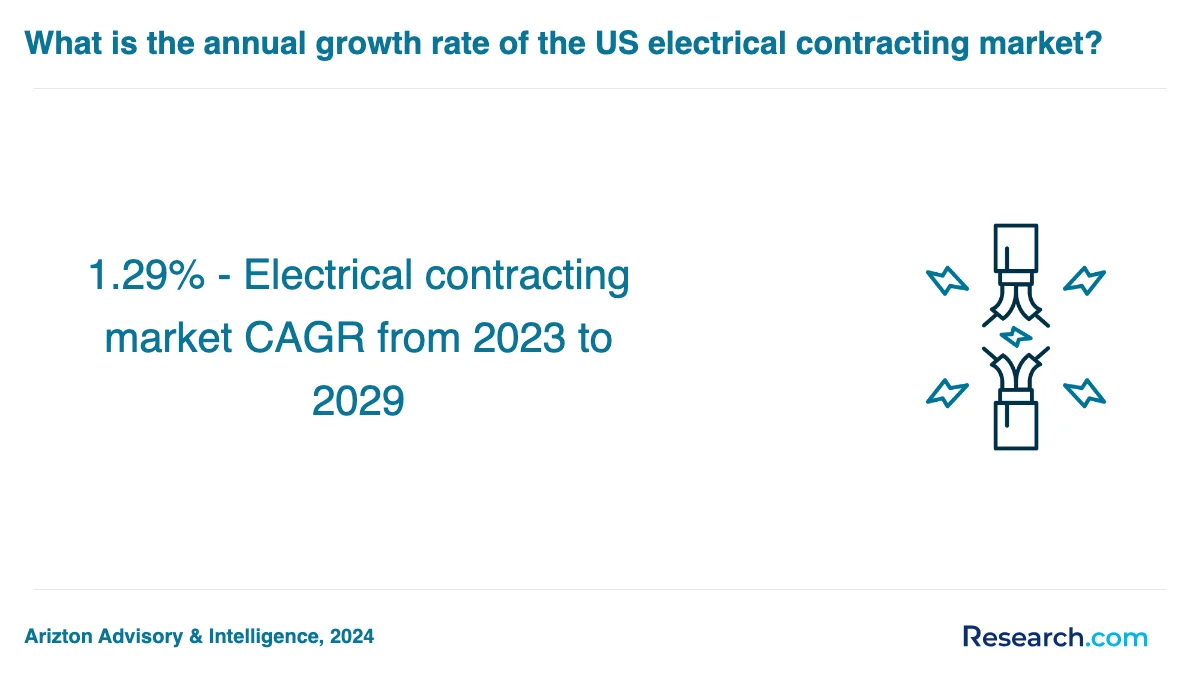
Graduates of electrician trade school programs in Long Island City often begin their careers as apprentices, a fundamental stage within electrician apprenticeship programs in Long Island City. These apprenticeships, offered through local union and non-union channels, provide hands-on training under experienced journeymen. Many graduates from popular trade schools here share how starting as apprentices helped them gain confidence while earning competitive pay.
Beyond apprenticeship, career paths widen with opportunities to become journeyman electricians, who independently handle projects across residential, commercial, and industrial settings. Graduates describe the pride in managing real-world wiring jobs throughout Long Island City, benefiting from the region's consistent job openings.
Some graduates opt for specialized roles including:
- Maintenance technicians maintaining vital electrical systems in hospitals and factories
- Telecommunications technicians installing complex data and voice networks
- Solar electricians supporting the growing renewable energy sector
Trade school experiences also inspire advancement toward master electrician status or positions such as project managers and safety inspectors. For those interested in sustainable energy, exploring affordable accelerated online wind turbine technician certification programs could complement their skill set and open new doors.
This broad spectrum of electrician career opportunities in Long Island City ensures graduates are well-positioned to build fulfilling, future-proof careers close to home.
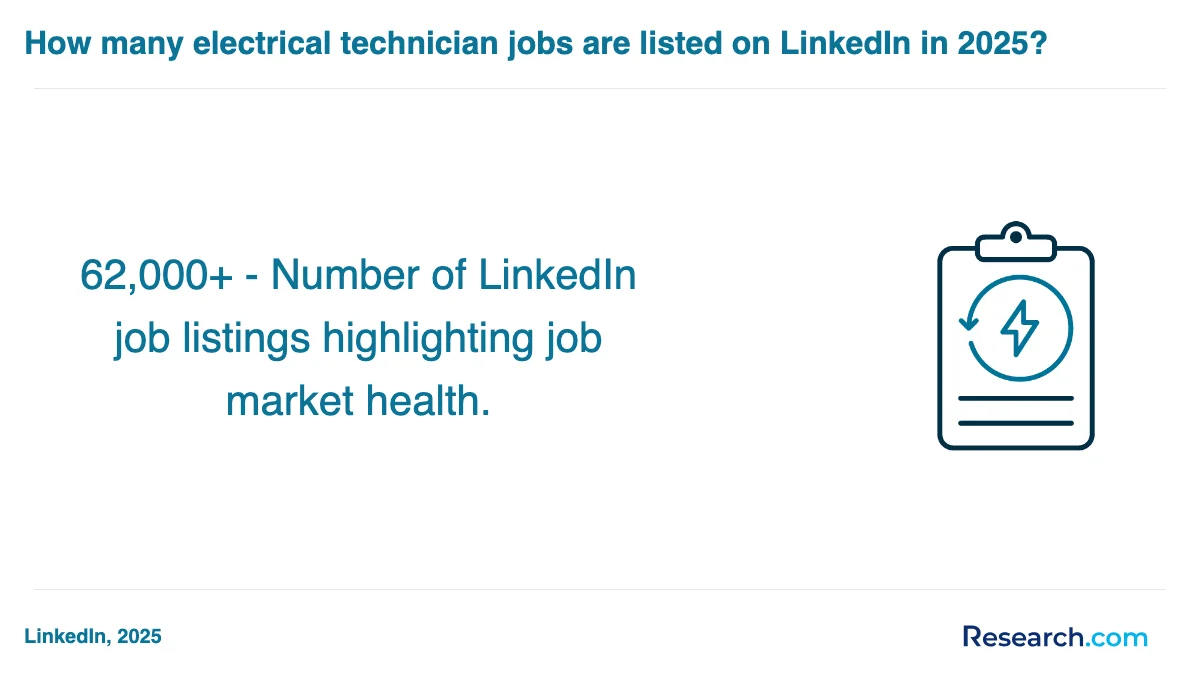
The current electrician job opportunities in Long Island City present a promising landscape for trade school graduates. With over 320 openings regularly available, graduates from popular electrician trade schools here find themselves in real-life scenarios where hands-on skills directly translate into employment. Many report starting as electrician assistants before quickly moving into journeyperson roles or specialized positions like superintendent. This upward mobility fuels their enthusiasm and confidence as they contribute to both residential and industrial projects.
Union and non-union employers actively seek certified electricians, with nearly 26.3% of local electricians holding vocational credentials from these trade schools. Graduates appreciate how union membership can enhance their earning power and job security, motivating them to pursue union pathways as well. Practical training received through schools in Long Island City prepares students to meet high standards, aligning with the region's infrastructure growth.
Regarding electrician salaries Long Island City NY offers, many graduates report hourly rates ranging from $24 to $36 depending on experience and certifications. This lucrative pay scale makes the trade attractive, especially considering ongoing infrastructure investments. For those exploring career options, understanding how to become an electrical lineman also opens additional pathways in the electrical field.
Best Electrical Technician Training Programs & Trade Schools - Top Electrical Tech Schools in Long Island City for 2026
# 1 position
Berk Trade and Business School - Electrical and Power Transmission Installation/Installer, General.
certificate or diplomaBerk Trade and Business School offers a hybrid program in Electrical and Power Transmission Installation/Installer, General. The curriculum teaches technical skills for installing residential, commercial, and industrial electrical systems and power transmission lines. Instruction covers electricity, safety, wiring, insulation, grounding, blueprint interpretation, equipment operations, and relevant codes. Graduates earn a median income of $31,116 one year after completion. The program is accredited by the Accrediting Commission of Career Schools and Colleges.
# 2 position
Apex Technical School - Electrician.
certificate or diplomaApex Technical School offers a hybrid Electrician program that trains students to install, operate, maintain, and repair electrical systems in residential, commercial, and industrial settings. The curriculum covers electronics, wiring, power transmission, safety, electrical testing, and relevant codes. Graduates have median earnings of $30,816 one year after completion. The program is accredited by the Accrediting Commission of Career Schools and Colleges.
Frequently Asked Questions about electrician
After completing an electrician trade school in Long Island City, preparing for the job market involves several key steps. First, obtaining the necessary licenses and certifications is essential. New York State requires electricians to hold a license to work independently, typically after accumulating hours of supervised work experience. Many graduates pursue the National Electrical Code (NEC) certification to enhance their credentials.
Networking is also crucial. Joining local unions like the International Brotherhood of Electrical Workers (IBEW) can provide access to job opportunities and apprenticeships. Additionally, Long Island City's proximity to New York City offers a robust market, with the Bureau of Labor Statistics projecting a 9% growth in electrician jobs in the metropolitan area through 2030.
Finally, building a strong resume and gaining hands-on experience through internships or apprenticeships will significantly improve employment prospects in this competitive field.
Employers in Long Island City seek electrician trade school graduates who demonstrate strong technical skills, including knowledge of electrical codes and safety standards. Proficiency in reading blueprints and electrical schematics is essential, as it ensures accurate installation and repair work.
Hands-on experience with tools and electrical systems is highly valued. According to the U.S. Bureau of Labor Statistics, practical skills combined with classroom knowledge improve job placement rates for graduates in New York State.
Additionally, good problem-solving abilities and effective communication skills are important. Electricians often work in teams and must explain complex issues clearly to clients and supervisors.
Understanding local regulations and energy-efficient technologies is increasingly important, reflecting industry trends in Long Island City's evolving construction sector.
Finding internships in Long Island City related to electrician trade school programs involves several practical steps. Start by contacting local trade schools, as many have partnerships with electrical contractors and companies offering internship placements. The New York State Department of Labor also provides resources and listings for apprenticeships and internships in skilled trades across Queens, including Long Island City.
Networking is essential; attending trade fairs, union meetings, and industry events can connect students with potential employers. Additionally, online job platforms like Indeed or the Electrical Contractors Association of New York City's website often list internship opportunities. According to the U.S. Bureau of Labor Statistics, internships and apprenticeships enhance job placement rates significantly in the electrical field.
Obtaining a diploma from an electrician trade school in Long Island City significantly enhances career mobility and advancement opportunities within the local job market. Trade schools provide specialized training that meets the standards required for licensing and certification in New York State, which is essential for professional growth.
According to the U.S. Bureau of Labor Statistics, electricians with formal training and certification earn approximately 20% more than those without. In Long Island City, where construction and infrastructure projects are expanding, skilled electricians are in high demand, increasing the chances of job placement and promotions.
Additionally, a diploma signals to employers a candidate's commitment and technical proficiency, often leading to faster entry into apprenticeships or supervisory roles. Industry reports also highlight that graduates from accredited programs tend to experience greater wage growth over five years, reinforcing the diploma's value in career progression.
Part-time job opportunities in Long Island City that complement electrician trade school education often involve roles in construction, maintenance, and electrical supply stores. Students can gain practical experience by working as electrician apprentices or helpers, positions commonly available through local contractors. According to the U.S. Bureau of Labor Statistics, apprenticeships are crucial for skill development and often lead to higher wages upon certification. Additionally, Long Island City's growth in commercial and residential construction increases demand for entry-level electrical workers. Jobs in hardware stores also provide valuable knowledge of electrical tools and materials, helping students connect theory with real-world applications.
Yes, there are electrician degree programs available near Long Island City, NY, offered by various trade schools and community colleges. These programs often provide a combination of classroom instruction and hands-on training, preparing students for careers as skilled electricians. To find programs near me, prospective students can use resources like Research.com to identify institutions offering relevant courses and certifications in their area.
- Electrician Jobs in Long Island City, NY (109+ Jobs) | Joblist https://be.joblist.com/j/electrician-jobs/long-island-city-ny
- Apex Technical School | New York Trade School Programs https://apexschool.com/
- What Are the Best Training Options for Electricians in Long Island? https://electricalschool.org/what-are-the-best-training-options-for-electricians-in-long-island/
- Long Island Electrician Apprenticeship Programs | Electrical Apprenticeship https://www.lijatc.org/
- Learn A Trade - SUNY https://www.suny.edu/trades/
- Electrician Trade Schools in Long Island City, NY - Get Training! https://electricalcareernow.com/electrician-schools/long-island-city-ny
- profile icon https://www.niche.com/colleges/search/best-colleges-with-electrician/m/new-york-city-metro-area/
- Electrician Schools in New York: The Ultimate Guide to Training https://industrack.com/industrack-blog/electrician-schools-in-new-york-the-ultimate-guide-to-training
- Queens Technical High School https://www.queenstechhs.org/
- The Risks and Rewards of Being an Electrician https://intercoast.edu/articles/sitting-on-the-electric-fence-the-risks-and-rewards-of-being-an-electrician/