Most Affordable Electrical Technician Schools & Training - Budget-Friendly Electrical Trade Programs in Connecticut for 2026

Co-Founder and Chief Data Scientist
Thinking about starting a career as an electrician in Connecticut? Choosing the right trade school can make all the difference in your future success. This article introduces the most affordable electrical trade schools in Connecticut for 2026, helping you explore quality programs without breaking the bank.
The electrician trade school programs ranking, created by the Research.com team of data scientists, offers trusted insights to guide your decision. Whether you want a diploma or certification, gaining skills in this field opens doors to stable and rewarding job opportunities.
Reading this article will empower you to make an informed choice and take confident steps toward a promising career.
Key benefits of finishing electrician trade school in Connecticut
- Graduates from electrician trade schools in Connecticut can expect an average hourly wage around $28.08, with many earning between $22.88 and $31.35 per hour, leading to a strong annual income potential above $59,000.
- Career paths include residential, commercial, and industrial electrician roles, as well as opportunities in specialized fields like renewable energy, demonstrated by successful alumni from popular Connecticut trade schools.
- Completing an electrician trade school online offers flexible learning and faster completion times, as experienced by graduates from well-known online programs in Connecticut, making it easier to balance work and study.
What can I expect from electrician trade schools in Connecticut?
Enrolling in an electrician trade school program in Connecticut means diving into a blend of classroom learning and hands-on training that prepares you for real-world challenges. Graduates from popular trade schools often recall the balance between mastering electrical theory and applying those skills in well-equipped labs, wiring mock residential and commercial setups. Expect a program lasting about 9 to 12 months, where you'll study everything from safety protocols like OSHA-30 certification to the National Electrical Code.
Students frequently describe the experience as demanding but rewarding, especially when progressing to the apprenticeship phase, which requires around 8,000 hours of on-the-job training. This stage truly tests your skills in live environments, from troubleshooting complex industrial systems to low-voltage installations.
Many find the steady rhythm of classroom hours-spread over years during apprenticeship-helps maintain focus while gaining practical knowledge. The sense of community at Connecticut's technical institutes and union programs adds support, making the journey engaging and motivating. Graduates emphasize how this approach fosters confidence and readiness for the licensing exam and a successful electrician career.
Where can I work after finishing electrician trade schools in Connecticut?
After finishing an electrician trade school program in Connecticut, many graduates quickly find themselves starting as apprentice electricians, gaining hands-on experience under licensed professionals. This real-world training is crucial before pursuing journeyperson or master electrician licenses, which open doors to a variety of career paths. Graduates from well-known Connecticut trade schools often share how they landed positions with construction companies, working on everything from new residential homes to large commercial projects.
Others have found rewarding roles in electrical contracting firms, where they install and maintain complex wiring systems. Some graduates highlight opportunities in manufacturing plants, hospitals, and schools, where stable employment and benefits provide peace of mind. Specialized paths like industrial electrician or lineman are also popular, offering higher pay and unique challenges for those interested.
Many graduates speak enthusiastically about the chance to start their own businesses, turning skills learned in trade school into entrepreneurial success. The strong local demand in Connecticut means there's a bright future for motivated electricians ready to build their careers.
How much can I make after finishing electrician trade schools in Connecticut?
After finishing an electrician trade school program in Connecticut, graduates often find themselves stepping into well-paying roles that quickly reward their hard work and dedication. Many recently certified electricians report starting wages around $22.88 to $28 per hour, which feels encouraging when comparing to other entry-level jobs in the area. For example, graduates from popular trade schools in Connecticut frequently share how their first paycheck helped cover essentials and even allowed for small treats, boosting their confidence early in their careers.
As skills and certifications grow, so does the paycheck. Some electricians in Connecticut earn up to $44.82 per hour, especially when taking on specialized tasks or supervisory roles. Many graduates recall overtime shifts adding nearly $9,400 annually, which can turn a good income into a great one. This trajectory makes the experience tangible-imagine progressing from a novice wiring homes to leading complex commercial projects, all while seeing your bank balance rise steadily.
Connecticut's electrician job market is competitive yet welcoming, offering clear pathways from trade school to rewarding careers with strong earning potential. Many graduates feel a genuine sense of pride and excitement watching their efforts translate into real financial independence.
Most Affordable Electrical Technician Schools & Training - Budget-Friendly Electrical Trade Programs in Connecticut for 2026
# 1 position
Porter & Chester Institute of Hamden - Electrician.
certificate or diplomaThe Electrician program at Porter & Chester Institute of Hamden offers a hybrid format with some distance-education options. It trains students to install, operate, maintain, and repair electric systems including residential, commercial, and industrial wiring. Instruction covers electronics, power transmission, safety, job estimation, and applicable codes. The annual in-state tuition is $14,337. Graduates earn a median salary of $39,745 one year after completion. The program is accredited by the Accrediting Commission of Career Schools and Colleges.
# 2 position
Industrial Management Training Institute - Electrician.
certificate or diplomaThe Electrician program at Industrial Management Training Institute offers hybrid learning to prepare students for installing, operating, and repairing electric systems in residential, commercial, and industrial settings. Instruction covers electronics, wiring, power transmission, safety, and electrical codes. Graduates earn a median salary of $37,876 one year after completion. The program is accredited by the Accrediting Commission of Career Schools and Colleges.
# 3 position
Lincoln Technical Institute-East Windsor - Electrician.
certificate or diplomaThe Electrician program at Lincoln Technical Institute-East Windsor offers a hybrid format with some distance education. It trains students to install, operate, maintain, and repair electrical systems, including residential, commercial, and industrial wiring. The curriculum covers electronics principles, wiring, power transmission, safety, and applicable codes. Graduates have median earnings of $35,880 one year after completion. The program is accredited by the Accrediting Commission of Career Schools and Colleges.
# 4 position
Lincoln Technical Institute-New Britain - Electrician.
certificate or diplomaThe Electrician program at Lincoln Technical Institute-New Britain offers hybrid instruction to teach installation, operation, maintenance, and repair of electric systems including residential, commercial, and industrial wiring. The curriculum covers electronics principles, wiring, power transmission, safety, appliances, job estimation, testing, inspection, and relevant codes. Graduates have median earnings of $35,880 one year after completion. The program is accredited by the Accrediting Commission of Career Schools and Colleges.
# 5 position
Lincoln Technical Institute-Shelton - Electrician.
certificate or diplomaThe Electrician program at Lincoln Technical Institute-Shelton offers a hybrid format with some distance-education options. It prepares students to install, operate, maintain, and repair electrical systems including residential, commercial, and industrial wiring, motors, controls, and distribution panels. The curriculum covers electronics principles, wiring, power transmission, safety, testing, inspection, job estimation, and relevant codes. Graduates have median earnings of $35,880 one year after completion. The program is accredited by the Accrediting Commission of Career Schools and Colleges.
# 6 position
Porter & Chester Institute - Electrician.
certificate or diplomaThe Electrician program at Porter & Chester Institute offers hybrid learning to prepare students for installing, operating, and repairing electrical systems, including residential, commercial, and industrial wiring. It covers electronics principles, power transmission, safety, and applicable codes. The annual in-state tuition is $14,349. Median earnings one year after completion are $37,569. The program is accredited by the Accrediting Commission of Career Schools and Colleges.
Key Findings
- Applicants must be at least 18 years old and have a high school diploma or GED, with some programs requiring proof of passing high school algebra or an aptitude test.
- Training includes 720 hours of classroom instruction and 8,000 hours of on-the-job apprenticeship, often lasting five years with paid work and evening classes.
- Tuition varies; union apprenticeships may offer free tuition except for books, while private and technical colleges can charge several thousand dollars.
- Licensing requires passing a state exam and submitting notarized employer letters and official classroom transcripts.
- Starting wages for apprentices are around $18.96 per hour, with licensed electricians earning between $60,000 and $75,000 annually, potentially exceeding $80,000 with experience.
How long does it take to complete electrician trade schools in Connecticut?
Completing an electrician trade school program in Connecticut typically takes about 9 to 12 months, depending on the school and the student's pace. Graduates from well-known Connecticut trade schools often share how the intensive hands-on training and focused curriculum helped them transition quickly into the workforce. Many find the structure manageable, balancing real-world projects with classroom learning, which makes the time commitment feel rewarding rather than overwhelming.
For example, students attending popular Connecticut trade schools often describe their experience as immersive, with daily practical sessions simulating actual job sites. This approach accelerates skill acquisition, allowing students to confidently handle electrical systems by the time they graduate.
Some graduates mention that completing the program within a year gave them a sense of accomplishment and readiness to start apprenticeships or entry-level positions promptly. The relatively short duration is appealing for those eager to launch their careers without prolonged delays, making electrician trade schools in Connecticut a smart choice for motivated learners.
What's the difference between online and on-campus electrician trade school programs?
The core difference between online and on-campus electrician trade school programs in Connecticut lies in how students gain practical skills. Graduates from on-campus programs at schools like Porter and Chester Institute often describe the confidence they built by working directly with wiring and equipment alongside experienced instructors. This hands-on experience is crucial, especially since Connecticut requires 720 hours of classroom instruction and 8,000 hours of fieldwork for E-2 licensing. Being in a physical classroom allows immediate feedback and real-time problem solving, which many find invaluable.
Conversely, students enrolled in online programs, such as those offered by the Connecticut Technical Education and Career System (CTECS), appreciate the flexibility to study electrical codes and safety at their own pace. However, they must arrange separate apprenticeships to meet practical training requirements. Many students juggling work or family commitments find this blended approach appealing, balancing theory online with scheduled in-person labs. This hybrid model fosters a sense of independence while still ensuring hands-on skills are mastered in real-world settings.
What is the average cost of electrician trade schools in Connecticut?
The average tuition fees for electrician programs in Connecticut typically fall between $22,000 and $32,000, depending on the trade school. Graduates from programs like the Industrial Management Training Institute in Waterbury often share how the $22,152 total cost-covering tuition, books, and supplies-felt like a solid investment after completing a 19-month apprenticeship. This hands-on experience blends classroom learning with real-world skills, helping students feel prepared and confident as they enter the workforce.
On the other hand, those who attended Lincoln Technical Institute describe a more intensive 12-month program that requires a tuition fee near $31,599, plus around $1,752 for books and supplies. These students often remark positively on the focused, credit-based structure and how it expedited their path to certification. Knowing the cost of electrician trade school education in Connecticut allows potential students to anticipate expenses and balance their financial planning accordingly.
Besides tuition, books, supplies, and living expenses add to the overall budget, with average costs for materials around $2,425 and off-campus housing and meals possibly summing to $22,606. Many students appreciate hearing practical advice from peers and rely on guidance to manage these additional costs smoothly. While some explore programs offered by the Connecticut Technical Education and Career System (CTECS) for potentially lower tuition, details often require direct outreach.
Students eager to understand how long to become electrical engineer may find that pairing electrician trade school training with further education can optimize career prospects. For a clearer roadmap, visiting how long to become electrical engineer can provide valuable insight and complement the electrician training journey.
What financial aid is available for electrician trade schools in Connecticut?
Electrician trade school students in Connecticut often find financial aid essential for pursuing their training without overwhelming debt. Many graduates from CTECS schools recall beginning their journey by filling out the FAFSA, unlocking access to federal programs like the Pell Grant and FSEOG, which provide crucial non-repayable funds based on financial need. These grants often make the difference between enrolling immediately or postponing their dreams.
Others have benefited from state-level grants or institutional scholarships specific to Connecticut, such as waivers for veterans or adults over 62, easing the tuition burden at community colleges and technical schools. It's common for apprentices to have tuition costs covered or reduced by unions or employers, allowing them to earn while they learn, creating a sense of security and motivation.
Private scholarships, like those from the SkillPointe Foundation or Lockheed Martin, frequently support students pursuing electrical trades, offering thousands of dollars in awards that feel like a personal vote of confidence. Veterans appreciate schools like IMTI for their G.I. Bill approval, which further expands opportunities.
Graduates often highlight the importance of financial aid advisors who help tailor plans, making the complex maze of loans, grants, and scholarships manageable and hopeful for every aspiring electrician in Connecticut.
What are the prerequisites for enrolling in electrician trade schools in Connecticut?
Enrolling in an electrician trade school program in Connecticut typically requires meeting a few straightforward prerequisites that set you up for success. Most schools expect applicants to have a high school diploma or a GED, ensuring a basic foundation in math and reading skills essential for the technical coursework ahead.
Graduates from well-known Connecticut trade schools often mention how their initial math proficiency helped them grasp electrical theory quickly, making hands-on labs feel more rewarding and less intimidating.
Other common prerequisites include:
- Being at least 18 years old to comply with state apprenticeship and licensing requirements
- Passing a basic aptitude test or placement exam that focuses on math and reading comprehension
- Having a valid driver's license, which is practical for site visits and internships
Many students find that meeting these prerequisites feels achievable and motivates them to take the first step toward a fulfilling electrician career. One graduate shared how preparing for the placement test not only boosted confidence but also deepened their excitement about working with electrical systems in real-world settings like residential and commercial projects common in Connecticut.

What are the typical courses in electrician trade schools in Connecticut?
Electrician trade school programs in Connecticut typically cover a range of practical and theoretical courses designed to prepare students thoroughly for the field. Graduates from well-known schools like Lincoln Tech and Porter and Chester Institute often recall how foundational courses such as basic and applied math were crucial for mastering electrical calculations on the job.
Core subjects include:
- Blueprint reading, which helps students confidently interpret real construction and electrical plans on-site.
- Electrical theory, delivered across multiple classes, deepens understanding of circuits and system behaviors.
- National Electrical Code (NEC) training, essential for safety and compliance in Connecticut's regulatory environment.
- Telecommunications and cable installation, reflecting the growing need for data wiring expertise.
- OSHA 30 safety standards, equipping students with vital workplace safety knowledge.
Advanced courses often focus on residential and commercial wiring, industrial motor controls, and power distribution, enabling students to adapt to diverse real-world scenarios. Many graduates share how hands-on training with programmable logic controllers (PLCs) and alarm/fire/CCTV systems gave them confidence to tackle specialized roles immediately after completing 720 to 1,200 hours of rigorous instruction.
What are the available specializations in electrician trade schools in Connecticut?
Electrician trade school programs in Connecticut offer a rich array of electrician program specializations in Connecticut that prepare students for diverse career paths. Graduates from well-known trade schools often praise their ability to choose between residential, commercial, and industrial electrical training, each designed to teach skills applicable to specific work environments. Residential courses focus on home wiring and maintenance, creating a solid foundation for those envisioning careers servicing households and apartments. Meanwhile, commercial specializations provide hands-on experiences in office buildings and retail centers, ideal for those seeking larger project scopes.
Beyond these, many students find value in low-voltage wiring programs essential for telecommunications and alarm systems, connecting their skills to burgeoning safety technology fields. Popular schools in Connecticut also offer training for telecommunications technicians or burglar/fire alarm specialists, reflecting the state's growing demand. Many graduates emphasize how these electrical trade school career paths Connecticut options help them gain licenses and certifications like OSHA-30, bolstering their confidence entering the workforce.
Programs often include National Electrical Code instruction and practical blueprint reading, while some, like Lincoln Technical Institute, integrate renewable energy technologies. Graduates share that understanding these modern specializations not only broadens opportunities but makes their daily work feel impactful. For students curious about niche routes, exploring electrical lineman career paths can reveal additional prospects aligning with Connecticut's trade offerings.
How do you choose the best electrician trade school program in Connecticut?
When choosing among electrician trade schools in Connecticut, look for programs that offer a blend of solid classroom instruction and hands-on training, as graduates often highlight how this approach boosted their confidence on the job. Accreditation is critical-schools like Lincoln Technical Institute ensure their curriculum meets state licensing requirements, which means students are well-prepared for the E-2 Unlimited Electrical Journeyperson exam. Flexible scheduling is another factor many recent students appreciated, with day and evening classes allowing them to balance work and study. To find affordable electrician trade schools in Connecticut, compare total tuition and fees, and investigate financial aid availability-reports show that institutions like Lincoln Tech provide aid to a significant portion of their students, easing financial stress.
Reputation and student success rates matter too; graduates from schools such as Porter and Chester Institute often mention the low default loan rates and strong job placement as key reasons they felt secure investing their time. For those seeking value beyond location and facilities, checking for programs with real-world, extensive lab sessions is vital. If cost is a primary concern, consider exploring the cheapest electrician trade school programs online to find budget-friendly options that maintain quality education while fitting your lifestyle.
What career paths are available for electrician trade school graduates in Connecticut?
Graduates from electrician trade school programs in Connecticut often find themselves stepping confidently into a variety of career paths that match their ambitions. Many start as apprentice electricians, gaining hands-on experience essential for earning the E-2 Journeyperson Electrician license, which opens doors to jobs in residential, commercial, and industrial sectors. Popular trade schools in the state consistently report that their graduates secure roles such as residential electricians or solar electricians, reflecting the growing demand in renewable energy.
For those curious about more specialized roles, opportunities like low-voltage technician or highway lighting installer offer exciting alternatives. Many graduates appreciate how their training also prepares them for certifications like OSHA-30, enhancing job security and versatility. Some even pursue entrepreneurial routes, advancing to hold an E-1 Electrical Contractor license and managing their own projects or companies.
Electrician career opportunities in Connecticut are not limited to traditional wiring; graduates can explore related fields such as electrical inspection or technician roles that complement their skillsets. The robust demand, with over 1,100 current job openings statewide, signals strong prospects and salary potential.
Students interested in quick, practical certification pathways might explore fast affordable online wind turbine technician certificate programs to further diversify their credentials and marketability.
What is the job market for electrician trade school graduates in Connecticut?
The electrician job outlook in Connecticut for trade school graduates shows a steady yet specialized market. While hiring activity is moderate, graduates from popular trade schools in Connecticut often find promising opportunities by leveraging their practical skills and union connections. Many report that hands-on training and apprenticeships significantly boost their confidence and employability. For instance, graduates share success stories of securing roles on local construction projects or maintenance teams, where demand remains consistent despite fewer open listings.
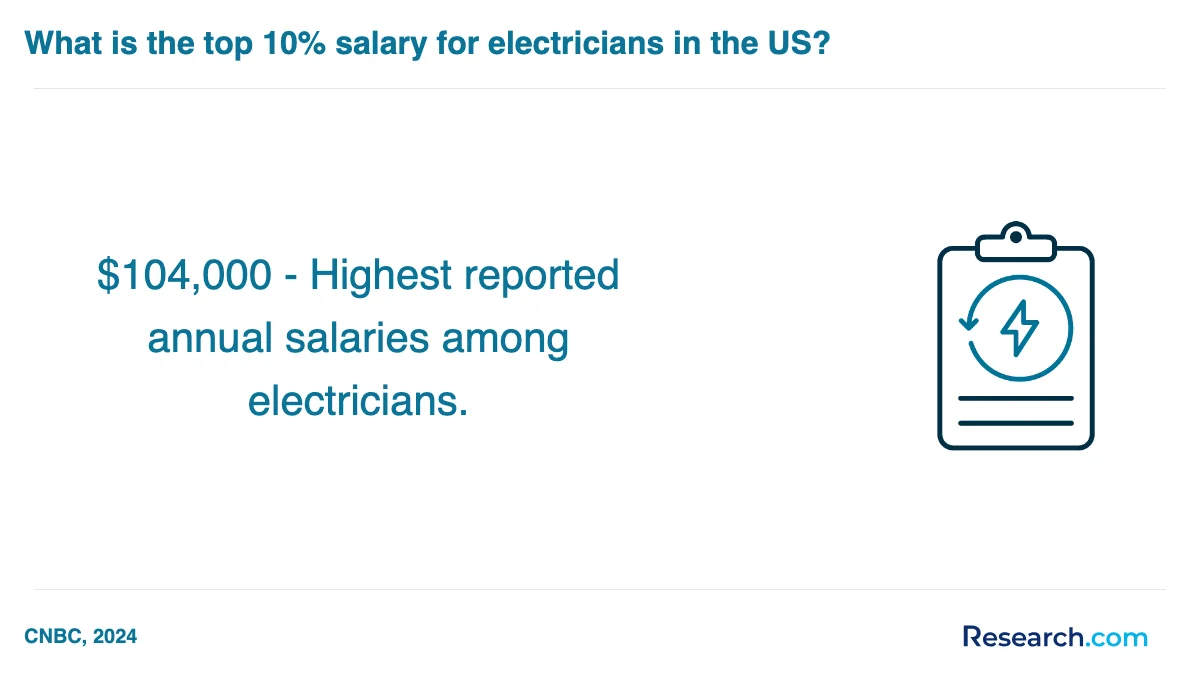
Wages are competitive, with average hourly rates around $28, and union electricians earning closer to $31 per hour. This reflects both the demand for electricians in Connecticut and the specialized skills taught by these schools. Further, those who pursue certifications, including apprenticeships and advanced specialization, often see clear career progression and higher pay.
Positive examples include graduates who plan to supplement their skills with emerging fields like renewable energy, where the need for qualified technicians continues to rise. Some are even exploring top wind turbine technician certification programs to expand their career options.
- Connecticut's market favors skilled, licensed electricians with union ties.
- Seasonal and regional variations impact job availability.
- Long-term growth in the trade supports steady demand for well-trained graduates.
Frequently Asked Questions about electrician
After completing an electrician trade school in Connecticut, graduates should focus on gaining practical experience through apprenticeships. The state requires electricians to complete a four-year apprenticeship, combining on-the-job training with classroom instruction, to qualify for licensure. According to the Connecticut Department of Labor, the demand for licensed electricians is expected to grow by 12% through 2030, which is faster than average for all occupations.
Networking within local trade unions and industry associations can increase job opportunities. Additionally, obtaining certifications such as OSHA safety training or the National Electrical Code certification can enhance employability. Staying updated on state licensing requirements and continuing education is essential for career advancement in Connecticut's competitive electrical job market.
Employers in Connecticut seek electrician trade school graduates who demonstrate strong technical skills and practical knowledge. Proficiency in reading blueprints, wiring diagrams, and electrical codes is essential to ensure safe and efficient installations.
Hands-on experience with tools and electrical systems is highly valued, as 75% of Connecticut electrical employers emphasize real-world training when hiring, according to the Connecticut Department of Labor.
Additionally, graduates must have a solid understanding of safety protocols to comply with OSHA standards and state regulations.
Problem-solving abilities and good communication skills are also important for teamwork and troubleshooting on job sites.
Knowledge of emerging technologies, such as solar power and smart home systems, is increasingly preferred as Connecticut invests in renewable energy initiatives.
Finding internships in Connecticut related to electrician trade school programs involves several practical steps. Start by consulting your trade school's career services department, as many schools partner with local electrical contractors and unions. The Connecticut Department of Labor also offers resources and job listings specific to skilled trades, including electrician apprenticeships and internships.
Additionally, reaching out directly to local electrical companies or union chapters like the International Brotherhood of Electrical Workers (IBEW) can uncover opportunities. According to the Connecticut Department of Labor, the state expects steady growth in electrical jobs, increasing internship availability.
Networking at trade shows and joining professional electrician organizations can further improve your chances of securing a relevant internship.
Obtaining a diploma from an electrician trade school in Connecticut significantly enhances career mobility and advancement opportunities. Such credentials are often required to enter apprenticeship programs and become licensed electricians, which are mandatory for many jobs in the state. According to the Connecticut Department of Labor, electricians with formal trade school training tend to experience faster job placement and higher starting wages compared to those without specialized education.
Trade school programs provide both theoretical knowledge and hands-on skills, making graduates more competitive in a growing job market. As the demand for skilled electricians rises due to infrastructure projects and green energy initiatives, diploma holders are better positioned for promotions and specialized roles.
Data from the National Center for Education Statistics shows that vocational training in trades like electrical work correlates with increased earnings and job stability in Connecticut, reinforcing the value of a trade school diploma for long-term career growth.
Students attending electrician trade schools in Connecticut can benefit from part-time jobs that provide practical experience and industry exposure. Positions such as electrical apprenticeships, helper roles on construction sites, or maintenance assistant jobs are common options. These roles allow students to apply classroom knowledge to real-world settings while earning income.
According to the U.S. Bureau of Labor Statistics, Connecticut's electrician employment is projected to grow by 11% from 2022 to 2032, indicating strong demand for skilled workers. Gaining hands-on experience through part-time roles enhances job prospects after graduation.
Additionally, working with local contractors or in facilities maintenance supports the development of technical skills and understanding of safety protocols, which are critical in this trade. These opportunities also help build professional networks within the state's electrical industry.
Yes, there are affordable electrician degree programs available near Connecticut, and you can find both certificate and associate degree options at community colleges and technical schools in the region. When looking for electrician programs near me, consider checking local community colleges and vocational schools, which often offer competitive tuition rates. Research.com can be a helpful resource for finding these types of programs and comparing costs and opportunities.
Related Electrician Rankings for Nearby States
- Most Affordable Electrical Technician Schools & Training - Budget-Friendly Electrical Trade Programs in New York for 2026
- Most Affordable Electrical Technician Schools & Training - Budget-Friendly Electrical Trade Programs in Rhode Island for 2026
- Most Affordable Electrical Technician Schools & Training - Budget-Friendly Electrical Trade Programs in Massachusetts for 2026
- Most Affordable Electrical Technician Schools & Training - Budget-Friendly Electrical Trade Programs in New Hampshire for 2026
- Most Affordable Electrical Technician Schools & Training - Budget-Friendly Electrical Trade Programs in Maryland for 2026
- Most Affordable Electrical Technician Schools & Training - Budget-Friendly Electrical Trade Programs in Maine for 2026
- Most Affordable Electrical Technician Schools & Training - Budget-Friendly Electrical Trade Programs in Ohio for 2026
- Most Affordable Electrical Technician Schools & Training - Budget-Friendly Electrical Trade Programs in Kentucky for 2026
- Most Affordable Electrical Technician Schools & Training - Budget-Friendly Electrical Trade Programs in North Carolina for 2026
- Most Affordable Electrical Technician Schools & Training - Budget-Friendly Electrical Trade Programs in Tennessee for 2026
Top Trending Rankings
References
- Connecticut Job & Career ConneCTion https://www1.ctdol.state.ct.us/jcc/profile.asp
- Job Opening: Licensed Electrician - Department of Administrative Services https://www.jobapscloud.com/CT/sup/bulpreview.asp
- Electricians : Occupational Outlook Handbook: : U.S. Bureau of Labor Statistics https://www.bls.gov/ooh/construction-and-extraction/electricians.htm
- The Top Challenges for Electricians and How to Overcome Them https://discovernats.ca/Home/NewsArticle/3-challenges-to-expect-after-electrician-college-and-how-to-tackle-them/
- The Risks and Rewards of Being an Electrician https://intercoast.edu/articles/sitting-on-the-electric-fence-the-risks-and-rewards-of-being-an-electrician/
- What Can I Do After Finishing My Apprenticeship? | College of Electrical Training https://cet.asn.au/news-insights/what-can-i-do-after-finishing-my-apprenticeship
- Becoming an Electrician: Guide to Starting a Career in the Electrical Trade | Centura College https://www.centuracollege.edu/blogs/trades-industry/how-to-become-an-electrician/
- Electrical Apprenticeship | Engineering, Manufacturing & Energy Sector Career Story | CareersPortal.ie https://careersportal.ie/articles/article.php
- How Much Do Electricians Make: Electrician Salary Guide 2025 https://www.getjobber.com/academy/electrical/how-much-do-electricians-make/
- Electrician | Explore Careers | National Careers Service https://nationalcareers.service.gov.uk/job-profiles/electrician