
Most Affordable Electrical Technician Schools & Training - Budget-Friendly Electrical Trade Programs in Maine for 2026

Co-Founder and Chief Data Scientist
Choosing the right electrician trade school in Maine can feel overwhelming, but it doesn’t have to be. This article introduces a carefully crafted ranking of electrician trade school programs created by the Research.com team of data scientists to guide you in making an informed decision.
Whether you’re starting a new career or upgrading your skills, earning a diploma or certification opens doors to rewarding job opportunities. Exploring affordable options helps you invest wisely in your future without unnecessary stress.
Read on to discover programs that fit your goals and budget, setting you up for success in 2026 and beyond.
Key benefits of finishing electrician trade school in Maine
- Graduates of electrician trade schools in Maine can expect an average annual salary around $59,446, with experienced journeymen earning up to $68,500 or more, offering a solid financial foundation.
- Completing trade school opens doors to various career paths, including journeyman electrician, supervisor roles, or specialized technician positions, providing exciting opportunities for growth and advancement.
- Online electrician trade school programs offer flexible scheduling and faster completion times, making it easier for busy students to train while working or managing personal commitments.
- Most Affordable Electrical Technician Schools & Training - Budget-Friendly Electrical Trade Programs in Maine for 2026
- What can I expect from electrician trade schools in Maine?
- Where can I work after finishing electrician trade schools in Maine?
What can I expect from electrician trade schools in Maine?
Enrolling in an electrician trade school program in Maine means diving into a rigorous blend of classroom lessons and hands-on training tailored to the state's licensing standards. Graduates from schools like Maine Electrical Institute describe the challenge and reward of completing the mandatory 576 hours of electrical education, which opens doors to the journeyman electrician exam. Expect courses that cover everything from electrical theory and blueprint reading to conduit bending and the National Electrical Code-skills that feel immediately applicable whether working on a home renovation or a commercial project.
Many students appreciate how programs at community colleges balance flexibility with depth, offering part-time options alongside full-time schedules. For instance, York County Community College's certificate program immerses learners in renewable energy systems, making the experience feel cutting-edge and relevant. The real-world focus on safety and troubleshooting helps students feel confident stepping into entry-level roles or apprenticeships.
Graduates often highlight the supportive environment and clear pathways to licensure, with programs awarding credit toward required fieldwork. This practical approach, combined with competitive tuition rates, creates a sense of accomplishment and readiness for a promising career in Maine's growing electrical job market.
Where can I work after finishing electrician trade schools in Maine?
After finishing an electrician trade school program in Maine, many graduates find themselves stepping directly into hands-on roles as apprentice electricians. These early positions offer invaluable experience, working under licensed professionals on real projects like residential wiring or commercial lighting installations. Graduates from popular Maine trade schools often share how this practical exposure quickly builds their confidence and sharpens their skills.
Employment opportunities span diverse settings across the state, from manufacturing facilities and hospitals to schools and government buildings. Some graduates land jobs installing advanced systems like fire alarms, HVAC controls, or low-voltage security wiring, showcasing the variety of career paths available.
Many also join unions, where they experience the satisfaction of steady work, higher wages around $39 per hour, and strong community support. This pathway often leads to roles as journeyperson or industrial electricians, with employers ranging from electrical contractors to large utilities. The vibrant Maine electrician market, combined with the robust training from trade schools, opens doors to rewarding, in-demand careers.
After finishing an electrician trade school program in Maine, graduates often find themselves stepping into a career with solid earning potential. Many graduates from popular Maine trade schools share how they started at around $23 to $28 per hour, reflecting the state's average hourly wage of $28.58 as of August 2025. For someone working full-time, this translates to roughly $59,400 annually, enough to build confidence and independence early in their careers.
In cities like Portland, wage prospects are even more encouraging, with hourly rates reaching about $30.62, or nearly $63,700 a year. Graduates report feeling proud when they see their skills translate into paychecks that support rent, bills, and even small luxuries that make life enjoyable.
As graduates gain experience and move toward journeyman status, their salaries can grow to an average of $68,500 annually, with some earning up to $77,700. This progression often brings a deeper sense of accomplishment and financial stability, validating the effort put into their training at Maine's trade schools.
- To get a journeyman electrician license in Maine, you must complete 576 hours of classroom instruction and either 8,000 hours of apprenticeship or 4,000 hours from a community college program.
- Tuition at Maine community colleges costs about $4,020 per year for in-state students and $7,666 for out-of-state students, with extra fees for books and tools.
- Financial aid is available through federal and state grants, often requiring FAFSA completion for eligibility.
- Entry-level electricians in Maine earn between $40,000 and $50,000 annually, with experienced master electricians making $60,000 to $70,000 or more.
- Maine has reciprocity agreements with New Hampshire and Vermont, allowing electricians to work across these states.
- Continuing education is required to maintain licensure and stay updated on the National Electrical Code (NEC).
Completing an electrician trade school program in Maine typically takes between 9 months to 18 months, depending on whether you attend full-time or part-time. Many graduates from well-regarded Maine trade schools find that an intensive full-time program, often around one year, offers the perfect balance-it's long enough to build solid skills but short enough to jumpstart a career quickly.
One graduate shared how attending a popular Maine trade school allowed them to complete their training in just under a year, which felt rewarding and efficient. They described the hands-on labs and real-world simulations as key factors that made the accelerated timeline manageable and exciting.
For those balancing work or family commitments, part-time options stretch the program closer to 18 months, but many students appreciate the flexibility. They often mention feeling motivated by small successes in each module, making the process less daunting and more engaging.
In Maine's electrician trade schools, the blend of classroom instruction and apprenticeships fosters confidence quickly, helping students envision themselves working on local projects soon after finishing.
The key difference between online and on-campus electrician trade school programs in Maine lies in how students engage with their training. Graduates from online programs like those at Maine Electrical Institute often praise the flexibility of attending classes remotely, balancing work or family while accessing interactive 3D models and virtual simulations that bring electrical concepts to life. One graduate shared how self-paced modules allowed them to revisit tricky wiring diagrams on their own schedule, making the learning process less stressful.
In contrast, students attending on-campus programs such as Central Maine Community College value the hands-on experience of working directly with electrical wiring and equipment. These in-person sessions, often supervised by seasoned instructors, provide immediate feedback and build confidence in real-world troubleshooting. A recent graduate reflected on how practicing circuits in a workshop helped them feel prepared for Maine's licensing exams and the demands of actual job sites.
Some Maine schools even blend these approaches, offering hybrid options that combine online theory with essential in-person labs, ensuring students don't miss out on practical skills while enjoying some scheduling flexibility.
Understanding the average tuition fees for electrician programs in Maine is crucial for anyone planning to invest in this career path. Graduates from Southern Maine Community College often recall the manageable in-state tuition of $2,880 per year for their Electrician Technology Certificate program. When you factor in additional charges like mixed fees near $963 and about $460 for books and supplies, the total annual cost nears $4,305. Out-of-state students, however, face a steeper price tag, with tuition doubling to $5,760 and a total yearly cost exceeding $8,200. This clear breakdown helps many feel more prepared and less anxious about the financial commitment.
Others attending Washington County Community College share a similar story of careful budgeting. Their Residential and Commercial Electricity program charges $94 per credit hour for state residents, culminating in $3,034 for the entire program. Additional expenses such as $1,400 for books and $75 for graduation fees add to the total cost. These figures paint a vivid picture of the total cost of electrician trade schools in Maine and allow prospective students to assess affordability realistically.
Some graduates have opted for more flexible routes, such as the Maine Electrical Institute's Self-Paced Correspondence Program, which costs $2,250 and offers 225 hours of instruction. This option suits those who need control over their schedule without sacrificing quality. Potential students are also encouraged to explore financial aid opportunities early to ease the journey.
For those curious about balancing cost and time efficiently, researching the cheapest and fastest online wind turbine technician certification programs might provide valuable insights into alternative trade certifications with comparable investment returns.

Electrician trade school students in Maine often find crucial support through federal and state financial aid programs that make their education more affordable. Many graduates from well-known Maine trade schools recall completing the FAFSA form as their first step, unlocking eligibility for grants like the Federal Pell Grant, which can provide up to $7,395 annually based on financial need.
In addition to federal aid, the Maine State Grant offers extra funding, easing the burden for those balancing work and study. One graduate shared how this combination allowed them to focus more on mastering electrical skills rather than stressing over tuition payments.
Federal student loans, including Direct Subsidized and Unsubsidized Loans, also play a role, offering flexible repayment options after graduation. Subsidized loans, in particular, are appreciated for not accruing interest while enrolled, a relief for many full-time students.
Some programs supplement aid with scholarships or work-study opportunities, helping students gain hands-on experience while offsetting costs. Even those pursuing online certificates in Maine can explore workforce development boards or vocational rehabilitation services for alternative support.
Connecting with a financial aid advisor at your chosen school can illuminate all available resources, turning financial challenges into achievable goals on your path to becoming a skilled electrician in Maine.
To enroll in an electrician trade school program in Maine, certain prerequisites are commonly expected, ensuring students are prepared for the rigorous hands-on training ahead. Most programs require a high school diploma or GED, emphasizing a solid foundation in math and science-skills crucial for understanding electrical theory and safety protocols.
Graduates from popular trade schools in Maine often recall their initial readiness was boosted by strong algebra skills, which helped them excel in blueprint reading and circuit calculations. Additionally, many programs expect applicants to demonstrate basic physical fitness, as the work demands stamina and dexterity.
Some schools also ask for the following:
- Proof of residency or legal ability to study in the U.S.
- A clear background check to meet industry safety standards
- Basic hand-eye coordination assessments or aptitude tests
These prerequisites, while straightforward, build confidence. Graduates often share how meeting them felt like a rite of passage, marking the start of an exciting, rewarding journey in Maine's thriving electrical trade community.
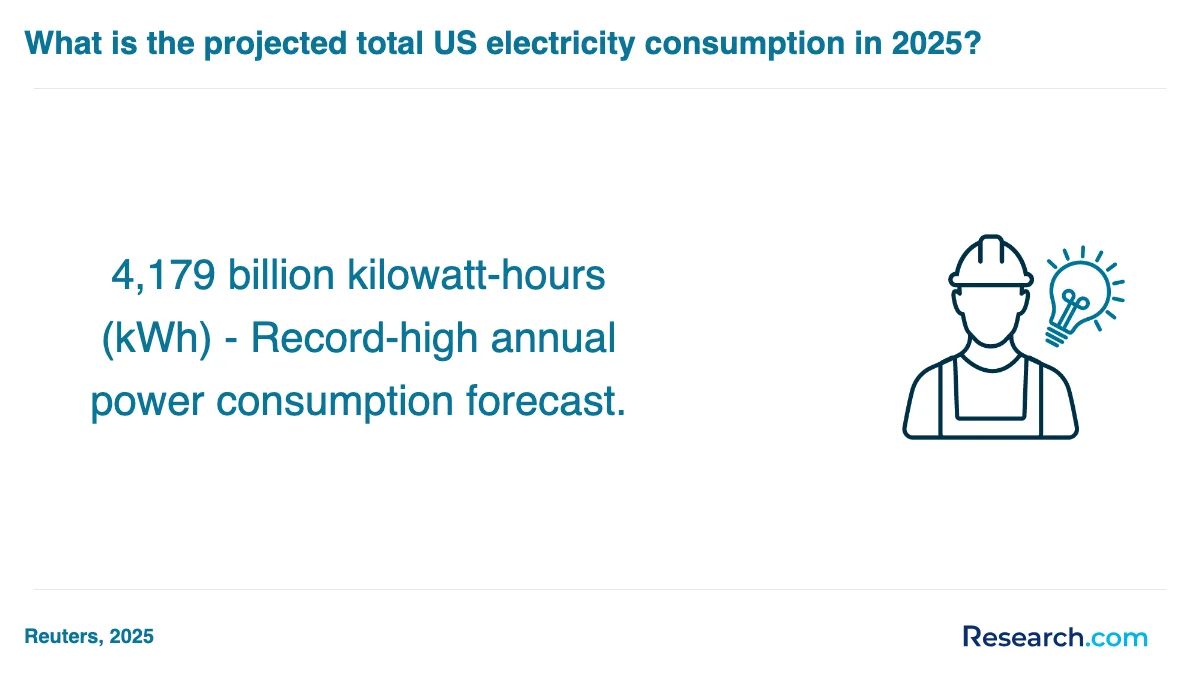
Electrician trade school programs in Maine, such as those at Maine Electrical Institute and York County Community College, immerse students in a rich blend of courses designed to prepare them for real-world challenges. Graduates often describe their journey starting with foundational classes like Basic Electricity I and II, where they unravel the mysteries of electrical theory and circuits-skills that quickly come alive during hands-on lab work.
Core learning includes:
- Controls, teaching how to regulate complex electrical systems;
- Blueprint Reading, essential for decoding the technical drawings they'll use on job sites;
- National Electrical Code (NEC) Course, a 45-hour deep dive into safety standards required by Maine licensing authorities;
- Conduit Bending and Wiring Practices, where students build confidence applying skills to physical installations.
Students often highlight how math classes, especially Algebra I, strengthen their ability to perform crucial calculations. Courses in Motors and Transformers and emerging fields like Renewable Energy Systems prepare them for diverse careers statewide. Electives such as Business Communications resonate with those dreaming of running their own electrical business. Safety training rounds out the program, ensuring graduates feel capable and secure stepping onto any worksite in Maine.
Maine electrician trade school courses are thoughtfully designed to equip students with practical skills across several crucial specializations. Graduates often highlight how a focus on residential and commercial wiring prepares them for real-world challenges, such as troubleshooting electrical issues in homes and local businesses. For those who thrive in dynamic industrial environments, programs at institutions like Southern Maine Community College offer in-depth training on industrial electrical systems, including hands-on experience with motors, PLCs, and sensors.
Many students find the renewable energy systems specialization especially rewarding, as it aligns with Maine's push toward sustainability. Imagine installing solar panels on a community center or upgrading systems to be more energy-efficient-these are tangible skills growing in demand. Courses in electrical code compliance and blueprint reading empower graduates to confidently navigate complex projects, ensuring safety and regulatory standards are met.
Electrifying a successful career often means more than technical expertise. Some Maine electrician program specializations in Maine include business communications and customer service, ideal for those aiming to run their own contracting businesses. With flexible options, including evening classes, it's possible to tailor education while working toward state licensing requirements.
For individuals seeking accessible, affordable programs to complement these specializations, exploring options for a low cost electrical engineering online degree can be a strategic step towards advancing their career in Maine's electrical trade.
Choosing the best electrician trade schools in Maine means diving deep into what each program truly offers. Graduates from popular schools often emphasize the importance of accreditation and hands-on training; practical labs and apprenticeships shaped their confidence and skillset much more effectively than theory alone. When evaluating programs, consider how schedules fit with your life-many Maine schools offer flexible day and evening classes to accommodate working students, making it easier to balance commitments. These real experiences highlight how course format and accessibility can influence success.
How to choose electrician programs in Maine goes beyond curriculum. Location and facility quality matter; students often find that attending schools closer to home reduces commuting stress and allows more time for study and practice. Graduates also stress checking for strong job placement support-programs with solid industry ties dramatically boost your chances of securing apprenticeships and career opportunities. For those wanting an edge, reviewing programs that prepare for state licensing and offer pathways to national certification are crucial steps.
Some students enhance their career prospects by exploring the top electrical engineering online degree programs which can supplement hands-on training with in-depth theoretical knowledge. This combination reflects the evolving demands of the electrical field and the value placed on continuous learning.
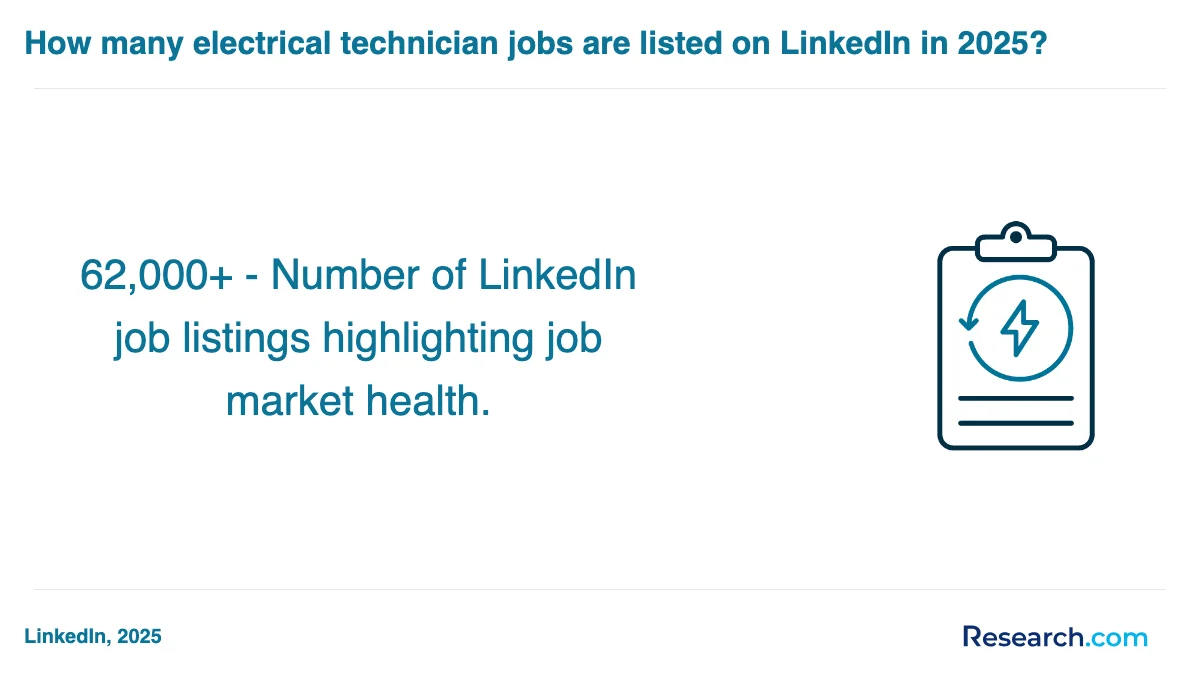
Electrician trade school graduates in Maine typically start their careers gaining hands-on experience as apprentices or helpers, accumulating the 8,000 supervised hours required by state regulations. Many graduates from popular local trade schools find this path rewarding as they build expertise and confidence on real job sites. Progression naturally leads to licensed journeyman electricians, unlocking access to a range of electrical technician jobs Maine offers.
Career opportunities expand widely, with graduates securing positions in residential, commercial, and industrial settings. Common roles include:
- Residential electrician, working on home wiring and repairs
- Industrial electrician managing complex machinery
- Field service technician troubleshooting electrical systems on-site
- Solar electrician installation and maintenance roles reflecting Maine's growing renewable energy market
Real graduates often share how their involvement with union programs or local contractors accelerated their growth, fostering job stability and valuable benefits. For many, the journey continues beyond technician roles, pursuing master electrician licensure to advance into project management or even owning an electrical contracting business.
Those seeking to deepen skills also explore opportunities for continuing education through union-sponsored training or affordable online electrician training courses, which complement traditional in-class learning. Maine's dynamic market ensures that electrician career opportunities in Maine remain both diverse and promising for ambitious trade school graduates eager to build lasting careers.
The electrician job outlook in Maine for trade school graduates reflects a landscape of steady but modest opportunities, shaped by local industry demands and the state's economic realities. Graduates from well-known electrician trade schools in Maine often find that while the market isn't rapidly expanding, especially compared to national trends, it remains stable thanks to ongoing residential and commercial construction projects in regions such as Cumberland and York counties.
Many graduates share positive experiences of entering the workforce with competitive hourly wages averaging around $28.58, although salaries tend to rank lower statewide. This challenge encourages some to focus on gaining additional certifications or relocate within Maine to areas with higher demand.
Key factors affecting the demand for electricians in Maine include:
- Population shifts influencing residential construction
- Private investments in commercial renovations
- Employment concentrations in counties with strong construction industries
Understanding national trends is also crucial. The nationwide 11% projected growth in electrician employment points to promising long-term prospects, driven by retirements and skill shortages. For those exploring next steps, familiarizing themselves with electrical lineworker certification requirements can offer pathways to advanced careers beyond traditional electrician roles in Maine.
Most Affordable Electrical Technician Schools & Training - Budget-Friendly Electrical Trade Programs in Maine for 2026
# 1 position
Kennebec Valley Community College - Electrician.
associateThe Electrician program at Kennebec Valley Community College offers a hybrid learning format, combining distance education with hands-on training. It prepares students to install, operate, maintain, and repair electrical systems, including residential, commercial, and industrial wiring, motors, controls, and distribution panels. The curriculum covers electronics principles, safety, job estimation, and electrical codes. Annual in-state tuition is $3,562, and median earnings one year after completion reach $70,166. The program is accredited by the New England Commission on Higher Education.
# 2 position
Kennebec Valley Community College - Electrician.
certificate or diplomaKennebec Valley Community College offers a hybrid Electrician program that prepares students to install, operate, maintain, and repair electric systems including residential, commercial, and industrial wiring. Instruction covers electronics, power transmission, safety, electrical testing, and applicable codes and standards. The program costs $3,562 annually for in-state students. Graduates earn a median salary of $70,166 one year after completion. It is accredited by the New England Commission on Higher Education.
# 3 position
Southern Maine Community College - Electrician.
certificate or diplomaThe Electrician program at Southern Maine Community College offers a hybrid format with some distance education. It prepares students to install, operate, maintain, and repair electrical systems, including residential, commercial, and industrial wiring. Instruction covers electronics, power transmission, safety, electrical testing, and relevant codes. The annual in-state tuition is $3,797. Graduates typically earn a median salary of $47,382 one year after program completion. The program is accredited by the New England Commission on Higher Education.
# 4 position
Washington County Community College - Electrician.
certificate or diplomaWashington County Community College offers a Hybrid Electrician program that prepares students to install, operate, maintain, and repair electric systems, including residential, commercial, and industrial wiring. The curriculum covers electronics, wiring, power transmission, safety, inspection, and applicable codes. The program’s annual in-state tuition is $3,687. It is accredited by the New England Commission on Higher Education and provides technical skills essential for the electrical trade.
# 5 position
York County Community College - Electrician.
certificate or diplomaYork County Community College offers an Electrician program that trains students in installing, operating, maintaining, and repairing electric apparatus and systems in residential, commercial, and industrial settings. The curriculum covers electronics principles, wiring, power transmission, safety, electrical testing, and applicable codes. The annual in-state tuition is $3,866. The program is accredited by the New England Commission on Higher Education.
# 6 position
Eastern Maine Community College - Electrician.
certificate or diplomaEastern Maine Community College offers a hybrid Electrician program that prepares students to install, operate, maintain, and repair electrical systems in residential, commercial, and industrial settings. The curriculum covers electronics, wiring, power transmission, safety, and applicable codes. Annual in-state tuition is $3,877. Graduates have a median earning of $46,875 one year after completion. The program is accredited by the New England Commission on Higher Education.
# 7 position
Northern Maine Community College - Electrician.
associateNorthern Maine Community College offers a hybrid Electrician program that prepares students to install, operate, maintain, and repair electrical systems, including residential, commercial, and industrial wiring. The curriculum covers electronics principles, power transmission, safety, electrical testing, and applicable codes. Annual in-state tuition is $3,880. The program is accredited by the New England Commission on Higher Education, providing technical skills essential for the electrical trade.
# 8 position
Northern Maine Community College - Electrician.
certificate or diplomaThe Electrician program at Northern Maine Community College offers a hybrid format with some distance education options. It prepares students to install, operate, maintain, and repair electrical systems in residential, commercial, and industrial settings. The curriculum covers electronics, wiring, power transmission, safety, and applicable codes. The annual in-state tuition is $3,880. The program is accredited by the New England Commission on Higher Education.
Frequently Asked Questions about electrician
After completing an electrician trade school in Maine, preparing for the job market involves several practical steps. First, obtaining an apprenticeship is crucial, as Maine requires electricians to complete at least 8,000 hours of on-the-job training under a licensed electrician before becoming fully licensed. This hands-on experience builds essential skills and industry connections.
Next, candidates should pursue the Maine Journeyman Electrician License by passing the state exam, a requirement to work independently. According to the Maine Department of Labor, the construction industry, including electrical work, is expected to grow by 5% through 2030, signaling steady job availability.
Networking through local unions, trade associations, and job fairs also enhances employment prospects. Additionally, maintaining updated OSHA safety certifications improves your candidacy with employers focused on workplace safety standards.
Employers in Maine seek electrician trade school graduates with a strong foundation in electrical theory and practical skills. Proficiency in reading blueprints and electrical diagrams is essential, as it ensures accurate installation and maintenance of electrical systems. According to the U.S. Bureau of Labor Statistics, hands-on experience with wiring, conduit bending, and safety protocols ranks highly among sought-after skills.
Communication skills are also important, enabling electricians to work effectively with team members and clients. Knowledge of local electrical codes and regulations in Maine is critical for compliance and safety. Additionally, problem-solving abilities and adaptability to new technologies, such as renewable energy systems, enhance a graduate's employability.
Finding internships relevant to electrician trade school programs in Maine involves leveraging both educational resources and local industry connections. Many Maine technical schools partner with local electrical contractors and unions to offer internship opportunities. For example, the Maine Department of Labor's apprenticeship program connects students with registered employers, providing paid on-the-job training alongside classroom instruction.
Students should also explore resources from the Maine State Apprenticeship Agency, which oversees electrician apprenticeship registrations. According to recent data, Maine has over 1,000 active electrical apprenticeships, highlighting the availability of hands-on training across the state. Networking with local trade unions such as the International Brotherhood of Electrical Workers (IBEW) Local 125 can also open doors to internships and apprenticeships.
Additionally, trade schools often maintain job boards or career services offices that list internship openings. Checking with the school's advisory board, which typically includes industry professionals, can provide direct internship leads. Online platforms like Maine JobLink offer listings for electrician internships and apprenticeships tailored to the local market.
Obtaining a diploma from an electrician trade school in Maine significantly enhances career mobility and advancement opportunities. Graduates gain essential technical skills and knowledge required for licensure, a mandatory step to work independently in the state. According to the Maine Department of Labor, certified electricians have a median annual wage of approximately $60,000, higher than entry-level positions without formal training.
Trade school diplomas also provide access to apprenticeship programs, which are crucial for hands-on experience and professional networking. The Bureau of Labor Statistics projects a 7% growth in electrician jobs in Maine through 2031, underscoring strong demand for qualified workers.
Additionally, completion of accredited programs can lead to faster promotion paths into supervisory or specialized roles, supporting long-term career development within the electrical industry.
In Maine, students enrolled in electrician trade schools can benefit from part-time jobs that provide practical experience alongside their studies. Entry-level positions such as electrical helpers or apprenticeships offer hands-on learning opportunities while earning a wage. According to the U.S. Bureau of Labor Statistics, Maine's electrician workforce is expected to grow by 8% through 2031, indicating steady demand for skilled workers.
Other complementary roles include maintenance technician positions in manufacturing or facilities management, which help develop troubleshooting and technical skills. Retail jobs in electrical supply stores also allow students to deepen their product knowledge.
These roles typically offer flexible hours to accommodate class schedules, making them ideal for students balancing education and work.
Yes, there are several affordable electrician degree programs near Maine, offered by community colleges and technical institutes that provide hands-on training and education in electrical systems. For those searching for programs near me, nearby institutions often offer certificate or associate degree options that are cost-effective and designed to equip students with necessary skills for the job market. Research.com is a helpful resource to find and compare the available options that fit your budget and educational goals.
- Most Affordable Electrical Technician Schools & Training - Budget-Friendly Electrical Trade Programs in New Hampshire for 2026
- Most Affordable Electrical Technician Schools & Training - Budget-Friendly Electrical Trade Programs in Massachusetts for 2026
- Most Affordable Electrical Technician Schools & Training - Budget-Friendly Electrical Trade Programs in Rhode Island for 2026
- Most Affordable Electrical Technician Schools & Training - Budget-Friendly Electrical Trade Programs in New York for 2026
- Most Affordable Electrical Technician Schools & Training - Budget-Friendly Electrical Trade Programs in Maryland for 2026
- Most Affordable Electrical Technician Schools & Training - Budget-Friendly Electrical Trade Programs in Ohio for 2026
- Most Affordable Electrical Technician Schools & Training - Budget-Friendly Electrical Trade Programs in Kentucky for 2026
- Most Affordable Electrical Technician Schools & Training - Budget-Friendly Electrical Trade Programs in North Carolina for 2026
- Most Affordable Electrical Technician Schools & Training - Budget-Friendly Electrical Trade Programs in South Carolina for 2026
- Most Affordable Electrical Technician Schools & Training - Budget-Friendly Electrical Trade Programs in Tennessee for 2026
- Journeyman Electrician in Portland, ME, United States https://www.careersatmainehealth.org/jobs/16043873-journeyman-electrician
- Electrician Jobs, Journeyman Electrician Job, Industrial Electrician Job, Electrical Technician Job, Hiring at Hampden Electrical, Bangor, Maine https://www.hampdenelectrical.com/Careers/
- The Risks and Rewards of Being an Electrician https://intercoast.edu/articles/sitting-on-the-electric-fence-the-risks-and-rewards-of-being-an-electrician/
- The Top Challenges for Electricians and How to Overcome Them https://discovernats.ca/Home/NewsArticle/3-challenges-to-expect-after-electrician-college-and-how-to-tackle-them/
- Electrician Training and Education in Portland, ME https://www.maineelectricalinstitute.com/
- 7 Electrician Schools in ME - Hands-On & Awesome [UPDATED 2025] https://electricalschool.org/me/
- Electrician Technology Certificate - Southern Maine Community College https://www.smccme.edu/academics/pathways/industrial-technology-transportation/electrician-technology-certificate/
- Electricians' Examining Board | Office of Professional and Occupational Regulation http://www.maine.gov/pfr/professionallicensing/professions/electricians
- Top Electrician Schools in Maine: Your Guide to Success https://electriciantradeschools.com/maine
- Online Residential Electrician from Central Maine Community College https://careertraining.cmcc.edu/training-programs/residential-electrician/


