Best Electrical Technician Training Programs & Trade Schools - Top Electrical Tech Schools in Northeast for 2026

Co-Founder and Chief Data Scientist
Choosing the right electrician trade school is a crucial step toward a rewarding career in the Northeast. This article presents a carefully crafted electrician trade school programs ranking created by the Research.com team of data scientists to help you make an informed decision.
By exploring these top programs, you’ll discover options that fit your goals and lifestyle. Earning a diploma or certification opens doors to stable jobs and personal growth, making your future brighter and more secure.
Take this opportunity to find the best path for your success in the electrical trade.
Key benefits of finishing electrician trade school in Northeast
- Graduates in the Northeast can expect strong salaries, with electricians earning around $40 to $43 per hour, translating to annual wages between $84,000 and $90,000 in cities like New York and Trenton.
- Trade school graduates often find diverse career paths, from residential wiring to commercial projects, with opportunities to advance to journeyman and master electrician roles, ensuring steady growth and job security.
- Completing an electrician trade school online offers flexibility and faster completion times, as experienced by many graduates who balance work and study, making it a smart option compared to traditional degrees.
- Best Electrical Technician Training Programs & Trade Schools - Top Electrical Tech Schools in Northeast for 2026
- What can I expect from electrician trade schools in Northeast?
- Where can I work after finishing electrician trade schools in Northeast?
What can I expect from electrician trade schools in Northeast?
Enrolling in an electrician trade school program in the Northeast means immersing yourself in a hands-on learning environment where real-world skills take center stage. Graduates from schools like Northeast Community College often describe spending twice as much time in labs as in classrooms, working directly with circuits and programmable logic controllers (PLCs). Imagine troubleshooting electrical faults alongside experienced instructors or wiring a student-built home-these experiences transform textbook theory into practical expertise.
The curriculum covers vital areas such as electrical wiring, motor theory, and the National Electrical Code, preparing you for both residential and commercial work. Programs typically last two years, with options for apprenticeships that extend to four years, blending paid fieldwork with classroom instruction. At Lakes Region Community College, for instance, in-state tuition averages $7,000-$8,000 annually, making hands-on education accessible.
Strong ties to local employers mean many students secure internships and job placements before graduation, easing the transition into the workforce. This blend of rigorous training and industry connections leaves students confident and ready to pursue licensing exams essential for electrician careers in the region.
Where can I work after finishing electrician trade schools in Northeast?
Graduates from electrician trade schools in the Northeast often step directly into high-demand roles, finding opportunities that match their skills and ambitions. Many begin as apprentices with licensed contractors or maintenance teams, gaining hands-on experience wiring a Boston apartment or troubleshooting systems in a Philadelphia hospital. These apprenticeships, a staple at popular trade schools across the region, provide real-world training that builds confidence and expertise.
Beyond entry-level positions, career paths branch out in exciting directions. Some alumni work in residential settings, helping families ensure their homes are safe and energy-efficient. Others thrive in commercial construction projects, wiring up new office spaces in New York City or industrial plants in suburban areas. For those drawn to innovation, specialized roles like solar panel installation or smart building systems offer a chance to be at the forefront of the Northeast's green energy transformation.
Whether in bustling urban centers or quieter rural towns, graduates consistently report strong job placement and a sense of pride in contributing to growing infrastructure and technology needs.
Graduates from electrician trade schools in the Northeast often find themselves stepping into a career with impressive earning potential right away. Many apprentices start with salaries ranging from $30,000 to $40,000 annually, which quickly grows as they gain hands-on experience. Imagine finishing a program at a well-known trade school in the region and landing your first job; within a few years, it's common to see your income climb to between $50,000 and $70,000.
In metropolitan hubs like New York, New Jersey, and Pennsylvania, the numbers get even more exciting. Graduates have shared stories of earning around $84,000 or more annually, reflecting the high demand and cost of living. For example, electricians in Syracuse and Trenton boast salaries near $85,000 to $90,000, showing how valuable skilled training is in these areas.
For those advancing to senior roles, wages can reach $29 to $43 per hour, sometimes topping over $90,000 yearly. This path not only offers financial reward but also the pride of mastering a vital trade in a vibrant, growing market.
- Programs in the Northeast combine classroom instruction with hands-on training and range from 15 weeks to two years depending on the track.
- Admission usually requires a high school diploma or GED, with some programs filling seats on a first-come, first-served basis.
- Tuition costs vary; two-year programs average $7,000-$8,000 per year for in-state students, while shorter courses can cost around $1,500.
- Job placement rates for specialized programs can reach 92%, and apprenticeship programs often provide paid employment during training.
- Starting salaries range from $40,000 to $55,000 annually, with mid-career electricians earning over $70,000.
- Graduates must complete state-specific requirements, such as 1,080 hours of classroom training in New Hampshire, to qualify for journeyman licensure.
Completing an electrician trade school program in the Northeast typically takes anywhere from 9 months to 2 years, depending on the depth and style of the curriculum. Many graduates from well-known trade schools in this region recall how an intensive 12-month program allowed them to quickly transition from classroom theory to hands-on work, fueling their excitement as they mastered wiring and safety protocols early on.
Others who chose extended programs lasting up to two years appreciated the additional time to build confidence through apprenticeships and specialized courses, which made them feel fully prepared for the complexities of real-world electrical work. Imagine finishing a program just in time to start your first job on a bustling New York construction site or a renewable energy project in Massachusetts-many alumni share how this timing amplified their sense of achievement and readiness.
Regardless of the exact duration, the journey is often described as challenging yet rewarding, with the Northeast's dynamic job market motivating students to push through and earn their credentials efficiently.
The core difference between online and on-campus electrician trade school programs in the Northeast centers on how students gain practical experience. Graduates from SUNY Orange's online courses often praise the flexibility-being able to study electrical code and safety rules through 3D models and virtual labs fits well around their work and family life. Yet, many find themselves needing to supplement these hours with real-world practice, since state licensing boards typically require hands-on training that online programs alone can't provide.
Conversely, students attending on-campus programs treasure the direct interaction with instructors and the chance to physically work with wiring and electrical panels. At these schools, apprenticeships and internships offer a tangible pathway to licensure and job placement, creating confidence that comes only from doing the work firsthand.
For those balancing schedules, hybrid programs offer a promising blend-online theory combined with in-person labs-helping them build foundational knowledge while meeting essential practical training demands.
The average cost electrician trade school program Northeast students consider typically falls between $7,500 and $17,300, depending heavily on the institution and location. Graduates from New York-based trade schools often mention the quality of hands-on training, despite the steeper tuition averaging around $17,323 for a 7.5-month program. Meanwhile, those attending schools in New Jersey report a lighter financial burden, with programs at institutions like the National Career Institute in East Orange around $10,000 and others in Toms River closer to $7,550. These figures represent just tuition fees, leaving additional costs such as books and supplies, which can range anywhere from $500 to $1,500, adding to the total investment.
Many recent graduates recall the intensity of packing practical skills into programs lasting as short as three months or extending up to two years when apprenticeships are included. This range in duration impacts the overall cost but also offers flexibility for different learning paces and financial situations. Prospective students often share that researching electrician trade school tuition fees Northeast can reveal considerable cost variations, making it essential to evaluate programs carefully. It's also wise to check out resources like cheap online maintenance technician certification programs for alternative learning routes that might better suit individual needs and budgets.
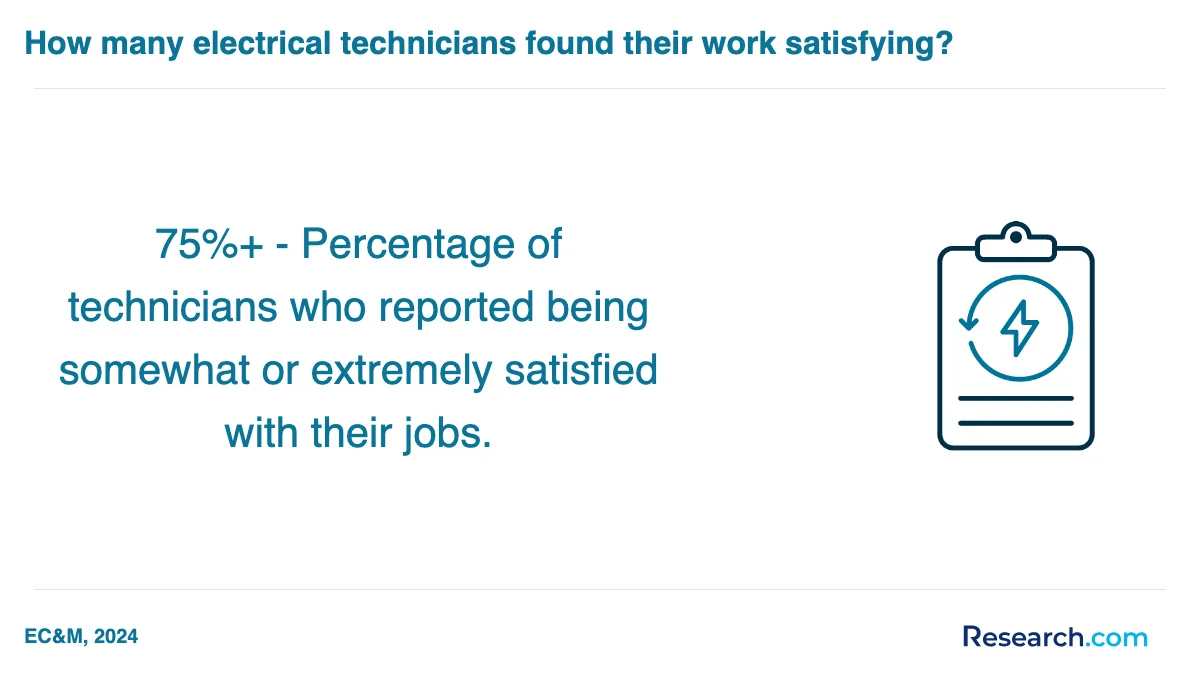
Electrician trade school students in the Northeast often find financial aid options that make their education feel genuinely within reach. Graduates from schools like Northeast Technical Institute recall how filling out the FAFSA unlocked access to federal grants like the Pell Grant, which didn't add to their debt burden. These grants offered a crucial financial lifeline during their studies, easing stress and allowing them to focus on hands-on training.
Others have benefited from state-specific scholarships, such as $500 tool grants awarded to select graduates in New England, which helped cover essential equipment costs. Many students also appreciate the "Earn as You Learn" apprenticeship model, where they earned wages while gaining valuable on-the-job experience, making tuition and living expenses more manageable.
Federal student loans, while requiring repayment, often come with lower interest rates and flexible terms. Plus, work-study programs and institutional scholarships further reduce costs. Veterans and active-duty military students tap into GI Bill® benefits, unlocking important support for tuition and living expenses at approved trade schools across the region.
To enroll in an electrician trade school program in the Northeast, candidates generally need to meet several key prerequisites that pave the way for a successful hands-on learning experience. Most trade schools require a high school diploma or GED as a baseline, ensuring students have foundational skills in math and reading-crucial for understanding electrical codes and blueprints.
Graduates from well-known Northeast programs often recall the importance of these basics, sharing how their early grounding in algebra helped them confidently tackle wiring calculations. Additionally, many schools ask for proof of age-typically 18 or older-reflecting the physical and safety demands of electrical work.
Other common prerequisites include:
- Passing a basic aptitude test to assess math and comprehension skills
- Providing a clean background check, especially for programs tied to apprenticeships
- Physical ability to handle tools and climb ladders, verified through a simple medical questionnaire
These requirements might feel strict but imagine the pride of a graduate who overcame initial doubts about math, only to realize it became their favorite part of the program. Northeast trade schools emphasize these entry points to ensure each student is prepared to thrive, turning challenges into rewarding milestones on the path to becoming a skilled electrician.
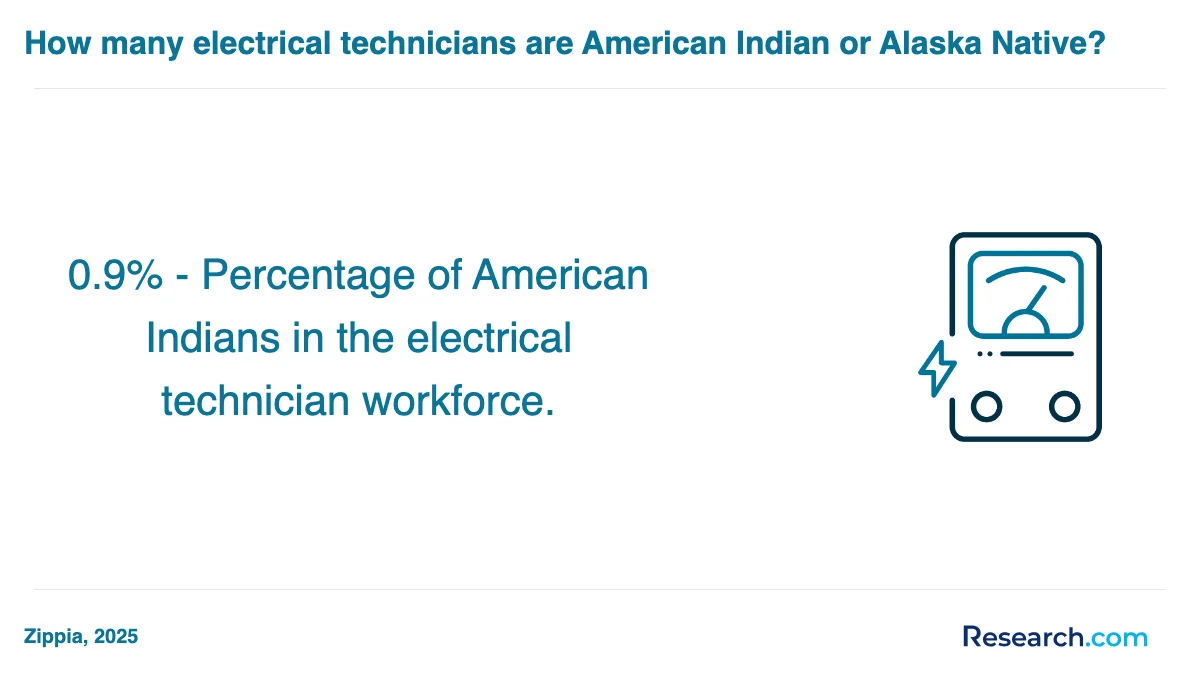
Electrician trade school programs in the Northeast are carefully designed to combine essential theory with hands-on practice, ensuring graduates feel confident stepping into the workforce. Students often start with foundational courses such as:
- Electrical theory and safety, including OSHA 10 certification and ladder safety training
- National Electrical Code basics and workplace best practices
Graduates from schools like EASTERN in Pennsylvania share how mastering these basics helped them navigate real job sites with ease and confidence.
Programs quickly move into practical wiring skills, focusing on both residential and commercial systems. For example, Northeast Community College students experience courses in:
- Electrical Wiring
- Control Wiring
- Motor Theory
These classes involve extensive lab time, sometimes twice as much as classroom learning, immersing students in troubleshooting and blueprint reading that mirrors real-world challenges.
Many students appreciate the opportunity to engage with advanced topics like programmable logic controllers (PLCs), motor controls, and fiber optic installation-skills that open doors to emerging smart technology roles. The hands-on internships required before graduation at Northeast schools allow learners to apply these skills under the guidance of licensed contractors, making the transition from classroom to career seamless and exciting.
Electrician programs in Northeast trade schools emphasize diverse specializations that cater to a hands-on, evolving workforce eager to master core and advanced skills. Graduates frequently praise programs that cover residential, commercial, and industrial wiring, allowing them to confidently handle wiring projects in everything from cozy homes to sprawling factories. This practical expertise often comes from intensive coursework paired with real-world scenarios, such as troubleshooting complex power distribution systems on-site.
Students eager to engage with cutting-edge technology find the focus on electrical controls and automation exciting, diving into programmable logic controllers and advanced motor control systems. Many find their training in these areas valuable for entering industries that depend on efficient automated systems, making Northeast electrical trade school focus areas especially forward-thinking.
Apprenticeship pathways, a favorite among students, provide immersive learning with experienced electricians. This route often includes specializations like power transmission and industrial lighting, blending classroom knowledge with paid, on-the-job experience.
- Hands-on wiring for homes, businesses, and factories
- Training in electrical controls and modern automation technologies
- Apprenticeships focusing on maintenance and repair skills
- Critical coursework in electrical code compliance and cost estimating
For those looking beyond initial trade skills, many programs connect students to advanced certificates or degrees, including electrical engineering options. Such pathways open doors to supervisory roles or business ownership, inspiring graduates to pursue further growth.
Exploring options to advance your career? Consider researching the top electrical engineering online degree programs that can complement your trade school background with specialized knowledge.
Choosing from the best electrician trade schools in Northeast means focusing on programs known for their hands-on training and strong job placement rates. Graduates often share how the balance between classroom theory and real-world wiring labs at institutions like community colleges in Massachusetts or technical schools in New York made the learning experience both immersive and rewarding. These schools frequently update their facilities and equipment to mirror current industry standards, helping students feel confident stepping into actual job sites.
When deciding how to choose electrician programs in Northeast, consider the flexibility of class schedules, especially if you're working or managing family commitments. Part-time or apprenticeship options that combine paid on-the-job training with classwork reflect the realities many students face and enrich their skillset. Former students highlight how local connections facilitated through job placement services turned internships into long-term careers.
Understanding state licensing requirements is crucial, and many trade schools tailor their curriculum to prepare students thoroughly for these exams. The experience of graduates who successfully passed certification on their first try at popular Northeast programs underscores the value of choosing an accredited institution.
For those interested, exploring related career paths offers added opportunities; for example, learning about the requirements to be a wind turbine technician can broaden your prospects in the evolving energy sector.

Electrician trade school graduates in Northeast quickly discover a variety of career doors swinging wide open. From tackling residential wiring projects in bustling city homes to installing sophisticated control systems in industrial plants, the range is vast. Many graduates step into roles as residential electricians, commercial electricians, or industrial electricians, each offering unique challenges and environments. The diversity in electrical technician jobs in Northeast means that former students frequently rotate through hands-on tasks that sharpen their expertise in real-world settings.
Popular Northeast trade schools emphasize "earn while you learn" models, enabling students to apprentice while gaining paid experience. Graduates often share how starting as apprentices or entry-level technicians in local construction or manufacturing firms accelerated their confidence and advanced their technical skills swiftly.
Specialization is another exciting avenue. Many go on to work with power distribution, programmable logic controllers (PLCs), renewable energy technologies, or automation. These specialized paths fuel opportunities that align with growing sectors.
- Residential electrician duties in urban and suburban homes
- Commercial electrician roles in office buildings and retail spaces
- Industrial electrician functions supporting manufacturing and heavy machinery
- Maintenance technician positions ensuring ongoing system functionality
For those entrepreneurial graduates, self-employment as contractors or business owners also beckons, supported by trade credentials and state licenses. Continuous development opens even more doors in cutting-edge fields like energy efficiency and smart building technology.
Exploring the spectrum of electrician career opportunities in Northeast is thrilling, as these graduates often find themselves at the heart of evolving infrastructure and technology. For aspiring students seeking flexibility and growth, exploring most affordable online electrical lineworker trade school programs can be a smart step toward launching these rewarding careers.
The electrician job outlook Northeast 2026 reveals a highly promising field for graduates of electrician trade school programs. Many who have attended popular trade schools in the region share stories of quick job placement, thanks to a strong demand for electricians fueled by massive infrastructure upgrades and new energy projects. One graduate described starting an apprenticeship immediately after graduation, earning while gaining hands-on experience in a booming labor market.
Key factors making this demand for electricians in Northeast so strong include:
- Major projects like the Micron Technology semiconductor factories driving localized electrician needs.
- An aging workforce accelerating retirements and opening numerous job opportunities.
- Union-backed training programs that connect students directly with employers.
Trade school graduates particularly benefit from earning an income during apprenticeships, which reduces student debt and speeds transition into full-time roles. Wage rates here often surpass the national average, reflecting the region's higher cost of living and robust union presence. For those interested in renewable energy, exploring best wind turbine technician certification programs can offer complementary skills that increase employability in a diverse electrical trades landscape.
Best Electrical Technician Training Programs & Trade Schools - Top Electrical Tech Schools in Northeast for 2026
# 1 position
Triangle Tech Inc-Dubois - Electrician.
associateThe Electrician program at Triangle Tech Inc-Dubois offers a hybrid format, combining in-person and distance education. It prepares students to install, operate, maintain, and repair electrical systems including residential, commercial, and industrial wiring. Instruction covers electronics, safety, testing, inspection, and applicable codes. The program's annual in-state tuition is $18,575. Median earnings for graduates one year after completion are $42,041. It is accredited by the Accrediting Commission of Career Schools and Colleges.
# 2 position
Southern Maine Community College - Electrician.
certificate or diplomaThe Electrician program at Southern Maine Community College offers a hybrid format with some distance education. It prepares students to install, operate, maintain, and repair electrical systems, including residential, commercial, and industrial wiring. Instruction covers electronics, power transmission, safety, electrical testing, and relevant codes. The annual in-state tuition is $3,797. Graduates typically earn a median salary of $47,382 one year after program completion. The program is accredited by the New England Commission on Higher Education.
# 3 position
Community College of Allegheny County - Electrical and Power Transmission Installation/Installer, General.
associateThe Electrical and Power Transmission Installation/Installer, General program at Community College of Allegheny County offers a hybrid format with some distance-education options. It prepares students to install residential, commercial, and industrial electrical systems and power transmission lines. Instruction covers electricity, safety, wiring, blueprint reading, equipment operation, and codes. Annual in-state tuition is $4,842. Median earnings one year after completion are $151,803. The program is accredited by the Middle States Commission on Higher Education.
# 4 position
Community College of Allegheny County - Electrician.
associateThe Electrician program at Community College of Allegheny County prepares students to install, operate, maintain, and repair electric systems in residential, commercial, and industrial settings. It covers electronics principles, wiring, power transmission, safety, and applicable codes. The hybrid program costs $4,842 annually for in-state students. Graduates earn a median salary of $151,803 one year after completion. The program is accredited by the Middle States Commission on Higher Education.
# 5 position
Community College of Allegheny County - Electrical and Power Transmission Installation/Installer, General.
certificate or diplomaThe Electrical and Power Transmission Installation/Installer, General program at Community College of Allegheny County offers a hybrid learning format. It prepares students to install residential, commercial, and industrial electrical systems and power transmission lines. Coursework includes electricity, safety, wiring, blueprint interpretation, equipment maintenance, and relevant codes. The program is accredited by the Middle States Commission on Higher Education. Annual in-state tuition is $4,842, with median earnings one year after completion at $151,803.
# 6 position
Delaware County Community College - Electrician.
certificate or diplomaDelaware County Community College offers a hybrid Electrician program that trains students to install, operate, maintain, and repair electrical systems including residential, commercial, and industrial wiring. The curriculum covers electronics, safety, job estimation, and electrical codes. Annual in-state tuition is $6,660. Graduates earn a median salary of $28,384 one year after completion. The program is accredited by the Middle States Commission on Higher Education.
# 7 position
Polytech Adult Education - Electrician.
certificate or diplomaThe Electrician program at Polytech Adult Education offers hybrid instruction to develop skills in installing, operating, maintaining, and repairing electrical systems for residential, commercial, and industrial settings. The curriculum covers electronics, wiring, power transmission, safety, electrical testing, and applicable codes. The program is accredited by the Accreditation Commission for Education in Nursing.
# 8 position
Thaddeus Stevens College of Technology - Electrician.
certificate or diplomaThe Electrician program at Thaddeus Stevens College of Technology offers a hybrid format with some distance education options. It trains students to install, operate, maintain, and repair electric systems and apparatus, including wiring and electrical distribution panels. Instruction covers electronics, power transmission, safety, testing, and applicable codes. The program is accredited by the Middle States Commission on Higher Education, with an annual in-state tuition of $9,050 and median earnings of $39,286 one year after completion.
# 9 position
Burlington County Institute of Technology-Adult Education - Electrician.
certificate or diplomaThe Electrician program at Burlington County Institute of Technology-Adult Education offers hybrid learning to prepare students for installing, operating, and repairing electrical systems in residential, commercial, and industrial settings. Instruction covers electronics, wiring, power transmission, safety, job estimation, testing, inspection, and relevant codes. The program is accredited by the Middle States Commission on Secondary Education.
# 10 position
Triangle Tech Inc-Greensburg - Electrician.
associateThe Electrician program at Triangle Tech Inc-Greensburg is a hybrid course designed to train students in installing, operating, maintaining, and repairing electrical systems for residential, commercial, and industrial settings. It includes instruction in electronics, wiring, power transmission, safety, and applicable codes. The program has an annual in-state tuition of $18,513 and is accredited by the Accrediting Commission of Career Schools and Colleges. Median earnings one year after completion are $54,399.
Frequently Asked Questions about electrician
After completing electrician trade school in the Northeast, successful job market preparation involves several key steps. First, obtaining proper licensure is essential, as most states in this region require electricians to pass licensing exams to work legally. The National Electrical Contractors Association (NECA) reports that licensed electricians in the Northeast earn a median annual wage of about $65,000. Networking through local trade unions and apprenticeship programs can also increase job opportunities.
Additionally, gaining hands-on experience through internships or entry-level positions helps build practical skills. Many employers value candidates with OSHA safety certifications and familiarity with the National Electrical Code (NEC), which is frequently updated.
Employers in the Northeast highly value electrician trade school graduates who demonstrate strong technical knowledge and practical skills. Mastery of the National Electrical Code (NEC) is essential, as compliance with safety and building standards is critical in this region. According to the U.S. Bureau of Labor Statistics, electricians in the Northeast earn a median wage above the national average, reflecting the demand for well-trained professionals.
Problem-solving abilities and proficiency with modern electrical tools and technology are also key. Communication skills matter, as electricians often collaborate with contractors and clients. Additionally, familiarity with local regulations and renewable energy systems is increasingly sought after due to regional sustainability initiatives.
Finding internships relevant to electrician trade school programs in the Northeast involves a combination of research and networking. Start by contacting the career services offices at your trade school, as many maintain partnerships with local electrical contractors and unions. According to the U.S. Bureau of Labor Statistics, the Northeast has a strong demand for electrical apprenticeships, particularly in urban centers like New York City and Boston.
Additionally, joining local chapters of the International Brotherhood of Electrical Workers (IBEW) can provide access to apprenticeship programs and internship opportunities. Websites like Apprenticeship.gov also list registered electrician apprenticeships in the region.
Networking at industry events and trade shows can further connect students with employers offering hands-on experience.
Obtaining a diploma from an electrician trade school in the Northeast significantly enhances career mobility and advancement opportunities. According to the U.S. Bureau of Labor Statistics, the Northeast states have seen a steady 8% growth in electrician jobs through 2030, driven by infrastructure projects and renewable energy investments. A diploma provides foundational skills and often meets licensing requirements, which are essential for higher-paying positions and specialized roles.
Employers in the region tend to prefer candidates with formal training, as it demonstrates both technical competence and commitment. Graduates often gain access to apprenticeships, unions, and journeyman certifications, which further boost earning potential and job stability.
Trade school diplomas also open doors to supervisory and project management roles, which pay 20-30% more on average than entry-level electrician jobs, according to the National Electrical Contractors Association.
Students enrolled in electrician trade schools in the Northeast can benefit from part-time jobs that build relevant skills and experience. Common opportunities include working as electrical helpers or apprentices, positions often available through local contractors. These roles provide hands-on exposure to wiring, safety protocols, and tool use, complementing classroom learning.
The U.S. Bureau of Labor Statistics reports that the Northeast region has a steady demand for electricians, with growth expected around 8% from 2022 to 2032. Part-time apprenticeships allow students to earn while they learn, gaining practical knowledge essential for licensing exams.
Other complementary jobs include warehouse roles in electrical supply companies, which help students understand materials and inventory management.
Additionally, some students find work in maintenance positions within commercial or residential buildings, offering valuable troubleshooting experience.
Finding the best Electrician degree program near you, especially near Northeast, involves researching local trade schools, community colleges, and technical institutes, many of which offer comprehensive programs for aspiring electricians. Programs frequently offer a combination of classroom instruction and practical, hands-on training, ensuring that graduates are well-prepared for licensing exams and fieldwork. Utilizing resources like Research.com can aid in identifying institutions near me that provide high-quality training and support for electrical careers, while considering factors like tuition costs, program length, and success rates.
- Electrician Apprenticeship https://northeast.edu/degrees-and-programs/electrician-apprenticeship.html
- Electrician Trade School Opportunities in Rhode Island - 2025 Guide https://www.neit.edu/blog/electrician-trade-school
- Construction Electrician-Electricity - Technical Diploma - Northeast Wisconsin Technical College https://www.nwtc.edu/academics-and-training/electricity
- Northeast Metropolitan Regional Vocational High School - Electrical https://northeastmetrotech.com/77049_2
- Industrial Electrician - Northeast Iowa Community College https://www.nicc.edu/academics/programs/industrial-electrician/
- Online Residential Electrician from Northeastern Technical College https://careertraining.ed2go.com/ntc/training-programs/residential-electrician/
- Learn A Trade - SUNY https://www.suny.edu/trades/
- 4 Electrician Schools in NH - Hands-On & Awesome [UPDATED 2025] https://electricalschool.org/nh/
- Electrical Courses | Electrician Courses | C&G Courses & Training https://www.tradeskills4u.co.uk/electrical-courses
- Online Electrician School: Trade Classes | U.S. Career Institute https://www.uscareerinstitute.edu/online-electrician-school